
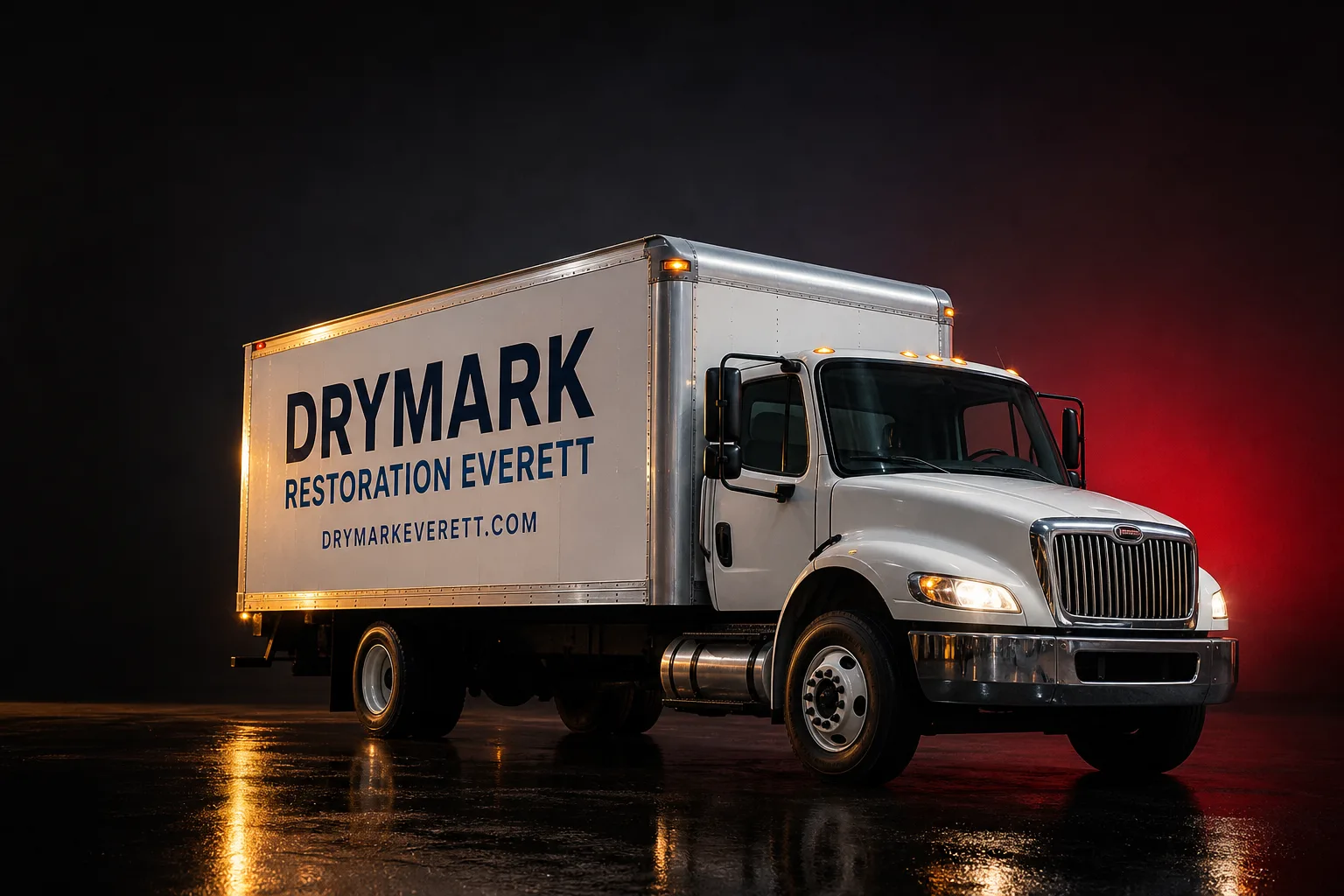
Free visual inspection and a written scope of work before any mitigation begins - photos, moisture readings, and drying logs go in your claim file
The scope we write is the scope we bill. Anything new gets shown to you, in writing, before we touch it.
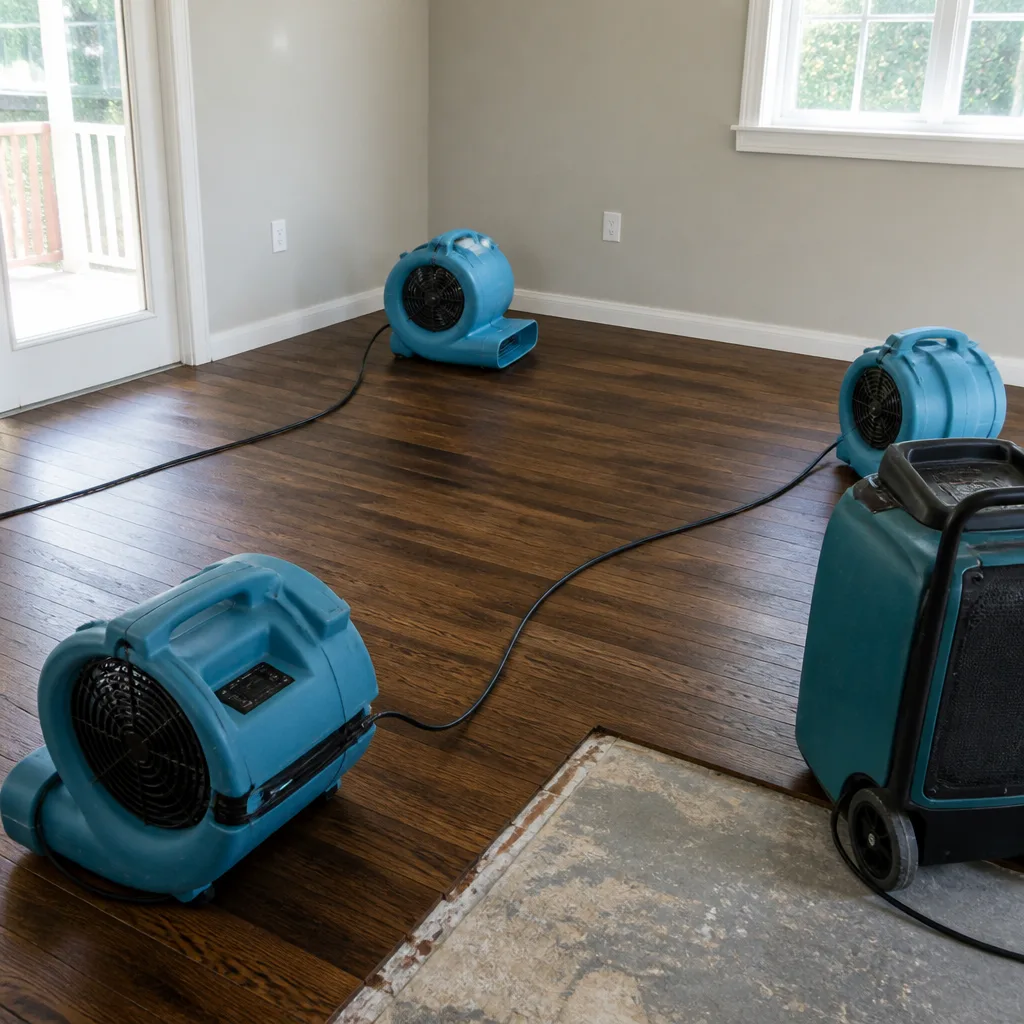
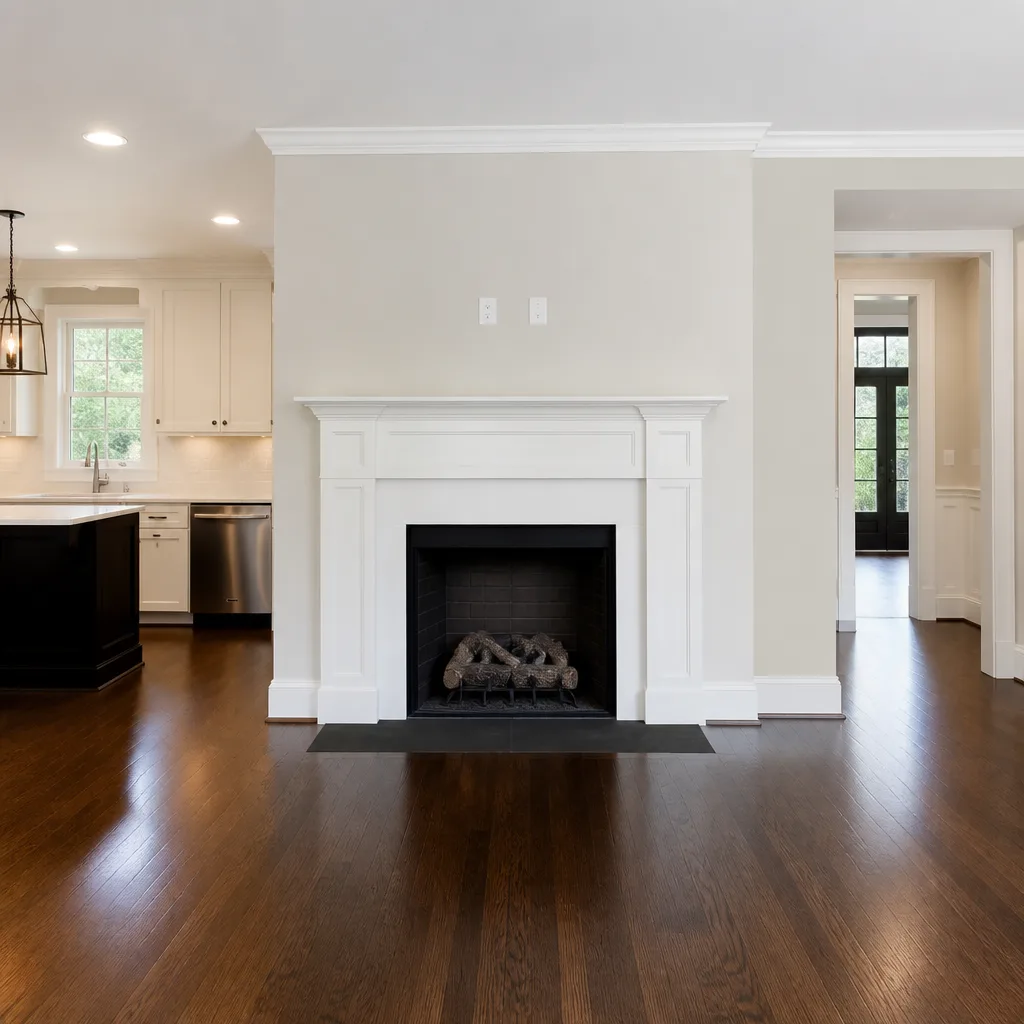
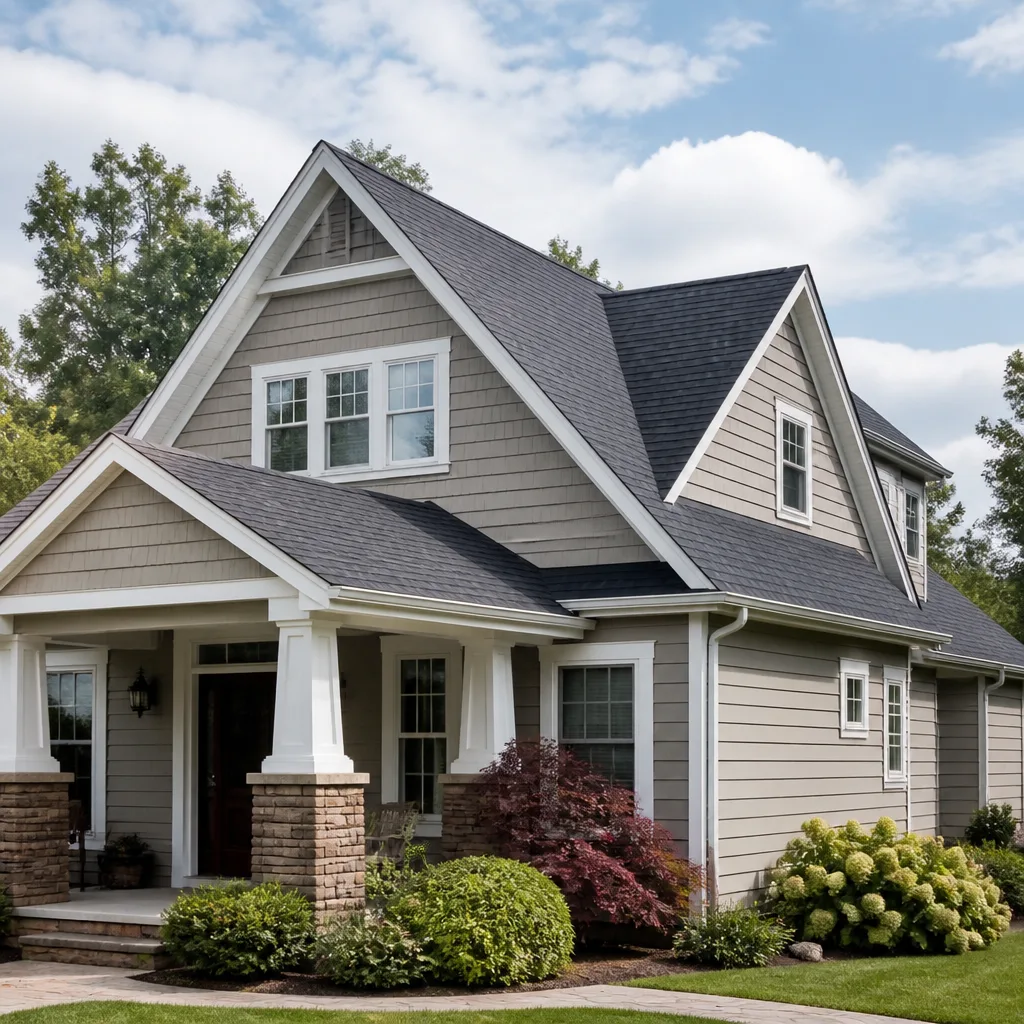
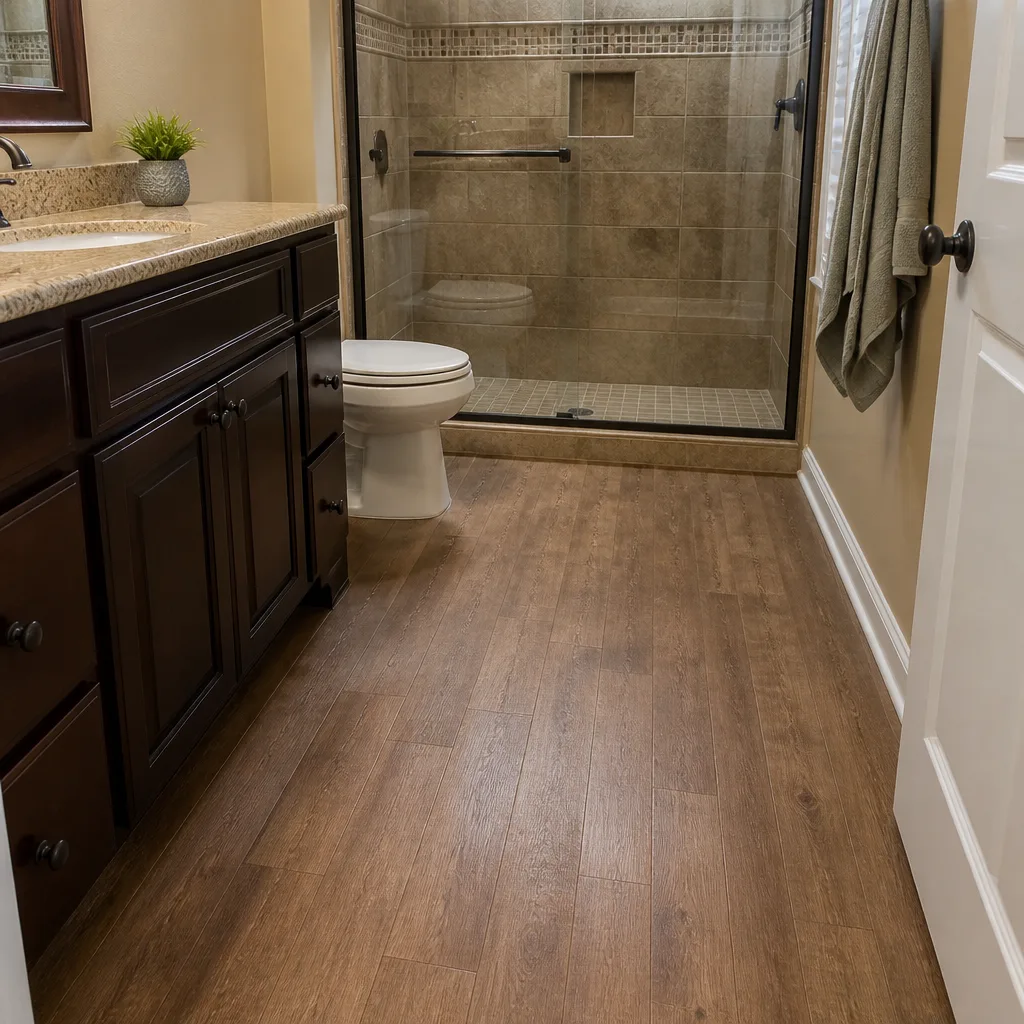
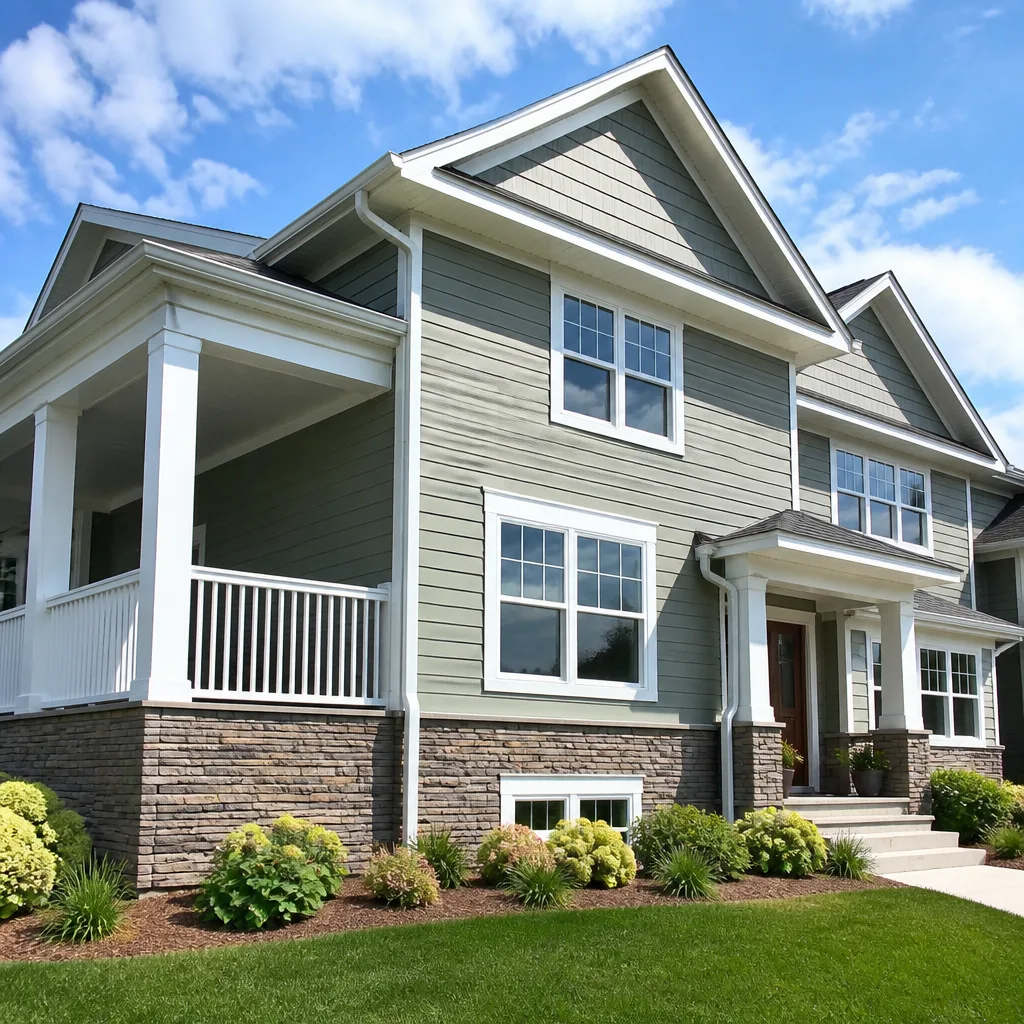
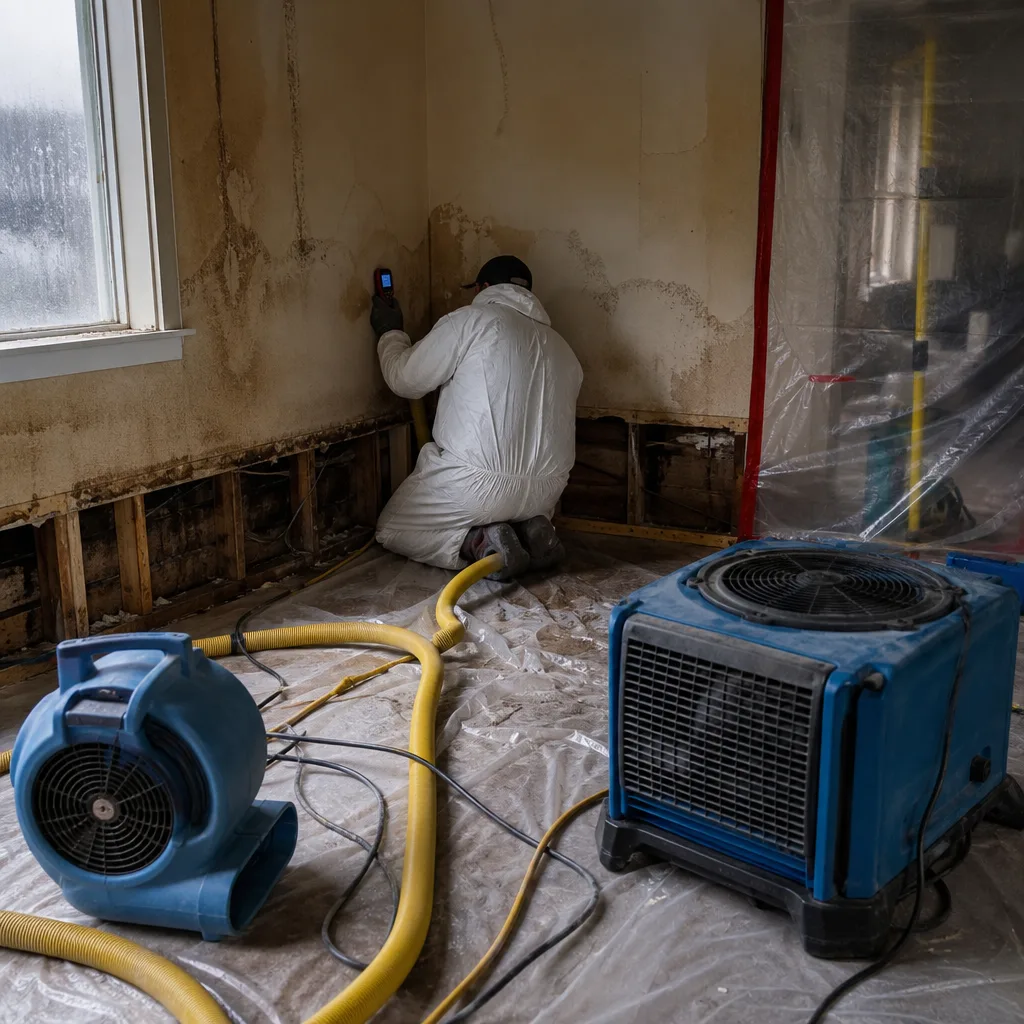 Before
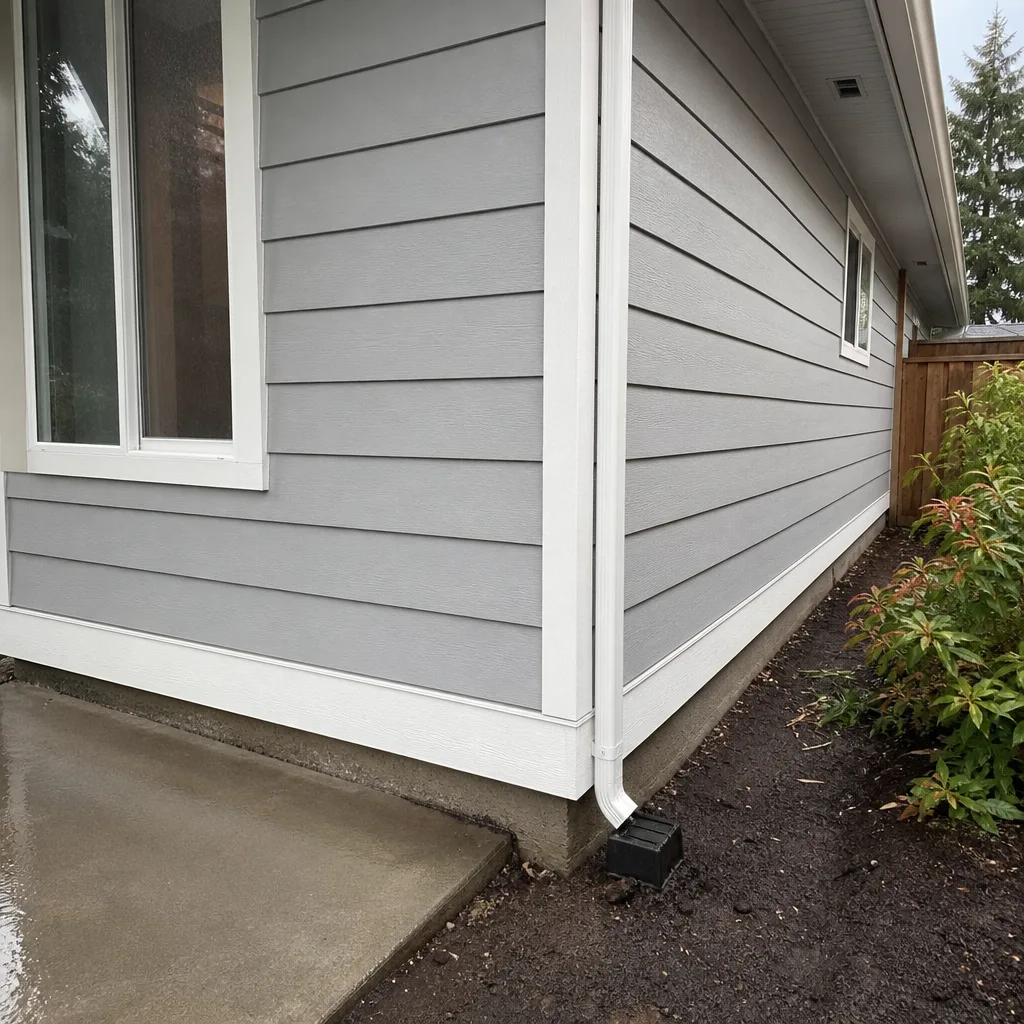 After
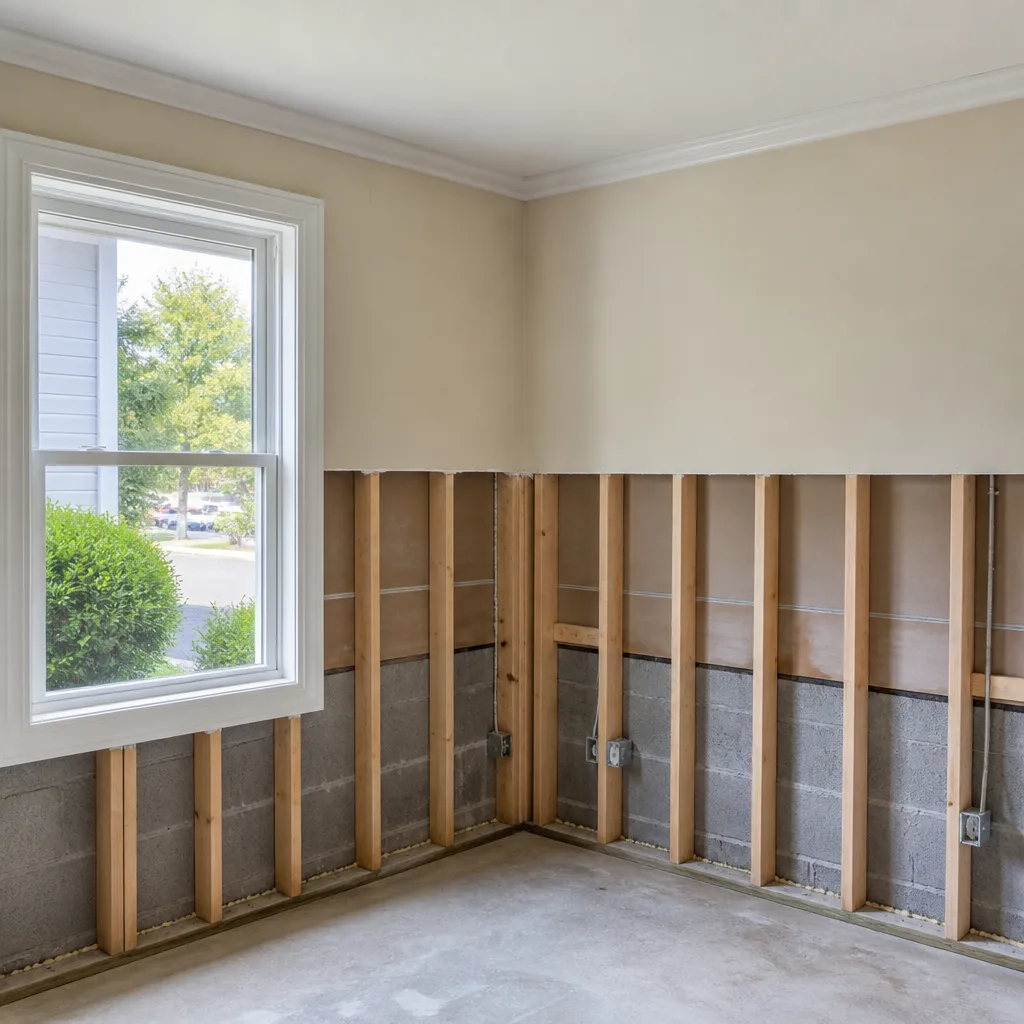
After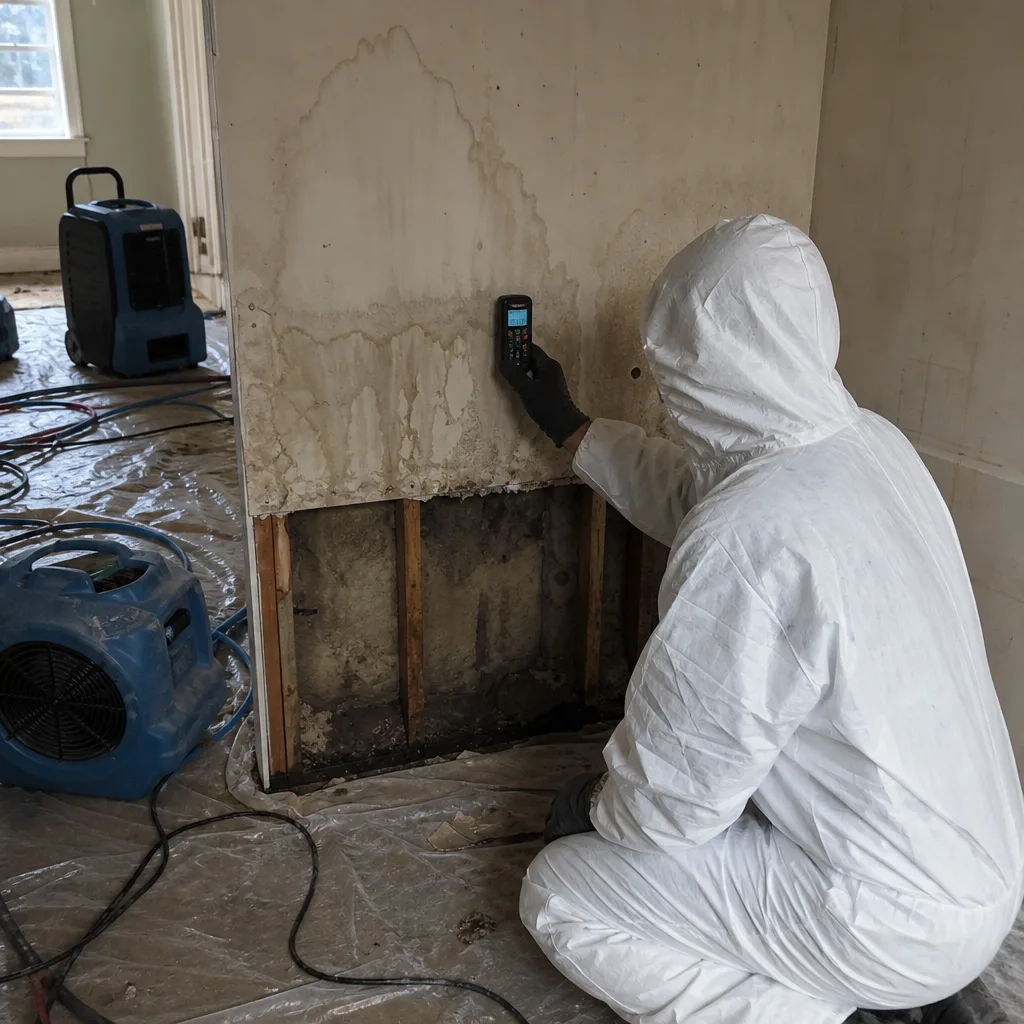 Before
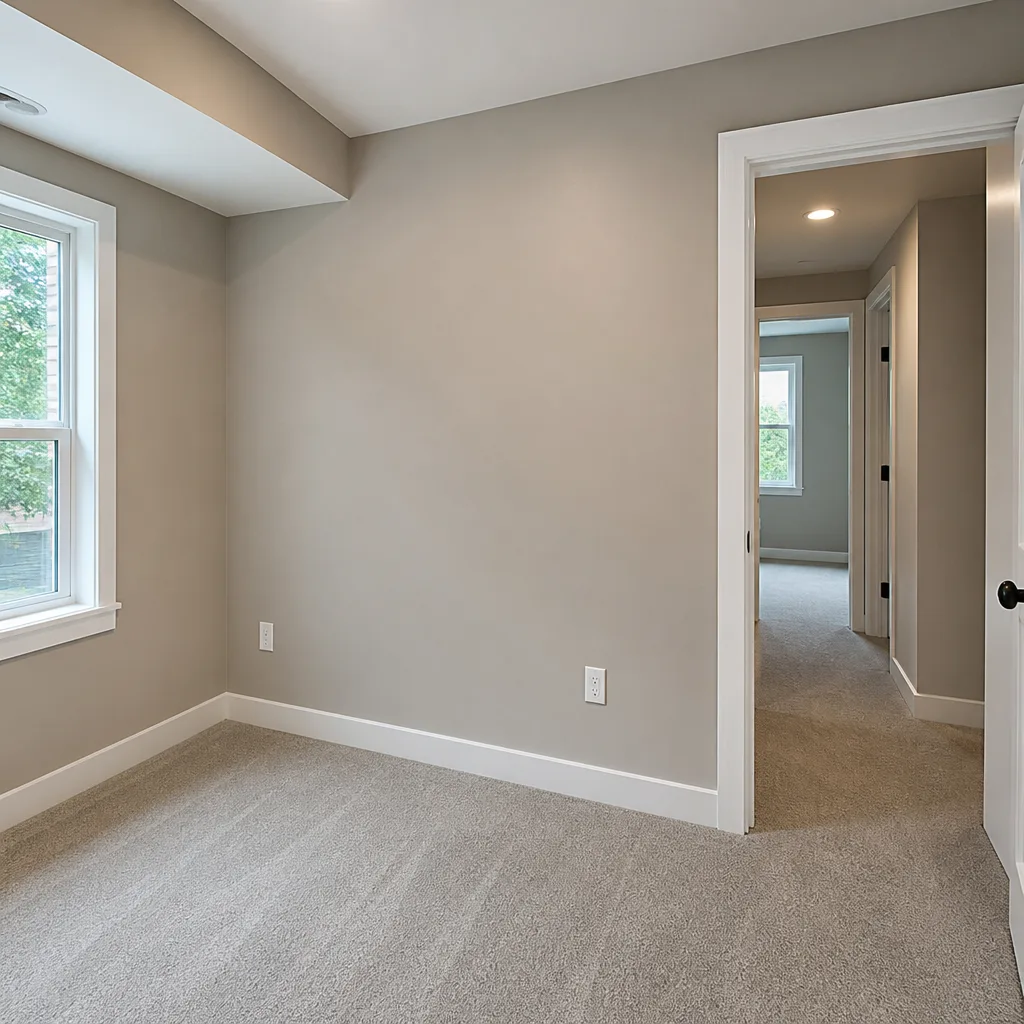 After
After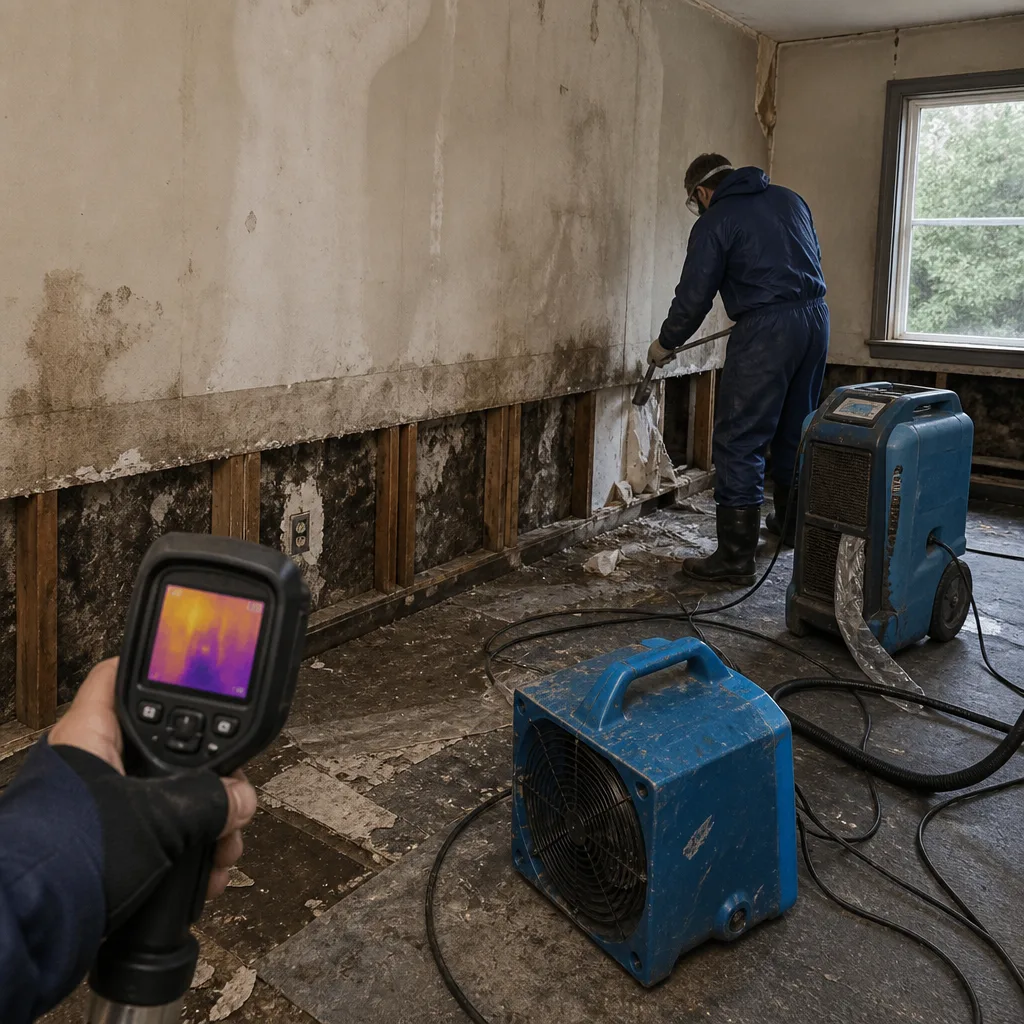 Before
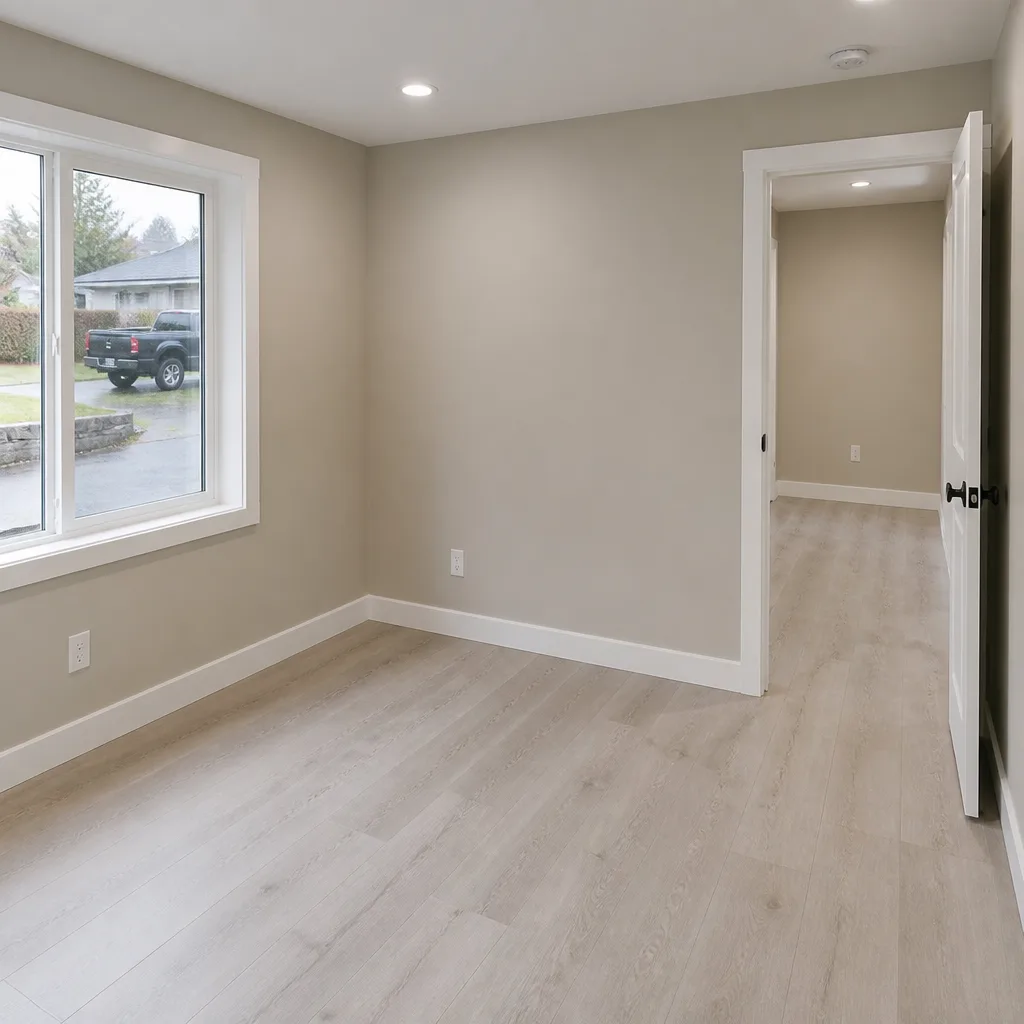 After
After24/7 Emergency Mold Remediation in Monroe
Mold remediation in Monroe, WA typically costs $1,800-$6,500 depending on affected square footage and whether the job follows a multi-day flood event or an isolated moisture intrusion. Our crews answer live at (360) 502-8815 every hour of every day, including holidays, because mold colonies begin producing spores within 24-48 hours of moisture contact. We dispatch from our Seattle office and can have a technician to most Monroe addresses within 45 minutes for emergency assessment.
The first hour determines whether a mold job stays contained to one room or spreads through wall cavities. We start with a free visual inspection, document moisture readings with calibrated thermo-hygrometers, and give you a written scope before any containment goes up. If the loss is insurance-covered, we begin photo documentation immediately and coordinate directly with your adjuster.
Understanding Mold Remediation Severity in Monroe Properties
Mold severity in Monroe falls into three practical categories that map directly to our containment and drying protocols. Category 1 contamination covers surface mold on non-porous materials, think tile, sealed concrete, or painted drywall with no visible penetration, typically remediated with HEPA vacuuming and antimicrobial application in one contained zone. Category 2 involves porous materials with visible hyphal growth into substrates, carpet, unsealed wood, or drywall facing, requiring physical removal of affected materials and negative-air containment with HEPA scrubbers running at six air changes per hour. Category 3, the threshold for full-scale remediation, means extensive colonization in structural cavities, HVAC systems, or crawl spaces with documented airborne spore counts above outdoor baseline by a factor of ten or more.
Monroe’s housing stock drives our severity assessments in specific ways. The pre-1960s agricultural-era homes on the valley floor, many near the downtown core and along Old Owen Road, have crawl spaces with minimal or degraded vapor barriers and concrete block foundations that wick groundwater continuously. The 1990s-2000s suburban infill on former Snohomish County farmland, particularly east of Chain Lake Road, often has better initial construction but drainage systems overwhelmed by repeat flood-plain exposure. We size our drying equipment differently for each era: older homes need extended dehumidification runs with vapor-pressure differential monitoring, while newer construction may require focused cavity drying with Injectidry hose systems behind intact drywall.
Why Monroe Property Owners Choose DryMark Restoration Everett
- 45-minute response commitment to Monroe addresses from our Seattle-coordinated dispatch, with GPS-tracked crew routing that accounts for SR-522 congestion and seasonal river-road closures.
- 24/7 live answer - a real person, never an automated system or voicemail tree, picks up every call to our emergency line within three rings.
- IICRC-certified crews holding AMRT (Applied Microbial Remediation Technician) and WRT (Water Damage Restoration Technician) certifications, with license numbers verified and provided on request.
- Free visual inspection with moisture mapping, thermal imaging, and documented photo record before any work authorization.
- Direct insurance billing with adjuster coordination, supplemental claim documentation, and daily drying logs formatted to carrier standards.
- One team from extraction to reconstruction - the same crew that sets containment and removes mold-damaged materials returns to install new drywall, trim, and finishes, eliminating handoff gaps.
BeforeAfterOur Mold Remediation Process
1. Inspection & Assessment
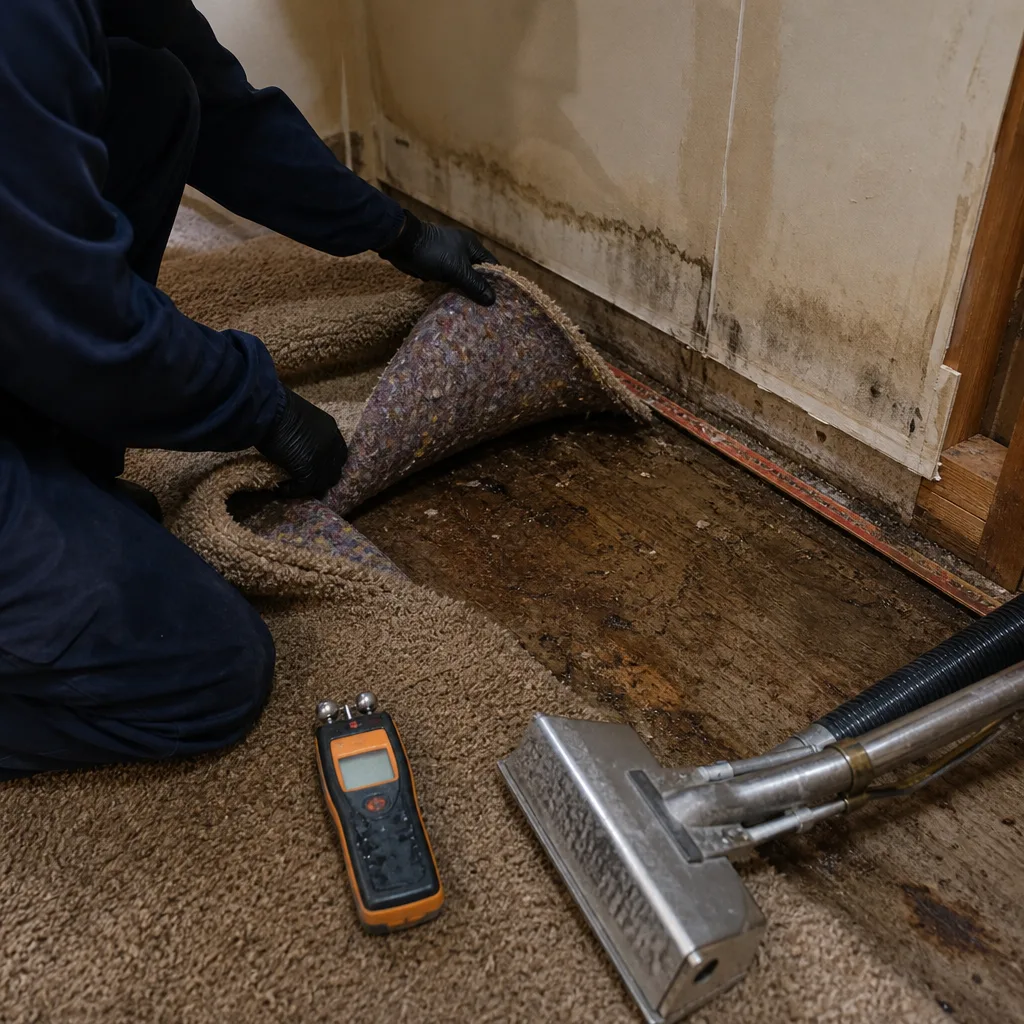
We map moisture with FLIR thermal imaging and penetrating probes, identify mold species through tape-lift or air sampling sent to a third-party lab, and classify the contamination level per IICRC S520 standards. Every reading is logged with time, location, and equipment calibration date.
2. Containment & Air Filtration
We erect polyethylene containment barriers sealed with zipper doors, establish negative air pressure with HEPA-filtered air scrubbers, and install temporary dehumidification to stop spore migration during removal. Pressure differentials are checked every four hours.
3. Mold Removal & Material Disposal
Non-salvageable porous materials are cut out with controlled demolition, bagged in 6-mil polyethylene, and disposed per Washington State Department of Ecology guidelines. Semi-porous materials like framing lumber are HEPA-sanded and treated with antimicrobial solutions.
4. Cleaning & Sanitization
All surfaces within the containment zone receive HEPA vacuuming followed by damp-wipe with EPA-registered antimicrobial agents. We clean twice: once after removal, again after drying, with ATP bioluminescence testing to verify reduction below 10 RLU on post-remediation surfaces.
5. Moisture & Humidity Control
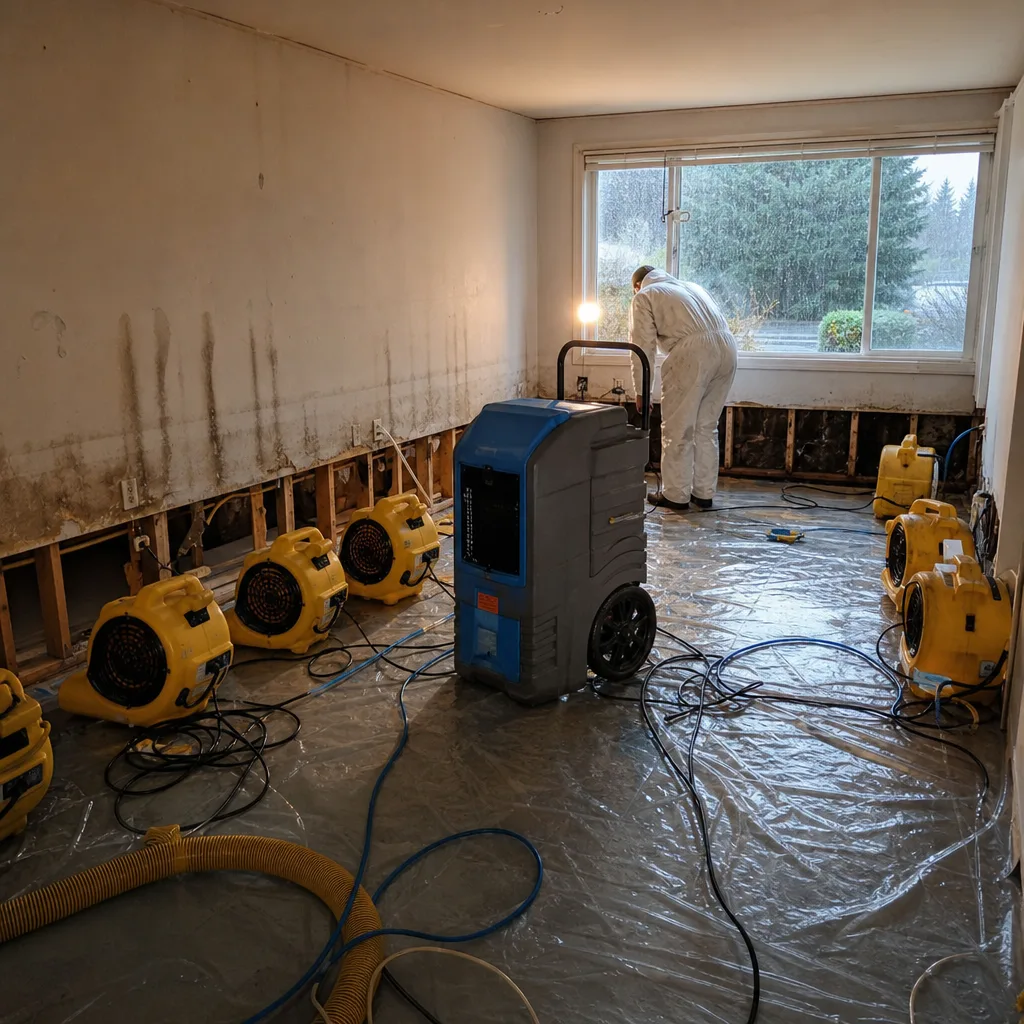
We deploy Dri-Eaz and Phoenix LGR dehumidifiers sized to the cubic footage and vapor load, with B-Air axial air movers positioned for laminar airflow across wet surfaces. Daily psychrometric readings, temperature, relative humidity, and grains per pound, are logged until materials reach dry standard, typically 12% wood moisture content or lower.
6. Clearance Testing & Restoration
A third-party industrial hygienist collects air samples for spore trap analysis; clearance requires indoor counts at or below outdoor baseline with no Stachybotrys or Chaetomium detected. Only then do we remove containment and begin reconstruction, with our 365-Day Done Right Promise covering all workmanship.
Need Emergency Mold Remediation in Monroe Now?
Crews minutes away, answering live 24 hours a day. The sooner we start, the less it costs.
Working With Your Insurance Company
Insurance claims for mold damage succeed or fail on documentation quality. We begin photo documentation on arrival, before any equipment is moved or containment is built, and we continue with dated images on every visit. Our estimates follow Xactimate pricing with line-item detail that adjusters recognize and can process without revision requests.
We speak directly with your carrier’s assigned adjuster, provide moisture logs with equipment serial numbers and hourly readings, and flag any coverage questions before work proceeds. If the initial scope proves insufficient, we document the change with photos, revised moisture readings, and a supplemental estimate rather than billing for undisclosed extras.
What We Provide Your Insurer
- Thorough documentation of the loss
- Photos of all damage, room by room
- Moisture readings and drying logs
- A detailed, line-item scope of work
- Direct coordination with your carrier
Built for Monroe’s Loss Calendar
Monroe’s mold season runs differently than the calendar suggests. November through March brings atmospheric river events and rain-on-snow melt from the Cascades, producing the multi-day Skykomish River inundations that define our heaviest remediation work. The 2021-2022 and 2022-2023 winters both saw FEMA flood zone activations in the valley floor, with our crews returning to the same river-adjacent addresses for follow-up mold calls six to eight weeks after the water receded.
April and May shift to groundwater rise in crawl spaces as snowpack finishes draining, a slower-motion damage pattern that homeowners often miss until musty odors or floor cupping appear. June through September brings relative dryness, but the humidity spike from July thunderstorms can reactivate dormant spores in previously wet cavities. October is our inspection-heavy month: homeowners closing up crawl-space vents for winter discover mold that grew unseen through summer.
We schedule preventive moisture and humidity control assessments in September for valley-floor homes with a flood history, before the wet season locks in conditions that guarantee mold amplification.
Mold Remediation Across Monroe’s Neighborhoods
Monroe’s geography creates distinct mold profiles by area, and our response routes account for each.
Downtown Monroe and the Old Owen Road corridor contain the highest concentration of pre-1960s homes with crawl-space foundations and original concrete block construction. We see repeat cavity mold here, moisture wicks through block walls after every significant river rise, and we keep Injectidry cavity-drying systems staged specifically for these calls. The narrow lots and alley access can complicate equipment placement, so we survey approach routes before dispatch.
The Kelsey Creek and Chain Lake areas hold much of the 1990s-2000s suburban infill built on converted farmland. Drainage is the chronic problem: perimeter drains clog with agricultural sediment, sump pumps fail during extended power outages, and finished basements flood with Category 2 water that becomes Category 3 if left more than 48 hours. Mold here often starts behind basement insulation that was installed without a vapor barrier.
West Hill and the Sultan-Monroe Road elevation fare better for flood risk but face their own pattern: older septic systems and well-housing structures with chronic humidity, plus homes built into hillsides with inadequate daylight basement drainage. We find Aspergillus and Penicillium colonization in stored contents more often here, since the higher elevation means homeowners assume they’re safe from “flood mold.”
The Tualco Valley and rural southeast Monroe properties combine agricultural outbuilding conversion with residential use, barns turned workshops or ADUs with no HVAC and intermittent occupancy. Mold goes undetected for months until a family member with respiratory sensitivity visits. These jobs often require whole-structure remediation with temporary power and climate control.
Specialized Mold Remediation Services We Offer in Monroe
Mold Inspection & Testing
Our inspections in Monroe include air sampling, surface tape-lifts, and ERMI dust analysis for homes with chronic moisture history. We send samples to independent labs and interpret results against outdoor baseline collected the same day. For homes in FEMA flood zones, we specifically test for Stachybotrys chartarum, the species most associated with prolonged water contact in cellulose materials.
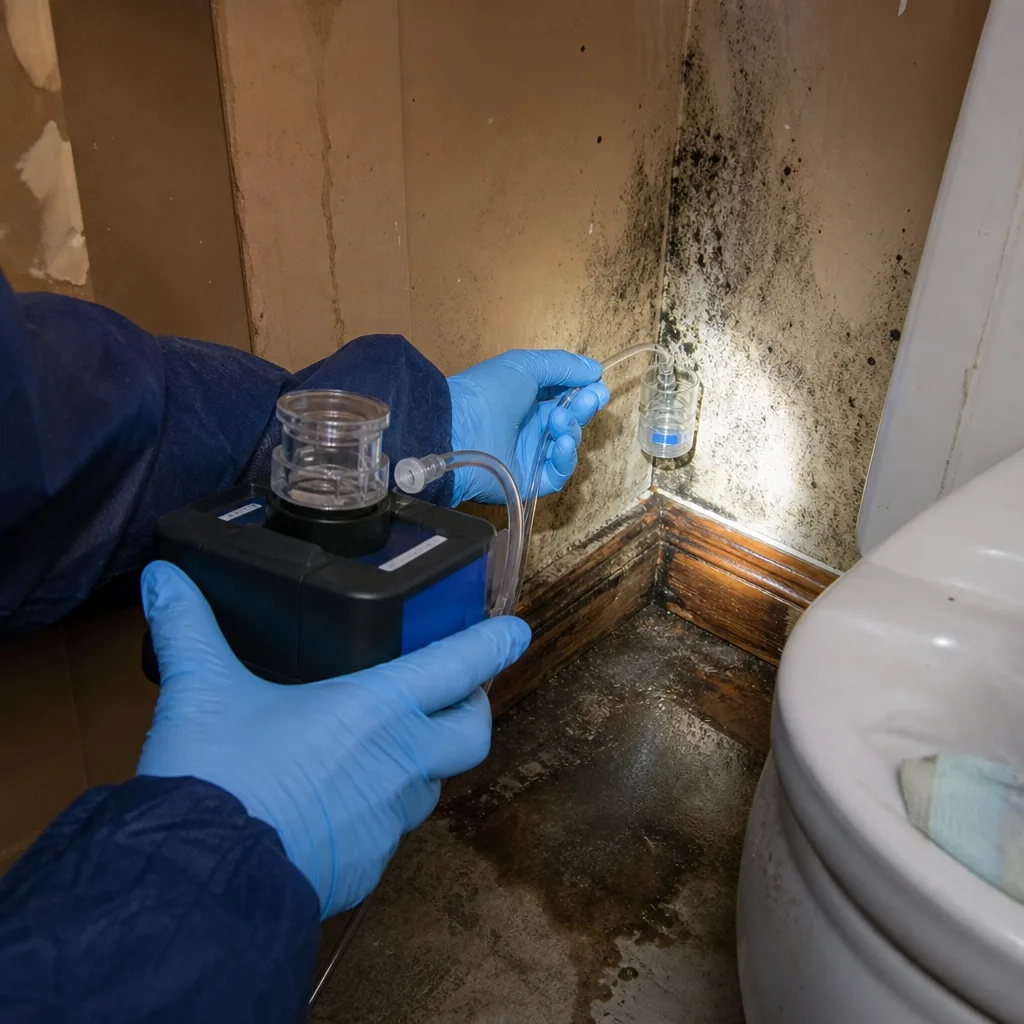
Mold Removal
Physical removal of colonized materials is the only remediation method recognized by IICRC S520 for porous substrates. We do not spray bleach on drywall and call it fixed. Our Monroe crews bag and dispose of all removed materials per Washington State hazardous waste rules, with chain-of-custody documentation for insurance.
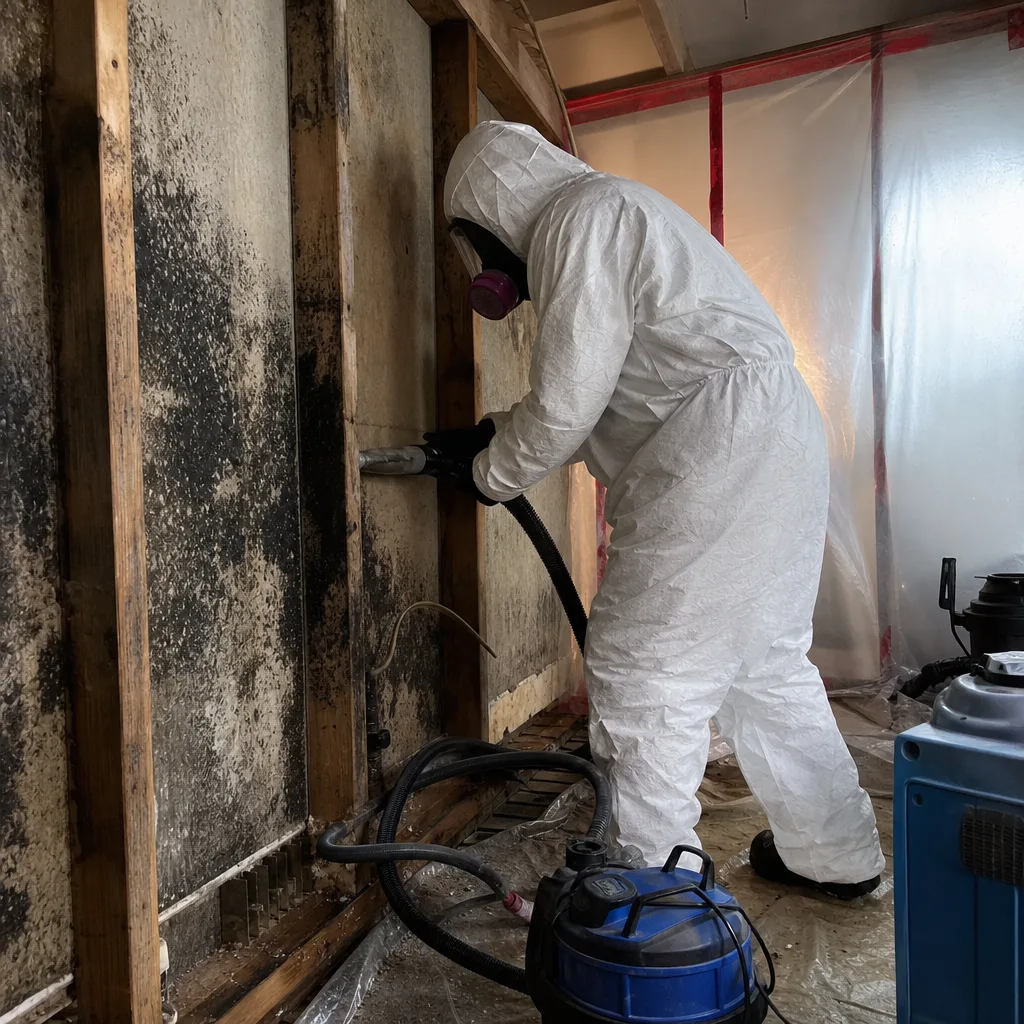
Black Mold Remediation
Stachybotrys remediation requires full containment with negative air pressure, disposable protective equipment for technicians, and specialized HEPA vacuum systems. We have completed black mold jobs in Monroe’s older valley-floor housing where the species colonized behind bathroom vanities and kitchen cabinets after slow plumbing leaks compounded by foundation wicking.
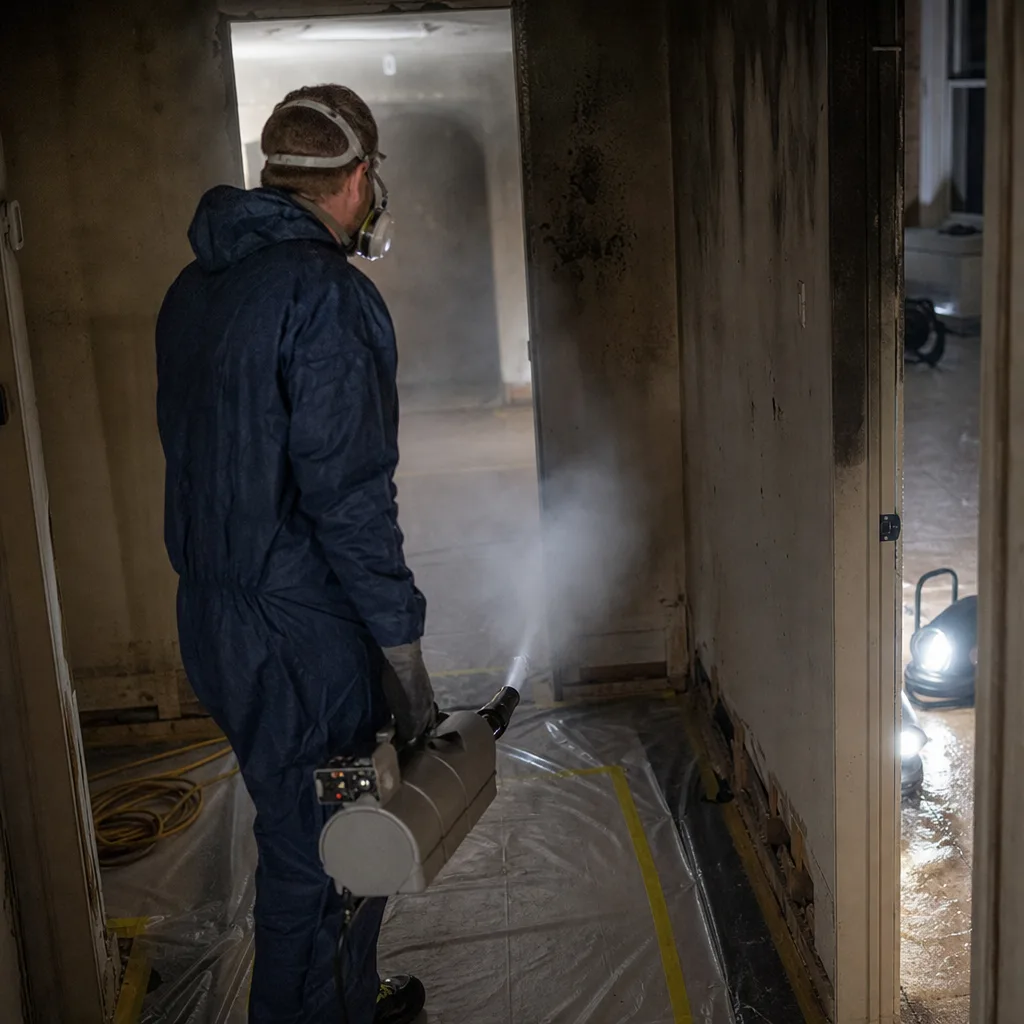
Air Quality Restoration
After mold removal, we restore breathable air quality through HEPA filtration, activated carbon scrubbing for volatile organic compounds, and balanced ventilation. Our post-remediation air testing compares indoor spore counts to outdoor ambient levels measured at the property line, not generic regional data.
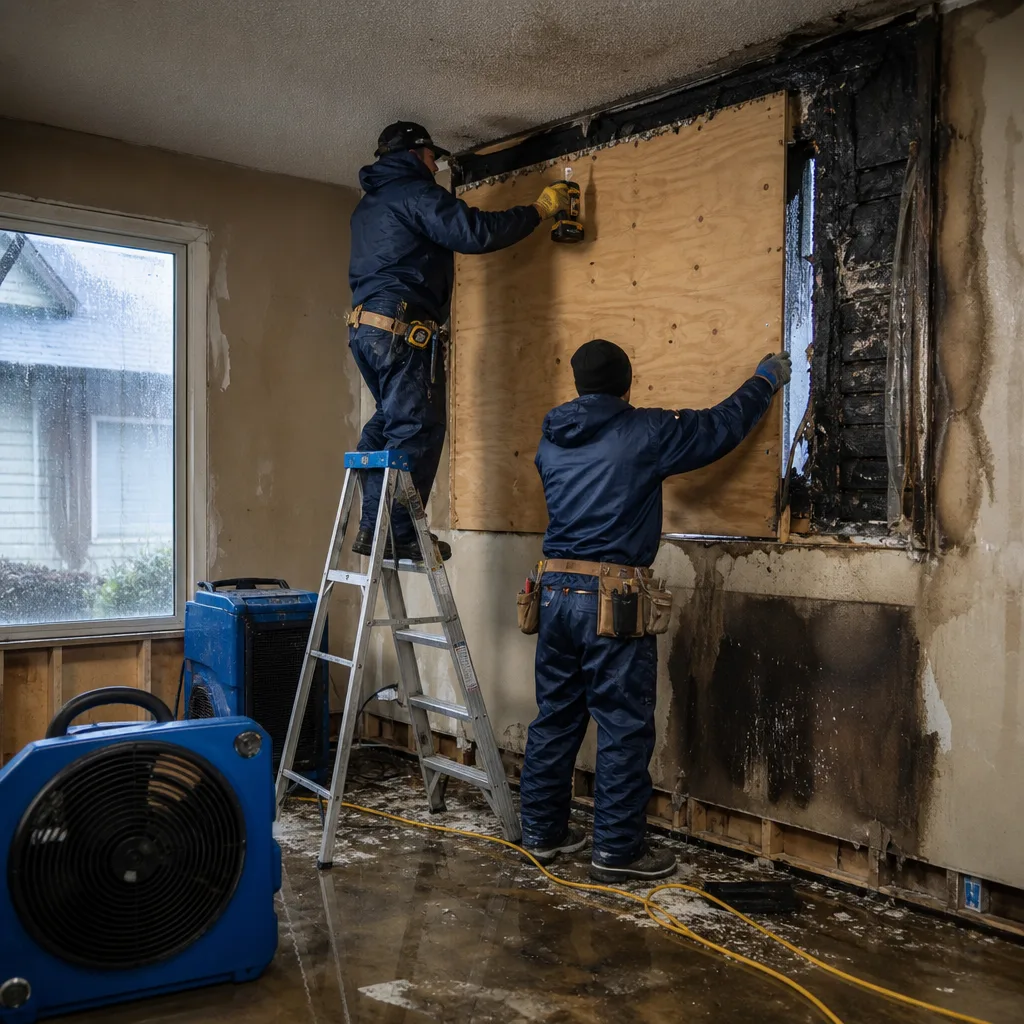
Crawl Space Treatment
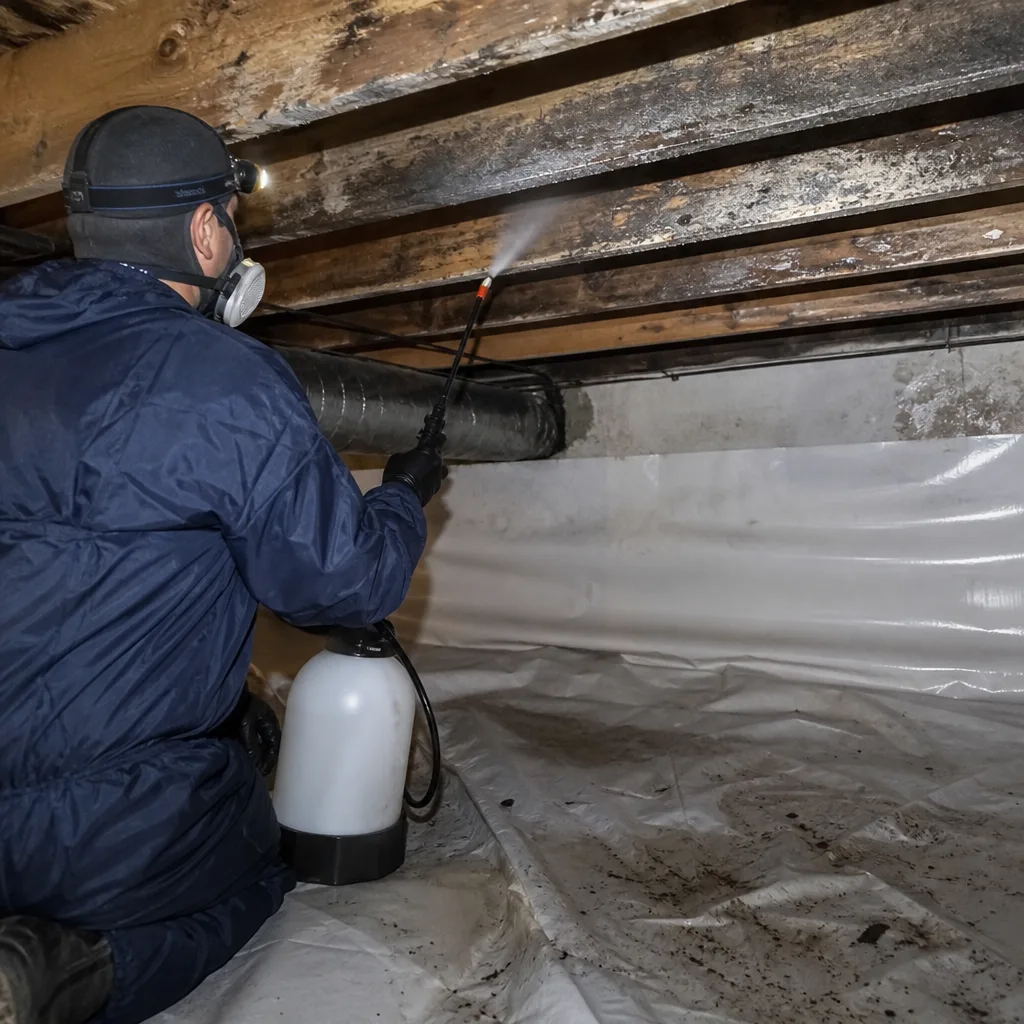
Monroe’s most requested sub-service. We remove degraded vapor barriers, treat soil and framing with antimicrobial agents, install new cross-laminated polyethylene barriers sealed to foundation walls, and set up permanent dehumidification where the home’s HVAC does not condition the crawl space. For repeat-flood properties, we design sump and drainage upgrades with written scopes.
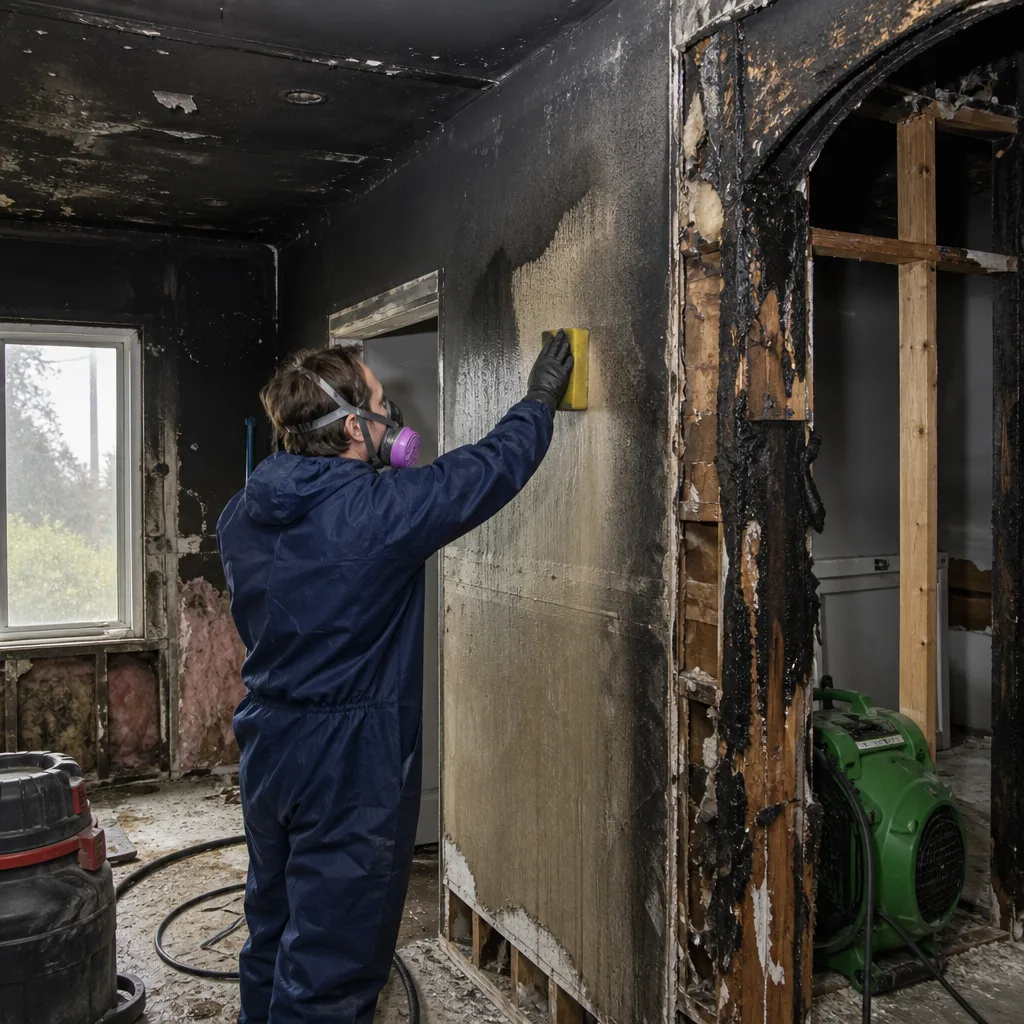
Moisture & Humidity Control
Long-term mold prevention in Monroe requires managing vapor pressure differentials, not just removing visible growth. We install permanent dehumidification, improve ventilation per ASHRAE 62.2 standards, and provide seasonal monitoring protocols for homes with a flood history. Our moisture and humidity control plans include written maintenance schedules.
What happens when you call
- 1
A real person answersNo phone trees - you reach a local pro.
- 2
You get an upfront price rangeHonest numbers before anyone is dispatched.
- 3
A background-checked tech heads outLicensed & insured, dispatched right away.
- 4
You approve before work beginsNothing starts until you say go.
Mold Remediation Costs in Monroe, WA
Mold remediation pricing in Monroe reflects the valley’s specific challenges: longer drying timelines, higher likelihood of cavity work, and repeat-flood properties requiring more extensive containment.
| Service | Typical Range in Monroe |
|---|---|
| Mold inspection with air/surface sampling | $350-$650 |
| Small contained area remediation (under 50 sq ft) | $1,800-$3,200 |
| Mid-size remediation with material removal (50-150 sq ft) | $3,500-$5,500 |
| Large-scale or whole-room remediation | $5,500-$9,000+ |
| Crawl space treatment with vapor barrier replacement | $2,800-$5,000 |
| Post-flood cavity drying and mold prevention | $2,200-$4,500 |
What moves the price: square footage of visible colonization, whether wall or floor cavity removal is needed, the presence of HVAC contamination, and whether third-party clearance testing is required. Insurance typically covers mold remediation when the moisture source is a covered peril, sudden pipe burst, storm damage, or qualifying flood event, but not when caused by long-term maintenance neglect. We provide a written price before work begins, Haven Standard, Clause 1, and offer a Free Second Opinion on any competitor’s written estimate.
We Also Serve Cities Near Monroe
Our Monroe crews regularly respond to mold calls in Snohomish, where the Snohomish River creates similar flood-driven patterns on higher ground; Mill Creek, with its concentration of 1980s-1990s construction with aging plumbing; Lake Stevens, where hillside homes face drainage and crawl-space humidity issues; and Bothell, where the Sammamish River corridor produces comparable valley-floor moisture problems. Each city gets the same documentation-first protocol and written-price guarantee.
Monroe Mold Remediation Questions, Answered
How soon after a Skykomish River flood should I schedule mold inspection in Monroe?
Schedule within 72 hours of water receding, even if surfaces appear dry. In Monroe’s concrete block foundations, moisture continues wicking into wall cavities for days after visible water disappears, and mold begins spore production within 48-96 hours of sustained humidity above 60%. We provide emergency moisture mapping and can establish containment before colonization spreads. Call (360) 502-8815 for same-day scheduling.
Why do crawl spaces in older Monroe homes keep growing mold?
Pre-1960s valley-floor homes were built with minimal or no vapor barriers, and the Skykomish River valley’s high water table means soil moisture is constant. Crawl spaces never fully dry between wet seasons, maintaining relative humidity above 70% year-round. Our crawl space treatment includes new cross-laminated barriers, soil antimicrobial application, and permanent dehumidification sized to the cubic footage.
What makes mold remediation in Monroe different from a standard water damage job in Everett?
Monroe’s FEMA flood zone status and multi-day inundation patterns create longer submersion times than Everett’s quick-draining urban stormwater systems. Concrete block foundations wick moisture upward for weeks, producing hidden cavity mold that standard surface drying misses. Our Monroe protocol includes extended dehumidification runs with vapor-pressure differential monitoring and cavity-specific drying equipment.
Can you treat mold in a Monroe home without removing the drywall?
Only when mold is strictly surface-level on non-porous painted drywall with no penetration to the paper facing or gypsum core. In Monroe’s flood-prone housing, we more often find cavity mold behind intact drywall that requires controlled demolition for access and proper drying. We test with moisture probes and thermal imaging before recommending any approach, and we document our findings with photos.
Do you offer moisture and humidity control for Monroe homes after a flood?
Yes. Our moisture and humidity control service includes permanent dehumidification installation, ventilation improvements per ASHRAE standards, and seasonal monitoring protocols designed for Monroe’s wet-season cycle. For homes with repeat flood history, we design drainage and sump upgrades with written scopes and equipment specifications. This is separate from remediation and billed as a preventive service.
Will my insurance cover mold remediation in Monroe?
Insurance covers mold when it results from a covered sudden peril, burst pipe, storm damage, or qualifying flood event with appropriate coverage. It does not cover mold from long-term maintenance neglect or unresolved humidity. We document the moisture source, provide photo evidence and drying logs, and coordinate directly with your adjuster to establish coverage before work proceeds. Call (360) 502-8815 for a free inspection and coverage assessment.
How long does mold remediation take in Monroe?
Small contained jobs finish in 3-5 days. Mid-size remediation with material removal typically runs 5-10 days including drying time. Large-scale or post-flood cavity work in Monroe’s older housing often requires 10-14 days because of extended dehumidification needs and third-party clearance testing. We provide a written timeline with the scope, updated daily with moisture log data.
Can my family stay in the home during mold remediation?
Usually not during active remediation. We establish negative-air containment that isolates the work zone, but HVAC shutdown is often required and airborne spore counts rise during removal. For small Category 1 surface jobs, partial occupancy may be possible with containment sealing. We assess this during inspection and specify occupancy status in the written scope before work begins.
Serving Monroe, WA - Our Local Coverage Area
We’re based in the Monroe area and know this community well. Use the map below to see our service coverage - if you’re nearby, we can almost certainly help.
Get a Written Price Before Work Starts
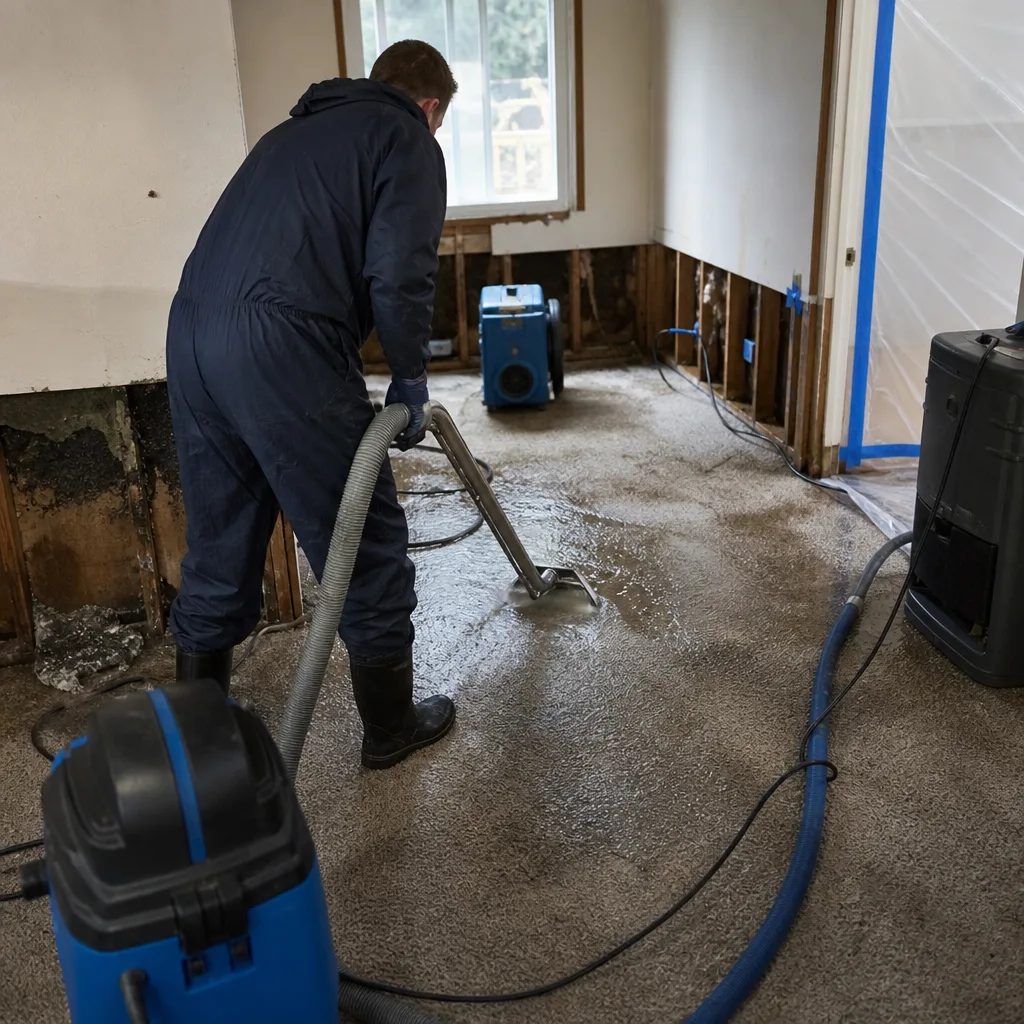
Every Mold Remediation job in Monroe begins with a free visual inspection, documented moisture readings, and a written scope with line-item pricing. No work starts until you have the full price in hand, Haven Standard, Clause 1. Our crews are background-checked, uniformed, and licensed, with photo documentation on every visit and direct adjuster coordination for insurance claims.
We have restored more than 12,000 homes since 2011, each with a written price before work started and a documented record when the crew left. Our 365-Day Done Right Promise, backed by The Haven Standard, means if it’s not done right, we make it right.
Call (360) 502-8815 now. A live person answers 24 hours a day, and we can have a technician to your Monroe property within 45 minutes for emergency assessment.
Written by Alicia Brennan, Owner at Back to Dry Restoration, serving Monroe since 2011.