
Free visual inspection and a written scope of work before any mitigation begins - photos, moisture readings, and drying logs go in your claim file
The scope we write is the scope we bill. Anything new gets shown to you, in writing, before we touch it.
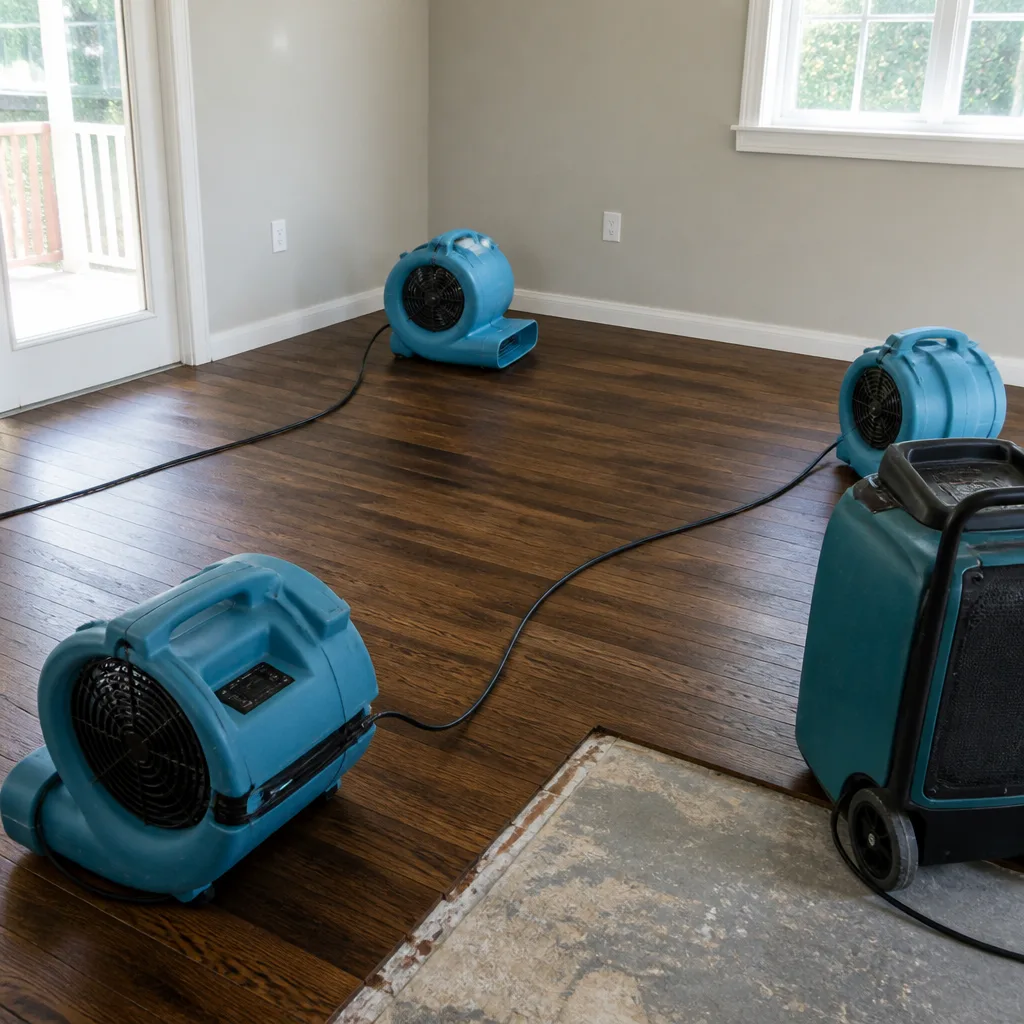
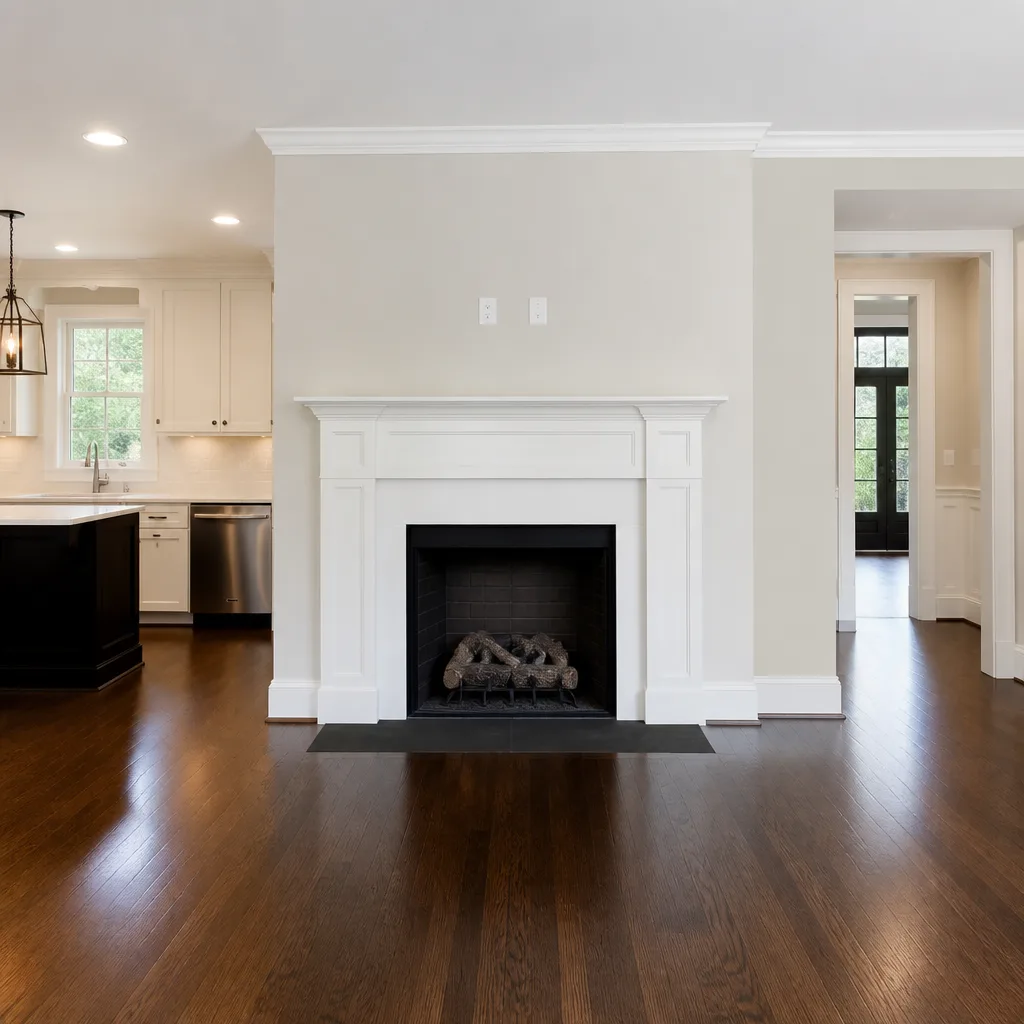
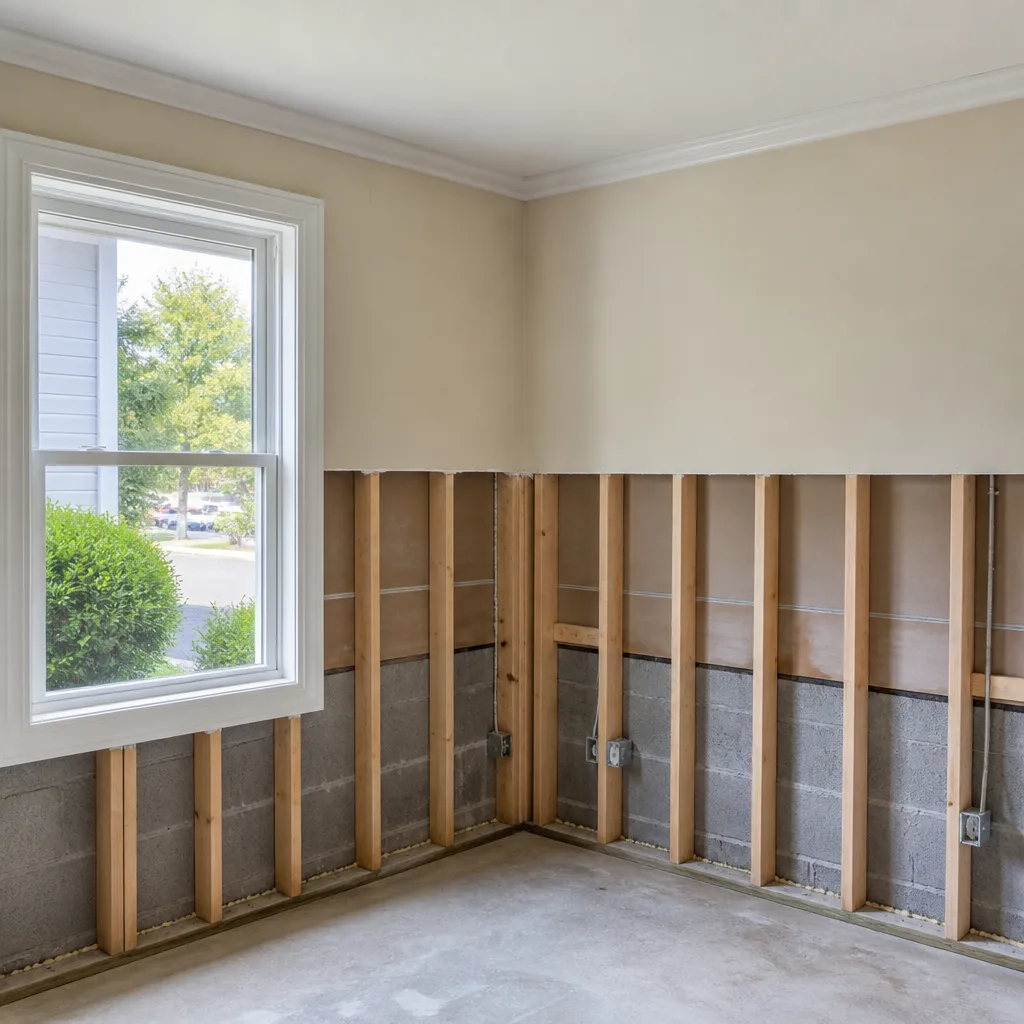
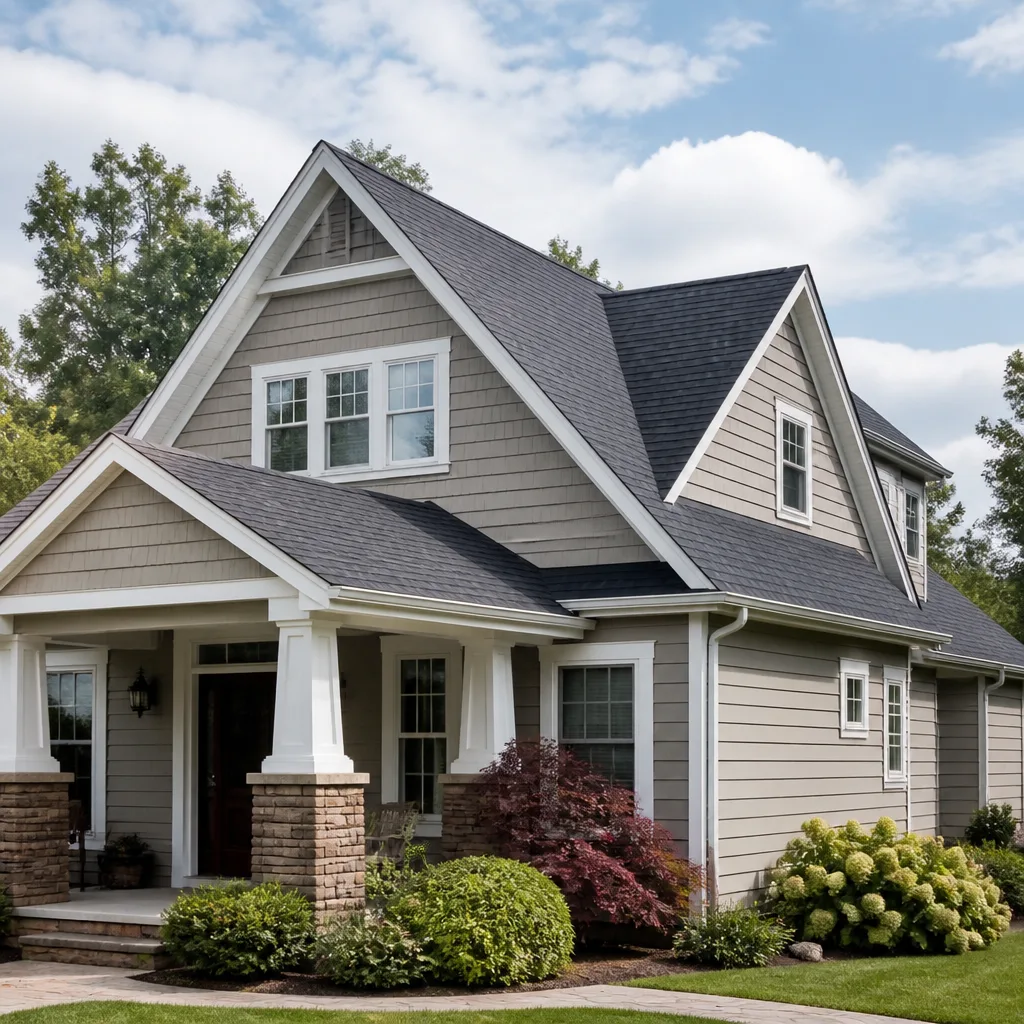
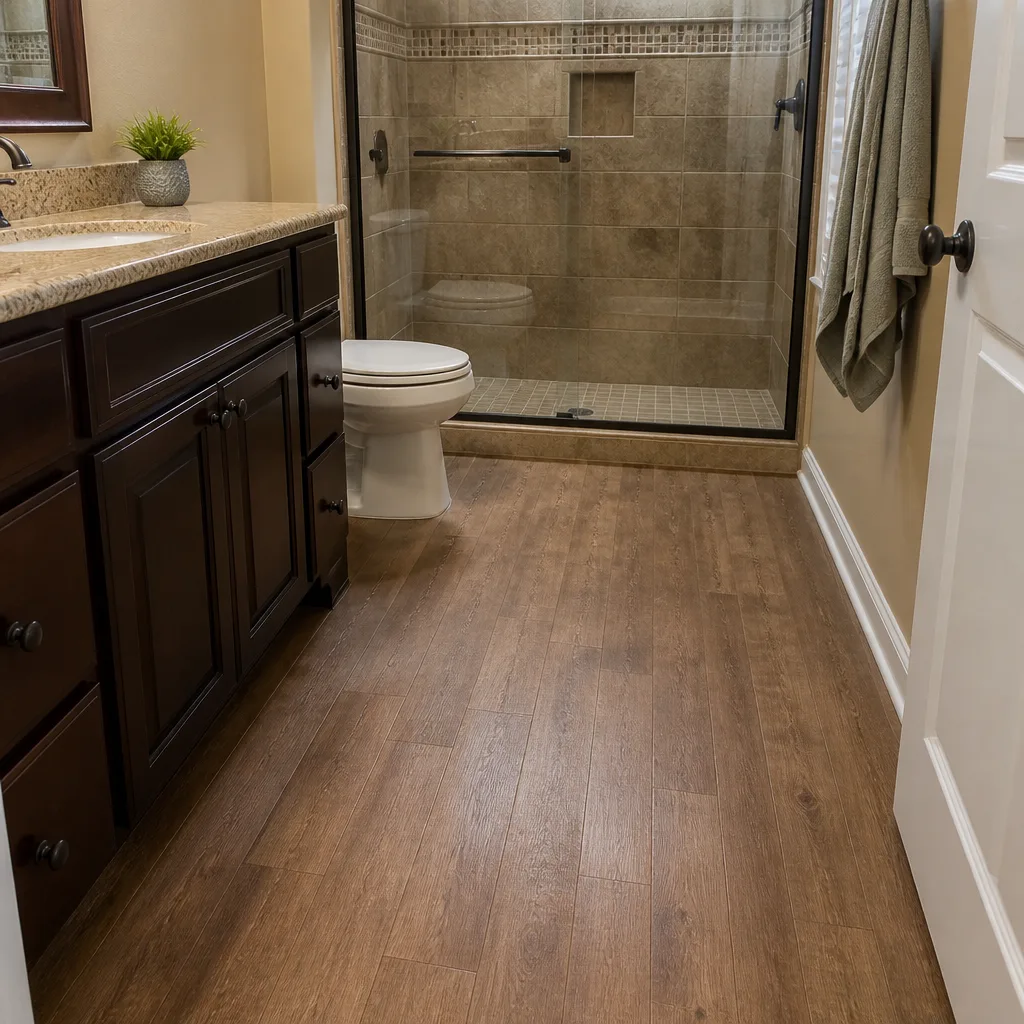
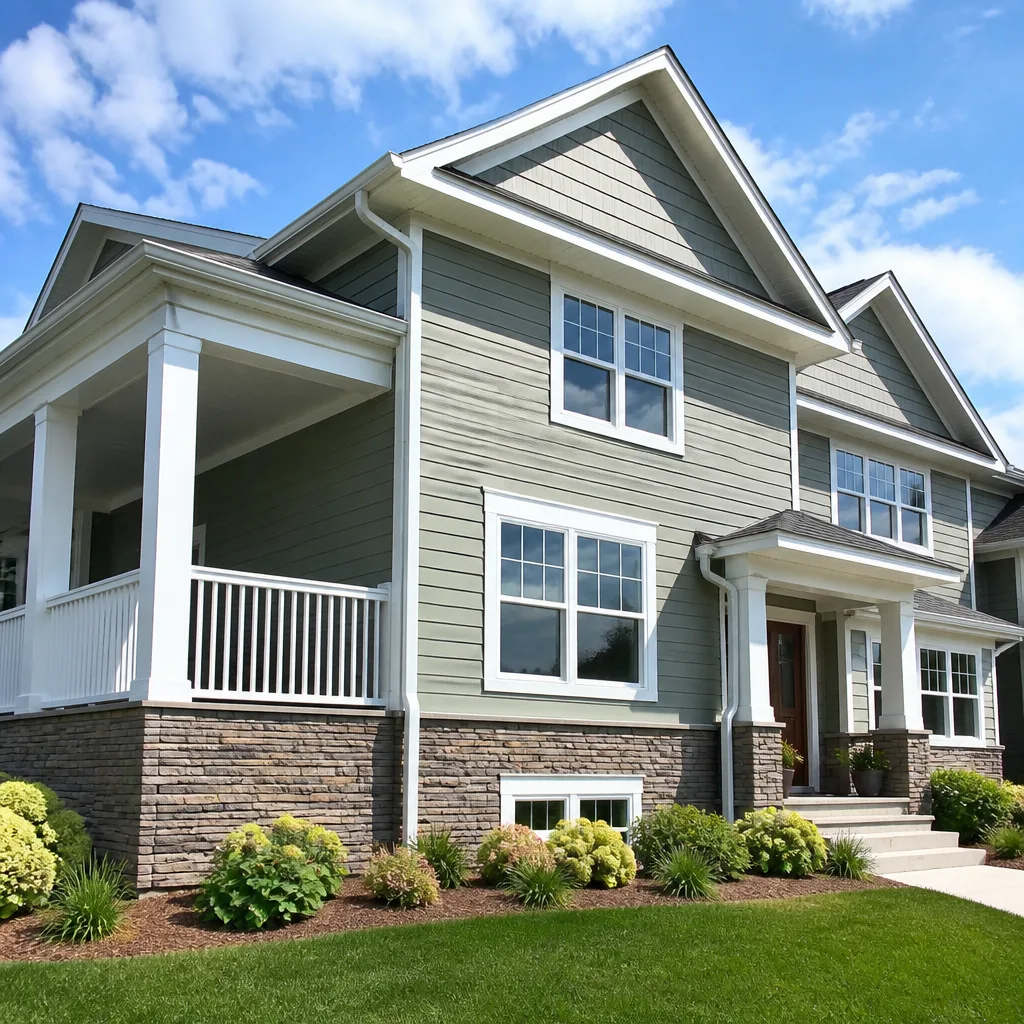
 Before
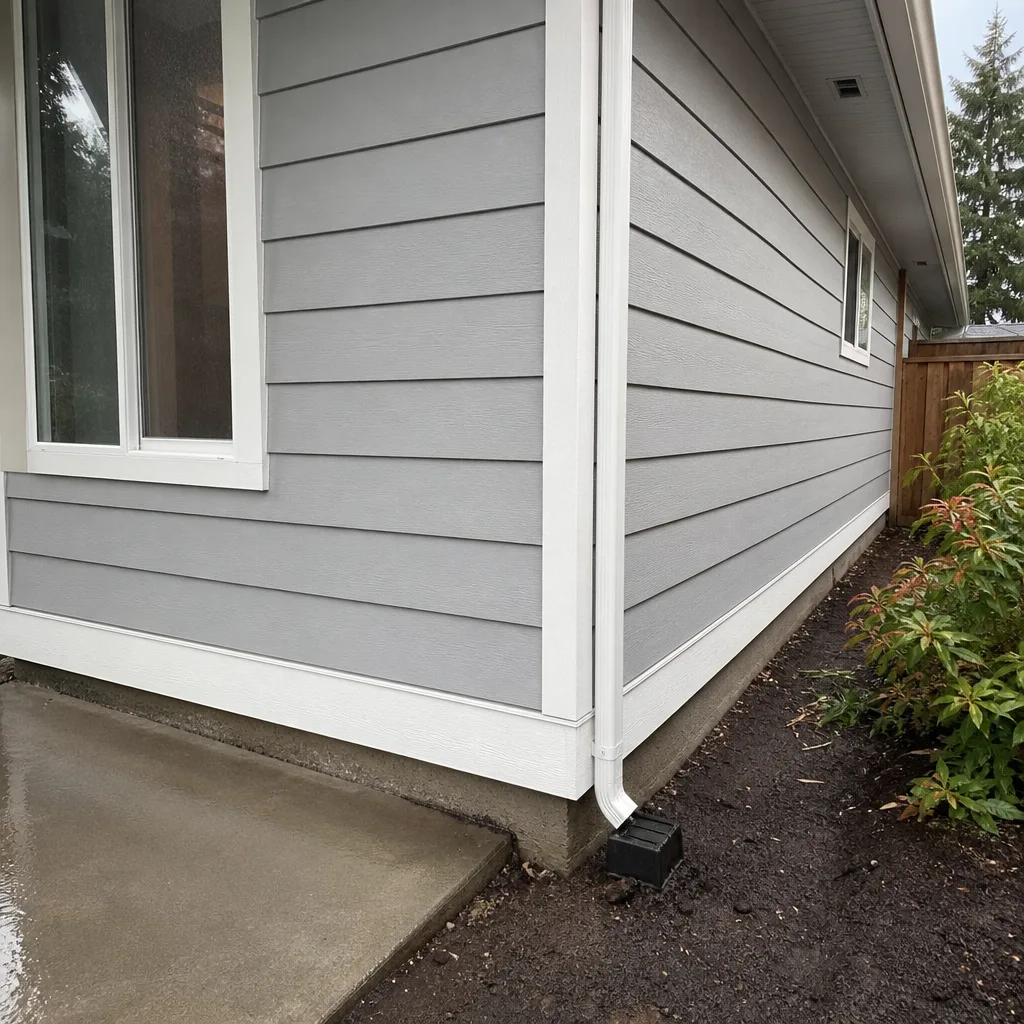 After
After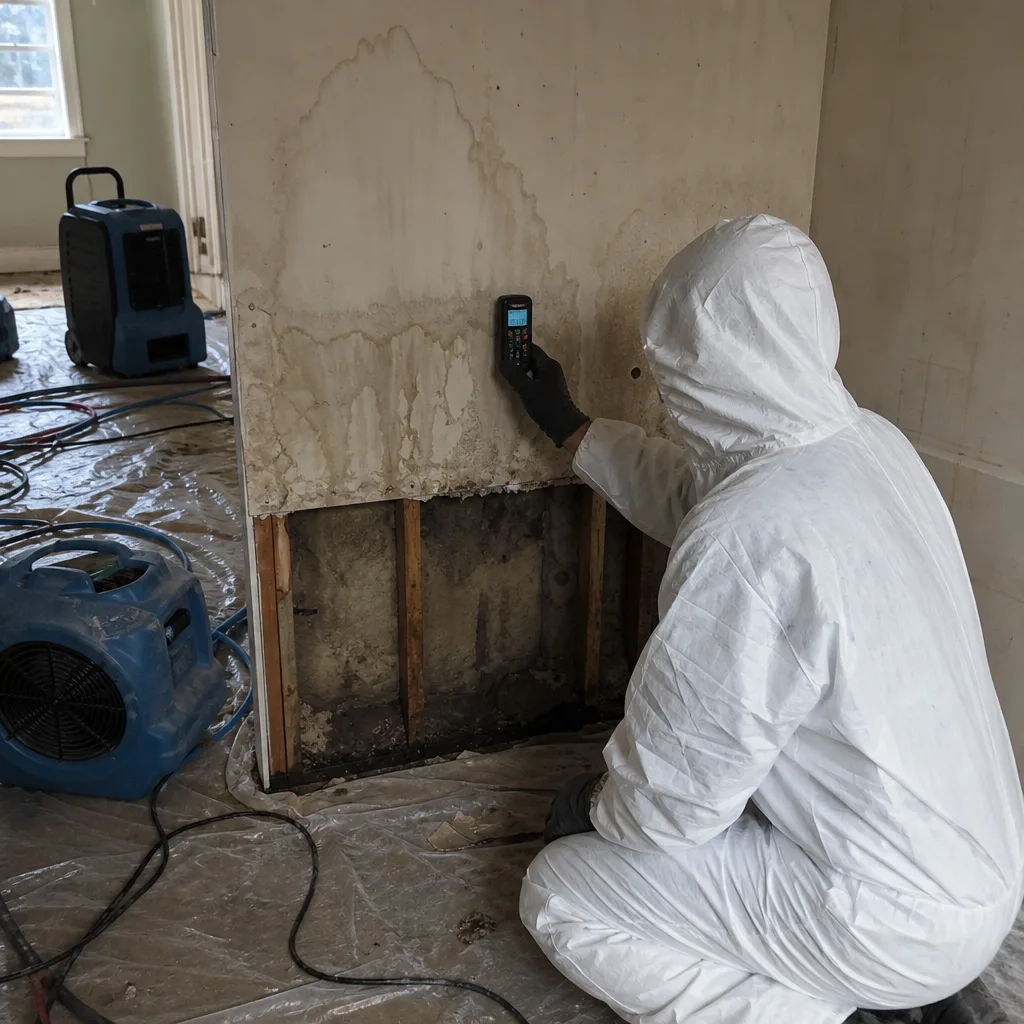 Before
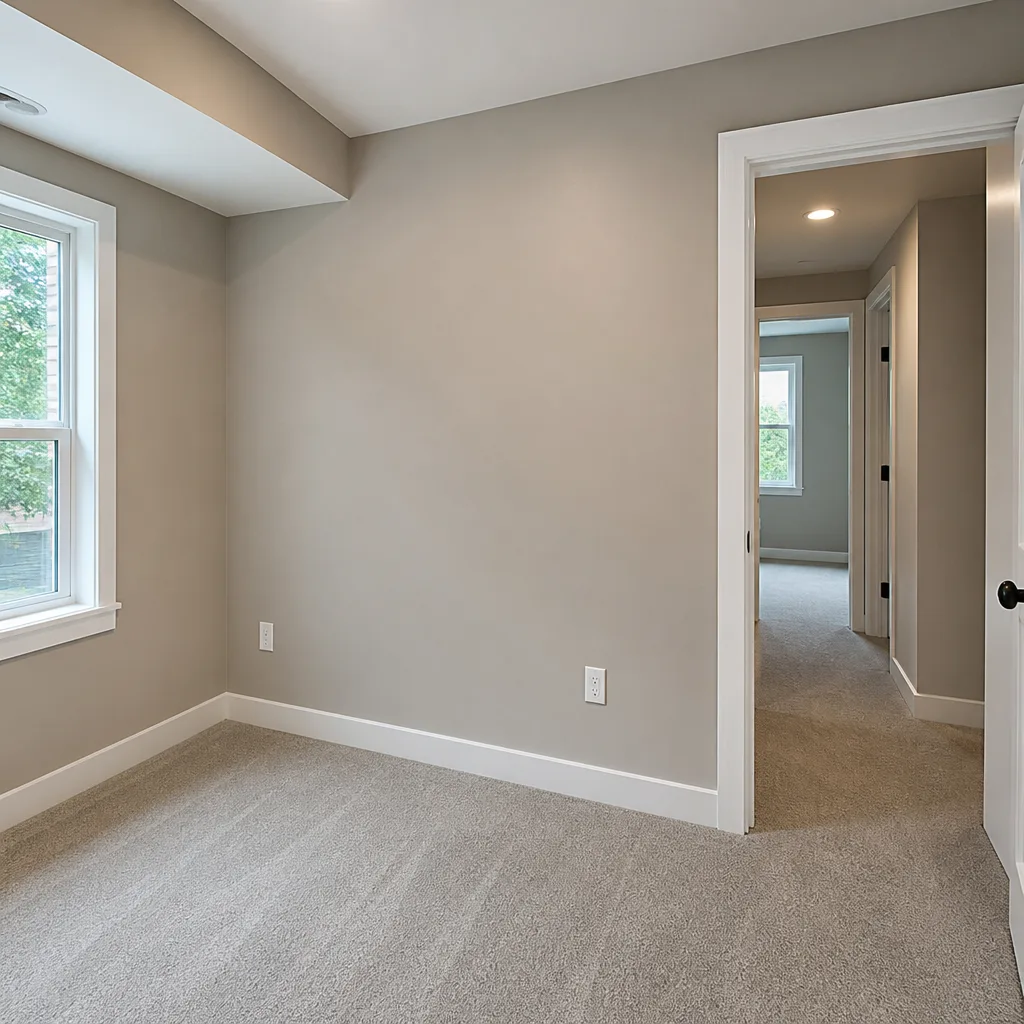 After
After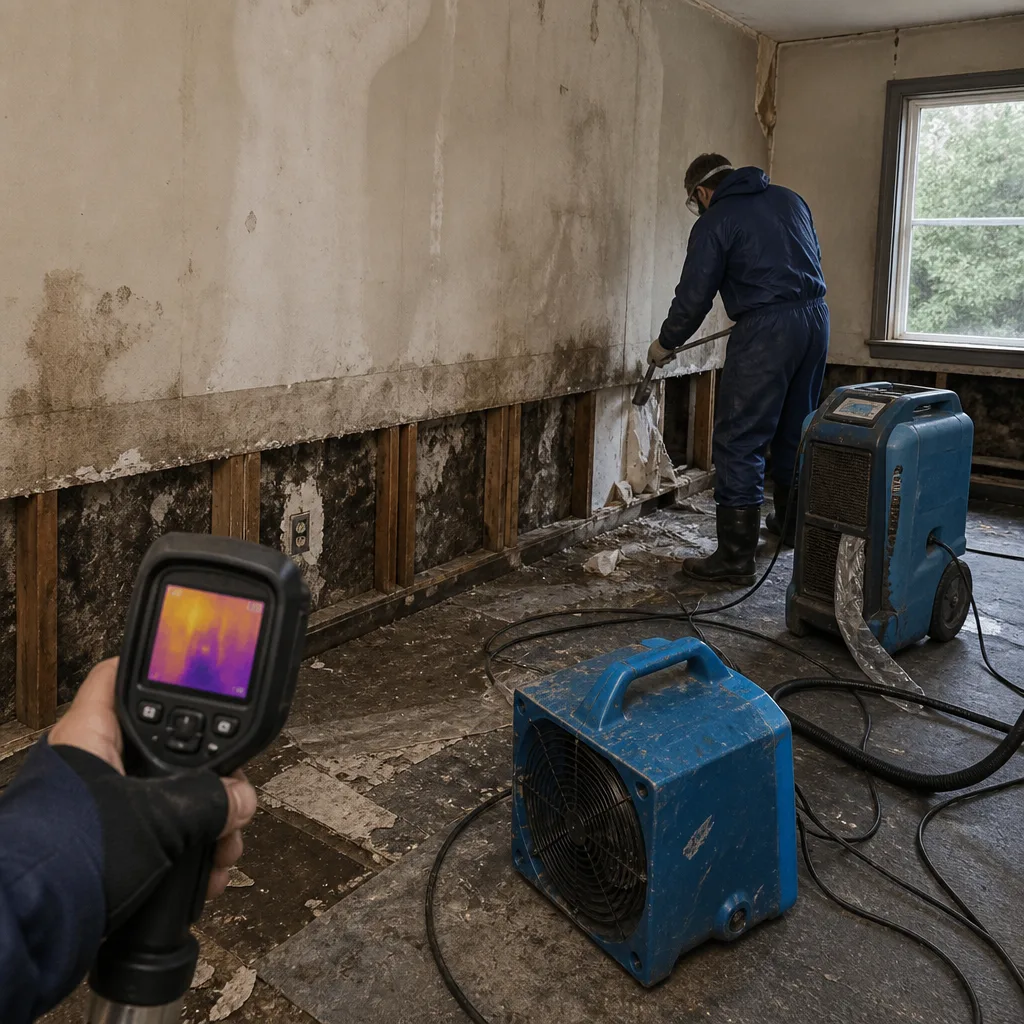 Before
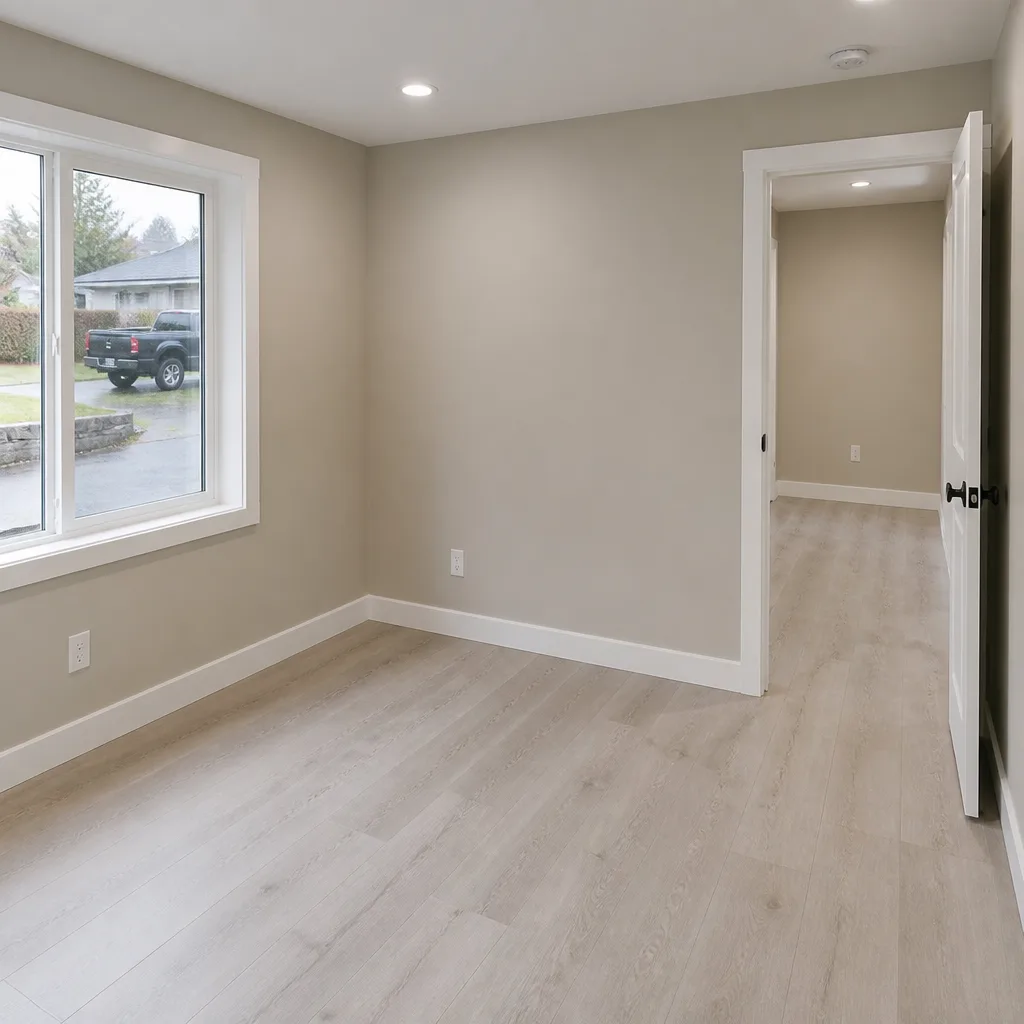 After
After24/7 Emergency Mold Remediation in Shoreline
Mold remediation in Shoreline typically costs $1,800-$6,500 depending on crawl-space involvement and structural drying needs, and our crews can be on-site within 45 minutes of your call. Call (360) 502-8815 now for a free visual inspection and written scope before any work begins. Mold spreads through airborne spores within 24-72 hours of moisture intrusion, and in Shoreline’s convergence-zone climate, that window shrinks fast when crawl spaces stay saturated from October through May.
We answer live, 24 hours a day, 7 days a week. No voicemail trees. No next-business-day callbacks while your sub-floor keeps wicking King County clay moisture. Our Seattle office dispatches IICRC-certified crews directly to Shoreline properties, and every job starts with documented moisture mapping and ends with a photo record you can hand to your insurer or lender.
Understanding Mold Remediation Severity in Shoreline Properties
Mold severity in Shoreline isn’t measured by what you see on the surface. It’s measured by moisture content in the building assembly, the category of water that started it, and whether the growth has colonized structural members or remains superficial.
Category 1 water, clean supply-line releases, can escalate to Category 2 within 48 hours as it picks up soil and organic material from crawl-space dirt or degraded vapor barriers. Category 3, black water from sewage backup or prolonged groundwater intrusion, demands full antimicrobial treatment and often removal of porous materials. Shoreline’s 1950s-1970s ranches and split-levels, built with unconditioned crawl spaces and original (or absent) vapor barriers, routinely harbor Category 2 conditions even when the homeowner only noticed a musty smell.
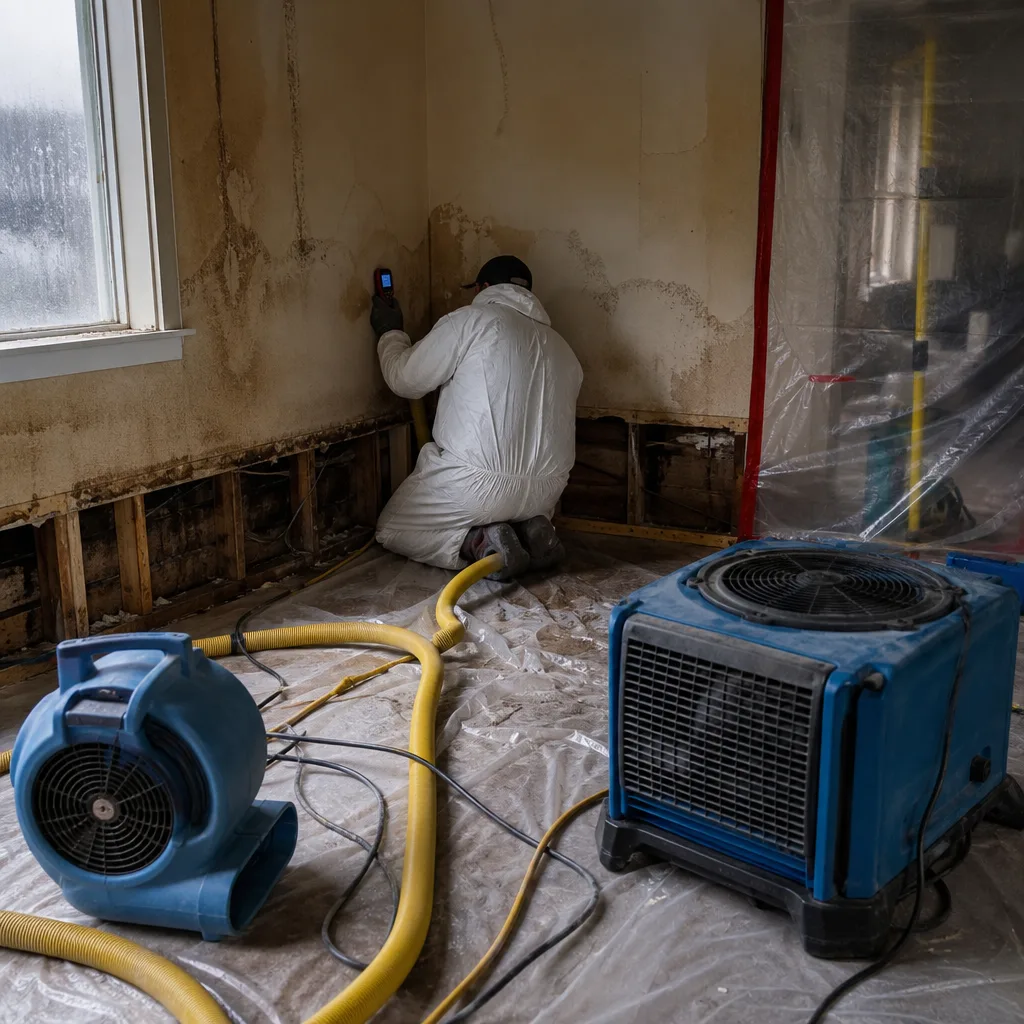
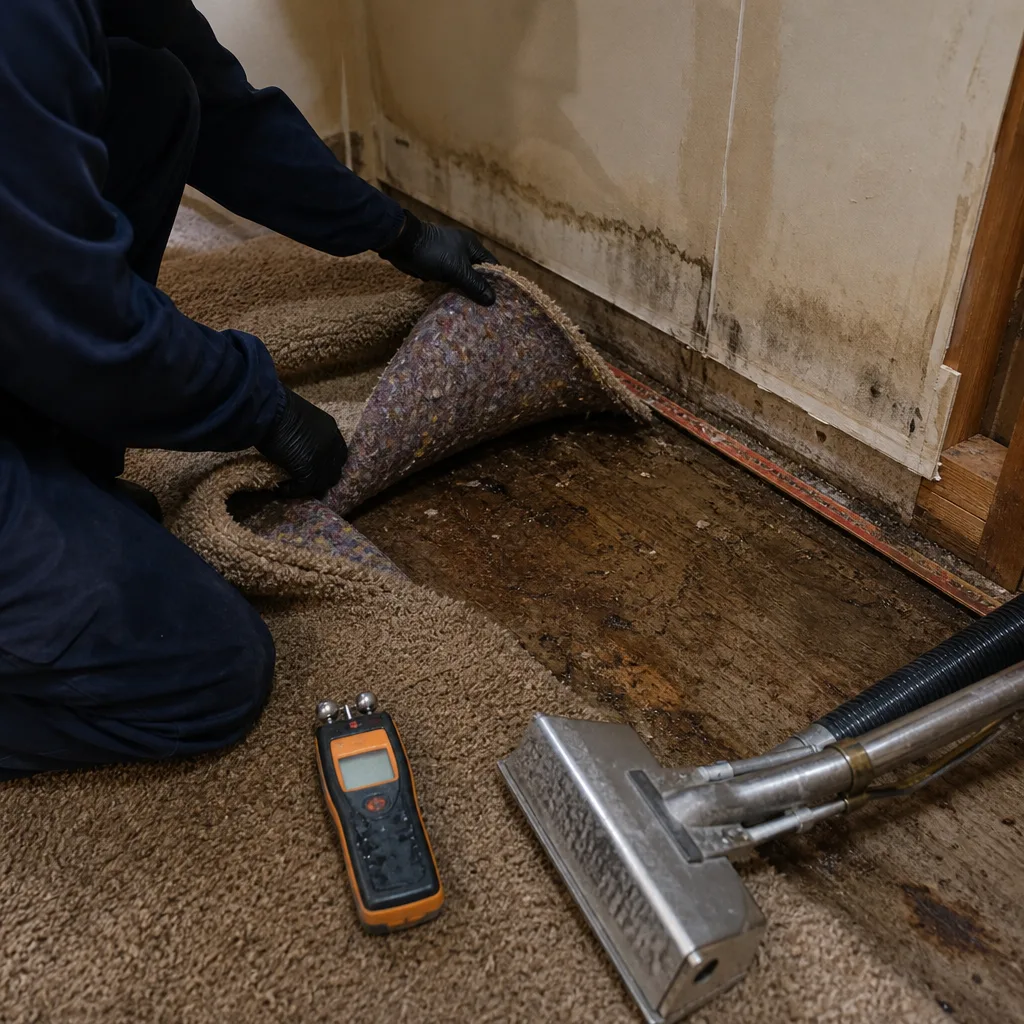
Our crews use thermal imaging to locate hidden moisture, then verify with pin and non-invasive moisture meters. Psychrometric data, the science of how temperature, humidity, and vapor pressure interact, drives our drying strategy. We establish containment with HEPA-filtered negative air pressure, run air scrubbers to capture airborne spores, and don’t clear the job until third-party or in-house clearance testing confirms spore counts at or below outdoor baseline.
Why Shoreline Property Owners Choose DryMark Restoration Everett
- 45-minute response commitment to Shoreline from our Seattle dispatch center, with GPS-tracked crews and live ETA updates.
- 24/7 live answer - a real person picks up every call, never an automated system or voicemail queue, because mold doesn’t wait for business hours.
- IICRC-certified crews holding WRT (Water Damage Restoration Technician), AMRT (Applied Microbial Remediation Technician), and related credentials, with license numbers documented on every job file.
- Free visual inspection and moisture assessment, with a written scope and firm price delivered before any equipment runs or containment goes up.
- Direct insurance billing and adjuster coordination, with photo-documented drying logs that turn restoration invoices into payable claims.
- One team from extraction to reconstruction - no handoffs between mitigation and rebuild contractors, no gaps in documentation.
BeforeAfterOur Mold Remediation Process
1. Inspection & Assessment
We start with moisture mapping, thermal imaging, and air sampling to establish the full extent of colonization, not just what’s visible. In Shoreline’s mid-century stock, we routinely find hidden growth behind finished basement walls and in sub-floor cavities that a surface inspection would miss.
2. Containment & Stabilization
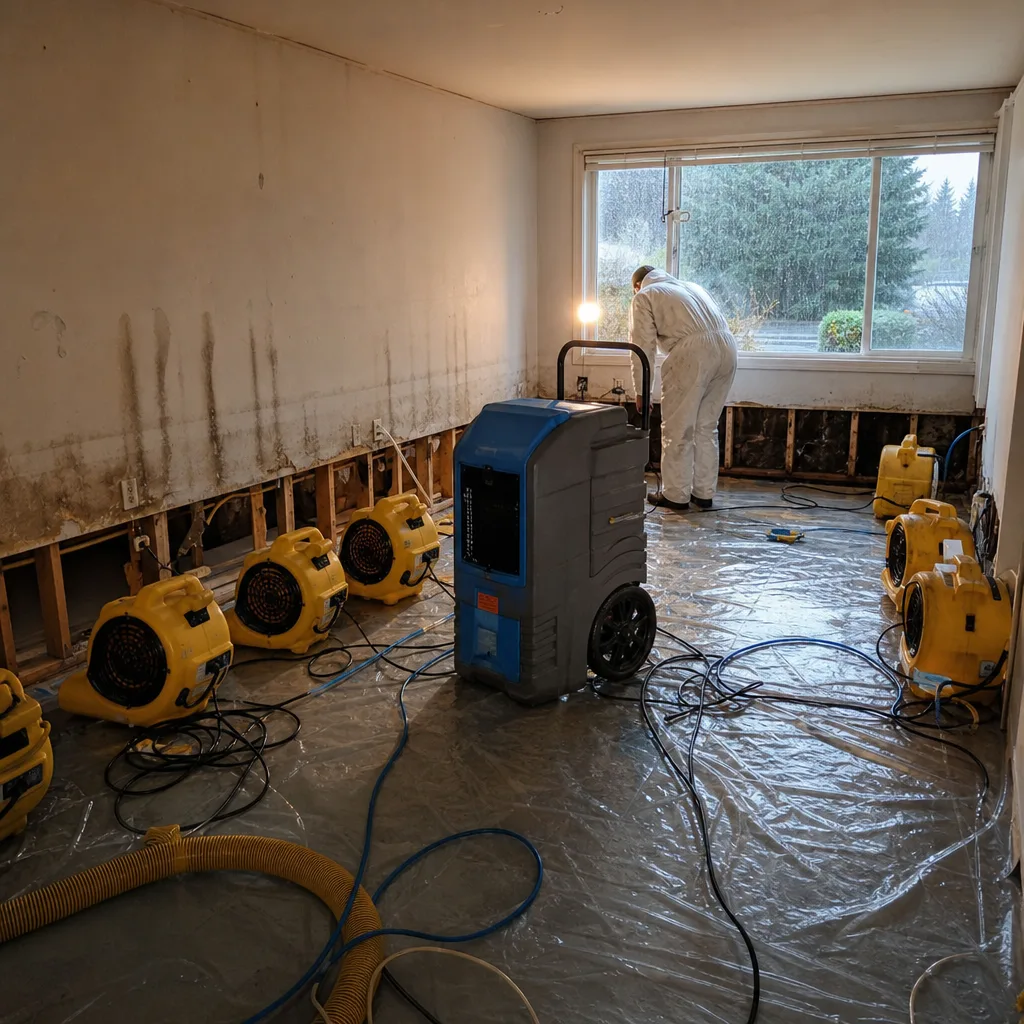
We seal affected zones with polyethylene barriers and establish negative air pressure using HEPA air scrubbers. This prevents cross-contamination to clean areas while we stop the moisture source, whether it’s a failed galvanized supply line, compromised cast-iron drain, or hydrostatic pressure through the crawl-space perimeter.
3. Structural Drying & Dehumidification
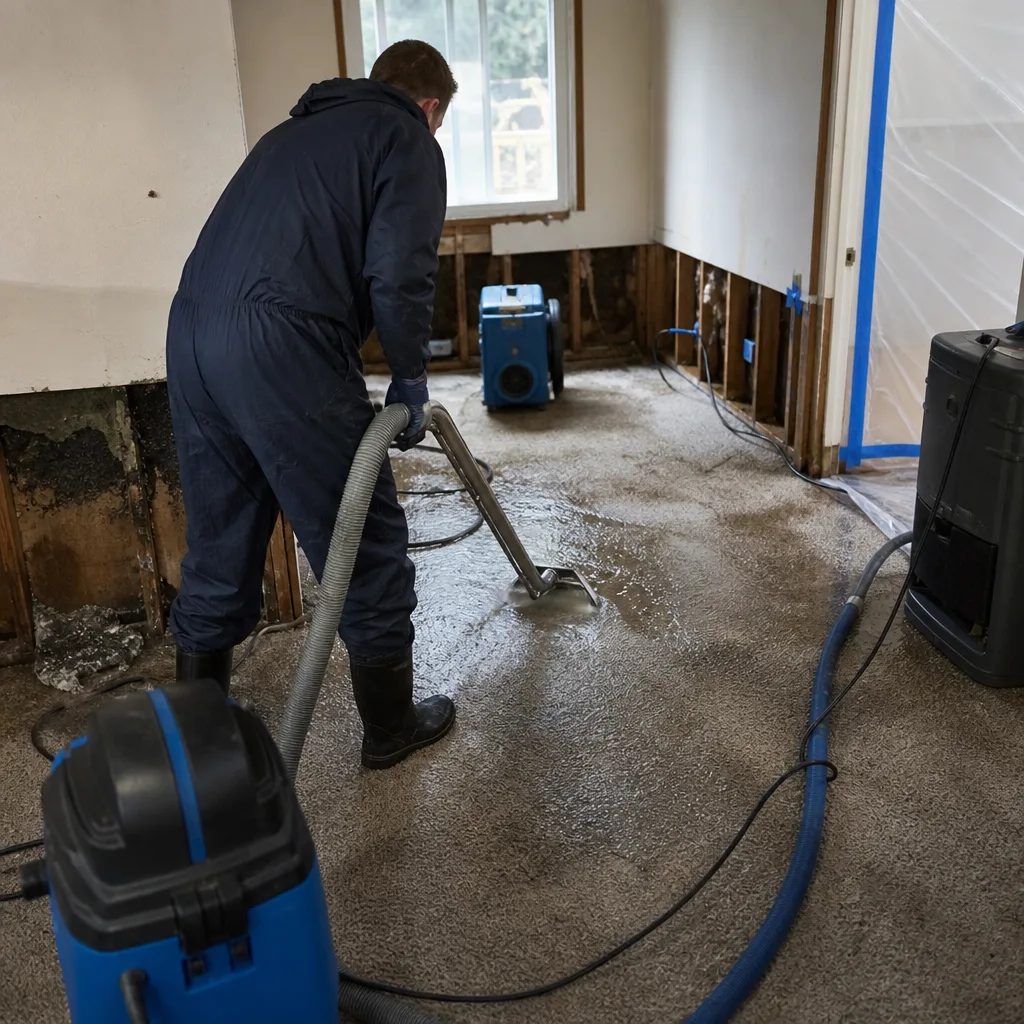
We deploy Phoenix and Dri-Eaz dehumidifiers, B-Air air movers, and Injectidry systems for cavity drying, logging psychrometric readings every 24 hours. Structural drying in Shoreline almost always requires secondary and tertiary passes because clay glacial till keeps feeding moisture upward through the crawl space.
4. Cleaning & Sanitization
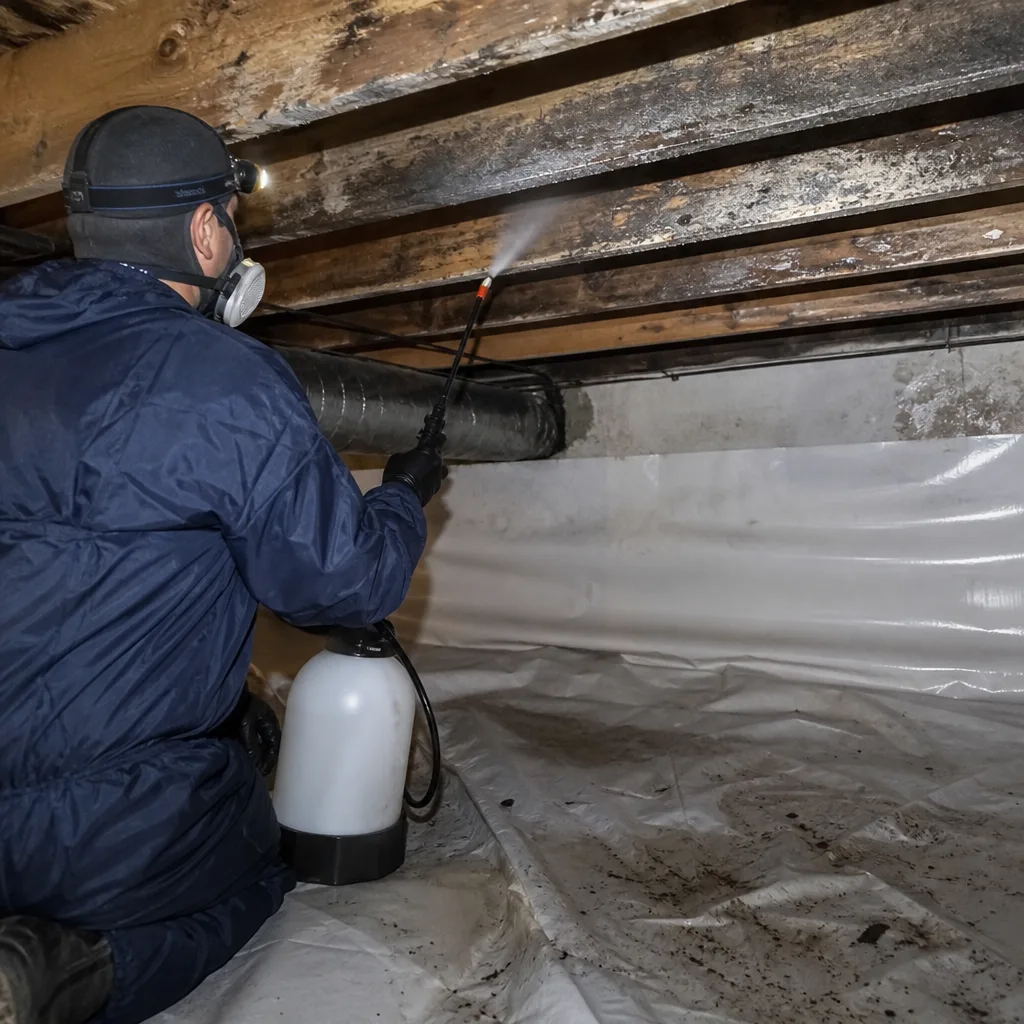
HEPA vacuuming and antimicrobial application to all affected surfaces, with particular attention to wood-framed floor systems and OSB sub-flooring common in Shoreline’s post-WWII construction. We treat the assembly, not just the stain.
5. Crawl Space Treatment & Moisture Control
We install or replace vapor barriers, seal foundation vents where appropriate, and recommend permanent humidity control solutions. Without source control, the mold returns. This is where our Mold Remediation work separates from spray-and-go contractors.
6. Repairs, Reconstruction & Documentation
Our rebuild team restores removed materials to pre-loss condition, and we deliver a complete photo record, drying log, and signed 365-Day Done Right Promise under The Haven Standard. Every document is formatted for direct insurance submission.
Need Emergency Mold Remediation in Shoreline Now?
Crews minutes away, answering live 24 hours a day. The sooner we start, the less it costs.
Working With Your Insurance Company
Insurance coverage for mold remediation hinges on documentation from hour one. Adjusters need to see that the mold resulted from a covered water loss, not long-term maintenance neglect, and they need evidence that mitigation was performed to industry standard, not improvised.
We provide exactly that. Our technicians photo-document every room on every visit, log moisture readings and equipment placement, and produce a line-item scope tied to IICRC and RIA standards. We coordinate directly with your carrier’s adjuster, submit our documentation through industry-standard estimating platforms, and never ask you to float costs while coverage is determined.
Haven Standard, Clause 1: your written price before work begins. No scope-creep additions once the crew is inside your home.
What We Provide Your Insurer
- Thorough documentation of the loss
- Photos of all damage, room by room
- Moisture readings and drying logs
- A detailed, line-item scope of work
- Direct coordination with your carrier
Built for Shoreline’s Loss Calendar
Shoreline’s mold season doesn’t follow a calendar. It follows the convergence zone.
October through May, saturated clay soils keep crawl-space relative humidity above 70 percent, the threshold where dormant spores activate. January and February bring the heaviest precipitation, and we see surges from failed galvanized supply lines that split in crawl-space cold spots. March and April, the thaw and continued rain push lateral hillside seepage in Richmond Beach and North City properties. June through September, the brief dry season lets homeowners start renovations, which is when pre-sale inspections uncover decades of concealed rot.
Summer also brings the occasional thunderstorm with wind-driven rain through aging window and door seals on 1960s ranches. Every season has its pattern, and our crew assignments reflect that.
Mold Remediation Across Shoreline’s Neighborhoods
We don’t treat Shoreline as one market. The building stock, soil conditions, and exposure vary block by block.
Richmond Beach properties on the Puget Sound bluff face marine fog and salt-air decay of exterior envelopes, plus saturated bank soils that push groundwater laterally toward foundations. We routinely find water intrusion paths that look like roof leaks but are actually hillside seepage. Mold remediation here requires full perimeter moisture mapping, not just attic or ceiling inspection.
The 145th and 185th corridors, where Lynnwood Link light rail stations have triggered aggressive redevelopment, keep us busy with pre-renovation mold finds. Sellers of 1950s-1970s ranches often never addressed original vapor barriers or crawl-space drainage. We get called after the inspection, with closing dates pending and lenders demanding documentation.
North City and the Ridgecrest area sit on the same clay till but with flatter grades and older sewer infrastructure. Cast-iron drain stacks fail behind finished walls, and homeowners smell mold before they see water. Our approach: trace the odor with thermal imaging, verify with moisture meters, then scope the full repair including drain replacement coordination.
Innis Arden and Hamilton properties, many with larger lots and detached outbuildings, face secondary exposures: garage and workshop crawl spaces with no vapor barrier at all, and homeowners who don’t inspect them regularly until the musty smell reaches the main house.
Specialized Mold Remediation Services We Offer in Shoreline
Mold Inspection & Testing
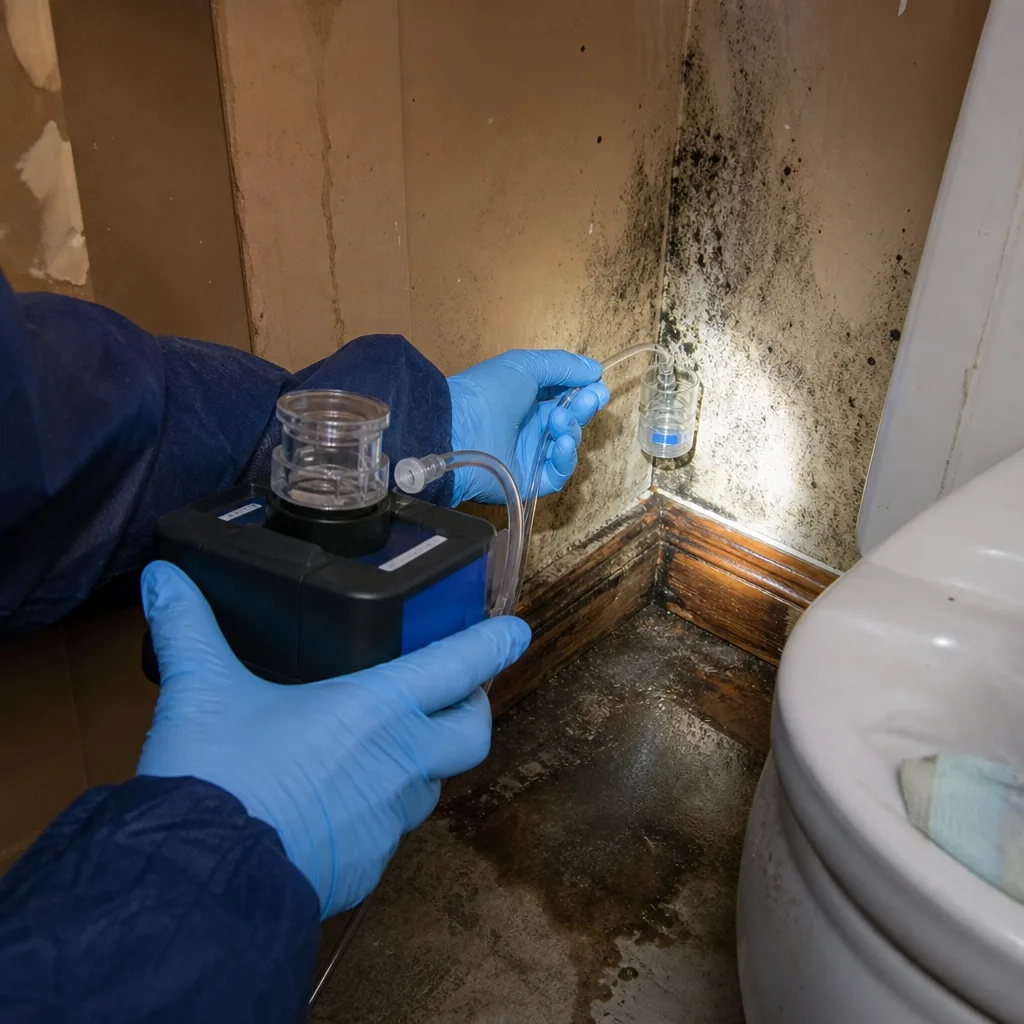
We start with air and surface sampling, not guesswork. In Shoreline’s mid-century homes, we focus on crawl-space air exchange with living spaces and HVAC return pathways. Lab results establish baseline spore counts and identify species, which affects remediation protocol and insurance documentation.
Mold Removal
Physical removal of colonized materials, not just surface cleaning. For Shoreline’s endemic crawl-space mold, that often means controlled demolition of degraded sub-flooring or insulation, with full containment and negative air pressure to protect occupied spaces above.
Black Mold Remediation
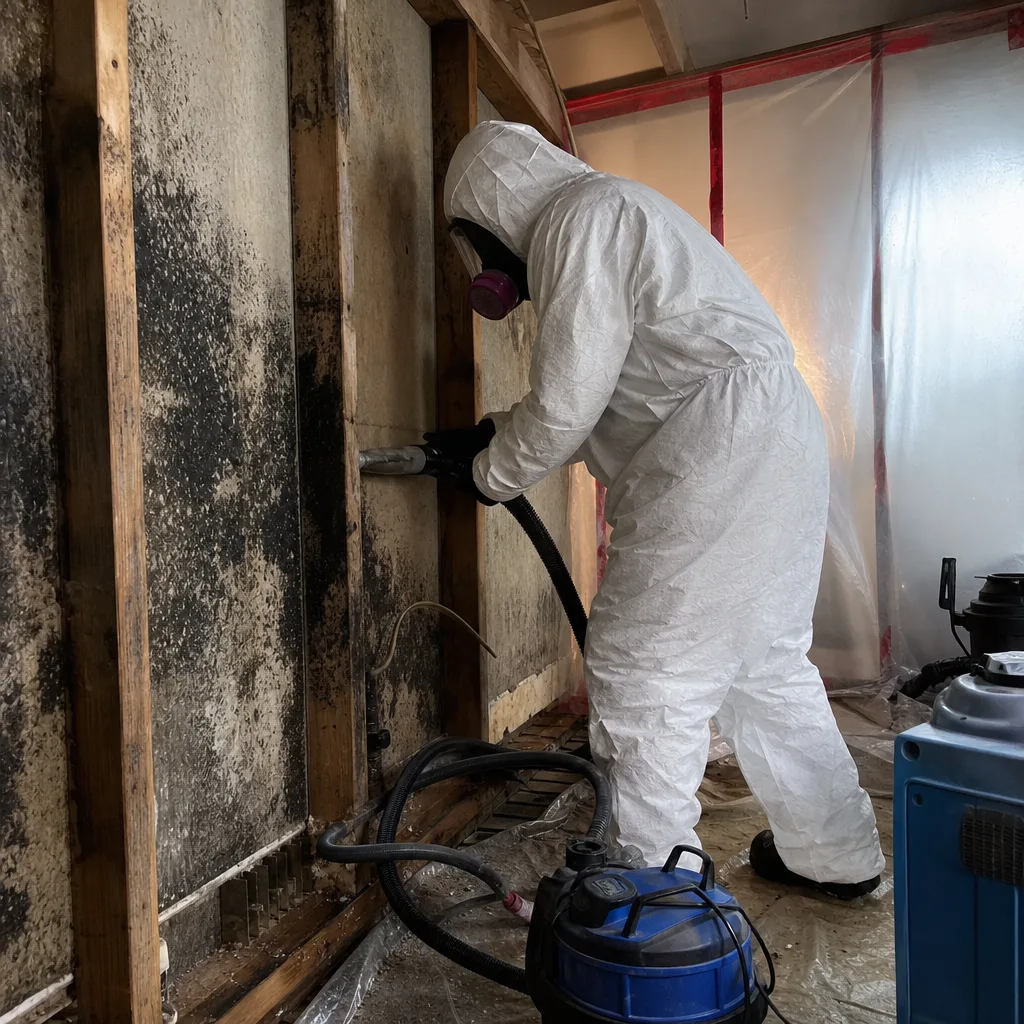
Stachybotrys and other toxigenic species require enhanced PPE, stricter containment, and specialized antimicrobial application. We follow IICRC S520 protocol and document every step for insurance and liability purposes.
Air Quality Restoration
HEPA filtration, duct cleaning, and post-remediation air scrubbing to remove residual spores and volatile organic compounds. Critical for Shoreline homes with forced-air systems that have been circulating crawl-space air through finished spaces.
Crawl Space Treatment
Our most-called service in Shoreline. We remove contaminated vapor barriers, treat soil and framing, install new barriers with proper overlap and sealing, and recommend permanent dehumidification. Without this, the mold returns with the next rain.
What happens when you call
- 1
A real person answersNo phone trees - you reach a local pro.
- 2
You get an upfront price rangeHonest numbers before anyone is dispatched.
- 3
A background-checked tech heads outLicensed & insured, dispatched right away.
- 4
You approve before work beginsNothing starts until you say go.
Mold Remediation Costs in Shoreline, WA
Here’s what mold remediation actually costs in Shoreline’s market:
| Service | Typical Range |
|---|---|
| Crawl space inspection & moisture mapping | $0 (free with written scope) |
| Localized mold removal (single room, surface growth) | $1,800-$3,200 |
| Crawl space mold remediation with vapor barrier replacement | $3,500-$6,500 |
| Structural drying with full containment (Category 2, sub-floor involvement) | $4,200-$8,000 |
| Full remediation with reconstruction (drywall, flooring, trim) | $7,500-$15,000+ |
What moves the price: square footage of affected area, whether structural members require drying or replacement, Category 2 vs. Category 3 water origin, and whether reconstruction is included. Insurance typically covers mold remediation that results from a sudden, documented water loss, not long-term maintenance issues. We review your policy language and document the loss origin to support your claim.
Call (360) 502-8815 for your free inspection and written scope. Haven Standard, Clause 1: your price before we start.
We Also Serve Cities Near Shoreline
Our Seattle office dispatches crews throughout the north King and south Snohomish corridor. We regularly handle mold remediation in Shoreline plus Everett, Lake Stevens, Marysville, and Snohomish, with the same documentation standards and 45-minute response commitment across the service area.
Serving Shoreline, WA - Our Local Coverage Area
We’re based in the Shoreline area and know this community well. Use the map below to see our service coverage - if you’re nearby, we can almost certainly help.
Shoreline Mold Remediation Questions, Answered
Why does mold remediation in Shoreline so often turn into a crawl-space job?
Shoreline’s post-WWII housing stock was built on King County clay soils with unconditioned crawl spaces and original or absent vapor barriers, and the Puget Sound convergence zone drops more rain here than on Seattle proper. That combination keeps sub-floor moisture chronically high from October through May. Surface mold on drywall or baseboard is usually the visible symptom of a crawl-space source. We always map the full moisture profile before scoping work, and the crawl space is where we find the root cause. Call (360) 502-8815 for a free inspection.
How fast does mold actually start after a Shoreline crawl-space flood?
Under typical Shoreline conditions, 24 to 72 hours. Crawl spaces stay cool and humid year-round, so spores germinate faster than in drier climates. We’ve documented active growth on OSB sub-flooring within 48 hours of a supply-line release in a North City ranch. The key is starting structural drying before colonization begins, not after you smell it. Call (360) 502-8815 for immediate dispatch.
Do Richmond Beach homes need different mold remediation than the rest of Shoreline?
Yes. Richmond Beach properties on the bluff face marine fog, salt-air corrosion of exterior envelopes, and lateral hillside seepage that masquerades as roof leaks. We routinely find water intrusion paths driven by saturated bank soils, not failed flashing. Remediation here requires perimeter moisture mapping and often coordination with geotechnical or drainage contractors to stop the source. Surface treatment without source control fails within one wet season. Call (360) 502-8815 for a scope that addresses the actual cause.
What’s the difference between Category 1, 2, and 3 water when you’re scoping mold work here?
Category 1 is clean water from a supply line, but in a Shoreline crawl space it becomes Category 2 within 48 hours as it contacts soil, rodent waste, and degraded building materials. Category 2, gray water, requires antimicrobial treatment and often removal of porous materials. Category 3, black water from sewage backup or prolonged groundwater intrusion, demands full PPE, hazmat disposal, and replacement of most organic materials. The category at time of discovery, not origin, drives our protocol and your insurance coverage. We document the classification with photos and lab results. Call (360) 502-8815 for assessment.
Will you handle a pre-renovation mold find on the 145th or 185th corridor?
Yes, and we understand the timeline pressure. With Lynnwood Link redevelopment accelerating, sellers and buyers need documentation that satisfies lenders and inspectors, not just a clean bill of health. We provide moisture mapping, drying logs, photo records, and a written scope that can go straight to the buyer’s agent and loan officer. Haven Standard, Clause 1 applies: your written price before work starts, no additions once we’re inside. Call (360) 502-8815 to schedule before your closing date.
How long does full mold remediation take in Shoreline?
Localized surface treatment: 1-2 days. Crawl-space remediation with structural drying: 3-5 days of active work plus 3-7 days of monitored drying, depending on moisture load and weather. Full reconstruction adds 1-2 weeks. We don’t clear jobs until moisture readings confirm the assembly is at or below pre-loss equilibrium, verified with documented psychrometric data. Rush jobs that skip this step fail. Call (360) 502-8815 for a timeline based on your specific conditions.
Can my family stay in the home during mold remediation?
Sometimes, for small, contained areas with no HVAC cross-contamination. For crawl-space work or any toxigenic species, we recommend temporary relocation during active remediation, especially for children, elderly residents, or anyone with respiratory conditions. We establish containment and negative air pressure to minimize exposure, but the safest option is often out-of-home during the most intensive phase. We’ll advise specifically after inspection. Call (360) 502-8815 to discuss your situation.
What certifications do your Shoreline mold technicians hold?
IICRC WRT (Water Damage Restoration Technician), AMRT (Applied Microbial Remediation Technician), and related credentials, with license numbers documented on every job file. All technicians are background-checked, uniformed, and verified before they arrive at your property. Our work is documented to IICRC S500 and S520 standards, RIA guidelines, and IFA protocols. We don’t send day laborers or uncertified crews to mold jobs. Call (360) 502-8815 to verify credentials before scheduling.
We got a call from a split-level off the 185th corridor where the seller’s pre-renovation inspection found the original 1960s vapor barrier missing and the crawl space wicking King County clay moisture all winter. Our tech ran moisture mapping across the wood-framed floor system, pulled a Category 2 boundary at the contaminated joists, set containment with Dri-Eaz air movers and a Phoenix dehumidifier, and logged the dry-down in drying logs the buyer’s agent could hand straight to the lender. Two full structural drying passes later the sub-floor was back to pre-loss condition and the renovation could actually start.
Shoreline’s Puget Sound convergence-zone location drops measurably more rain on the north King County corridor than Seattle proper, so crawl-space saturation here routinely runs October through May on clay glacial till - meaning mold remediation scopes almost always start as structural drying jobs, not surface treatments. Contractors who spray visible joists without drying the assembly and controlling the moisture source are treating symptoms. The mold returns with the next storm.
Don’t settle for a spray-and-go quote. Get a written scope that names the moisture source, the drying protocol, and the documentation you’ll receive. That’s Haven Standard work.
Call (360) 502-8815 now for your free visual inspection and written price before any work begins.
Written by Alicia Brennan, Owner at Back to Dry Restoration, serving Shoreline since 2011.
Mold Remediation in Nearby Areas