
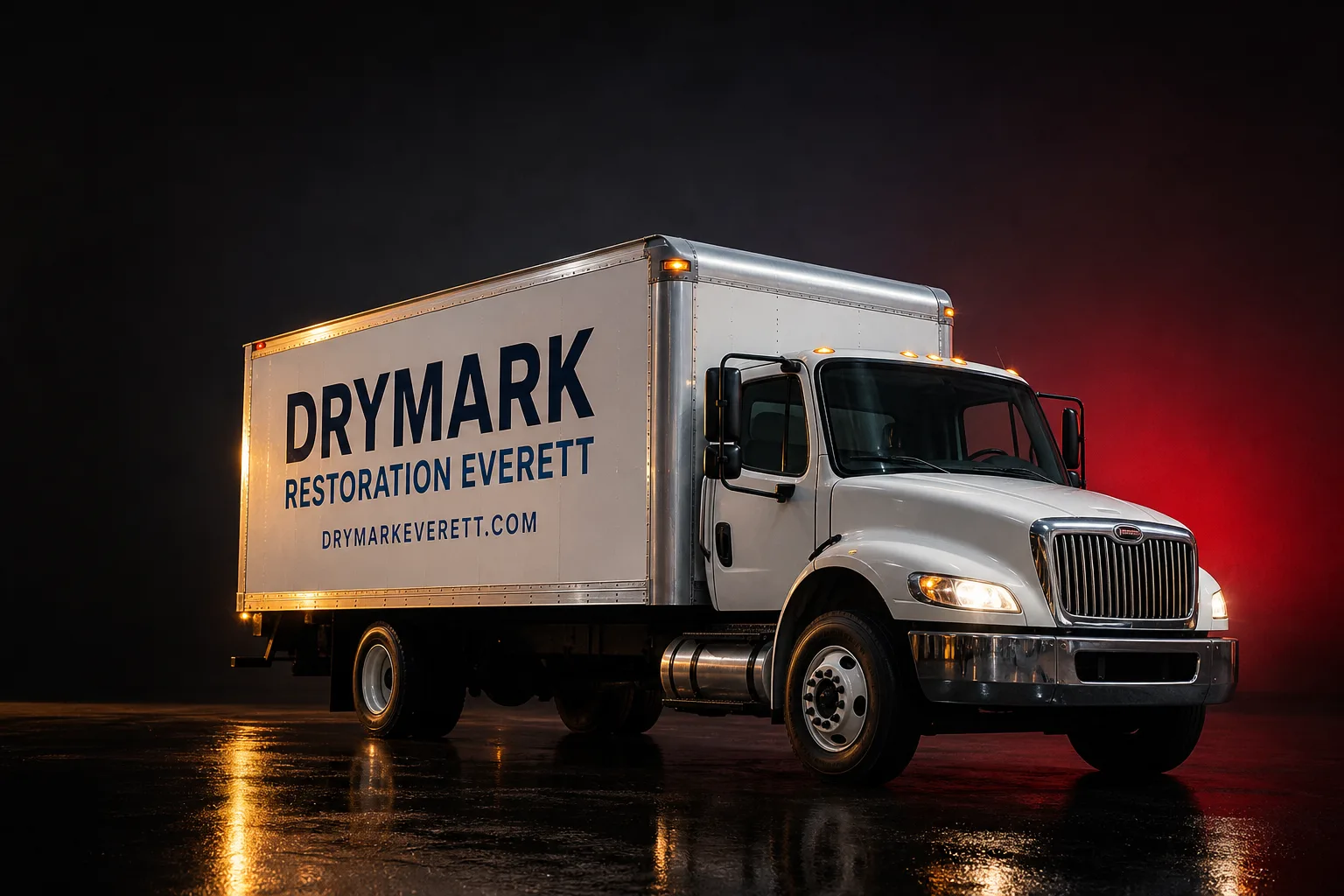
Free visual inspection and a written scope of work before any mitigation begins - photos, moisture readings, and drying logs go in your claim file
The scope we write is the scope we bill. Anything new gets shown to you, in writing, before we touch it.
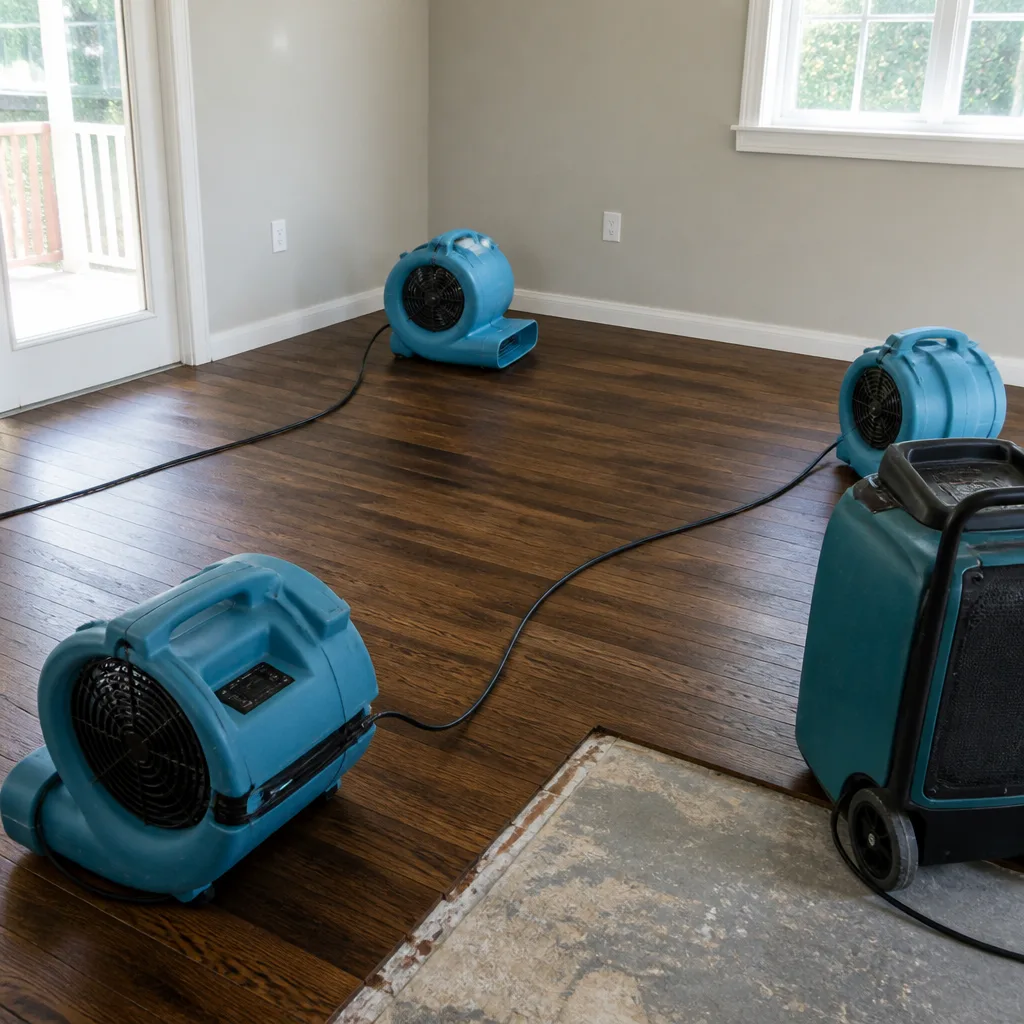
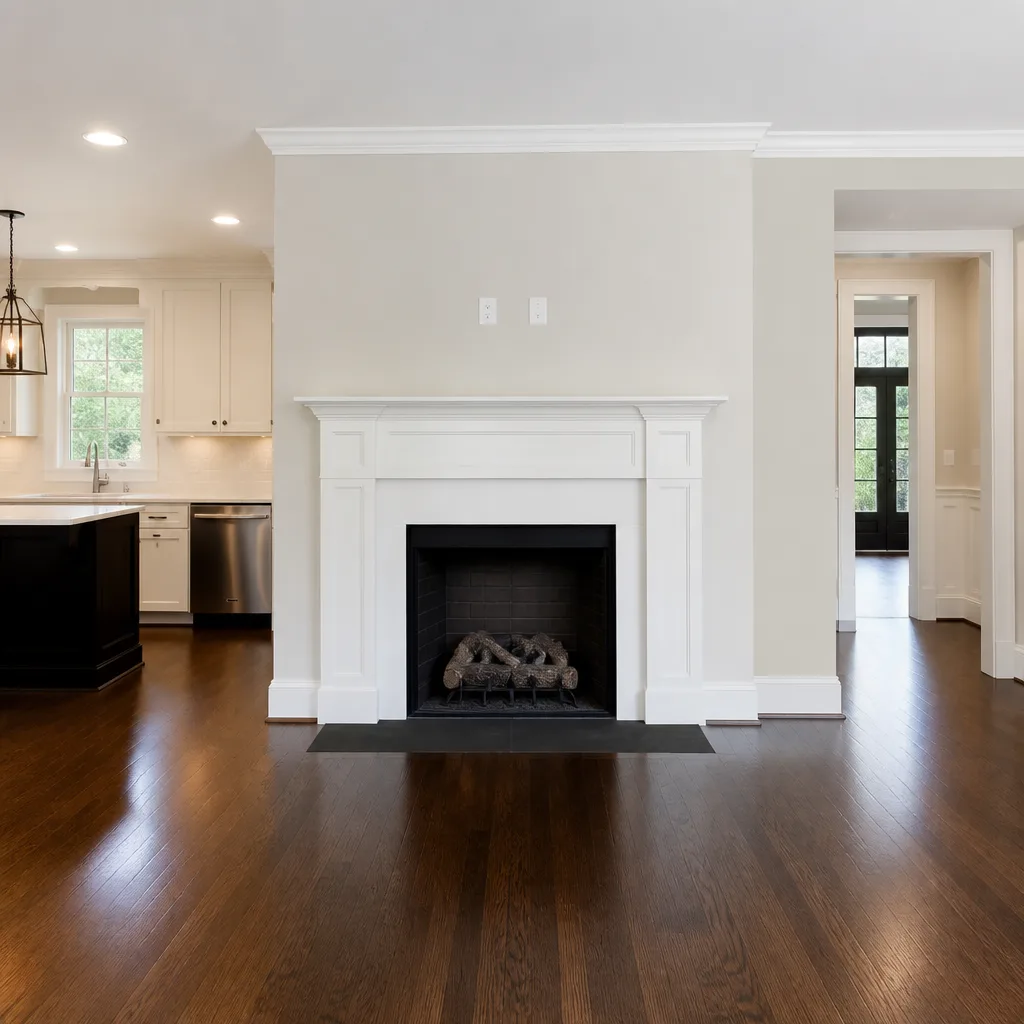
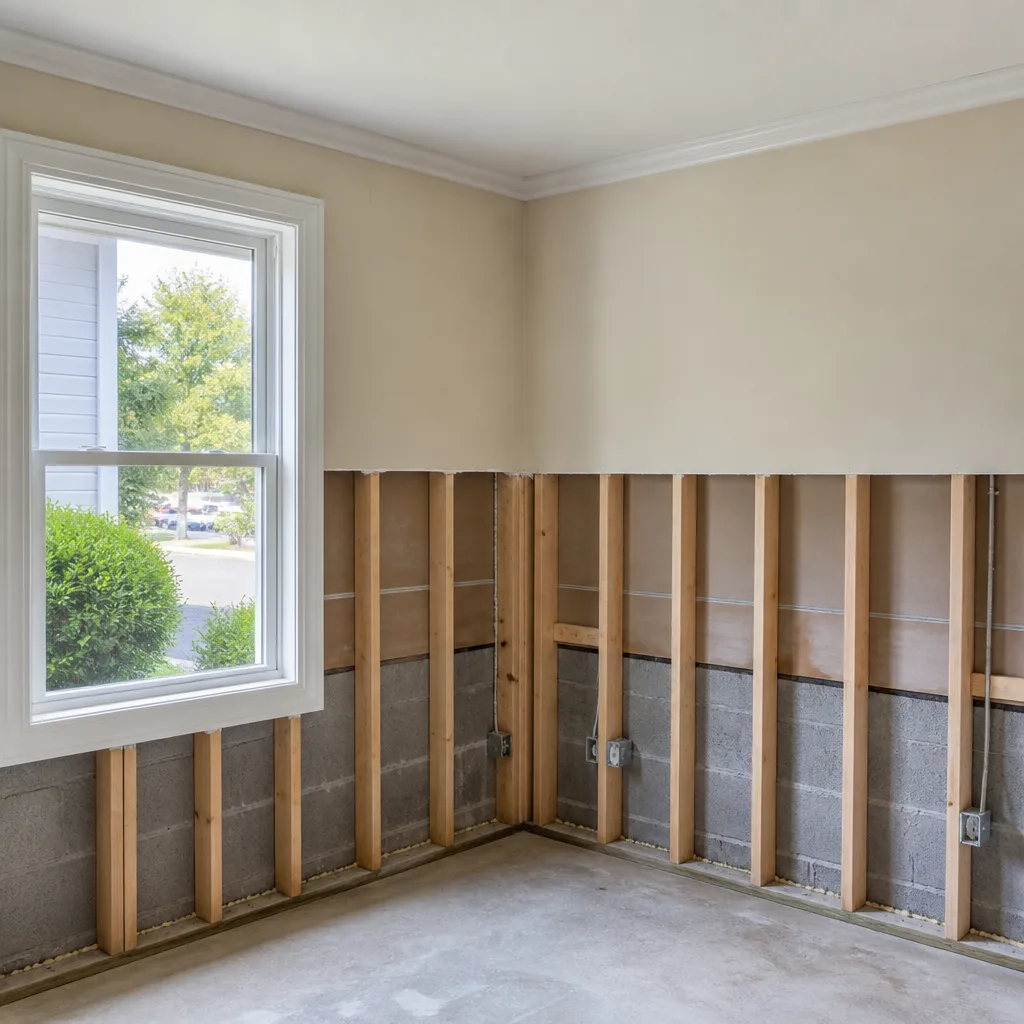
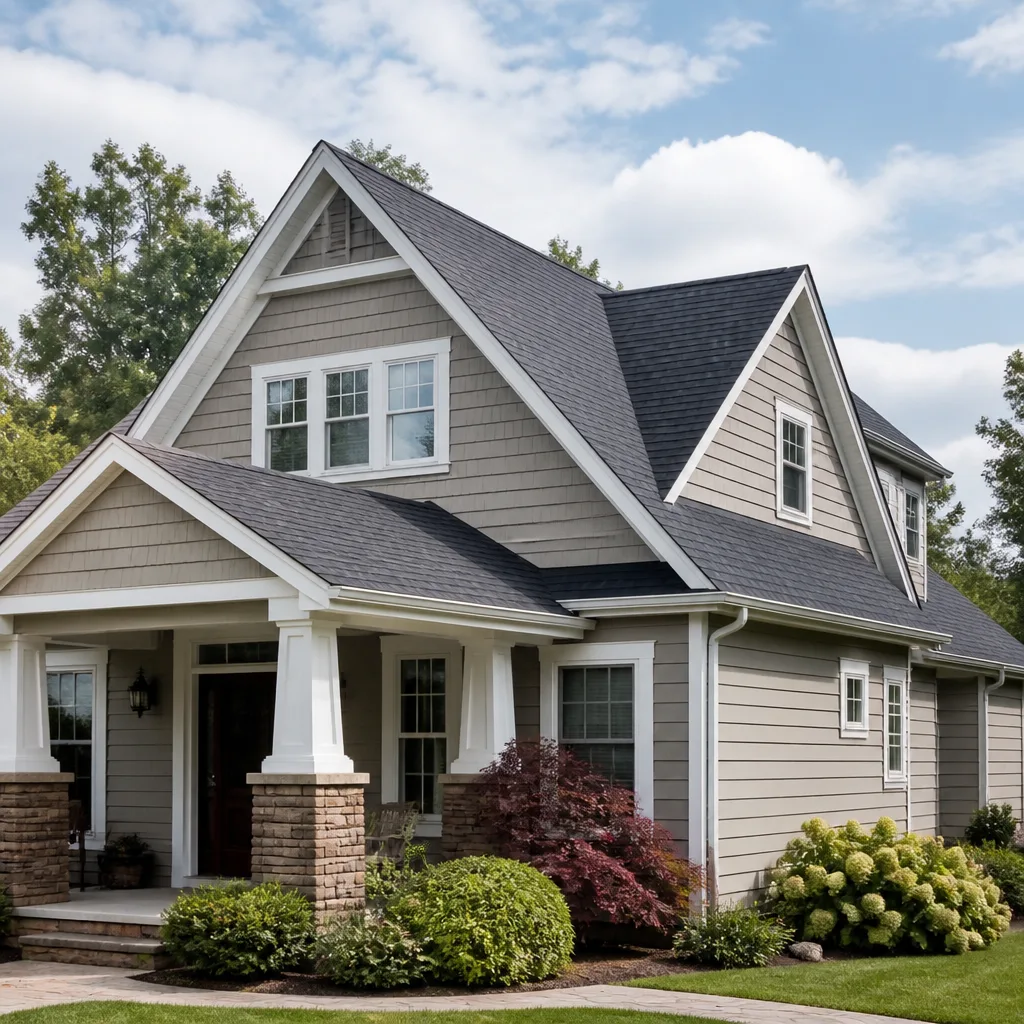
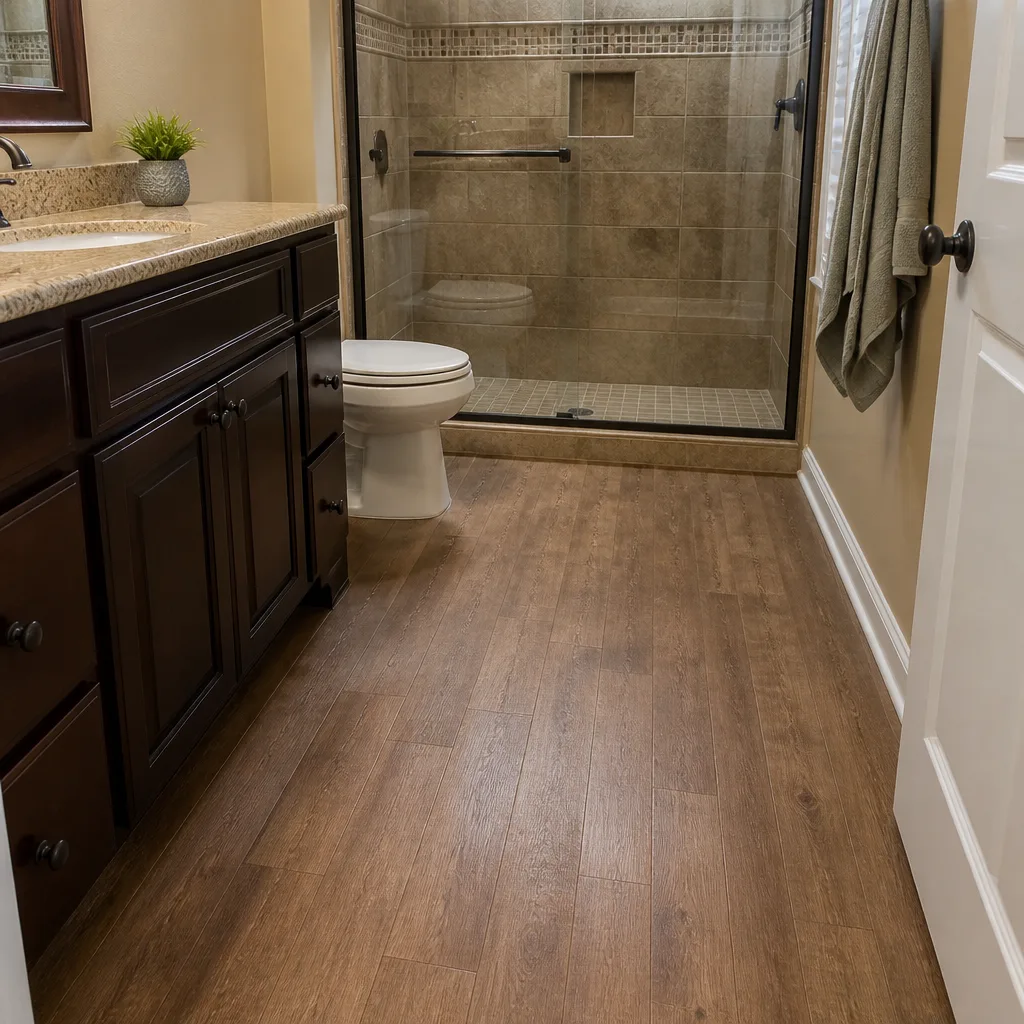
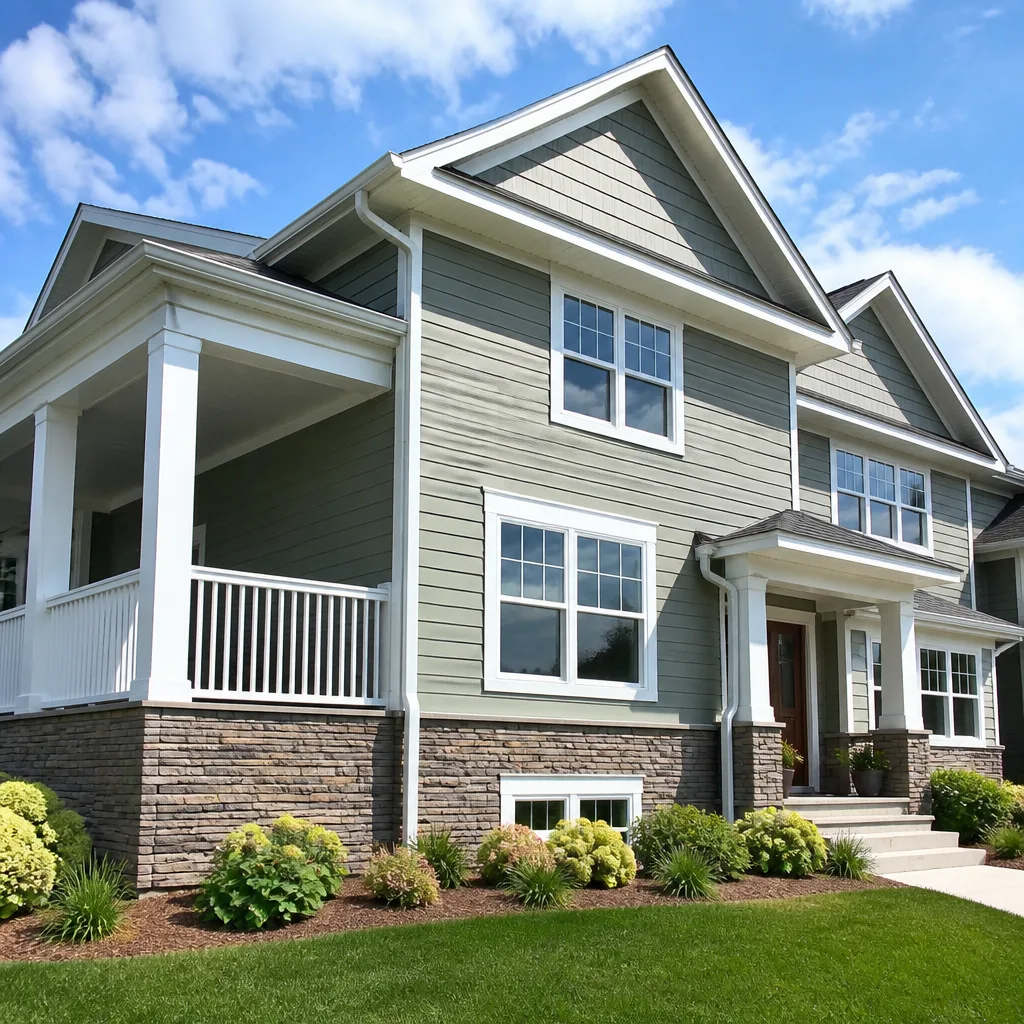
 Before
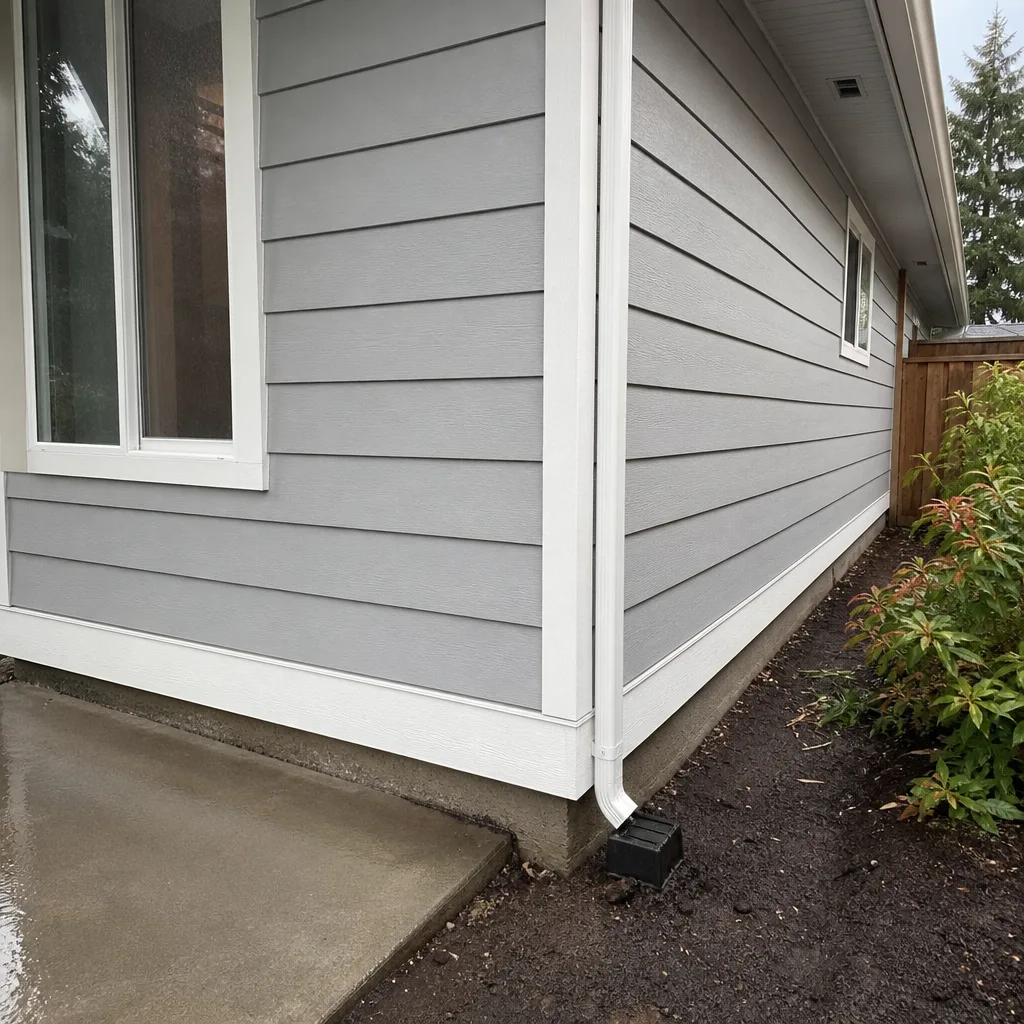 After
After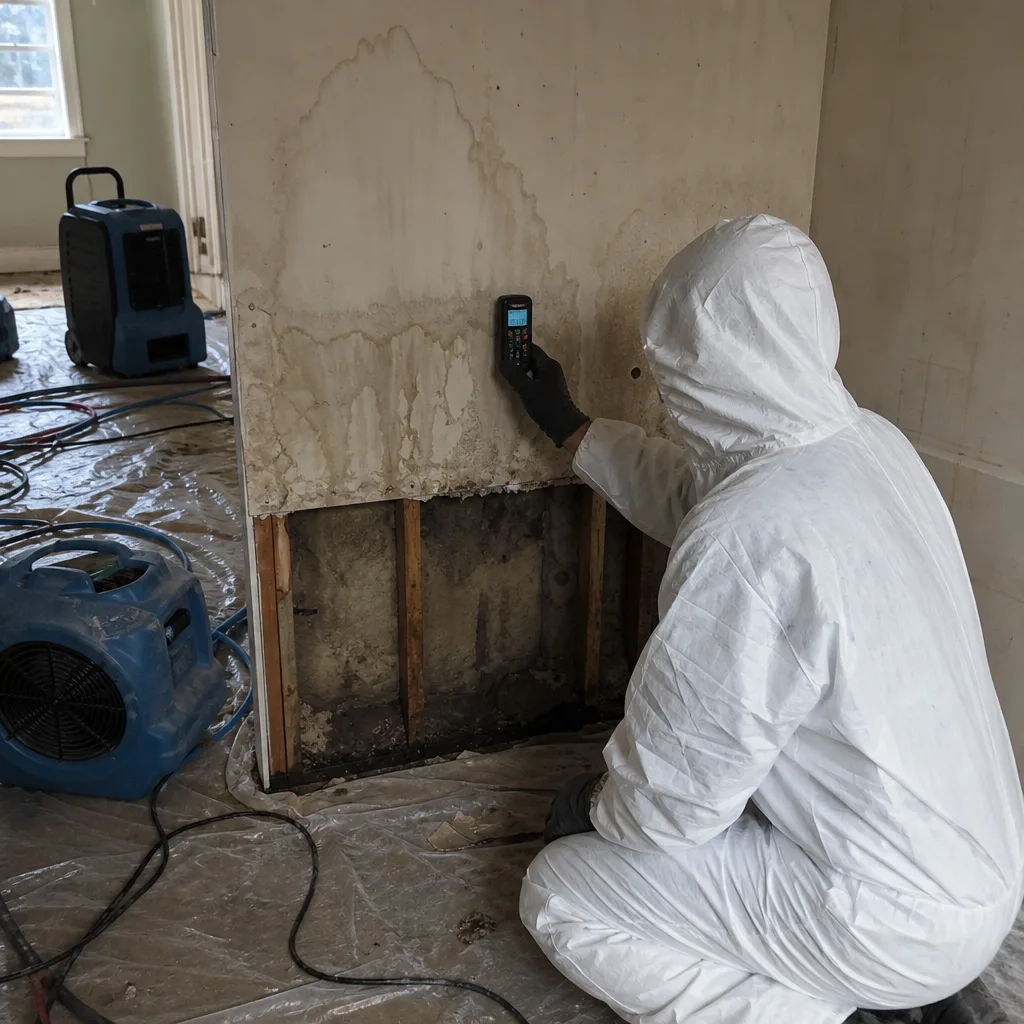 Before
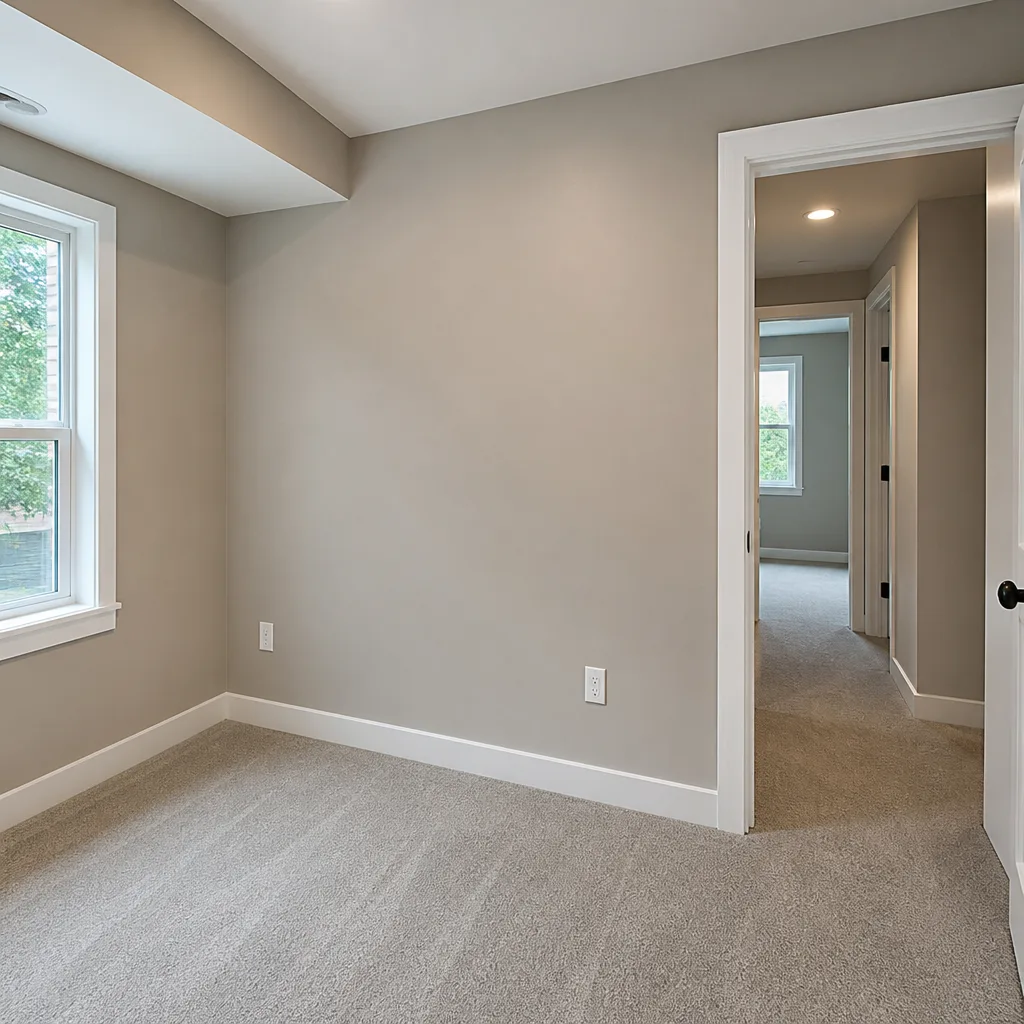 After
After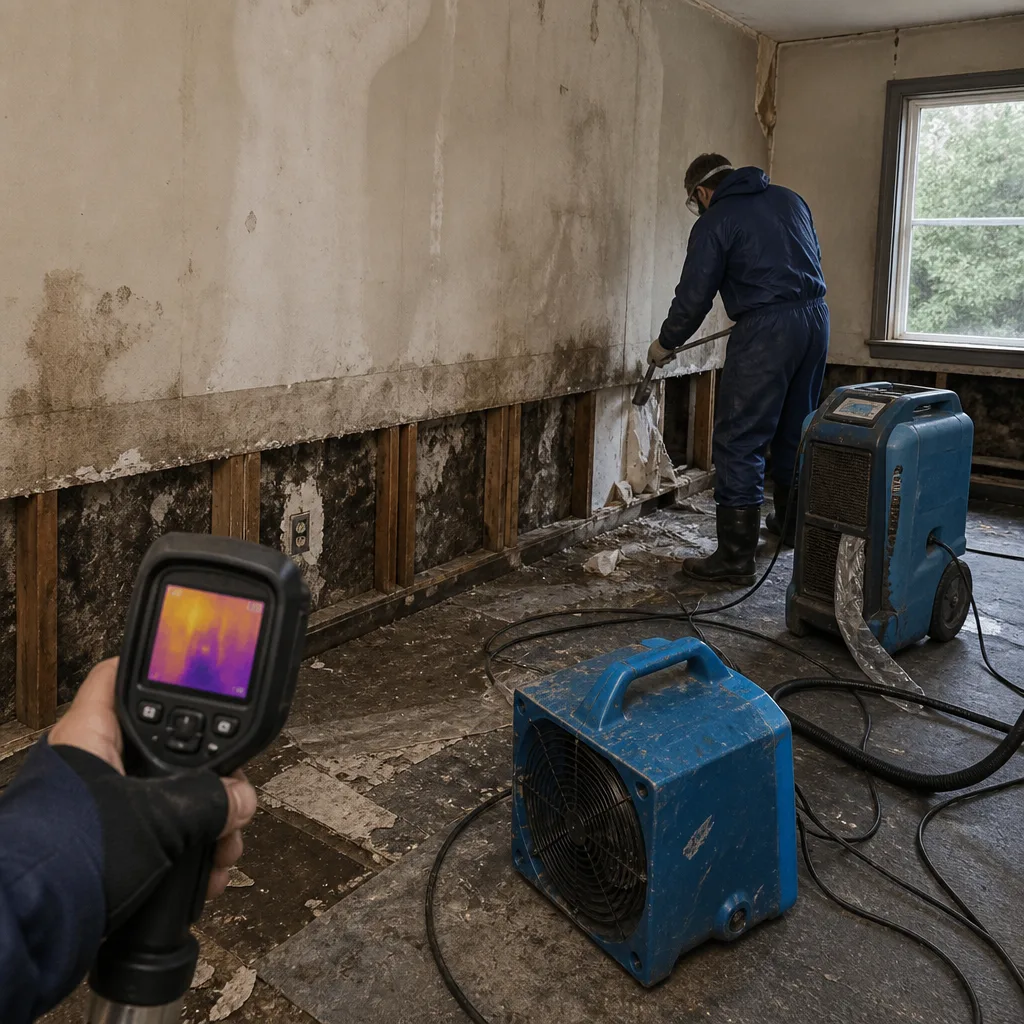 Before
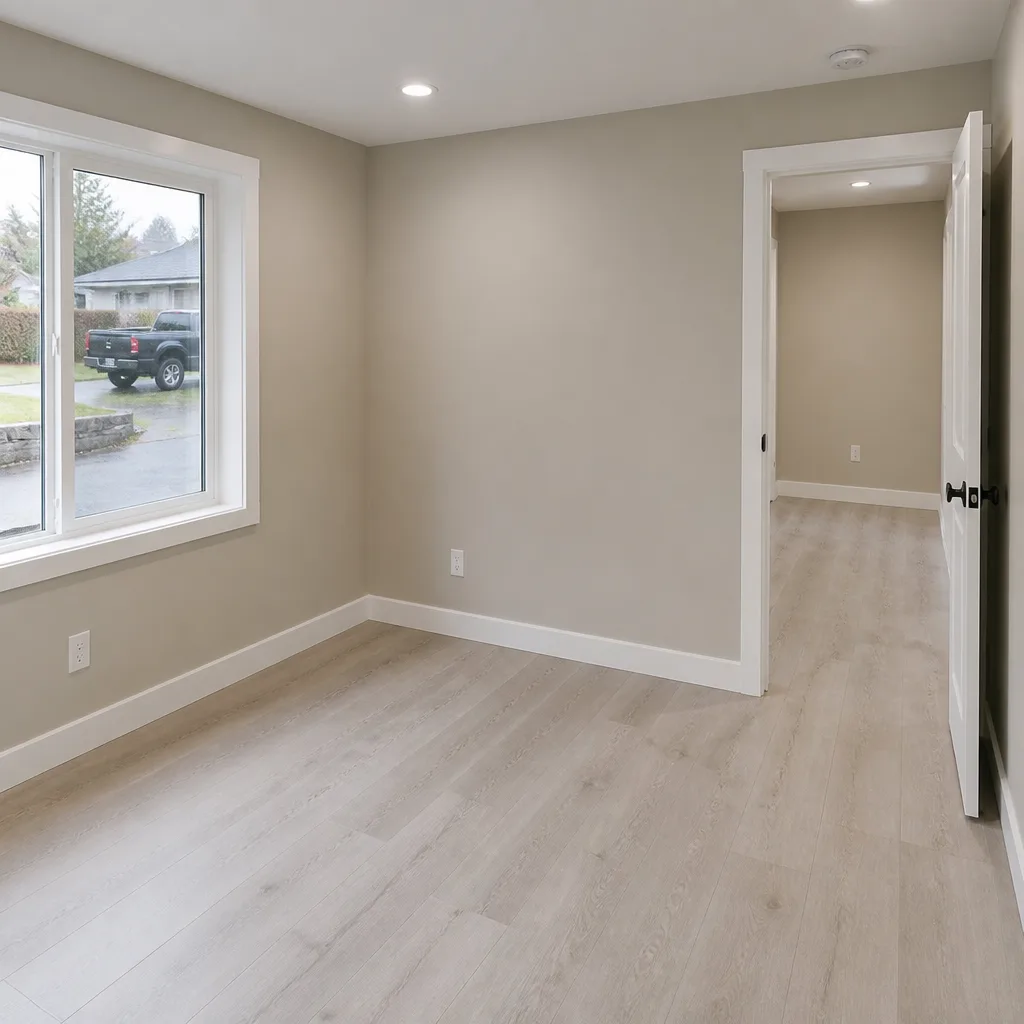 After
After24/7 Emergency Mold Remediation in Snohomish
Call (360) 502-8815 and a live person answers. No voicemail, no callback queue. Our crews are already routed through Snohomish, from the river flats near First Street up to the newer construction off Blackmans Lake, and we can be on-site within 45 minutes of your call. The first hour after water intrusion is when mold colonization begins. In Snohomish’s fall and winter cold-air pools, where valley humidity sits near saturation for days, that window compresses even further. We offer a free visual inspection, deliver a written price before any work starts under Haven Standard, Clause 1, and our Mold Remediation teams carry containment, HEPA filtration, and moisture-mapping equipment on every truck.
Understanding Mold Remediation Severity in Snohomish Properties
Mold severity in Snohomish is graded by affected square footage, material porosity, and the water category that started it. Category 1 clean water from a supply line carries different microbial risk than Category 3 river water carrying silt and agricultural runoff from upstream Snohomish County farmland. Our techs classify contamination using IICRC S520 standards: Level I for small, contained areas under 10 square feet on non-porous surfaces; Level II for moderate contamination on porous materials like the horsehair plaster common in Snohomish’s 1880s-1930s historic district; Level III and above for extensive colonization in HVAC systems or structural cavities, which we see when ground water wicks through balloon-frame walls for weeks undetected.
The old-growth Douglas fir framing in these Craftsman and Victorian-era homes behaves differently than modern SPF lumber. It absorbs water more slowly but releases it over a longer timeline, extending structural drying from a standard 3-5 days to 7-12 days in some river-flats properties. Psychrometric data - temperature, relative humidity, and vapor pressure differential - drives our daily drying logs, but the material itself sets the timeline. Tertiary drying, where bound moisture is pulled from deep within cellular structure, takes longer in dense old-growth timber. We document this on every visit so your insurer sees why the scope matches the science, not an arbitrary calendar.
Why Snohomish Property Owners Choose DryMark Restoration Everett
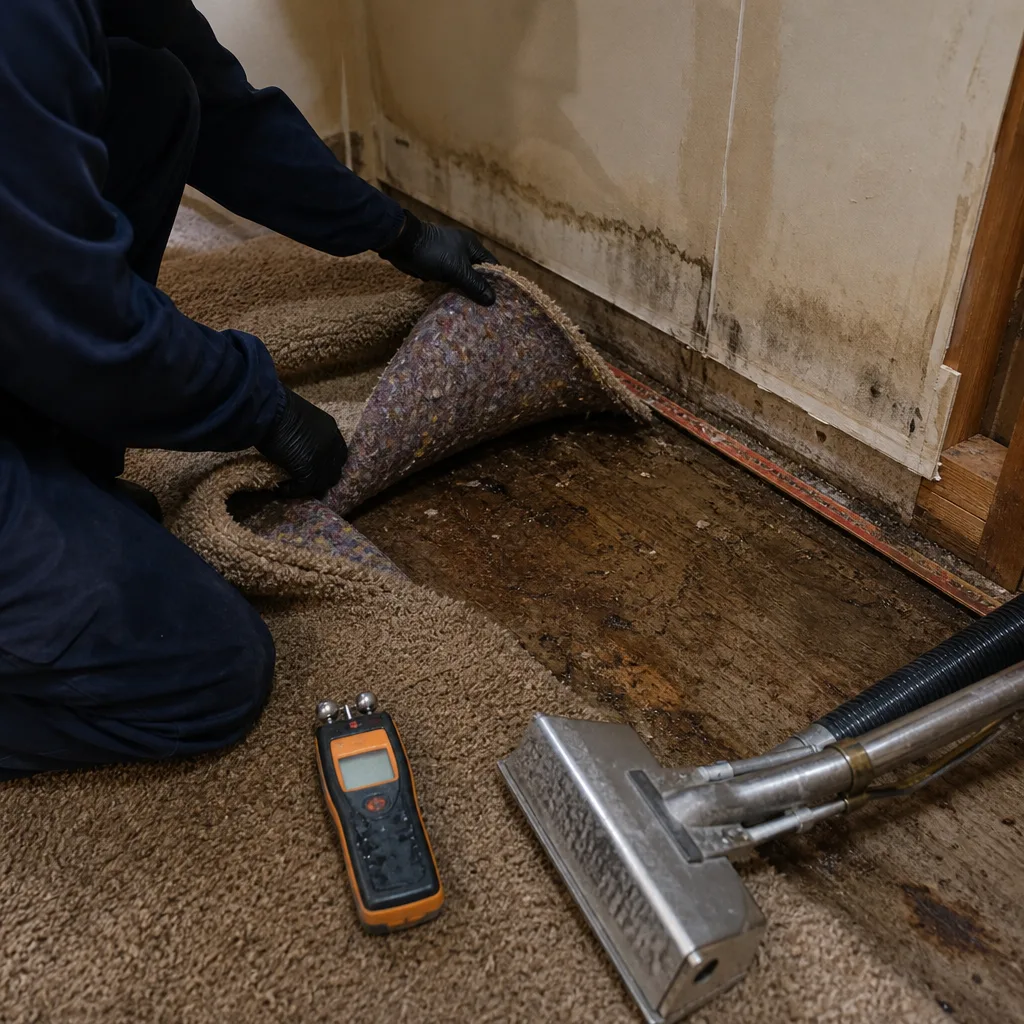
- 45-minute response commitment to addresses within Snohomish city limits, with crews staged for the river-flats corridor and the Blackmans Lake area.
- 24/7 live answer by a real person, never an automated system - emergency lines ring through to our Seattle dispatch office where a trained coordinator logs your loss and routes the nearest available crew.
- IICRC-certified crews holding WRT (Water Damage Restoration Technician), AMRT (Applied Microbial Remediation Technician), and FSRT (Fire & Smoke Restoration Technician) credentials where cross-training applies to combined losses.
- Free visual inspection with moisture mapping and thermal imaging included - no charge, no obligation, and a written scope delivered before any work begins.
- Direct insurance billing with photo-documented estimates formatted to carrier standards, plus direct adjuster coordination so you’re not chasing paperwork while mold spreads.
- One team from microbial remediation through reconstruction - no handoffs between subcontractors, no gaps in documentation, and the same crew that set containment returns to close it.
BeforeAfterOur Mold Remediation Process
1. Inspection & Assessment
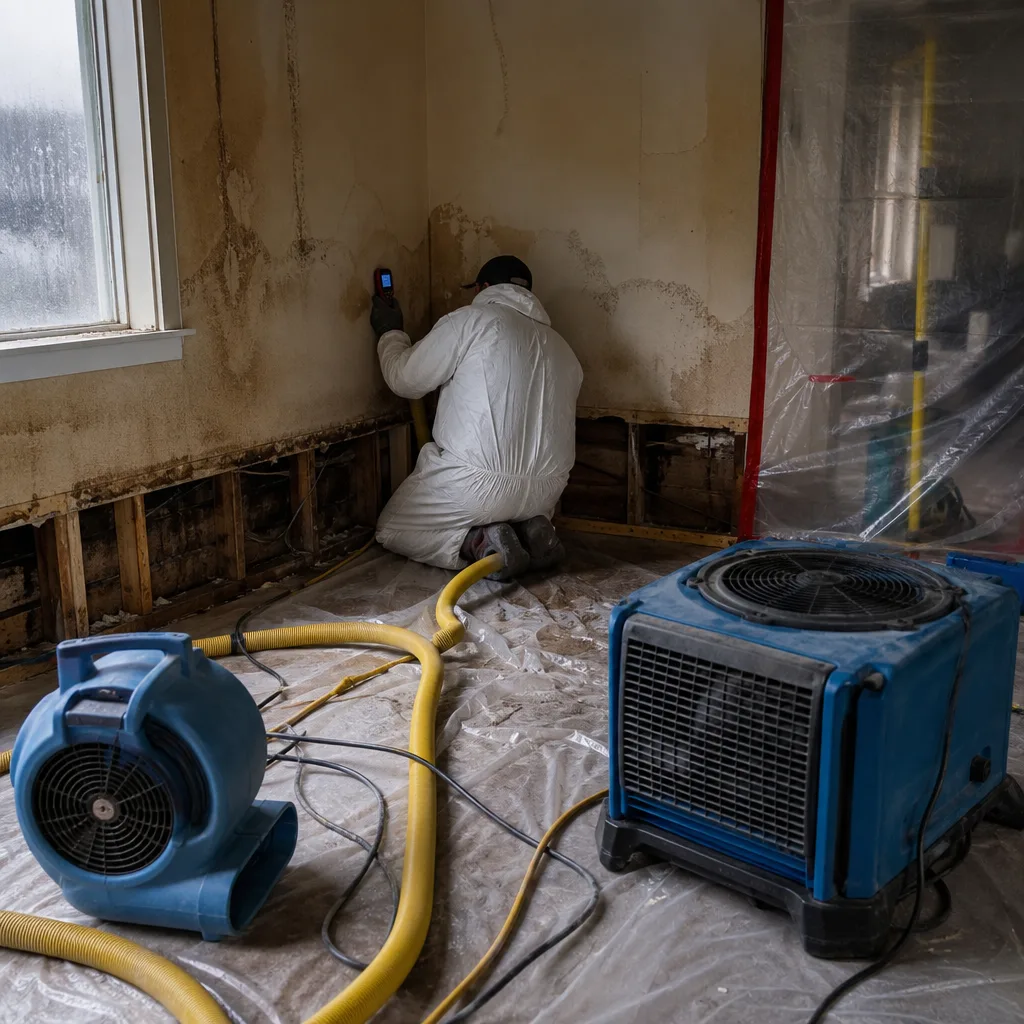
We start with thermal imaging and penetrating moisture meters to map the full extent of water migration, not just visible staining. In Snohomish’s historic homes, we pay particular attention to balloon-frame stud bays and crawl space sills where ground water climbs silently. Every reading is logged with location, depth, and material type.
2. Containment & Air Quality Control
Before disturbance begins, we establish polyethylene containment barriers and negative air pressure using HEPA-filtered air scrubbers. This prevents cross-contamination to unaffected areas, critical in older homes with interconnected floor cavities and minimal fire-blocking between levels.
3. Structural Drying & Dehumidification
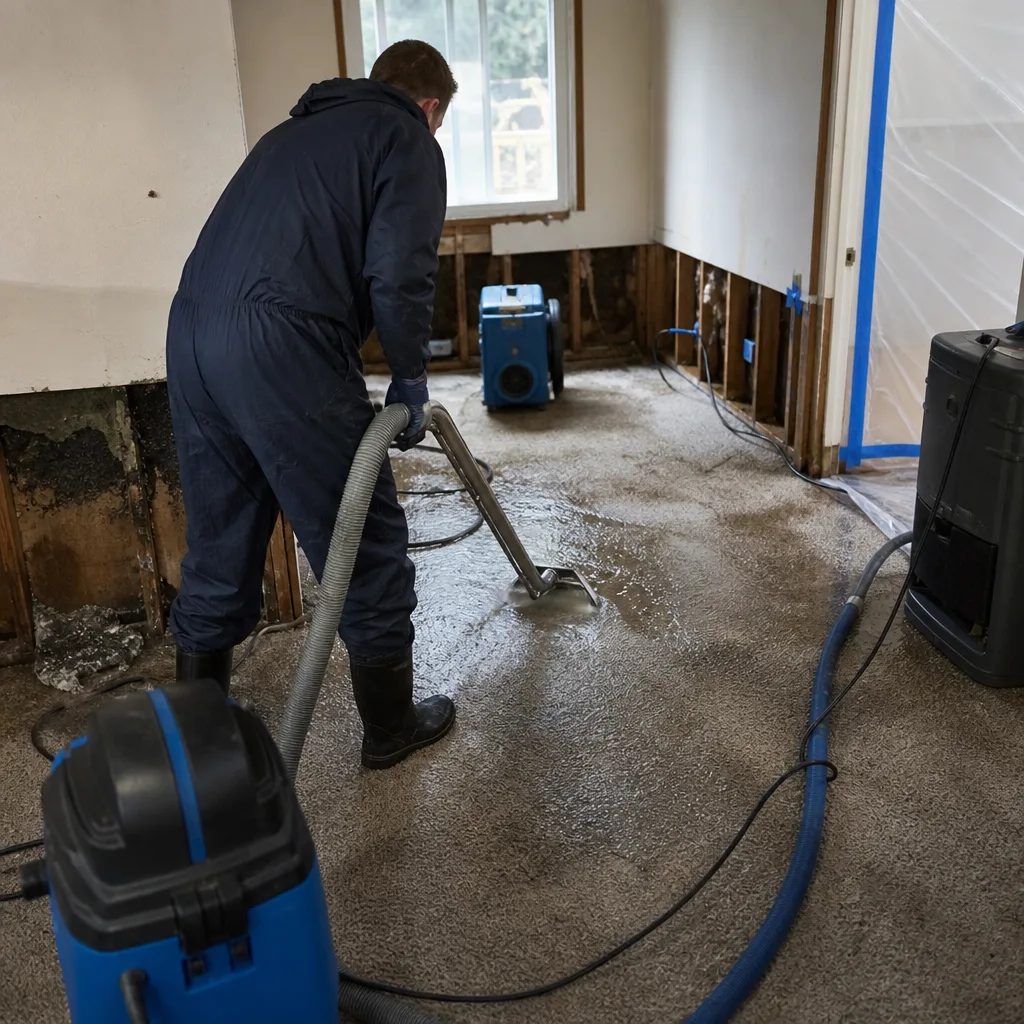
We deploy Phoenix and Dri-Eaz LGR dehumidifiers alongside Injectidry cavity-drying systems to pull moisture from within wall assemblies and subfloors. Daily psychrometric readings track progress; drying continues until wood moisture content returns to pre-loss baseline, not an arbitrary date.
4. Cleaning & Antimicrobial Treatment
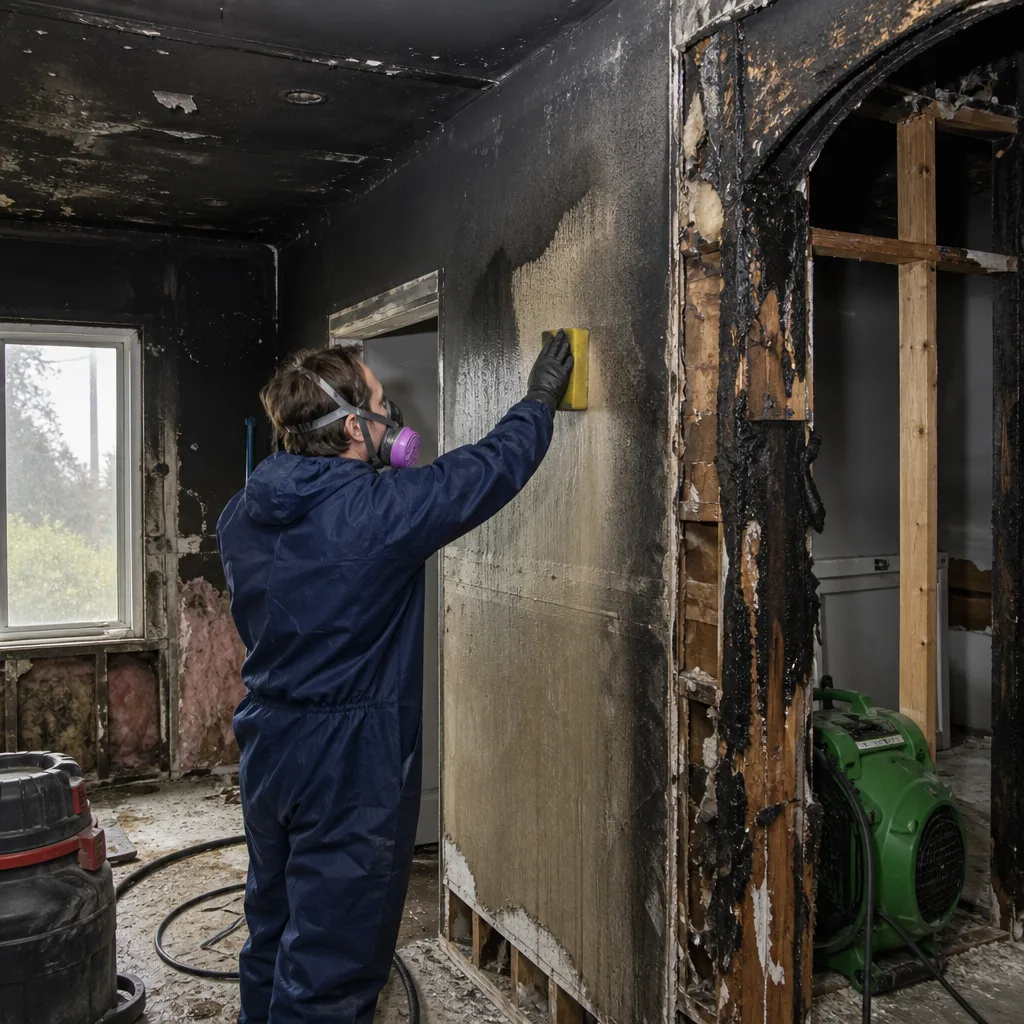
HEPA vacuuming precedes application of EPA-registered antimicrobial agents matched to the contamination level. On original old-growth Douglas fir framing, we select products that penetrate dense grain structure without compromising wood integrity or leaving residues that interfere with finishes.
5. Crawl Space Treatment & Moisture Control
For Snohomish’s river-flats properties, we address the hydrostatic source: vapor barrier installation, drainage improvements, and permanent dehumidification where the water table remains elevated. This is where many competitors stop at surface mold; we treat the condition that allows it to return.
6. Clearance Testing & Restoration
Independent third-party air sampling confirms spore counts at or below outdoor baseline before containment comes down. Reconstruction follows with matching materials, documented to IICRC and IFA standards, backed by our 365-Day Done Right Promise under The Haven Standard.
Need Emergency Mold Remediation in Snohomish Now?
Crews minutes away, answering live 24 hours a day. The sooner we start, the less it costs.
Working With Your Insurance Company
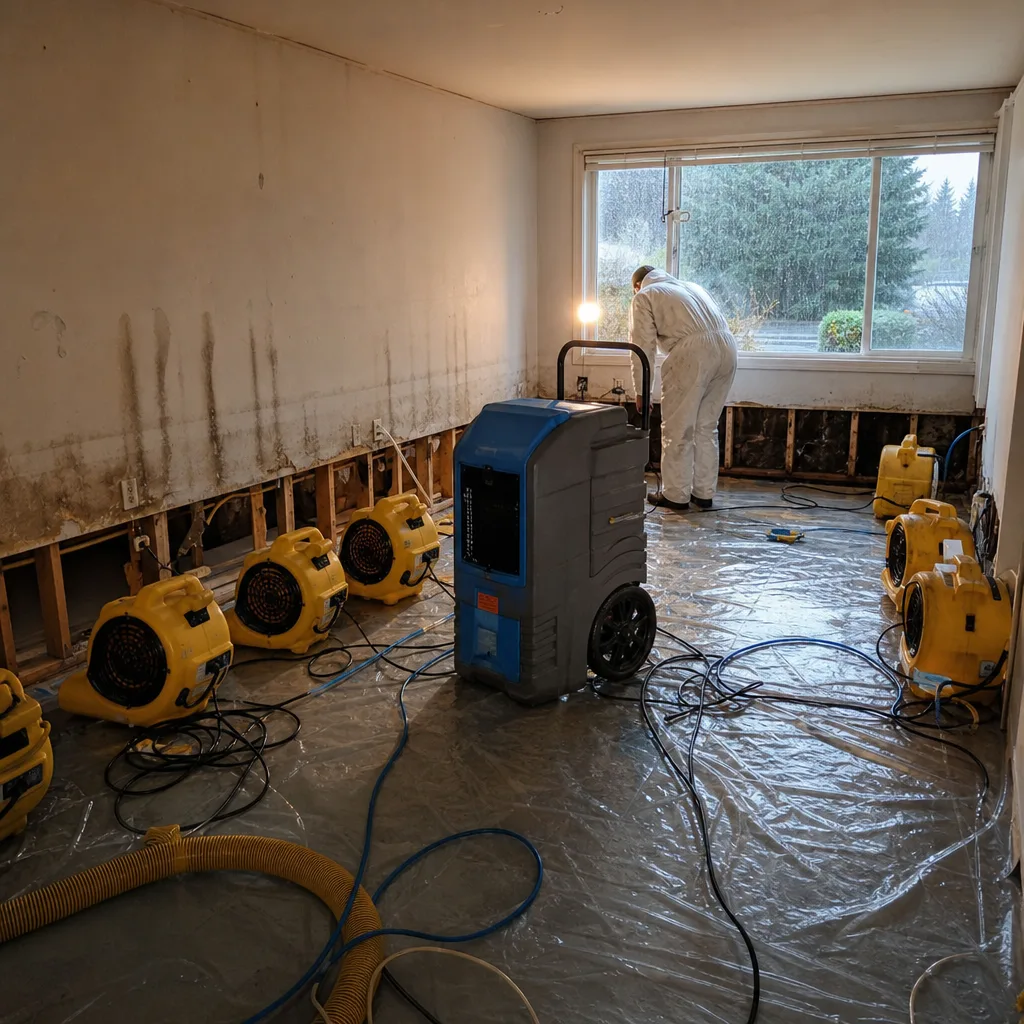
Insurance claims for mold damage succeed or fail on documentation quality. We learned this from our founder’s years as a claims adjuster before launching Back to Dry in 2011. Every Snohomish job begins with a photo record of the loss scene, moisture readings timestamped by room, and a written scope with line-item pricing before any equipment runs. Our estimates follow Xactimate or Symbility formats your carrier recognizes. We speak directly with adjusters, provide supplemental documentation when hidden damage extends the scope, and never ask you to front costs while waiting for approval. The photo record, drying logs, and final clearance report are delivered as standard, never billed as extras.
What We Provide Your Insurer
- Thorough documentation of the loss
- Photos of all damage, room by room
- Moisture readings and drying logs
- A detailed, line-item scope of work
- Direct coordination with your carrier
Built for Snohomish’s Loss Calendar
Snohomish mold follows a distinct seasonal rhythm tied to river hydrology, not just rainfall. October through March brings the heaviest damage: the Snohomish River valley cold-air pool traps fog and near-saturated air for days, while upstream Cascade snowmelt stacks against valley rain to push the water table up under crawl spaces and slabs. February and March are particularly active when rain-on-snow events trigger rapid river rises. April’s spring thaw extends the pattern. June through September sees lighter but still significant losses from thunderstorm downpours overwhelming older gutter and drainage systems on historic homes, followed by warm, humid conditions that accelerate any missed moisture. The fall transition, when homeowners close windows but outdoor humidity remains high, creates condensation-driven mold in unventilated attics and crawl spaces. We schedule preventive inspections for September to catch these before heating season begins.
Mold Remediation Across Snohomish’s Neighborhoods
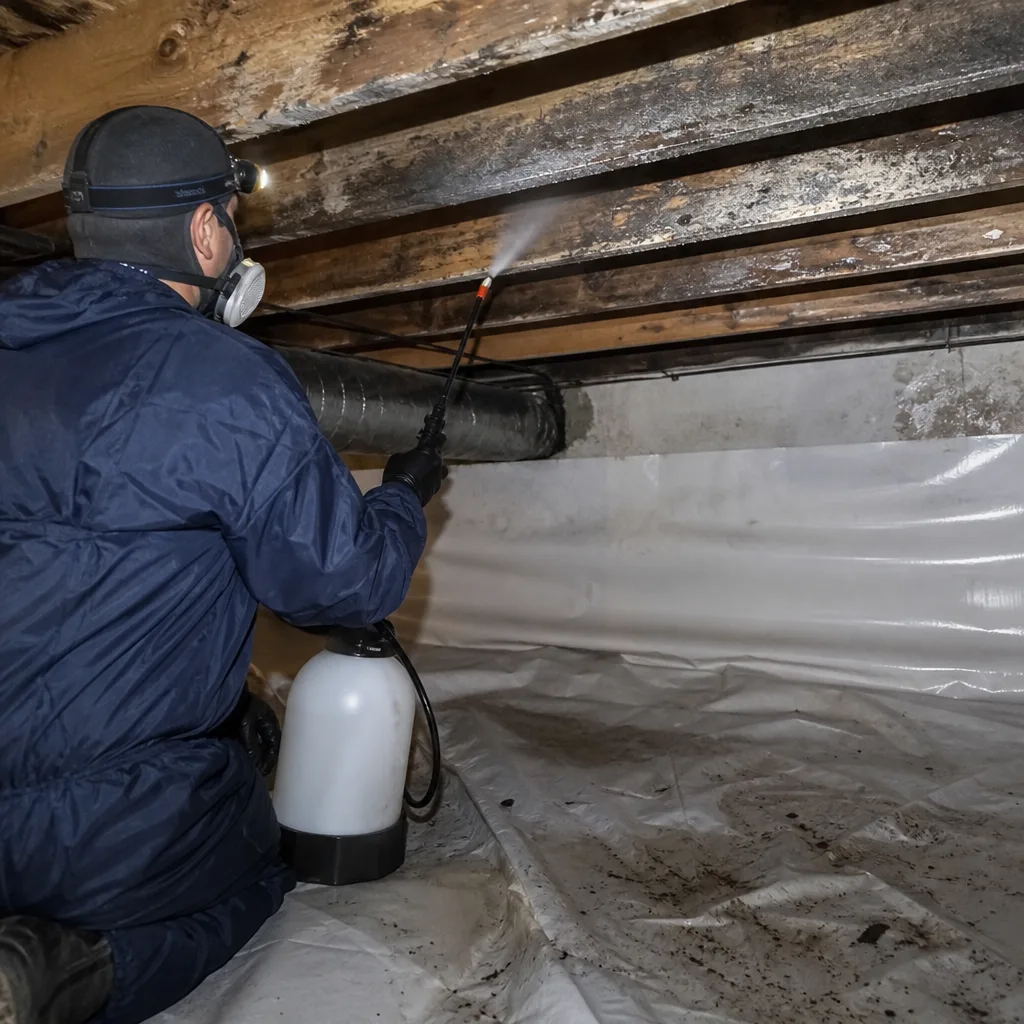
The historic district around First Street and Avenue D presents our most complex Snohomish work. These late-Victorian and Craftsman-era homes, many on the National Register, have unventilated crawl spaces directly over river-adjacent soils that stay saturated for weeks after flood events. Balloon-frame construction means water wicked up from sills travels unchecked through open stud bays to second-floor wall cavities. We route crews through this corridor with extended drying timelines built into every scope.
Properties off Blackmans Lake and the surrounding plateau sit higher, above the FEMA-mapped floodplain, but face their own pattern: aging 1970s-1990s construction with inadequate vapor barriers and original bathroom exhaust fans vented into attics rather than outside. Mold here tends to start overhead, not underfoot, and requires different containment geometry.
The newer development along Route 9 and the Cathcart area brings modern stick-built homes with better initial moisture management, but we’ve seen an increasing pattern of crawl space mold where grading directed water toward foundations during the wet winters of 2021-2023. Each Snohomish neighborhood teaches us something specific about how water moves through its particular vintage of construction.
We were called to a 1908 balloon-frame Craftsman off First Street after the owners noticed a musty smell in the back bedroom; the exterior looked dry and the plumbing pressure-tested clean. Moisture mapping told a different story: our techs found saturated soil under the unventilated crawl space and moisture readings climbing the original old-growth Douglas fir sills, a ground-water signature we see on the river flats after upstream Cascade snowmelt stacks up against heavy valley rain. We set containment, ran antimicrobial treatment on the fir, and held structural drying with Injectidry and Phoenix dehumidification tied to daily drying logs until the framing returned to pre-loss condition.
Specialized Mold Remediation Services We Offer in Snohomish
Mold Inspection & Testing
Our Snohomish inspections start with thermal imaging and penetrating moisture meters, not guesswork. We distinguish between active water damage requiring remediation and old, dormant staining that needs no disturbance. Air sampling and surface swabs go to independent labs when clearance documentation or health concerns require definitive identification. For Snohomish river-flats properties, we always inspect the crawl space even when the complaint is upstairs; the hydrostatic path is that predictable.
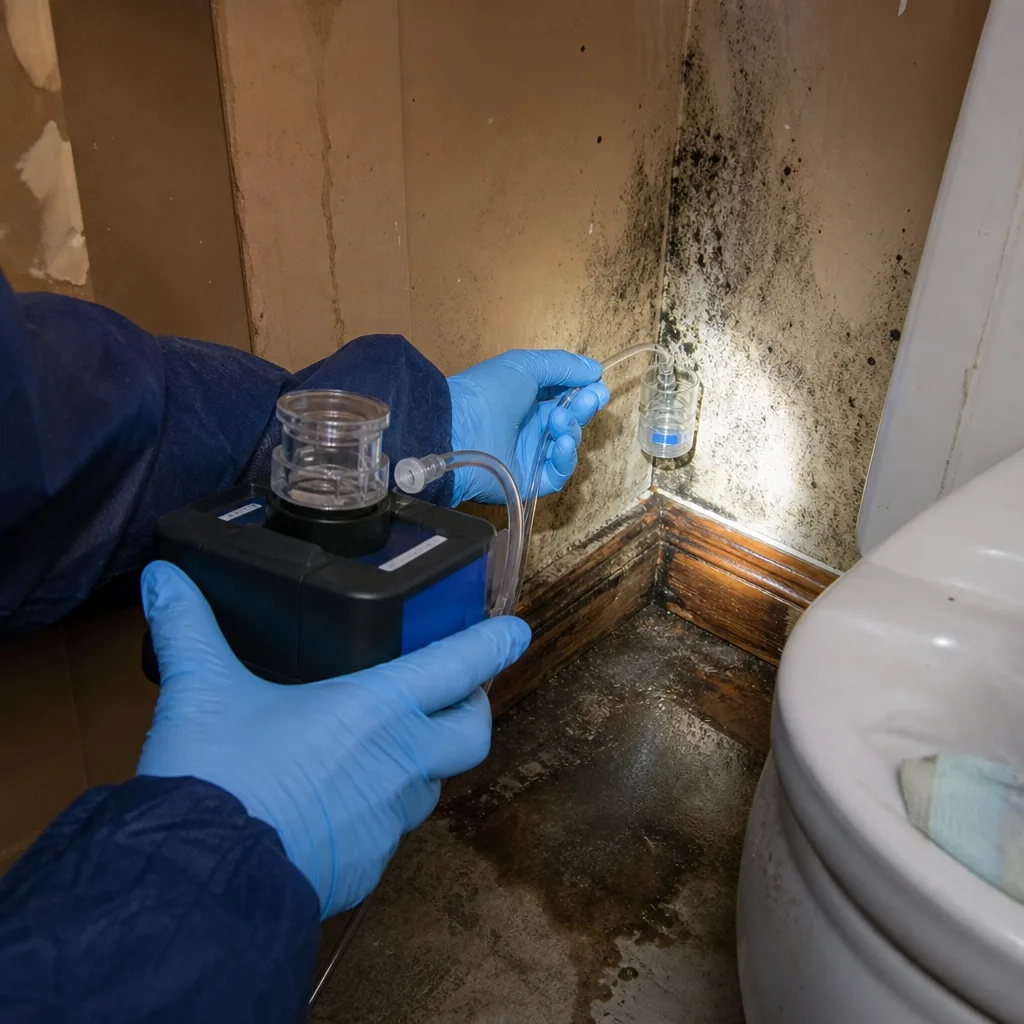
Mold Removal
Removal follows IICRC S520 protocols: containment, negative air, HEPA filtration, then controlled demolition of non-salvageable materials. In Snohomish’s historic homes, we preserve original plaster and trim wherever moisture readings permit, documenting each decision with photos for insurance and heritage considerations. Dense old-growth fir framing usually remediates in place; waterlogged modern OSB subflooring often does not.
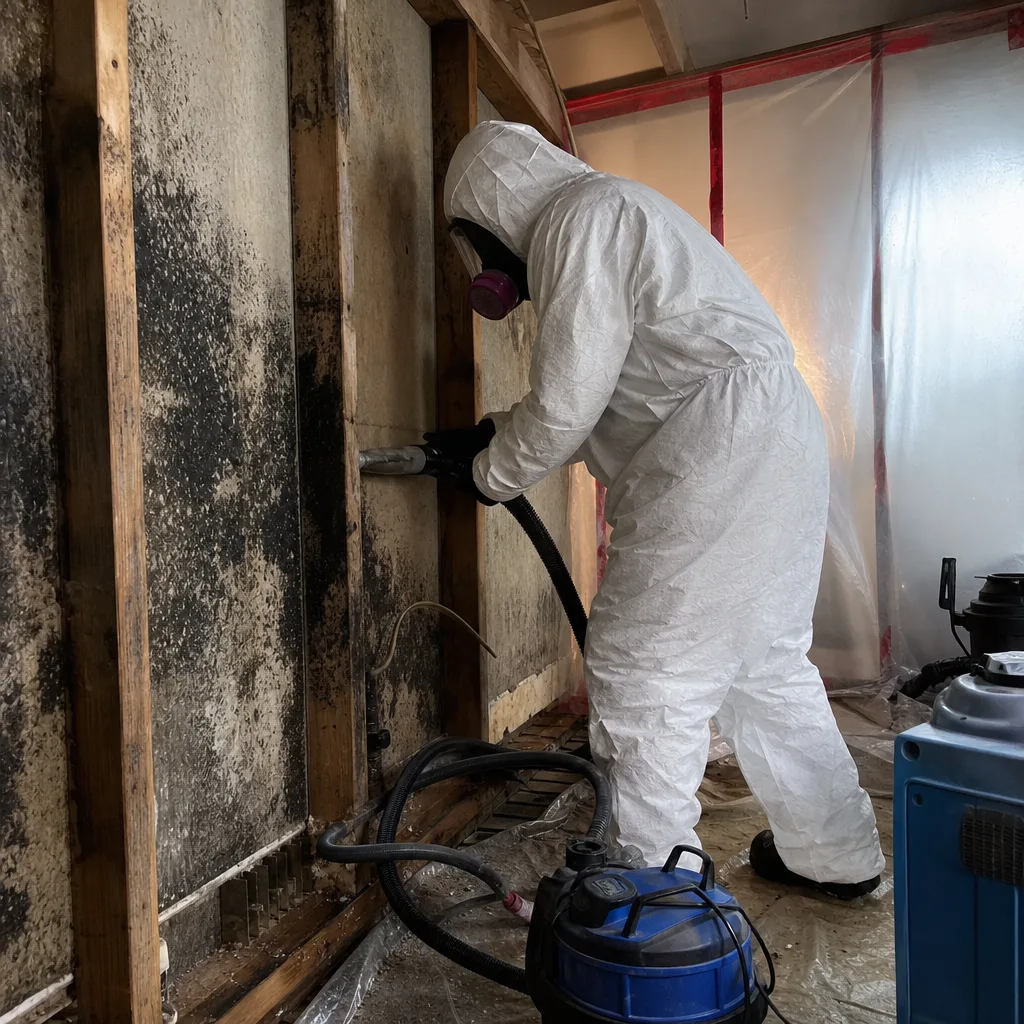
Black Mold Remediation
Stachybotrys chartarum and similar toxigenic species require enhanced containment and PPE, but the protocol difference is in protective measures, not secrecy. We explain exactly what was found, where, and why the containment level matches the risk. Snohomish’s prolonged high-humidity periods create conditions where slow leaks behind walls can sustain heavy black mold growth undetected for months.
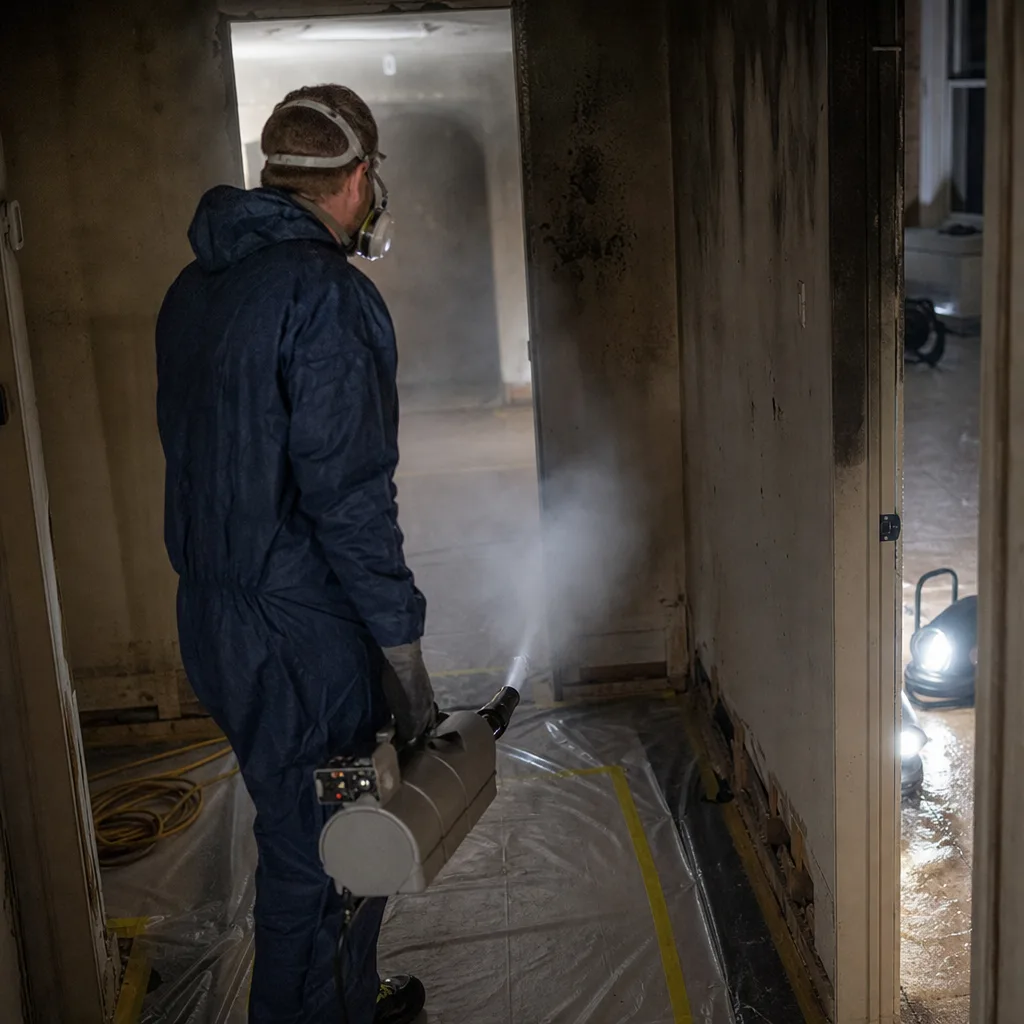
Air Quality Restoration
Post-remediation, we verify air quality through independent third-party sampling, comparing indoor spore counts to outdoor baseline. HEPA air scrubbers run during work and through clearance. For Snohomish homes with forced-air heating, we inspect ductwork for cross-contamination and recommend cleaning when spore deposition warrants it.
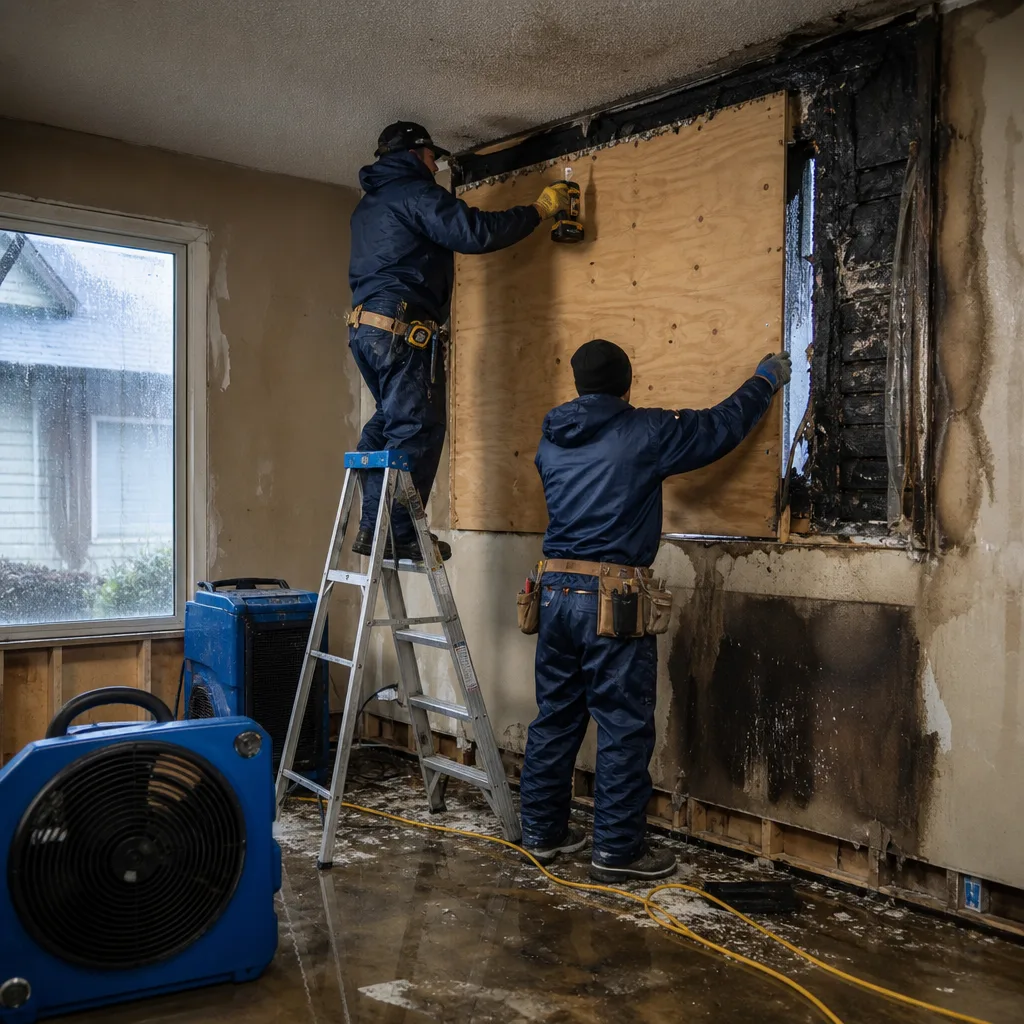
Crawl Space Treatment
This is where Snohomish’s geography demands specialized attention. We install reinforced vapor barriers, seal foundation vents where appropriate, and deploy permanent dehumidification sized to the cubic footage and ground-water load. Without this step, the same hydrostatic pressure that caused the first mold event will cause the second. We warranty our crawl space work under the 365-Day Done Right Promise because we know the river level will rise again.
What happens when you call
- 1
A real person answersNo phone trees - you reach a local pro.
- 2
You get an upfront price rangeHonest numbers before anyone is dispatched.
- 3
A background-checked tech heads outLicensed & insured, dispatched right away.
- 4
You approve before work beginsNothing starts until you say go.
Mold Remediation Costs in Snohomish, WA
Honest pricing for Snohomish mold remediation:
- Small, contained area (under 10 sq ft, non-porous surfaces): $1,200-$2,800
- Moderate remediation (porous materials in one room or small crawl space): $3,500-$7,500
- Extensive crawl space or multi-room with containment: $8,000-$15,000
- Whole-structure remediation with HVAC involvement and reconstruction: $18,000-$35,000+
What moves the price: affected square footage, material type (horsehair plaster and old-growth fir cost more to dry and treat than modern drywall), accessibility (crawl spaces under 18 inches require specialized entry), and whether Category 3 river water introduced silt and contaminants requiring more aggressive antimicrobial protocol. Insurance typically covers sudden and accidental water damage and resulting mold when reported promptly; long-term maintenance-related moisture is usually excluded. We provide a free visual inspection and written scope before any commitment, and we offer a Free Second Opinion on any competitor’s written estimate. Call (360) 502-8815 for an exact quote - estimates are free.
We Also Serve Cities Near Snohomish
Our crews respond throughout the Snohomish River valley and surrounding communities: Monroe to the east, where the Tualco Valley sees similar river-driven water table issues; Mill Creek to the southwest with its concentration of 1990s-2000s construction now aging into maintenance windows; Lake Stevens to the north with its mix of lake-adjacent and hillside homes; and Everett, the county seat, where commercial and residential losses both cross our dispatch board. Scheduling is coordinated from our Seattle office; crews serve each city locally with equipment and documentation standards held identical across the service area.
Serving Snohomish, WA - Our Local Coverage Area
We’re based in the Snohomish area and know this community well. Use the map below to see our service coverage - if you’re nearby, we can almost certainly help.
Snohomish Mold Remediation Questions, Answered
Does a mold problem in a Snohomish river-flats home always mean a plumbing leak?
No. In the historic lowlands near First Street, rising groundwater from the Snohomish River water table is often the actual source, even when plumbing pressure-tests clean. We moisture-map the crawl space and foundation perimeter to distinguish hydrostatic intrusion from supply or drainage line failure. Call (360) 502-8815 for an exact quote - estimates are free.
How fast does mold start in a wet Snohomish home after a river flood?
Mold colonization begins 24 to 48 hours after water intrusion, but in Snohomish’s fall and winter cold-air pools where ambient humidity sits near saturation, that window can compress to under 24 hours. The valley’s low evaporative drying rate means wet materials stay wet longer, feeding continuous growth. Call (360) 502-8815 for an exact quote - estimates are free.
Why do older Snohomish homes off First Street take longer to dry?
Horsehair plaster walls and old-growth Douglas fir framing absorb and release moisture on a different timeline than modern materials. Balloon-frame construction lacks fire-blocking, so water wicks through open stud bays vertically and horizontally. Our drying logs typically show 7-12 days to return these materials to pre-loss moisture content, compared to 3-5 days for standard stick-built construction. Call (360) 502-8815 for an exact quote - estimates are free.
How do you tell Category 3 river water from stormwater backup in a Snohomish home?
Category 3 river water carries silt, organic debris, and potential agricultural contaminants from upstream Snohomish County farmland, often leaving a visible residue line and distinct odor. Stormwater backup is typically cleaner but still Category 3 if it enters through drainage systems. We test for nitrates and conduct microbial sampling when source ambiguity affects the remediation protocol and insurance coverage. Call (360) 502-8815 for an exact quote - estimates are free.
What should Snohomish homeowners do between flood events to prevent mold from returning?
Install a permanent crawl space dehumidifier sized to your foundation volume, maintain vapor barriers without gaps or tears, ensure downspouts discharge at least 10 feet from the foundation, and schedule annual pre-winter inspections of drainage and grading. After any Snohomish River flood advisory, check the crawl space within 24 hours even if the living space shows no signs of water. Call (360) 502-8815 for an exact quote - estimates are free.
Will my insurance cover mold remediation in Snohomish?
Most policies cover mold resulting from sudden and accidental water damage - burst pipes, storm intrusion, or verified river flooding - when reported promptly and remediated professionally. Long-term maintenance issues, slow leaks ignored for months, or unremediated prior water damage are typically excluded. We document the loss origin and coordinate directly with your adjuster to establish coverage. Call (360) 502-8815 for an exact quote - estimates are free.
Can we stay in our Snohomish home during mold remediation?
For small, contained Level I remediation in a single room with no HVAC connection, often yes. For multi-room, crawl space, or Level II+ work with extensive containment and air scrubbing, temporary relocation is usually recommended, particularly for residents with respiratory conditions, young children, or compromised immune systems. We discuss this during the initial scope review. Call (360) 502-8815 for an exact quote - estimates are free.
What certifications do your Snohomish mold technicians hold?
Our crews hold IICRC WRT (Water Damage Restoration Technician) and AMRT (Applied Microbial Remediation Technician) at minimum, with FSRT (Fire & Smoke Restoration Technician) for combined losses. All work is documented to IICRC, RIA, and IFA standards. License numbers and current certification dates are available on request. Call (360) 502-8815 for an exact quote - estimates are free.
Back to Dry Restoration has operated under The Haven Standard since 2011, completing over 12,000 restorations with a written price before work started on every job and a documented photo record on every visit. Our 365-Day Done Right Promise applies to all work, and we provide Free Second Opinions on any competitor’s written estimate.
Written by Alicia Brennan, Owner at Back to Dry Restoration, serving Snohomish since 2011.
Mold Remediation in Nearby Areas