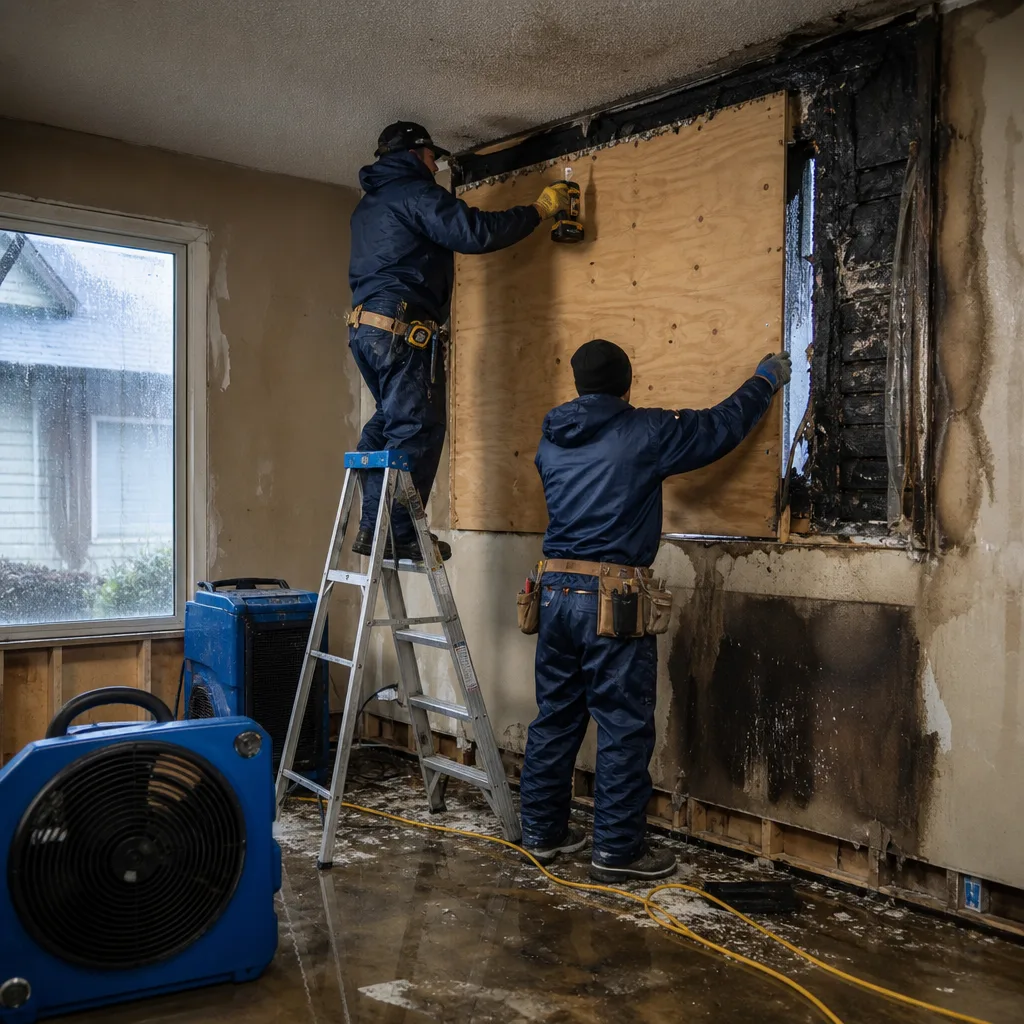
Free visual inspection and a written scope of work before any mitigation begins - photos, moisture readings, and drying logs go in your claim file
The scope we write is the scope we bill. Anything new gets shown to you, in writing, before we touch it.
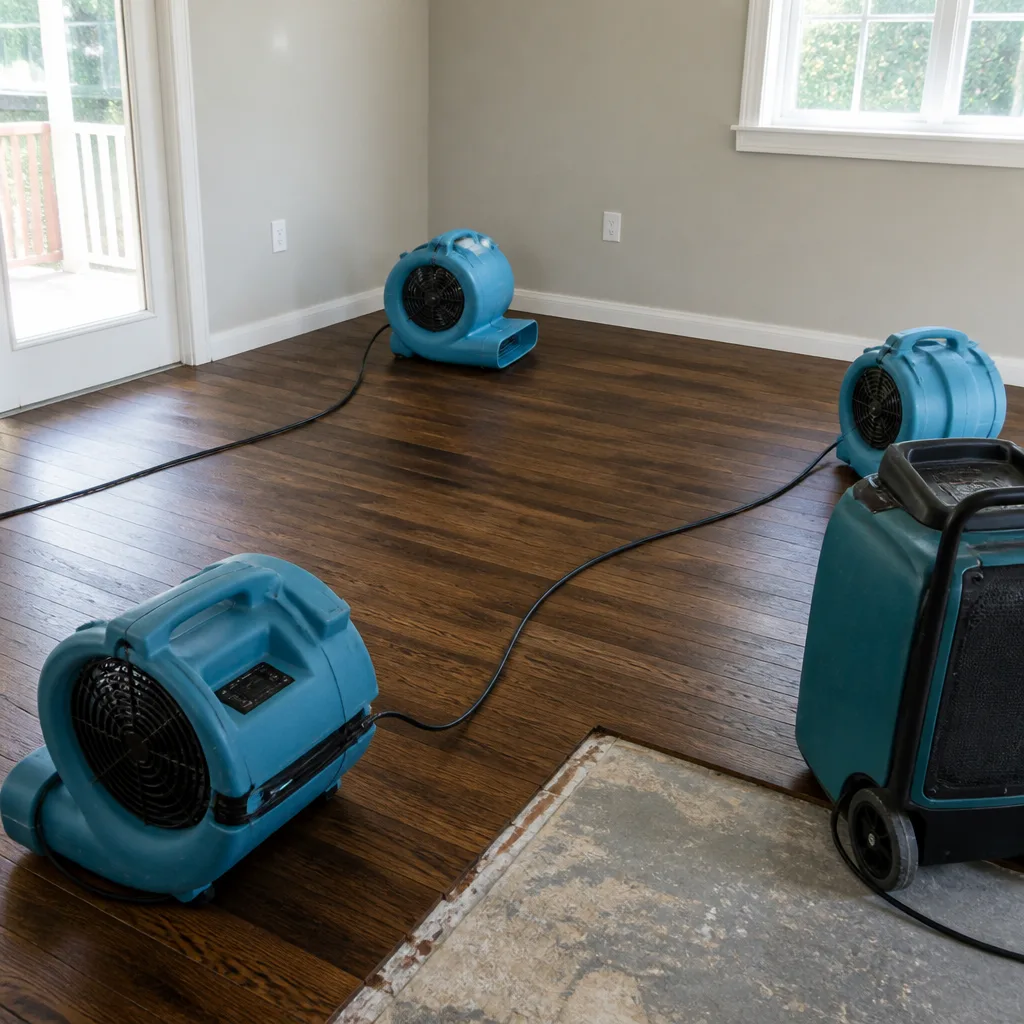
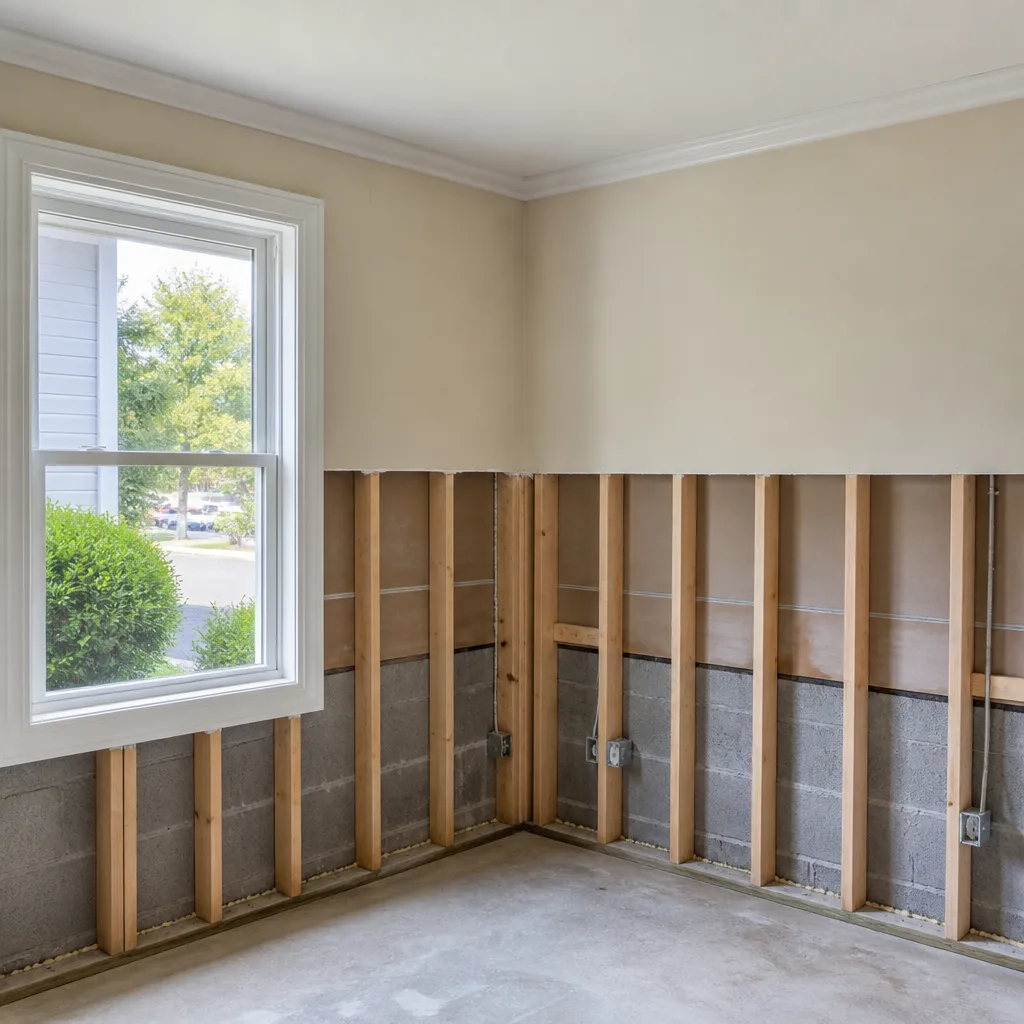
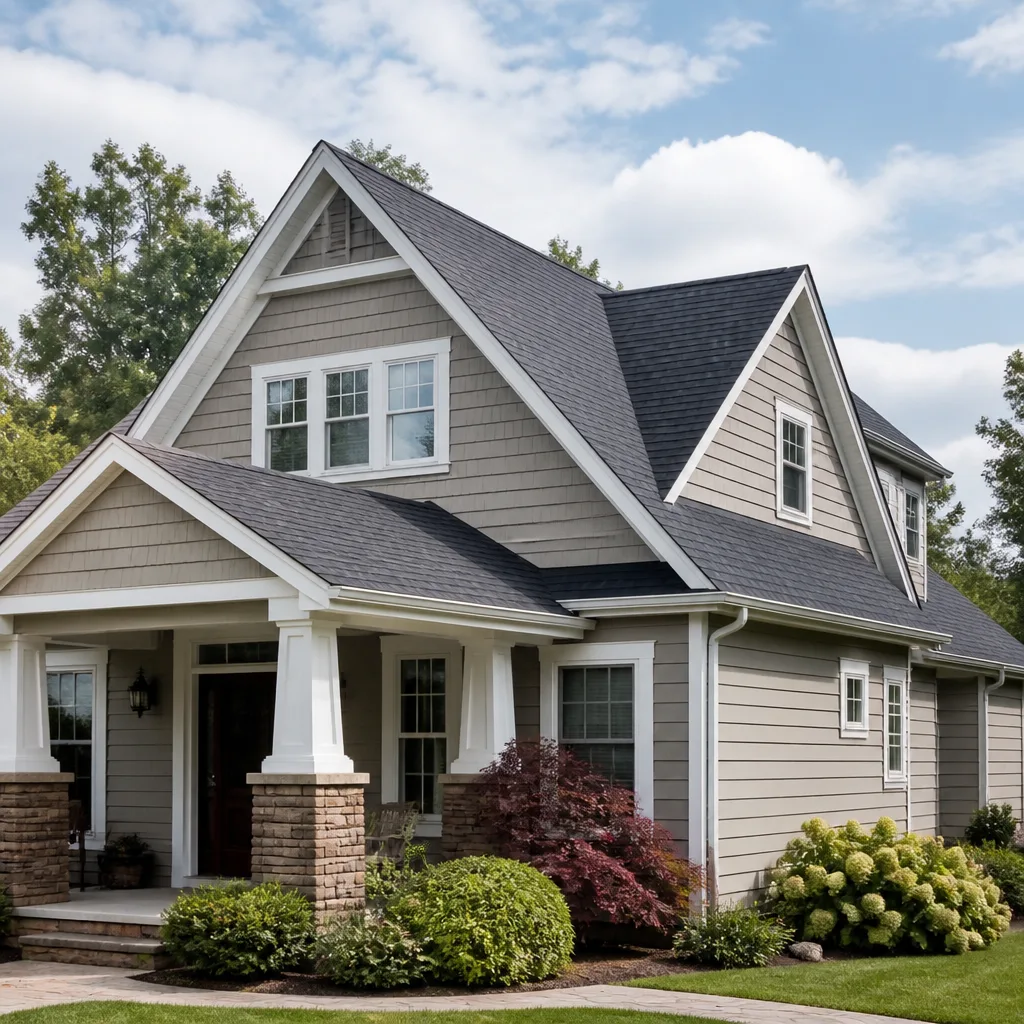
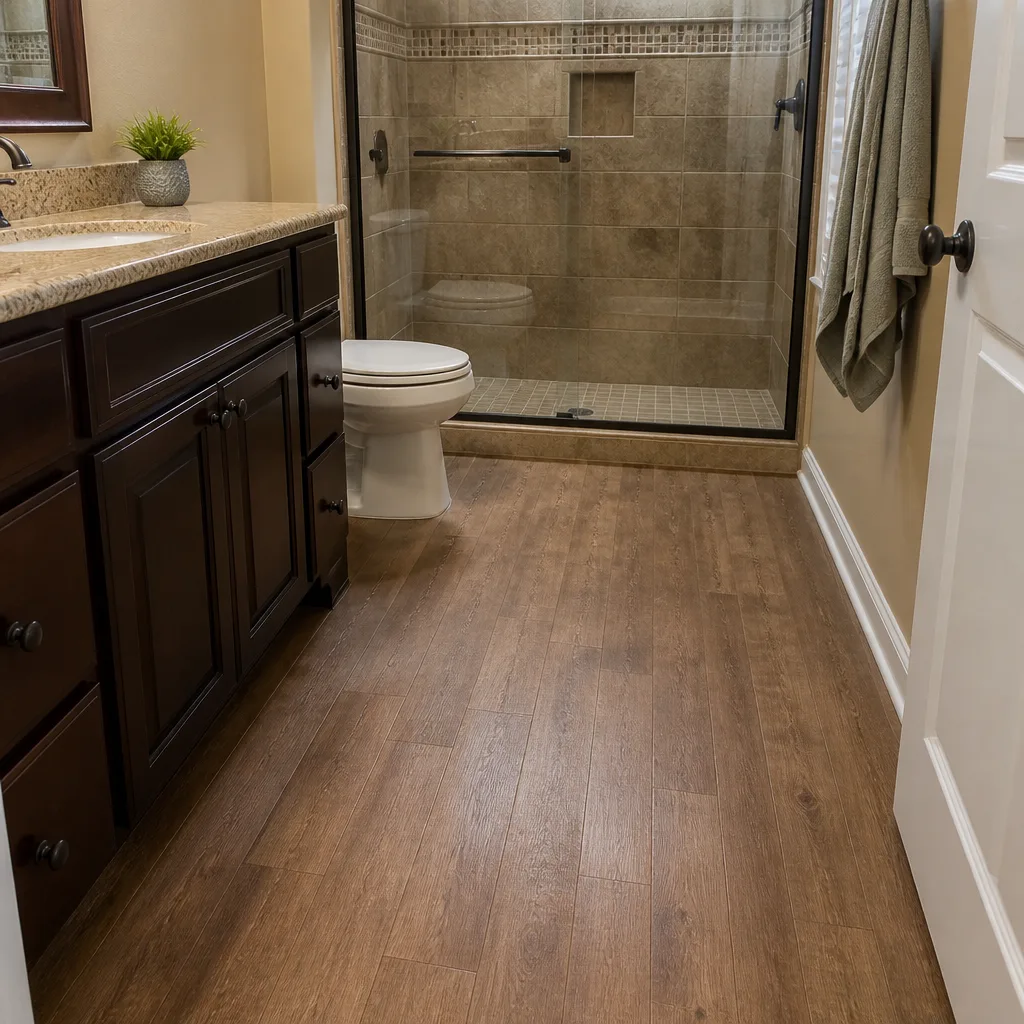
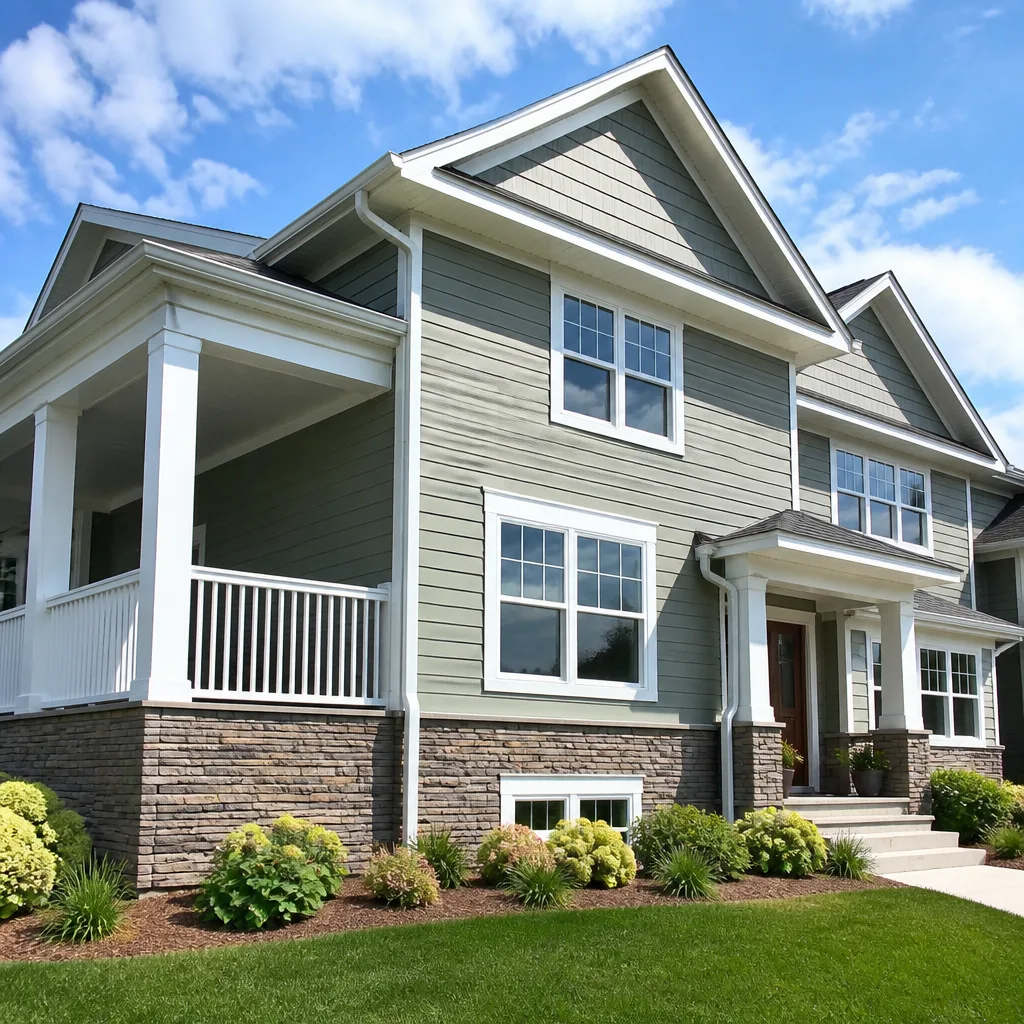
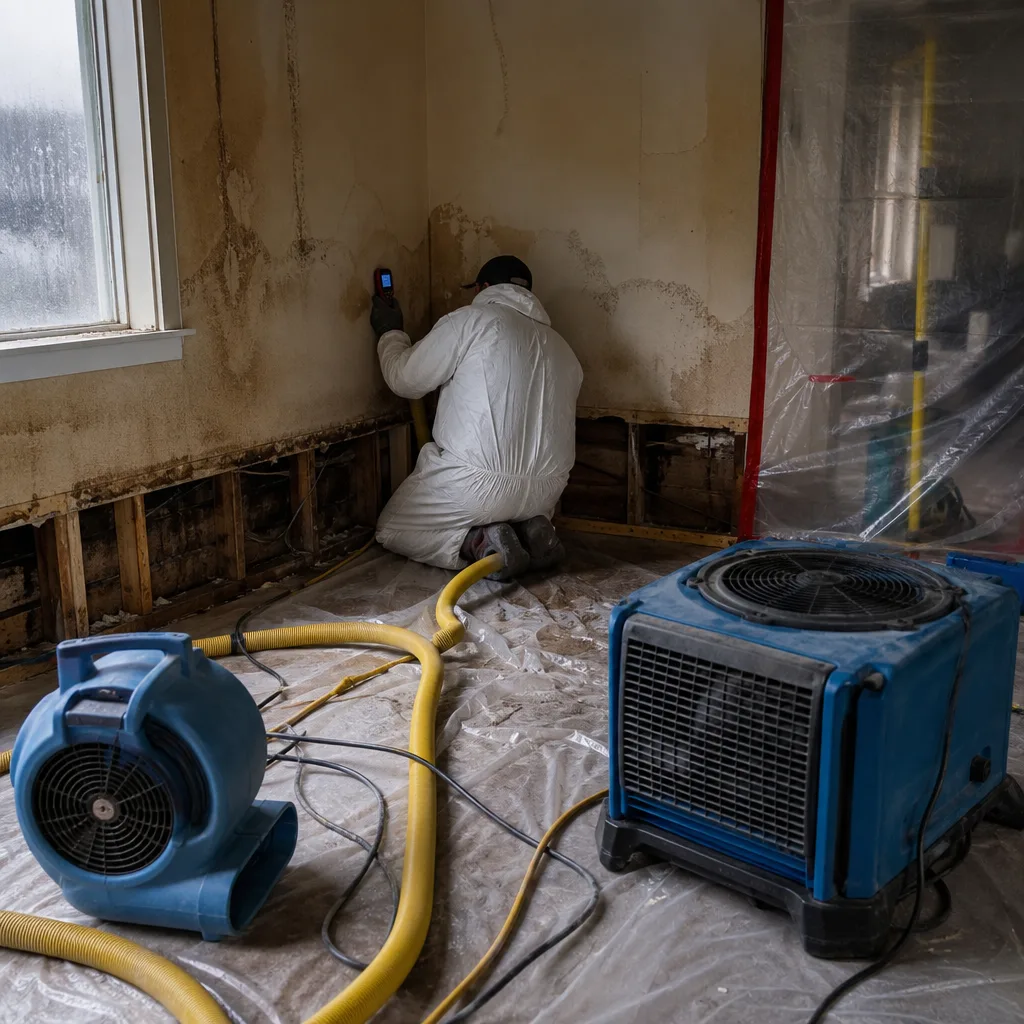 Before
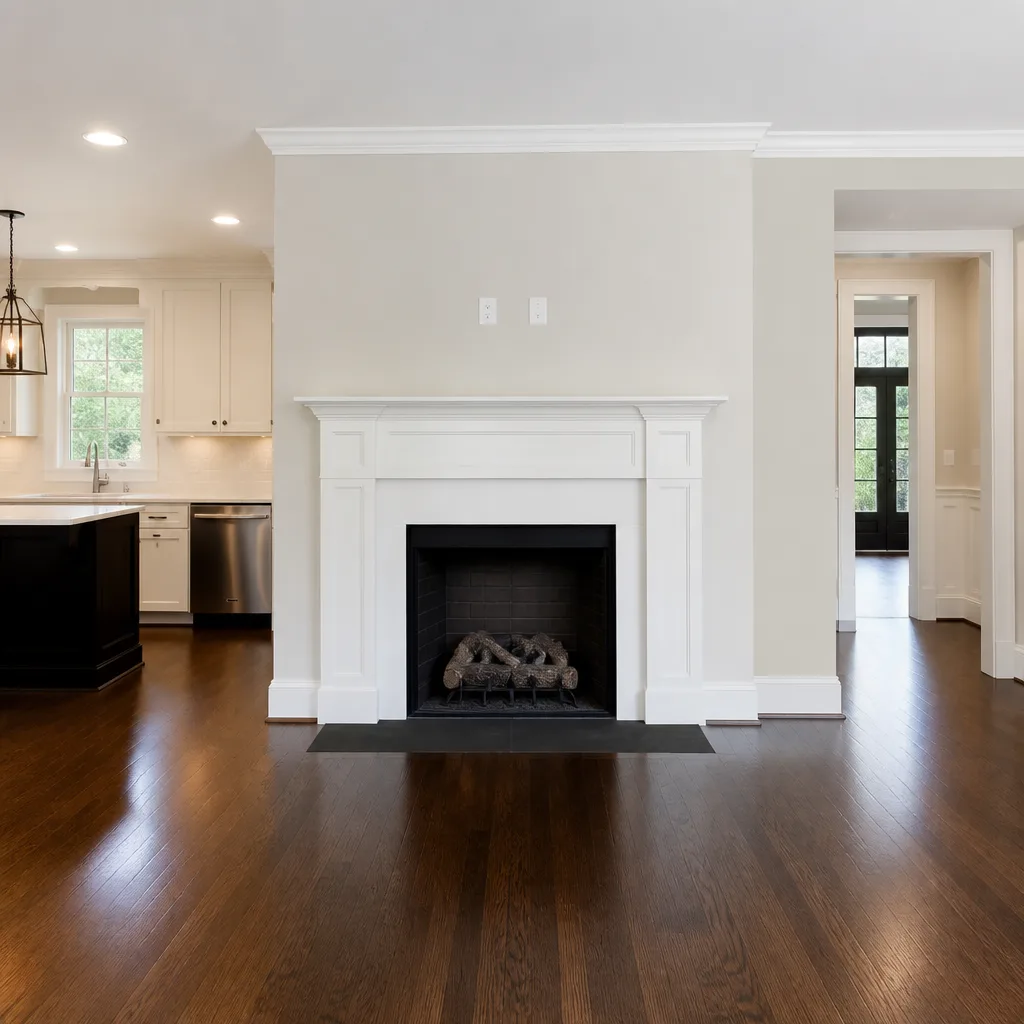
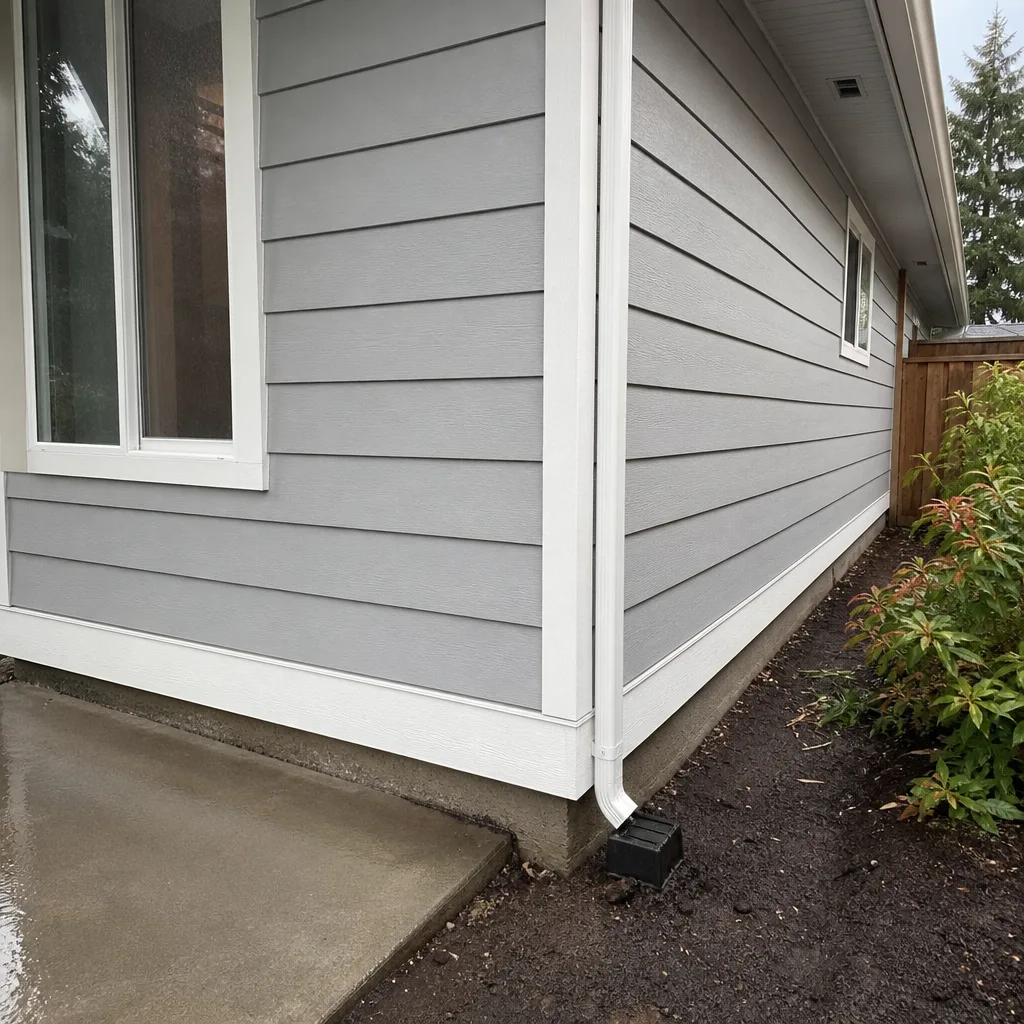 After
After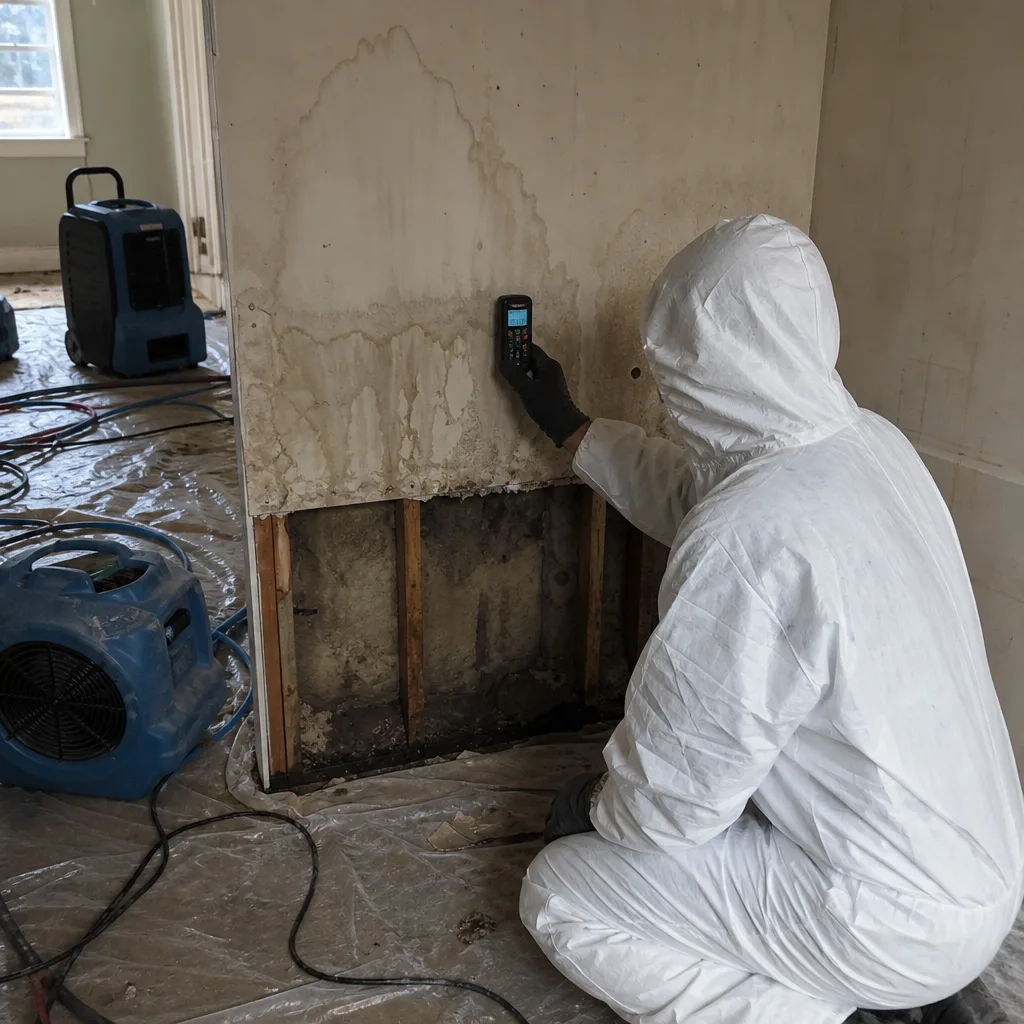 Before
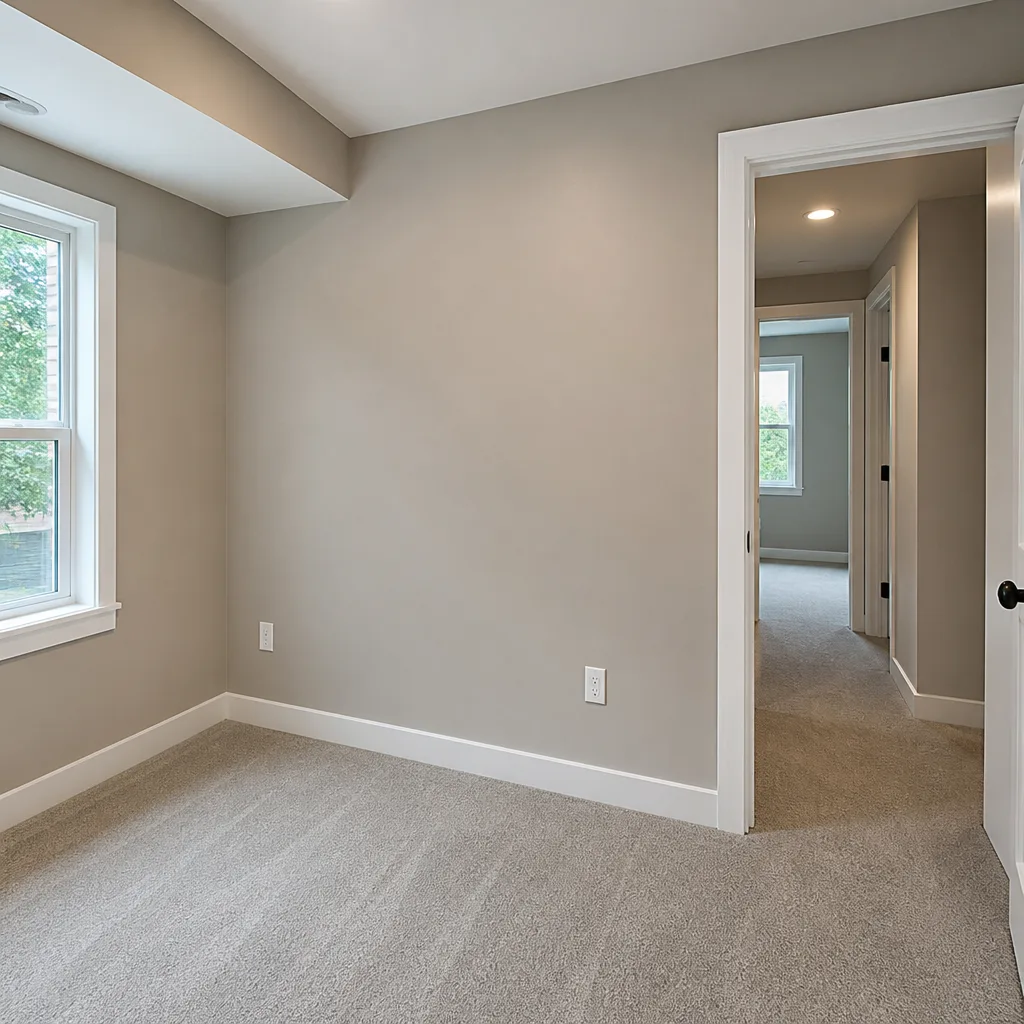 After
After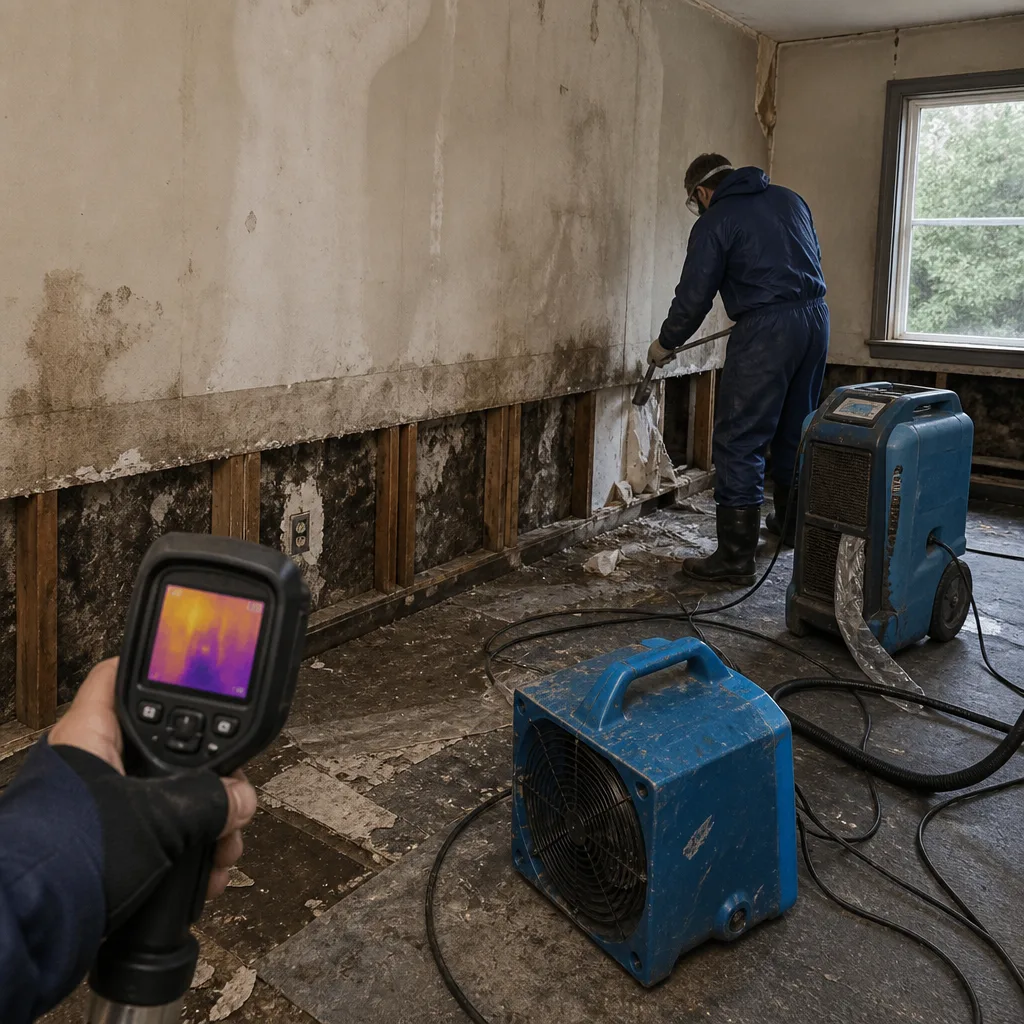 Before
 After
After24/7 Emergency Water Damage Restoration in Bothell
Water damage restoration in Bothell typically runs $2,800-$7,500 for a standard residential loss, with emergency water extraction starting around $1,200-$2,400 depending on affected square footage and water category. Our crews answer live at (360) 502-8815, twenty-four hours a day, with no voicemail trees or next-business-day callbacks while water is still moving through your walls. We dispatch from our Seattle office to Bothell properties with a 45-minute response commitment because the first hour determines whether you’re looking at structural drying or a full gut-and-rebuild. Standing water gains one classification category roughly every 24-48 hours as microbial activity accelerates; clean Category 1 supply-line water becomes Category 2 greywater, then Category 3 blackwater with documented health hazards. Our free visual inspection includes moisture mapping with thermal imaging and documented photo records from the first visit - the same documentation package that turns restoration invoices into payable insurance claims.
Understanding Water Damage Restoration Severity in Bothell Properties
Water damage classification follows IICRC S500 standards: Category 1 is clean water from a supply line, Category 2 carries significant contamination from dishwasher or washing machine discharge, and Category 3 is grossly contaminated from sewage, ground surface water, or rising floodwater. Most Bothell homes built between the late 1980s and early 2000s - wood-frame construction now 25-40 years old - present a complicating factor: original housewrap laps, window flange seals, and deck ledger connections that predate current moisture-management standards. After decades of Puget Sound Convergence Zone rainfall, these envelope failures create repeated water-intrusion paths that turn a single incident into chronic moisture loading. Our moisture mapping identifies not just the visible wet area but the full extent of wicking into wall cavities, subfloor assemblies, and insulation bays. Psychrometric data - temperature, relative humidity, and vapor pressure differential - drives our drying strategy rather than guesswork. Tertiary drying, the final phase where bound moisture is removed from dense materials like dimensional lumber and concrete, often takes 30-50% longer in Bothell’s older framing because these homes were built without vapor barriers or proper flashing details that newer construction includes.
Why Bothell Property Owners Choose DryMark Restoration Everett
- 45-minute response commitment to Bothell addresses, with crews staged for Canyon Park, downtown, and north Bothell dispatch.
- 24/7 live answer - a real person, never an automated system or voicemail tree, on every call to (360) 502-8815.
- IICRC-certified crews holding WRT (Water Damage Restoration Technician) and ASD (Applied Structural Drying) certifications, with AMRT (Applied Microbial Remediation Technician) on staff for mold-contaminated losses.
- Free visual inspection with thermal imaging moisture mapping and a documented photo record before any work is authorized.
- Direct insurance billing with adjuster coordination from day one; we write industry-standard estimates and defend our scopes with daily drying logs.
- One team from extraction through reconstruction - no handoffs between contractors that lose documentation continuity and delay claim resolution.
BeforeAfterOur Water Damage Restoration Process
1. Inspection & Assessment
We arrive with thermal imaging cameras, non-penetrating moisture meters, and penetrating probes to map the full water perimeter. Every affected room is photographed, moisture readings are logged by location, and we classify the water category before any extraction begins. You receive a written scope and price before work starts - Haven Standard, Clause 1.
2. Extraction & Stabilization
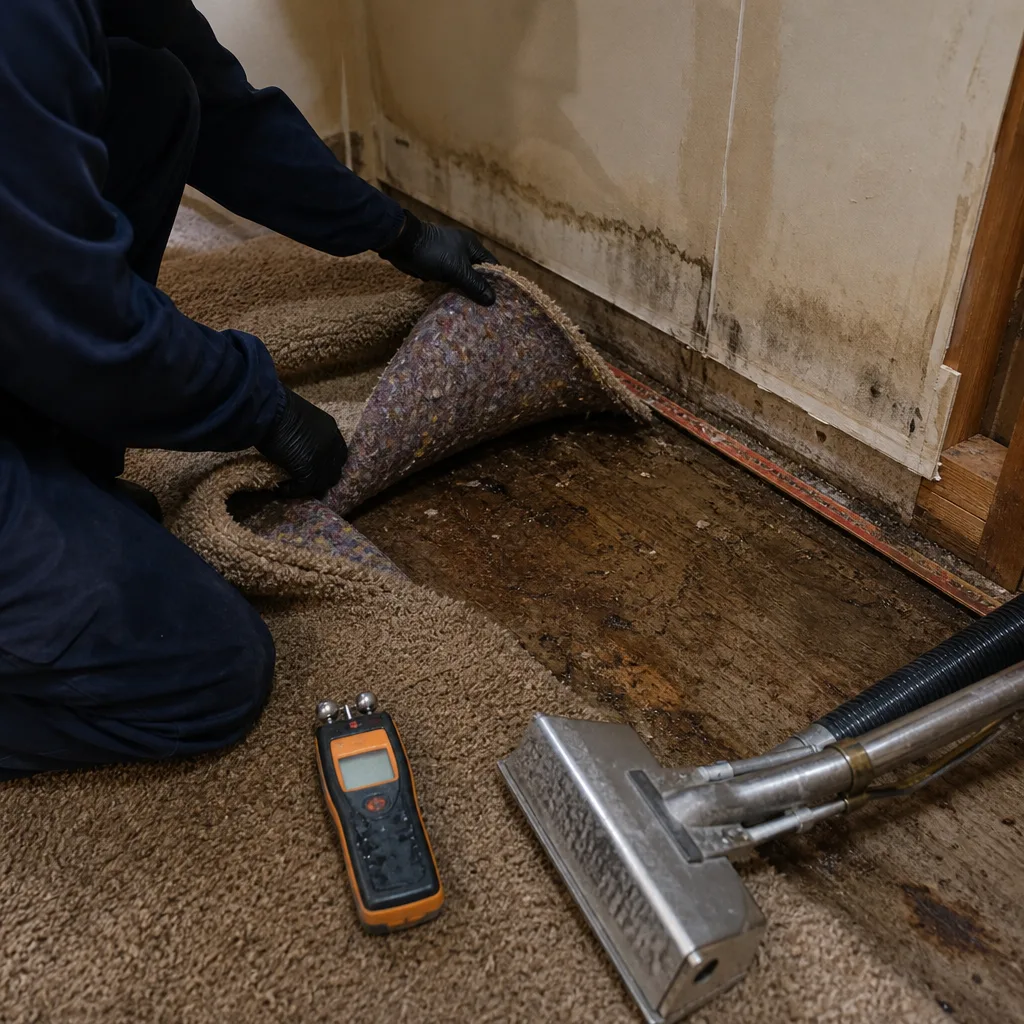
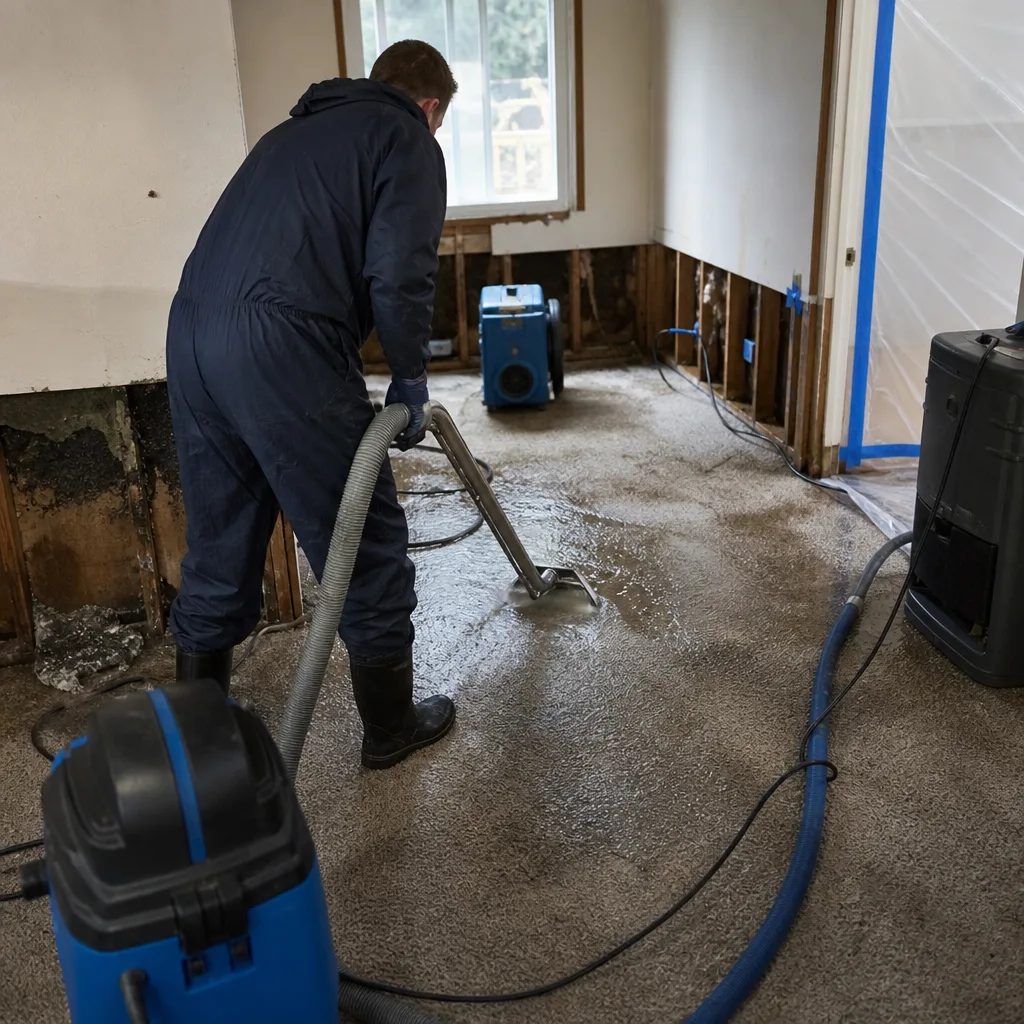
Standing water is removed with truck-mounted extraction systems and weighted wand tools for carpet and pad. We deploy submersible pumps for Category 3 losses and set up emergency containment if microbial growth is suspected. Our goal in this phase is to remove liquid water before it advances to secondary damage.
3. Drying & Dehumidification
Air movers create laminar airflow across wet surfaces while LGR dehumidifiers from Dri-Eaz and Phoenix pull vapor from the air. Injectidry systems dry wall cavities and subfloor voids without demolition. We log specific humidity and grain depression readings daily to prove drying progress to your insurer.
4. Cleaning & Sanitization
Category 2 and 3 losses receive antimicrobial treatment with EPA-registered products. HEPA air scrubbers run during cleaning to capture airborne particles. We clean salvageable contents on-site or coordinate pack-out when contamination levels require off-site processing.
5. Moisture Verification & Documentation
Drying continues until moisture content readings match dry standard baselines for Bothell’s climate zone - typically 12-15% for dimensional lumber and 4% or less for gypsum. Our daily drying logs, photo documentation, and final moisture map become your insurance claim’s supporting evidence.
6. Repairs & Restoration
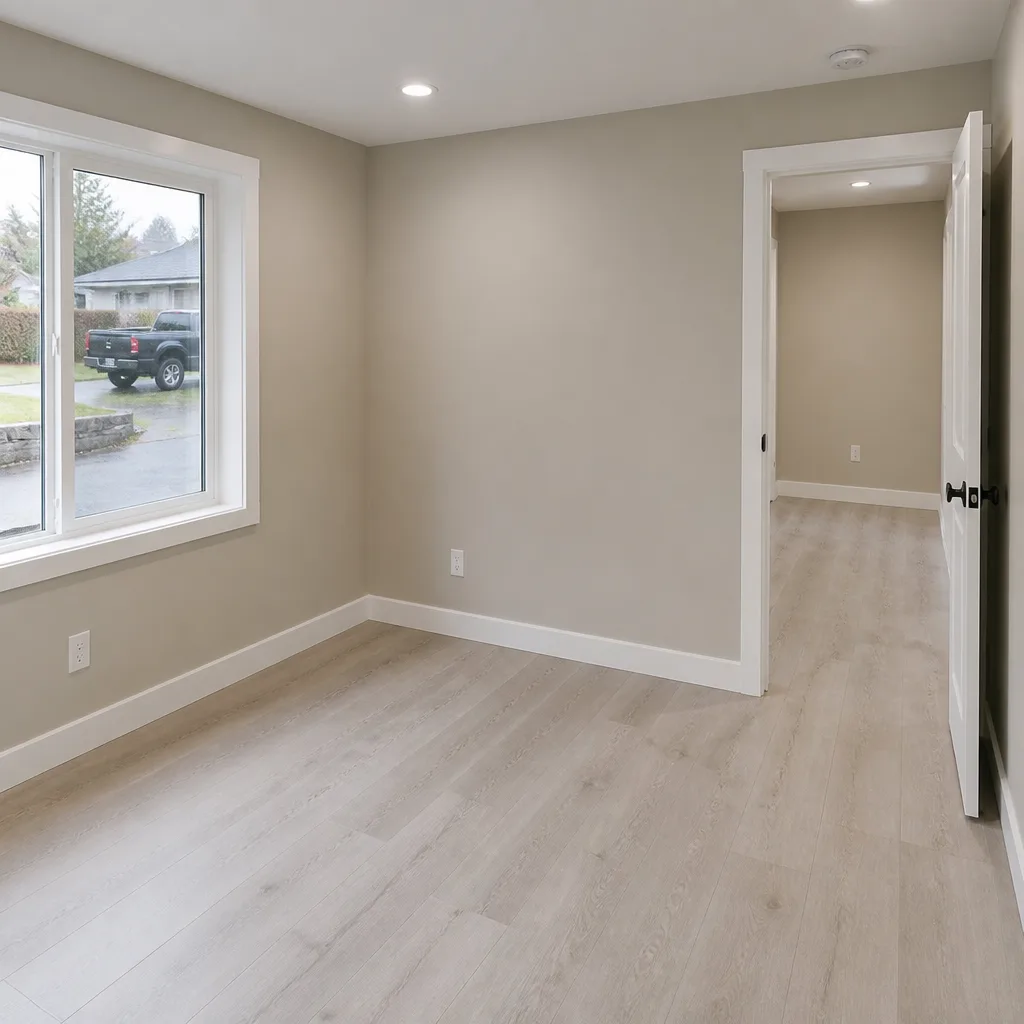
Once drying goals are met, we provide a written reconstruction scope with line-item pricing. Drywall, flooring, trim, and paint are restored by the same team that handled mitigation, preserving documentation continuity from loss to completion.
Need Emergency Water Damage Restoration in Bothell Now?
Crews minutes away, answering live 24 hours a day. The sooner we start, the less it costs.
Working With Your Insurance Company
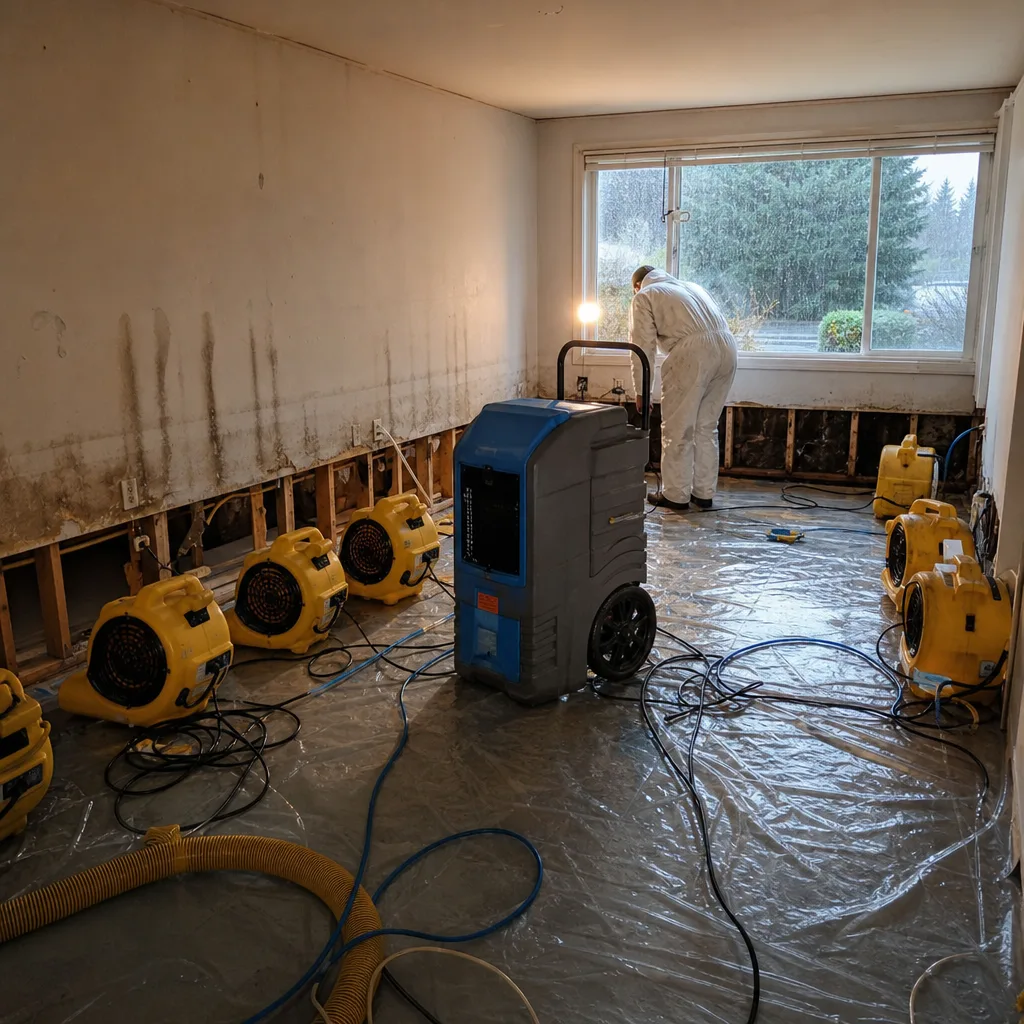
Insurance claims fail on documentation gaps. We close those gaps from the first hour. Every Bothell job receives a photo record on every visit, daily moisture logs with specific humidity and grain depression readings, and a detailed line-item scope written to Xactimate or Symbility standards. Our estimates include material classifications by trade name - 5/8″ Type X gypsum, 15# felt paper, #2 KD framing lumber - so adjusters can verify every line. We coordinate directly with your carrier’s assigned adjuster, provide supplemental documentation when scope expands, and defend our drying days with psychrometric data rather than arbitrary time allowances. The result: claims that process without dispute, and homeowners who aren’t left paying out-of-pocket for work their policy should cover.
What We Provide Your Insurer
- Thorough documentation of the loss
- Photos of all damage, room by room
- Moisture readings and drying logs
- A detailed, line-item scope of work
- Direct coordination with your carrier
Built for Bothell’s Loss Calendar
Bothell’s damage calendar doesn’t follow the generic Pacific Northwest pattern. The Puget Sound Convergence Zone makes this a genuinely stormier microclimate than Kirkland or Redmond ten miles south. November through March brings the heaviest convergence rainfall, with north-facing roof planes accumulating moss dams that force water under shingles on homes barely a decade old. January rain-on-snow events push the Sammamish River and North Creek over their banks into downtown and Canyon Park basements and crawlspaces - Category 3 floodwater that homeowners often mistake for clean groundwater. Spring thaw accelerates envelope failures in late-1980s construction: window flanges that have been leaking slowly all winter open up, deck ledgers rot through, and housewrap laps separate. Summer brings fewer total losses but more burst washing machine hoses and water heater failures as older appliances reach end-of-service in homes built during the 1990s boom. Every season produces distinct failure signatures, and our crews recognize Bothell’s patterns because we document them.
Water Damage Restoration Across Bothell’s Neighborhoods
Downtown Bothell, along Main Street and the Sammamish River Trail, sees recurring crawlspace flooding when North Creek jumps its banks. Homes here date from the 1940s through 1970s with stone or concrete foundations that lack modern perimeter drainage; water follows the path of least resistance into basement-level mechanical rooms. Canyon Park, north of 228th Street SE, was built rapidly during the 1990s tech boom - wood-frame construction with composite siding and original windows now showing systematic flange failure after twenty-five years of convergence-zone moisture loading. We regularly find hidden wall cavity saturation behind apparently intact drywall in Canyon Park ranches and split-levels. Thrasher’s Corner and the North Creek area, closer to Mill Creek, sit in a subtle drainage bowl where seasonal high water tables keep slab-on-grade homes damp even without a specific leak event; these properties need vapor pressure differential management, not just surface drying. The Finn Hill and Juanita vicinity, technically Kirkland but served by our Water Damage Restoration in Bothell crews, shares the same north-facing exposure and moss-damming pattern. Each zone gets a different drying protocol based on construction era, foundation type, and documented flood history.
Specialized Water Damage Restoration Services We Offer in Bothell
Emergency Water Extraction
Truck-mounted extraction units remove standing water at rates exceeding 25 gallons per minute. For Bothell’s frequent crawlspace and basement losses near the Sammamish River, we deploy submersible pumps and portable extraction tools that access confined spaces. Category 3 losses receive immediate contamination control.
Structural Drying & Dehumidification
LGR dehumidifiers from Dri-Eaz and Phoenix, paired with B-Air axial air movers and Injectidry cavity drying systems, create controlled drying environments in wall assemblies and subfloor voids. Our Water Damage Restoration team logs daily psychrometric readings until materials reach dry standard - critical for Bothell’s older wood framing that retains bound moisture longer than engineered lumber.
Flood Cleanup
Sammamish River and North Creek overflow produces Category 3 blackwater with documented pathogens, chemical contaminants, and sediment load. We remove saturated porous materials, apply EPA-registered antimicrobials, and establish clearance criteria before reconstruction begins. Flood cleanup in Bothell is never a DIY project.
Burst Pipe Restoration
Bothell’s late-1980s and 1990s homes often have original copper or early PEX supply lines now at failure age. We extract water, dry affected assemblies, and coordinate with licensed plumbers for line replacement - documenting the full scope for insurance coverage determination.
Basement Water Removal
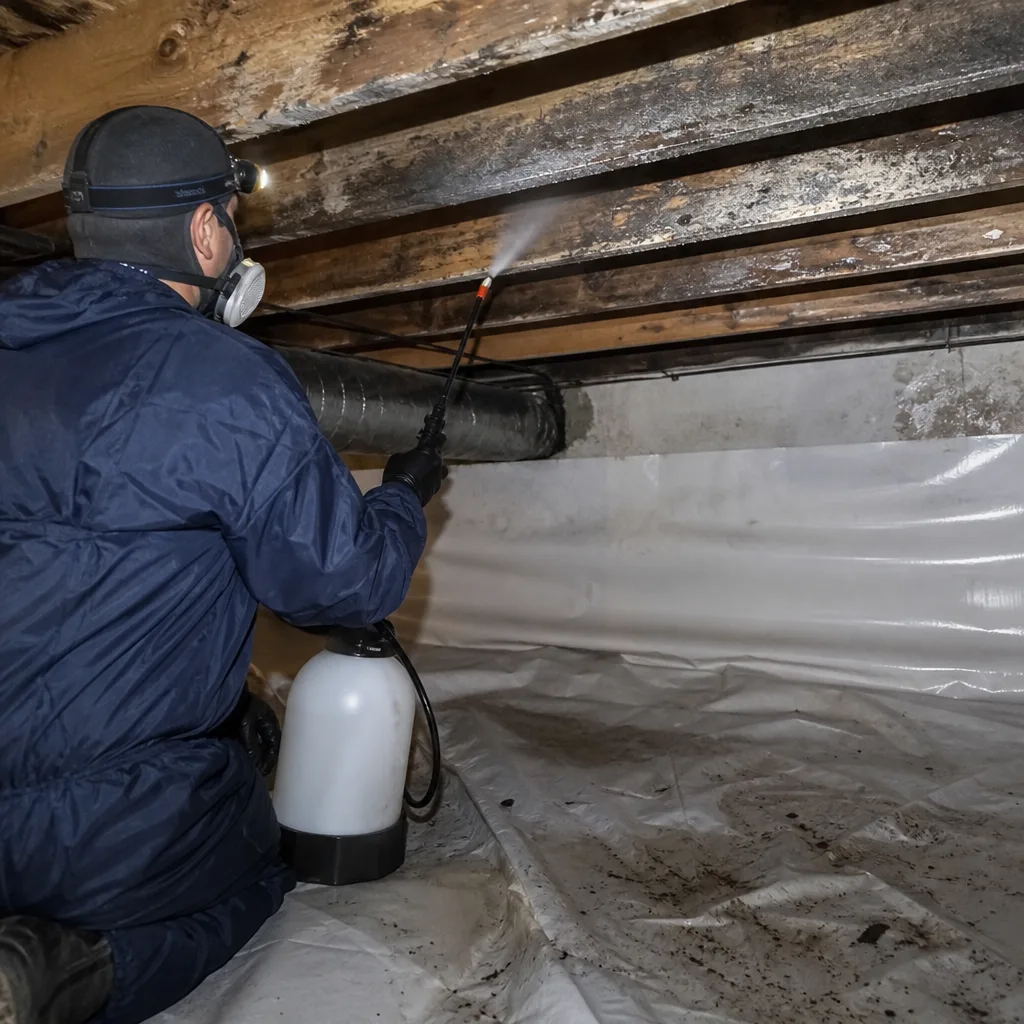
Below-grade spaces in downtown Bothell and Canyon Park require vapor pressure management and often sump pump installation as part of the restoration scope. We assess drainage conditions and provide written recommendations for permanent moisture control.
Ceiling & Roof Leak Water Damage
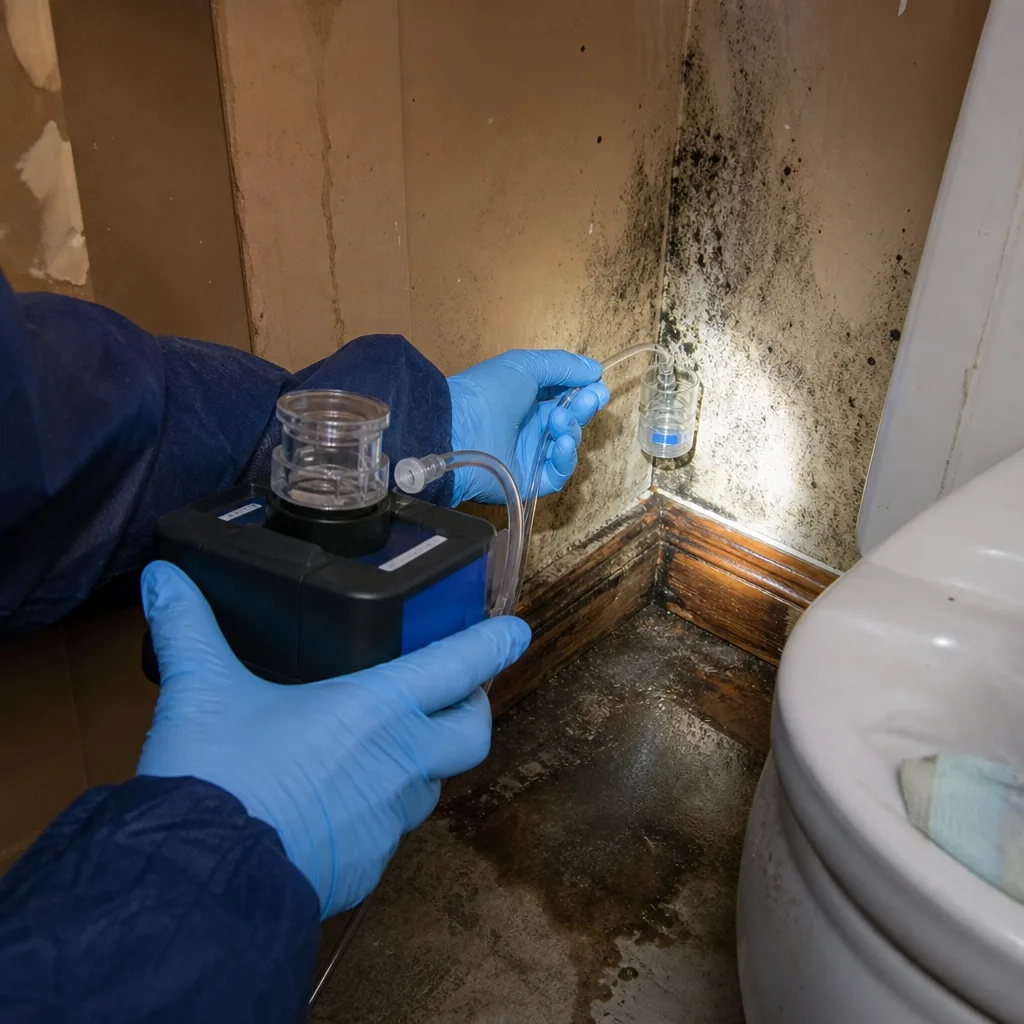
Convergence-zone moss damming forces water under shingles on north-facing planes, saturating attic insulation and ceiling drywall. Our moisture mapping traces the full migration path; attic mold remediation often follows when homeowners delay the initial call.
What happens when you call
- 1
A real person answersNo phone trees - you reach a local pro.
- 2
You get an upfront price rangeHonest numbers before anyone is dispatched.
- 3
A background-checked tech heads outLicensed & insured, dispatched right away.
- 4
You approve before work beginsNothing starts until you say go.
Water Damage Restoration Costs in Bothell, WA
Bothell’s market runs slightly above the Puget Sound average due to convergence-zone loss frequency and the prevalence of older wood-frame construction requiring extended drying protocols. Emergency water extraction for a typical residential loss runs $1,200-$2,400. Structural drying and dehumidification adds $1,500-$3,600 depending on affected square footage, material density, and drying days required. Category 3 flood cleanup with removal of contaminated materials runs $3,500-$8,500. Full reconstruction after mitigation adds $15-$45 per square foot for finish work. Insurance typically covers sudden and accidental water damage from supply lines, appliances, and weather-related envelope failures; gradual leaks and maintenance-related issues are usually excluded. We provide a written price before any work begins - Haven Standard, Clause 1 - and offer a Free Second Opinion on any competitor’s written estimate. Call (360) 502-8815 for a free visual inspection and firm scope.
We Also Serve Cities Near Bothell
Our crews respond throughout the north King and south Snohomish corridor, including Lynnwood to the west, Kirkland to the south, Mill Creek to the north, and Snohomish to the northeast. Each city presents distinct construction eras and climate exposure; our documentation protocols adapt to local conditions rather than applying a single template.
Serving Bothell, WA - Our Local Coverage Area
We’re based in the Bothell area and know this community well. Use the map below to see our service coverage - if you’re nearby, we can almost certainly help.
Bothell Water Damage Restoration Questions, Answered
How fast does mold grow after a water leak in a Bothell home?
Mold colonization begins 24-48 hours after water intrusion in Bothell’s typical indoor conditions, with active growth visible at 72 hours in cellulose materials like drywall and wood framing. The convergence zone’s elevated ambient humidity means Bothell homes often start above 60% relative humidity, shortening the safe response window. We recommend emergency water extraction within the first four hours and structural drying equipment running within twelve. Call (360) 502-8815 for immediate dispatch.
Why do so many Bothell homes get attic mold from roof leaks?
North-facing roof planes in Bothell accumulate moss dams faster than in Kirkland or Redmond due to convergence-zone rainfall volume. Moss lifts shingles, forces capillary water migration, and creates chronic moisture loading in attic insulation before homeowners notice interior staining. By the time we arrive, moisture mapping typically reveals Category 2 conditions in attic sheathing and insulation. We extract the water, remove contaminated insulation, dry the sheathing to below 16% moisture content, and treat with antimicrobial before reconstruction.
Does flood water from North Creek require different cleanup than a burst pipe?
Yes. North Creek and Sammamish River floodwater is Category 3 blackwater under IICRC standards, carrying documented pathogens, chemical runoff, and sediment regardless of how clear it may appear. Burst pipe water starts as Category 1 but becomes Category 2 or 3 if it contacts flooring, soil, or sits beyond 48 hours. Category 3 losses require removal of porous materials, antimicrobial treatment, and HEPA air scrubbing that Category 1 losses do not. Never assume floodwater is clean. Call (360) 502-8815 for proper classification and scope.
What does structural drying involve for a Bothell home with older wood framing?
Homes built in Bothell’s 1987-2005 boom used dimensional lumber framing without the vapor barriers and engineered drying channels of modern construction. Our structural drying protocol targets bound moisture in these dense assemblies using Injectidry systems for wall cavities, LGR dehumidifiers sized to the air volume, and extended drying days with daily moisture logging. Tertiary drying - the phase where moisture leaves the wood cell structure itself - often requires 72-96 hours versus 48 hours in newer homes. We don’t guess; we log until readings match dry standard.
Do you handle both emergency water extraction and mold remediation in Bothell?
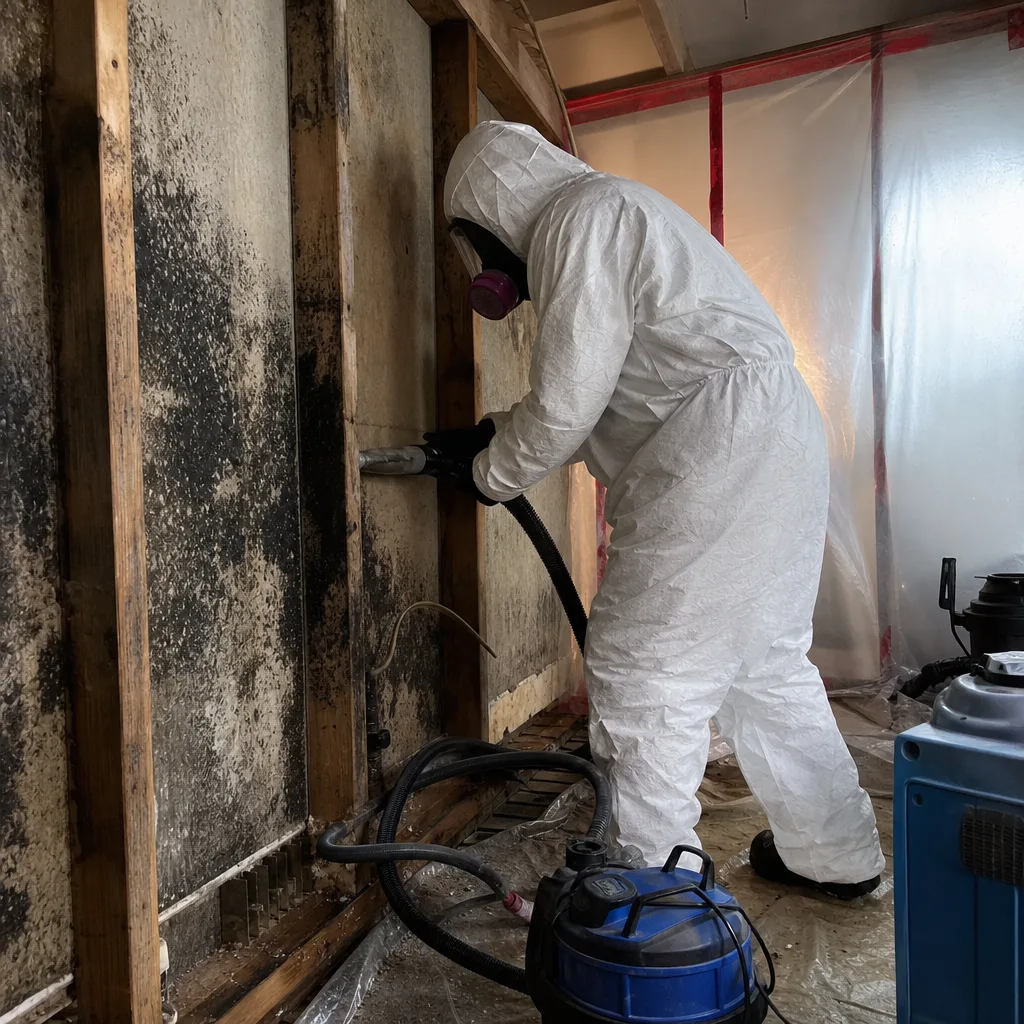
Yes. Our crews hold WRT, ASD, and AMRT certifications, allowing seamless transition from water damage restoration to microbial remediation when testing indicates colonization. We got a call from a homeowner near the Canyon Park district after a rain-on-snow event backed North Creek into their crawlspace. Our techs ran water extraction, set up air movers and dehumidification, and did moisture mapping that showed category 2 water had wicked up the lower wall cavities. We applied antimicrobial treatment, built containment, and after three days of structural drying the moisture readings matched our drying logs - no mold growth, no pack-out needed. For confirmed mold beyond the initial water loss, we establish containment, run negative air with HEPA scrubbers, and provide clearance testing documentation.
How long does water damage restoration take in Bothell?
Typical residential structural drying takes 3-5 days for Category 1 losses in standard construction, 5-7 days for Category 2, and 7-10 days for Category 3 with material removal. Bothell’s older wood framing often extends these timelines by 1-2 days for tertiary drying. Reconstruction adds 1-3 weeks depending on finish scope. We provide daily drying logs so you and your insurer can verify progress rather than relying on estimates.
Can we stay in our home during water damage restoration?
Occupancy depends on water category, affected areas, and equipment noise. Category 1 losses confined to non-sleeping areas often allow continued residence with air movers and dehumidifiers running. Category 2 and 3 losses, or any loss affecting HVAC systems, typically require temporary relocation for health and safety. We assess this during our free visual inspection and document the recommendation in your written scope.
What should I do in the first 30 minutes after discovering water damage?
Shut off the water source if it’s a supply line, turn off electrical power to affected areas if safe to do so, and remove valuables from the water path. Do not enter standing water if electrical hazards are present, and do not attempt DIY extraction of Category 2 or 3 water. Call (360) 502-8815 immediately - our live answer staff will guide immediate safety steps while dispatching crews. The documentation clock starts with our arrival, not your call.
Water damage in Bothell follows patterns we’ve documented since 2011: convergence-zone rainfall, moss-damming on north-facing roofs, and Sammamish River flood corridors that national franchise templates never mention. Our crews know the difference between a Canyon Park 1990s ranch and a downtown Bothell postwar foundation, and we dry accordingly with written prices, photo records, and daily logs that protect your claim.
Call (360) 502-8815 for 24/7 live answer and a free visual inspection with written scope. Or bring any competitor’s written estimate for our Free Second Opinion - we’ll review it at no charge and show you what documentation your claim actually needs.
Written by Alicia Brennan, Owner at Back to Dry Restoration, serving Bothell since 2011 under The Haven Standard.
Water Damage Restoration in Nearby Areas