
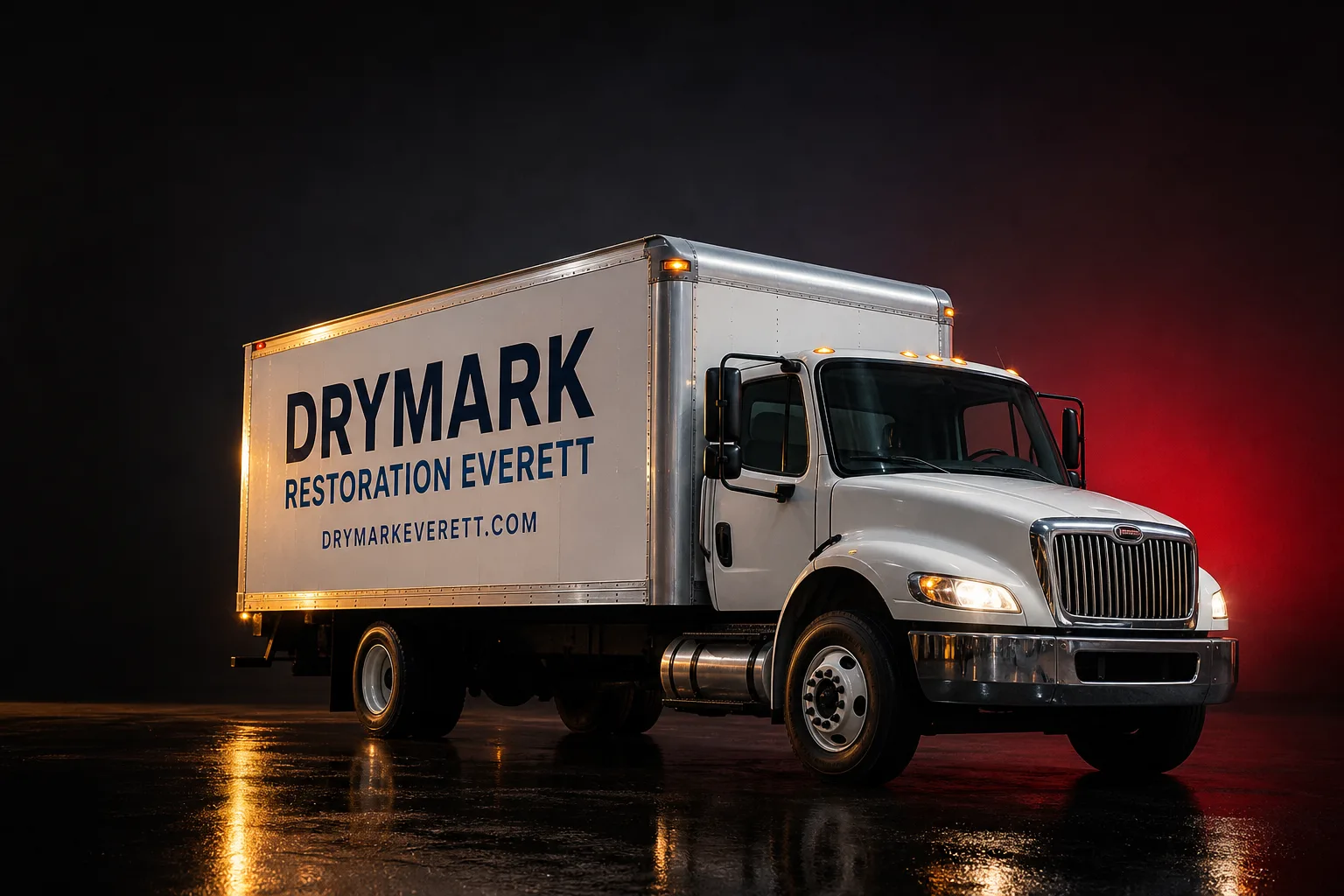
Free visual inspection and a written scope of work before any mitigation begins - photos, moisture readings, and drying logs go in your claim file
The scope we write is the scope we bill. Anything new gets shown to you, in writing, before we touch it.
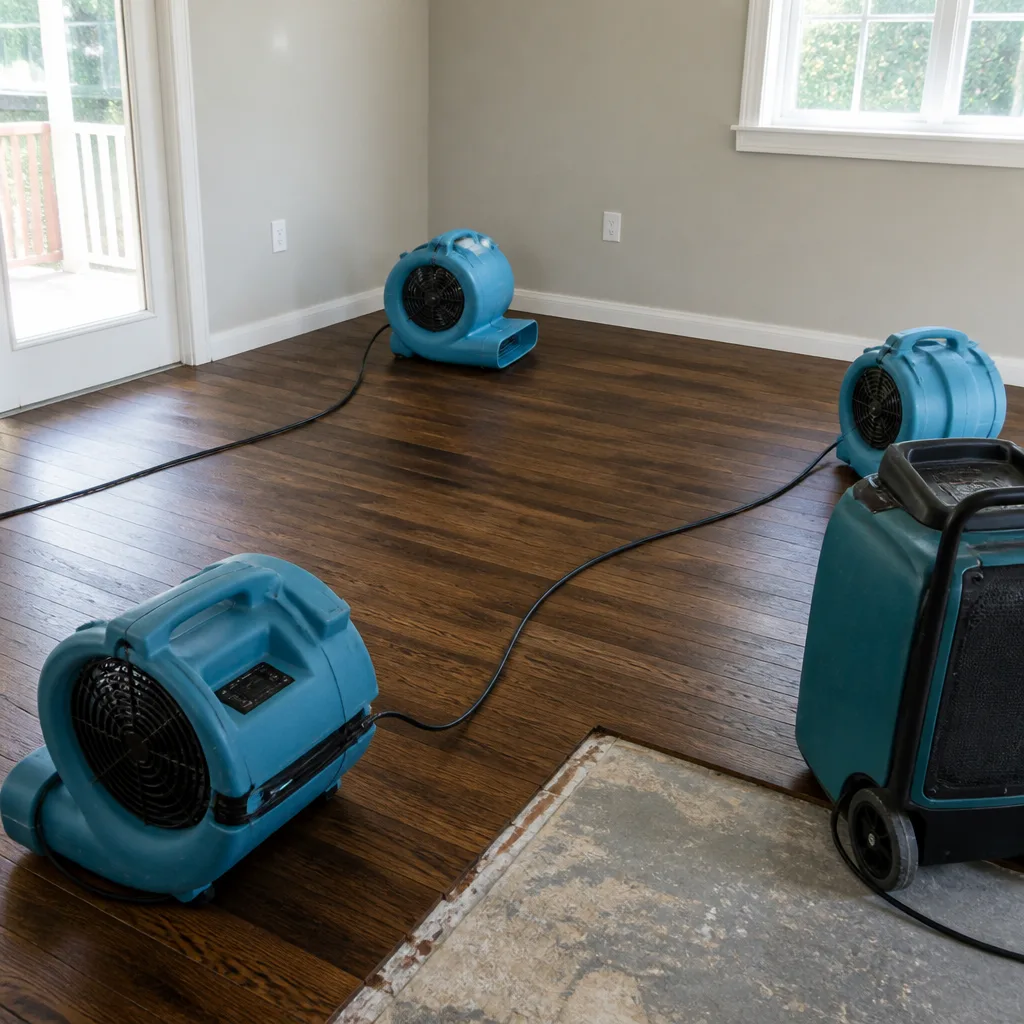
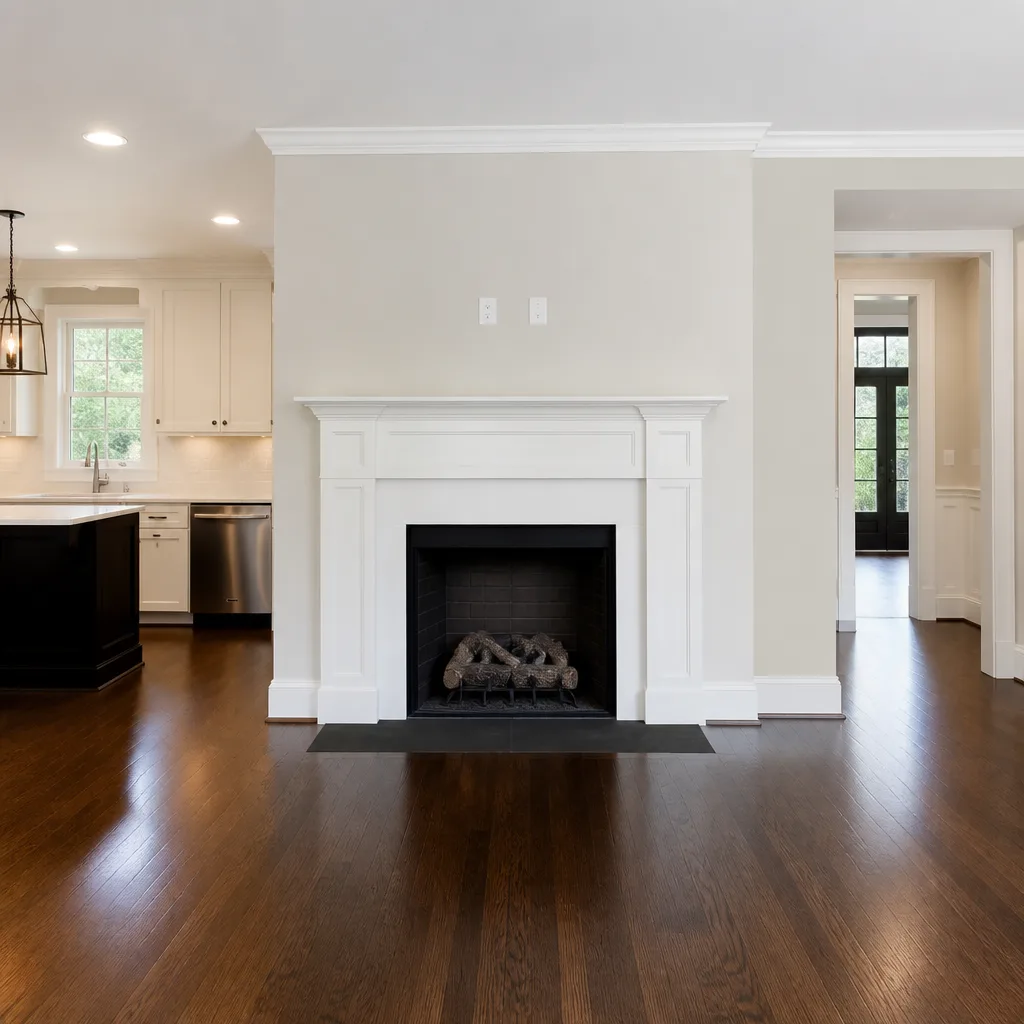
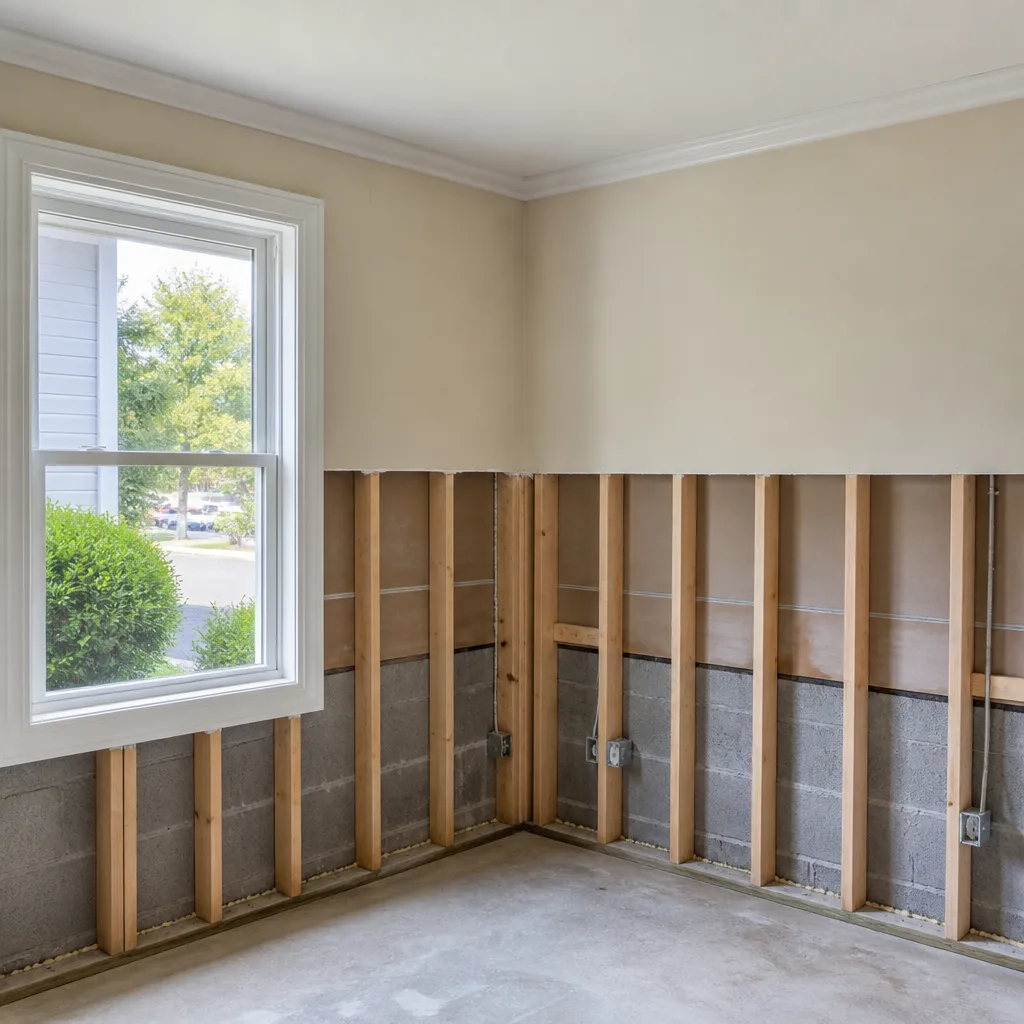
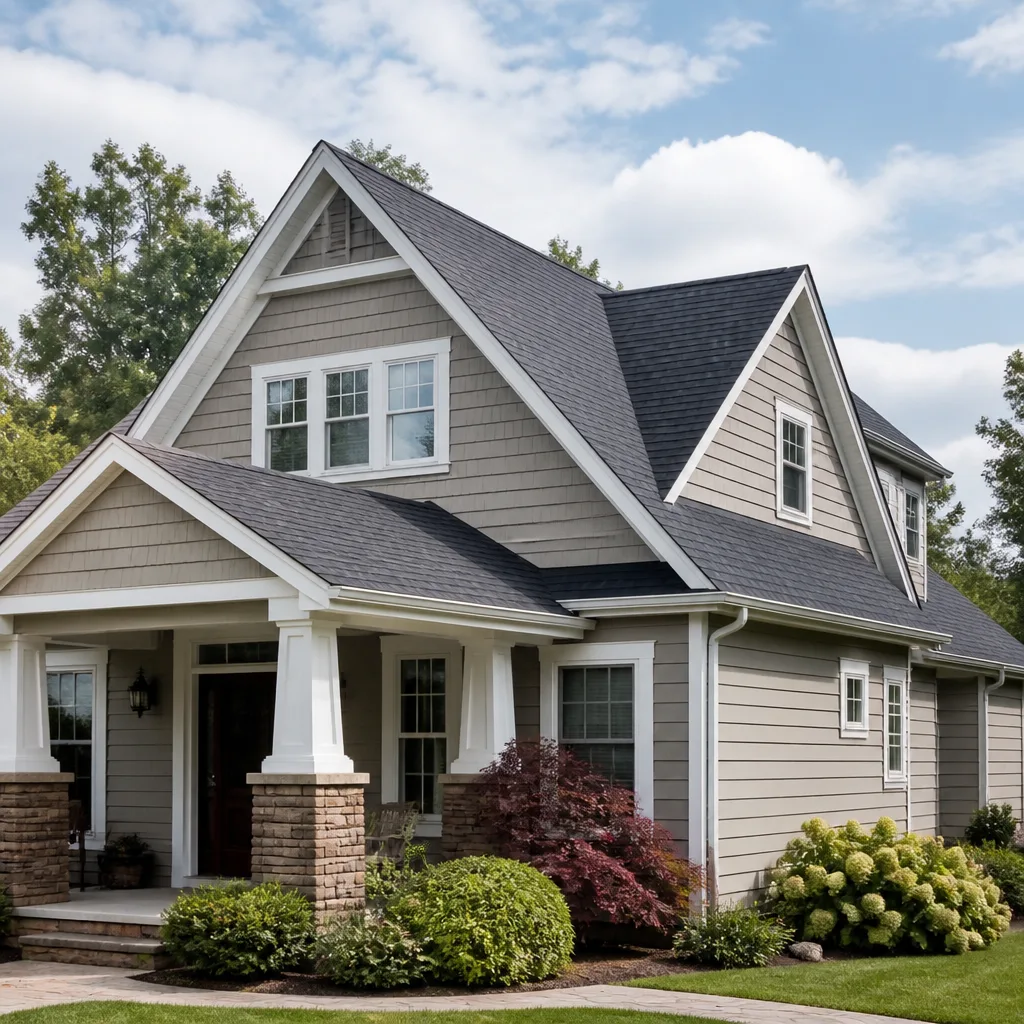
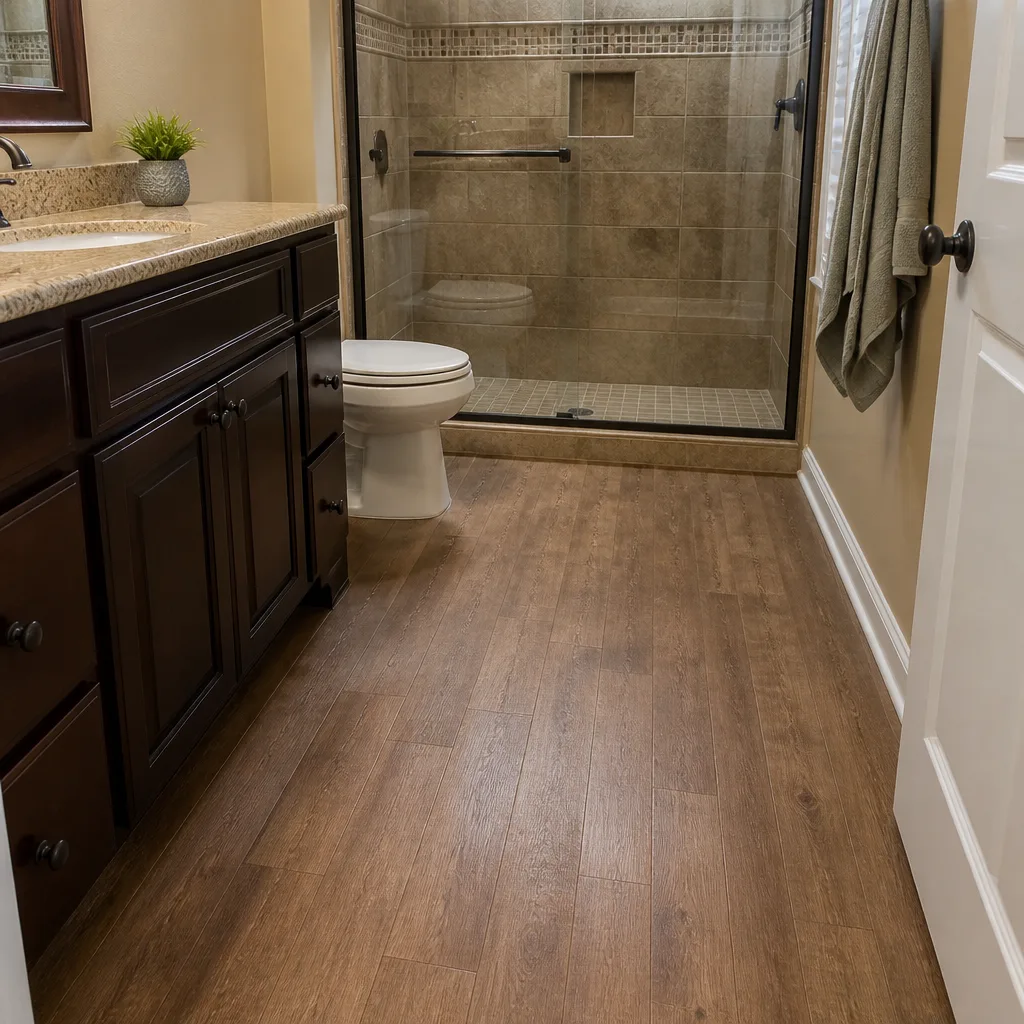
 Before
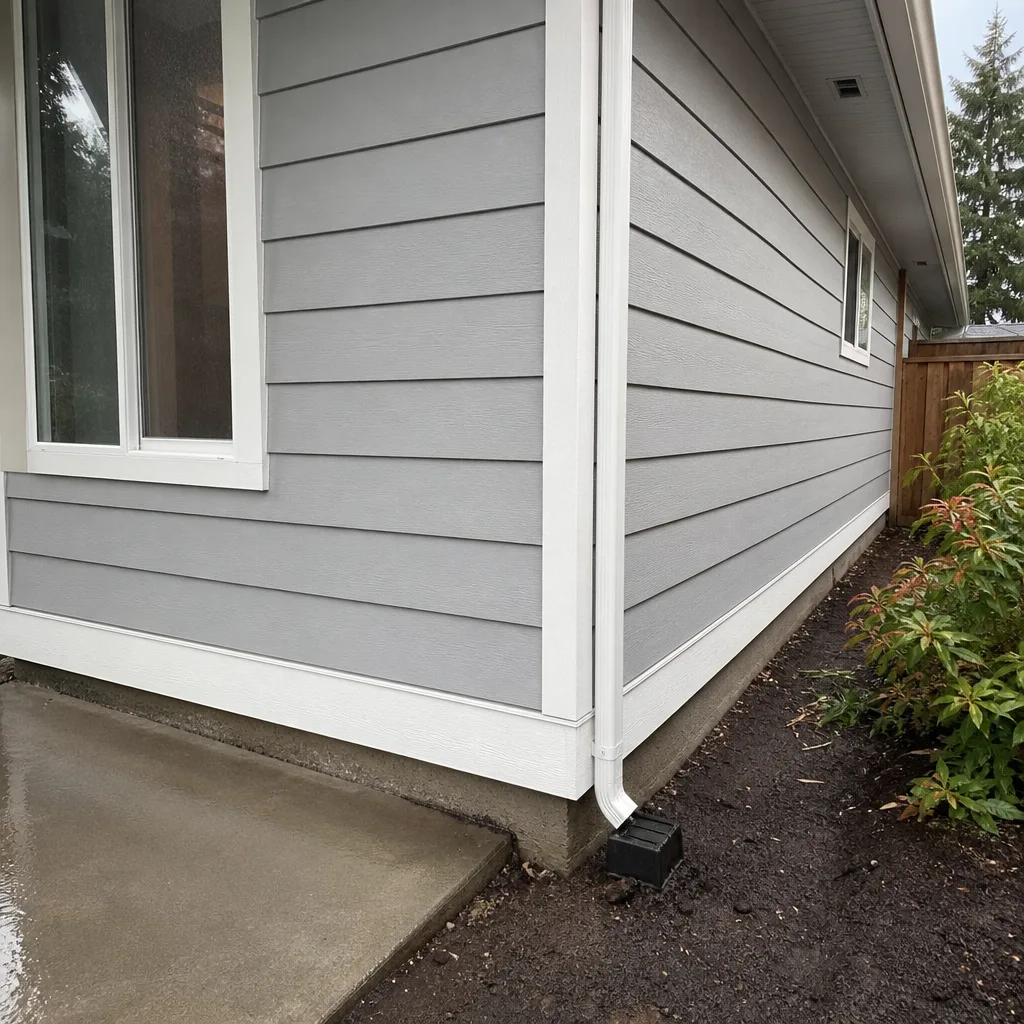 After
After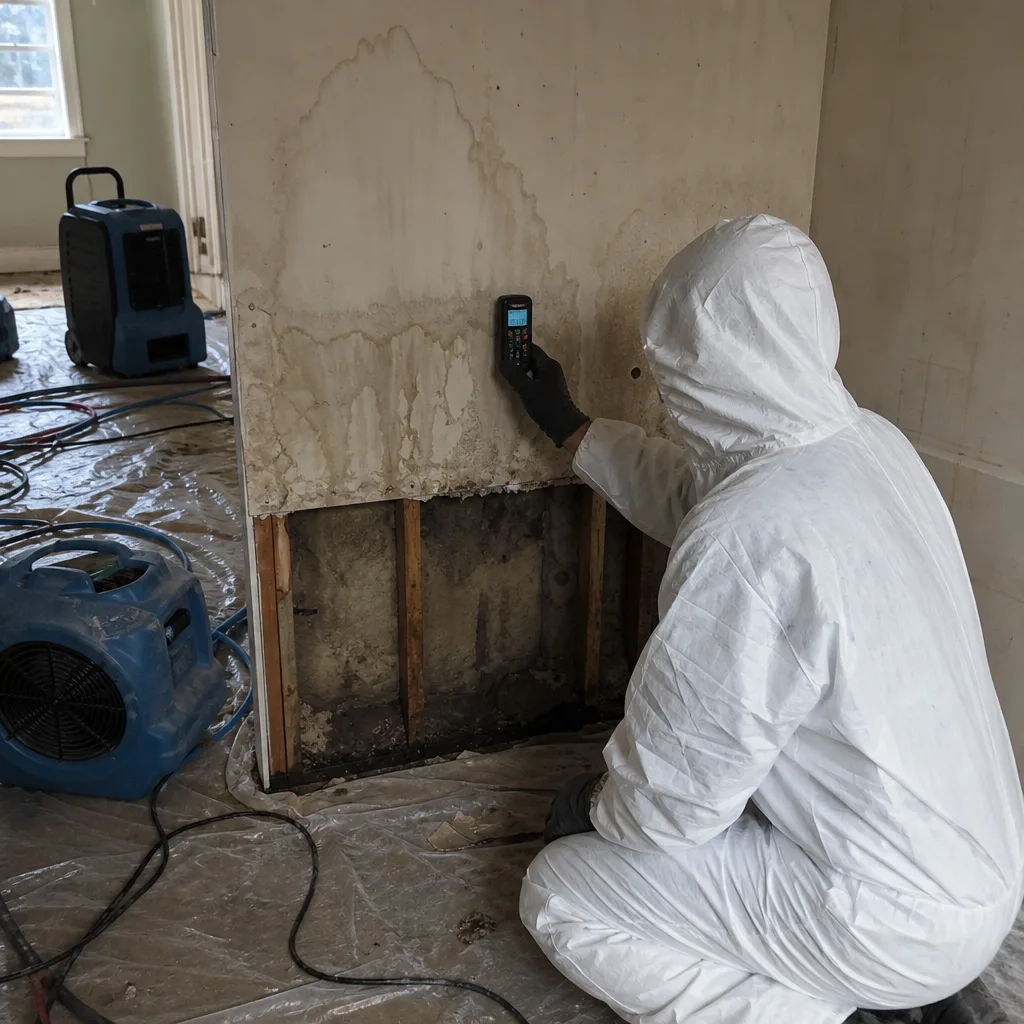 Before
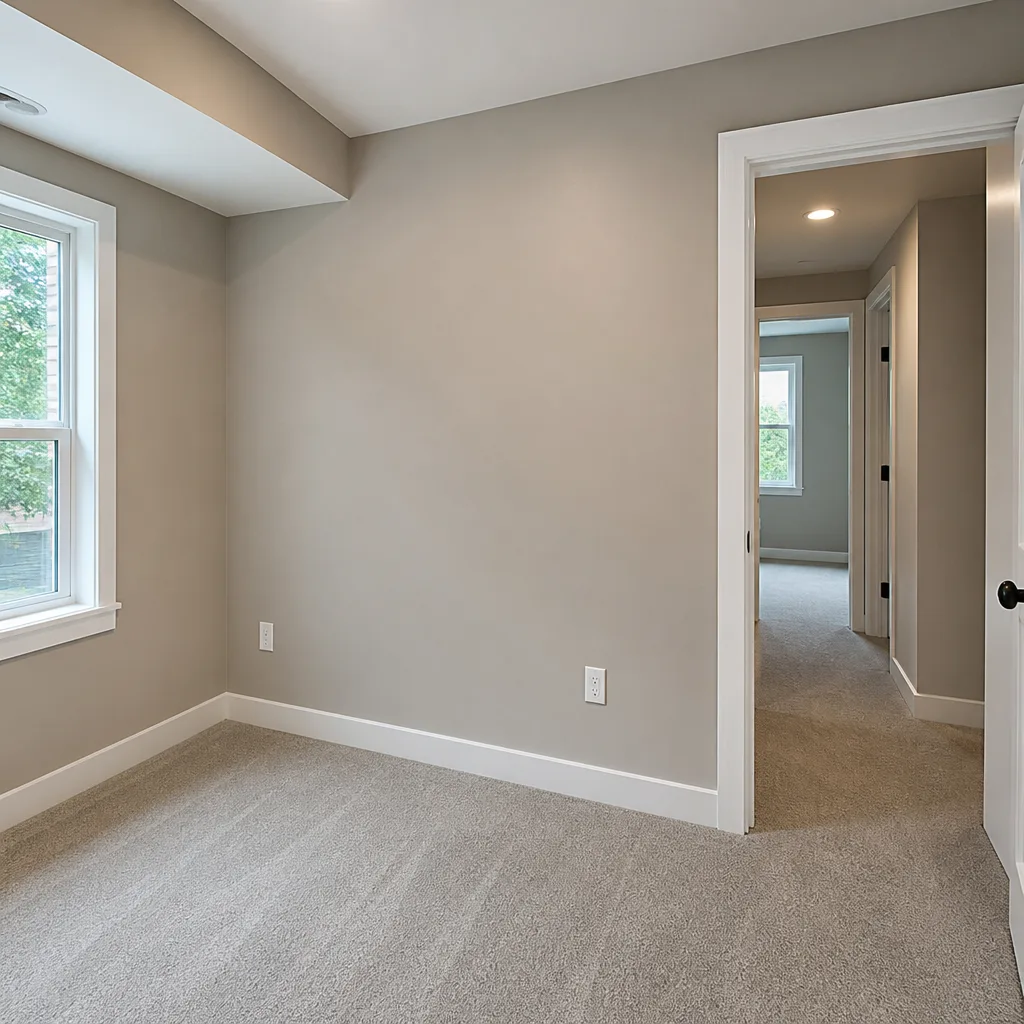 After
After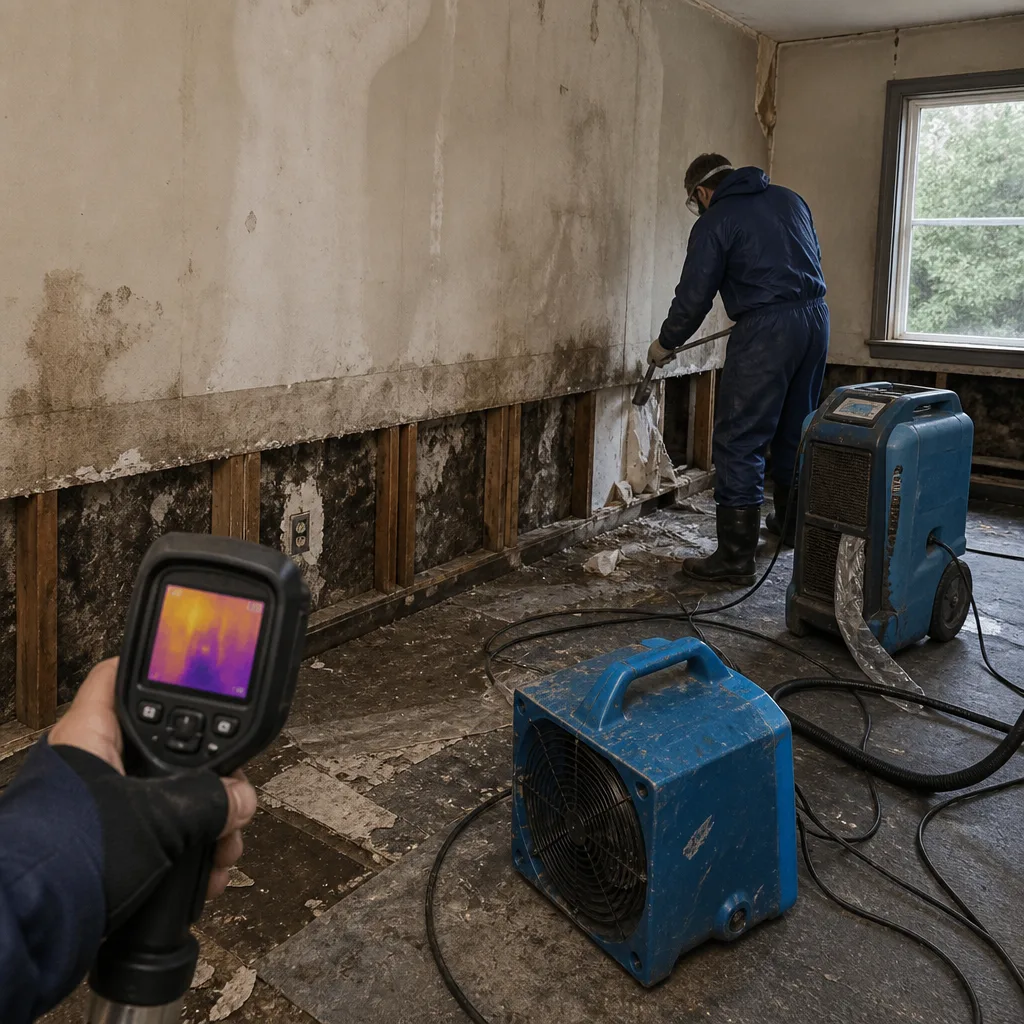 Before
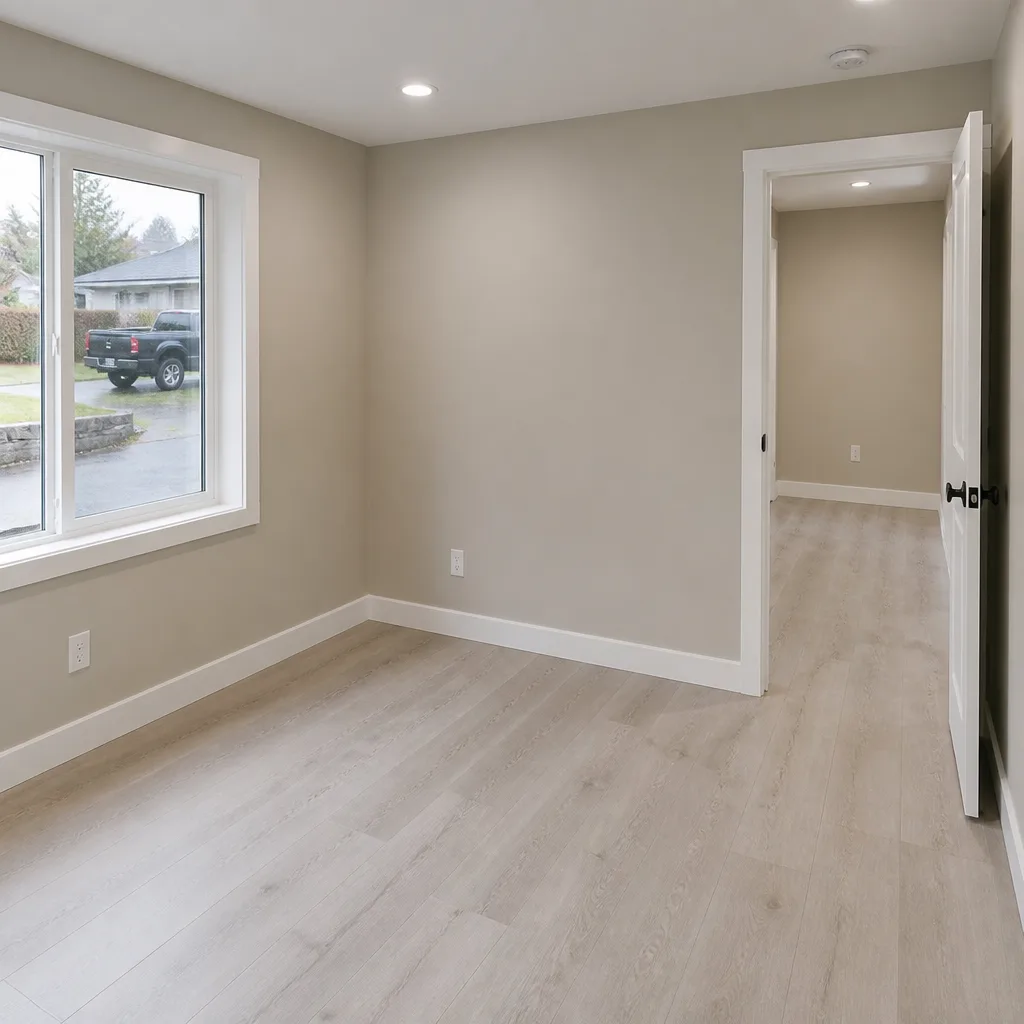 After
After24/7 Emergency Water Damage Restoration in Monroe
Water damage restoration in Monroe typically runs $2,800-$7,500 for a standard residential drying job, with emergency extraction starting at $450-$950 depending on affected square footage and water category. Most Monroe properties we see need structural drying for 3-6 days, though valley-floor homes with concrete block foundations often need longer cavity drying cycles. Call (360) 502-8815 now - we answer live, 24 hours a day, with no voicemail trees, and crews dispatch to Monroe within 45 minutes.
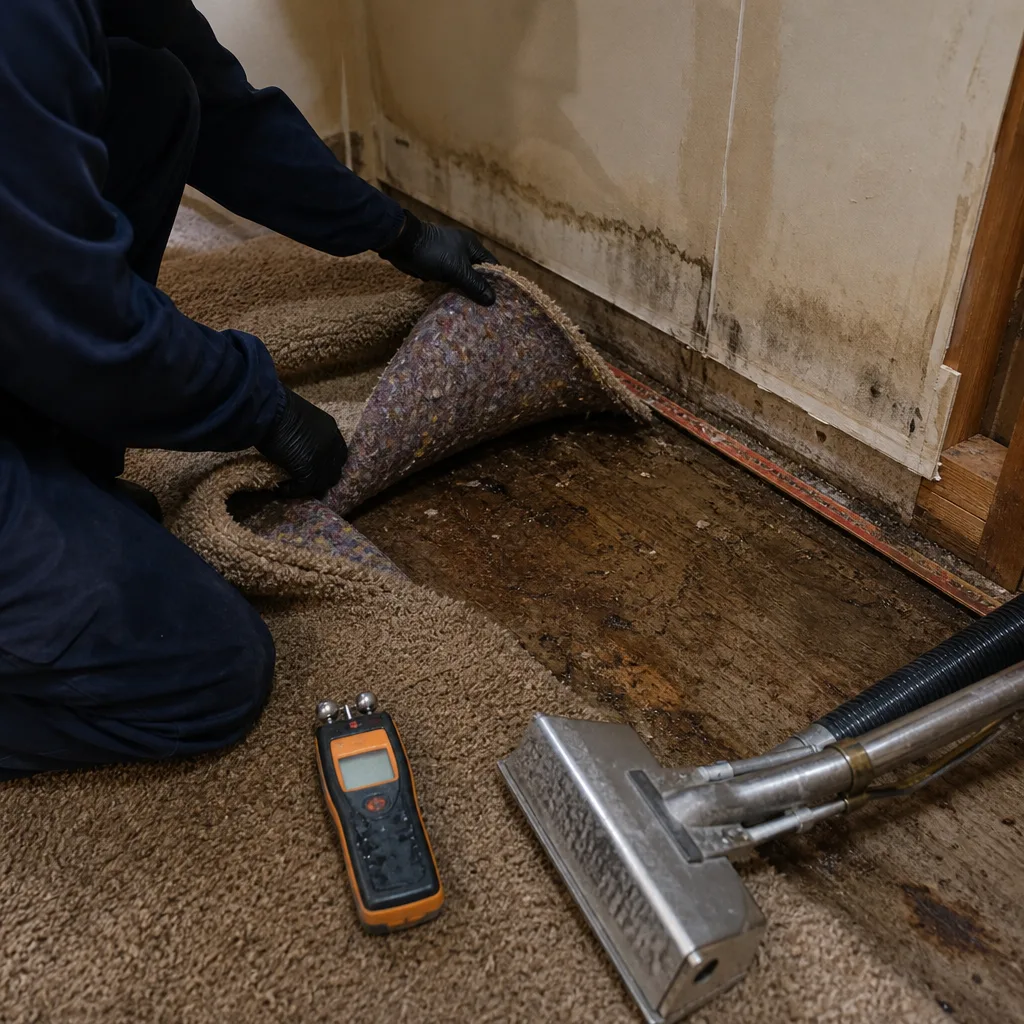
The first hour determines whether you’re looking at extraction and drying or full gut-and-rebuild. Water moves horizontally through subfloors and wicks up wall cavities faster than most homeowners realize, especially in Monroe’s older valley-floor housing where concrete block foundations act like wicks during Skykomish River events. Our Water Damage Restoration team brings thermal imaging, pin and non-pin moisture meters, and truck-mounted extraction to stop that migration before it reaches secondary damage thresholds.
Understanding Water Damage Restoration Severity in Monroe Properties
Water damage breaks into three categories, and Monroe’s geography pushes most flood events into Category 2 or 3 territory. Category 1 is clean water - burst supply lines, tank failures. Category 2 carries significant contamination: groundwater seepage, sump pump failures, dishwasher discharge. Category 3 is grossly contaminated: sewage backup, river floodwater, standing water that sat past 48 hours. The Skykomish River valley position means Monroe flood cleanup almost always starts as Category 2 and degrades to Category 3 if extraction delays.
Moisture mapping with thermal imaging and calibrated hygrometers tells us what the eye cannot. In Monroe’s 1950s-1970s valley-floor stock, we regularly find 18-24 inches of hidden wall-cavity saturation behind apparently dry drywall. The concrete block foundations common in older downtown and West Monroe river-bottoms housing wick groundwater upward through capillary action, creating moisture readings at 18-22% wood moisture content weeks after visible water recedes. That threshold triggers mold amplification in 72-96 hours. Structural drying protocols for these properties require cavity drying systems - Injectidry panels or positive-pressure drying - not just surface air movers.
Psychrometric data, the science of air moisture relationships, drives our drying plans. We measure vapor pressure differential between wet materials and the drying air, adjusting temperature and humidity to force evaporation without over-drying and cracking hardwood or plaster. Tertiary drying, the final phase where bound moisture releases from dense materials, takes longest in Monroe’s older agricultural-era homes with thick old-growth lumber and minimal modern vapor barriers.
Why Monroe Property Owners Choose DryMark Restoration Everett
- 45-minute response commitment to Monroe addresses - our crews stage from the Seattle office with equipment pre-loaded for valley-floor flood patterns.
- 24/7 live answer by a real person, never an automated system; emergency lines ring to dispatchers who can authorize immediate mobilization.
- IICRC-certified crews holding WRT (Water Damage Restoration Technician), ASD (Applied Structural Drying), and AMRT (Applied Microbial Remediation Technician) credentials.
- Free visual inspection with moisture readings and photo documentation before any work is proposed.
- Direct insurance billing with adjuster coordination starting on day one - we speak Xactimate and provide the documentation packet insurers require.
- One team from extraction through reconstruction, so no handoff gaps and no blame-shifting between contractors.
BeforeAfterOur Water Damage Restoration Process
1. Inspection & Assessment
We document everything before touching anything. Thermal imaging identifies water migration paths; pin and non-pin meters establish moisture content baselines for every material class. You receive a written scope with line-item pricing before any equipment runs - Haven Standard, Clause 1.
2. Water Extraction & Stabilization
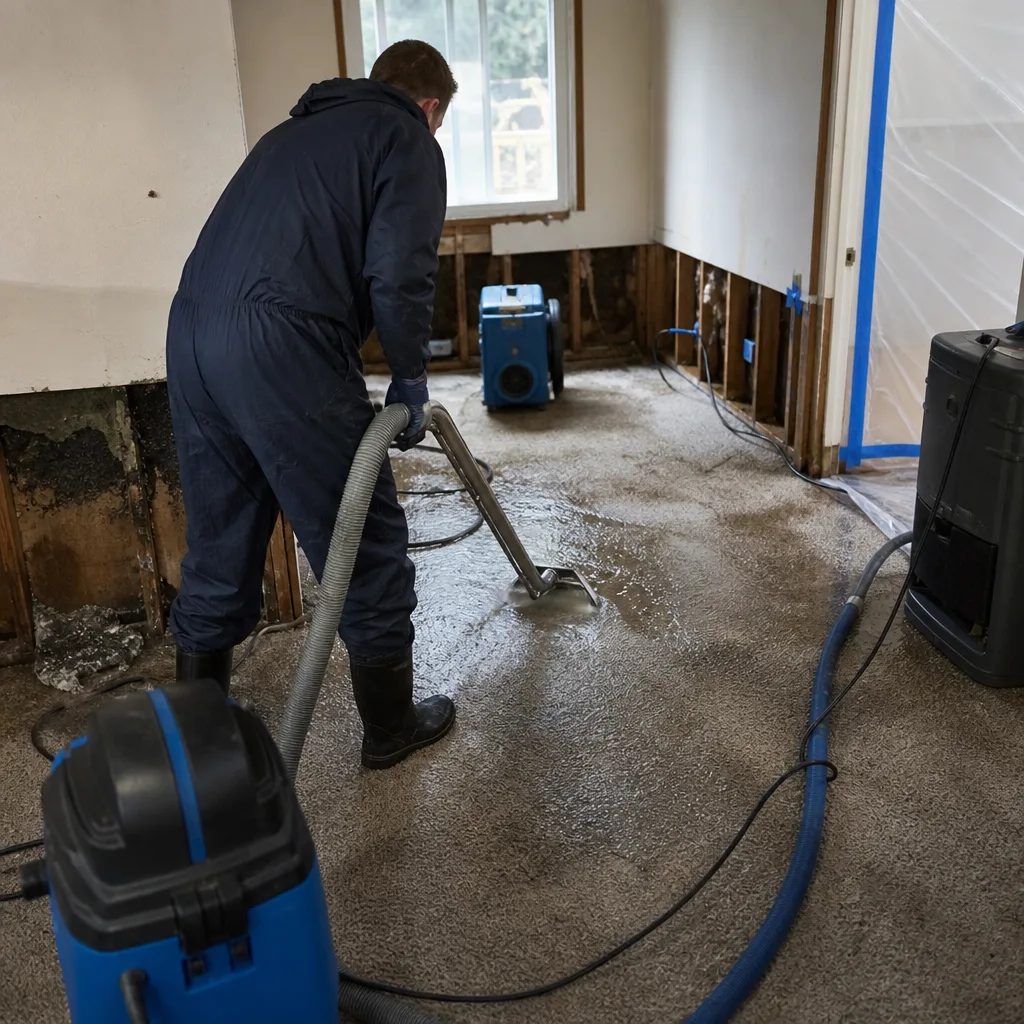
Truck-mounted extraction removes standing water; weighted extraction tools pull from carpet pad and subfloor. For Monroe’s frequent crawl-space flooding, we deploy submersible pumps and portable extraction units. Containment barriers isolate unaffected areas to prevent cross-contamination.
3. Structural Drying & Dehumidification
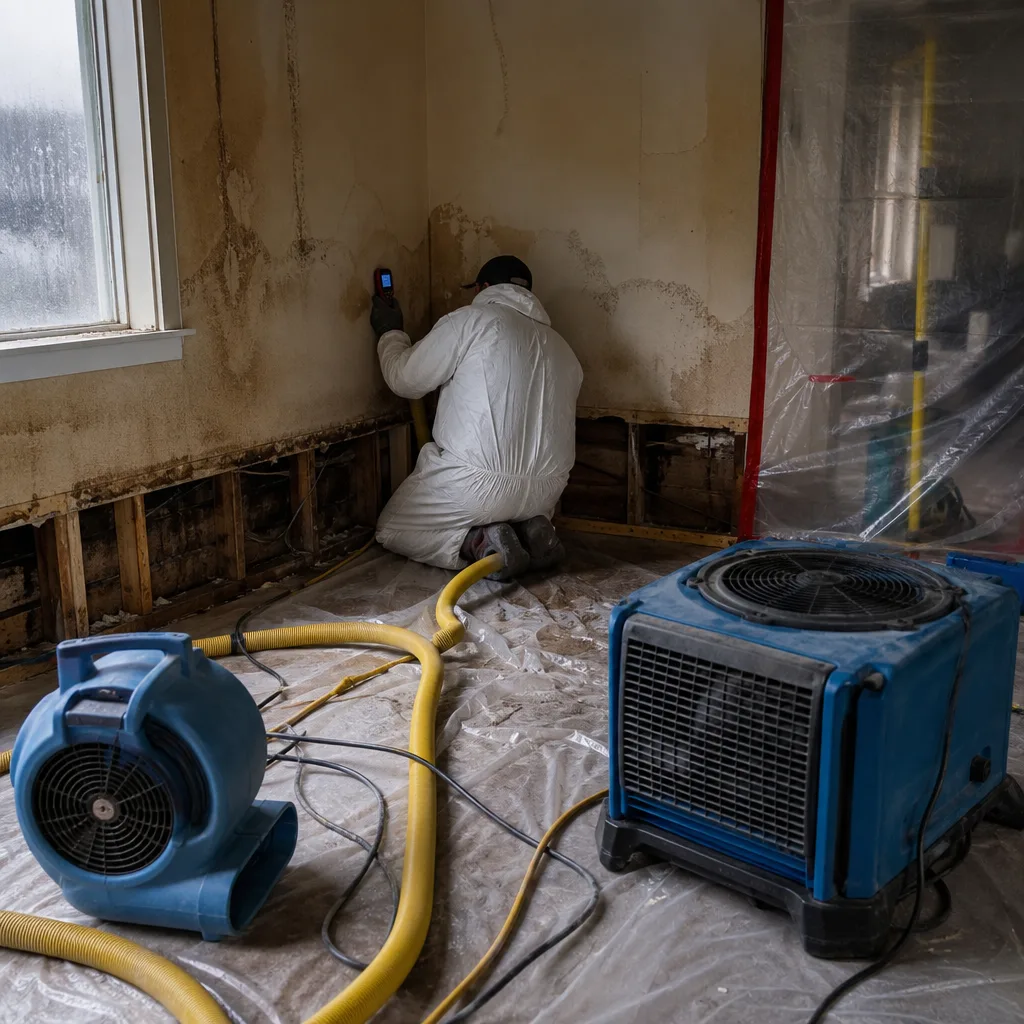
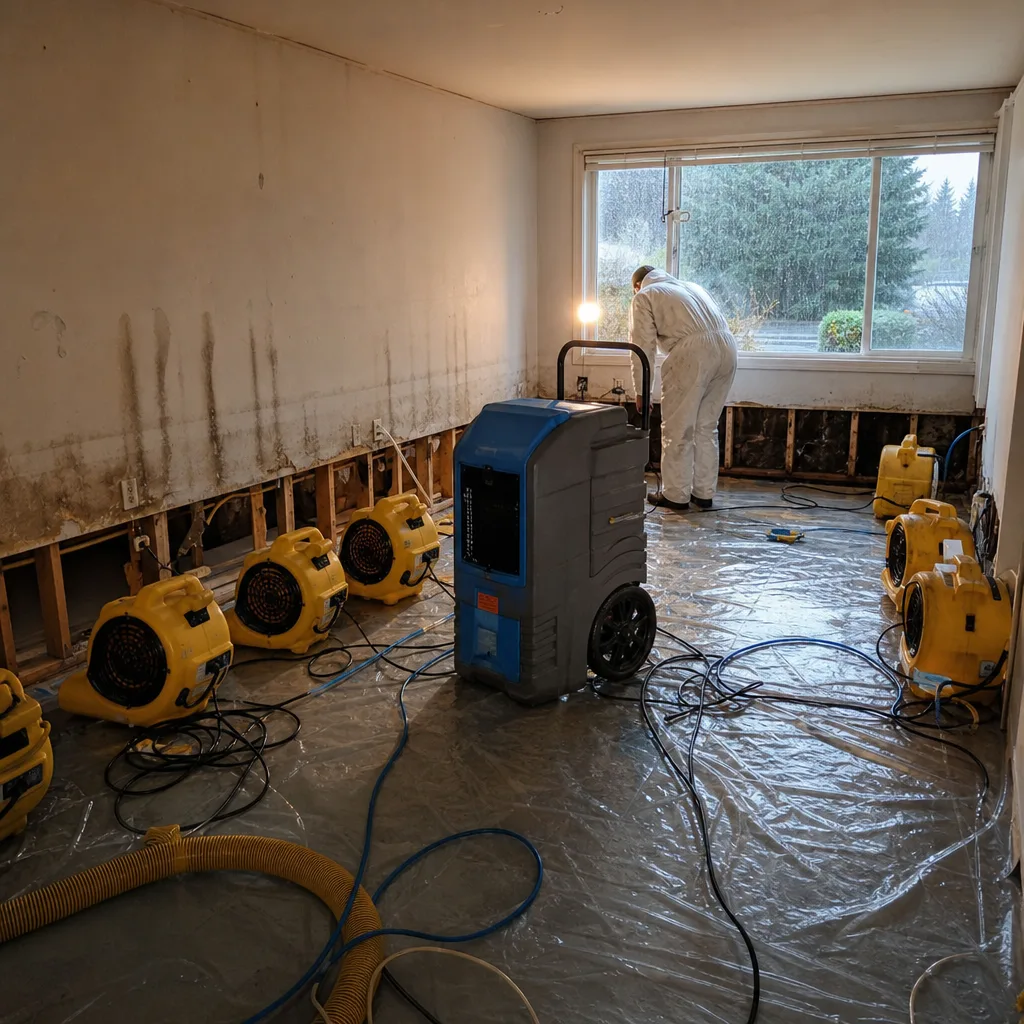
We size dehumidification to the job: Phoenix 200 HT dehumidifiers for large open areas, LGR units for tight crawl spaces, XPOWER and B-Air air movers positioned for laminar airflow across wet surfaces. Injectidry cavity drying systems address the hidden wall saturation Monroe’s block foundations create.
4. Cleaning & Sanitization
Category 2 and 3 water requires antimicrobial treatment of all affected surfaces. We apply EPA-registered disinfectants, then HEPA vacuum and clean to remove contamination. Odor control with hydroxyl generators or ozone (unoccupied only) addresses residual organic compounds.
5. Mold Prevention & Air Quality Control
Air scrubbers with HEPA filtration run continuously during drying, capturing 99.97% of 0.3-micron particles. We monitor airborne spore counts and surface moisture to verify mold amplification risk has passed before demobilizing equipment - critical in Monroe’s chronically damp crawl-space stock.
6. Repairs & Restoration
Once drying targets are met and documented, our reconstruction crew repairs or replaces drywall, flooring, trim, and insulation. Every repair ties to the original moisture map, so nothing gets concealed. The 365-Day Done Right Promise covers all work under The Haven Standard.
Need Emergency Water Damage Restoration in Monroe Now?
Crews minutes away, answering live 24 hours a day. The sooner we start, the less it costs.
Working With Your Insurance Company
Insurance claims fail on documentation gaps. We close those gaps from the first hour. Every Water Damage Restoration in Monroe job produces a photo record, moisture readings with equipment serial numbers, daily drying logs with psychrometric data, and a detailed Xactimate estimate that adjusters recognize and can process without supplemental requests.
Our founder built this company as a former claims adjuster who watched homeowners lose tens of thousands to incomplete documentation. That origin shapes every interaction with carriers. We bill directly when policy terms allow, and we coordinate adjuster site visits so the same technician who performed extraction explains the drying science to the person writing the check.
What We Provide Your Insurer
- Thorough documentation of the loss
- Photos of all damage, room by room
- Moisture readings and drying logs
- A detailed, line-item scope of work
- Direct coordination with your carrier
Built for Monroe’s Loss Calendar
Monroe’s water damage calendar runs on snowpack and atmospheric rivers, not the steady drizzle that defines Seattle’s reputation. November through February brings prolonged rain-on-snow events in the Cascades, with the Skykomish River draining a massive watershed that can rise 10 feet in 48 hours. These aren’t flash floods - they’re multi-day inundations that saturate foundations, overwhelm drainage systems, and create the slow-burn damage patterns unique to valley-floor communities.
March through May delivers the secondary wave: snowmelt pulses on top of saturated ground, pushing groundwater tables into crawl spaces that never fully dried from winter. Summer thunderstorms, though brief, can dump 2-3 inches in hours on the Cascade foothills, overwhelming Monroe’s older agricultural-era drainage infrastructure. The 1990s-2000s suburban infill on former Snohomish County farmland faces repeat exposure its perimeter drains weren’t engineered to handle.
We responded to a flooded crawl space and buckled hardwood on a 1950s valley-floor home near the West Monroe river bottoms after an atmospheric river backed up the Skykomish drainage. Our tech ran water extraction, then moisture mapping with pin and non-pin meters showed saturation 18 inches up the concrete block stem walls. We set Injectidry wall-cavity drying panels tied to a Phoenix dehumidifier and bank of XPOWER air movers, ran structural drying for six days, sprayed antimicrobial treatment, and produced drying logs that let the homeowner document the loss against a pre-loss condition moisture baseline.
Water Damage Restoration Across Monroe’s Neighborhoods
Monroe’s geography creates distinct damage patterns by area. Downtown Monroe and the Old Owen Road corridor hold the pre-1960s agricultural stock - concrete block foundations, minimal vapor barriers, crawl spaces that flood repeatedly. We know these properties by address; crews have dried the same stem walls multiple times over a decade. The West Monroe river bottoms, including areas near Al Borlin Park and the Lewis Street Bridge approach, sit lowest in the floodplain and see the worst Skykomish overflow events. Homes here need cavity drying as standard protocol, not an upsell.
The Chain Lake area and newer development east of Highway 522 represents the 1990s-2000s suburban infill. These homes have better initial drainage but face a different failure mode: perimeter drain systems overwhelmed by the groundwater pressure that builds during multi-day valley inundation. We find finished basements with water coming through slab cracks and window wells, not overt river flooding. The Paradise Lake Road corridor and hillside homes above the valley floor escape river flooding but face burst pipe risk from freeze-thaw cycling in exposed utility runs, plus wind-driven rain intrusion through aging siding and door seals.
Each area gets a different equipment loadout and drying protocol. Downtown block foundations need Injectidry cavity systems; Chain Lake basements need high-capacity LGR dehumidification and sub-slab drying; Paradise Lake hillside homes need focused extraction and rapid heat-based drying to prevent mold in insulated wall cavities.
Specialized Water Damage Restoration Services We Offer in Monroe
Emergency Water Extraction
Truck-mounted and portable extraction for standing water of any depth. In Monroe’s frequent crawl-space floods, we deploy gas-powered submersible pumps where electricity is compromised and extract to sanitary sewer or storm drain per Snohomish County discharge requirements.
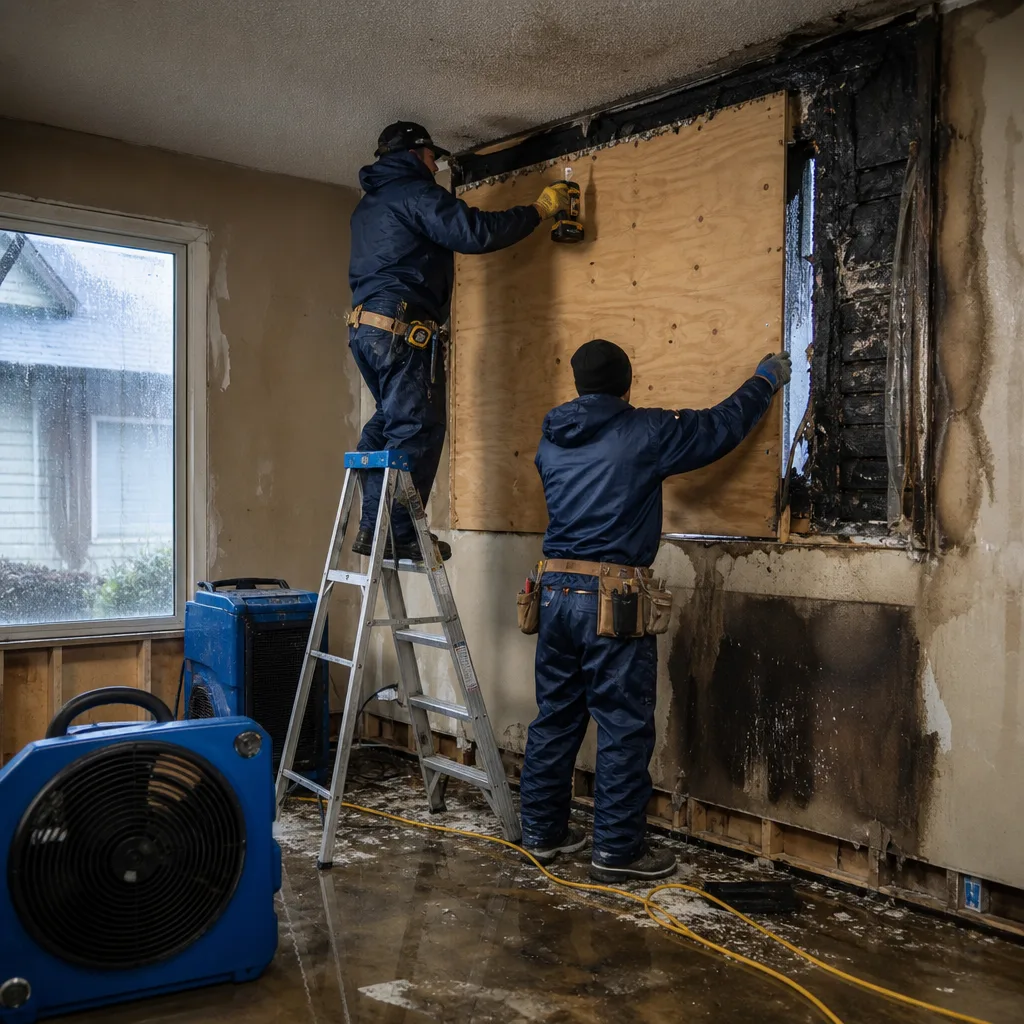
Structural Drying & Dehumidification
The core service for Monroe’s valley-floor housing. We size dehumidifier capacity to cubic footage and material density, not guesswork. Phoenix and XPOWER equipment runs on documented drying curves, with daily moisture logs that track progress to IICRC S500 standards. Cavity drying with Injectidry panels is standard for block-wall construction, not optional.
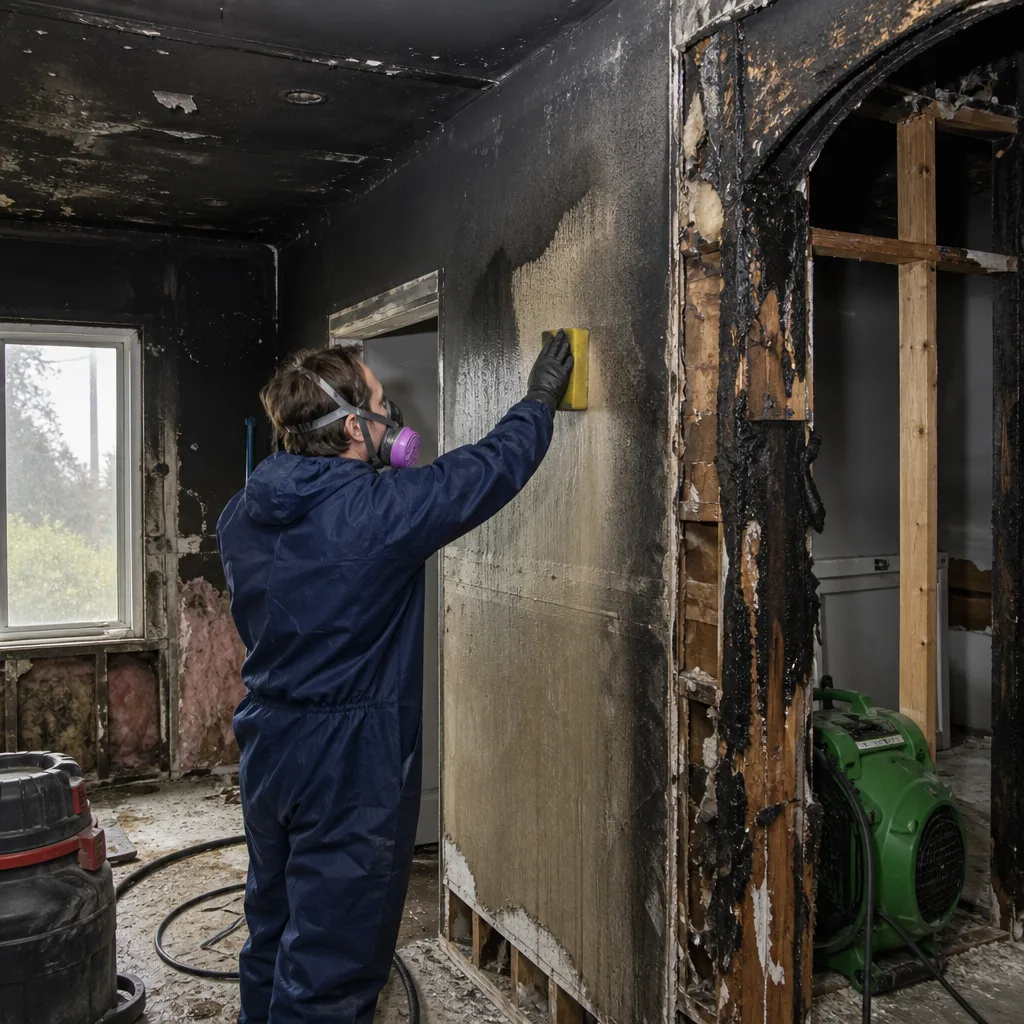
Flood Cleanup
Skykomish River flooding brings Category 2 or 3 contamination - sediment, agricultural runoff, possible sewage cross-connection. Our flood cleanup includes full contamination assessment, EPA-registered antimicrobial application, and clearance documentation that satisfies both insurers and Snohomish County environmental health requirements.
Burst Pipe Restoration
Freeze events on Paradise Lake Road and hillside exposures can split copper and PEX. We extract, dry, and document the water damage; coordinate with licensed plumbers for repair; and restore walls and finishes. Same documentation standards, same written price before work begins.
Basement Water Removal
Monroe’s newer suburban basements face hydrostatic pressure failures, sump pump deaths, and window well inundation. We extract standing water, remove saturated finishes, dry concrete and framing to below 16% moisture content, and apply mold-resistant treatments before reconstruction.
Ceiling & Roof Leak Water Damage
Wind-driven rain through aging roof assemblies, common in Monroe’s pre-1980s stock, creates ceiling cavity saturation that collapses drywall without warning. We contain, extract, map moisture in insulation bays, and dry before mold establishes.
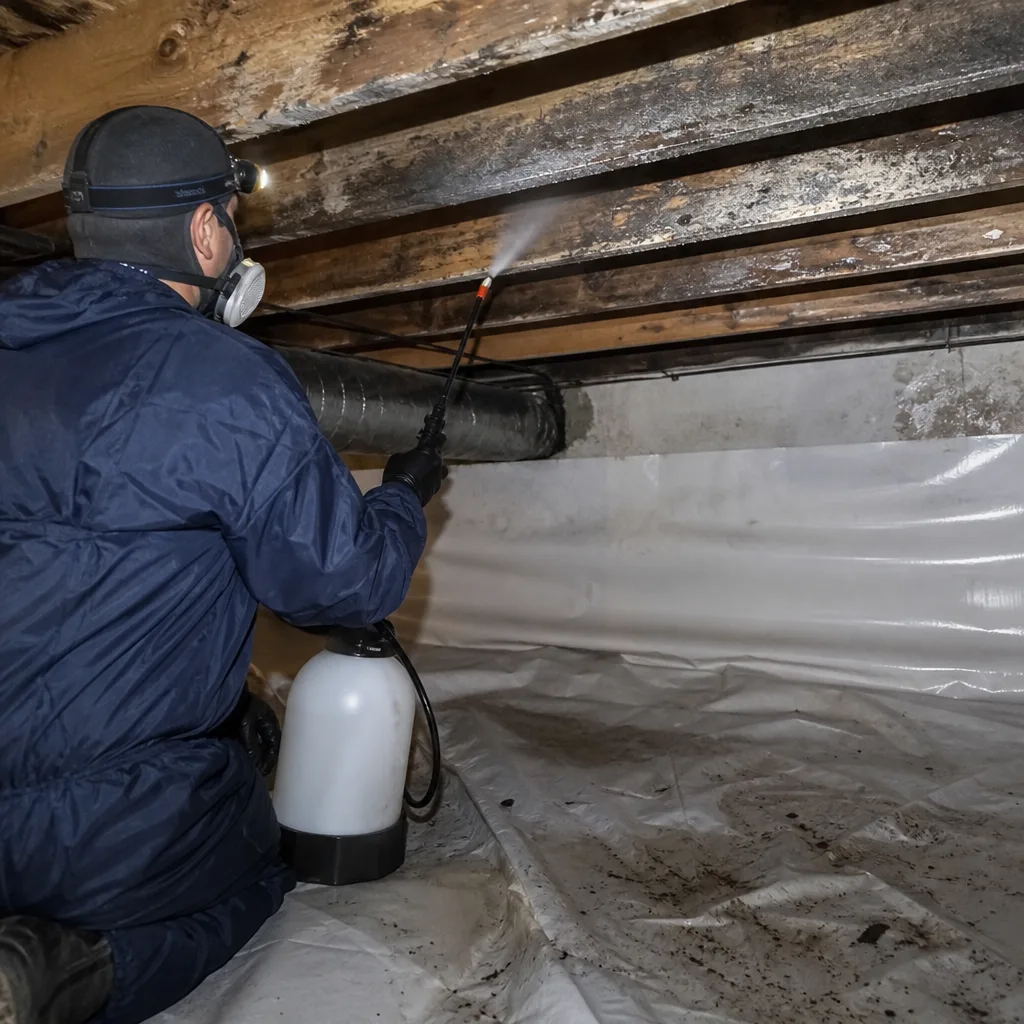
What happens when you call
- 1
A real person answersNo phone trees - you reach a local pro.
- 2
You get an upfront price rangeHonest numbers before anyone is dispatched.
- 3
A background-checked tech heads outLicensed & insured, dispatched right away.
- 4
You approve before work beginsNothing starts until you say go.
Water Damage Restoration Costs in Monroe, WA
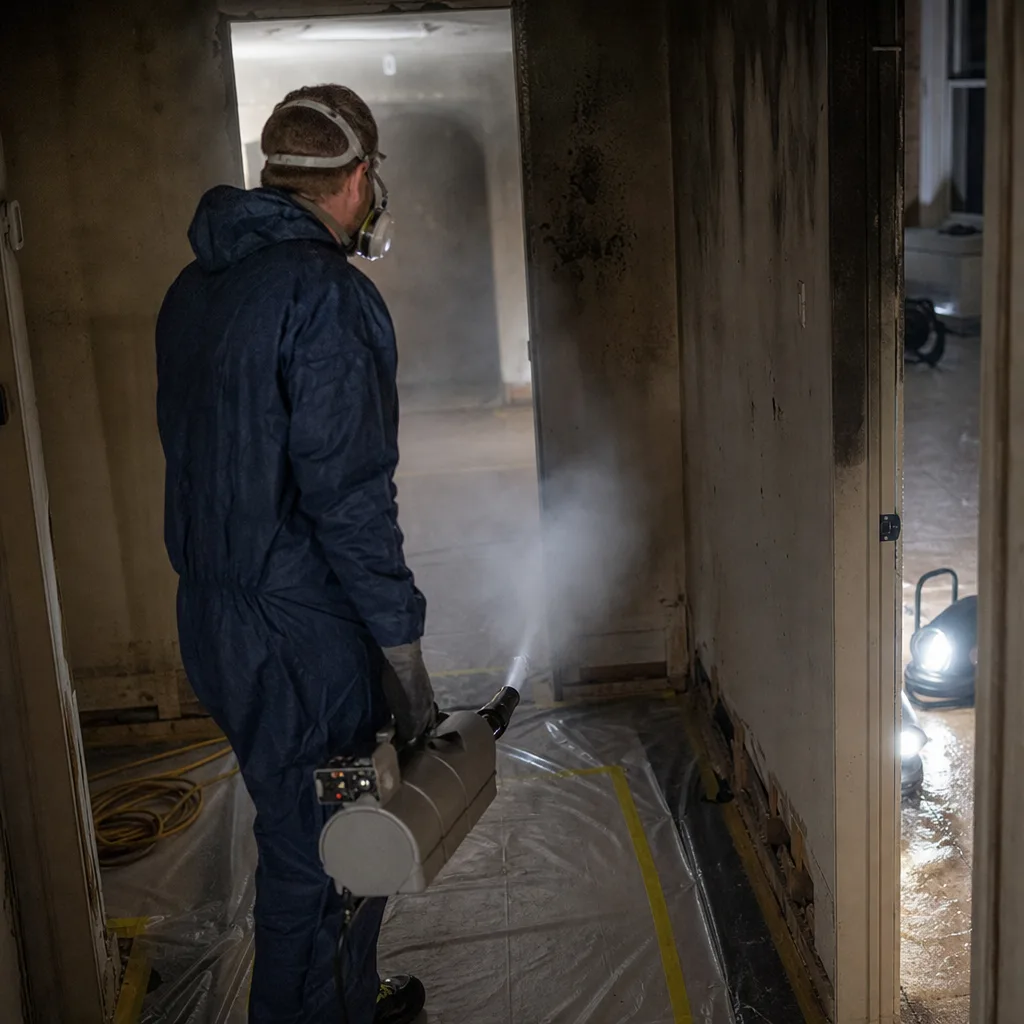
Honest pricing for Monroe’s market:
| Service | Typical Range |
|---|---|
| Emergency water extraction (up to 1,000 sq ft) | $450-$950 |
| Structural drying & dehumidification (3-5 day standard cycle) | $1,800-$4,200 |
| Cavity drying with Injectidry (block-wall homes) | $800-$1,600 additional |
| Category 3 flood cleanup with antimicrobial treatment | $3,500-$8,500 |
| Full basement water removal + drying | $2,800-$7,500 |
| Mold prevention / air scrubbing during drying | $350-$750 |
What moves the price: water category (clean vs. contaminated), affected square footage, whether cavity drying is needed for block-wall construction, and how long water sat before extraction. Insurance typically covers sudden and accidental water damage; gradual seepage or maintenance-related failures may not. We provide a written scope with firm pricing before any work begins - Haven Standard, Clause 1 - and offer a Free Second Opinion on any competitor’s written estimate.
We Also Serve Cities Near Monroe
Our crews respond throughout the Skykomish and Snohomish River corridors: Monroe, Snohomish, Mill Creek, Lake Stevens, and Bothell. Each city gets the same documentation-first protocol, with equipment and drying plans adjusted to local building stock and flood patterns.
Serving Monroe, WA - Our Local Coverage Area
We’re based in the Monroe area and know this community well. Use the map below to see our service coverage - if you’re nearby, we can almost certainly help.
Monroe Water Damage Restoration Questions, Answered
After a Skykomish River overflow in Monroe, how long should structural drying actually take?
Standard structural drying runs 3-5 days; Monroe’s valley-floor homes with concrete block foundations typically need 5-7 days because cavity moisture wicks upward and hides behind drywall.
We verify completion with moisture readings, not calendar days. Pin meters must show wood framing below 16% moisture content and drywall below 12% before we release equipment. Rushing this step is why mold callbacks happen. Call (360) 502-8815 and we’ll assess your specific timeline with a free inspection.
Why does mold show up weeks after the water in my Monroe home looks dry?
Concrete block foundations in Monroe’s older housing wick groundwater upward through capillary action, saturating wall cavities above the visible water line while surface materials dry quickly.
We see this constantly on West Monroe river-bottoms properties: baseboards look dry, drywall feels dry to touch, but moisture meters show 18-22% wood content inside the cavity - prime mold territory. Only cavity drying with Injectidry or positive-pressure systems, plus verified moisture mapping, prevents this. Our drying logs document pre- and post-conditions so you have evidence if mold appears later.
Does Monroe’s flood-plain building stock change how you scope a water damage job?
Yes. Monroe’s pre-1960s valley-floor homes with crawl-space foundations and minimal vapor barriers need different protocols than slab-on-grade suburban construction.
We automatically specify cavity drying for block-wall construction, extended dehumidification for chronically damp crawl spaces, and antimicrobial treatment as standard rather than optional. The scope also accounts for Snohomish County’s flood-plain management requirements if the loss requires permitting for reconstruction. Every Monroe job gets a site-specific protocol, not a template.
What does the water category mean for my Monroe flood cleanup?
Category determines cleanup intensity and what can be salvaged. Category 1 (clean water) allows drying of most materials. Category 2 (gray water) requires antimicrobial treatment and disposal of porous saturated materials like carpet pad. Category 3 (black water) demands removal of all porous materials and full sanitization of hard surfaces.
Skykomish River flooding in Monroe is almost always Category 2 or 3 due to agricultural runoff, sediment, and potential sewage contamination. We test and document water category on arrival so your insurer knows why specific materials were removed. Call (360) 502-8815 for category assessment and a written scope.
Can you handle a burst pipe or roof leak in Monroe the same as a river flood?
The drying science is identical; the documentation and contamination protocols differ. Burst pipes deliver Category 1 water initially, allowing more salvage and simpler cleanup.
Roof leaks vary by duration - brief leaks stay Category 1; leaks that ran through insulation for days before discovery often test as Category 2. River flooding brings Category 3 contamination requiring full PPE, antimicrobial treatment, and stricter disposal. We assess and document category on every job, adjusting scope and pricing accordingly with your written approval before work proceeds.
How fast can DryMark Restoration Everett actually get to my Monroe property?
We commit to 45-minute response to Monroe addresses, with crews staging from our Seattle office and equipment pre-loaded for valley-floor flood patterns.
Live dispatchers answer every call, 24/7, with authority to mobilize immediately. No voicemail trees, no next-business-day callbacks while water is still moving. The first hour determines whether you’re drying or rebuilding. Call (360) 502-8815 now.
Will my insurance cover water damage restoration in Monroe?
Sudden and accidental water damage - burst pipes, appliance failures, storm intrusion - is typically covered under standard homeowners policies. Gradual seepage, maintenance neglect, or groundwater flooding without specific flood coverage may be excluded.
We document everything from arrival to support your claim: photo records, moisture readings, drying logs, and detailed Xactimate estimates that adjusters recognize. We bill directly when policy terms allow and coordinate with your carrier so you’re not chasing paperwork while drying stalls. Bring any competitor’s written estimate for a Free Second Opinion.
Can my family stay in the home during water damage restoration?
Category 1 water in a limited area, with equipment contained to one zone, often allows occupancy. Category 2 or 3 contamination, whole-house drying with multiple dehumidifiers and air movers, or mold remediation typically requires relocation for safety and drying efficiency.
We make this call based on contamination level, equipment noise and heat, and whether critical systems (HVAC, bathrooms, kitchen) are affected. Your written scope includes occupancy recommendations and estimated duration so you can plan. Call (360) 502-8815 to discuss your specific situation.
Written by Alicia Brennan, Owner at DryMark Restoration Everett, serving Monroe since 2011 under The Haven Standard.