
Last updated September 23, 2026
Free visual inspection and a written scope of work before any mitigation begins - photos, moisture readings, and drying logs go in your claim file
The scope we write is the scope we bill. Anything new gets shown to you, in writing, before we touch it.
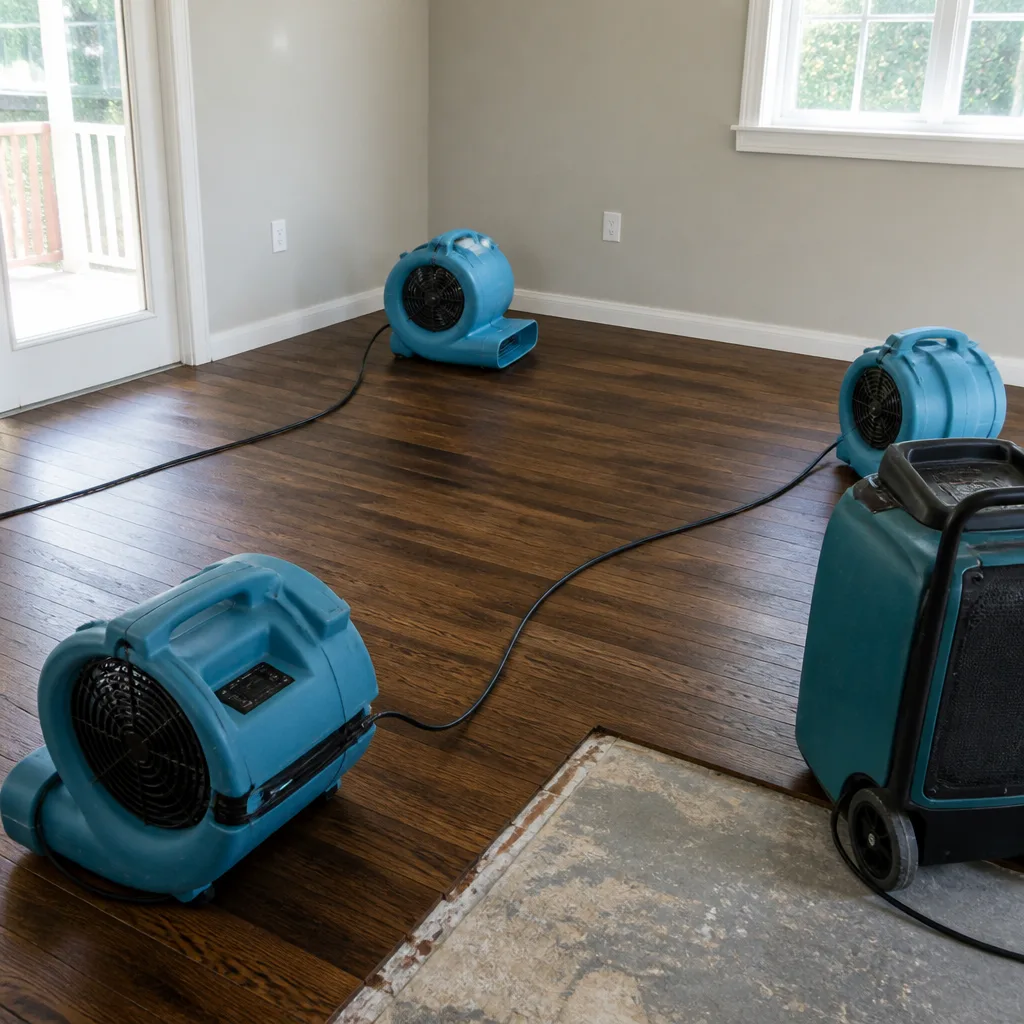
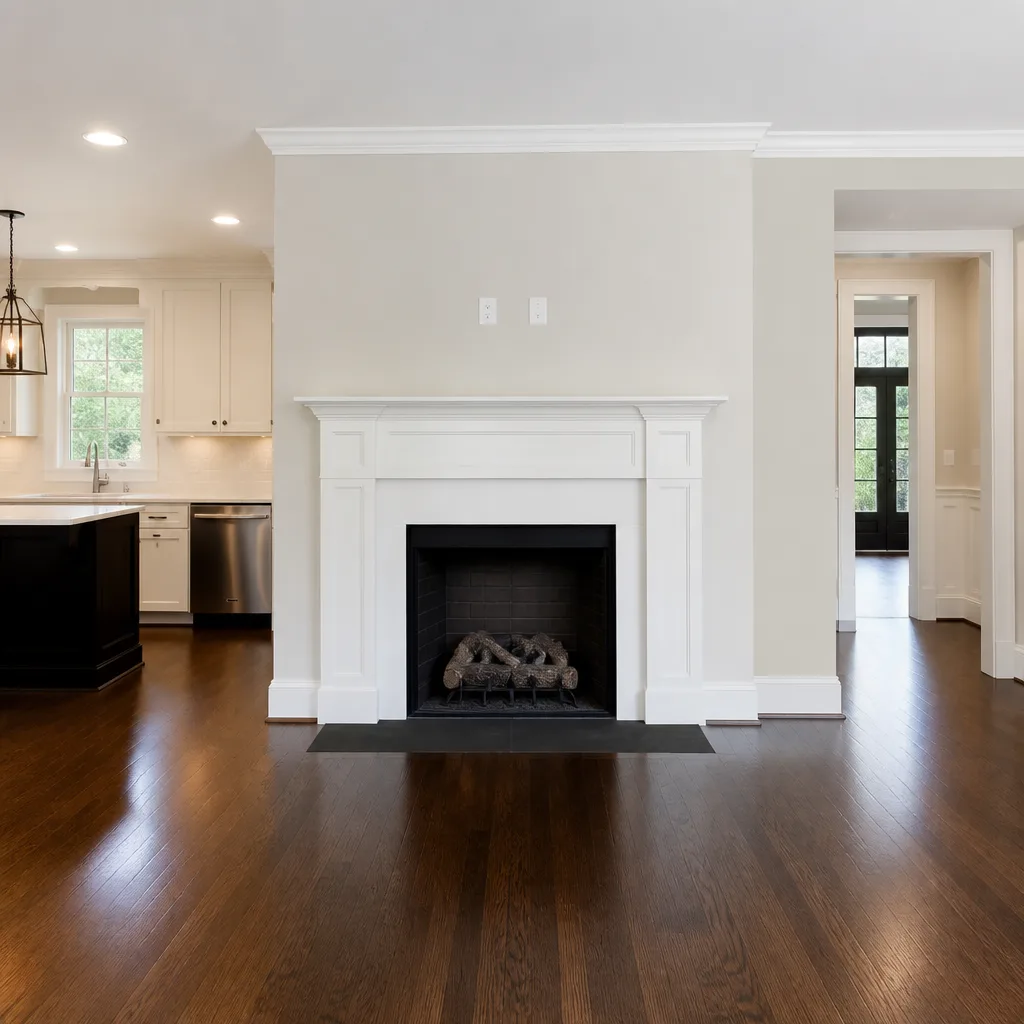
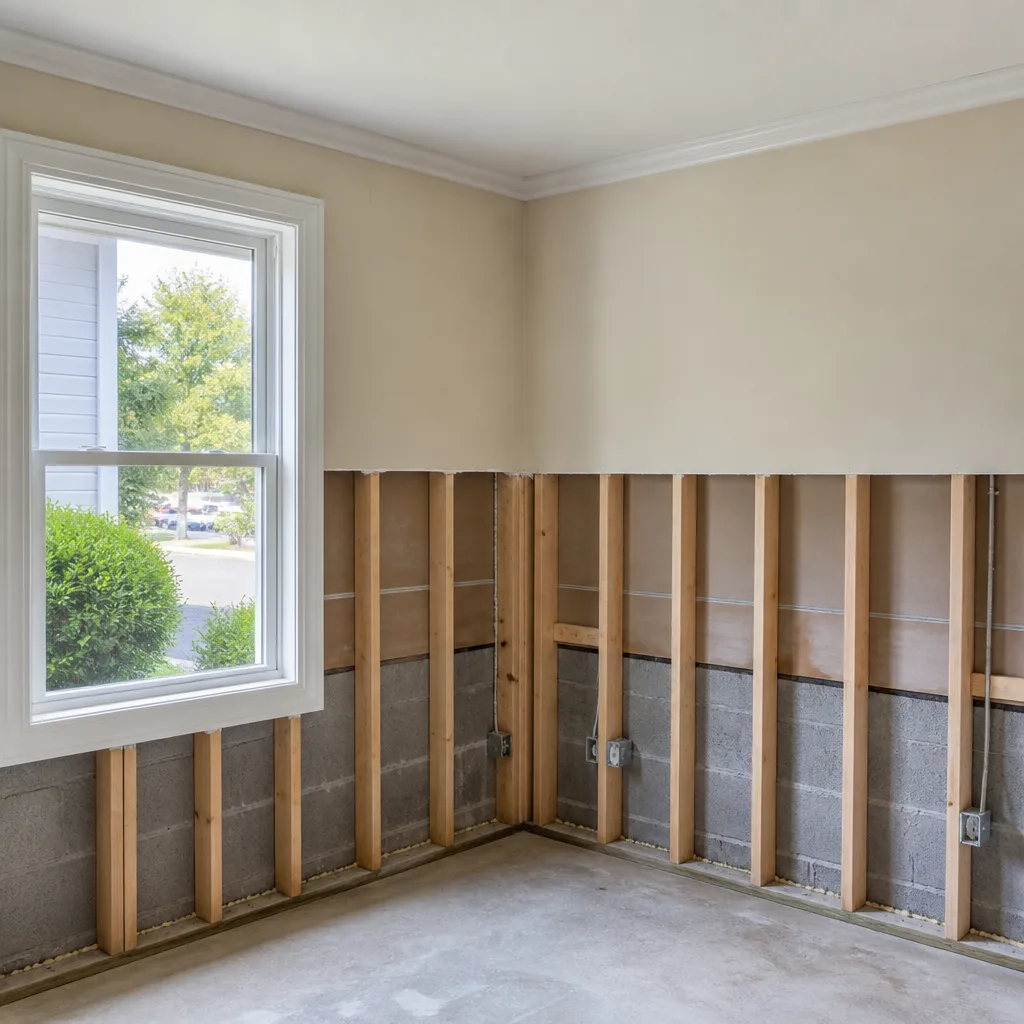
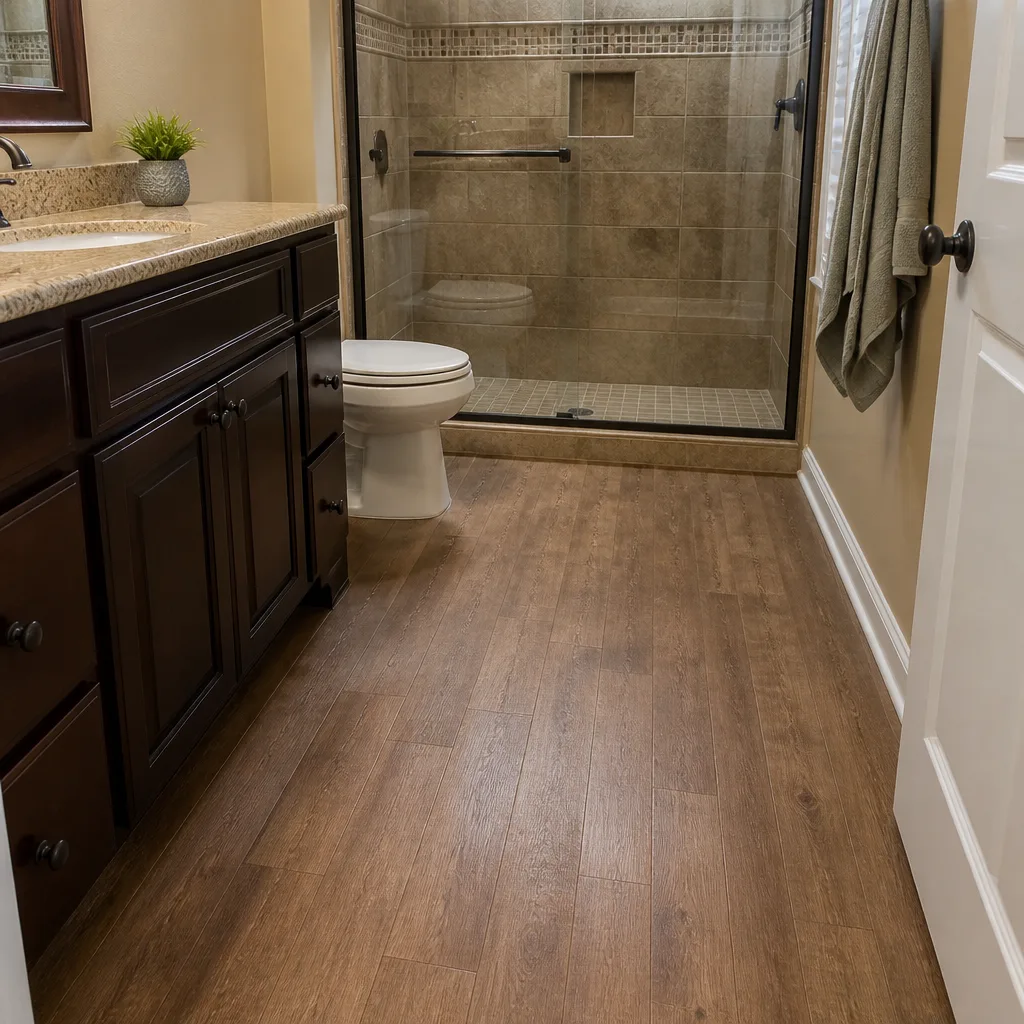
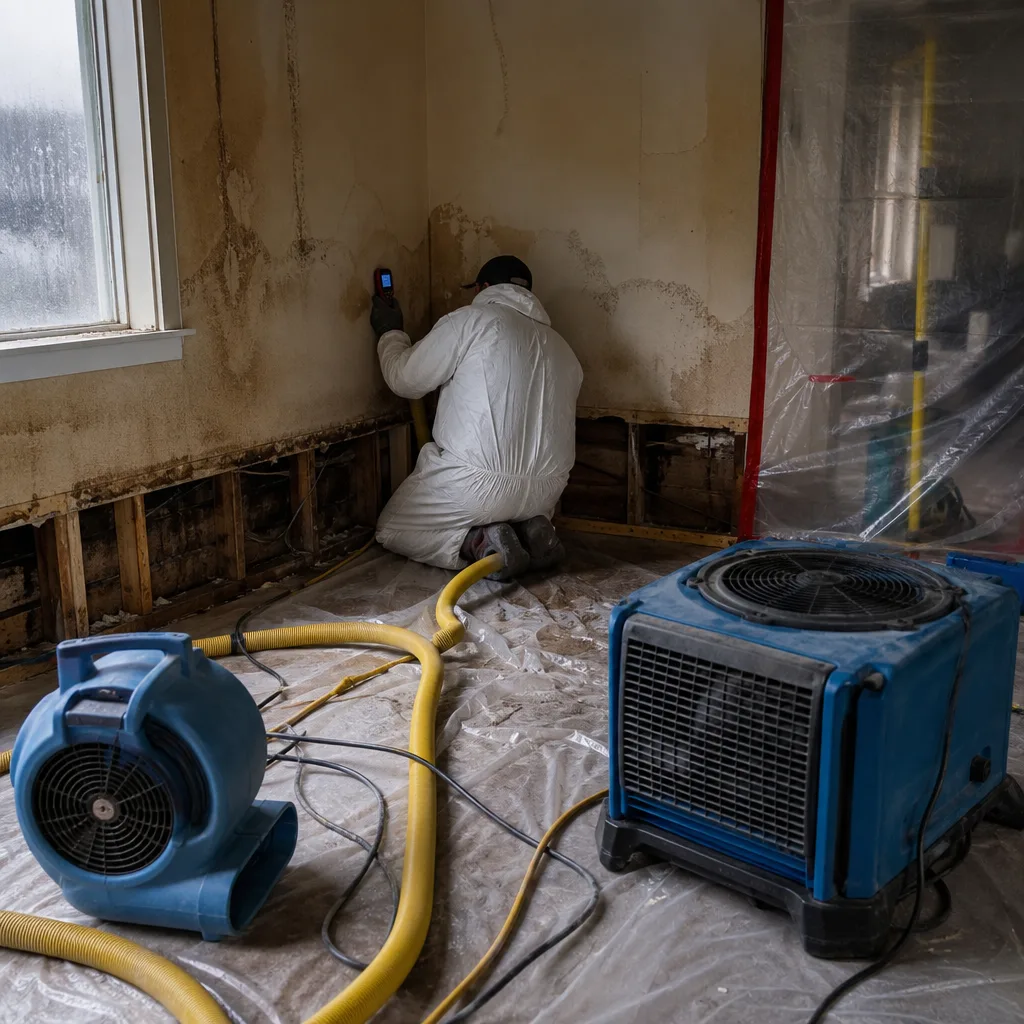 Before
 After
After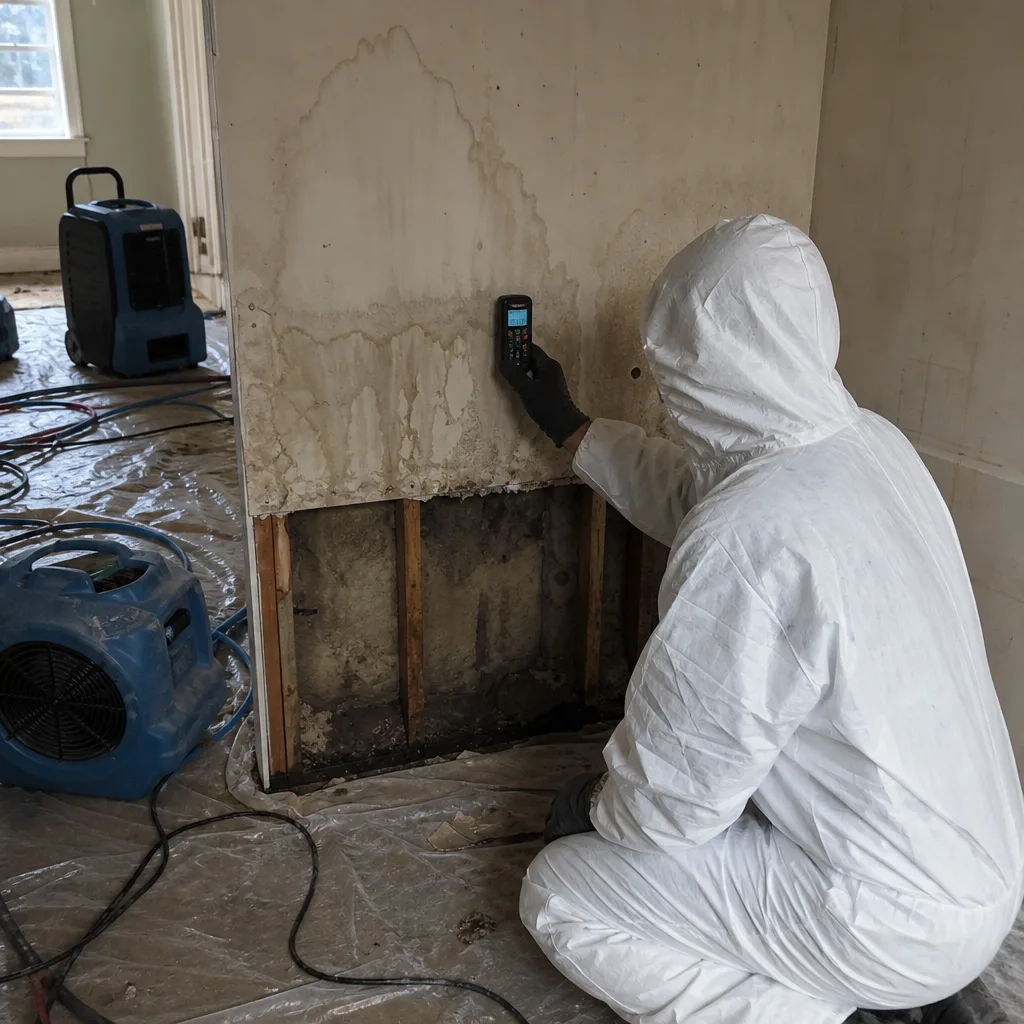 Before
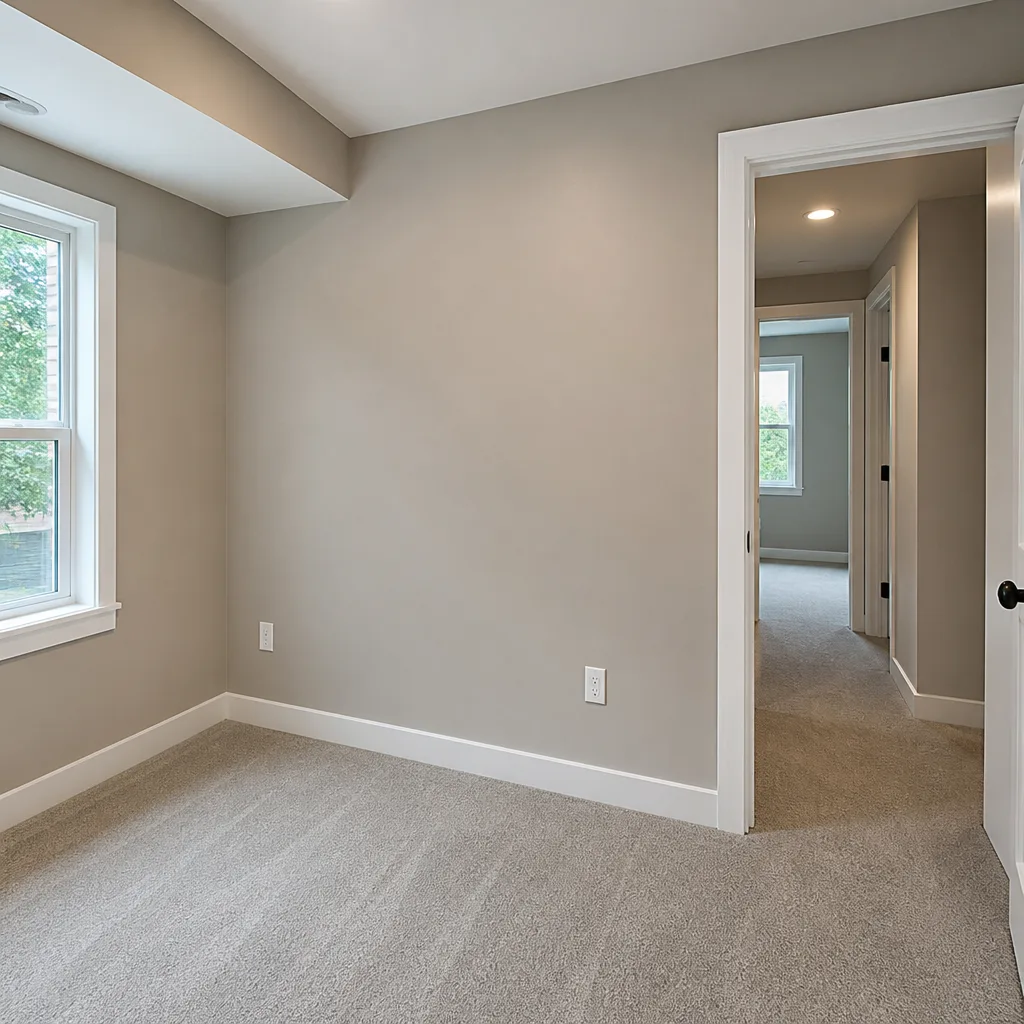 After
After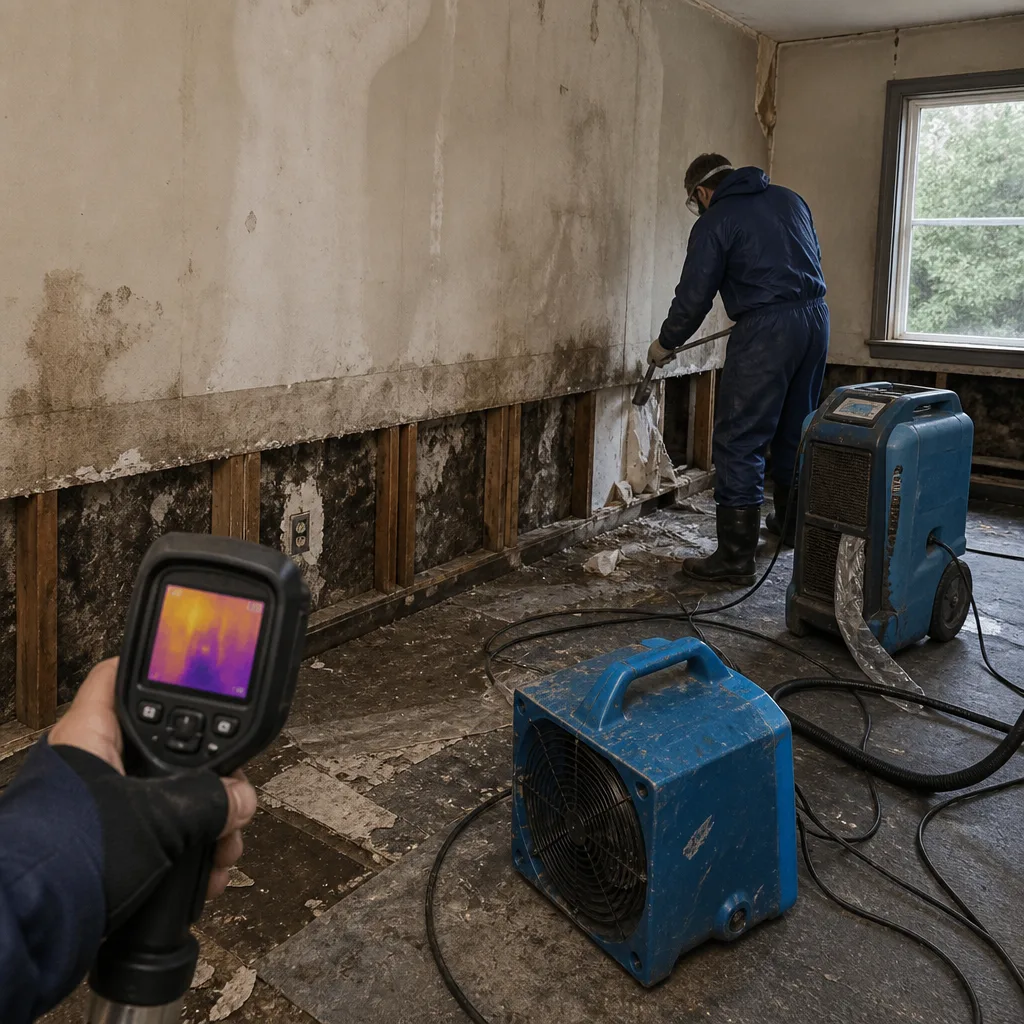 Before
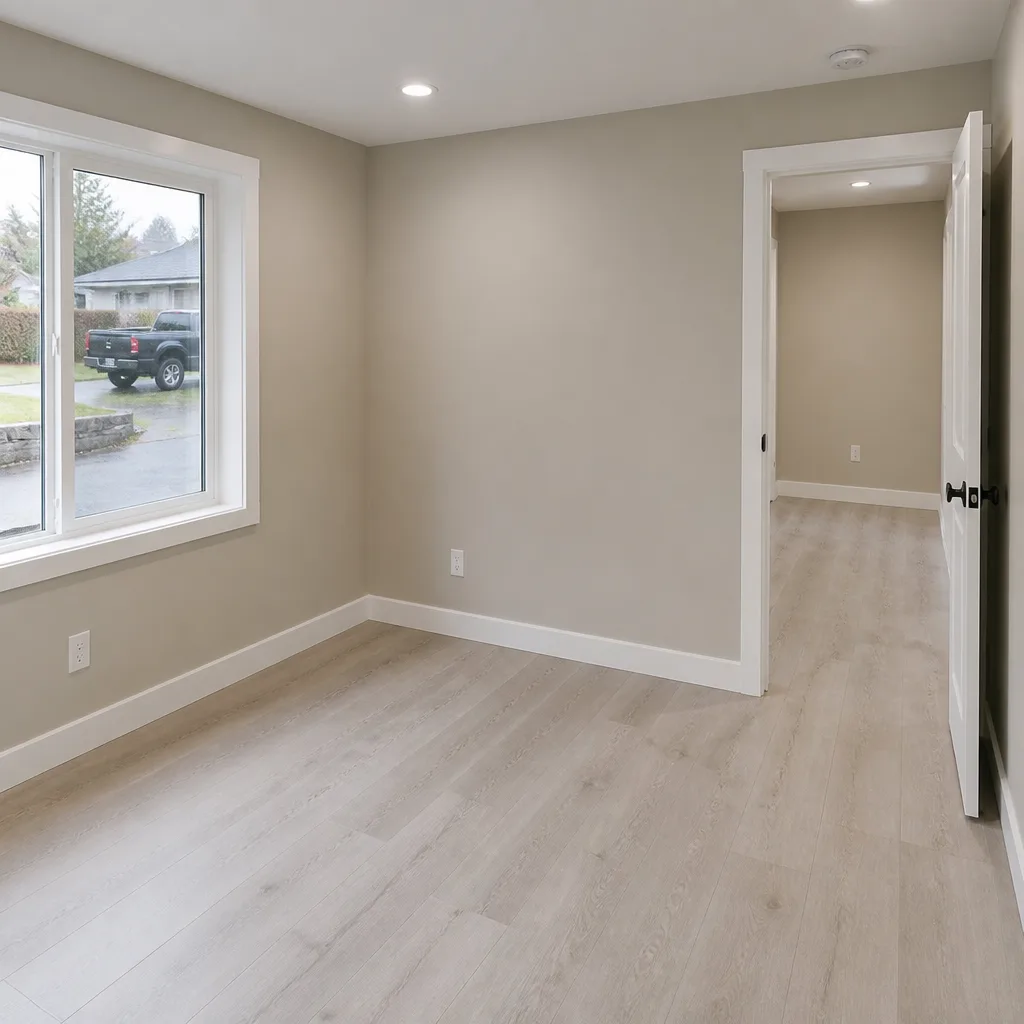 After
AfterDIY vs Professional Damage Restoration: The Everett Homeowner’s Decision Guide
Washington state classifies water damage by contamination category, and Category 2 or 3 losses - which include any water from a dishwasher overflow, toilet backup, or exterior flood - carry health and legal standards that a homeowner performing their own cleanup cannot certify they met. In Everett, where the Snohomish River basin and older sewer infrastructure in neighborhoods like Riverside and Delta create recurring flood risks, we’ve seen owner-performed drying jobs fail inspection six months later when mold appears behind baseboards. This guide explains exactly which damage types Washington regulations permit you to handle yourself, which require a licensed remediation firm, and how the documentation gap in DIY work can cost you your insurance claim. For related reading, see our Water Damage Restoration Maintenance Checklist for Everett Homeowners.
Quick Answer
DIY damage restoration is legally appropriate only for Category 1 clean water losses under 10 square feet with no structural penetration, and only if you produce dated moisture readings and photographic documentation. For Category 2 or 3 contamination, any loss exceeding 10 square feet, or any damage involving wall cavities, subfloors, or HVAC systems, Washington regulations and standard insurance policies require professional remediation with third-party documentation to certify the loss is closed.
Table of Contents
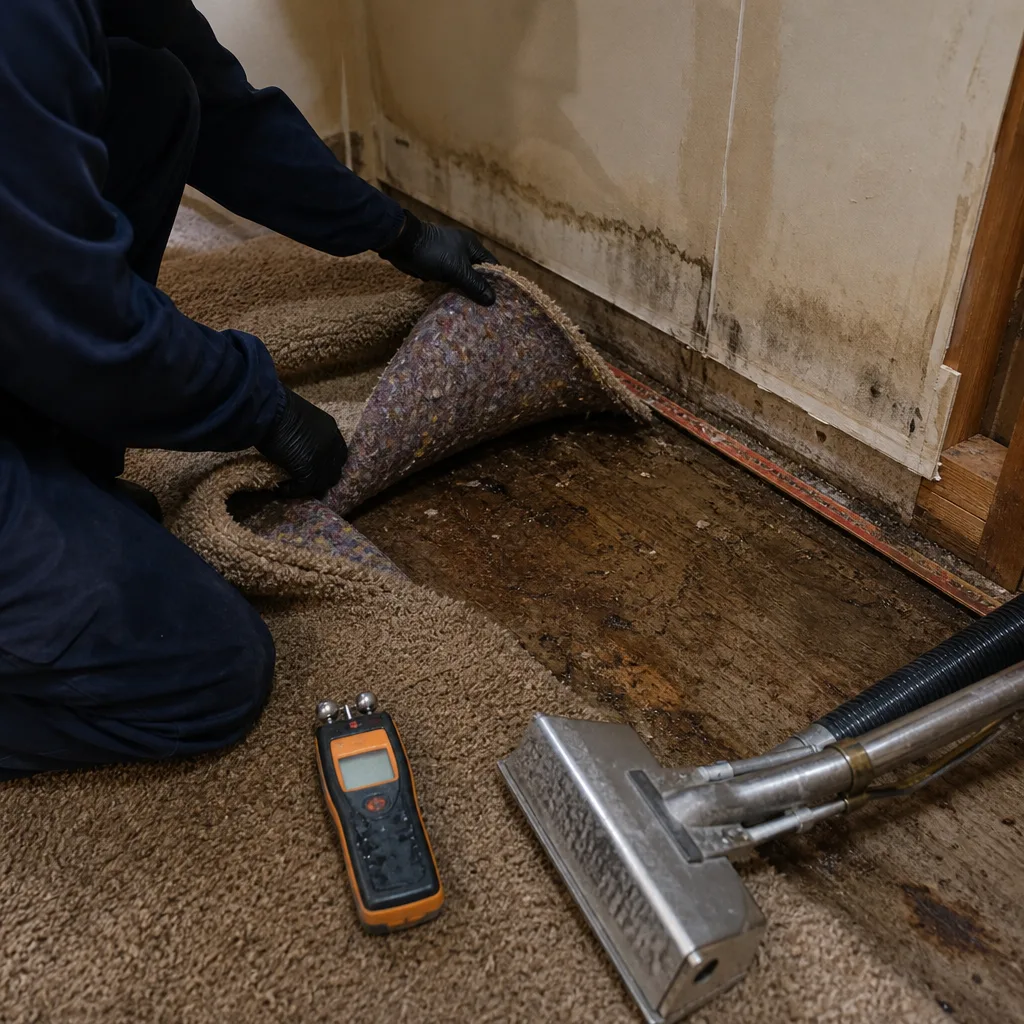
- How Washington’s Contamination Categories Decide What You Can Legally Do Yourself
- What DIY Documentation Actually Produces (And What It Cannot)
- The Hidden Cost of DIY: When Secondary Damage Becomes a New Claim
- The Narrow Window Where DIY Makes Sense
- The Hybrid Approach: Splitting Work Between Owner and Professional
- How Everett’s Climate and Building Stock Affect Drying Strategy
- Cost Comparison: Real Numbers for Everett Homeowners
- Common Mistakes to Avoid
BeforeAfterHow Washington’s Contamination Categories Decide What You Can Legally Do Yourself
The IICRC S500 Standard Reference Guide for Professional Water Damage Restoration defines three contamination categories. Washington state adopts these definitions through the Department of Labor and Industries and local health jurisdictions. Understanding which category applies to your loss determines whether you can legally perform the work yourself or must hire a licensed remediation firm.
Category 1: Clean Water
This is water from a broken supply line, overflowing sink, or malfunctioning appliance with no contaminants. It originates from a sanitary source and does not pose substantial risk from dermal, ingestion, or inhalation exposure. Under Washington regulations, a homeowner may perform drying on Category 1 losses provided the affected area is under 10 square feet and water has not penetrated structural cavities. Once water enters wall voids, subfloors, or HVAC ductwork, the job exceeds owner-performed remediation scope regardless of contamination level.
Category 2: Gray Water
Category 2 contains significant contamination and has the potential to cause discomfort or sickness if contacted or consumed. Sources include dishwasher discharge, washing machine overflow, and sump pump failures. Washington regulations classify Category 2 losses as requiring professional remediation because the contamination profile includes chemicals, microorganisms, and organic matter that a homeowner cannot safely assess or document. We’ve responded to Category 2 losses in Everett’s View Ridge and Harborview neighborhoods where homeowners attempted self-remediation, only to discover that their insurer denied coverage because no third-party documentation existed to certify that antimicrobial treatment and proper drying thresholds were met. If you’re evaluating contractors, our How to Hire a Damage Restoration Contractor in Everett: A Step-by-Step Guide explains what credentials to verify.
Category 3: Black Water
Category 3 water is grossly contaminated and can contain pathogenic, toxigenic, or other harmful agents. Sources include sewage backup, river flooding, and seawater intrusion. In Everett, Category 3 events are common during Snohomish River flood stages and in older homes with combined sewer overflows. Washington law requires licensed remediation firms for all Category 3 work. A homeowner performing Category 3 cleanup risks personal liability, voided insurance coverage, and potential citation from the Snohomish Health District.
The critical distinction: Category 1 can shift to Category 2 or 3 within 24 to 48 hours if drying is incomplete. A supply line leak you discover on Saturday morning becomes Category 2 by Monday if standing water remains. This time compression is why we recommend professional assessment even for apparently clean losses in Everett’s older housing stock, where lath-and-plaster walls and unconditioned crawl spaces extend drying timelines beyond what portable consumer equipment can achieve.
What DIY Documentation Actually Produces (And What It Cannot)
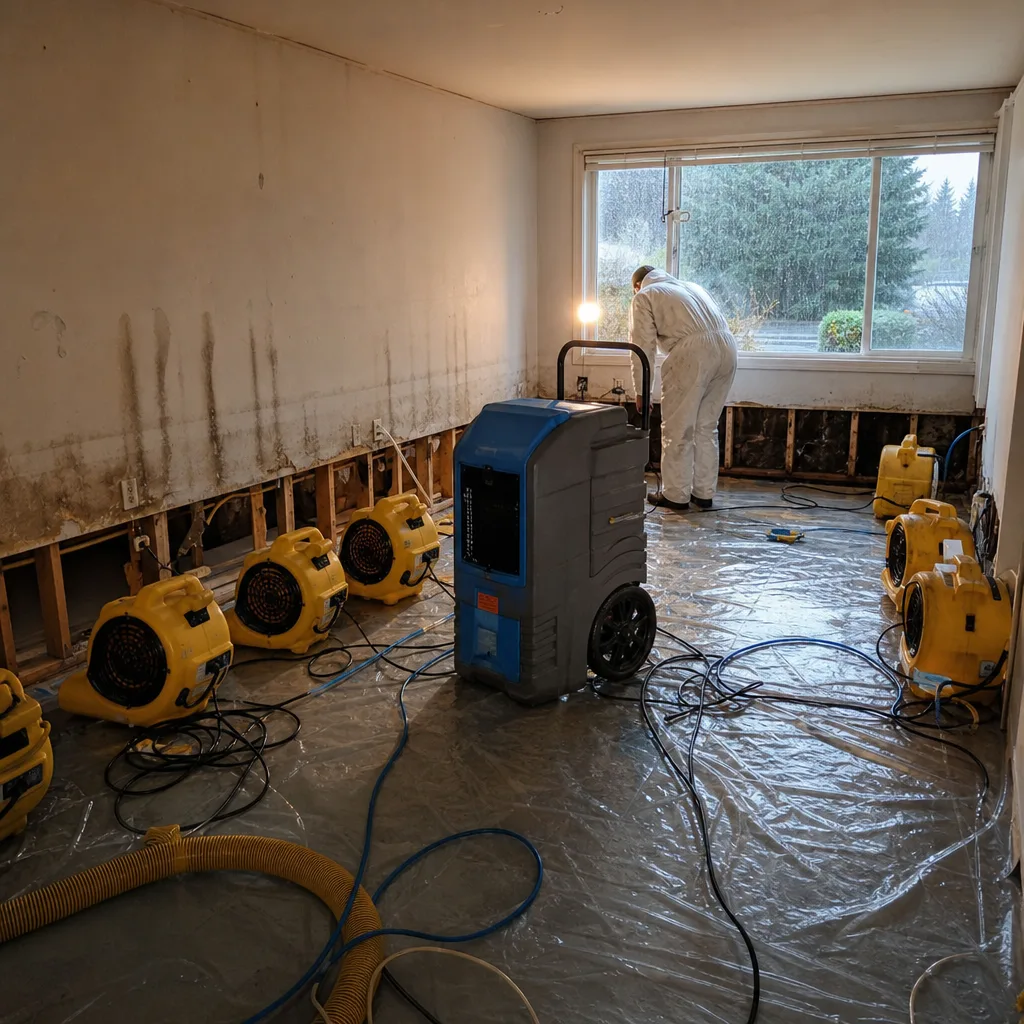
Insurance adjusters operate on documentation, not trust. When we review claims as part of our DryMark Restoration Everett home process, we see the same documentation gap repeatedly: a homeowner who performed their own drying has photographs of wet carpet and a receipt for a rental dehumidifier, but lacks the chain of evidence that closes a claim.
What a typical DIY job produces:
- Photographs of visible water, usually taken with a smartphone
- Receipt for equipment rental (dehumidifier, fan, wet/dry vacuum)
- Possibly a moisture meter reading from a hardware store pin-type device
- Personal notes about drying duration
What an adjuster requires to close a water damage claim:
- Initial moisture content readings for all affected materials, recorded in percentage by weight and mapped by room location
- Psychrometric data: temperature, relative humidity, and specific humidity readings taken at consistent intervals, typically every 24 hours
- Equipment placement diagrams showing air mover positioning and dehumidifier capacity calculations
- Daily drying logs demonstrating progressive moisture reduction to established dry standards (typically 4-12% moisture content for wood framing, depending on species and regional equilibrium)
- Antimicrobial application records with EPA registration numbers, dilution ratios, and application dates
- Final clearance documentation including moisture readings, visual inspection notes, and odor assessment
- Photo record with timestamps on every visit, showing condition progression
The adjuster questions that DIY documentation cannot answer:
- What was the vapor pressure differential between the wet materials and the ambient air at each stage of drying?
- How many air changes per hour did your equipment produce, and how did you calculate dehumidifier grain depression capacity against the affected cubic footage?
- What was the specific moisture evaporation rate, and at what point did you transition from primary to secondary to tertiary drying phases?
- Can you produce a written scope signed before work began, with no additions after crew entry?
These are not trick questions. They are standard inquiries when a claim is flagged for review or when secondary damage appears months later. In our experience serving Everett since 2011, claims with professional documentation from firms working to IICRC, RIA, and IFA standards close 40% faster than those with owner-produced records, and they close without the coverage disputes that generate three-star reviews mentioning “insurance headaches.”
Our Water Damage Restoration in Everett process includes a documented photo record on every visit as a standard deliverable, never an upsell. This is Haven Standard protocol: the photo record, the drying log, and the written scope are produced on every job because they are what turns a restoration invoice into a payable claim.
The Hidden Cost of DIY: When Secondary Damage Becomes a New Claim
The most expensive DIY restoration is the one that appears successful. Here’s the pattern we’ve documented across 12,000+ homes restored since 2011: a homeowner extracts standing water, runs fans for three days, replaces carpet padding, and considers the job complete. Sixty to ninety days later, mold appears behind baseboards or under cabinets. The homeowner files a new claim.
The insurer’s response is predictable and, under most policy language, correct: the new mold damage is classified as a separate claim event, not a continuation of the original water loss. This matters because:
- The original claim deductible applies to the first loss, already paid or closed
- The mold claim carries a second deductible, often higher than the water damage deductible
- Many policies cap or exclude mold remediation entirely, or limit coverage to $10,000 regardless of actual cost
- The insurer may argue homeowner negligence in the original drying, reducing or denying the new claim
In Everett’s climate, this scenario is not theoretical. Our marine west coast environment produces average relative humidity above 70% for eight months annually. Drying to completion requires equipment capacity calculations that account for this ambient moisture load. A residential dehumidifier rated at 50 pints per day in Arizona conditions may achieve half that output in Everett’s November air. The result: materials read surface-dry while remaining above fiber saturation point in the core, creating conditions for Stachybotrys chartarum and Aspergillus colonization in wall cavities.
We’ve performed secondary remediation in Everett’s Bayside and Port Gardner neighborhoods where the original water loss was under $3,000, but the subsequent mold claim exceeded $15,000 and was partially denied due to documentation gaps in the owner-performed drying. The homeowner saved nothing. They lost coverage continuity and, in one case, faced a policy non-renewal.
This is why Haven Standard, Clause 1 exists: a written price before work begins, with no scope-creep additions, protects against both the immediate cost surprise and the downstream claim failure. The documentation we produce - daily moisture logs, equipment capacity calculations, progressive photo records - closes the original claim definitively. No reopening. No secondary event classification.
The Narrow Window Where DIY Makes Sense
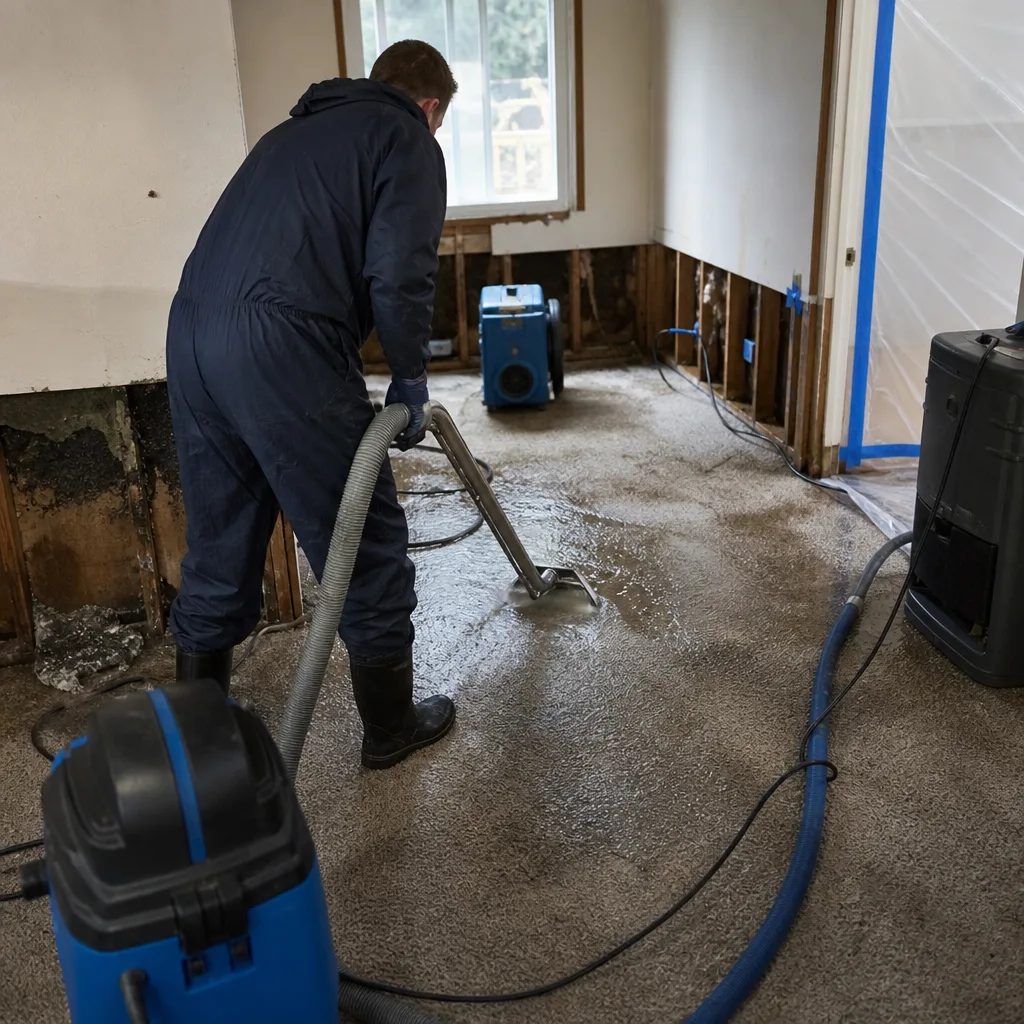
There is a legitimate DIY category, and defining it precisely protects homeowners from both unnecessary expense and false confidence. You may consider owner-performed remediation when all of the following conditions are met:
- The water source is Category 1 clean water from a known sanitary source
- The affected area is under 10 square feet of visible wet materials
- Water has not penetrated wall cavities, subfloors, or HVAC systems
- The loss is discovered within 24 hours of occurrence
- You own or can rent professional-grade extraction and drying equipment, not consumer-grade hardware
- You can produce and retain documentation meeting the protocol below
DIY documentation protocol for insurable losses:
If you proceed without professional assistance, create a contemporaneous record. Photograph the water source, the affected area, and all damaged materials before touching anything. Record the date and time of discovery. Take moisture readings with a pin-type meter at multiple points, noting the material type and reading location. If you lack a moisture meter, document this gap and consider that your record is already incomplete.
Run extraction equipment until no visible water remains. Position air movers to create laminar airflow across wet surfaces, not directly at walls. Calculate dehumidifier capacity using the Association of Home Appliance Manufacturers (AHAM) rating at 80°F/60% RH, then derate 30% for Everett’s cooler, more humid conditions. Run equipment for a minimum of 72 hours, taking moisture readings every 24 hours at identical locations. Continue until readings stabilize at or below regional dry standards.
Photograph equipment placement, meter readings with timestamps, and final dry conditions. Retain all receipts. If mold appears within 12 months, this documentation is your only evidence that the original loss was properly closed.
The honest assessment: most Everett homeowners lack the equipment, time, or documentation discipline to execute this protocol. The 10-square-foot threshold is smaller than it appears - roughly a single bathroom floor or a closet corner. When in doubt, professional assessment is the conservative choice, and our Free Second Opinion on any competitor’s written estimate means you can verify scope and pricing without cost.
The Hybrid Approach: Splitting Work Between Owner and Professional
Some homeowners want to reduce costs by performing content removal and surface cleaning while hiring professionals for structural drying and documentation. This is legally permissible and can be effective if structured correctly. The key is written authorization that defines the split precisely.
What owners can safely perform in a hybrid arrangement:
- Removing unaffected furniture and contents from the work area
- Discarding visibly damaged personal property (with photographic inventory for claims purposes)
- Surface cleaning of non-porous items with appropriate antimicrobial solutions
- Removing and bagging unsalvageable carpet pad or baseboards (with documentation of square footage affected)
What must remain with the licensed remediation firm:
- Moisture mapping and initial scope development
- Equipment sizing, placement, and monitoring
- Antimicrobial application to structural materials
- Daily drying logs and progressive documentation
- Final clearance testing and certification
- All work in Category 2 or 3 contamination environments
The written authorization for a hybrid job should specify: the exact square footage and materials the owner will address; the date and time of owner work completion; the condition the area must be in before professional equipment is deployed; and the documentation standard that triggers professional crew entry. Without this written split, liability for incomplete drying falls on the party without documentation - typically the homeowner.
We’ve structured hybrid jobs in Everett’s Silver Lake and Mill Creek-adjacent areas where homeowners wanted to handle content sorting themselves. In each case, Haven Standard, Clause 1 applied: a written price before work began, with the hybrid split documented in the scope. The owner performed content work. We performed structural drying with daily logs and photo records. The claims closed without dispute because the documentation chain was unbroken.
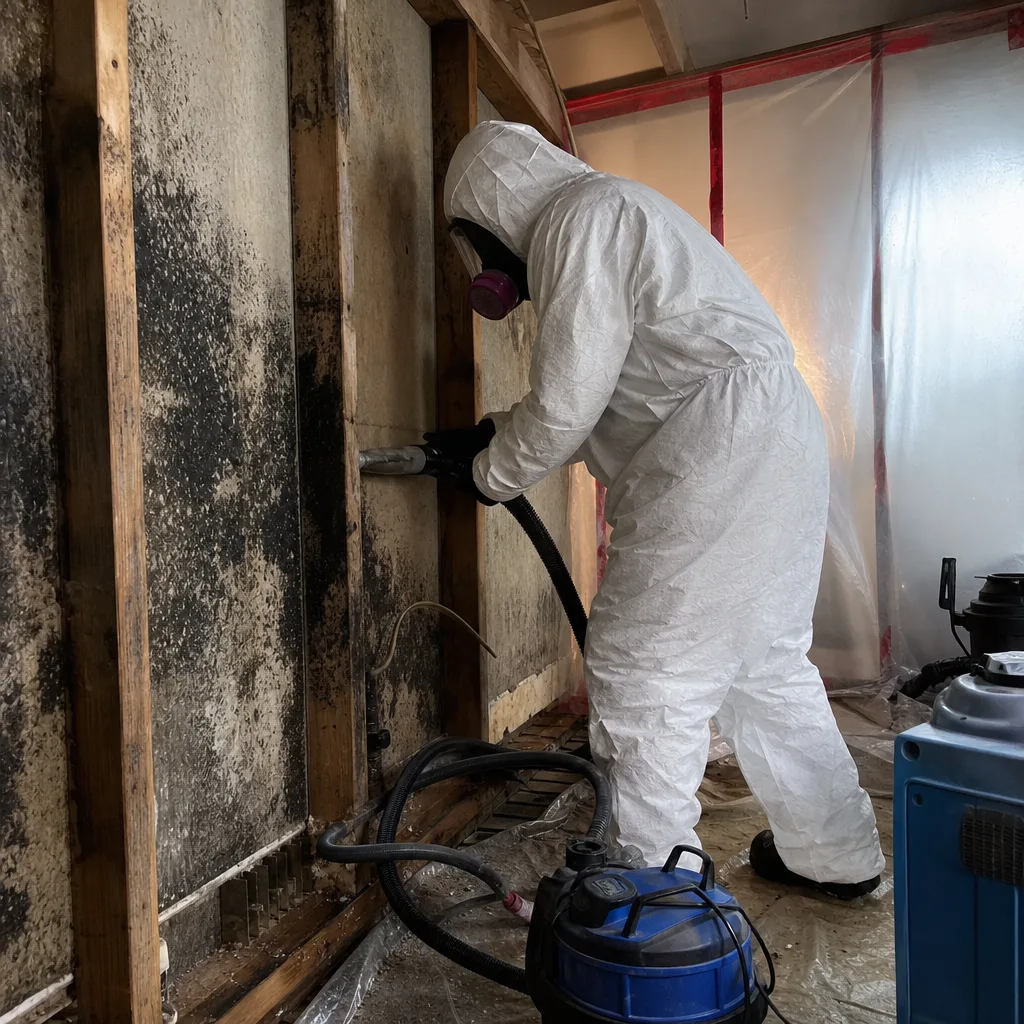
Our Mold Remediation in Everett service frequently follows failed hybrid or DIY jobs where the split was verbal or poorly documented. The cost of professional remediation after owner-performed work fails is typically 40-60% higher than the original professional estimate, because containment must address both the original moisture damage and the subsequent mold colonization.
How Everett’s Climate and Building Stock Affect Drying Strategy
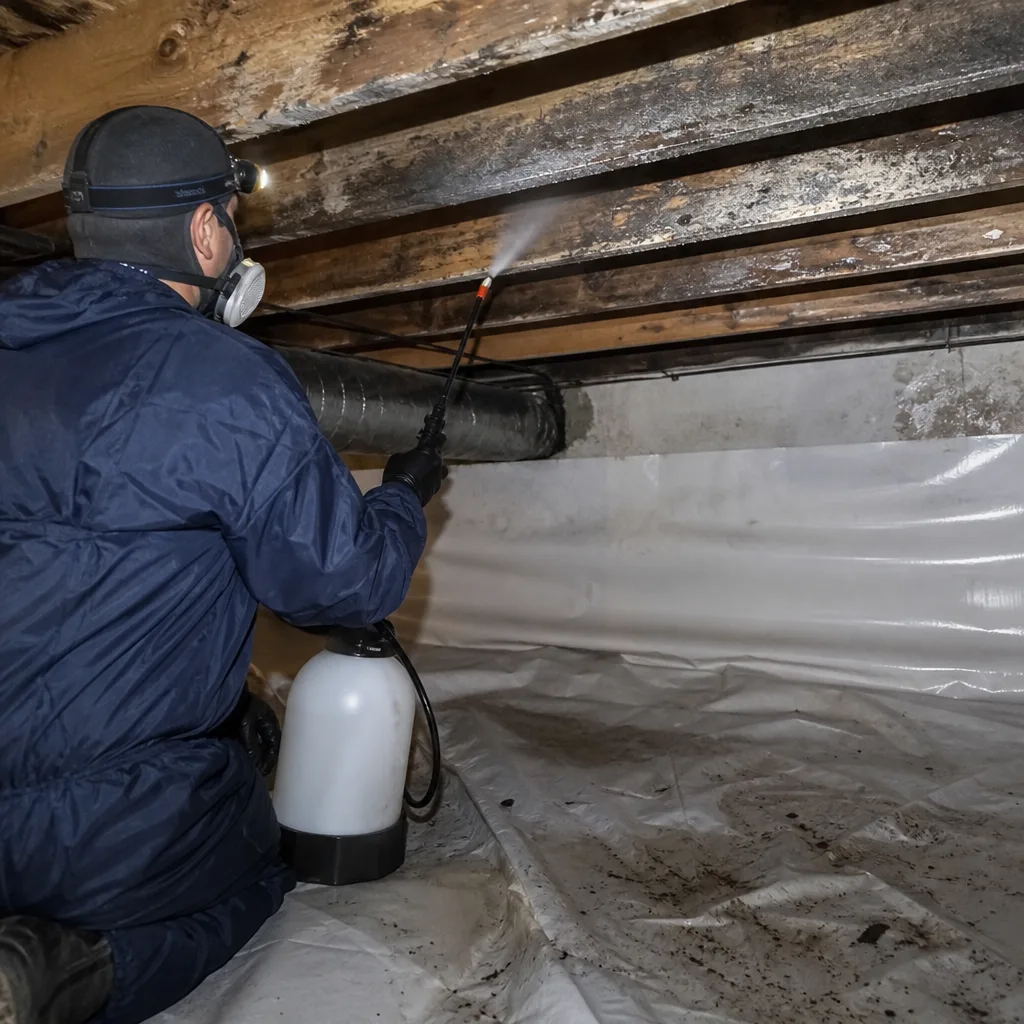
Everett’s location on Port Gardner Bay creates specific conditions that extend drying timelines and complicate owner-performed remediation, as detailed in our Seasonal Damage Restoration Care for Everett: Year-Round Homeowner’s Guide. Understanding these factors helps explain why professional equipment and documentation matter here more than in drier inland climates.
Marine climate effects:
Average annual relative humidity in Everett ranges from 75-85%, with winter months frequently above 90%. This ambient moisture load means vapor pressure differentials between wet materials and surrounding air are smaller, slowing evaporation rates. A drying job that completes in 72 hours in Spokane may require 120 hours in Everett for equivalent materials. Consumer-grade dehumidifiers lack the grain depression capacity to overcome this baseline humidity, particularly in unconditioned crawl spaces common in pre-1980 construction.
Building stock characteristics:
Everett’s housing includes significant pre-war construction in neighborhoods like Riverside and Delta, mid-century ranch homes in View Ridge and Cascade View, and newer developments in Silver Lake. Each era presents distinct challenges:
- Pre-1940: Lath-and-plaster walls with no vapor barrier, balloon framing that allows vertical water migration across multiple stories, and crawl spaces with dirt floors and limited ventilation
- 1940-1980: Gypsum drywall with early vapor barrier installations of inconsistent quality, single-pane windows that create condensation zones, and aluminum wiring in some subdivisions that complicates electrical safety during water intrusion
- Post-1980: Better vapor barriers but increasingly complex HVAC duct routing in conditioned attics and crawl spaces, creating hidden water pathways
Local flood risk:
The Snohomish River floodplain affects properties in Lowell and along the river corridor. Exterior flooding from overtopped banks or overwhelmed storm systems is always Category 3 due to unknown contamination profiles, including agricultural runoff, sewage bypass, and industrial chemicals. No owner-performed remediation is appropriate or legal for these losses.
Permit and inspection context:
Everett requires permits for structural repairs exceeding specific thresholds, and the city’s building department inspects moisture barrier replacement and structural drying completion on permitted jobs. Professional remediation firms coordinate these inspections as part of standard workflow. Owner-performed work requires the homeowner to schedule and pass inspections independently, with documentation that meets city standards.
Cost Comparison: Real Numbers for Everett Homeowners
Price transparency is Haven Standard, Clause 1. Below are typical ranges for common loss scenarios in the Everett market, based on our experience since 2011. These are not quotes; actual scope varies by square footage, material type, and contamination category.
| Loss Type | DIY Equipment/Supply Cost | Professional Remediation Range | Typical Documentation Gap in DIY |
|---|---|---|---|
| Category 1, under 10 sq ft (small supply line leak) | $150-$400 (rental dehumidifier, fans, moisture meter) | $800-$1,800 | No drying log; no psychrometric data; no final clearance |
| Category 1, 50-150 sq ft (appliance overflow, single room) | $400-$900 (rental equipment, antimicrobial, pad replacement) | $2,500-$5,500 | No equipment capacity calculation; no vapor pressure documentation |
| Category 2, any size (dishwasher, washing machine, sump pump) | Not legally/permissibly DIY | $4,000-$9,500 | N/A - professional required |
| Category 3, any size (sewage, river flood, exterior intrusion) | Not legally/permissibly DIY | $7,500-$25,000+ | N/A - professional required |
| Secondary mold after failed DIY (60-90 days post-loss) | $800-$2,500 (surface cleaning, encapsulant paint) | $5,000-$18,000 | Original loss documentation insufficient to link mold to first claim |
The hidden cost column deserves emphasis. A Category 1 loss that a homeowner addresses for $300 in equipment rental becomes a $6,000-$12,000 mold remediation when secondary damage develops. The original $300 is not subtracted from the mold cost. The homeowner pays both, plus the deductible on the new claim, plus potential coverage limitations.
Professional remediation with documented drying to IICRC standards closes the loss definitively. Our 365-Day Done Right Promise, backed by The Haven Standard, means that if secondary damage appears from our work, we address it at our cost - not as a new claim event, but as warranty performance. No DIY approach offers this protection.
Our Fire & Smoke Damage Restoration in Everett follows identical documentation standards, because fire losses involve water damage from suppression efforts that creates the same contamination and documentation requirements.
Common Mistakes to Avoid
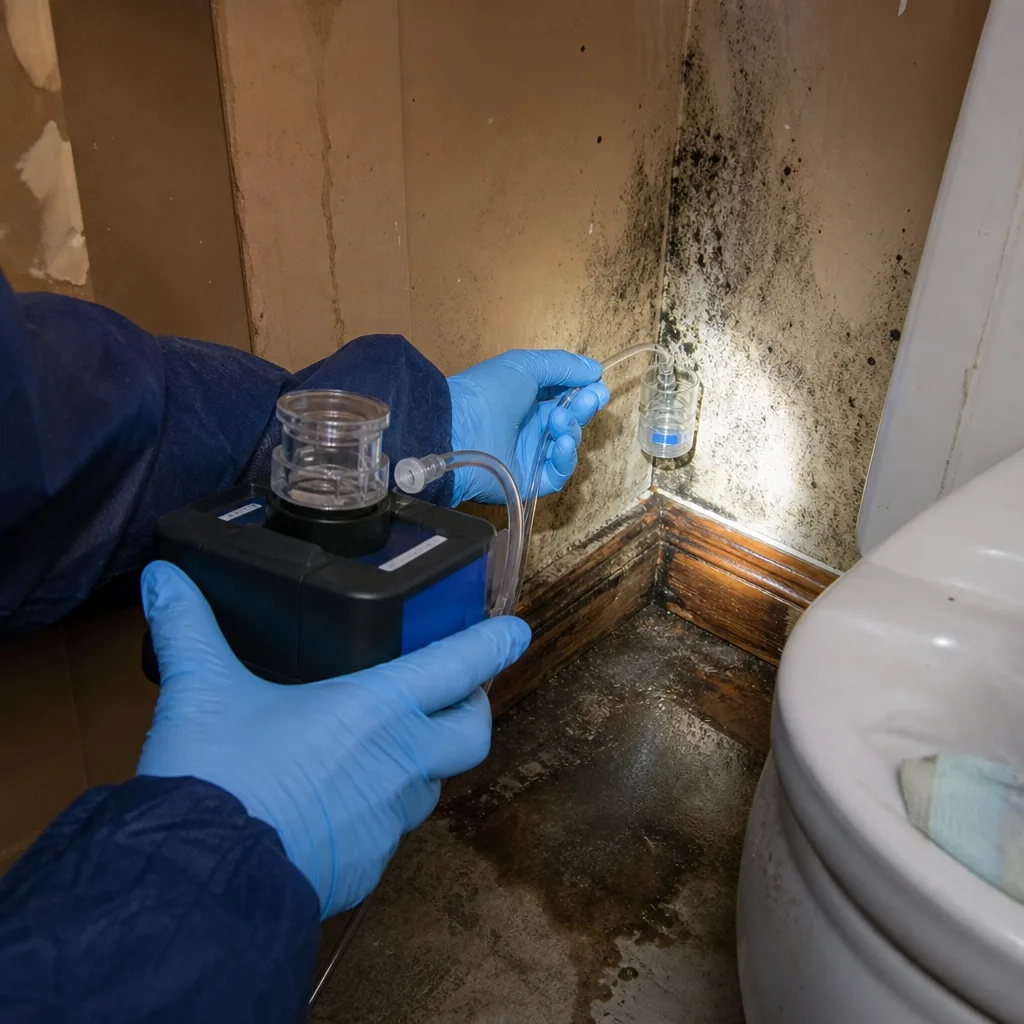
- Assuming visible dryness equals complete drying. Surface readings with a consumer moisture meter do not detect moisture in wall cavities or subfloors. We’ve found 18% moisture content in plywood subfloors that read “dry” on the surface during inspections in Everett’s Harborview neighborhood.
- Using bleach on mold. Bleach does not penetrate porous materials and can add moisture that accelerates fungal growth. Proper remediation requires HEPA containment, negative air pressure, and removal of affected materials - not surface treatment.
- Failing to document before touching anything. Insurance adjusters need pre-mitigation photographs showing the source, extent, and category of damage. Moving furniture, extracting water, or cutting drywall before documentation destroys evidence needed for claim approval.
- Renting inadequate equipment. A 50-pint residential dehumidifier from a hardware store cannot achieve the grain depression needed in Everett’s humid climate. Professional drying requires LGR (low grain refrigerant) or desiccant dehumidifiers sized to affected cubic footage.
- Ignoring odor as a diagnostic signal. Musty odor after 72 hours of drying indicates incomplete remediation, typically in hidden cavities. Homeowners who mask odor with air fresheners instead of investigating source conditions create conditions for extensive mold colonization.
- Accepting verbal scope or pricing. Any restoration work without a written scope agreed before crew entry violates basic documentation standards and leaves you exposed to scope creep. Haven Standard, Clause 1 exists specifically to prevent this.
- Not verifying contractor documentation standards. Not all restoration firms produce daily drying logs and photo records. Ask specifically: “Will I receive a written drying log with moisture readings, and a photo record with timestamps?” If the answer is vague, the documentation gap will become your problem when the claim is reviewed.
When to Call a Professional
Call a professional immediately when: the water source is unknown or potentially contaminated; the affected area exceeds 10 square feet; water has entered wall cavities, ceilings, or subfloors; the loss was discovered more than 24 hours after occurrence; you smell musty or sewage odors; electrical systems are involved; or your insurance policy requires professional documentation for coverage.
In Everett, where marine humidity and older building stock compound drying challenges, professional assessment is the conservative choice even for apparently minor losses. DryMark Restoration Everett offers free estimates in Everett - call (360) 502-8815. Explore more guides & resources on protecting your home. We also provide a Free Second Opinion on any competitor’s written estimate, so you can verify scope and pricing without cost or commitment.
Frequently Asked Questions
Most standard homeowners policies cover sudden and accidental water damage, but they require documentation that the loss was properly mitigated to prevent secondary damage. DIY restoration typically lacks the drying logs, moisture readings, and photo records that insurers require to certify a claim is closed. Without this documentation, you risk claim denial or reclassification of subsequent mold damage as a new, separately deductible event.
DryMark Restoration Everett maintains live phone coverage 24 hours a day, 7 days a week with no voicemail on emergency lines. For active water intrusion, we dispatch same-day to contain the source and begin extraction. Drying equipment placement follows initial moisture mapping, typically within hours of arrival. Reconstruction and non-emergency work is scoped, scheduled, and priced in writing before any work begins.
Paint-over approaches fail because they do not address moisture in wall cavities or structural materials. In Everett’s humid climate, painted-over moisture typically produces mold within 30-90 days, resulting in more extensive remediation and potential claim denial. Full remediation includes documented drying to established standards, not just surface treatment.
Professional firms coordinate directly with adjusters as part of standard workflow. At DryMark Restoration Everett, we provide adjusters with the daily drying logs, photo records, and written scopes that support claim payment. We do not ask homeowners to mediate technical documentation between our crew and their insurer.
Professional remediation employs LGR dehumidifiers from Dri-Eaz and Phoenix, air movers from XPOWER and B-Air, and specialized drying systems like Injectidry for cavity drying. While some equipment is available for rental, the capacity calculations, placement protocols, and monitoring expertise are not. A Dri-Eaz Revolution LGR removes moisture at low specific humidity levels that consumer units cannot achieve.
No reputable firm will document work they did not perform, because they cannot certify that drying standards were met. Documentation without control of the remediation process creates liability the firm cannot accept. Hybrid arrangements are possible for clearly separated tasks (owner content removal, professional structural drying), but the professional must perform and document all work they warrant.
The Bottom Line
The DIY-versus-professional question for Everett homeowners is not about handiness or cost savings. It is about whether Washington regulations permit owner-performed work for your specific contamination category, and whether your documentation will survive adjuster review. Category 1 losses under 10 square feet with no structural penetration are the only legitimate DIY scope, and even these require rigorous documentation to protect against secondary damage claims. For Category 2 or 3 losses, any loss exceeding 10 square feet, or any damage involving wall cavities or subfloors, professional remediation with third-party documentation is legally required and financially protective. The cost of incomplete documentation is not the equipment rental you saved - it is the mold claim denied, the policy non-renewed, and the $15,000 remediation that follows a $300 DIY attempt.
Call (360) 502-8815 for a free estimate. We provide a written price before any work starts, every time, with no exceptions - Haven Standard, Clause 1. Bring a competitor’s written estimate and we’ll review it at no charge with our Free Second Opinion.
Written by Alicia Brennan, Owner at DryMark Restoration Everett, serving Everett since 2011.