
Free visual inspection and a written scope of work before any mitigation begins - photos, moisture readings, and drying logs go in your claim file
The scope we write is the scope we bill. Anything new gets shown to you, in writing, before we touch it.
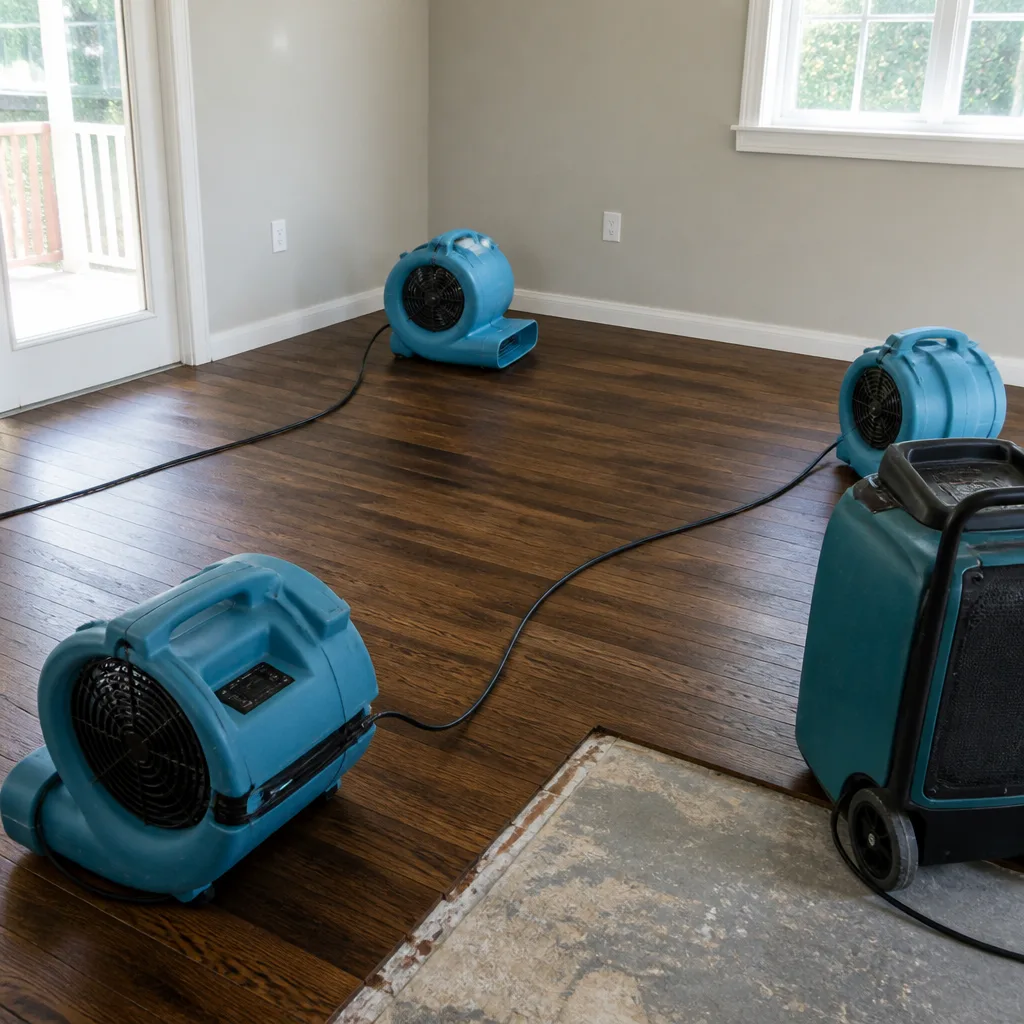
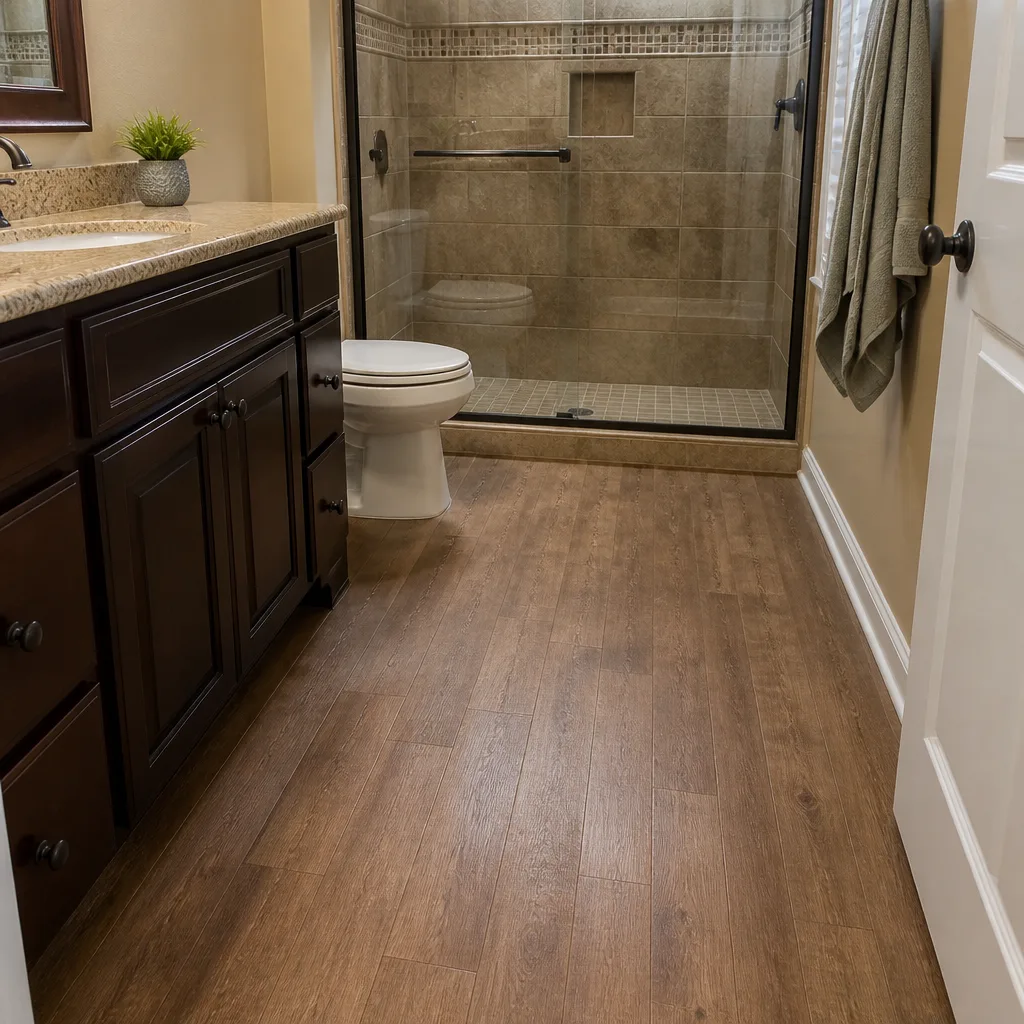
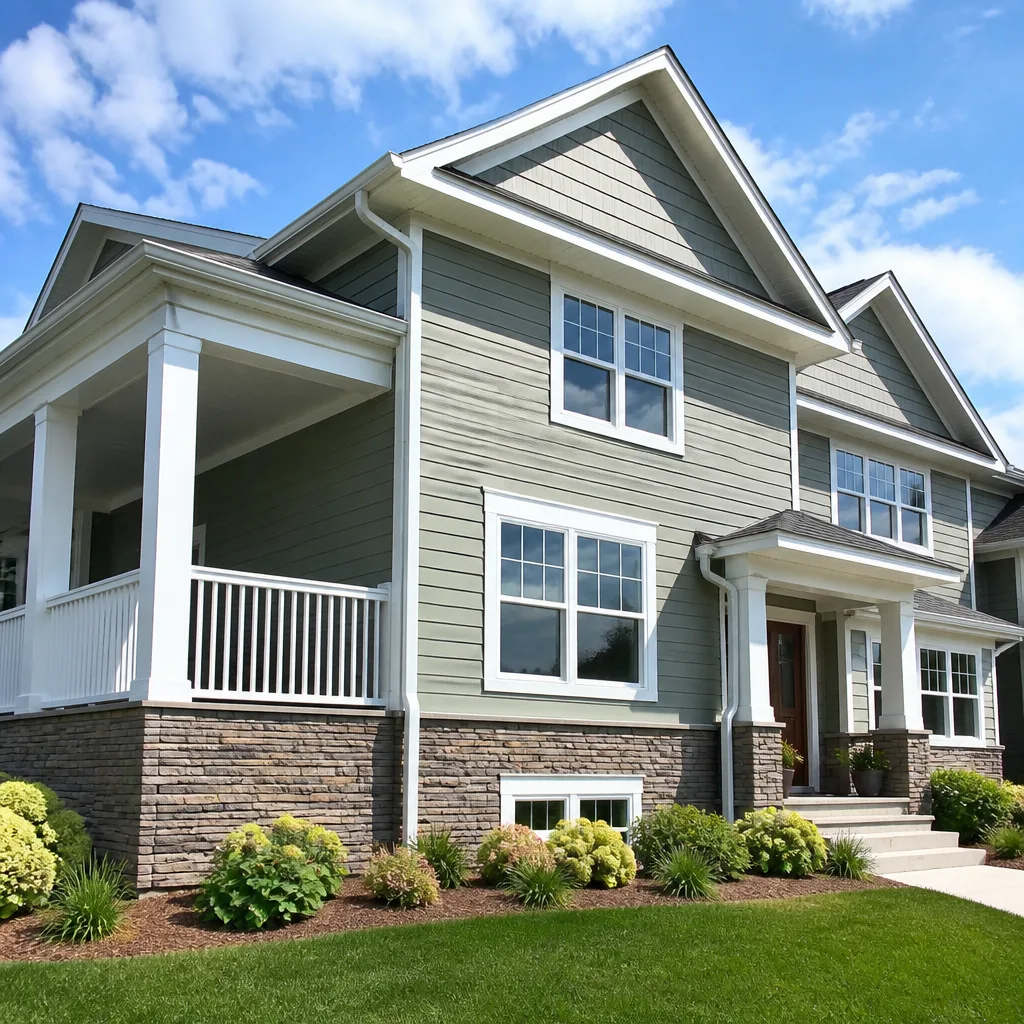
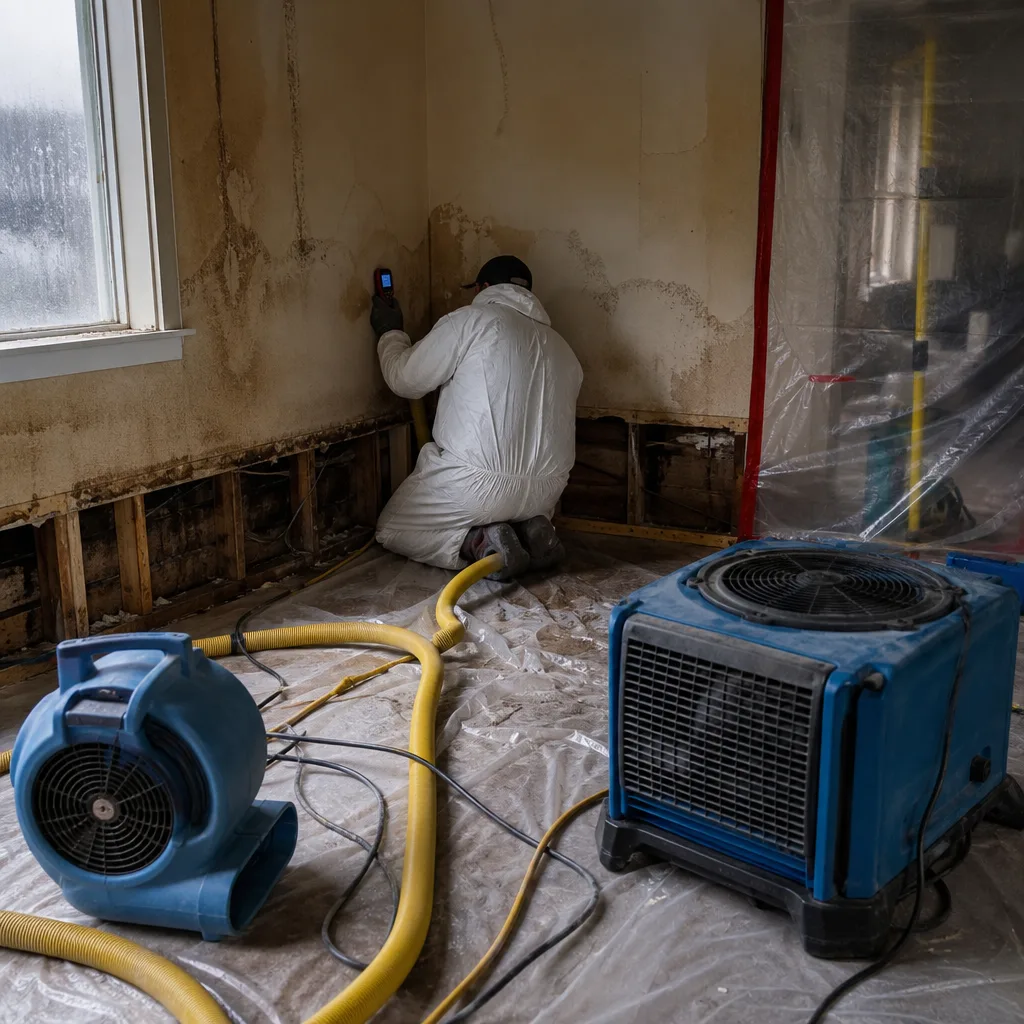 Before
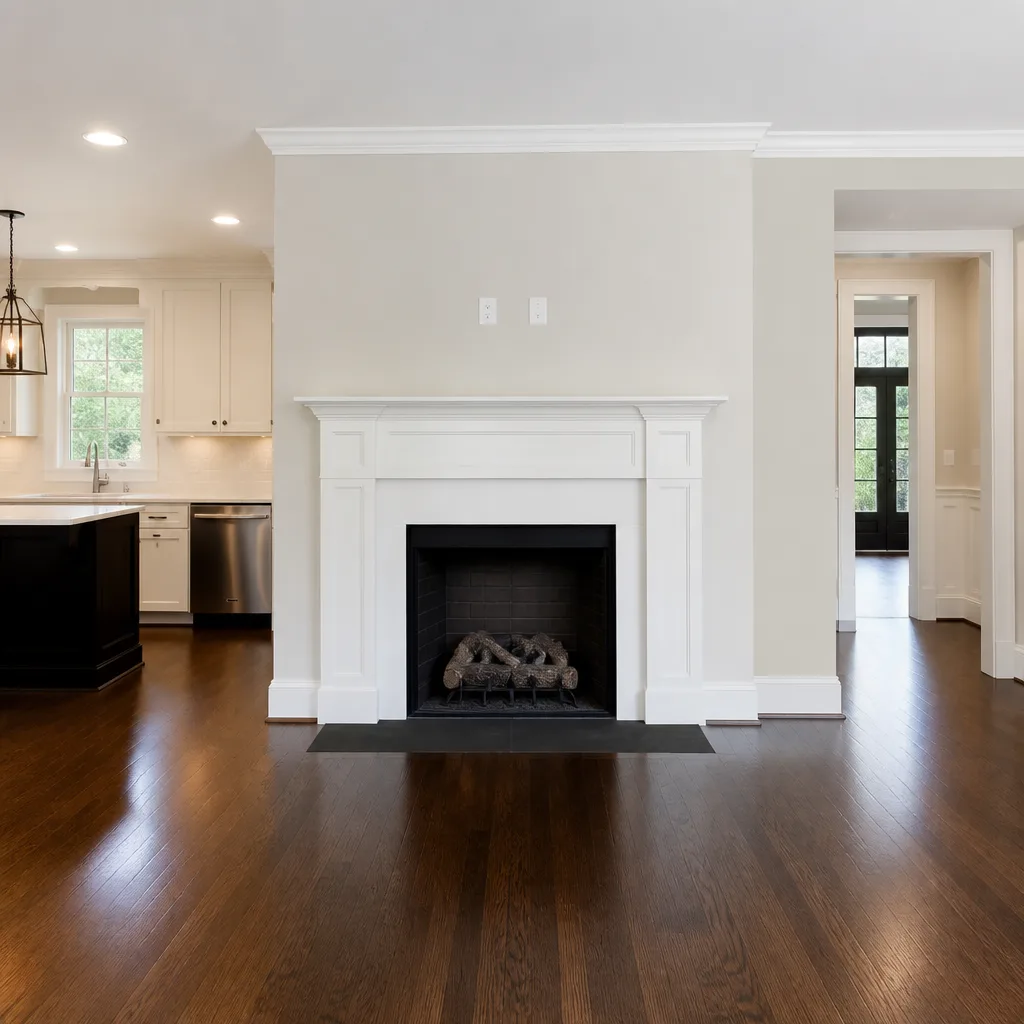
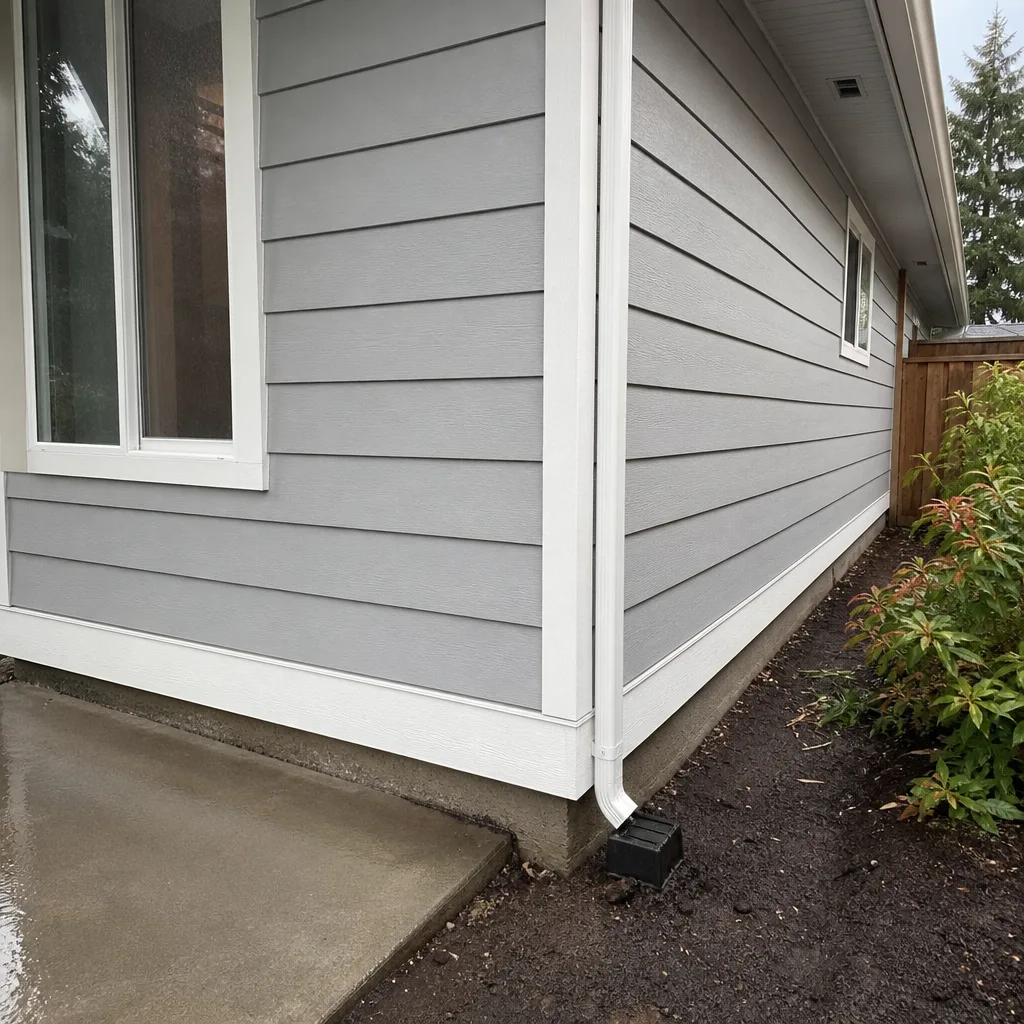 After
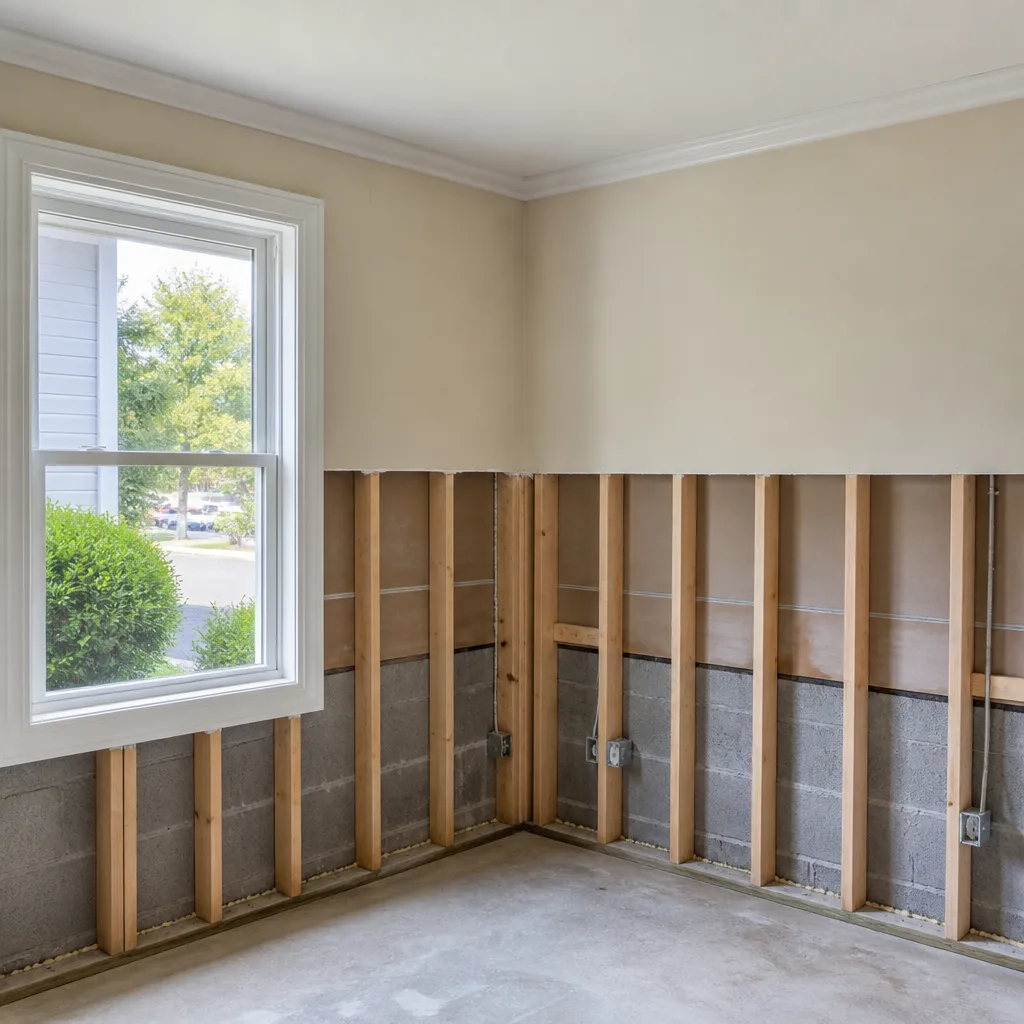
After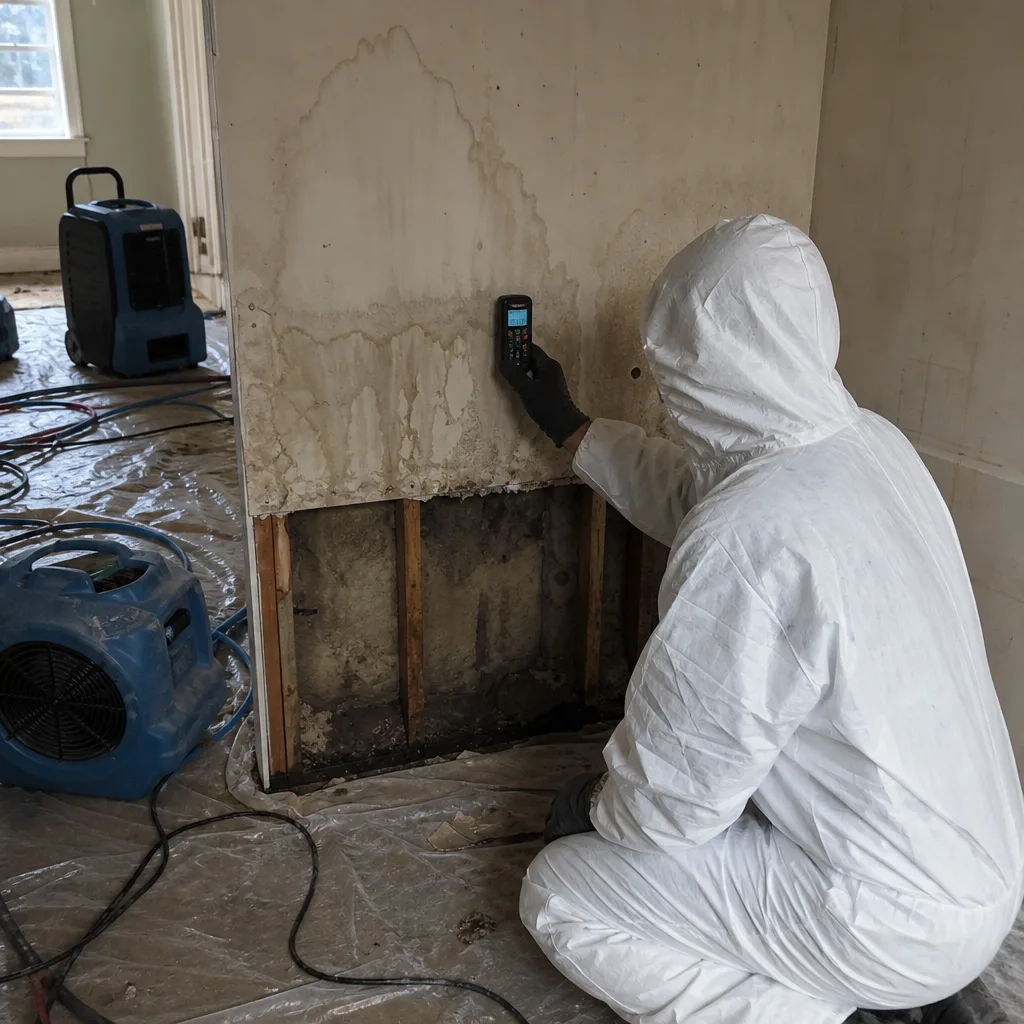 Before
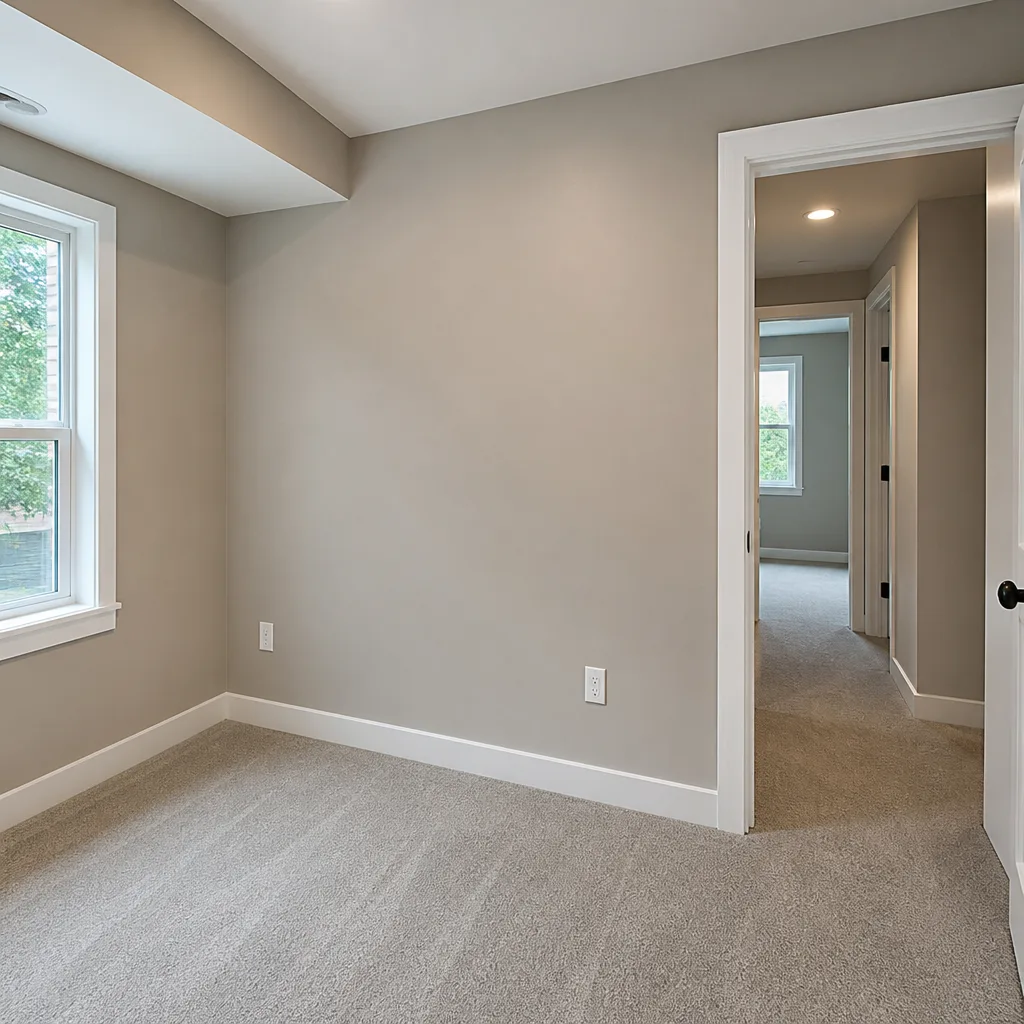 After
After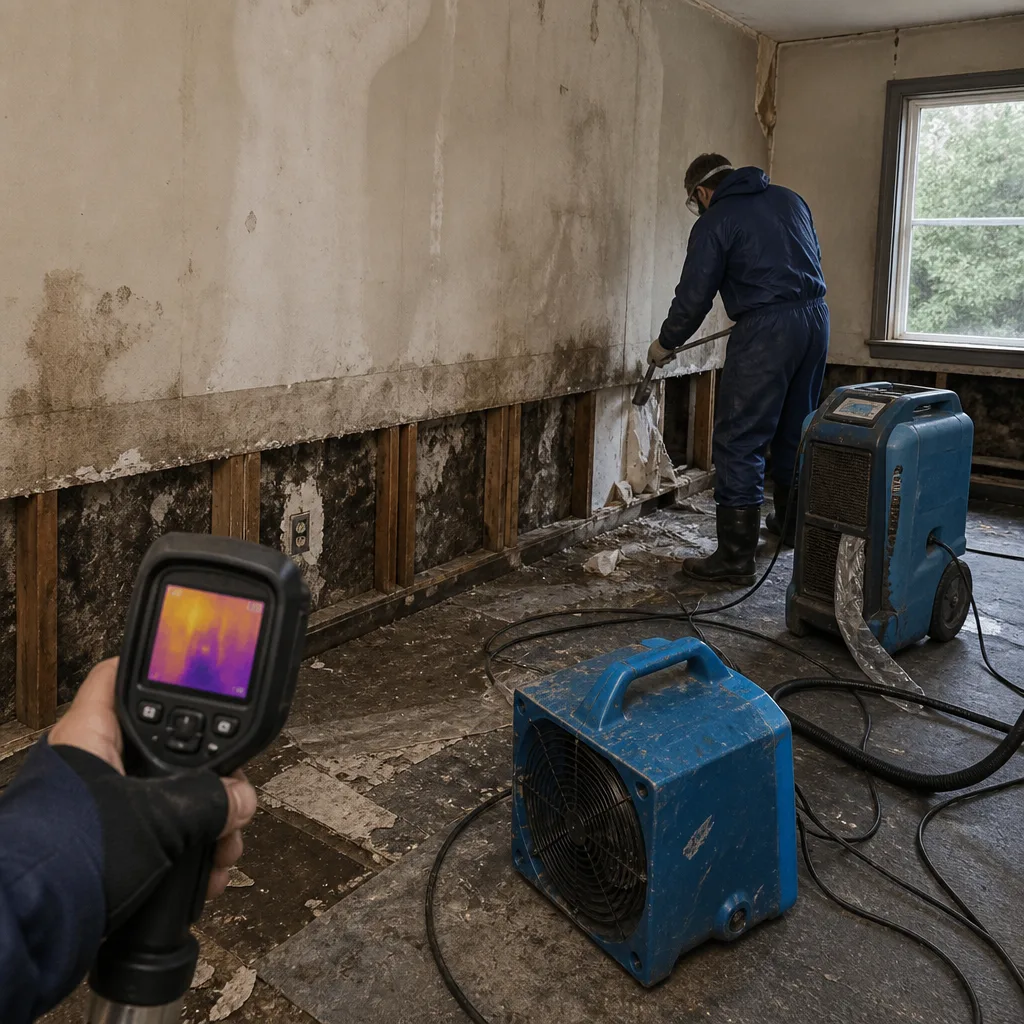 Before
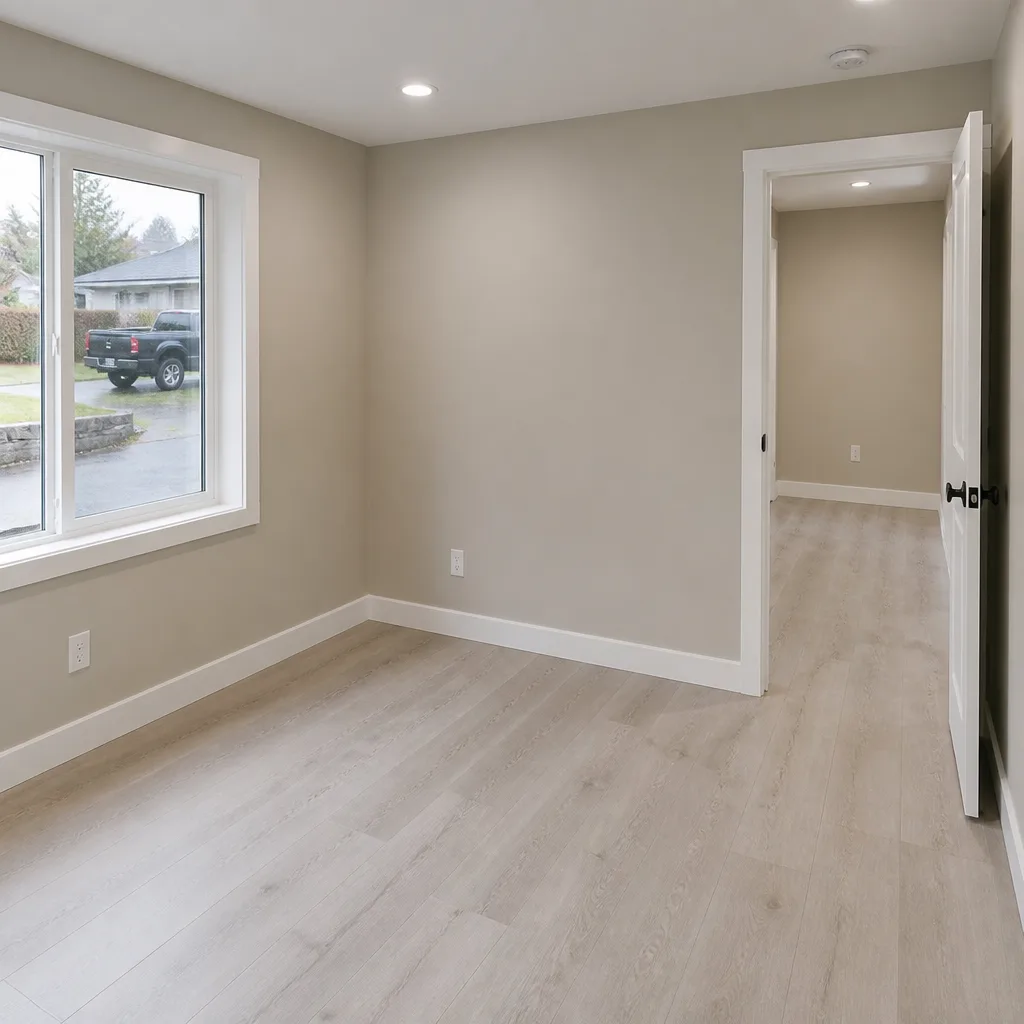 After
AfterCeiling & Roof Leak Water Damage in Everett, WA
Ceiling and roof leak water damage in Everett, WA typically costs between $1,800 and $4,500 to address, depending on the square footage affected, the materials involved, and whether Structural Drying & Dehumidification is required. When water breaches your roofline, whether from a failed flashing detail or storm-driven precipitation, the priority is immediate containment and moisture mapping. At DryMark Restoration Everett, we provide written scopes and moisture logs that satisfy insurance adjusters, ensuring your claim is documented correctly from the first visit. Call us at (360) 502-8815 to schedule an assessment.
Roof leaks often hide in plain sight. You might see a dark spot on your drywall, but the actual entry point is frequently several feet away, traveling along rafters or insulation before gravity pulls it through the ceiling. We specialize in Water Damage Restoration in Everett by tracing the water’s path through the building envelope. We do not guess where the water is; we use thermal imaging and moisture meters to verify saturation levels in your attic joists, attic insulation, and ceiling drywall. Under the Haven Standard, we provide a written price before any work begins, ensuring you know the exact cost of the restoration scope before our crew starts.
When You Need Ceiling & Roof Leak Water Damage Services
Everett’s climate, defined by persistent autumn and winter rains, creates specific vulnerabilities for residential roofs. We frequently see water intrusion in homes located in neighborhoods like Silver Lake, Port Gardner, and View Ridge, where heavy wind-driven rain tests the integrity of older flashing and roof seals. You should contact our Water Damage Restoration services when you observe the following:
- Visible Water Staining or Sagging: A brown, yellow, or grey ring on your ceiling is a late-stage symptom. If the drywall is sagging or soft to the touch, the structural integrity is compromised, and the ceiling material likely needs removal to prevent mold growth.
- Musty Odors in Attic Spaces: If your attic smells damp or earthy, it indicates trapped moisture in the insulation or roof decking. This often points to a slow, chronic leak that has been active for weeks or months, creating a prime environment for fungal colonization.
- Active Drips During Rain Events: When water is actively dripping, the saturation is already significant. Do not wait for the storm to pass; containment is necessary to minimize the spread of moisture into adjacent rooms.
- Evidence of Mold or Discoloration on Joists: During an inspection, if you notice black or white spotting on the wooden rafters in your attic, this is a clear sign of historical moisture issues that require professional remediation.
- Failed Flashing Around Chimneys or Vents: The metal flashing where your roof meets a chimney or pipe is a common failure point. If you see water tracking down the interior wall near these areas, the seal has likely failed.
Every job we perform is backed by our 365-Day Done Right Promise. If we miss a spot or if the drying process does not meet our documented standards, we return to correct it. We utilize professional-grade drying systems from Phoenix and Injectidry to ensure that materials like attic sheathing and ceiling joists return to their equilibrium moisture content (EMC), which is the point where the material is dry enough to resist decay.
Our Ceiling & Roof Leak Water Damage Process
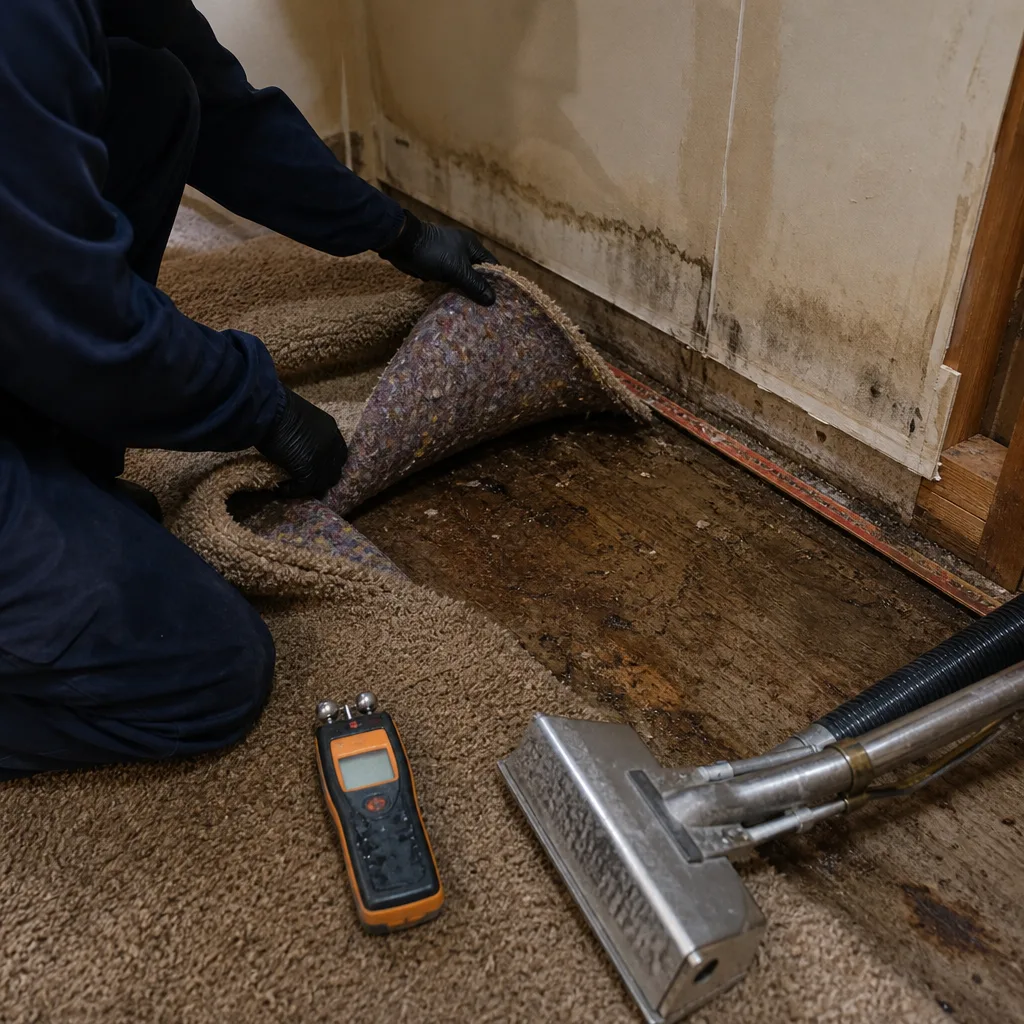
Our approach is built on the reality that restoration is a scientific process, not a cleanup job. We follow a strict protocol to ensure your home is restored to its pre-loss condition, documented to IICRC standards.
- Inspection and Moisture Mapping: We begin by using non-invasive moisture meters and thermal cameras to identify the extent of the water migration. We record the moisture content of every affected material, creating a baseline for the drying process.
- Written Scope and Pricing: Per the Haven Standard, Clause 1, we provide a written price before any work begins. This document details the exact labor, equipment, and materials required, so there is no scope creep once the work is underway.
- Containment and Water Extraction: If the leak is active, we perform emergency containment to prevent further damage. We extract standing water from the ceiling cavities and insulation, often utilizing specialized drying equipment like Injectidry systems to pull moisture out of hard-to-reach joist bays.
- Structural Drying: We deploy high-efficiency dehumidifiers and air movers from brands like Phoenix and B-Air. We monitor the psychrometric data-the relationship between temperature, humidity, and airflow-daily to ensure the drying is progressing at the correct rate.
- Documentation and Verification: We maintain a daily drying log, which includes moisture readings, equipment settings, and a photo record of every visit. This documentation is what makes our invoices payable by insurance companies, as it proves the necessity and effectiveness of the work performed.
If you have received a quote from another company, we offer a Free Second Opinion. We will review their estimate against our documentation standards at no charge, helping you understand if the scope is complete or if critical steps-like proper moisture mapping-have been omitted.
BeforeAfterCeiling & Roof Leak Water Damage Pricing in Everett
Transparency is a core component of the Haven Standard. While every water damage event is unique, we provide the following ranges for standard ceiling and roof leak restoration in the Everett area. These figures include labor, equipment, and documentation.
| Service Component | Estimated Cost Range |
|---|---|
| Emergency Water Extraction & Containment | $800 - $1,500 |
| Attic Insulation Removal (per sq. ft.) | $4 - $8 |
| Structural Drying (Equipment Rental + Monitoring) | $1,200 - $3,000 |
| Drywall Removal & Disposal (per room) | $600 - $1,200 |
Several factors influence the final cost. The volume of water is the primary driver; a slow roof leak that has saturated attic insulation over several months requires more intensive remediation than a sudden, acute event. The type of ceiling material also matters-textured or vaulted ceilings require more labor to remove and reconstruct than standard flat drywall. We provide an exact, written price before we start, so you are never surprised by the final invoice. Call (360) 502-8815 to arrange an assessment.
Safety and Professional Intervention
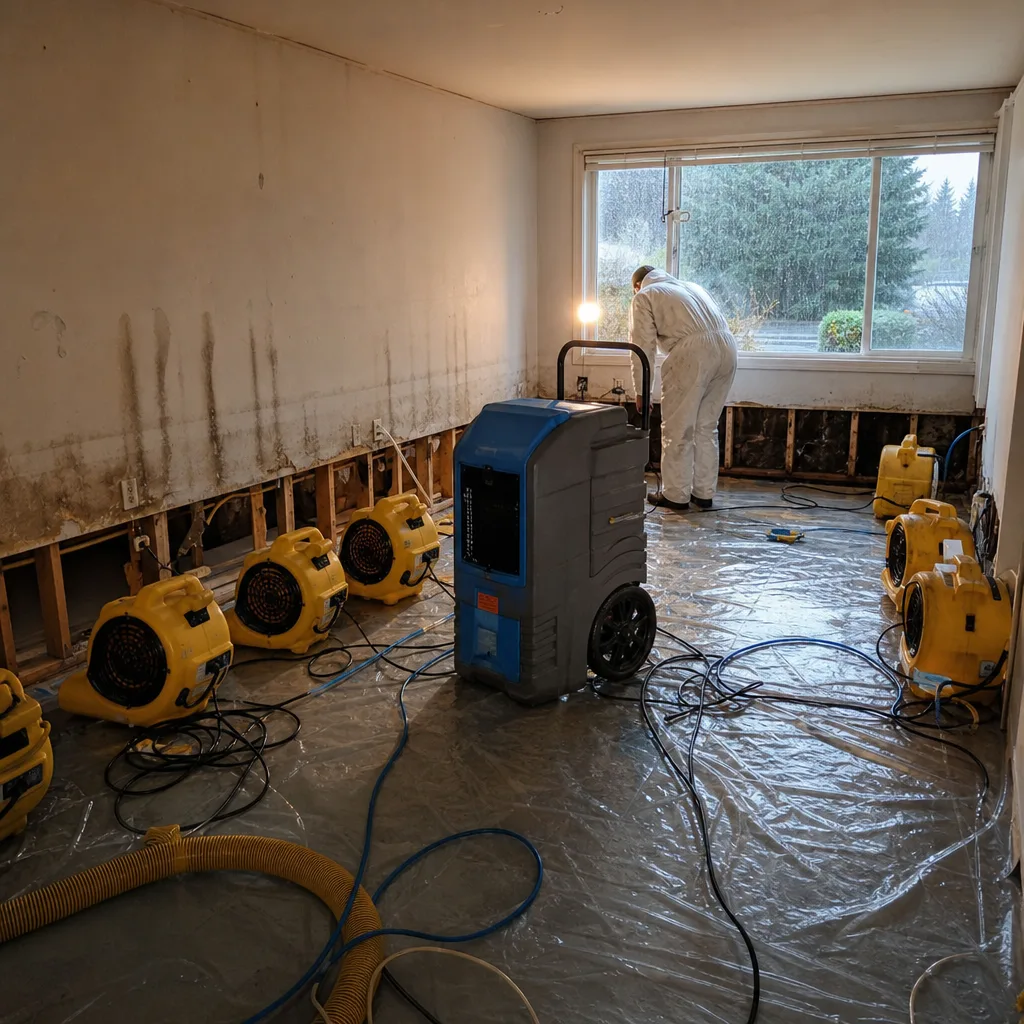
Roof leaks often involve working in hazardous areas, such as attics with limited clearance, compromised structural supports, or areas near electrical wiring. We strongly advise against attempting to dry out your attic or remove water-damaged ceiling materials yourself. If you are dealing with a significant leak, please contact us for a professional assessment. Handling wet electrical components or climbing into unstable attic spaces presents a severe risk of injury. Let our trained technicians, who are fully licensed and insured, handle the documentation and the restoration process.
FAQs - Ceiling & Roof Leak Water Damage
How do I know if my ceiling leak is moldy?
If you see visible black, green, or white discoloration on the drywall or attic wood, or if you detect a persistent musty odor, mold is likely present. We use moisture content readings in the affected materials to determine if conditions support mold growth, and we can perform professional remediation to remove the affected materials safely.
Can you fix the leak in the roof as well as the water damage?
We focus on the restoration of the water damage inside your home, including moisture extraction, Flood Cleanup, drying, and material removal. While we identify the path of the water to ensure our drying is effective, we recommend working with a licensed roofing contractor to perform the exterior repair to the roof shingles or flashing. We are happy to coordinate with your roofer to ensure the interior drying is synchronized with their repair schedule.
Why does the cost of drying vary so much?
The cost is determined by the class of water damage and the specific materials affected. Class 1 water damage, which involves low-permeability materials like concrete or hardwood, is generally less expensive to dry than Class 3 damage, which involves saturated porous materials like insulation and drywall that require longer drying times and more equipment.
Do you work with my insurance company?
Yes. We operate under the Haven Standard, which means we produce the documentation-daily drying logs, photo records, and detailed scopes-that insurance adjusters require to approve claims. Because our documentation is clear and evidence-based, it reduces friction during the claims process. Call (360) 502-8815 to discuss your specific situation.
Written by Alicia Brennan, Owner at DryMark Restoration Everett, serving Everett.