

Free visual inspection and a written scope of work before any mitigation begins - photos, moisture readings, and drying logs go in your claim file
The scope we write is the scope we bill. Anything new gets shown to you, in writing, before we touch it.
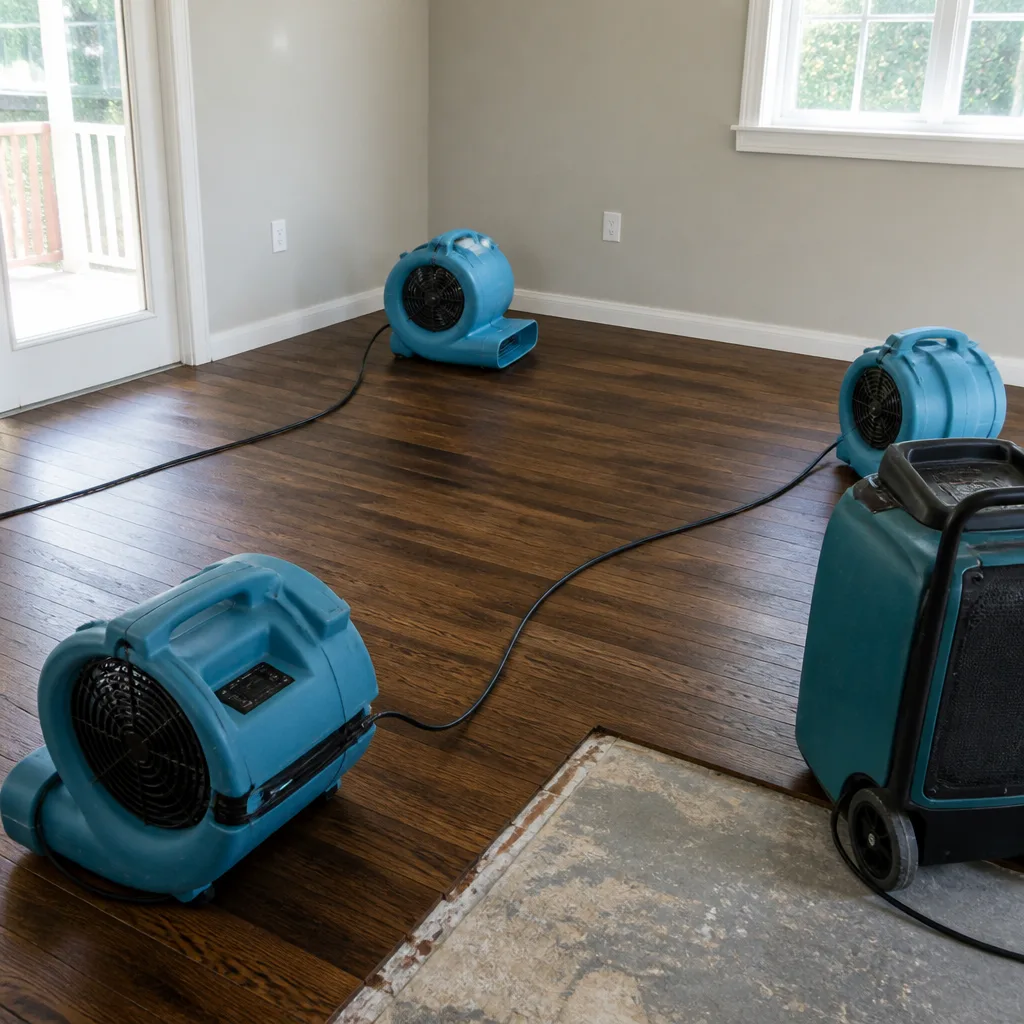
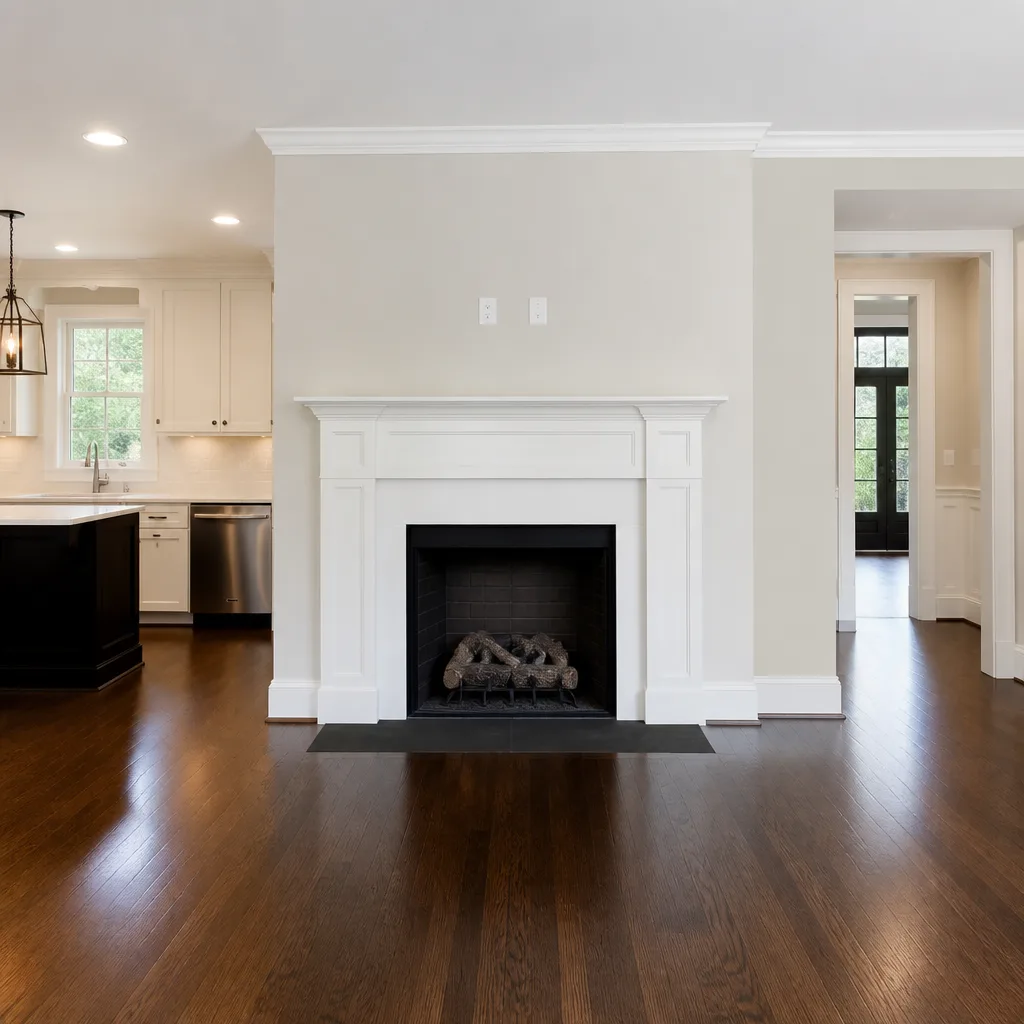
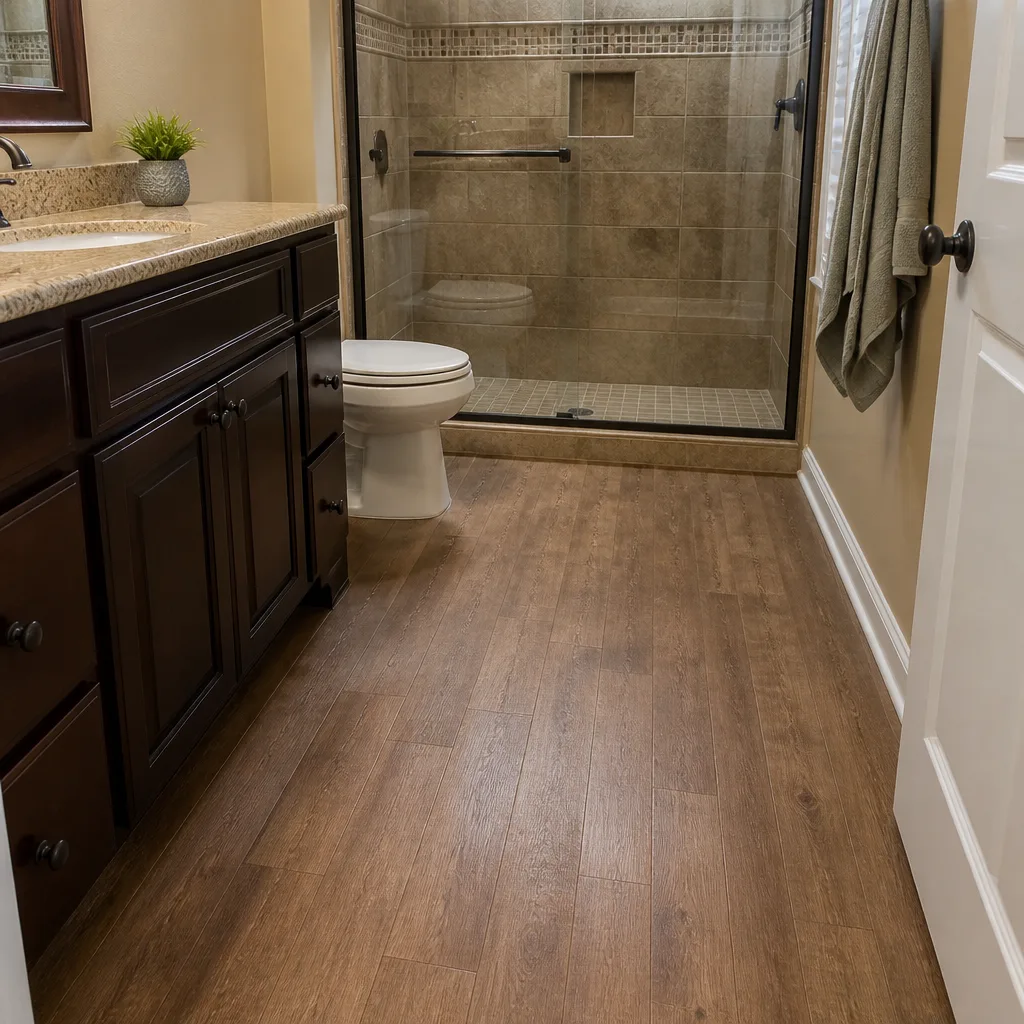
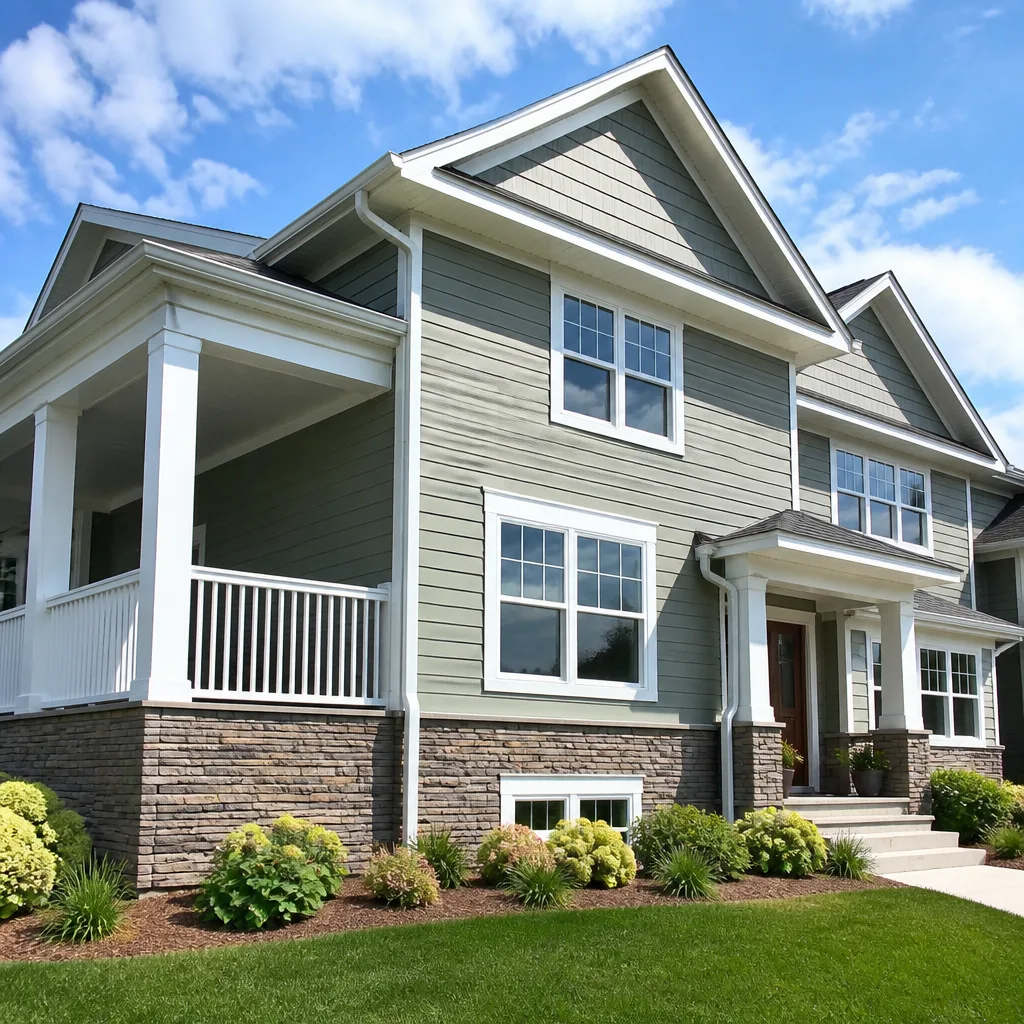
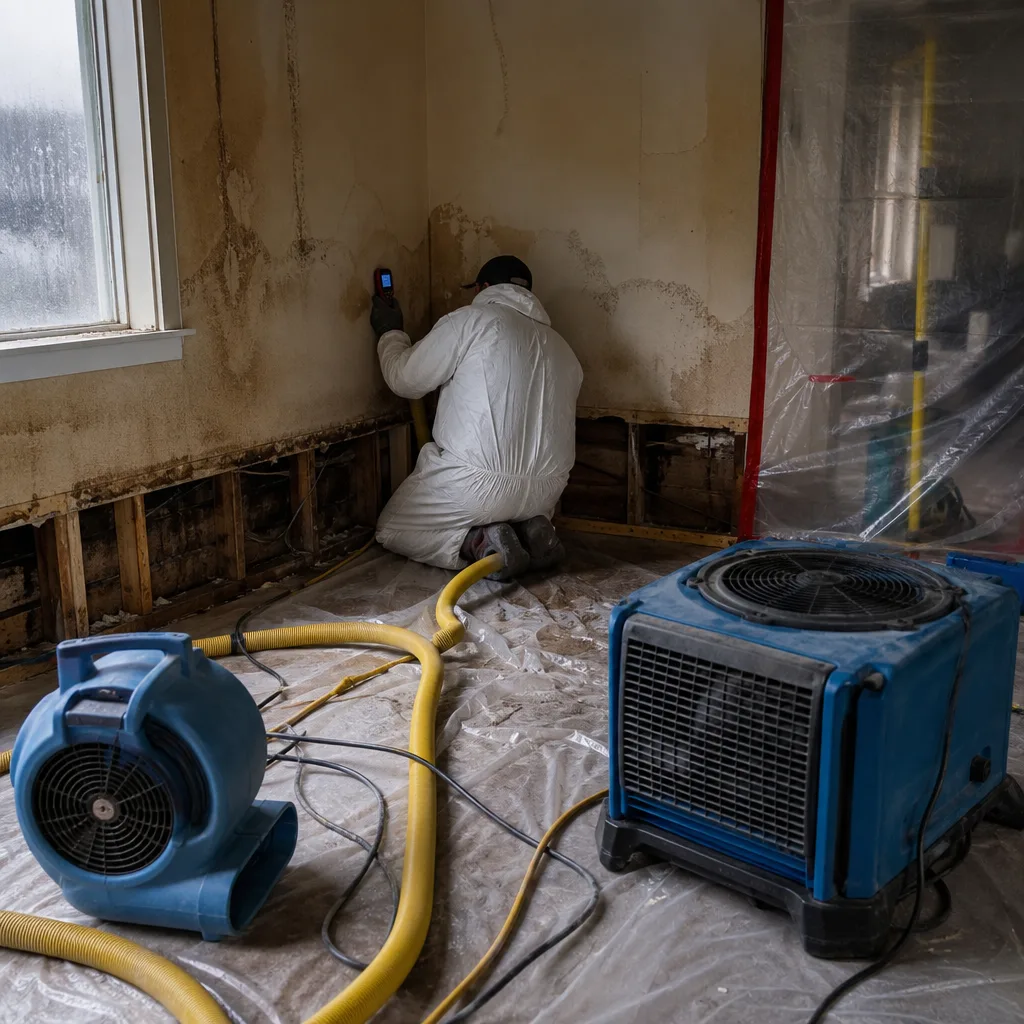 Before
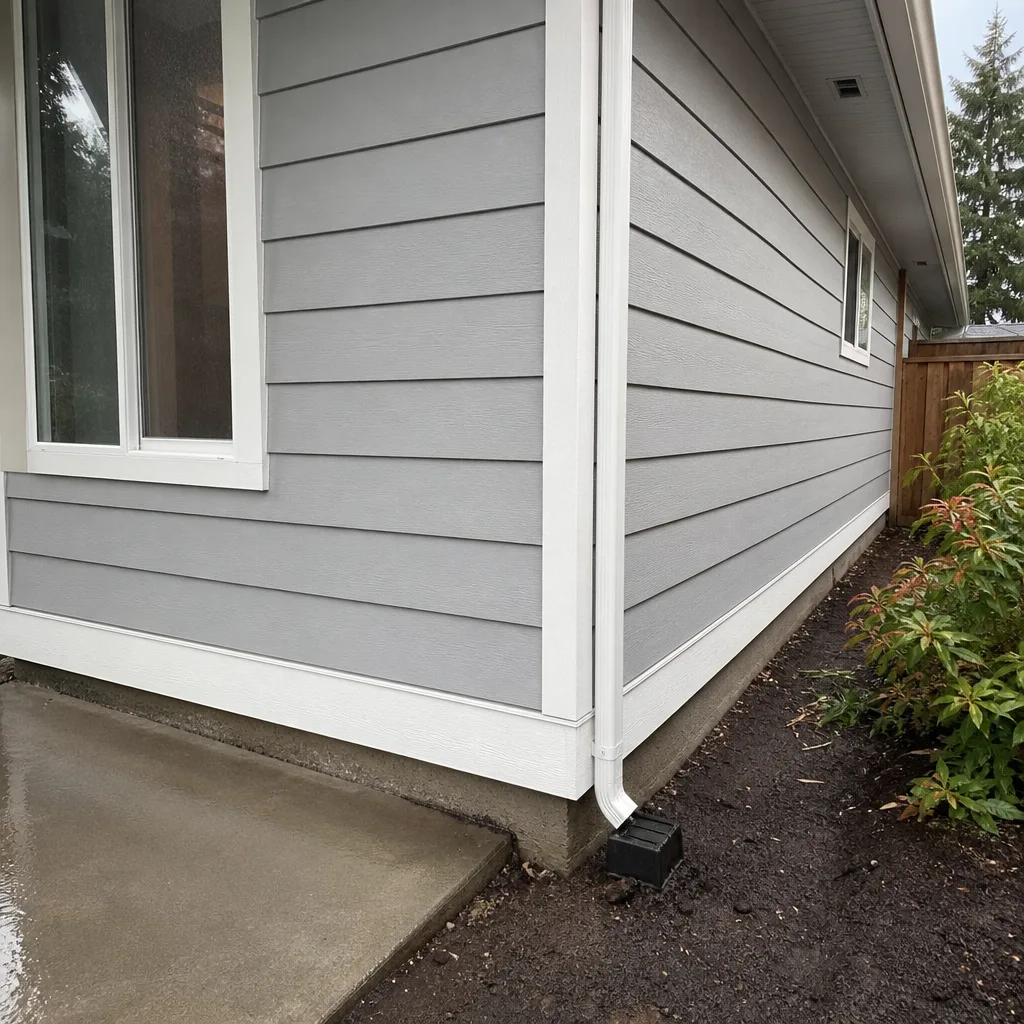 After
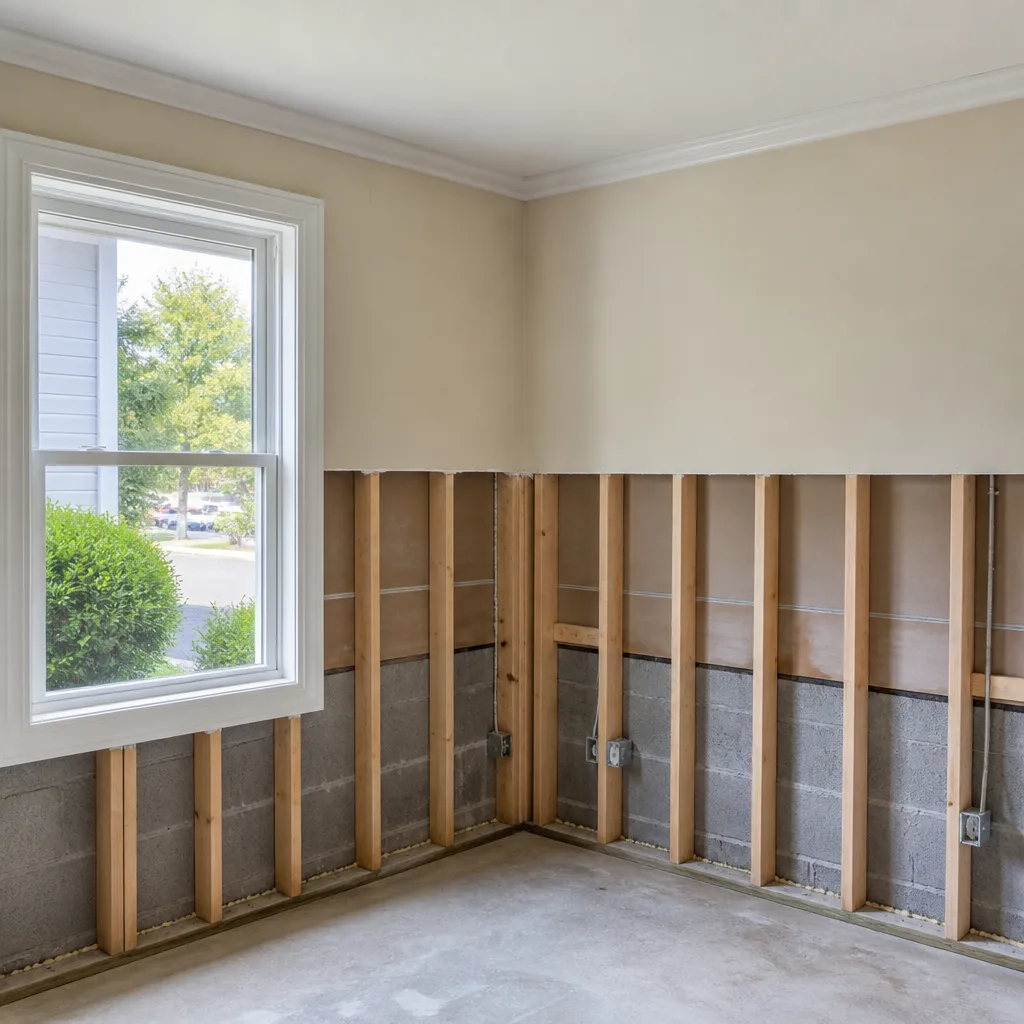
After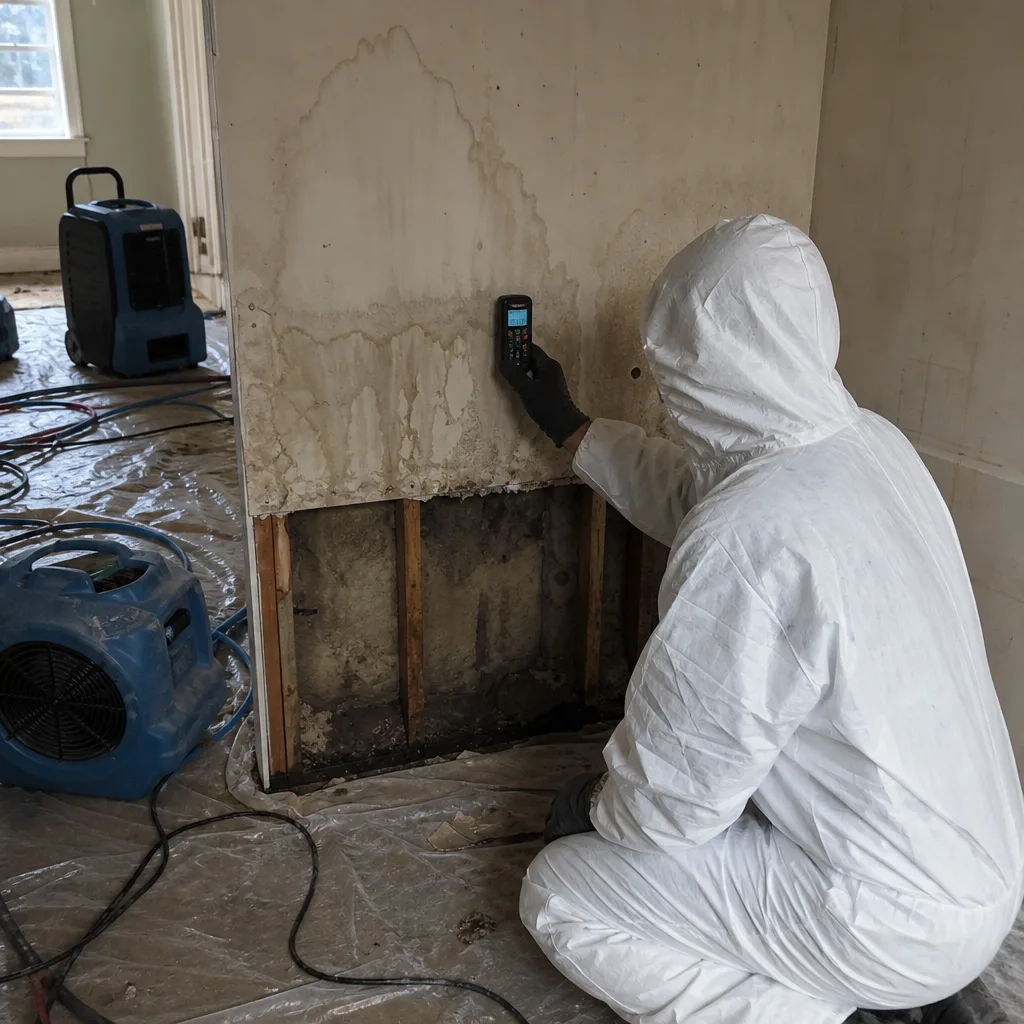 Before
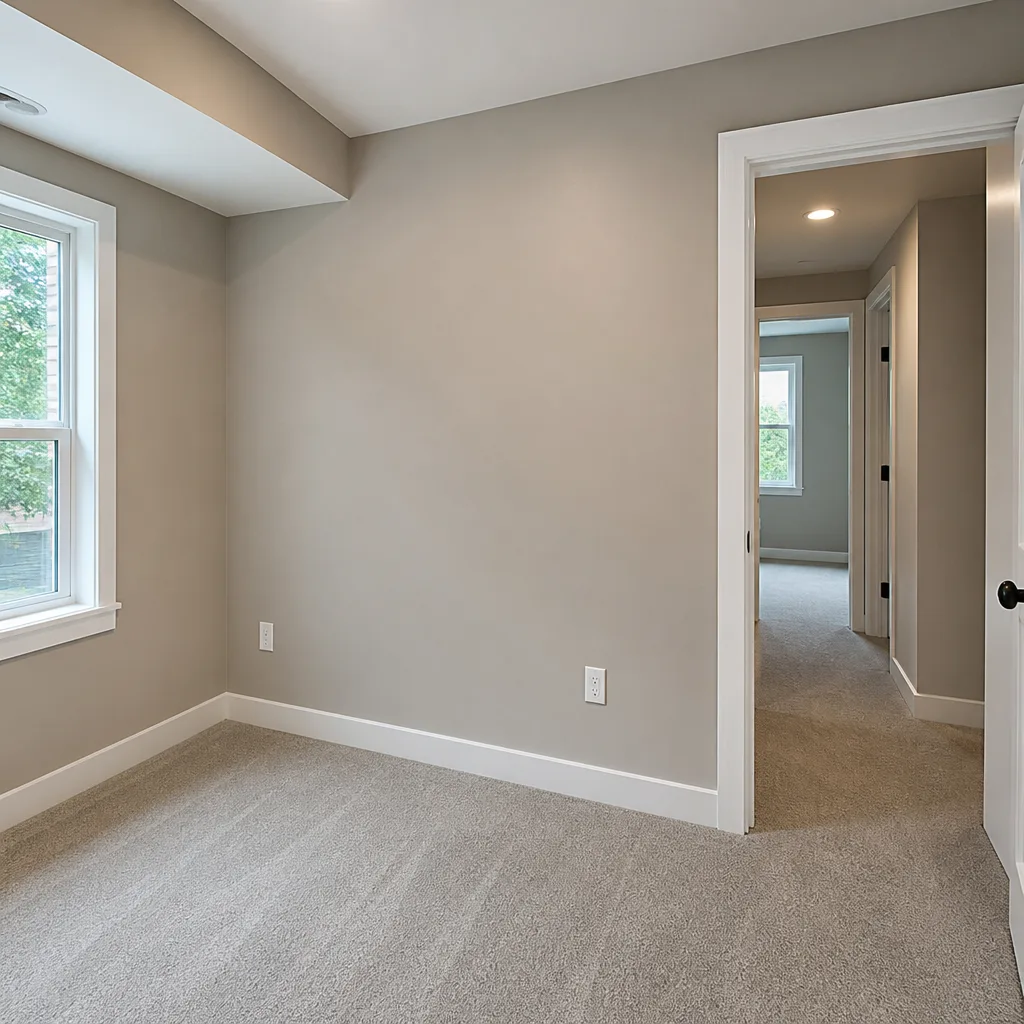 After
After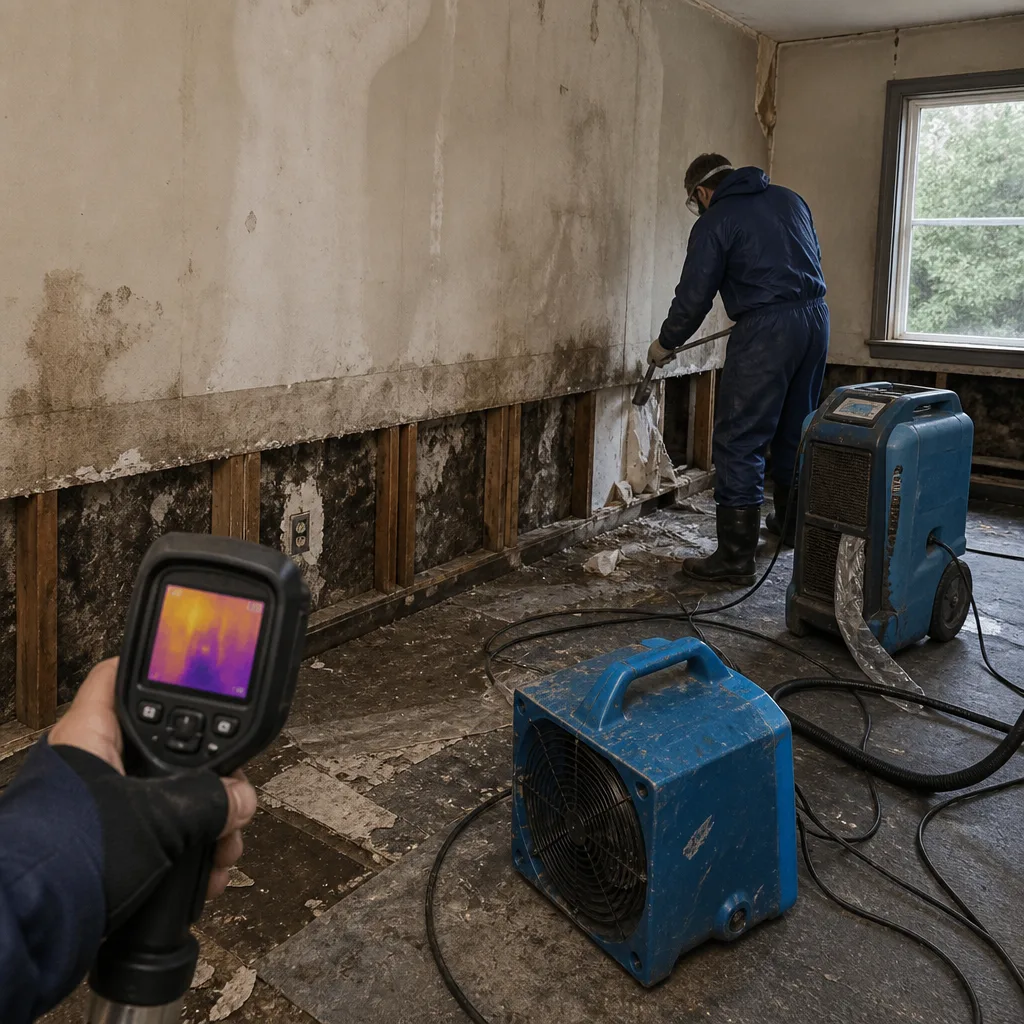 Before
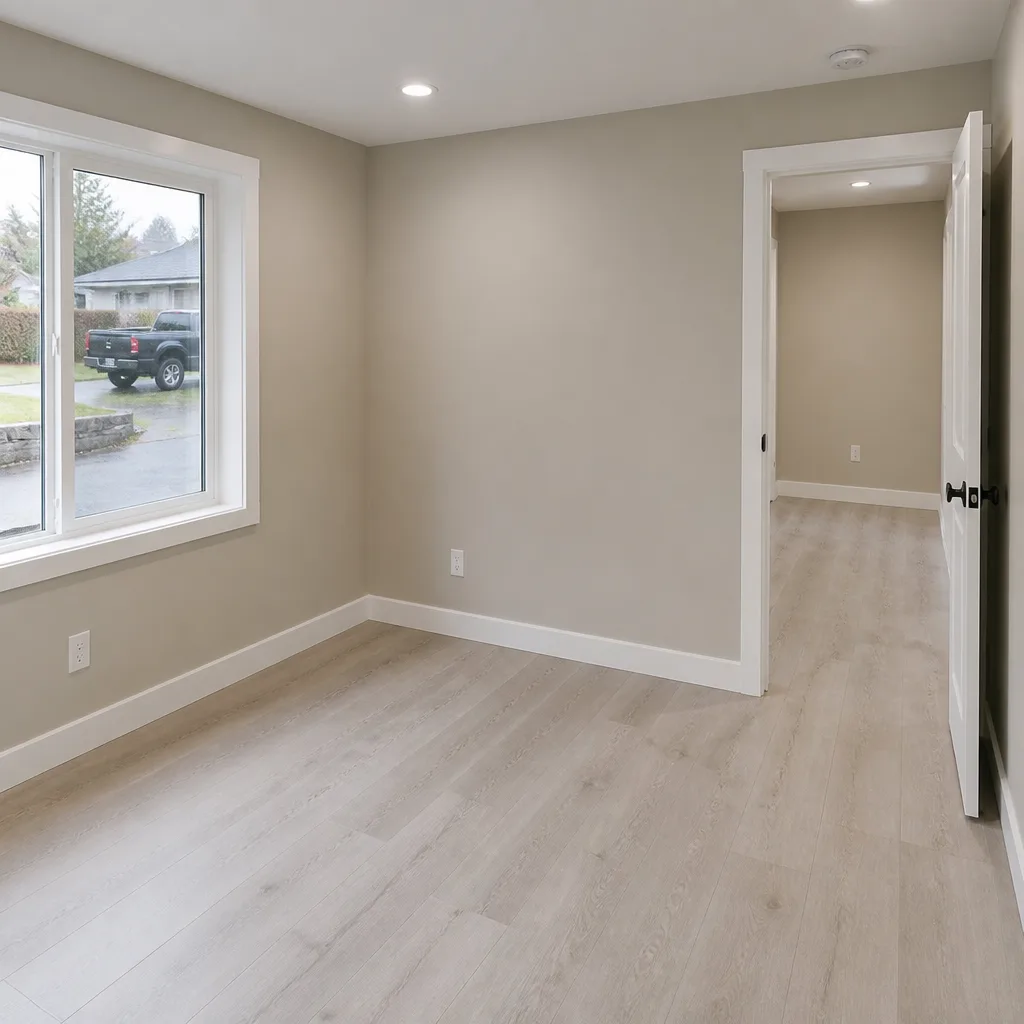 After
After24/7 Emergency Mold Remediation in Bothell
Call (360) 502-8815 now and a live person answers. No voicemail, no callback queue. Our crews dispatch to Bothell properties within 45 minutes, and we perform a free visual inspection on arrival. The first hour after water intrusion matters more than most homeowners realize: mold colonization begins on wet organic surfaces in 24-72 hours, but the moisture source must be stopped and the affected materials must start drying before that window closes. In Bothell’s Puget Sound Convergence Zone, where wind-driven rain events are measurably more frequent than in neighboring Kirkland or Redmond, that timeline compresses fast. We carry containment materials, HEPA air scrubbers, and moisture detection equipment on every truck so we can begin stabilization immediately.
Understanding Mold Remediation Severity in Bothell Properties
Mold remediation severity is classified by affected square footage, material porosity, and whether the contamination has entered the HVAC system or remains localized. Category 1 contamination covers less than 10 square feet of non-porous surface - typically a window sill or baseboard section. Category 2 extends to 10-100 square feet, often involving porous drywall or insulation. Category 3 exceeds 100 square feet or involves HVAC contamination, requiring full containment with negative air pressure and clearance testing by a third-party environmental consultant.
Bothell’s housing stock drives our severity assessments in predictable ways. The majority of homes here were built during the suburban boom from the late 1980s through the early 2000s - wood-frame construction now 25-40 years old, built under moisture-management standards that predate current envelope codes. After decades of convergence-zone rainfall, these homes show systematic failures at window flanges, deck ledger connections, and housewrap laps. We see Category 2 and 3 jobs more frequently in Bothell than in newer construction markets because the water has had years to find its path.
Why Bothell Property Owners Choose DryMark Restoration Everett
- 45-minute response commitment to Bothell addresses, with crews staged for the north King/south Snohomish corridor
- 24/7 live answer by a real person - never an automated system or voicemail tree on emergency lines
- IICRC-certified crews holding WRT (Water Damage Restoration Technician) and AMRT (Applied Microbial Remediation Technician) credentials
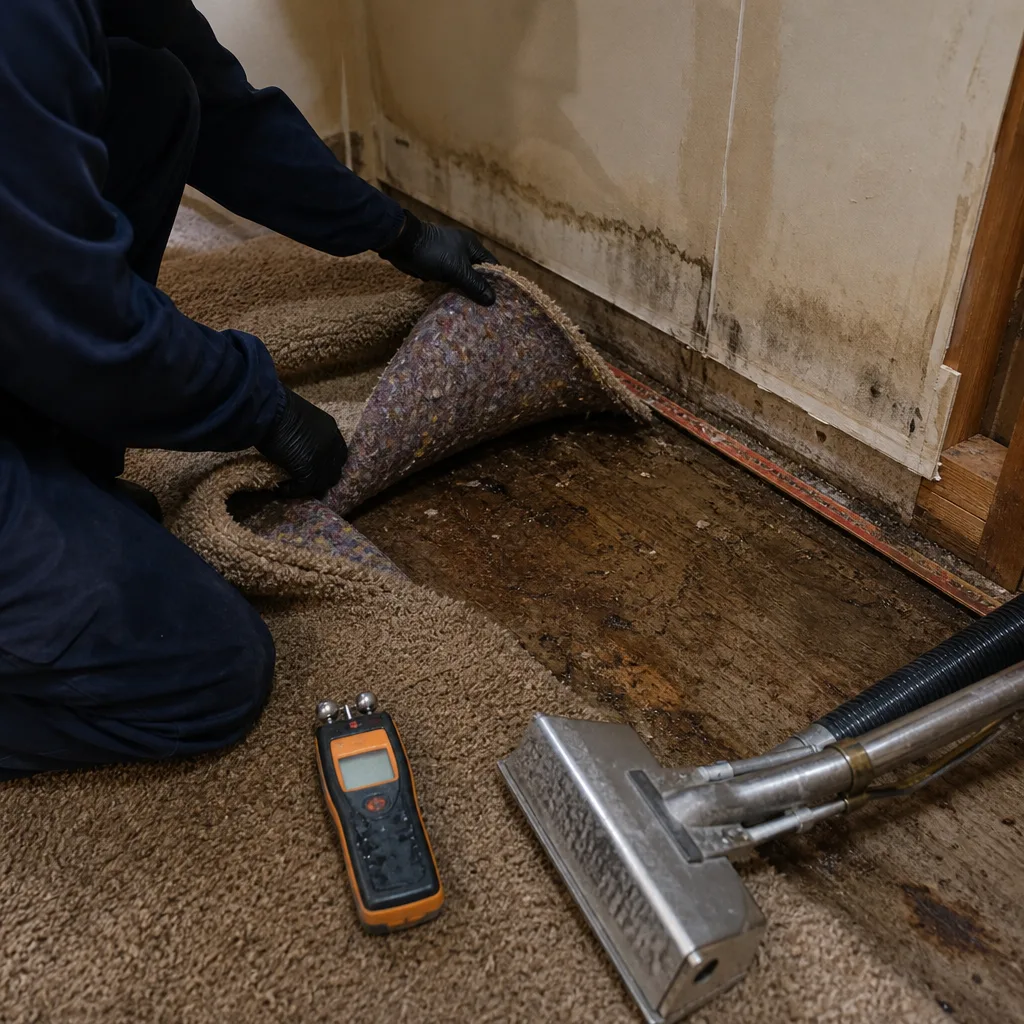
- Free visual inspection with moisture mapping and photo documentation before any work is proposed
- Direct insurance billing with adjuster coordination and line-item estimates in Xactimate format
- One team from mold containment through structural drying to reconstruction - no handoffs between subcontractors
BeforeAfterOur Mold Remediation Process
1. Inspection & Assessment
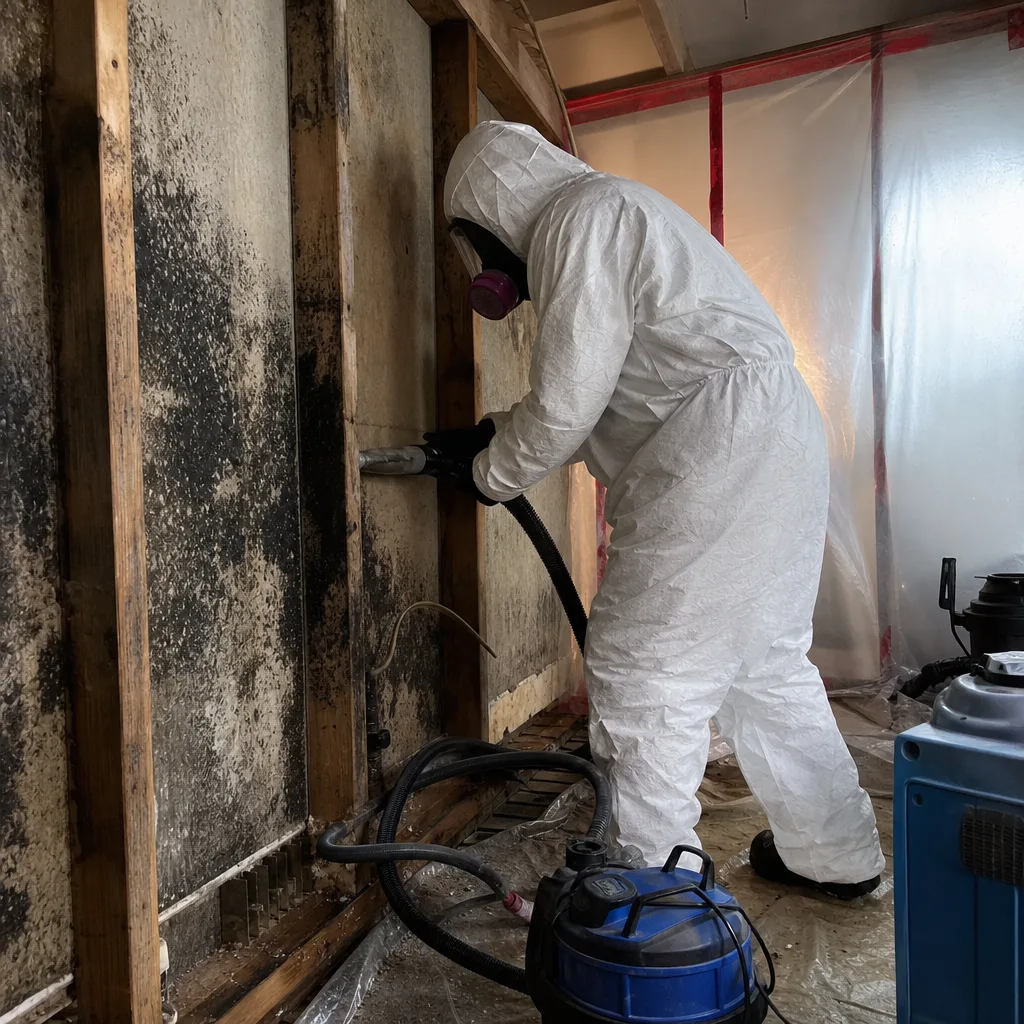
We map moisture with thermal imaging cameras and penetrating hygrometers, identify the water source, classify the contamination area, and photograph every affected surface. You receive a written scope and price before any work begins - Haven Standard, Clause 1.
2. Containment & Air Filtration
We establish polyethylene containment barriers and run HEPA air scrubbers at negative pressure to prevent cross-contamination. Our crews use Phoenix Guardian HEPA systems and XPOWER air movers sized to the cubic footage of the contained zone.
3. Moisture Control & Structural Drying
We eliminate the moisture source and deploy commercial dehumidifiers - Dri-Eaz LGR units and B-Air Vantage systems - with daily psychrometric readings logged to document drying progress. Vapor pressure differential is tracked until the structure reaches pre-loss equilibrium.
4. Removal of Contaminated Materials
Non-salvageable porous materials - drywall, insulation, carpet pad, ceiling tile - are removed under containment and bagged for proper disposal. Semi-porous materials like wood framing receive antimicrobial treatment per IICRC S520 standards.
5. Antimicrobial Treatment & HEPA Vacuuming
We apply EPA-registered antimicrobial agents to remaining structural materials, followed by HEPA vacuuming of all surfaces. Air scrubbers continue running through this phase to capture airborne particulates released during cleaning.
6. Clearance Testing & Restoration
Third-party clearance testing confirms airborne spore counts have returned to acceptable levels. We then rebuild: drywall, insulation, flooring, paint - documented with photo records at every visit, covered by our 365-Day Done Right Promise under The Haven Standard.
Need Emergency Mold Remediation in Bothell Now?
Crews minutes away, answering live 24 hours a day. The sooner we start, the less it costs.
Working With Your Insurance Company
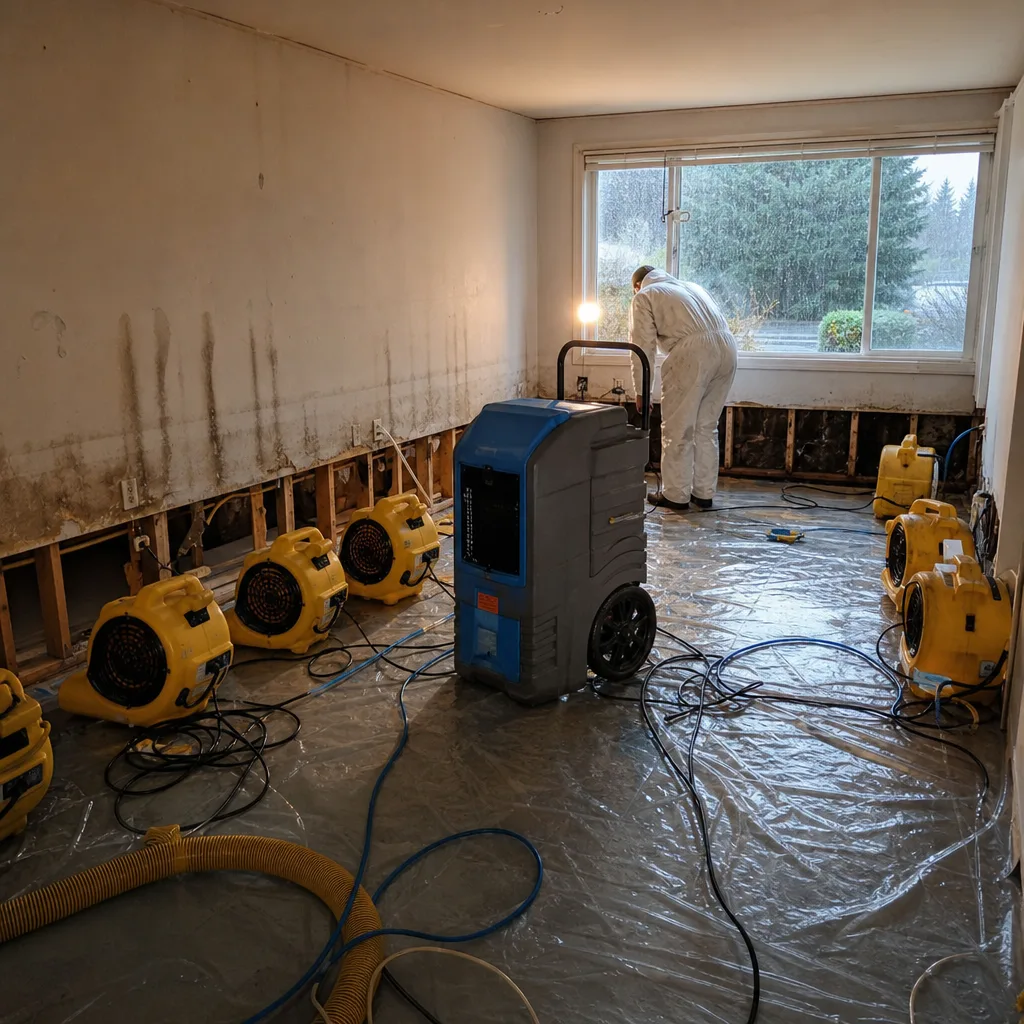
Insurance claims for mold damage succeed or fail on documentation. We begin building your file from the first hour: photo records of every room, moisture readings with timestamps, and daily drying logs that show the work was necessary and properly executed. Our estimates are written in Xactimate, the industry-standard pricing platform that adjusters recognize immediately. We coordinate directly with your carrier’s assigned adjuster, provide supplemental documentation when scope expands, and never ask you to pay out of pocket and wait for reimbursement.
Our 365-Day Done Right Promise means if the insurer questions any part of the restoration, we have the documentation to defend it. Alicia Brennan founded this company in 2011 after seeing how many homeowner claims were denied for insufficient records. That origin shapes every file we build.
What We Provide Your Insurer
- Thorough documentation of the loss
- Photos of all damage, room by room
- Moisture readings and drying logs
- A detailed, line-item scope of work
- Direct coordination with your carrier
Built for Bothell’s Loss Calendar
Bothell’s mold season never really ends, but the patterns shift. October through March brings the heaviest convergence-zone rainfall, with wind-driven rain overwhelming roof-to-wall intersections and forcing water into attics. January and February add rain-on-snow events that push the Sammamish River and North Creek over their banks, flooding lower-lying areas near downtown and the Canyon Park district. Spring thaws reveal the damage: homeowners open crawl spaces in April and find colonies that started in December.
Summer brings its own pattern. Warm, humid days follow cool nights, and homes with inadequate attic ventilation - common in that 1980s-2000s construction stock - develop condensation on sheathing. North-facing roof planes never fully dry, moss damming accelerates, and by September we’re remediating attics where the homeowner never saw a leak, only smelled it. Bothell’s microclimate makes mold a year-round trade here, not a seasonal spike.
Mold Remediation Across Bothell’s Neighborhoods
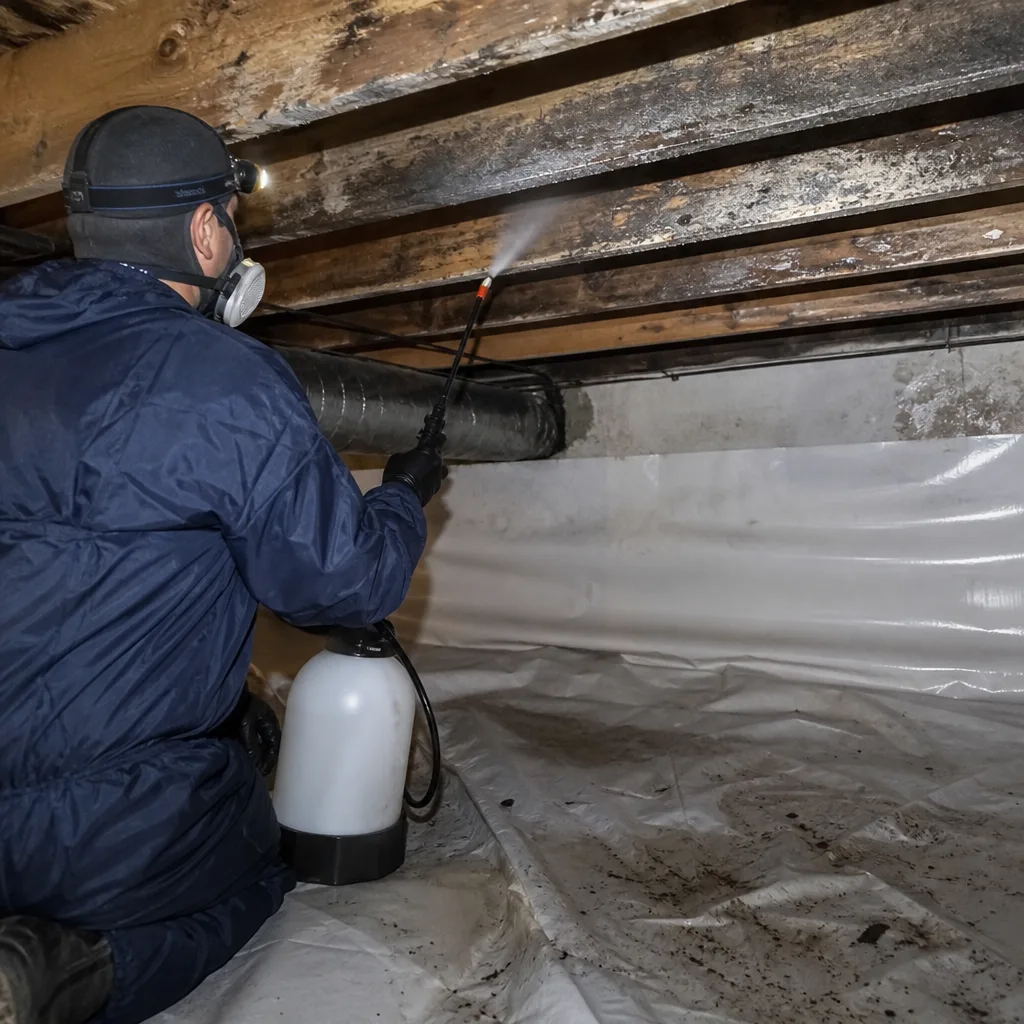
In Canyon Park, we respond to attic mold from wind-driven rain and moss-damming failures on north-facing roofs - the failure pattern that turns what homeowners expect to be a roofing call into full remediation. The two-story homes built during the 1990s boom dominate this district, and their complex roof geometries create multiple intersections where flashing degrades.
Downtown Bothell and the river-adjacent streets near the Sammamish River flood corridor see recurring crawl space and basement jobs after winter high-water events. These homes, some dating to the 1960s and 1970s, lack modern perimeter drainage and vapor barriers. We install permanent moisture control systems after remediation because the water will return.
North Creek and the neighborhoods along 228th Street SE sit in the second flood corridor, where North Creek itself backs into properties during heavy rain. We’ve documented repeated mold recurrence in homes where previous contractors dried the structure but never addressed the hydrostatic pressure through the foundation.
On the Finn Hill and Northshore slopes, homes with walkout basements and retaining walls face a different pattern: water enters at the uphill side, migrates through block walls, and generates mold in finished basement spaces where homeowners don’t expect it. Our moisture mapping always traces the full path, not just the visible damage.
Specialized Mold Remediation Services We Offer in Bothell
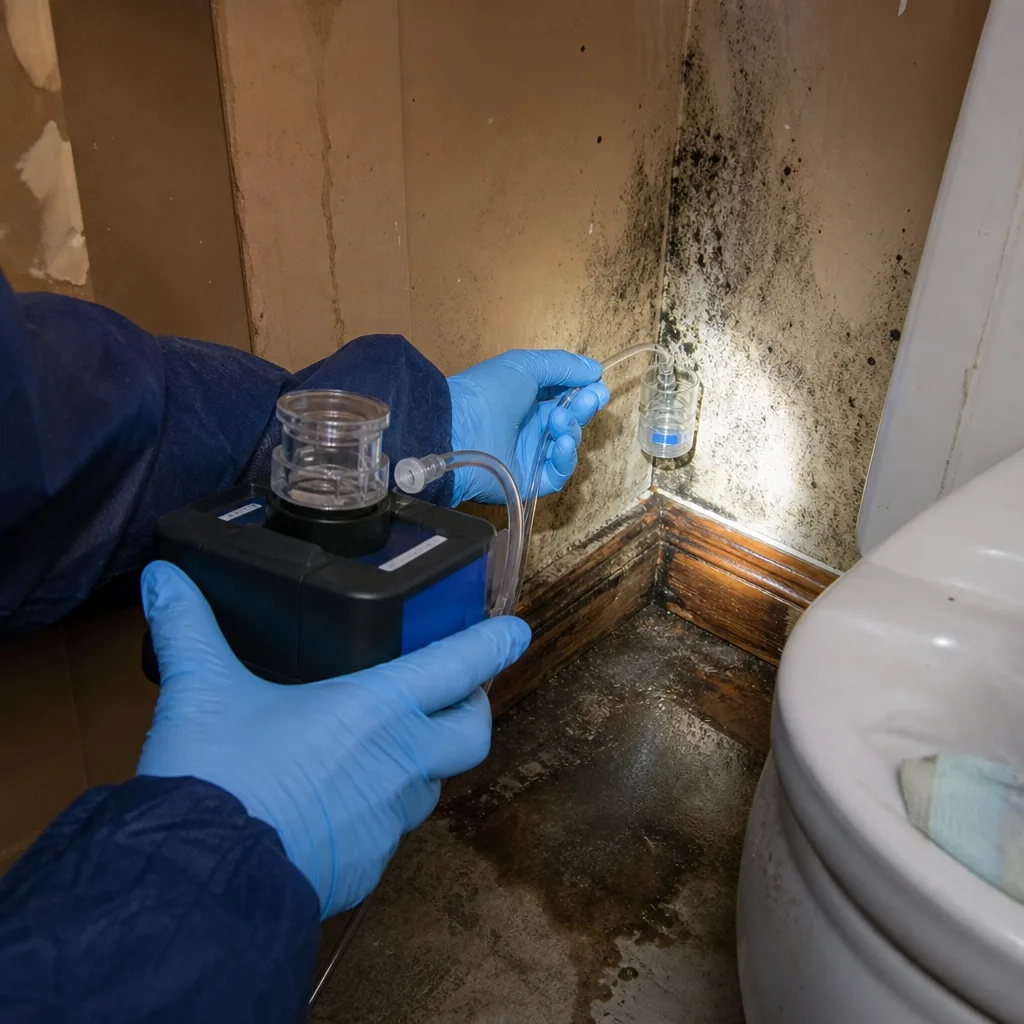
Mold Inspection & Testing
We start with a visual inspection and moisture mapping, not a sales pitch for unnecessary air sampling. In Bothell’s convergence-zone environment, we know where to look: north-facing roof planes, window flanges on windward elevations, deck ledger connections. When third-party lab analysis is needed for insurance or health concerns, we coordinate independent testing - we don’t perform our own clearance to avoid conflict of interest.
Mold Removal
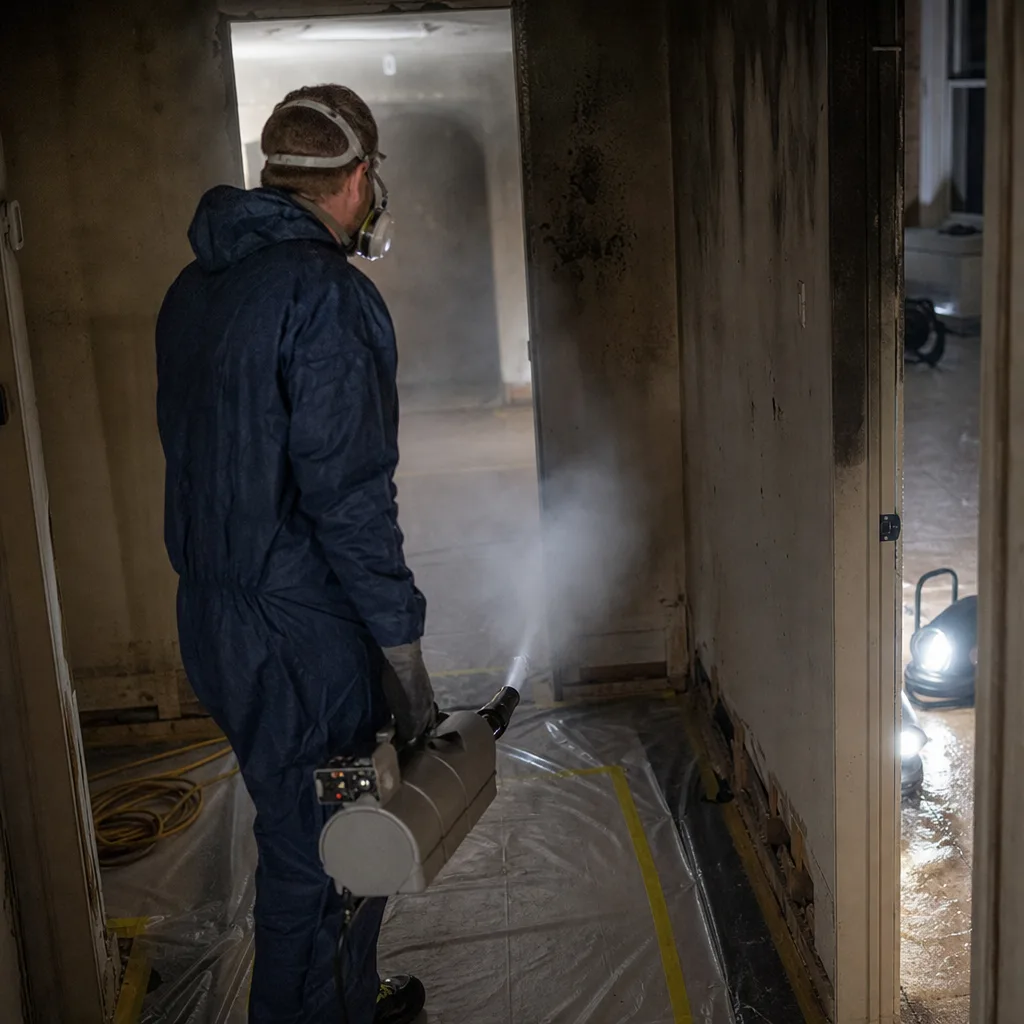
Removal follows IICRC S520 protocols: containment, negative air, HEPA filtration, then systematic removal of non-salvageable materials. In Bothell’s older wood-frame stock, we often find mold extending beyond the visible damage into wall cavities and attic spaces. Our thermal imaging finds it before demolition starts, so your written scope is complete - no surprises once work begins.
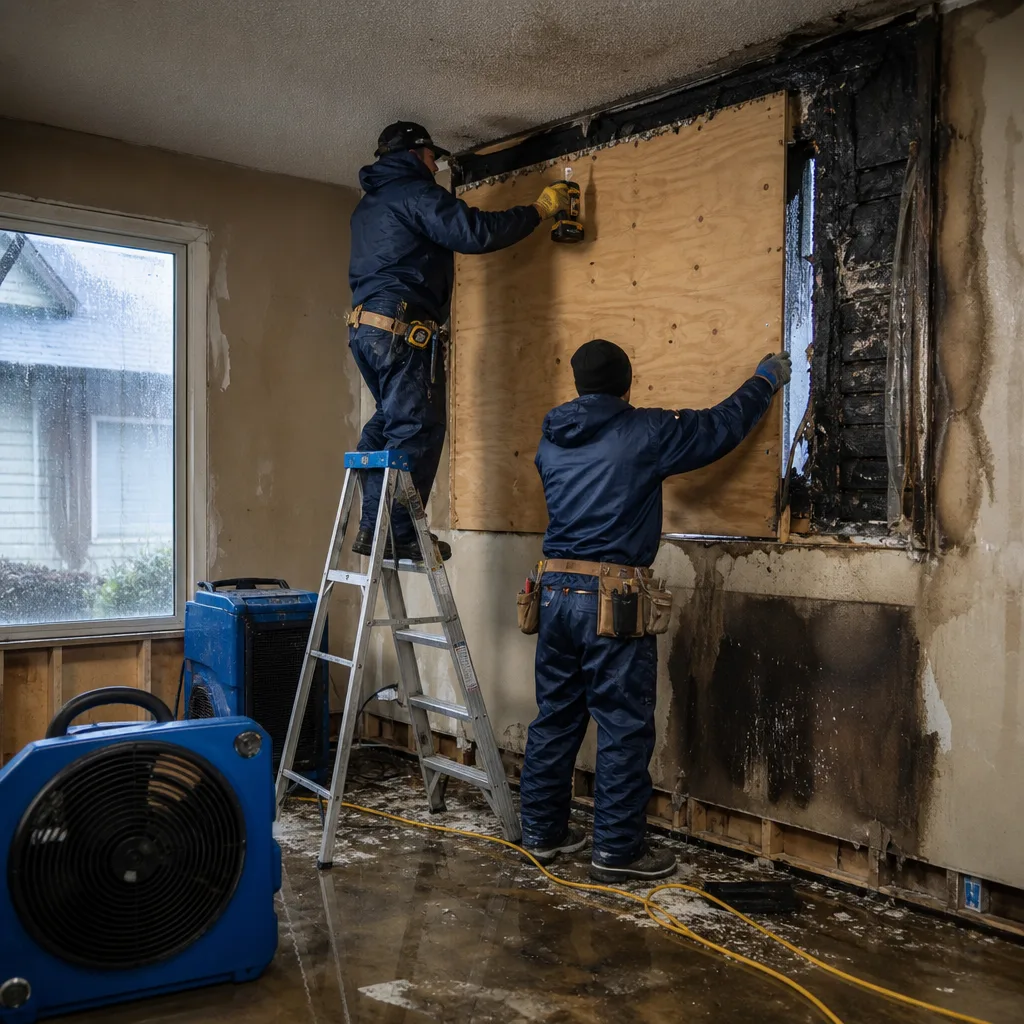
Black Mold Remediation
Stachybotrys chartarum and other toxigenic species require the same containment rigor as any Category 3 contamination, with additional PPE and decontamination protocols. We don’t use scare tactics about “black mold” - we document what species are present, where the moisture source originated, and the remediation plan in writing.
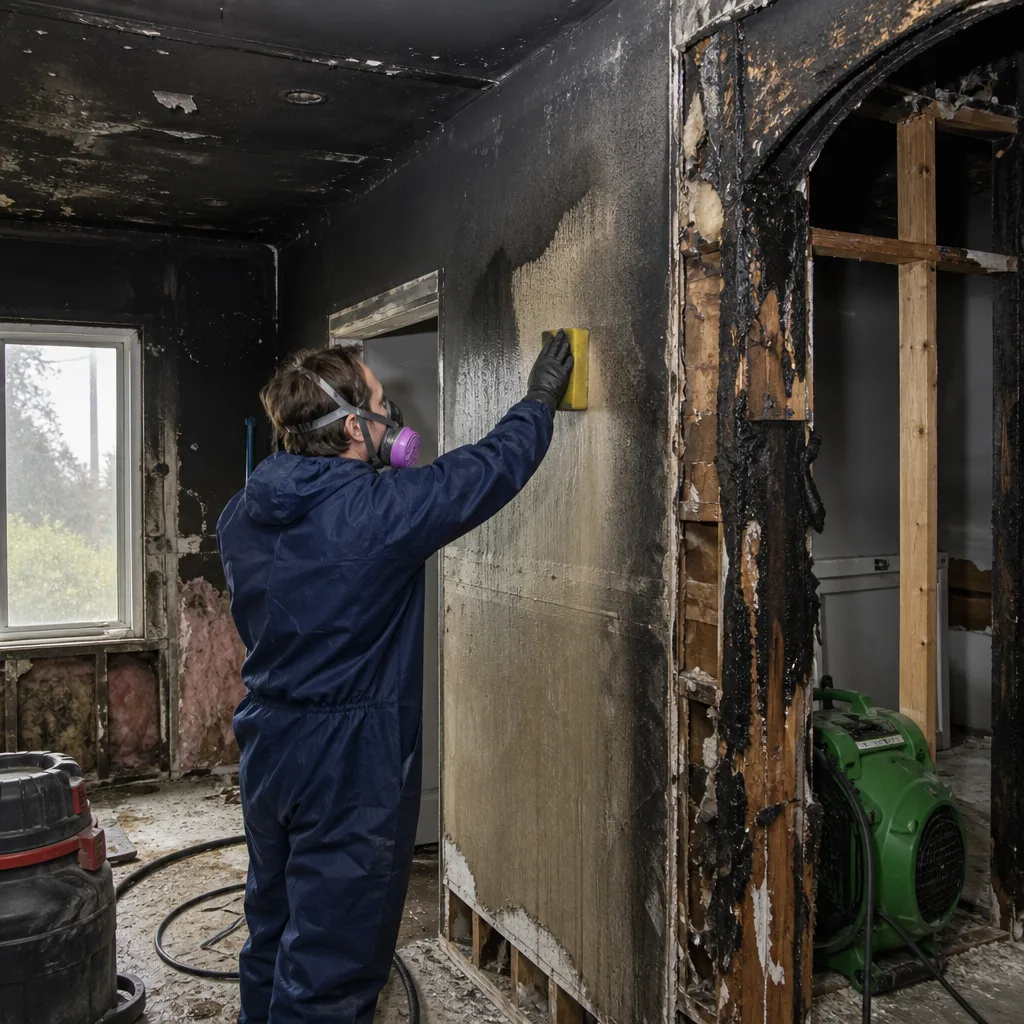
Air Quality Restoration
After remediation, we verify air quality through third-party clearance testing measuring airborne spore counts against outdoor baseline levels. Our HEPA air scrubbers run through final cleaning to capture residual particulates. For Bothell homes with forced-air systems, we inspect ductwork for cross-contamination and recommend cleaning when indicated.
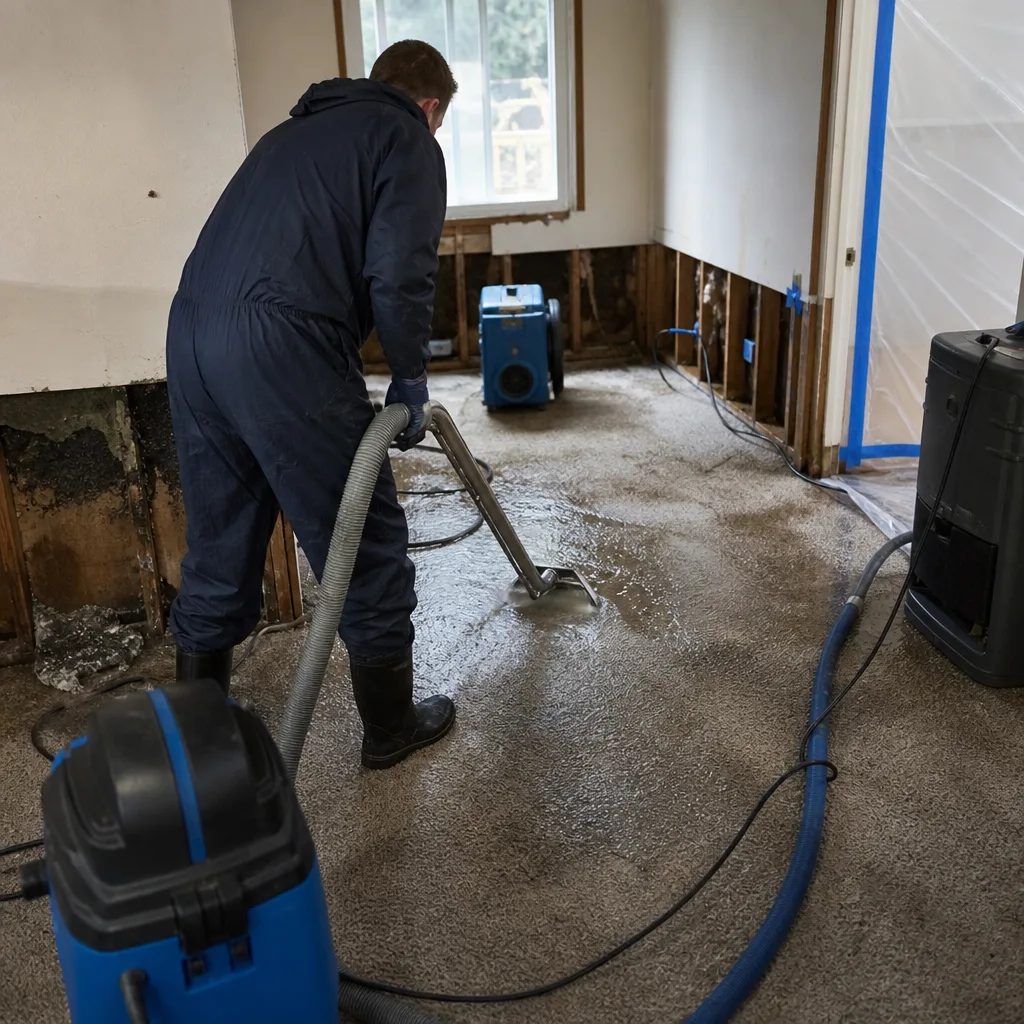
Crawl Space Treatment
Bothell’s flood corridors and high water tables make crawl spaces a chronic problem. We remediate existing mold, then install vapor barriers, dehumidification, and drainage improvements to prevent recurrence. Every crawl space job includes photo documentation of conditions before and after - the evidence insurers need to approve moisture-control upgrades.
Moisture & Humidity Control
The permanent fix for mold is controlling moisture. We install commercial-grade dehumidification, improve ventilation, and seal building envelope failures. In Bothell’s convergence-zone climate, this is essential: the rain will keep coming, and the structure must be able to dry faster than it gets wet.
What happens when you call
- 1
A real person answersNo phone trees - you reach a local pro.
- 2
You get an upfront price rangeHonest numbers before anyone is dispatched.
- 3
A background-checked tech heads outLicensed & insured, dispatched right away.
- 4
You approve before work beginsNothing starts until you say go.
Mold Remediation Costs in Bothell, WA
We provide actual price ranges because Haven Standard, Clause 1 requires a written price before work starts - always, with no exceptions.
| Service | Typical Range in Bothell |
|---|---|
| Mold inspection & moisture mapping | $150-$350 (free with signed remediation agreement) |
| Category 1 remediation (under 10 sq ft) | $500-$1,200 |
| Category 2 remediation (10-100 sq ft) | $1,500-$4,500 |
| Category 3 remediation (100+ sq ft or HVAC) | $4,500-$12,000+ |
| Attic mold remediation (typical Bothell scope) | $2,500-$7,500 |
| Crawl space remediation with vapor barrier | $3,500-$8,500 |
| Third-party clearance testing | $350-$650 |
What moves the price: affected square footage, material type (drywall vs. plaster vs. structural framing), attic or crawl space access difficulty, and whether the HVAC system is involved. Insurance typically covers mold remediation when it results from a covered water loss - burst pipe, storm damage, appliance failure - but may exclude long-term maintenance issues. We review your policy, document the cause of loss, and build the file for coverage from the first visit. Bring any competitor’s written estimate and we’ll provide a free second opinion.
We Also Serve Cities Near Bothell
Our crews respond throughout the north King and south Snohomish corridor, including Bothell and neighboring Lynnwood, Kirkland, Mill Creek, and Snohomish. Dispatch and scheduling are coordinated from our Seattle office; crews serve Bothell locally with 45-minute response times to addresses within city limits.
Bothell Mold Remediation Questions, Answered
My Bothell house is in the Canyon Park district and got hit by a wind-driven rain storm - how fast can mold start in the attic?
Mold colonization on wet organic surfaces begins in 24-72 hours under typical conditions, but in Bothell’s convergence-zone storms, attic sheathing can remain saturated for days if the leak is small and ventilation is poor. We recommend inspection within 48 hours of any wind-driven rain event, especially if you notice musty odors or see water staining on ceiling drywall. Call (360) 502-8815 and we’ll perform a free visual inspection with moisture mapping.
Why do Bothell homes seem to get attic mold from moss on the roof so often?
Bothell’s north-facing roof planes receive less direct sun and more convergence-zone rainfall than comparable elevations in Kirkland or Redmond, creating ideal conditions for moss damming. The moss lifts shingles, traps moisture, and in winter freezes into a solid barrier that forces water uphill and under the roofing. We’ve remediated attics in homes barely 10-15 years old where this failure pattern was the sole cause. Regular roof maintenance helps, but once moisture has entered the attic, professional mold remediation is necessary.
After a windstorm in Bothell, what signs tell me my window or door leak has become a mold problem?
Musty odor is often the first indicator, followed by visible staining or bubbling at wall baseboards, window stools, or door thresholds. In Bothell’s 25-40 year old housing stock, window flanges and deck ledger connections are common failure points where storm debris and wind-load cycling have loosened seals. If you feel damp drywall, see warped trim, or notice condensation that wasn’t there before, call (360) 502-8815 for moisture detection before visible mold appears.
Does Bothell’s flood-corridor location near the Sammamish River and North Creek change how you handle mold remediation?
Yes. Homes in the Sammamish River and North Creek flood corridors face recurring hydrostatic pressure and groundwater intrusion that surface-water events don’t create. We design remediation with permanent moisture control in mind: vapor barriers, sump pumps, perimeter drainage, and commercial dehumidification. The drying protocol is also more conservative - we allow longer drying windows and verify with more frequent moisture readings because we know the water source will test the structure again.
What brands and equipment does your Bothell mold remediation crew use for storm-related water damage?
We deploy Dri-Eaz and Phoenix LGR dehumidifiers, XPOWER and B-Air air movers, Phoenix Guardian HEPA air scrubbers, and Injectidry systems for cavity drying. Thermal imaging cameras locate hidden moisture, and penetrating hygrometers provide quantitative readings that go into your daily drying log. Every piece of equipment is documented by serial number in your file for insurance review.
Will my insurance cover mold remediation in Bothell?
Insurance coverage depends on the cause of loss. Sudden and accidental water damage - burst pipes, storm intrusion, appliance failures - typically triggers coverage for resulting mold. Long-term maintenance issues, slow leaks, or condensation from inadequate ventilation are usually excluded. We inspect, document the cause, and build the file for your adjuster from the first hour. Our direct billing means you’re not paying out of pocket while coverage is determined. Call (360) 502-8815 and we’ll review your situation.
How long does mold remediation take in a typical Bothell home?
Category 1 jobs often complete in 1-2 days. Category 2 remediation typically runs 3-5 days including drying time. Category 3 or HVAC-contaminated jobs may extend to 7-10 days, plus 24-48 hours for third-party clearance testing. In Bothell’s convergence-zone climate, we build in conservative drying schedules because ambient humidity can slow evaporation. We don’t rush to pass clearance - we document that the structure is actually dry.
Can my family stay in the house during mold remediation?
For Category 1 contamination in a single room, often yes. For Category 2 or 3 jobs involving multiple rooms, HVAC contamination, or toxigenic species, we recommend temporary relocation during active remediation. Our containment systems prevent cross-contamination, but the noise, equipment, and temporary loss of affected spaces make staying difficult. We discuss this during the initial assessment and can coordinate with your insurance for additional living expenses when coverage applies.
Serving Bothell, WA - Our Local Coverage Area
We’re based in the Bothell area and know this community well. Use the map below to see our service coverage - if you’re nearby, we can almost certainly help.
Call DryMark Restoration Everett for Bothell Mold Remediation
Bothell’s convergence-zone storms, flood corridors, and aging housing stock create mold problems that generic remediation can’t address. Our Mold Remediation team documents every moisture reading, photographs every affected surface, and delivers a written price before work starts - Haven Standard, Clause 1. We’ve restored 12,000+ homes since 2011 with the same documentation discipline that turns restoration invoices into paid claims.
Call (360) 502-8815 now. A live person answers 24 hours a day. Estimates are free, and we provide a free second opinion on any competitor’s written estimate.
Written by Alicia Brennan, Owner at Back to Dry Restoration, serving Bothell since 2011.