
Last updated September 23, 2026
Free visual inspection and a written scope of work before any mitigation begins - photos, moisture readings, and drying logs go in your claim file
The scope we write is the scope we bill. Anything new gets shown to you, in writing, before we touch it.
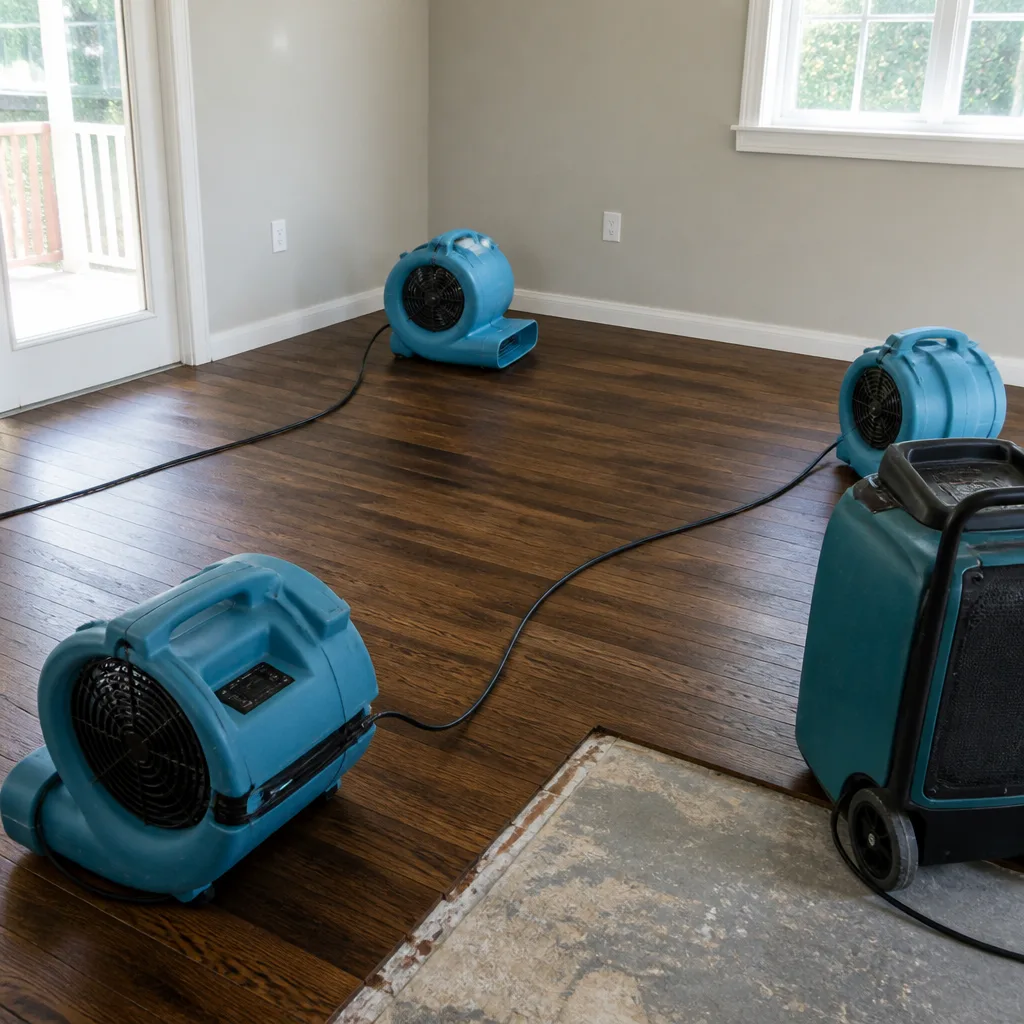
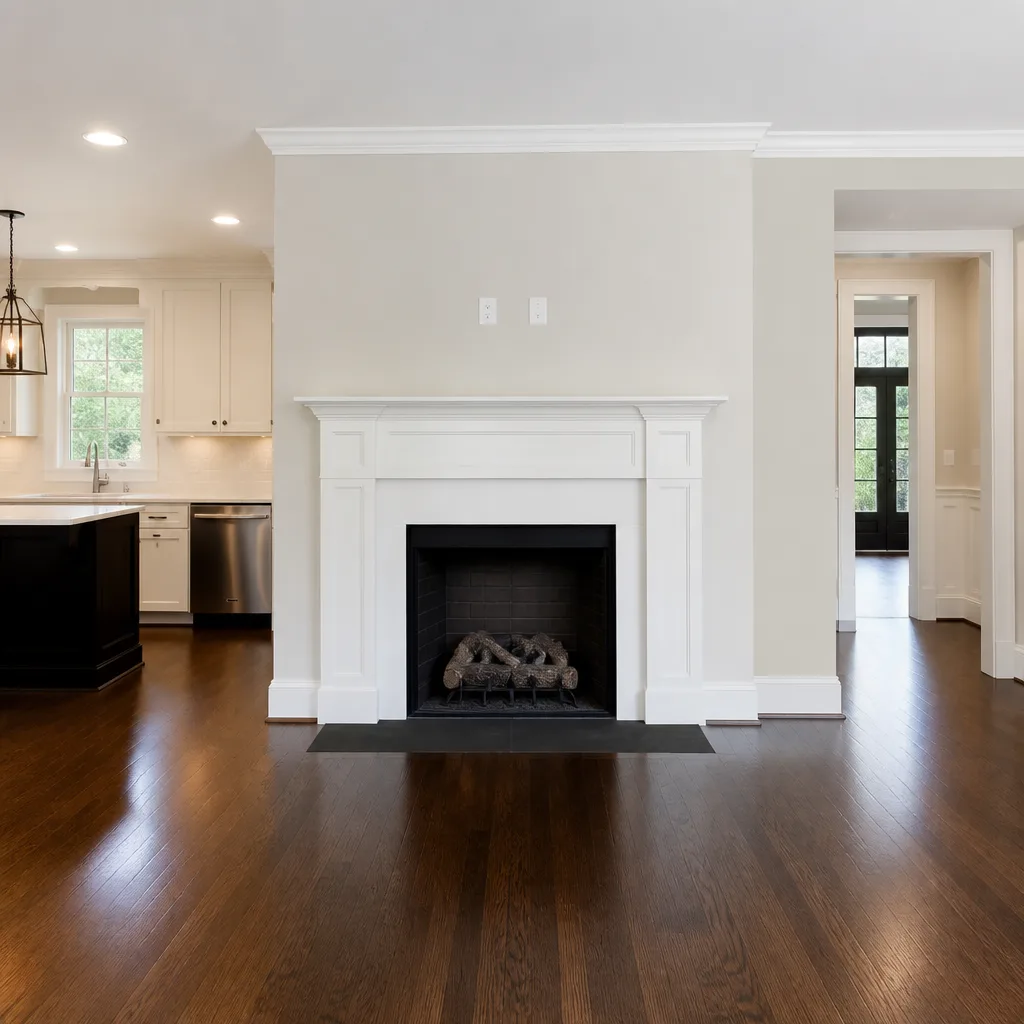
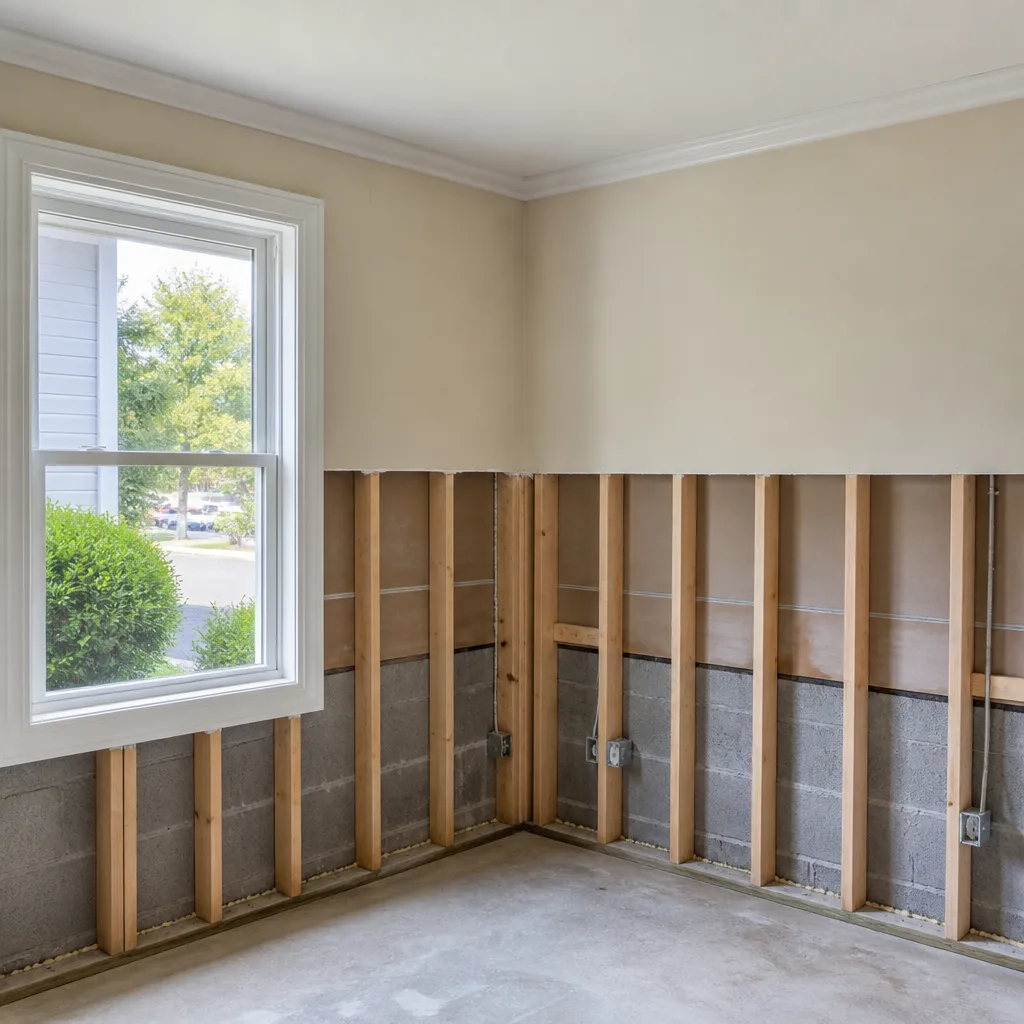

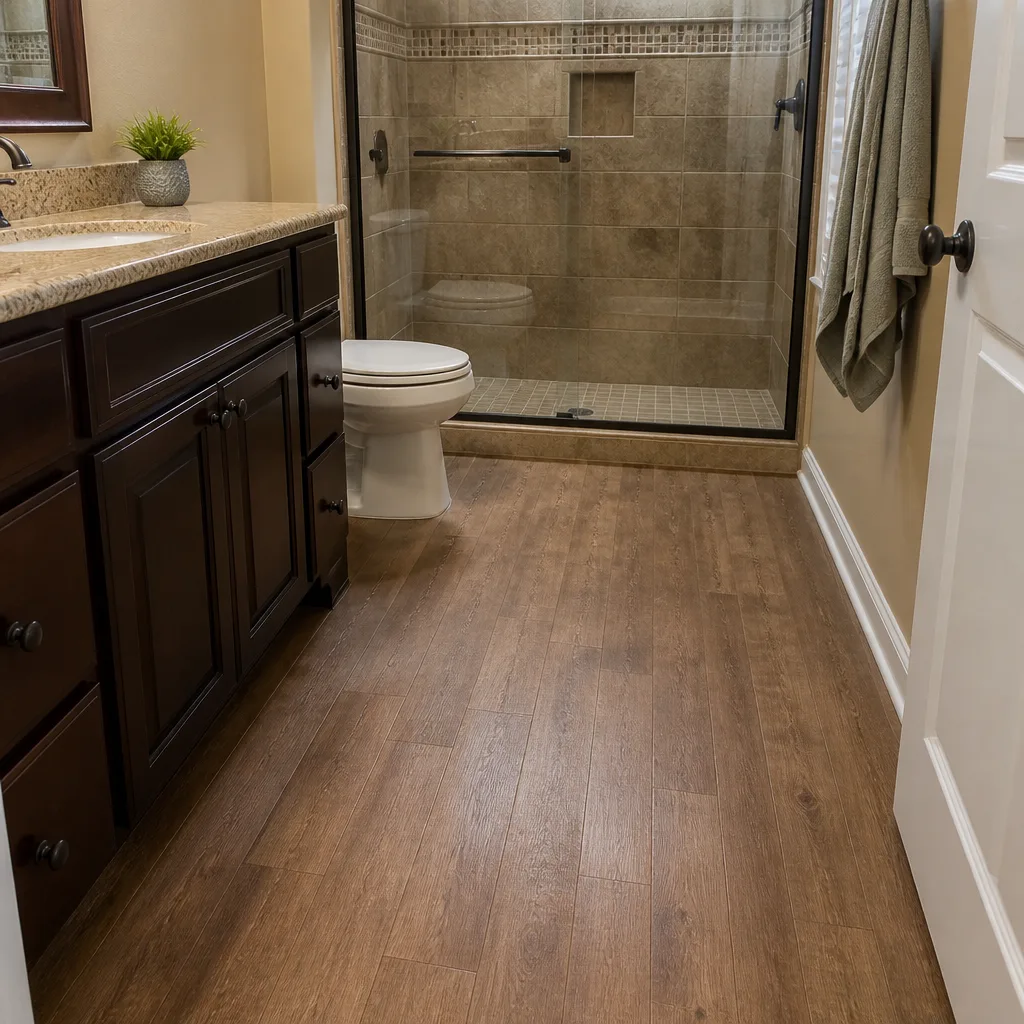
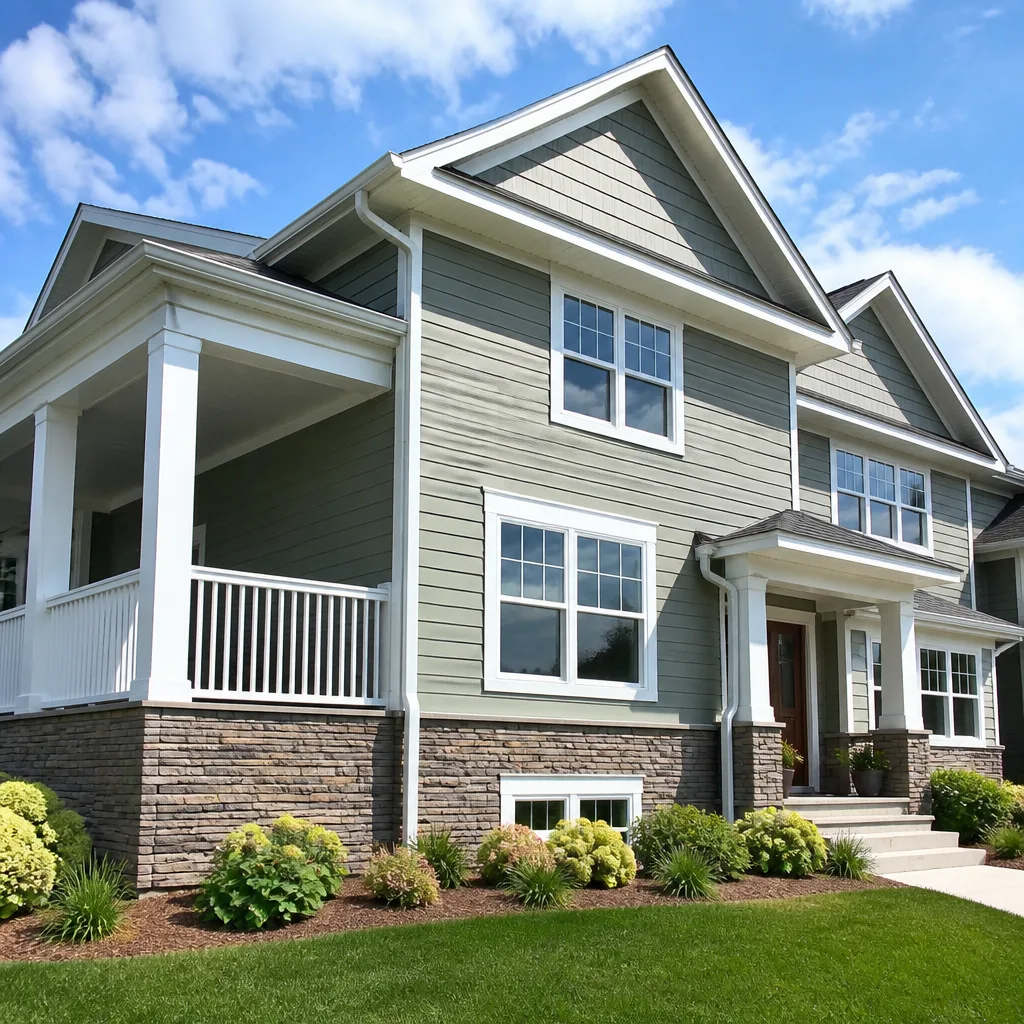
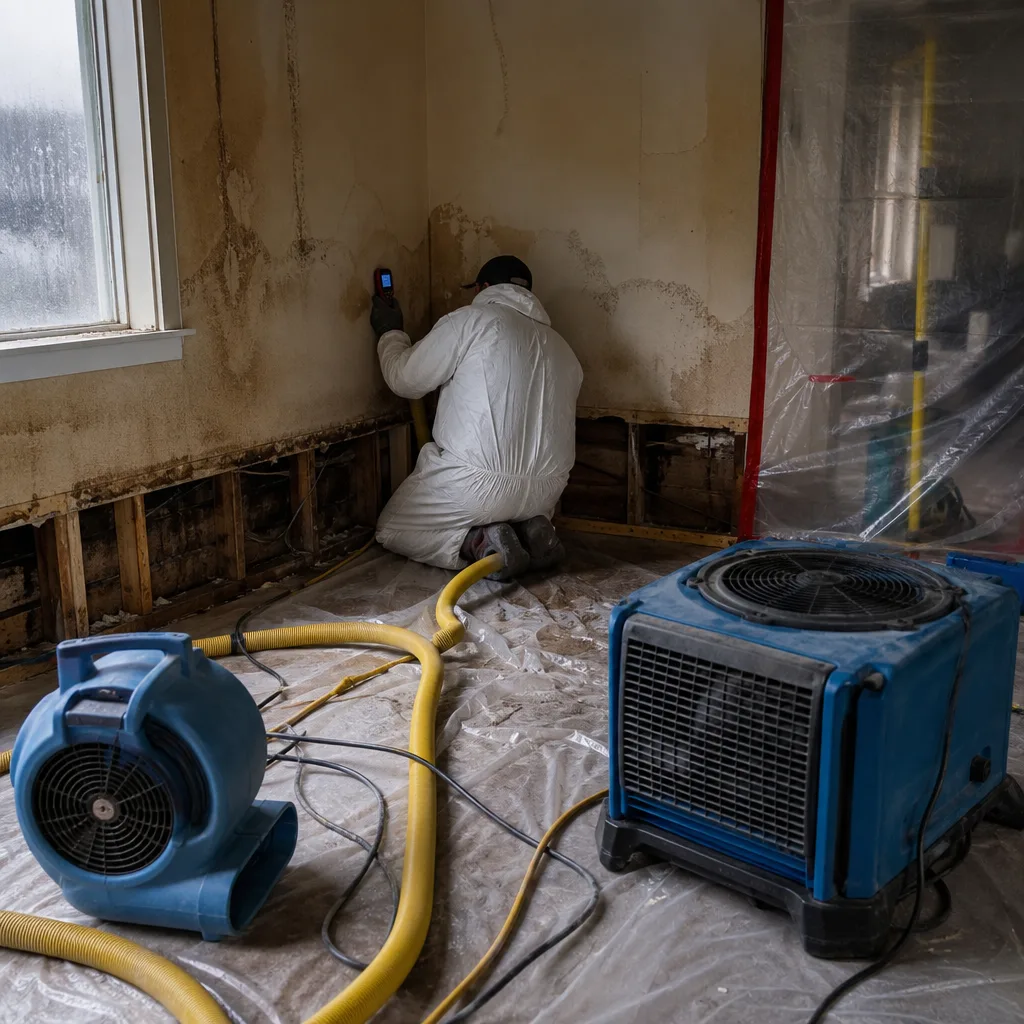 Before
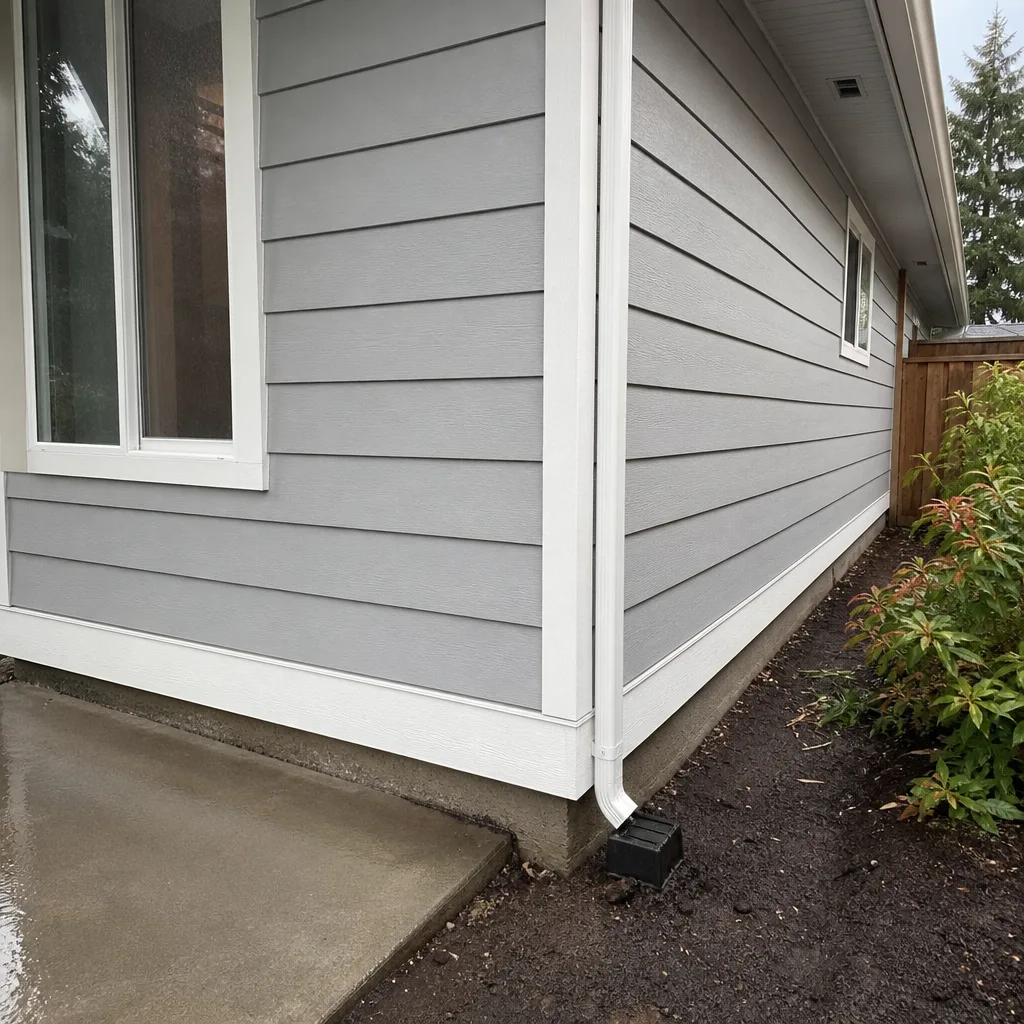 After
After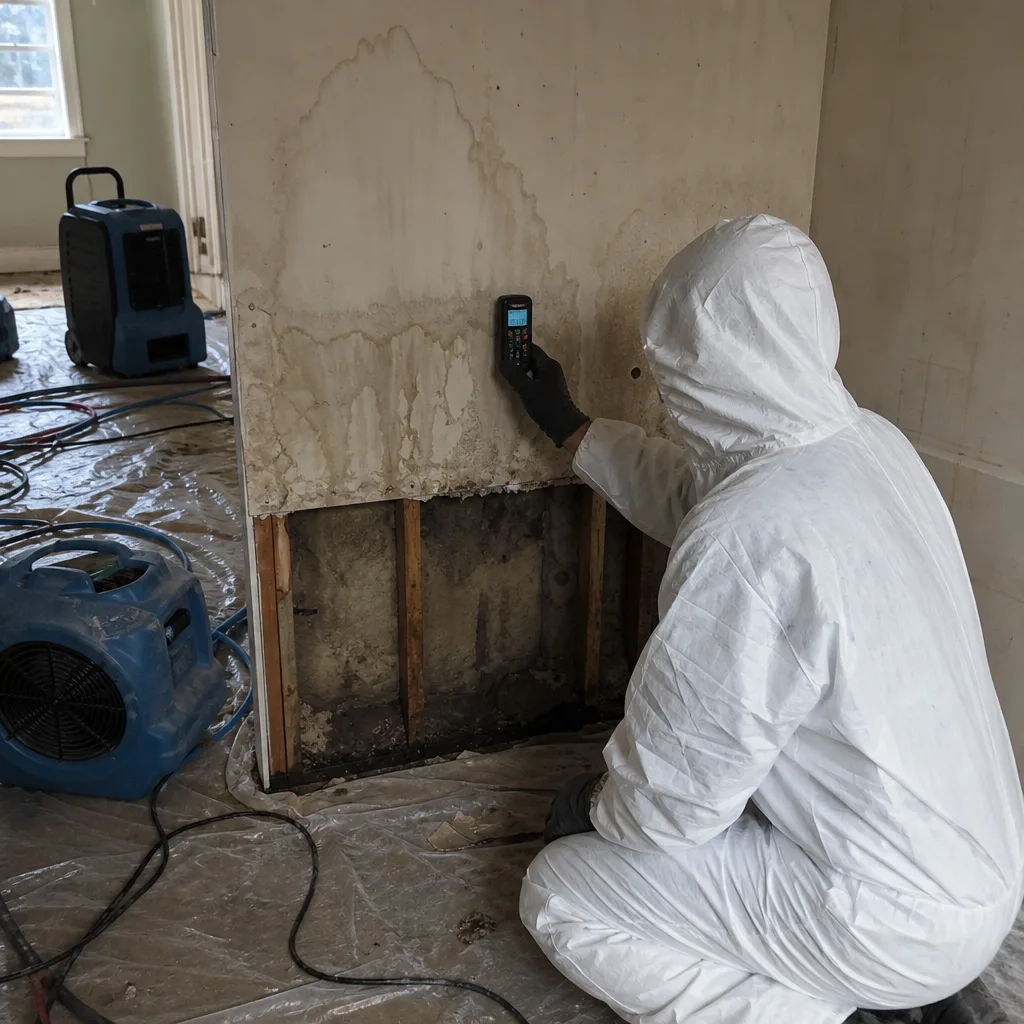 Before
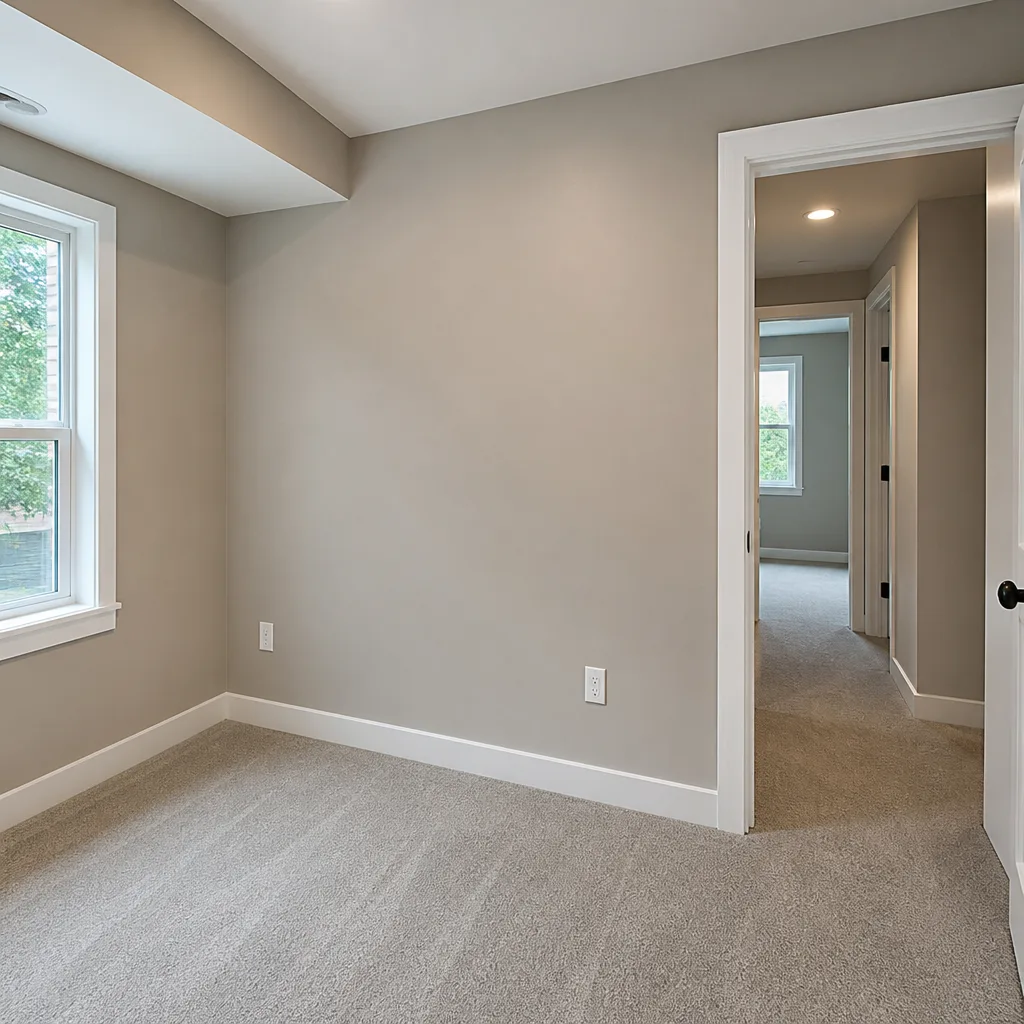 After
After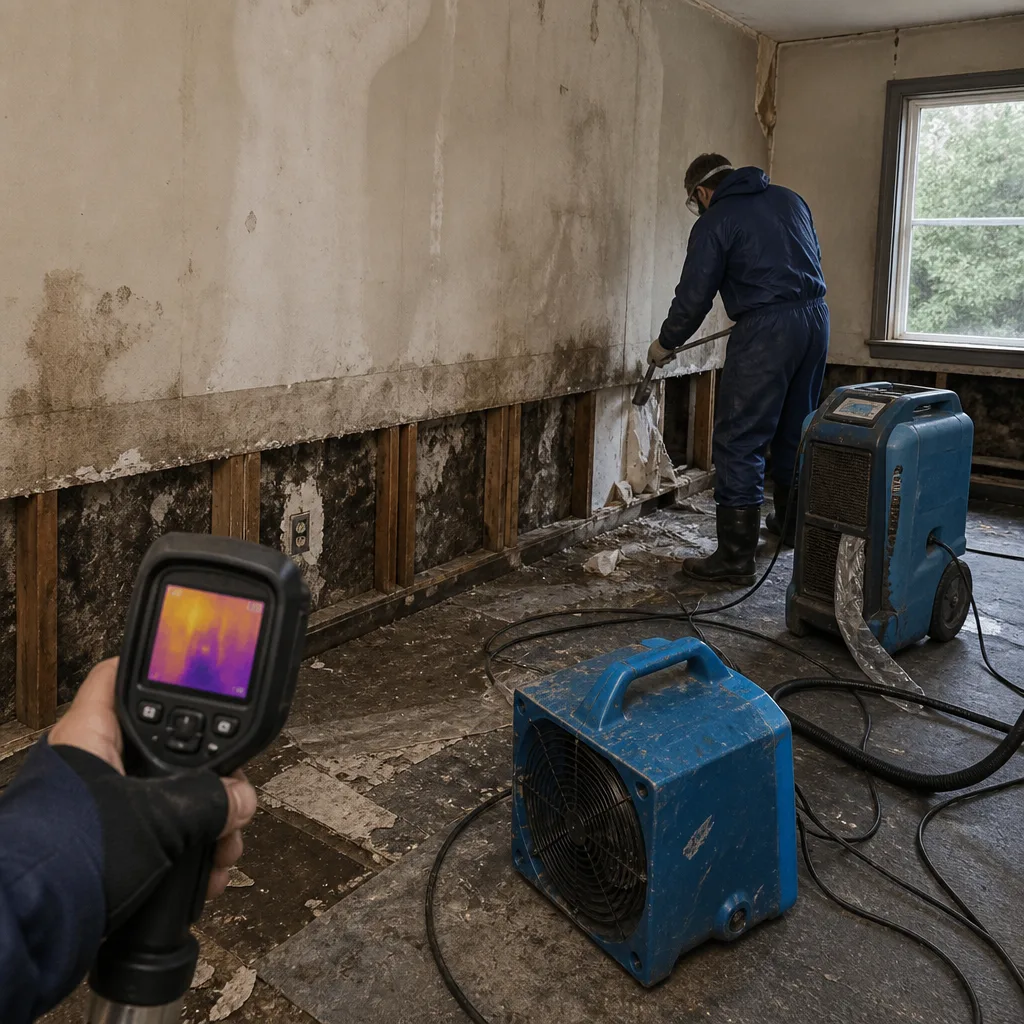 Before
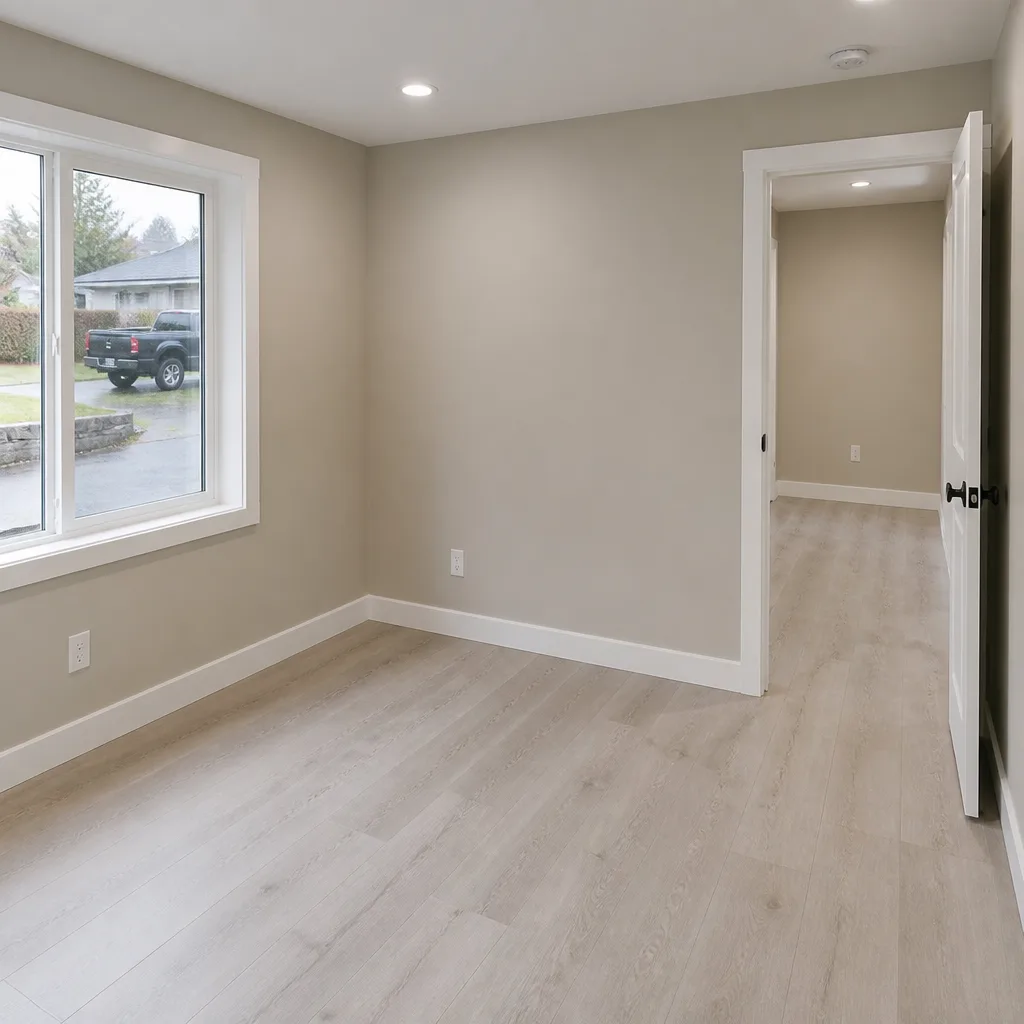 After
AfterDamage Restoration Warning Signs: A Everett Homeowner’s Reference Guide
Visible mold growth means the colony is already 10-21 days established, which under IICRC S520 standards typically moves a job from Category 2 remediation to Category 3 - roughly doubling the scope of work required. By the time most Everett homeowners notice a water stain on their ceiling, the damage has been active for weeks. This guide and our more guides & resources teach you to read the measurable signals - moisture percentages, vapor pressure differentials, and material-specific thresholds - that reveal damage before it becomes visible. In our experience across more than 12,000 homes since 2011, the homeowners who catch problems early are the ones who understand that restoration is a data business, not a visual one.
Quick Answer
The warning signs that actually matter are measurable, not visible: wood framing above 19% moisture content, drywall above 1% above its established baseline, or concrete subfloors reading above 4% with a calcium chloride test. A musty odor at any moisture level indicates microbial volatile organic compounds (MVOCs) and requires documentation. In Everett, single-pane aluminum windows in homes built 1955-1980 create condensation pathways that produce cavity moisture readings 8-12% higher than surface readings - a gap that fools surface inspections.
Table of Contents
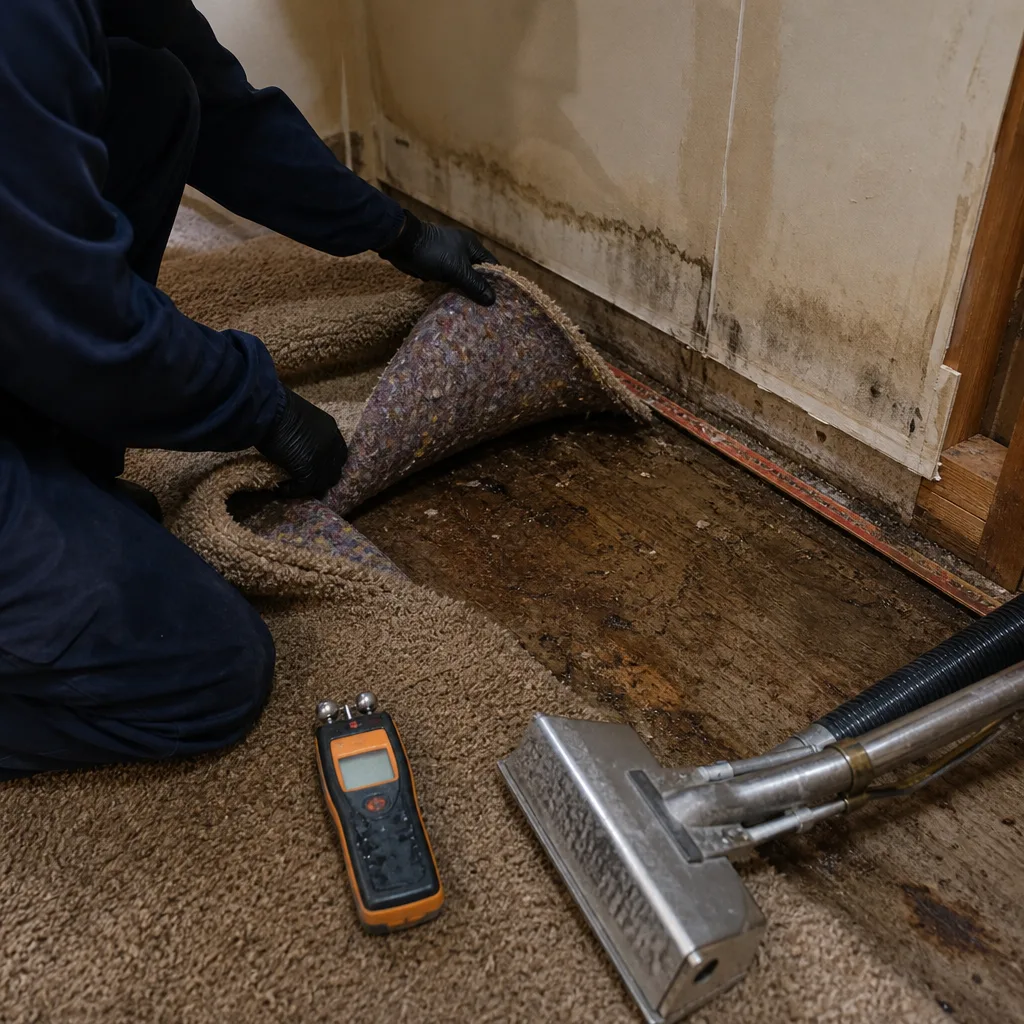
- The Moisture Thresholds That Define Damage by Material
- How to Use a Consumer-Grade Moisture Meter Correctly
- Everett Construction Eras and Their Hidden Vulnerabilities
- The Smell-to-Reading Correlation: What Musty Odors Actually Mean
- Warning Signs That Affect Insurance Coverage Timing
- Fire and Smoke Damage: The Invisible Warning Signs
- Storm, Sewage, and Biohazard Indicators
- When Damage Signals Reconstruction, Not Just Mitigation
BeforeAfterThe Moisture Thresholds That Define Damage by Material
Every material has a moisture content baseline and a damage threshold. Knowing both is the difference between catching a problem and explaining to an adjuster why your claim exceeds your policy limits.
Wood framing: In the Pacific Northwest, properly dried Douglas fir or hemlock framing typically stabilizes at 12-15% moisture content. At 16-18%, fungal growth becomes possible. At 19% or higher, per IICRC S500 standards, structural drying is required and the material is considered water-damaged. We’ve seen Everett homes with readings of 24% in sill plates where grade-level drainage failed - the wood felt dry to the touch because the surface had ventilated while the core remained saturated.
Drywall (gypsum wallboard): New drywall in Everett’s climate typically measures 0.5-1.0% moisture content. A reading of 1% above established baseline - not an absolute number, but a relative increase - indicates water intrusion. At 5% or higher, the paper facing becomes a nutrient source for mold, and the gypsum core begins to degrade. We document drywall with both pin-probe readings and infrared imaging; the thermal camera shows the boundary, but only the meter confirms the moisture.
Concrete: This surprises homeowners. Concrete that “looks dry” can hold sufficient moisture to destroy flooring installed over it. The standard test is ASTM F1869 (calcium chloride): 3 pounds or less per 1,000 square feet in 24 hours is acceptable for most flooring. Readings of 4-5 pounds require mitigation. Above 5 pounds, installation of moisture-sensitive materials will fail, and the failure won’t appear for months. In Everett’s older homes with unsealed slab-on-grade construction, we regularly see readings of 7-10 pounds in winter when the water table rises.
Engineered wood and laminate flooring: These materials are hygroscopic - they absorb and release moisture. A gap between planks in winter that closes in summer indicates seasonal movement, but a gap that grows or stays open suggests subfloor moisture. We measure with a pinless meter set to the correct specific gravity for the material; incorrect settings produce readings off by 30% or more.
The remediation scope expands at each threshold. Wood at 19% requires air movement and dehumidification. At 25%, we add heat. At 30% or with visible fungal growth, removal and replacement is typically more cost-effective than drying. Water Damage Restoration in Everett follows these thresholds precisely - the written scope we deliver before work begins specifies the target moisture content for each material, measured daily with a Delmhorst or Protimeter and logged to IICRC standards.
How to Use a Consumer-Grade Moisture Meter Correctly
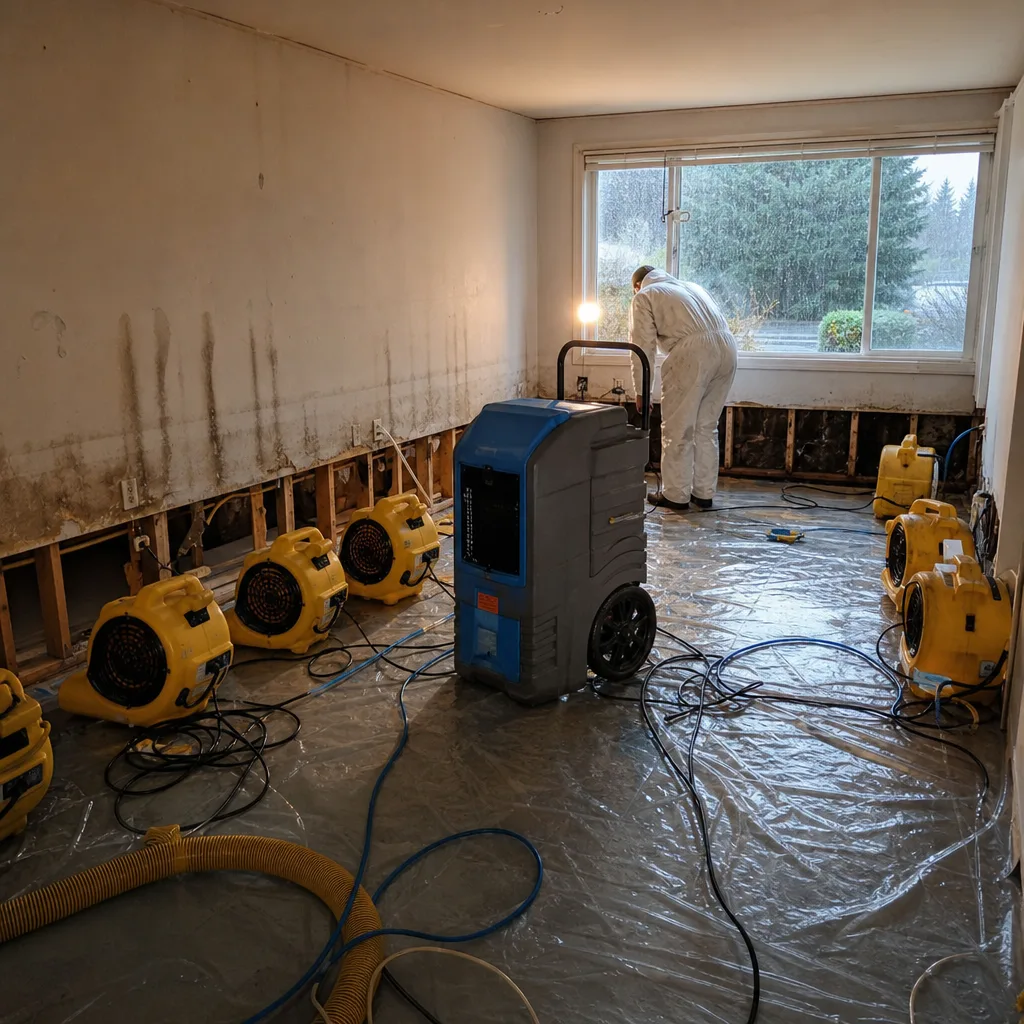
A $35 pin-type meter from a hardware store can provide useful data if you understand its limitations. Here’s how to get readings that mean something.
- Identify your meter type. Pin meters measure electrical resistance between two probes; pinless meters use electromagnetic signals. Pin meters are more accurate for specific depths but leave small holes. Pinless meters are faster but average moisture across a 3/4-inch to 1-inch depth, which can miss surface moisture or conceal deep saturation.
- Calibrate to the material. Most consumer meters have settings for wood, drywall, and masonry. Using the wrong setting produces meaningless numbers. A reading taken on “wood” setting applied to drywall will read approximately 40% low.
- Probe placement for pin meters: Insert pins parallel to the grain for wood, not across it. For drywall, push through the paper facing into the gypsum core - surface readings on paper are useless. In cavities, use a hammer probe or extension pins; surface readings of a wall tell you about the paint, not the framing behind it.
- Take multiple readings in a pattern. Single readings deceive. We document in a grid: every 16 inches horizontally (stud spacing) and vertically (every 24 inches). A single high reading surrounded by normal readings suggests a localized leak. A gradient of increasing moisture toward the floor indicates rising damp or slab intrusion.
- Record the number, the location, and the date. A reading without context is worthless. “North bedroom, east wall, 24 inches above baseboard: 18.2% on 3/15/2025” is documentation an adjuster can use. “Bedroom wall seems damp” is not.
- Understand the surface-to-cavity gap. This is the most common homeowner error. A wall surface can read 12% while the cavity behind it reads 28%. In Everett’s 1955-1980 homes with minimal wall insulation, temperature differentials create condensation on the interior face of exterior sheathing. The drywall feels normal. The sheathing is wet. Only a probe through the wall or an infrared camera reveals this.
We don’t recommend homeowners tear open walls to probe cavities - see our DIY vs Professional Damage Restoration: The Everett Homeowner’s Decision Guide for why that’s where professional documentation begins. But understanding why your meter readings may understate the problem helps you decide when to call for a professional moisture survey with thermal imaging and psychrometric logging.
Everett Construction Eras and Their Hidden Vulnerabilities
Everett’s housing stock spans distinct eras, each with characteristic failure modes that produce specific warning sign patterns. Knowing your home’s era helps you know where to look.
Pre-1955: Balloon framing and minimal vapor barriers. These homes in neighborhoods like Riverside and parts of Bayside have wall cavities that extend from foundation to attic without fire blocking. A leak at any level can travel vertically, appearing far from its source. The warning sign is multiple stains at different heights on the same wall, or water damage in a second-story room with no plumbing above it. We use borescope cameras to trace these pathways; the drying protocol requires sealing each cavity segment individually.
1955-1980: Single-pane aluminum windows, minimal insulation, and early copper plumbing. This is Everett’s highest-risk era. The aluminum windows conduct cold, creating condensation on interior frames that runs into wall cavities. Homeowners often misread this as an exterior leak. The correct diagnostic: check the window frame with a pin meter at the bottom corners. Readings above 16% indicate condensation damage, not seal failure. The repair is interior humidity control and air sealing, not window replacement - though replacement may follow.
Copper plumbing from this era is now at end-of-life in many homes. Pinhole leaks develop in areas with acidic water or improper grounding. The warning sign is a sudden drop in water pressure combined with moisture in walls near the main line. We’ve documented cases in Everett’s View Ridge-Madison area where a pinhole leak produced 22% moisture in framing for six months before any visible stain appeared.
1980-2005: Polybutylene plumbing, synthetic stucco (EIFS), and early vapor barriers. Polybutylene was used extensively in Everett’s 1980s and early 1990s construction. The fittings degrade, and the failure is often catastrophic - a full separation, not a slow leak. If your home has polybutylene (gray plastic pipes, typically with copper crimp rings), we recommend proactive replacement regardless of visible condition.
EIFS cladding from this era traps moisture. The warning sign is soft spots or staining at window and door penetrations, but the damage is often 10-20 times more extensive than visible. We use moisture probes at multiple depths and core samples to assess the substrate. DryMark Restoration Everett home provides documentation packages for these assessments that satisfy most insurer requirements for coverage determination.
2005-present: Complex roof geometries, sealed attics, and conditioned crawl spaces. Modern Everett homes in areas like Silver Lake and Lowell have better insulation but more complex moisture management. Sealed attics with HVAC equipment require continuous exhaust ventilation; failure produces summer moisture accumulation that mimics roof leaks. Conditioned crawl spaces with supply-air ventilation can over-pressurize, driving moisture into wall cavities. The warning sign is musty odors in summer without any visible water source - a psychrometric issue, not a leak.
The Smell-to-Reading Correlation: What Musty Odors Actually Mean
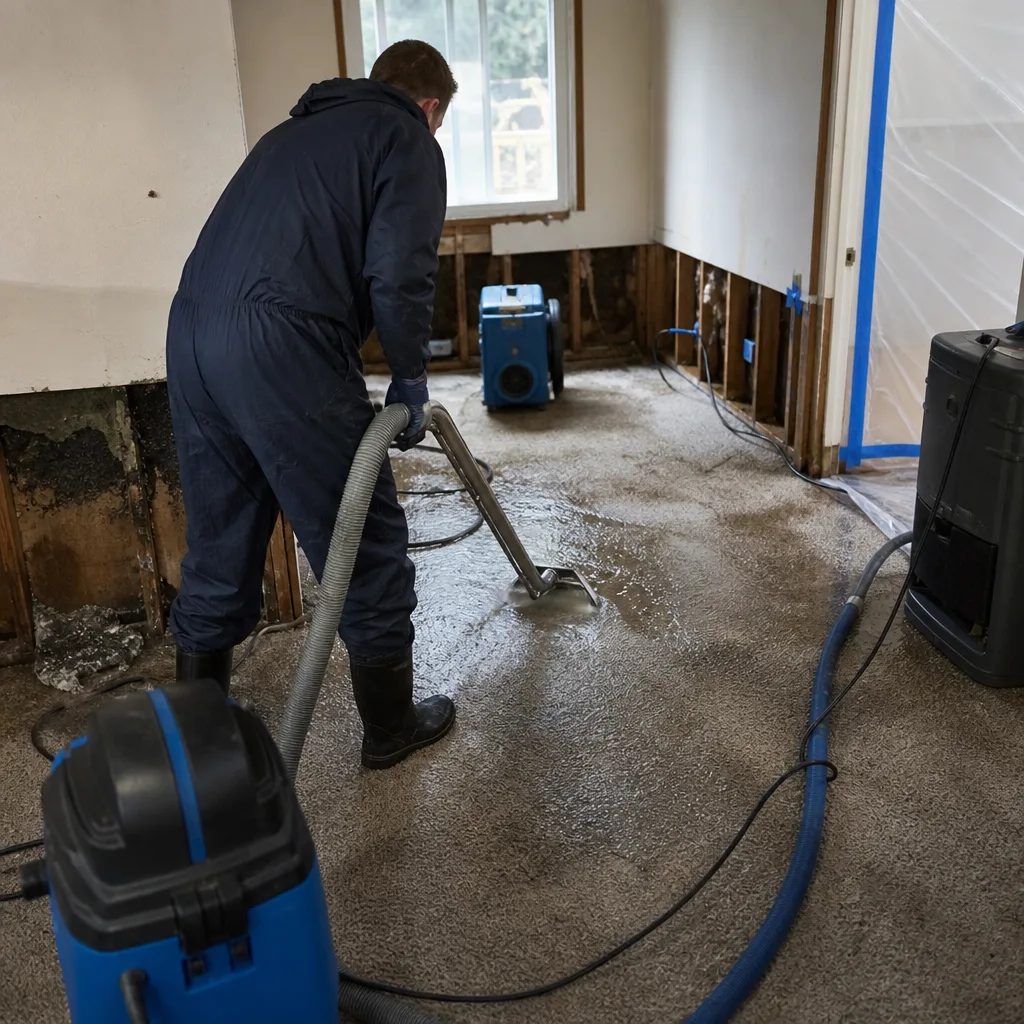
A musty odor is not subjective. It indicates microbial volatile organic compounds (MVOCs), metabolic byproducts of fungal growth. The human nose detects MVOCs at concentrations below most electronic sensors. If you smell mustiness, something is growing.
But the moisture reading may not confirm this. MVOCs are produced during active fungal metabolism, which occurs at moisture levels above the material’s equilibrium but below visible growth thresholds. We commonly find:
- Wood framing at 16-18% with strong musty odor: active fungal growth, likely Aspergillus or Penicillium species, not yet visible
- Drywall with no elevated pin reading but odor present: moisture in the cavity behind, with mold growth on the interior face of sheathing or insulation
- Concrete at normal calcium chloride levels but odor from carpet or pad: previous water damage with residual contamination in porous materials
The documentation protocol matters for insurance. A timestamped photo of the moisture meter reading, combined with a dated odor observation in writing, establishes the discovery date for your policy’s “prompt notice” requirement. We recommend homeowners create this documentation immediately: photo of the affected area, photo of the meter reading with location noted, and a brief written description with date. Email it to yourself for timestamp verification.
In Everett’s climate, with average relative humidity of 75-80% in winter, the smell-to-reading gap is wider than in drier regions. A home with inadequate ventilation can produce MVOCs at moisture levels that would be benign elsewhere. The remediation isn’t always drying - sometimes it’s ventilation improvement, which is why our assessments include blower door testing and air exchange calculations when odor is the primary complaint.
Warning Signs That Affect Insurance Coverage Timing
Homeowner policies in Washington State typically require “prompt notice” of damage, with most defining this as 72 hours from discovery. But “discovery” is a contested term. The date you see a stain is rarely the date damage began. Documentation that establishes an earlier discovery date - or proves the damage was hidden - can determine whether your claim is covered or denied as “long-term” or “maintenance-related.”
The documentation that matters:
- Timestamped photos of moisture readings. A photo of a meter showing 24% in a wall cavity, dated two weeks before visible mold appeared, proves the damage was hidden and progressive, not neglected.
- Maintenance records. If you had a plumber inspect a slow leak six months ago and were told it was resolved, that record supports a claim that the current damage is from a new or continuing failure, not the same unresolved issue.
- Weather data correlation. In Everett, winter storm dates are verifiable. Documenting that moisture appeared immediately after a specific storm event, with NOAA weather records, supports a sudden-and-accidental cause.
- Professional assessment dates. A written scope from a restoration company, even if you didn’t proceed with work at that time, establishes that you acted promptly on professional advice. We provide these assessments at no charge; the written scope is dated and includes moisture readings.
The opposite documentation also exists. Insurers increasingly use moisture mapping and material dating to prove damage predates the claimed discovery. We have reviewed claims where an insurer’s expert used dendrochronology-style growth ring analysis on mold colonies to estimate a 45-day establishment period, pushing the damage origin before the policy period or before the claimed discovery date.
This is why our Water Damage Restoration in Everett includes immediate documentation on every visit, not just when work proceeds. The photo record, moisture log, and written scope are created at assessment and delivered to you regardless of whether you hire us for remediation. Under The Haven Standard, Clause 1, the written price is also delivered before any work begins - but the documentation exists independent of that decision.
Fire and Smoke Damage: The Invisible Warning Signs
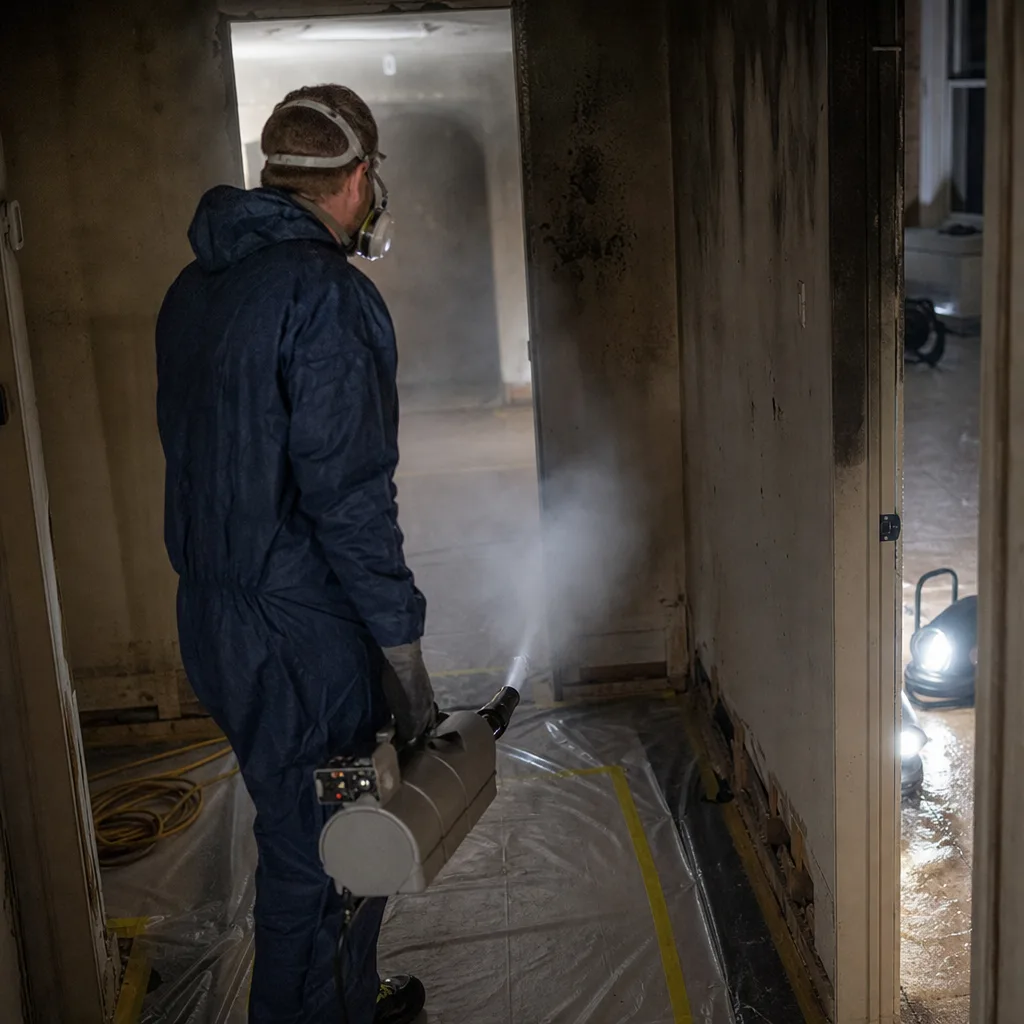
Fire damage is visible by definition, but smoke damage often is not. The warning signs that require professional assessment are olfactory and chemical, not visual.
Acrid odors after a “small” fire. A kitchen grease fire extinguished quickly can produce protein smoke residues that are nearly invisible but highly corrosive. The warning sign is a persistent “burnt” or “sour” odor that doesn’t dissipate with ventilation. These residues are acidic and will etch metal surfaces, including HVAC components, over weeks. We test with surface pH strips: readings below 6.0 indicate active acid residue requiring alkaline cleaning.
Soot in unexpected locations. Smoke travels through pressure differentials, not gravity. We’ve documented smoke damage in second-story bedrooms from first-story kitchen fires in Everett’s multi-level homes, with no visible damage to the stairwell. The pathway was the HVAC return air duct. The warning sign is a thin, oily film on horizontal surfaces above the fire level, or soot particles in the HVAC filter that appear darker than normal dust.
Corrosion on metal surfaces within 72 hours. Smoke contains hydrochloric acid from burning plastics and synthetic materials. Brass doorknobs, chrome fixtures, and galvanized steel can show etching or tarnishing within days. This is a warning sign that smoke traveled and settled, even if no soot is visible. We document with close photography and recommend immediate corrosion inhibitor application, followed by full contents cleaning.
Electrical symptoms after nearby fire. Smoke residue on circuit boards and contacts causes intermittent failures that appear random. The warning sign is any electrical device behaving unusually after a fire in the same structure, even a distant one. We recommend professional electronics cleaning; consumer cleaning methods often drive residue deeper into components.
Fire & Smoke Damage Restoration in Everett requires specialized documentation for insurance: a pre-cleaning inventory with condition photos, a scope distinguishing cleanable from non-restorable items, and a written price before any work begins. The 365-Day Done Right Promise applies to fire restoration as well; if odor or corrosion reappears, we return at no charge.
Storm, Sewage, and Biohazard Indicators
These categories share one characteristic: the warning signs that protect your health are not the same as the warning signs that protect your property.
Storm damage: In Everett, with average annual precipitation of 42 inches and concentrated winter storm events, the immediate warning sign is obvious: water where it shouldn’t be. The less obvious signs are what happens after the water recedes. Saturated insulation in wall cavities loses R-value permanently and becomes a mold substrate. We check with a pin probe at the bottom of wall cavities 48-72 hours after apparent drying; readings above 19% indicate retained moisture requiring structural drying with Injectidry or similar cavity drying systems.
Wind-driven rain in Everett’s coastal storms can penetrate siding through gaps invisible from the ground. The warning sign is moisture at the top of wall cavities, not the bottom - counterintuitive to most homeowners. We use extension probes and borescope inspection to assess these areas.
Sewage backup: Category 3 water under IICRC S500 carries bacterial loads that require specific documentation for health department notification and insurance coverage. The warning signs beyond the obvious: slow drains throughout the house (main line blockage, not localized), gurgling from floor drains (venting failure), and water appearing in floor drains without use (backflow condition). Any of these requires immediate professional assessment; consumer intervention with drain chemicals can damage pipes and complicate documentation.
Sewage contamination requires removal of porous materials within the affected area - carpet, pad, baseboard, and lower drywall. The scope is determined by moisture mapping and bacterial sampling, not visual assessment. We document with photo records on every visit, with moisture logs showing drying progress to below 12% or material replacement.
Biohazard situations: These require specialized PPE and disposal protocols. The warning signs that indicate professional handling needed include: decomposition odor (distinct from musty odor - sulfurous and penetrating), presence of bodily fluids on porous surfaces, and any situation involving trauma or unattended death. We coordinate with Everett authorities and provide documentation for insurance and estate purposes. Mold Remediation in Everett and biohazard services follow the same documentation standards: written price before work, photo record on every visit, and IICRC-compliant protocols.
When Damage Signals Reconstruction, Not Just Mitigation
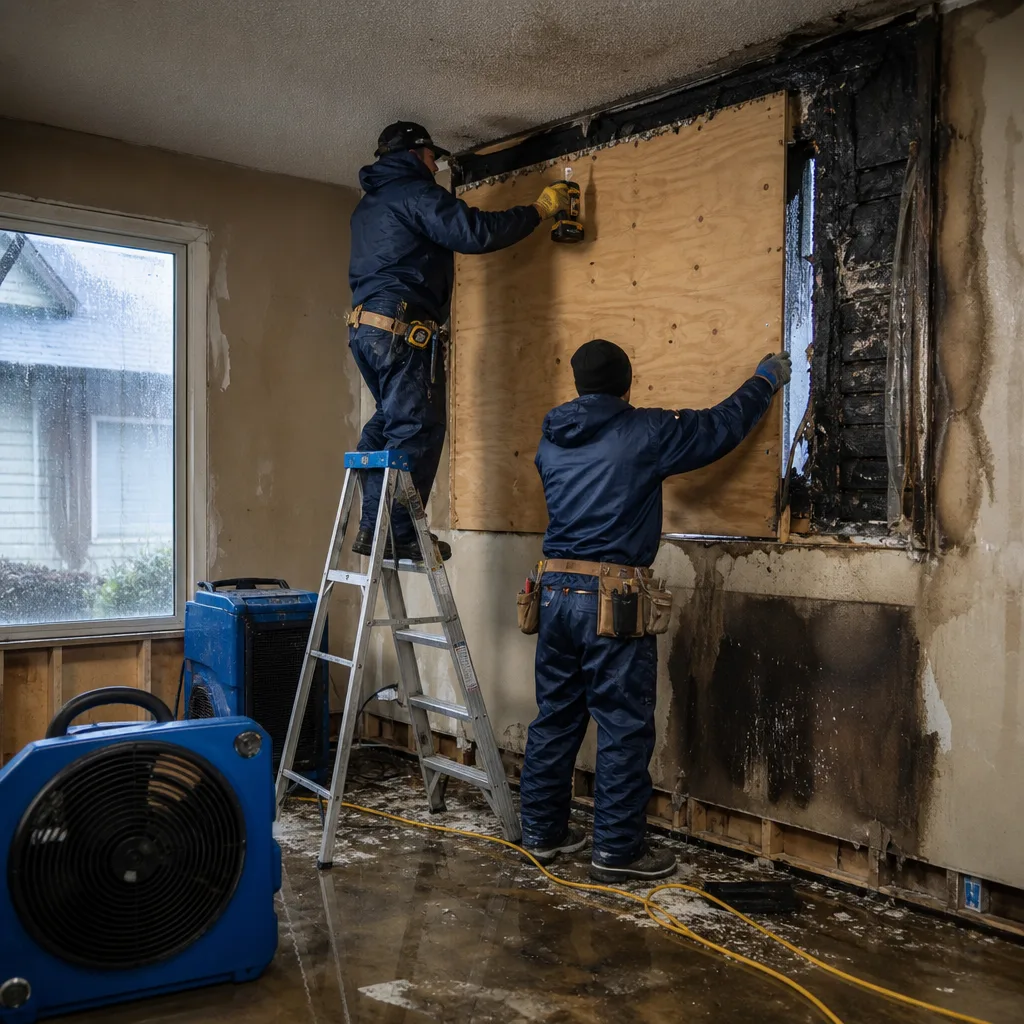
Mitigation dries, cleans, and stabilizes. Reconstruction returns the property to pre-loss condition. The warning signs that indicate reconstruction is needed, not just mitigation, are structural and code-related.
Structural indicators: Sagging floor joists with moisture content above 25% for more than 72 hours may not return to dimension; the cell structure degrades. We test with a structural engineer when deflection exceeds L/360 (span divided by 360). In Everett’s older homes with true dimensional lumber, this threshold is more forgiving than modern engineered joists, but the lumber is also more likely to have pre-existing decay.
Code-triggering conditions: Washington State Energy Code requires specific insulation levels when walls are opened for repair. If mitigation requires removal of drywall to the 4-foot level, the reconstruction scope must include insulation upgrade to current R-value. This is not optional; it’s a code compliance requirement that affects the written scope and price.
Asbestos and lead: Homes built before 1980 in Everett may contain asbestos in flooring, insulation, or joint compound, and lead paint. Disturbance during mitigation triggers testing and abatement requirements. The warning sign is the age of the home itself - we test proactively rather than waiting for visible identification.
Reconstruction work is scoped, scheduled, and priced in writing like a remodel, not dispatched for same-day service. The Haven Standard, Clause 1 applies: a written price before work begins, with no scope-creep additions. The 365-Day Done Right Promise covers reconstruction as well; if finishes fail or workmanship defects appear, we return to correct.
Common Mistakes to Avoid
- Waiting for visible mold before acting. By the time mold is visible, the colony is established and the remediation scope has doubled. In Everett’s climate, a moisture reading of 19% in wood framing for 72 hours is sufficient to begin mitigation; visible growth is not required.
- Trusting surface readings alone. A dry wall surface conceals wet cavities, especially in Everett’s 1955-1980 homes with minimal insulation. We probe at multiple depths; homeowners should understand that their meter may understate by 50% or more.
- Using bleach on mold. Bleach kills surface growth but adds water to the material, potentially feeding deeper colonization. It also produces no documentation. Professional remediation follows IICRC S520 with containment, negative air, and HEPA filtration - documented at each step.
- Delaying documentation for insurance. The prompt notice clock starts at discovery, not at the date you call your insurer. A timestamped photo and written observation, even informal, protects your coverage position.
- Assuming “dry” means “restored.” Materials can reach acceptable moisture content and still harbor contamination. We verify with ATP testing or cultural sampling when sewage or Category 3 water is involved, not just moisture readings.
- Accepting verbal estimates for reconstruction. Reconstruction requires a written scope with material specifications, just like any construction project. Verbal assurances produce change orders and disputes. Haven Standard, Clause 1 exists to prevent this.
- Ignoring seasonal patterns. Everett homeowners often dismiss winter moisture as “just the rainy season.” Persistent condensation, musty odors that appear in November and persist until April, or moisture readings that track with outdoor humidity rather than specific leaks indicate building envelope failure requiring systematic repair, not seasonal tolerance.
When to Call a Professional
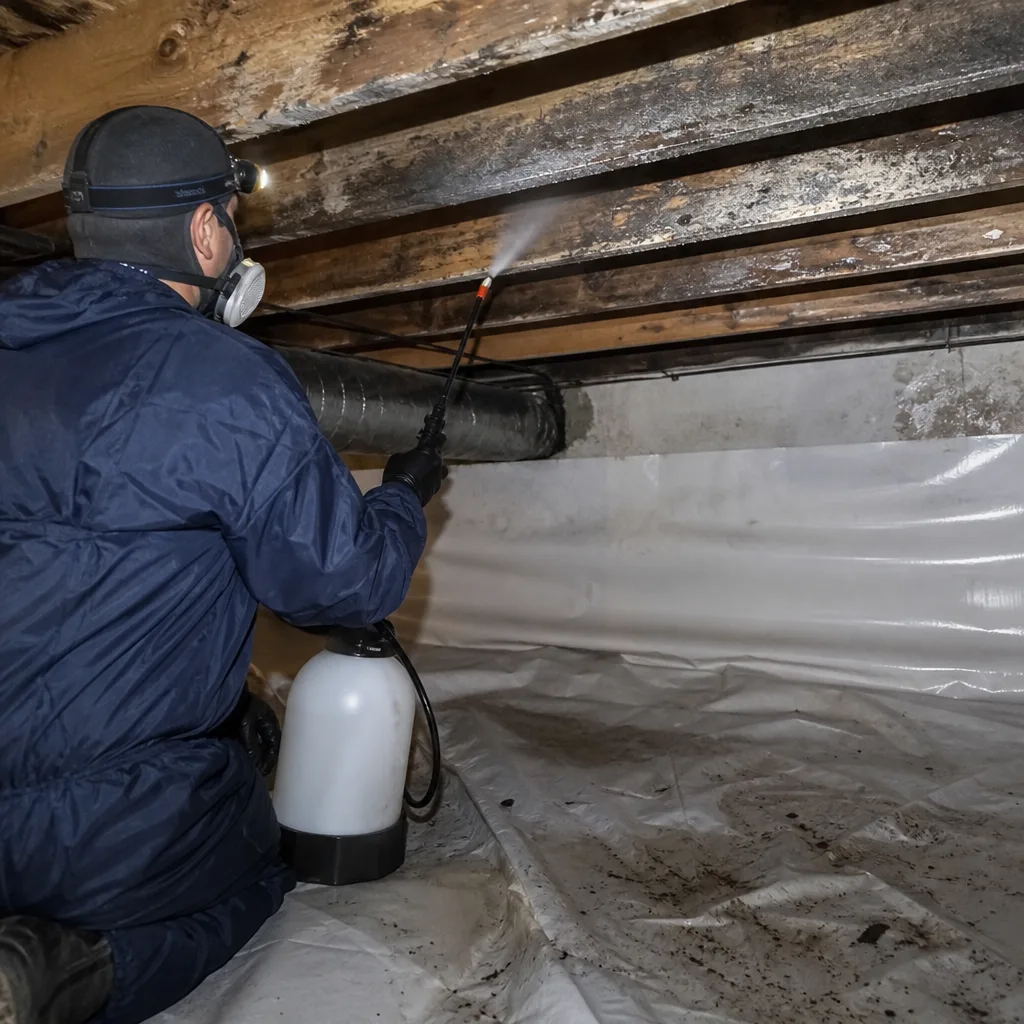
Call for professional assessment when: moisture readings exceed material-specific thresholds regardless of visible damage; musty odors persist beyond 48 hours after a water event; any Category 2 or 3 water intrusion occurs (dishwasher leak, washing machine overflow, sewage backup, or water from beyond the property line); fire or smoke damage of any magnitude; or you need documentation for an insurance claim.
DryMark Restoration Everett offers free estimates in Everett - call (360) 502-8815. Every assessment includes moisture mapping, a written scope, and a photo record. The written price is delivered before any work begins, every time, with no exceptions. Live phone coverage is available 24 hours a day, 7 days a week with no voicemail on emergency lines.
Frequently Asked Questions
Initial moisture assessments are provided at no charge, with a written scope and photo documentation included. The written price for any recommended work is delivered before work begins, per Haven Standard, Clause 1. Call (360) 502-8815 to schedule.
Consumer meters provide useful data if calibrated to the correct material and used with proper probe placement. Professional-grade meters (Delmhorst, Protimeter) offer greater precision and depth penetration, and are essential for cavity readings. The larger difference is documentation: our readings are logged with location, date, and material specifications to IICRC standards, producing the records insurers require.
Coverage depends on proving the damage was hidden and progressive, not long-term or maintenance-related. Timestamped documentation of moisture readings, professional assessment dates, and maintenance records support your position. We provide documentation packages designed for adjuster review; our origin as a claims-adjuster-founded company means we understand what documentation resolves coverage disputes.
Live phone coverage is available 24 hours a day, 7 days a week with no voicemail on emergency lines. Response time depends on current demand and weather conditions; we provide an estimated arrival window when you call. For water damage, speed matters - every hour of delay increases the remediation scope. For reconstruction, work is scheduled, not dispatched.
Visible mold growth exceeding 10 square feet, or any mold resulting from Category 2 or 3 water, requires professional remediation under IICRC S520. DIY cleaning disturbs spores without containment, potentially spreading contamination. It also produces no documentation for insurance or property disclosure requirements. We provide a written scope specifying the containment, negative air, and HEPA filtration protocol before work begins.
Mitigation stabilizes and prevents further damage - drying, cleaning, demolition of unsalvageable materials. Reconstruction returns the property to pre-loss condition - rebuilding, finishing, painting. Mitigation is typically urgent and priced by equipment and labor hours; reconstruction is scheduled and priced by material specifications and trade labor. Both require a written price before work begins under Haven Standard, Clause 1, but the pricing structures differ. We deliver separate written scopes so you understand each phase.
The Bottom Line
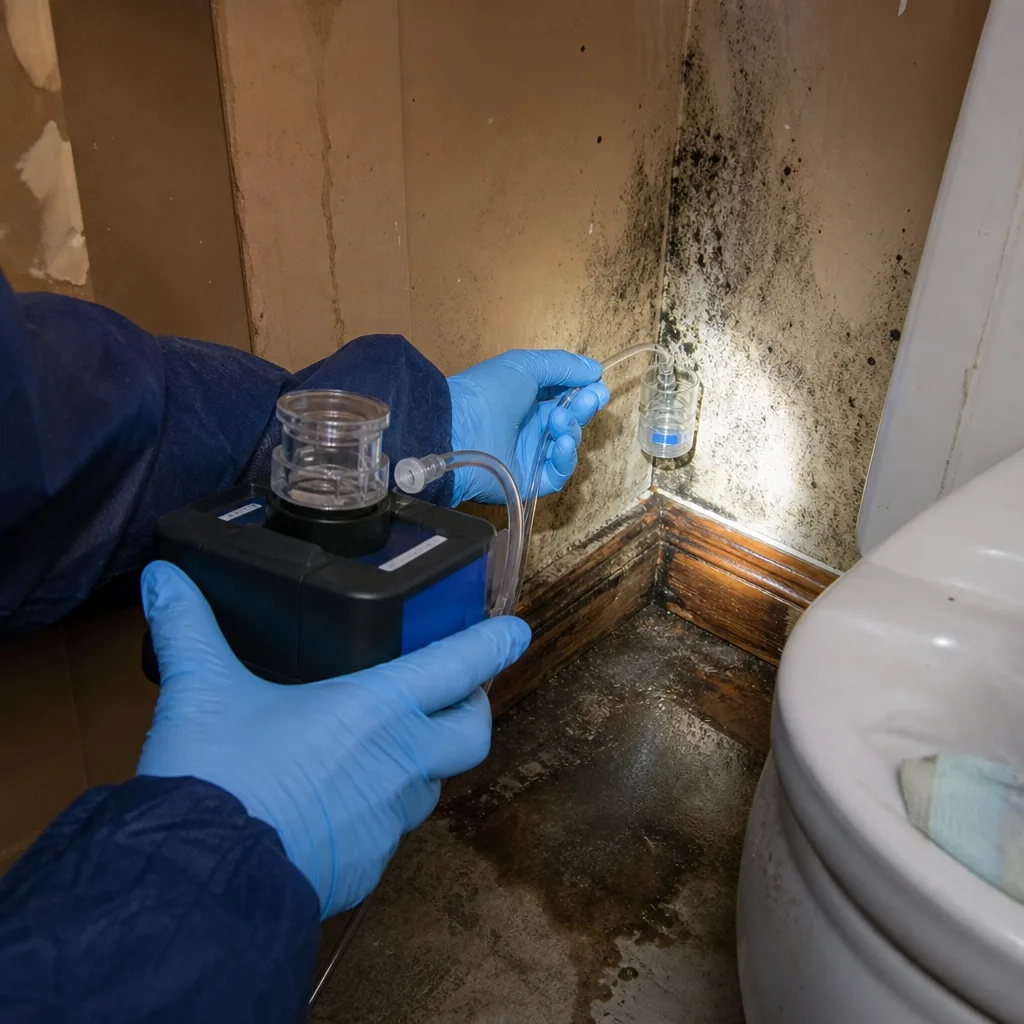
The warning signs that protect your home and your claim are numbers, not sights: 19% moisture in wood, 1% above baseline in drywall, 4 pounds on a calcium chloride test. A musty odor at any reading means growth is active. In Everett’s 1955-1980 homes, surface readings understate cavity moisture by half. Document everything with timestamps, and understand that your insurer’s coverage decision may depend on proving when discovery occurred. Professional assessment provides the documentation that turns a restoration invoice into a payable claim - that’s the documentation gap Back to Dry was founded to close.
Written by Alicia Brennan, Owner at DryMark Restoration Everett, serving Everett since 2011.