
Free visual inspection and a written scope of work before any mitigation begins - photos, moisture readings, and drying logs go in your claim file
The scope we write is the scope we bill. Anything new gets shown to you, in writing, before we touch it.
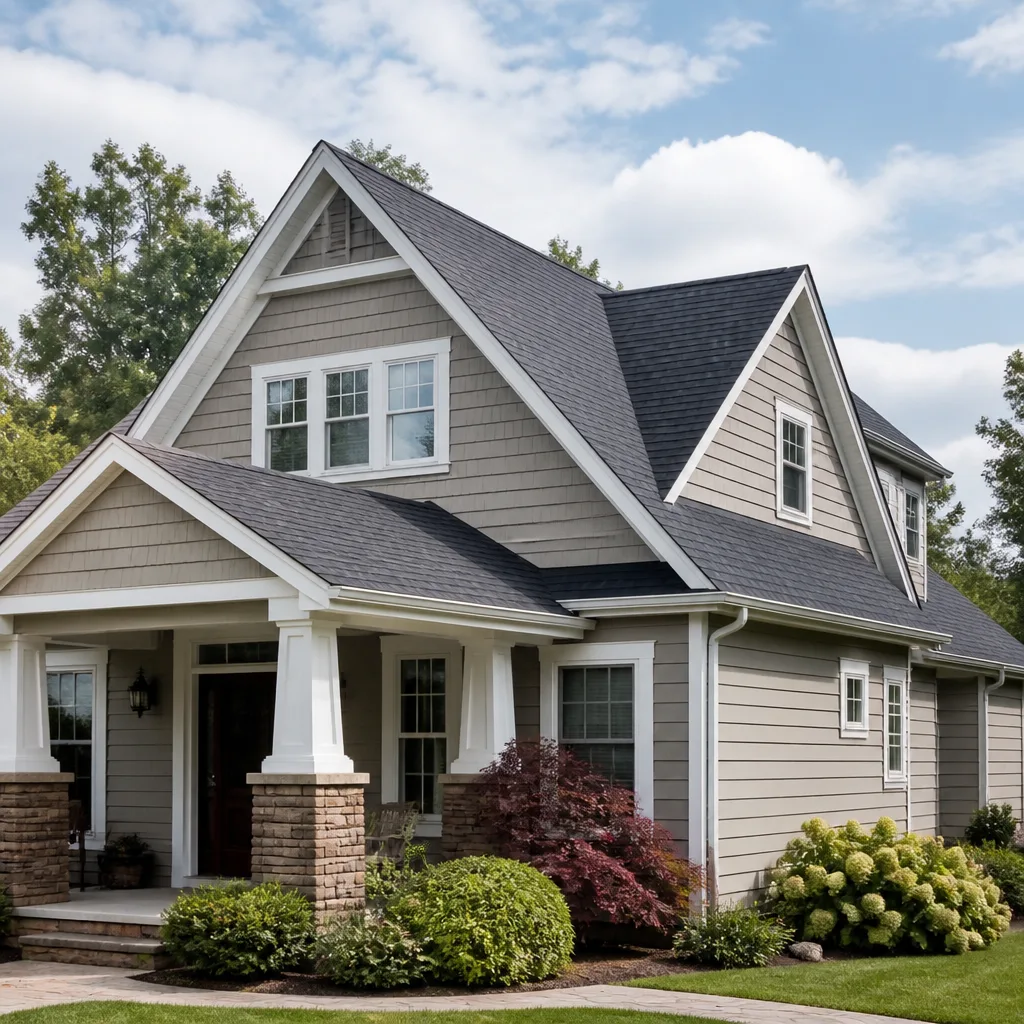
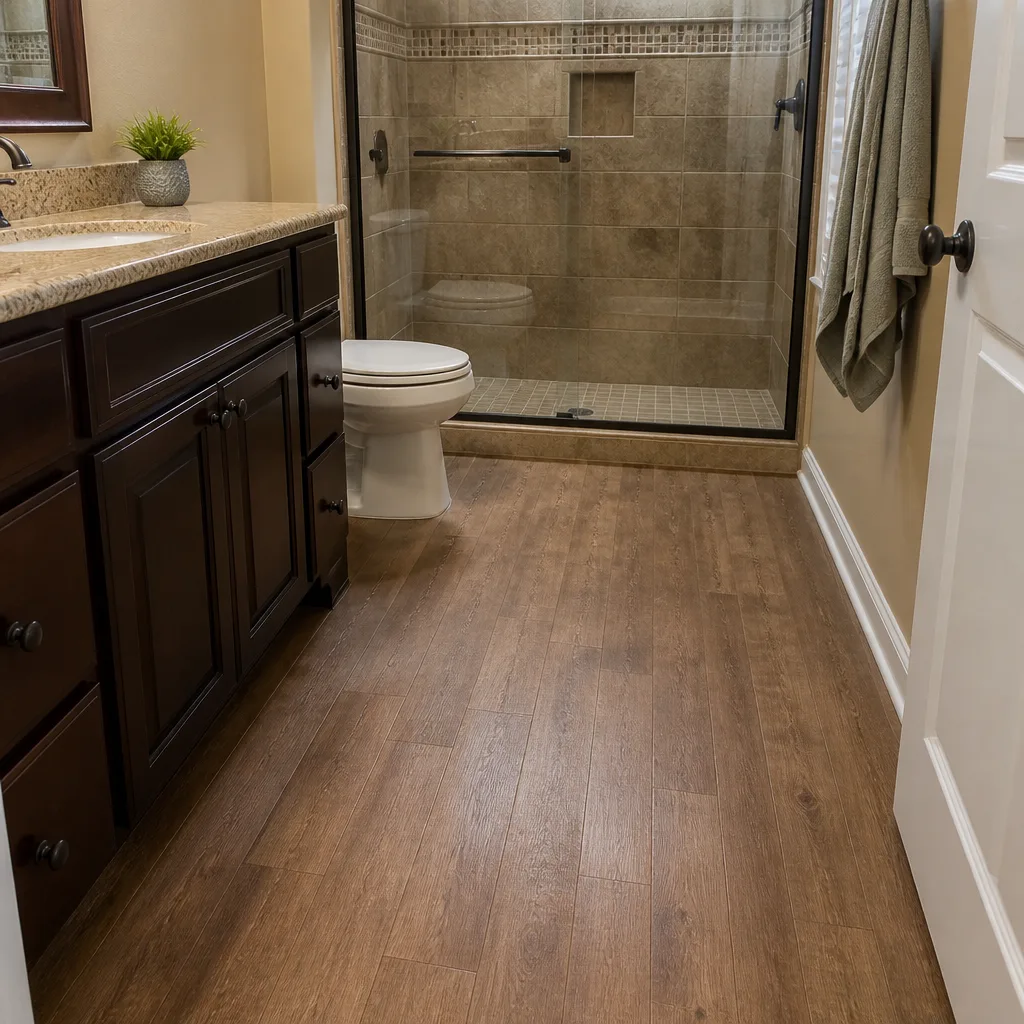
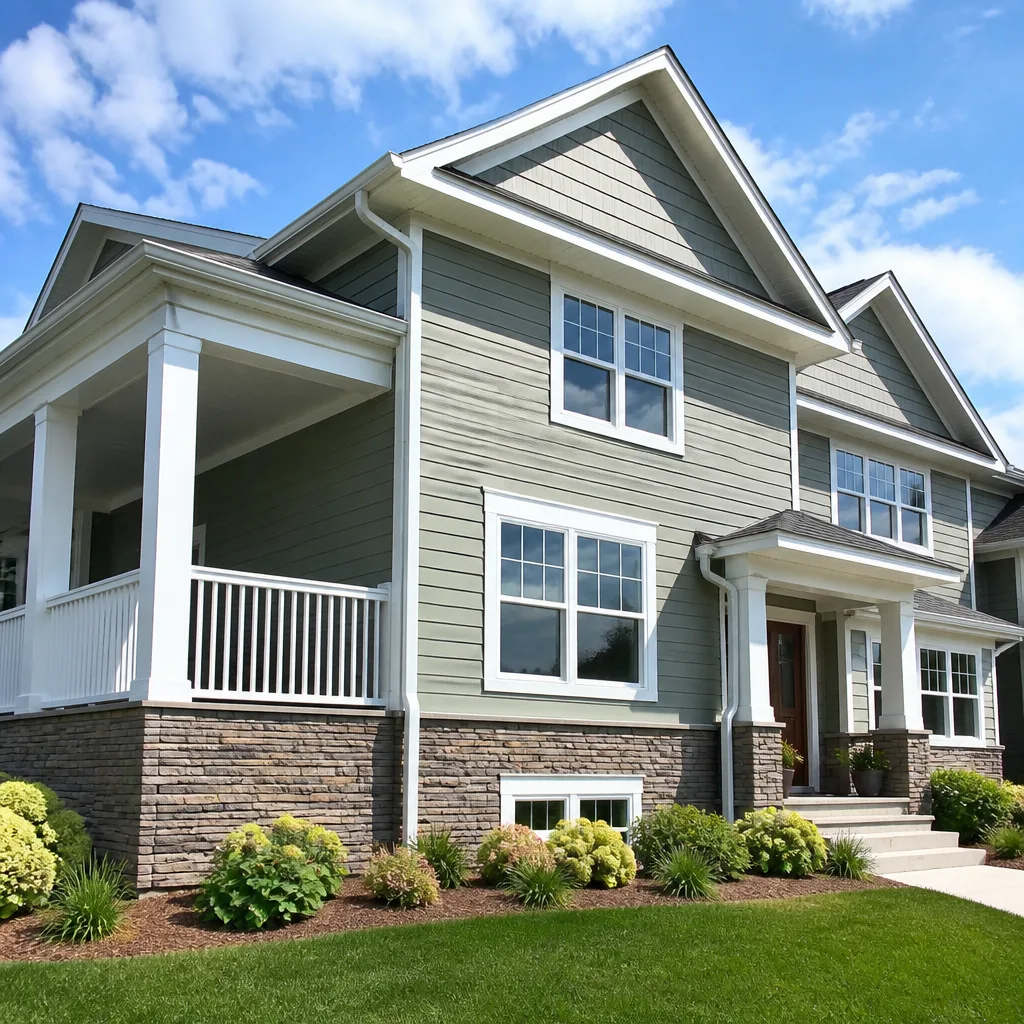
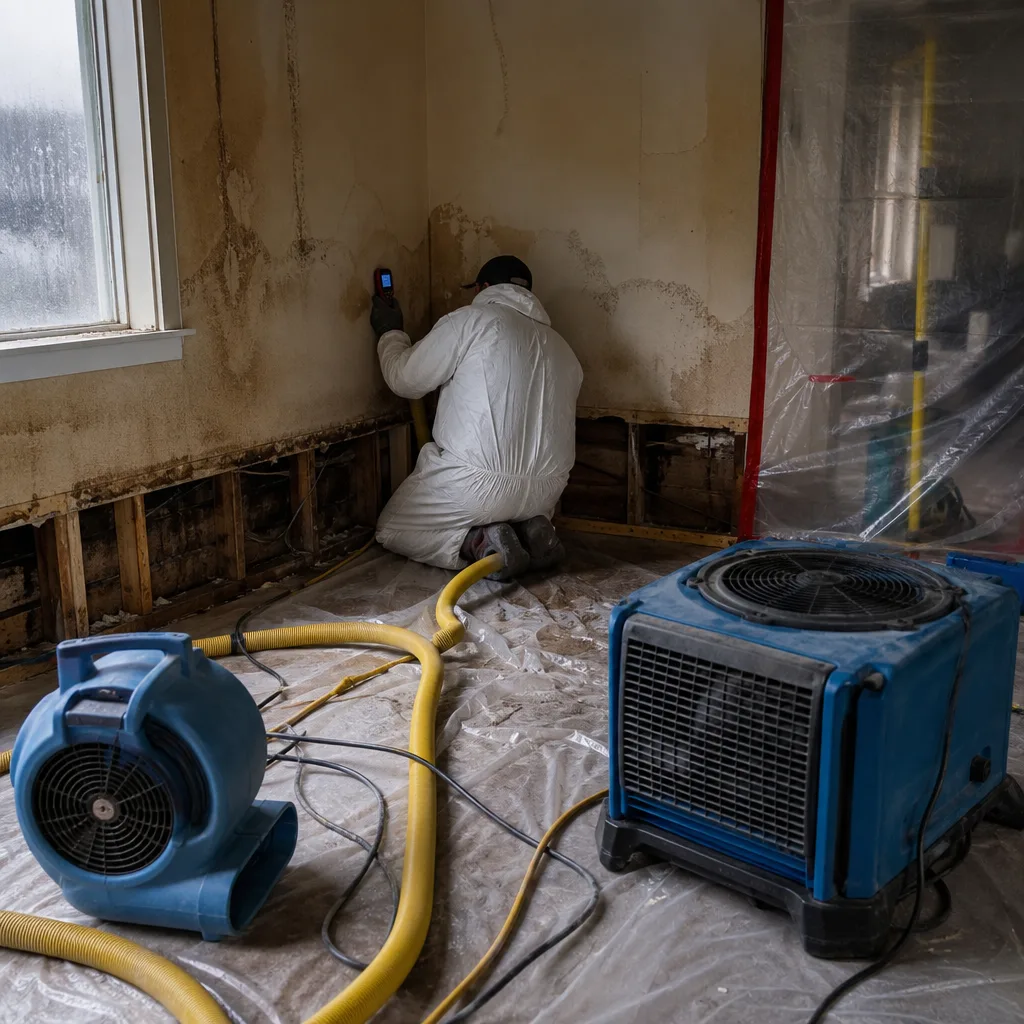 Before
 After
After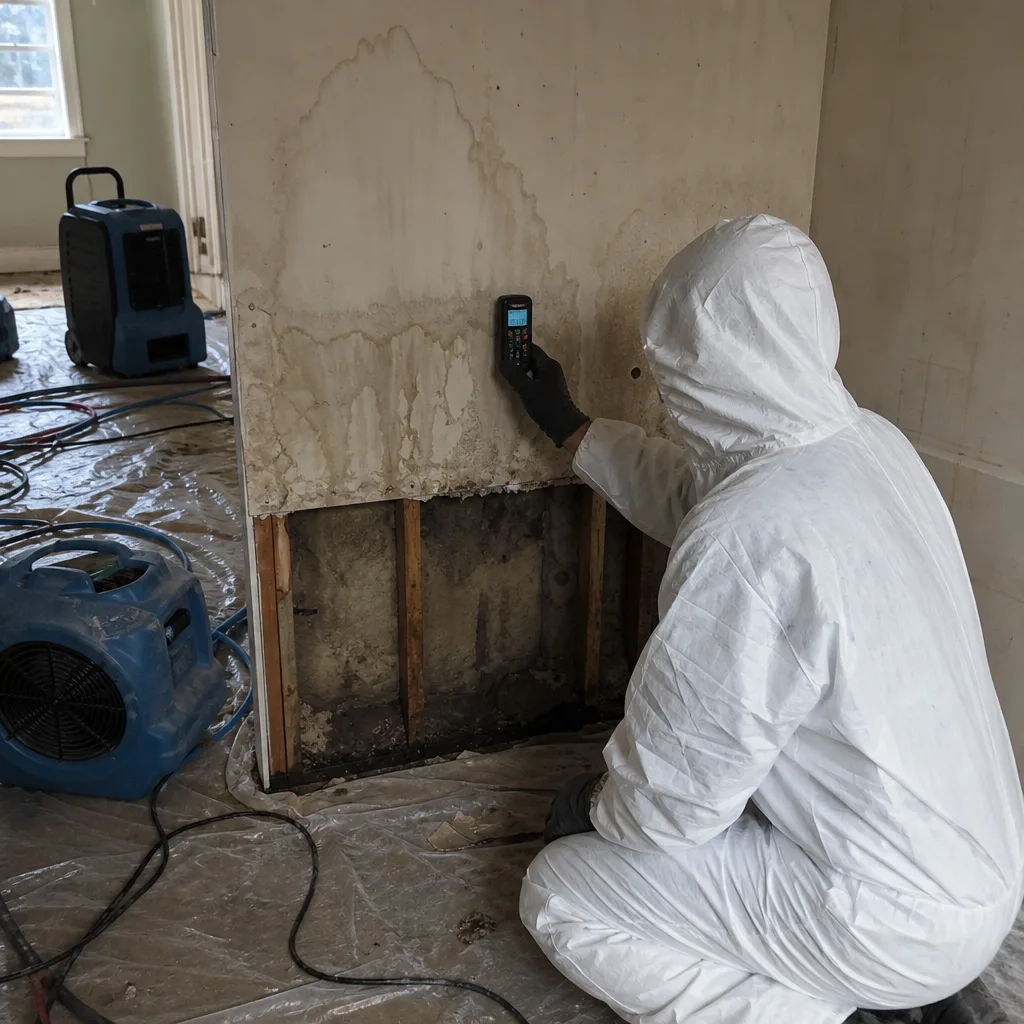 Before
 After
After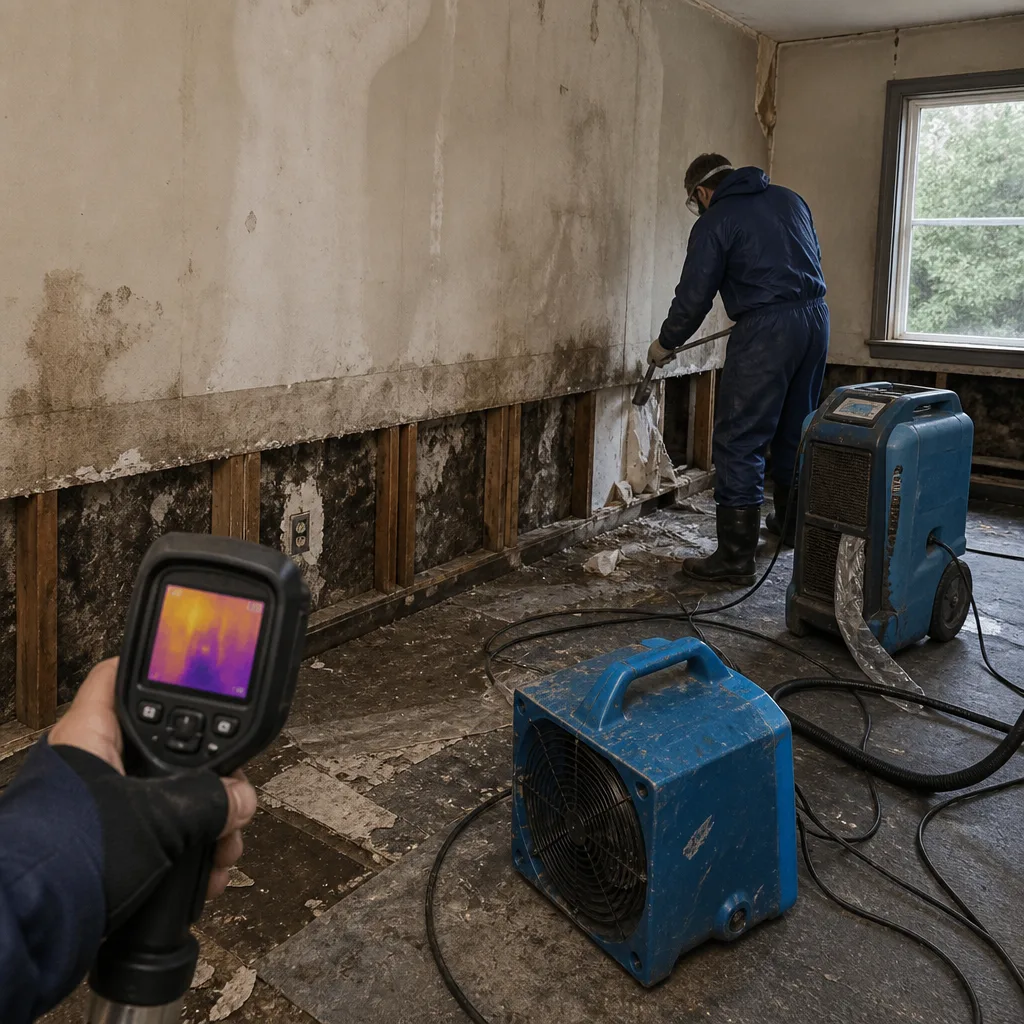 Before
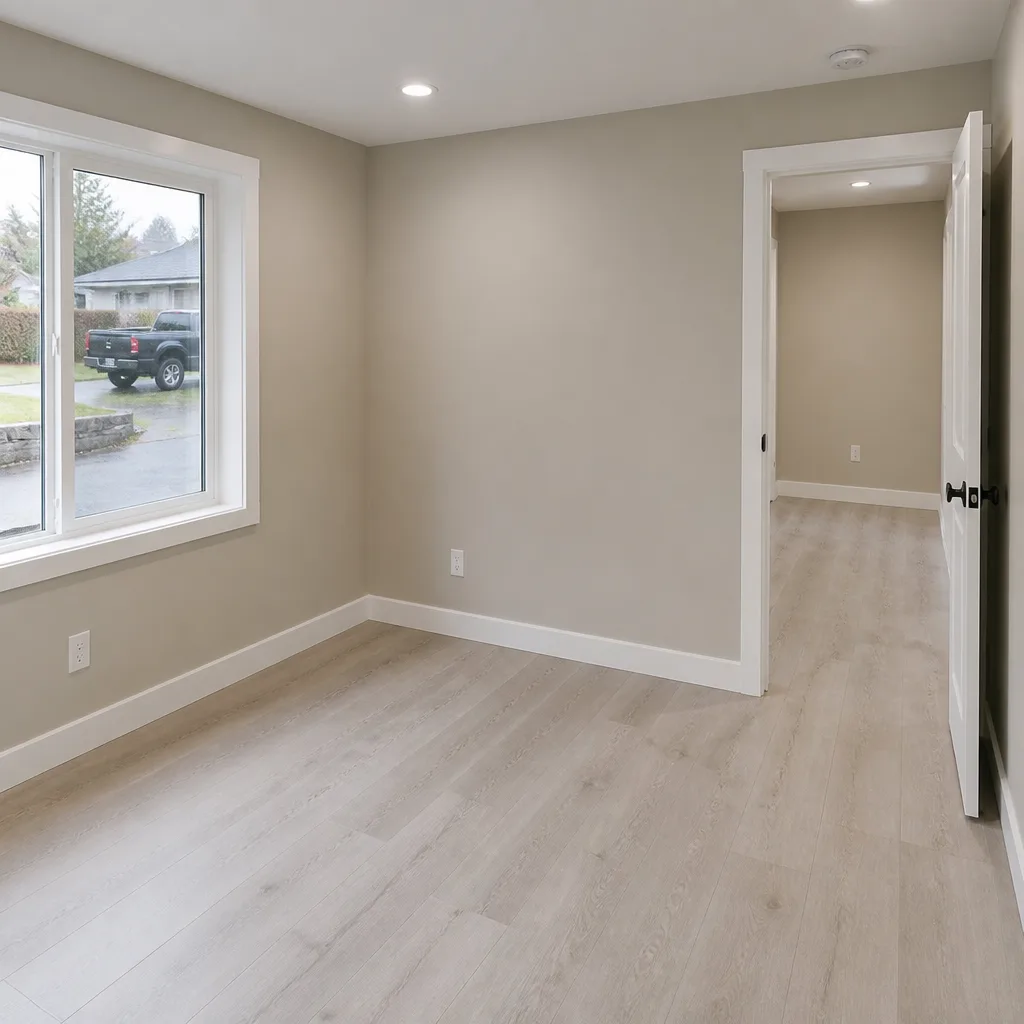 After
After24/7 Emergency Fire & Smoke Damage Restoration in Snohomish
Fire damage in Snohomish typically costs $4,200-$18,500 to restore, and smoke odor remediation alone runs $1,800-$6,400 depending on how far the residue has migrated through balloon-frame walls. Our crews answer live at (360) 502-8815 every hour of every day, including holidays, and we can have a team on-site anywhere in Snohomish within 45 minutes. The first hour after a fire determines whether smoke settles into porous surfaces permanently or can be lifted with proper chemistry and airflow. We don’t ask you to call for a quote - we arrive, document, and deliver a written price before any work begins, Haven Standard, Clause 1.
Snohomish’s historic homes along Avenue D, First Street, and the river flats present a specific challenge: smoke travels through balloon-frame stud bays and horsehair plaster cavities that modern construction simply doesn’t have. Our Fire & Smoke Damage Restoration team maps both soot migration and moisture intrusion simultaneously, because in this city, they’re almost never separate problems.
Understanding Fire & Smoke Damage Restoration Severity in Snohomish Properties
Fire damage severity follows a progression from light soot deposition to deep char and structural compromise, but in Snohomish the real complexity is smoke migration through legacy construction. Dry smoke residue, produced by fast-burning, high-heat fires, carries a powdery, ashy quality that rests on surfaces but can be driven into horsehair plaster by suppression water. Wet smoke residue, from slow, smoldering fires at lower temperatures, is sticky, smeary, and aggressively adheres to old-growth Douglas fir framing - the kind of framing that fills historic-district walls here.
Protein residue fires, common in kitchen grease incidents, leave nearly invisible but pungent films that standard cleaning misses entirely. In a 1920s Snohomish bungalow with balloon-frame construction, that protein smoke can travel from the kitchen, up through continuous stud bays, and into second-floor closets without ever showing visible soot. We classify every fire by fuel type, residue pattern, and migration path before selecting cleaning chemistry. The suppression water adds another layer: Category 2 or Category 3 water protocols apply when fire hoses or sprinkler systems introduce water that mixes with soot, ash, and potentially compromised building materials. Our moisture mapping with thermal imaging and penetrating meters finds water behind lath and plaster that pinless meters miss entirely.
Why Snohomish Property Owners Choose DryMark Restoration Everett
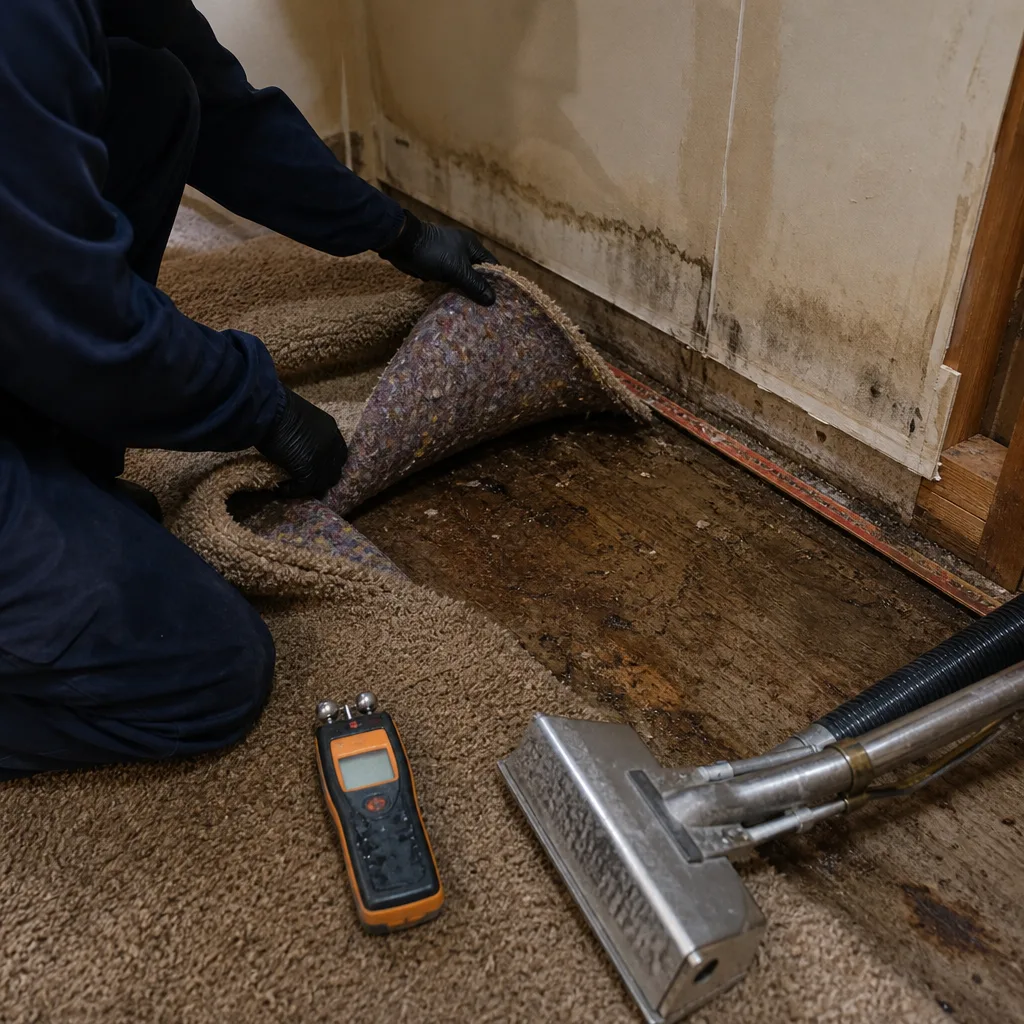
- 45-minute response commitment to any Snohomish address, including the historic district and river-flats properties.
- 24/7 live answer - a real person, never an automated system or voicemail tree, on every call.
- IICRC-certified crews holding FSRT (Fire and Smoke Restoration Technician) and WRT (Water Damage Restoration Technician) credentials, with AMRT (Applied Microbial Remediation Technician) certification for the mold that follows delayed drying.
- Free visual inspection and written scope delivered on-site before any work begins.
- Direct insurance billing with photo-documented estimates that adjusters recognize and approve.
- One team from emergency board-up through final reconstruction, so no handoff gaps in documentation or accountability.
BeforeAfterOur Fire & Smoke Damage Restoration Process
1. Inspection & Assessment
We arrive with thermal imaging cameras, hygrometers, and penetrating moisture meters to map both visible fire damage and hidden smoke migration. In Snohomish’s balloon-frame homes, we test stud bays at multiple elevations because smoke travels vertically through continuous cavities. Every reading is logged for the insurance file.
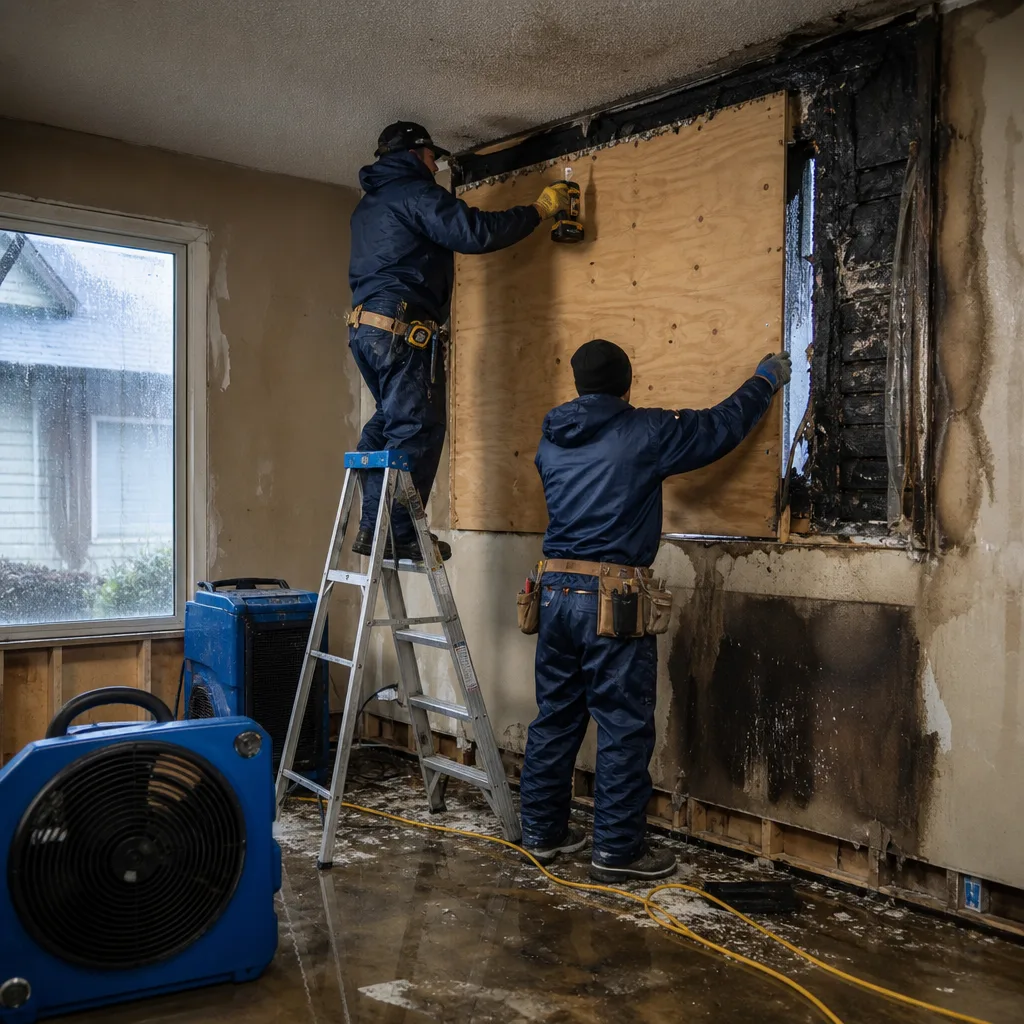
2. Emergency Board-Up & Stabilization
Broken windows, compromised roofs, and damaged doors get secured immediately to prevent weather intrusion and unauthorized entry. On river-flats homes, this step is critical - the Snohomish River valley’s near-saturated ambient humidity means any opening admits moisture that compounds smoke damage with mold risk.
3. Water Extraction & Structural Drying
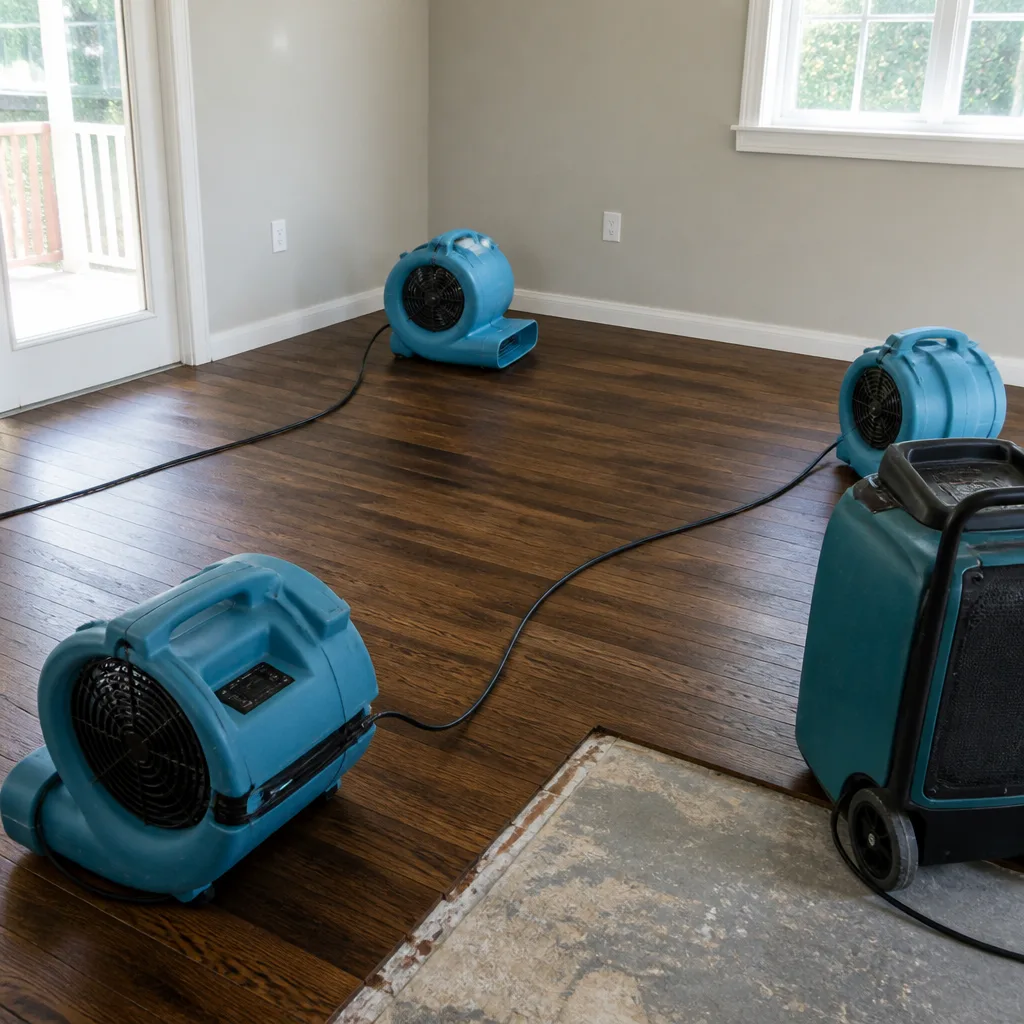
Suppression water gets extracted with truck-mounted systems, then we deploy Dri-Eaz and Phoenix LGR dehumidifiers alongside Injectidry cavity-drying systems to pull moisture from inside balloon-frame walls. The valley’s fall and winter humidity extends drying timelines; we adjust psychrometric targets accordingly and log daily moisture readings until materials reach dry standard.
4. Smoke & Soot Cleaning
Residue type determines chemistry: dry sponges for light ash, alkaline cleaners for wet smoke, enzyme digesters for protein fires. HEPA air scrubbers run continuously during cleaning to capture airborne particulate. On horsehair plaster, we avoid over-wetting that drives soot deeper into the porous surface.
5. Odor Removal & Deodorization
Thermal fogging and ozone treatment reach into cavities where physical cleaning cannot. In Snohomish’s old-growth fir framing, we often need multiple treatment cycles because the resin-rich wood absorbs and re-releases smoke compounds. Hydroxyl generators provide safe, occupied-space deodorization when residents need to remain in portions of the home.
6. Repairs & Restoration
Charred or structurally compromised materials are removed and replaced per a written scope. We match original profiles where possible - Victorian trim, Craftsman casing, lath-and-plaster wall systems - and document every step for the insurance claim. The 365-Day Done Right Promise applies to all reconstruction work.
Need Emergency Fire & Smoke Damage Restoration in Snohomish Now?
Crews minutes away, answering live 24 hours a day. The sooner we start, the less it costs.
Working With Your Insurance Company
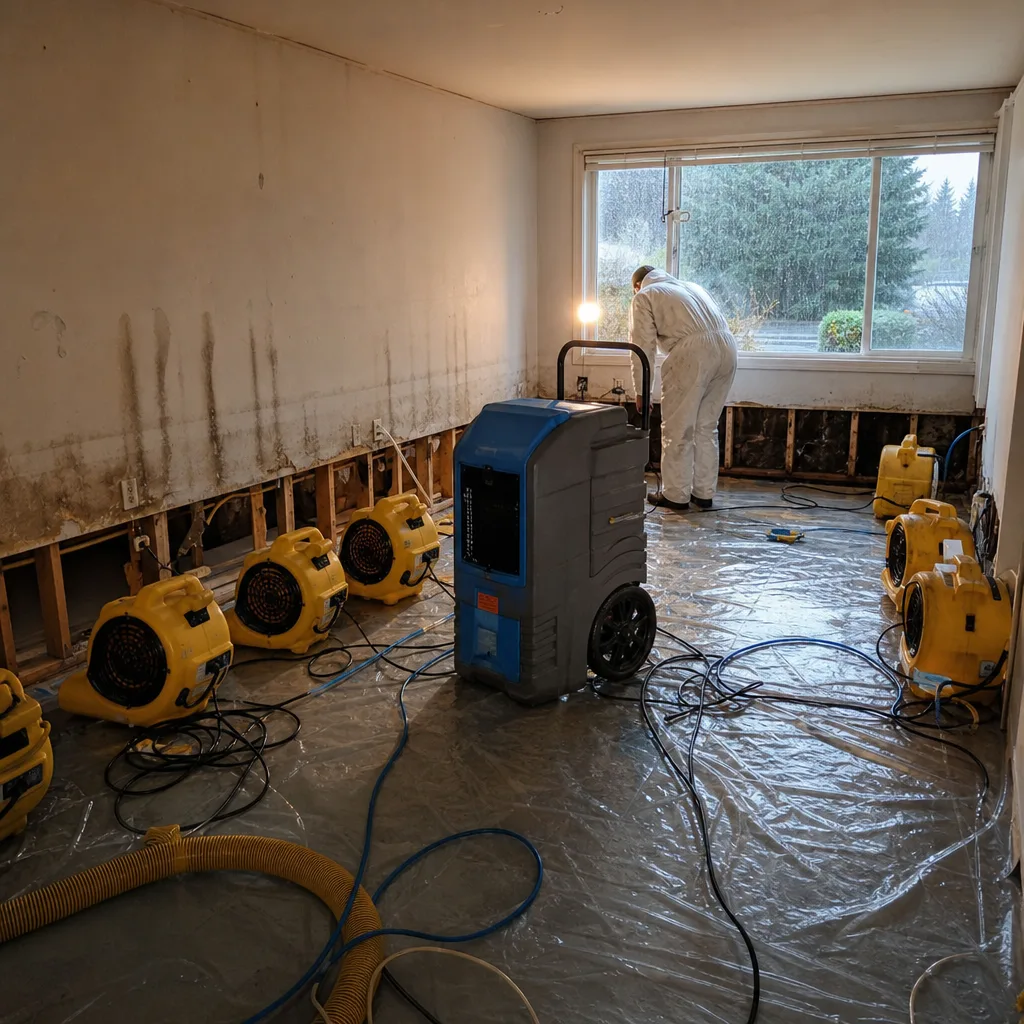
Fire claims fail when documentation gaps let adjusters dispute the scope. We close those gaps from the first hour. Every visit produces a photo record, moisture readings with equipment serial numbers, and a drying log that tracks progress against IICRC S500 and S700 standards. Our estimates follow Xactimate pricing that carriers recognize, and we coordinate directly with your adjuster rather than handing you a bill to argue over.
Snohomish’s historic homes often trigger scope disputes: adjusters trained on modern drywall construction may classify horsehair plaster as “cleanable surface” when it’s actually a porous, horsehair-reinforced lime plaster that requires specialized treatment or full replacement. We document the material classification, the moisture content behind it, and the remediation protocol so the estimate reflects reality, not a template.
What We Provide Your Insurer
- Thorough documentation of the loss
- Photos of all damage, room by room
- Moisture readings and drying logs
- A detailed, line-item scope of work
- Direct coordination with your carrier
Built for Snohomish’s Loss Calendar
January through March brings the highest fire risk in Snohomish, and it’s not the obvious culprit. Portable space heaters and wood stoves working overtime in drafty Victorian and Craftsman homes with minimal insulation cause slow, smoldering fires that produce the worst wet smoke residue. The same homes often have outdated electrical systems - knob-and-tube still active in some historic-district properties, or 1960s aluminum branch circuits - that overheat under holiday lighting loads and winter appliance demand.
April through June sees spring cleaning fires: improper disposal of oily rags, garage solvent fires, and the first barbecue incidents. Summer lightning is rare here, but July and August bring wildfire smoke intrusion from eastern Washington fires that deposits odor and particulate through attic vents and open windows. October and November’s return to heating season triggers the second peak: furnace puff-backs in oil-fired systems, chimney fires in masonry flues that haven’t been swept, and the annual wave of turkey fryer disasters. The Snohomish River valley’s persistent fall humidity means any fire with suppression water faces extended drying timelines before rebuild can begin.
Fire & Smoke Damage Restoration Across Snohomish’s Neighborhoods
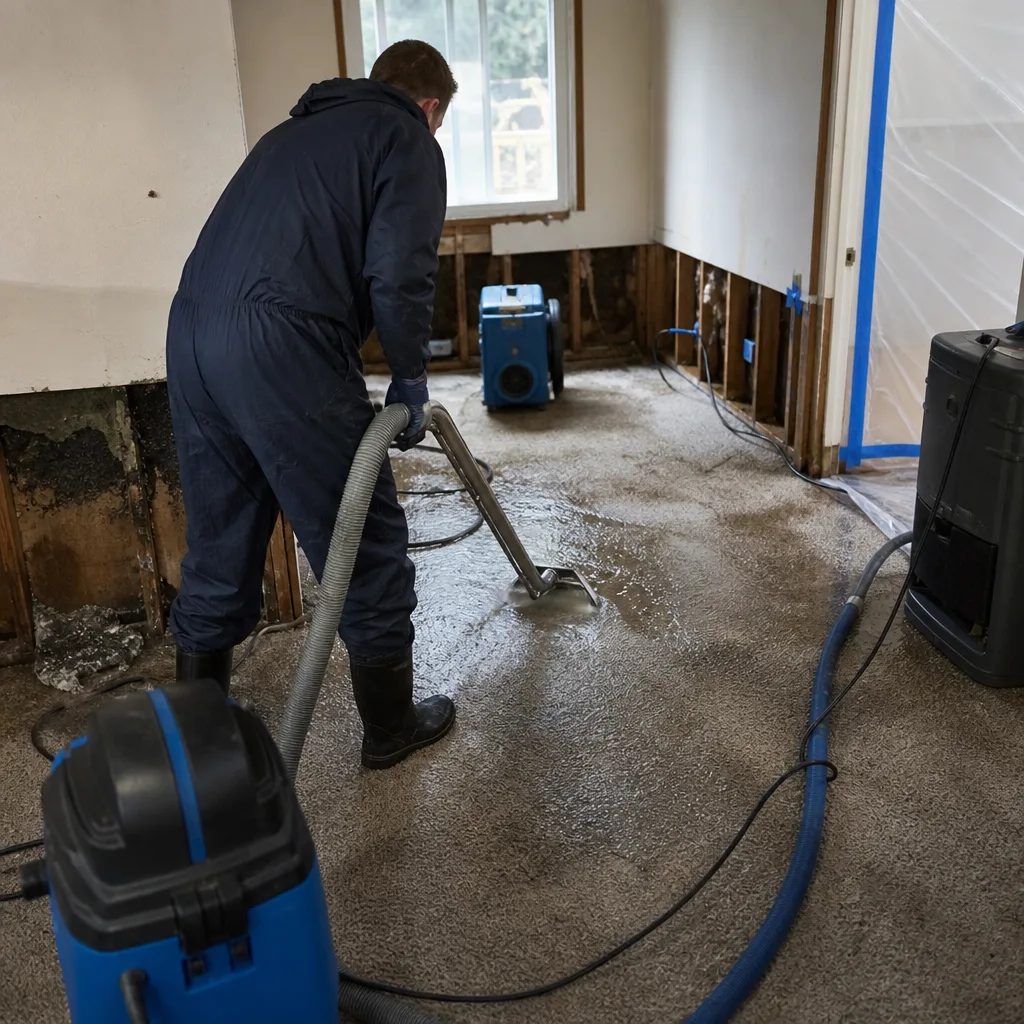
The historic district around First Street and Avenue D is where we encounter the most complex fire restorations. These 1880s-1930s structures have balloon-frame walls with no fire blocking, so smoke travels from basement to attic in minutes. Horsehair plaster over wood lath creates a sandwich that traps both soot and moisture. We’ve restored fires on Avenue D where the visible damage was a single kitchen, but smoke odor required treatment in four upstairs rooms and the attic crawl space.
River-flats properties south of First Street, toward the Snohomish River, add groundwater complications. After a fire on Lincoln Avenue, we found standing water in the crawl space from a rising water table that had nothing to do with fire hoses. The homeowner’s insurance initially denied the crawl drying as “unrelated” - our documentation of the hydrostatic pressure pattern, tied to USGS river gauge data from that date, reversed the denial.
Blackman Lake area homes, built in the 1960s-1980s, present a different profile: standard platform framing and drywall that responds better to conventional cleaning, but with the same valley humidity challenge. Fires here tend to be faster-burning with drier smoke residue, though we still map moisture in wall cavities because even modern construction wicks suppression water unpredictably.
North of downtown toward Three Lakes, larger lots and newer construction mean fires often start in detached shops or outbuildings before spreading to the main structure. We handle the outbuilding as a separate loss site with its own documentation, then trace any extension damage to the primary residence.
Specialized Fire & Smoke Damage Restoration Services We Offer in Snohomish
Fire Damage Cleanup
From char removal to structural stabilization, we handle the full debris and damaged-material phase. In Snohomish’s historic homes, this means identifying salvageable old-growth trim and custom-milled elements before demolition begins. A written inventory protects both the homeowner’s equity and the insurance claim.
Smoke & Soot Removal
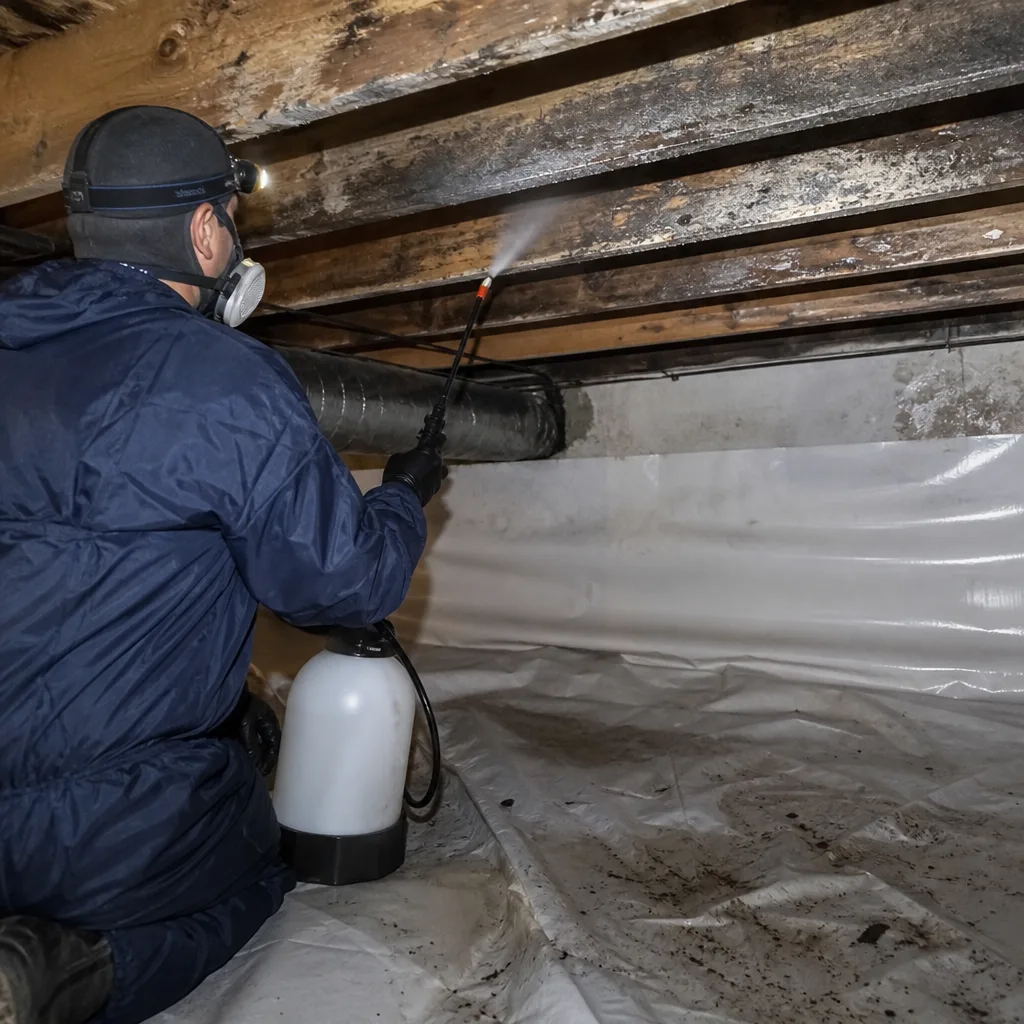
Surface wiping misses what balloon-frame construction hides. We use contact vacuuming with HEPA filtration, dry-sponge cleaning, and targeted chemical sponges on painted surfaces. For unfinished old-growth fir in attics and crawl spaces, we apply solvent-based cleaners that break the soot-oil bond without driving residue deeper.
Odor Removal & Deodorization
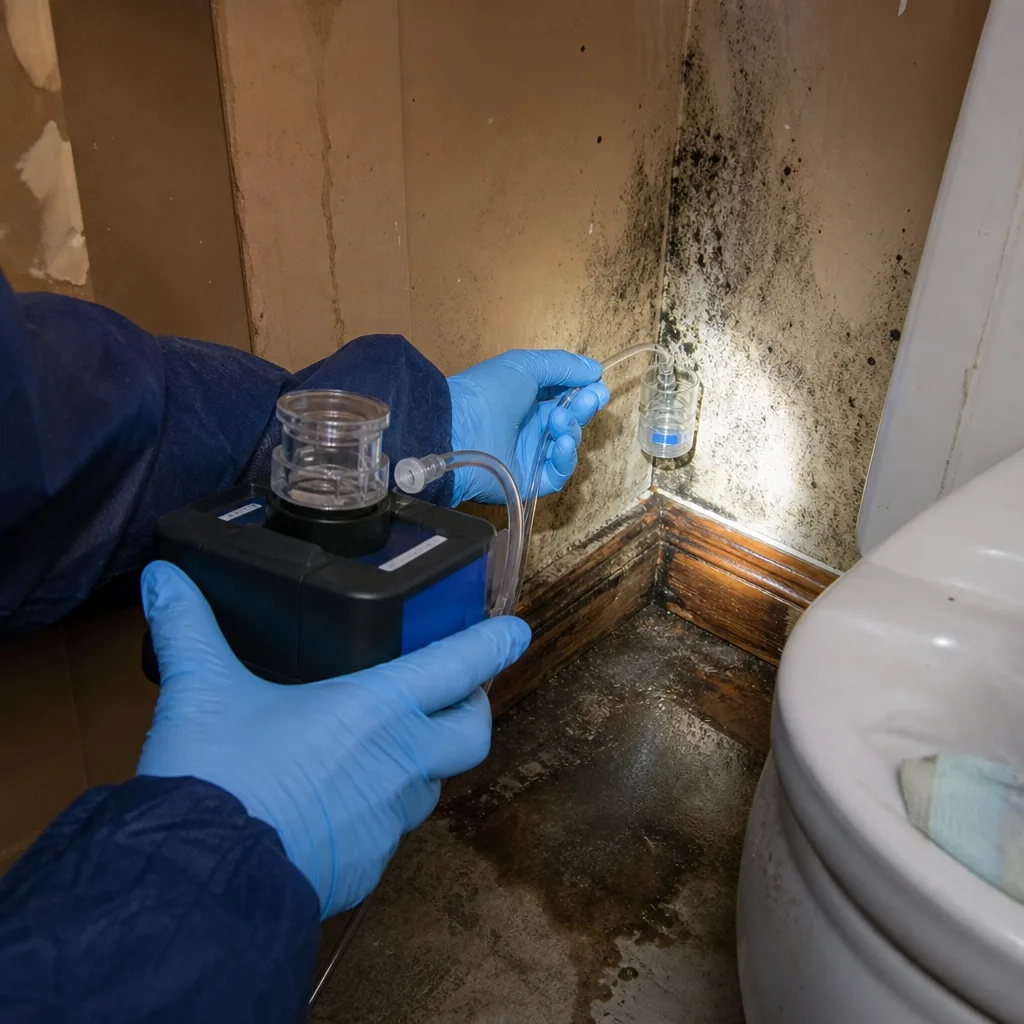
Thermal fogging, ozone, and hydroxyl generation each have specific applications in Snohomish’s housing stock. Ozone works best in unoccupied spaces with dense smoke saturation; hydroxyl generators allow residents to remain in the home during treatment. We often sequence both, with ozone for the initial knockdown and hydroxyl for sustained occupied-space treatment.
Contents Cleaning & Pack-Out
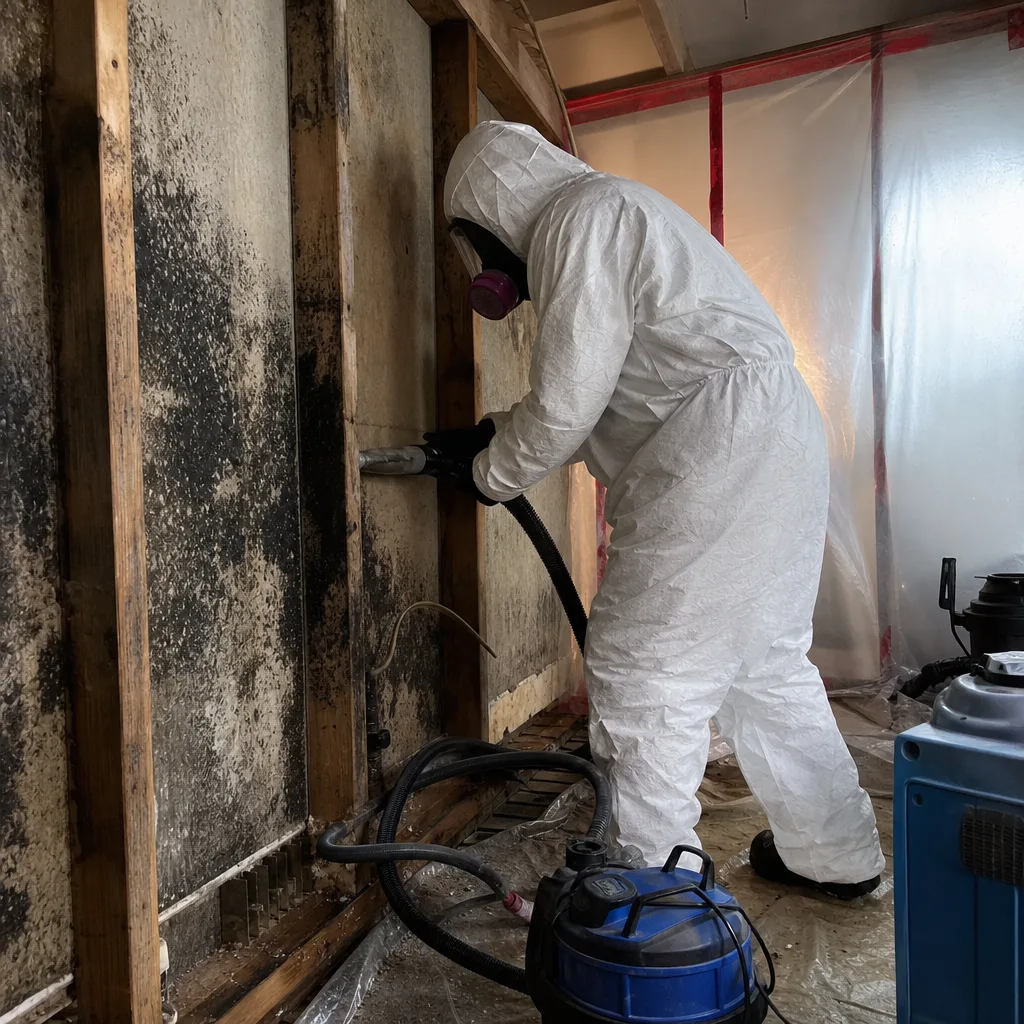
When smoke has penetrated a home’s entire envelope, on-site cleaning risks cross-contamination. We inventory, photograph, and transport affected contents to our facility for ultrasonic cleaning, ozone treatment, and specialized textile restoration. In the historic district, where homes may have limited staging space and delicate original fixtures, pack-out is often the only practical path.
Emergency Board-Up & Tarping
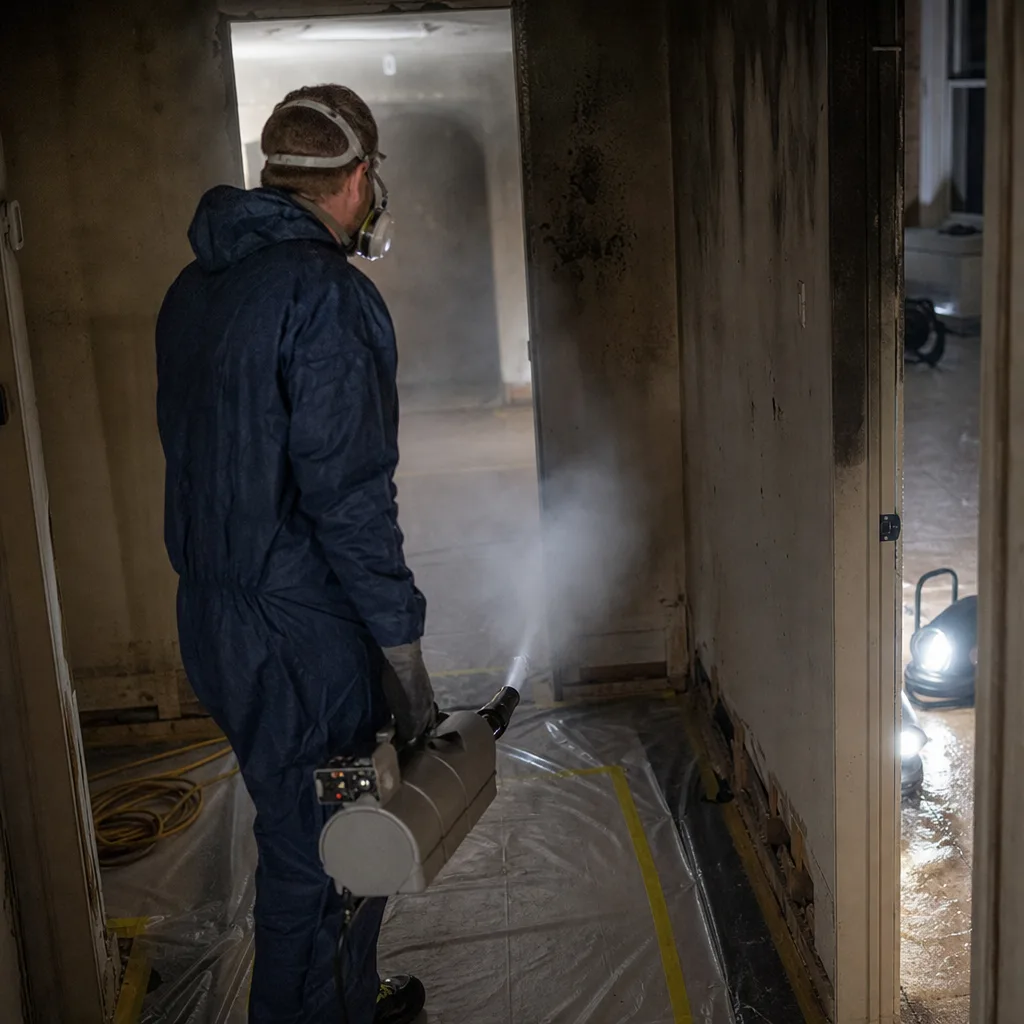
Before any restoration scope begins, we secure the structure against weather and intrusion. On Snohomish’s older homes with irregular window sizes and cedar-shingle roofs, standard plywood and tarp solutions don’t always fit. We carry custom-cut materials and temporary weatherproofing for non-standard profiles.
What happens when you call
- 1
A real person answersNo phone trees - you reach a local pro.
- 2
You get an upfront price rangeHonest numbers before anyone is dispatched.
- 3
A background-checked tech heads outLicensed & insured, dispatched right away.
- 4
You approve before work beginsNothing starts until you say go.
Fire & Smoke Damage Restoration Costs in Snohomish, WA
Smoke and soot cleanup alone in Snohomish typically runs $1,800-$6,400, depending on square footage and how far smoke migrated through balloon-frame cavities. Full fire restoration with structural repair averages $4,200-$18,500, with severe losses in large historic homes exceeding $30,000. Contents pack-out and cleaning adds $800-$3,200 for a typical 2,000-square-foot home.
What moves the price: the residue type (wet smoke requires more labor than dry), the extent of suppression water and resulting structural drying needs, whether horsehair plaster can be cleaned or must be replaced, and how far smoke traveled through unsealed framing cavities. Insurance typically covers direct fire and smoke damage plus necessary water damage from suppression; our documentation ensures the scope captures all of it. We deliver a written price before work begins, every time, with no additions once the crew is inside - Haven Standard, Clause 1. Call (360) 502-8815 for a free inspection and firm scope.
We Also Serve Cities Near Snohomish
Our crews respond throughout the Snohomish River valley and beyond, including Snohomish and neighboring Monroe, Mill Creek, Lake Stevens, and Everett. Dispatch and scheduling are coordinated from our Seattle office; crews serve each community locally with the same documentation standards and response commitments.
Serving Snohomish, WA - Our Local Coverage Area
We’re based in the Snohomish area and know this community well. Use the map below to see our service coverage - if you’re nearby, we can almost certainly help.
Snohomish Fire & Smoke Damage Restoration Questions, Answered
Why does smoke smell come back weeks after a fire in a Snohomish historic-district home?
Balloon-frame stud bays and horsehair plaster cavities hold smoke odor long after surface cleaning. The old-growth Douglas fir framing is resin-rich and porous; when ambient humidity rises, it re-releases trapped smoke compounds. Our process includes cavity treatment with Injectidry systems and multiple deodorization cycles specifically for this Snohomish construction type. Call (360) 502-8815 if you’re dealing with returning odor - we can assess what’s still trapped in the walls.
Does fire suppression water in a river-flats home need Category 3 protocols?
Not automatically, but it often should be. Category 3 water is grossly contaminated; fire suppression water starts as Category 2 but can become Category 3 when it mixes with soot, ash, and degraded building materials. In Snohomish’s river-flats homes, we also test whether rising groundwater has entered the crawl space simultaneously - if so, Category 3 protocols apply to that portion. We classify water contamination at multiple points and document each for the insurance file.
How long does structural drying take after a fire in an 1890s Snohomish home versus a newer build?
An 1890s home with horsehair plaster, lath, and old-growth fir framing typically needs 5-8 days of monitored drying versus 3-5 days for modern drywall construction. The Snohomish River valley’s fall and winter humidity extends both timelines by 1-2 days because ambient vapor pressure slows evaporation even with professional dehumidification running. We adjust daily targets based on psychrometric readings, not a standard calendar.
When should contents be packed out instead of cleaned on-site after a Snohomish fire?
Pack-out is indicated when smoke has penetrated the entire home envelope, when on-site cleaning would risk cross-contamination to unaffected areas, or when the home lacks staging space for sorting and processing. In Snohomish’s historic district, where rooms are often smaller and original fixtures are delicate, pack-out is frequently the safer choice. We inventory everything with photo documentation before transport.
Do you handle emergency board-up and tarping on Snohomish homes before the restoration scope starts?
Yes, and we recommend it on every fire call. Board-up prevents weather intrusion, protects against liability, and preserves the scene for insurance documentation. On Snohomish’s older homes with irregular window sizes and cedar-shingle roofs, we carry custom materials rather than forcing standard plywood cuts. The board-up is documented with photos and included in the initial scope.
Will my insurance cover the full restoration, or will I pay out of pocket?
Most homeowner policies cover direct fire and smoke damage, suppression water damage, and necessary remediation like odor removal and structural drying. Disputes arise when adjusters underestimate scope - we prevent that with documented material classifications, moisture readings, and line-item estimates in Xactimate format. If you’ve received a competitor’s estimate that seems low, our Free Second Opinion reviews it at no charge. Call (360) 502-8815 to discuss your specific policy.
How fast can your crew actually get to my Snohomish home after a fire?
We commit to 45 minutes from call to on-site anywhere in Snohomish, including the historic district and river-flats areas. Our phone is answered live 24 hours a day - no voicemail, no next-business-day callback. The first crew arrives with inspection equipment, board-up materials, and initial extraction capability. Call (360) 502-8815 and we’ll dispatch immediately.
What should I do in the first 30 minutes after the fire is out?
Ensure everyone’s safety and do not re-enter until the fire department clears the structure. Then call us at (360) 502-8815 for immediate board-up and assessment. Do not attempt to clean soot yourself - improper cleaning can drive residue deeper into porous surfaces and void insurance coverage for that item. Do not turn on HVAC systems, which will distribute smoke particulate throughout the home. Our crew will handle ventilation control safely.
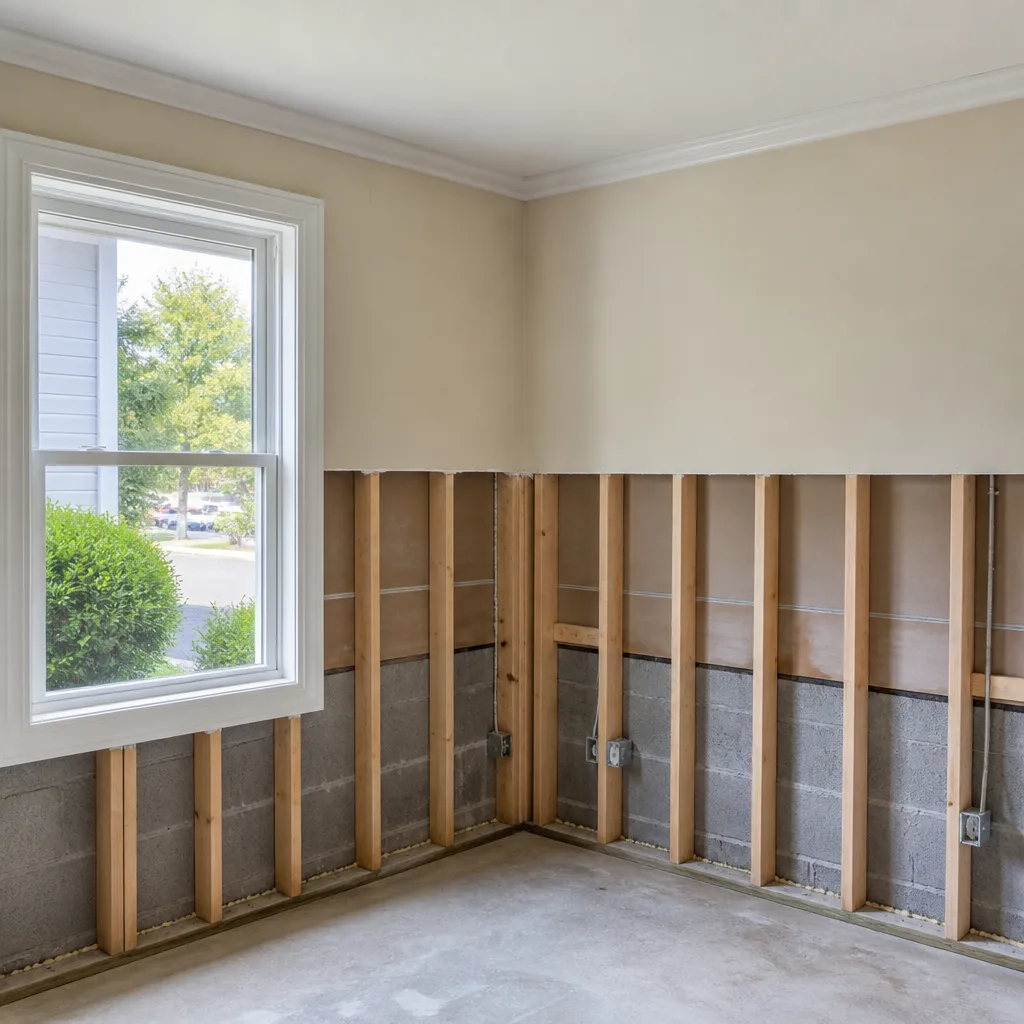
On Avenue D near the historic district, a 1908 Craftsman took a kitchen fire that pushed smoke through balloon-frame stud bays into the second-floor horsehair plaster; our techs ran moisture mapping and found elevated readings behind the lath where no flame had reached. We set containment, pulled the wall cavity with Injectidry, ran Dri-Eaz and Phoenix air movers with dehumidification for a six-day drying log, then did antimicrobial treatment on the fir framing before any rebuild. The homeowner’s insurance scope had called it a surface soot clean - the moisture readings told a different story.
Written by Alicia Brennan, Owner at Back to Dry Restoration, serving Snohomish since 2011.
Fire & Smoke Damage Restoration in Nearby Areas