Free visual inspection and a written scope of work before any mitigation begins - photos, moisture readings, and drying logs go in your claim file
The scope we write is the scope we bill. Anything new gets shown to you, in writing, before we touch it.
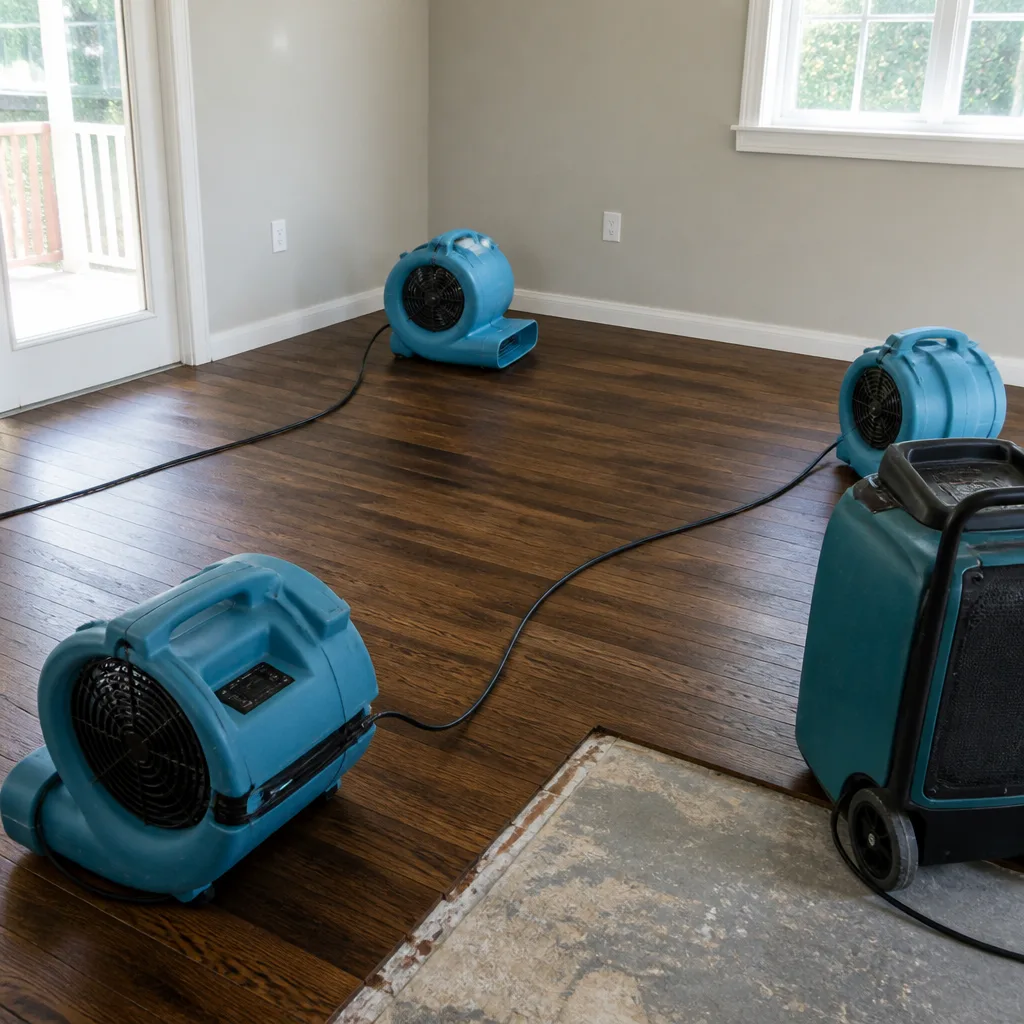
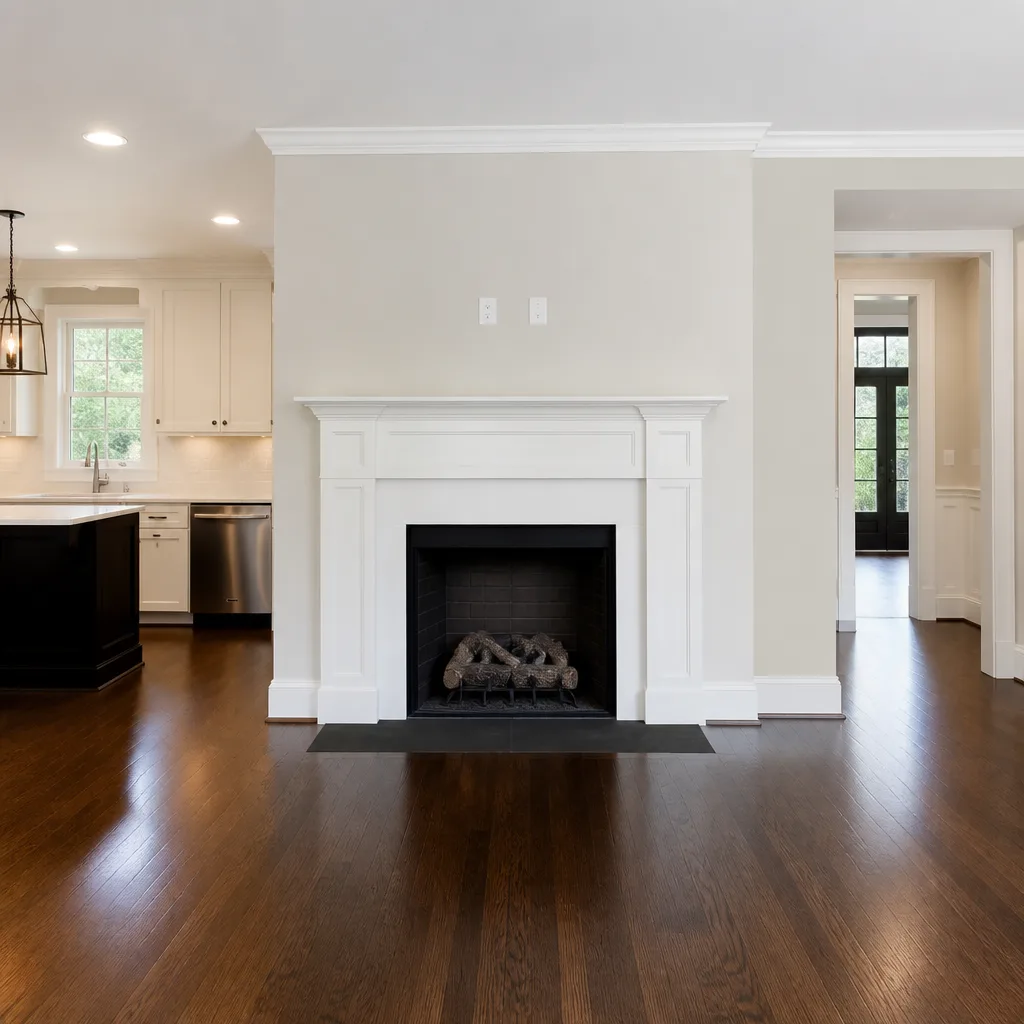
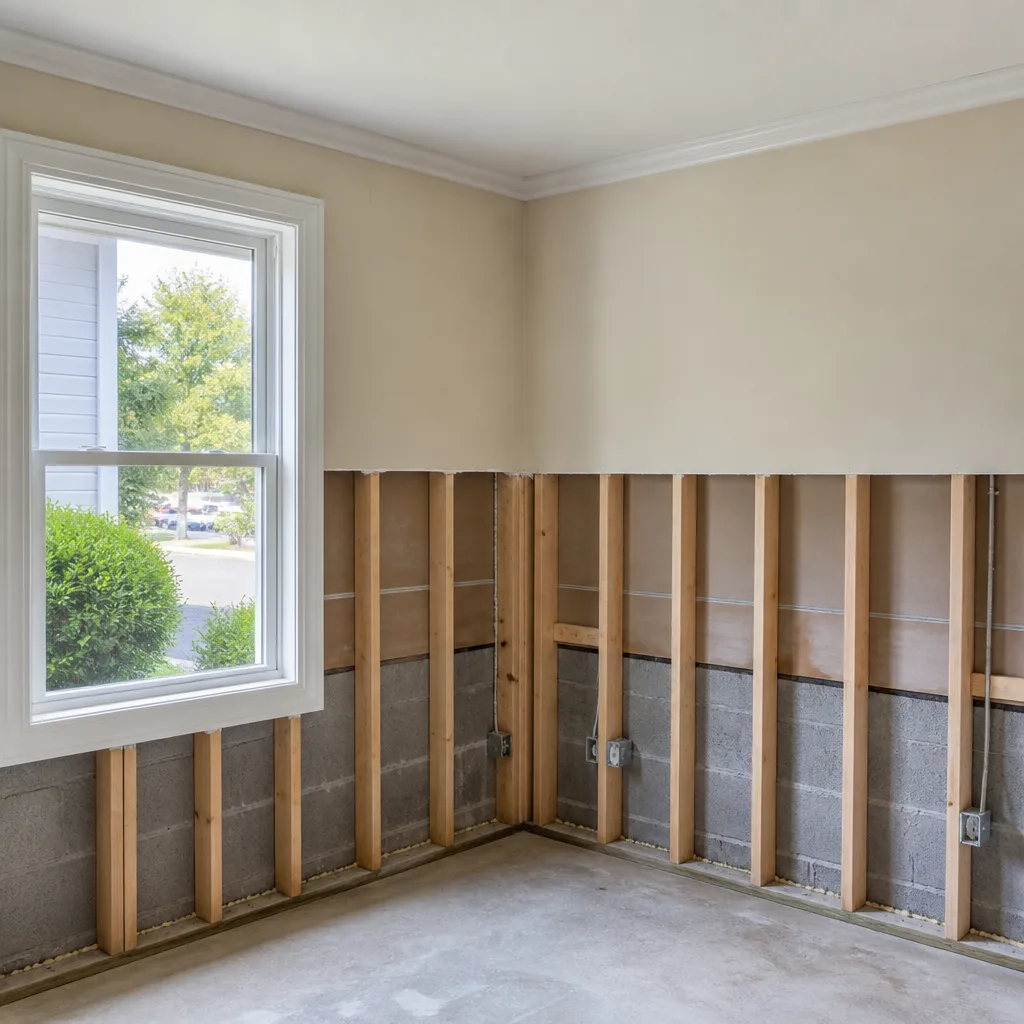
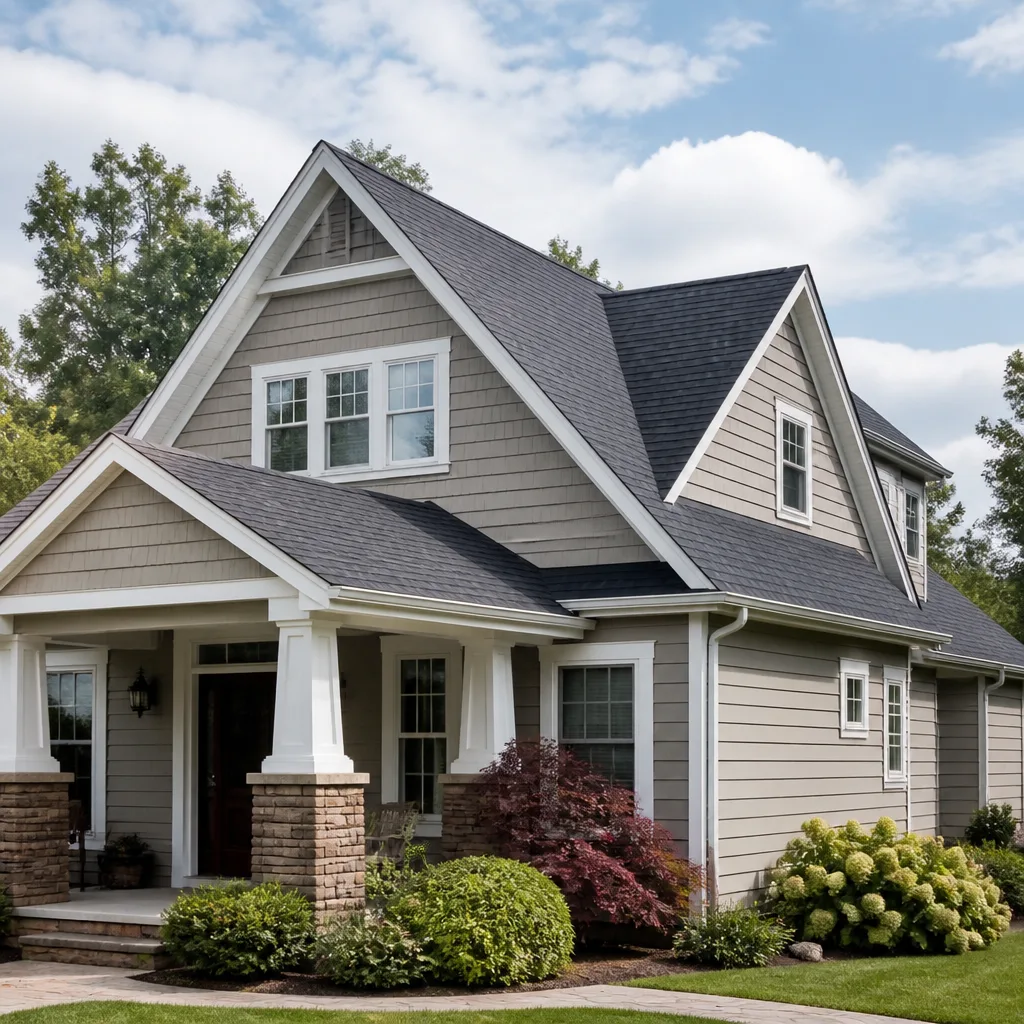
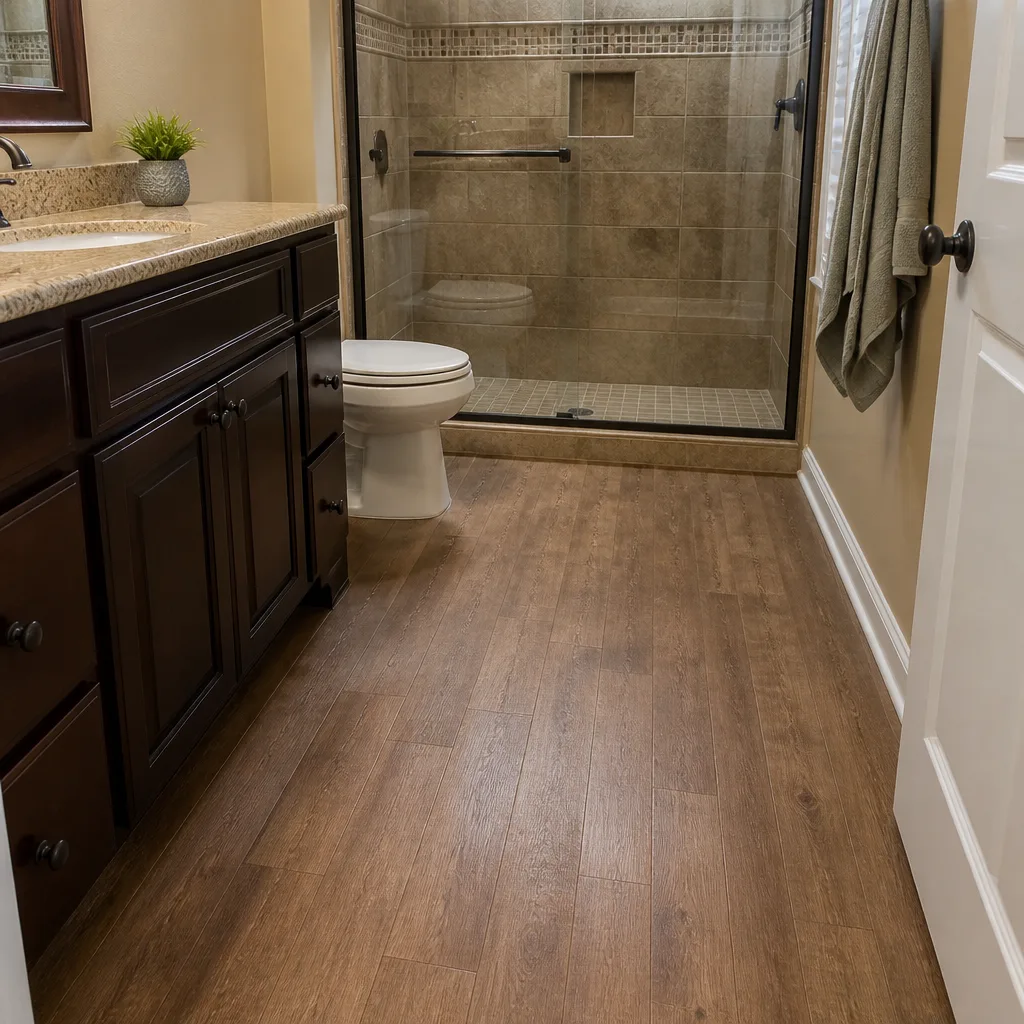
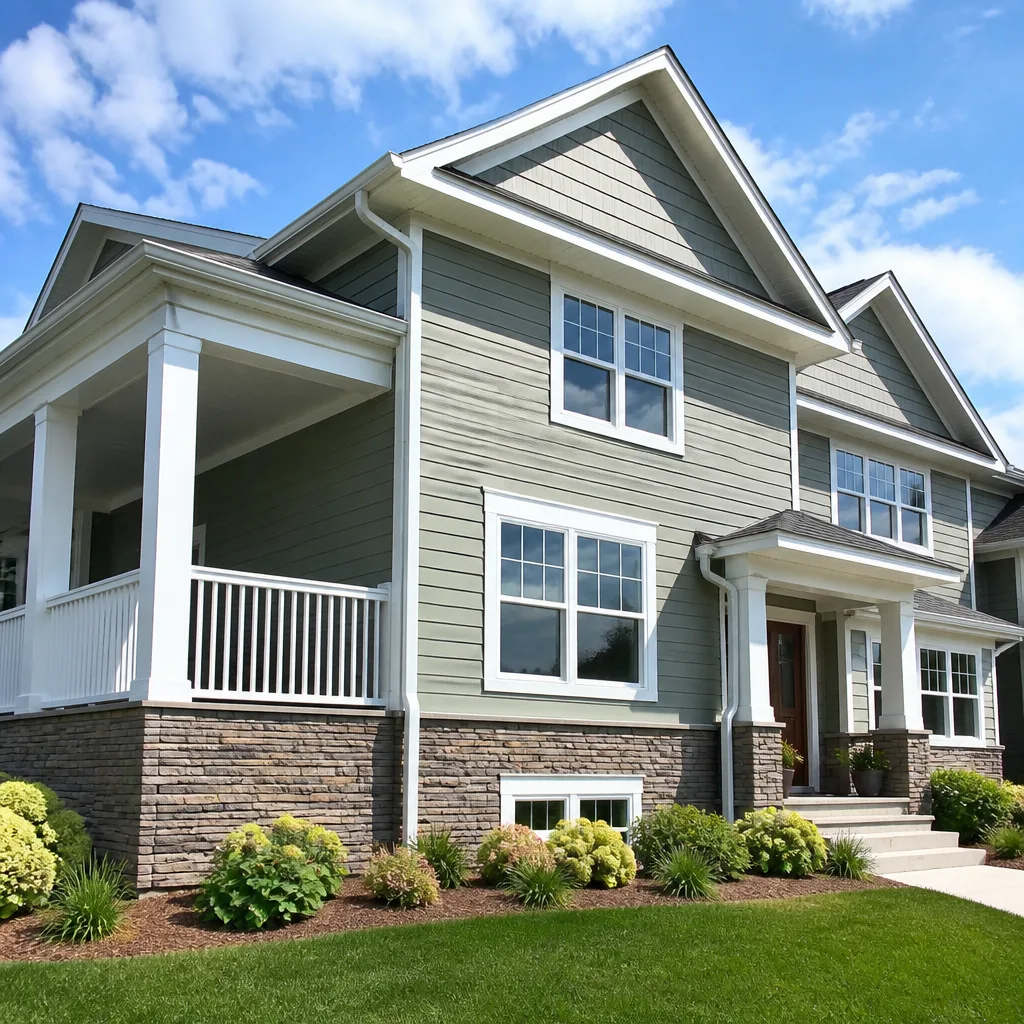
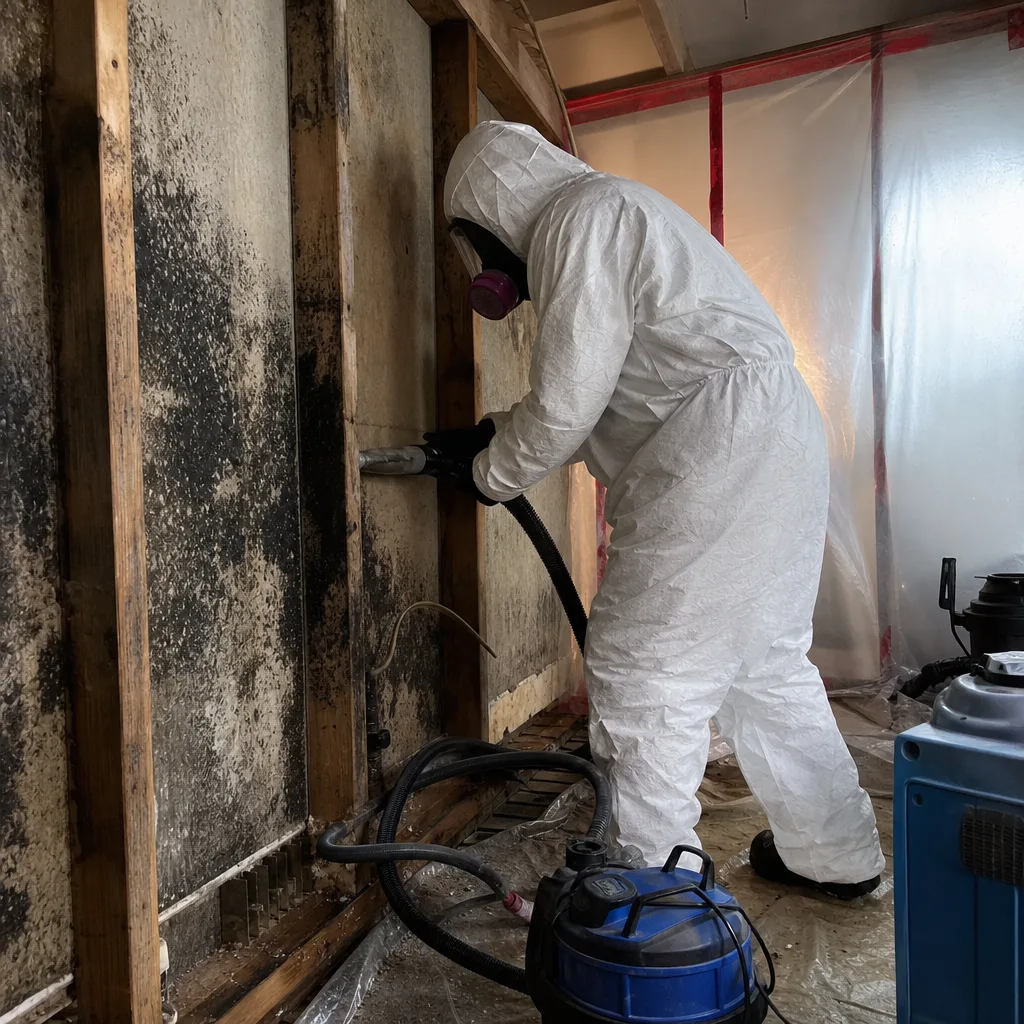
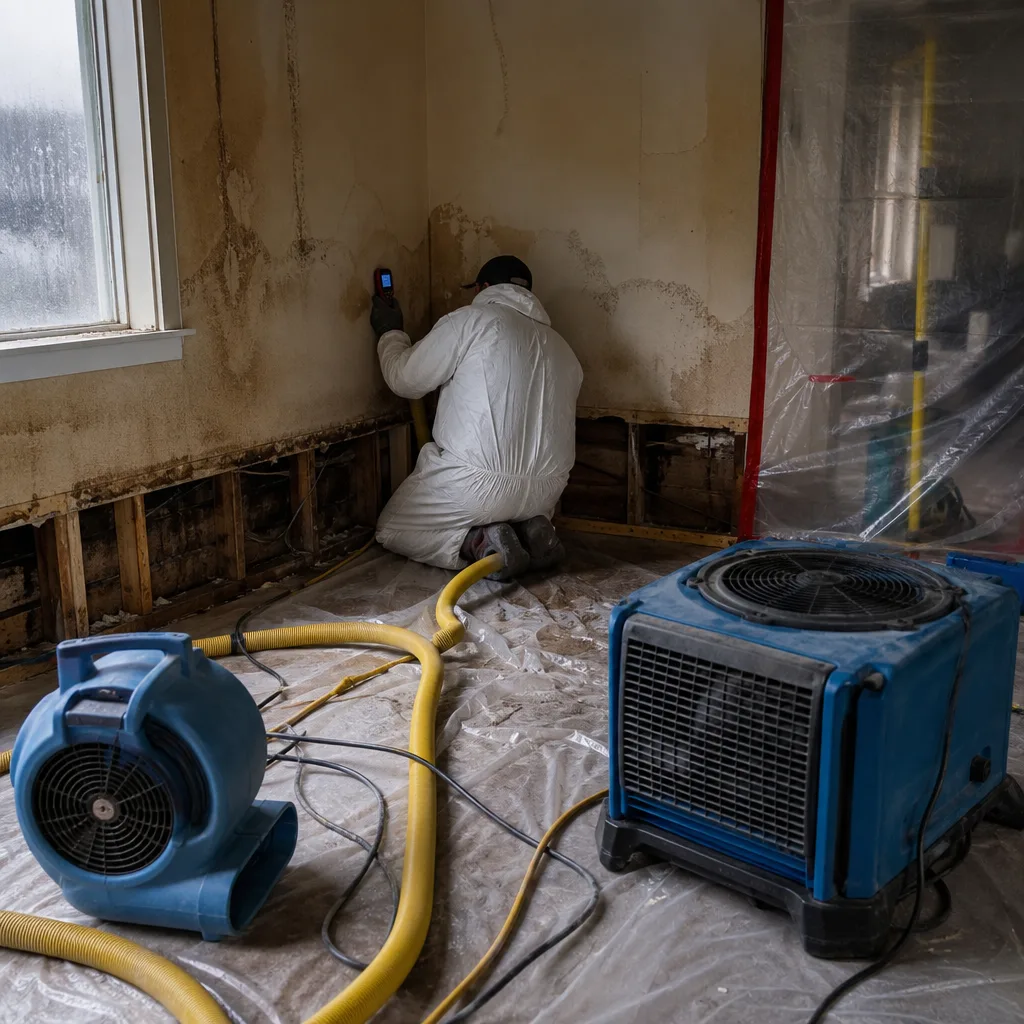 Before
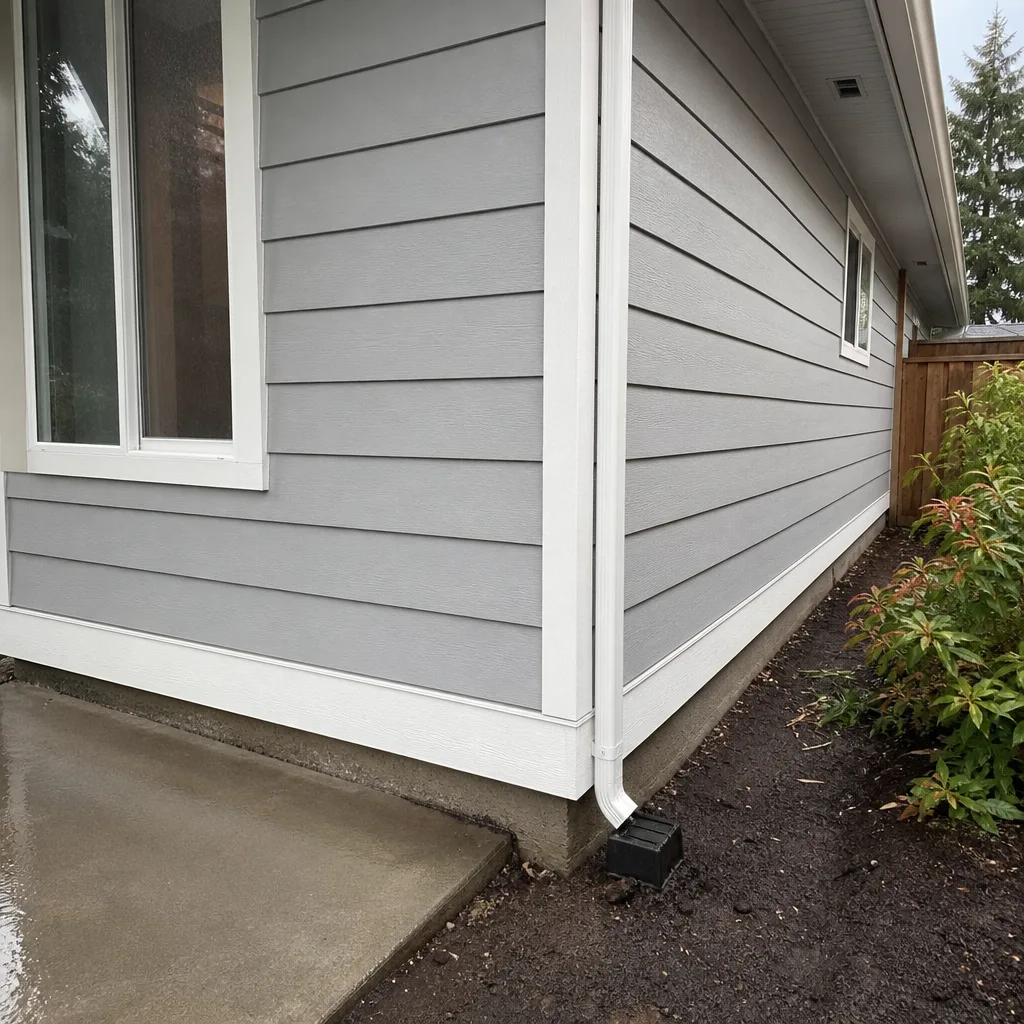 After
After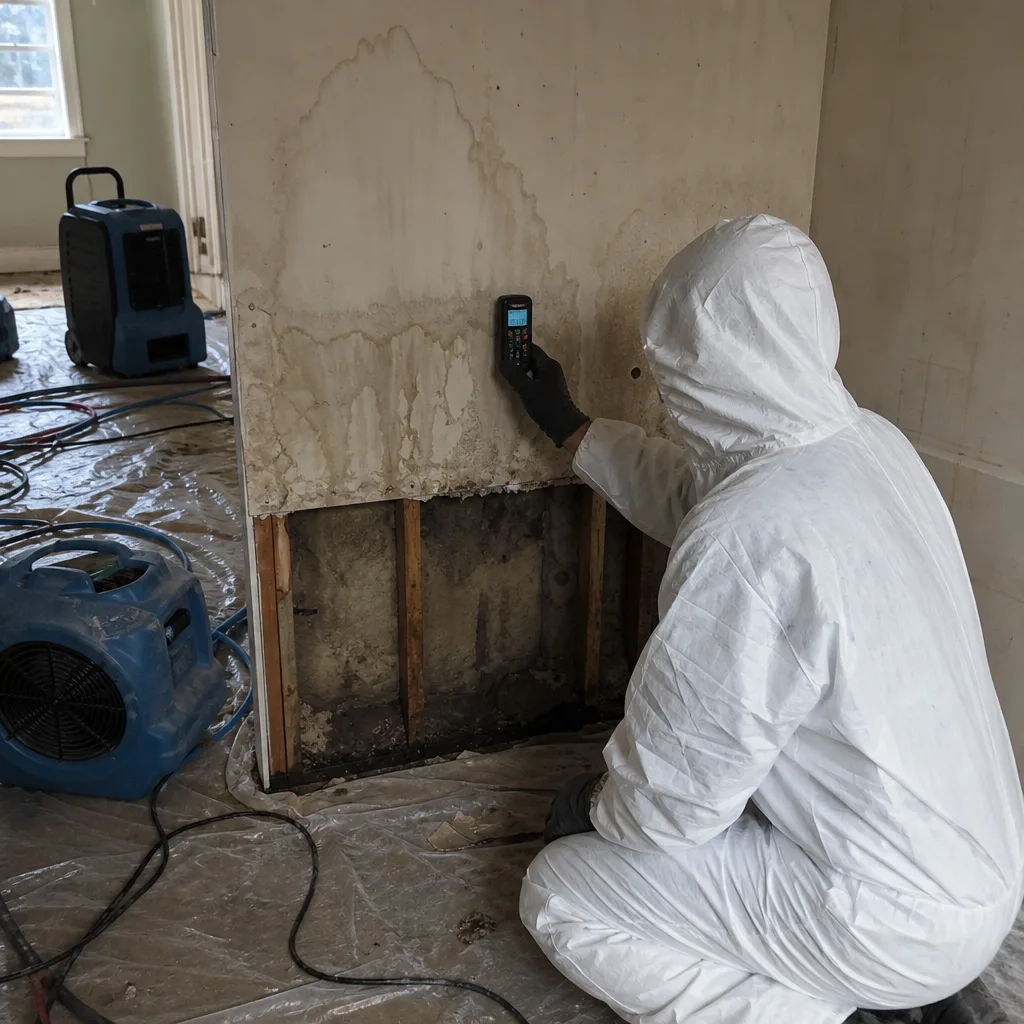 Before
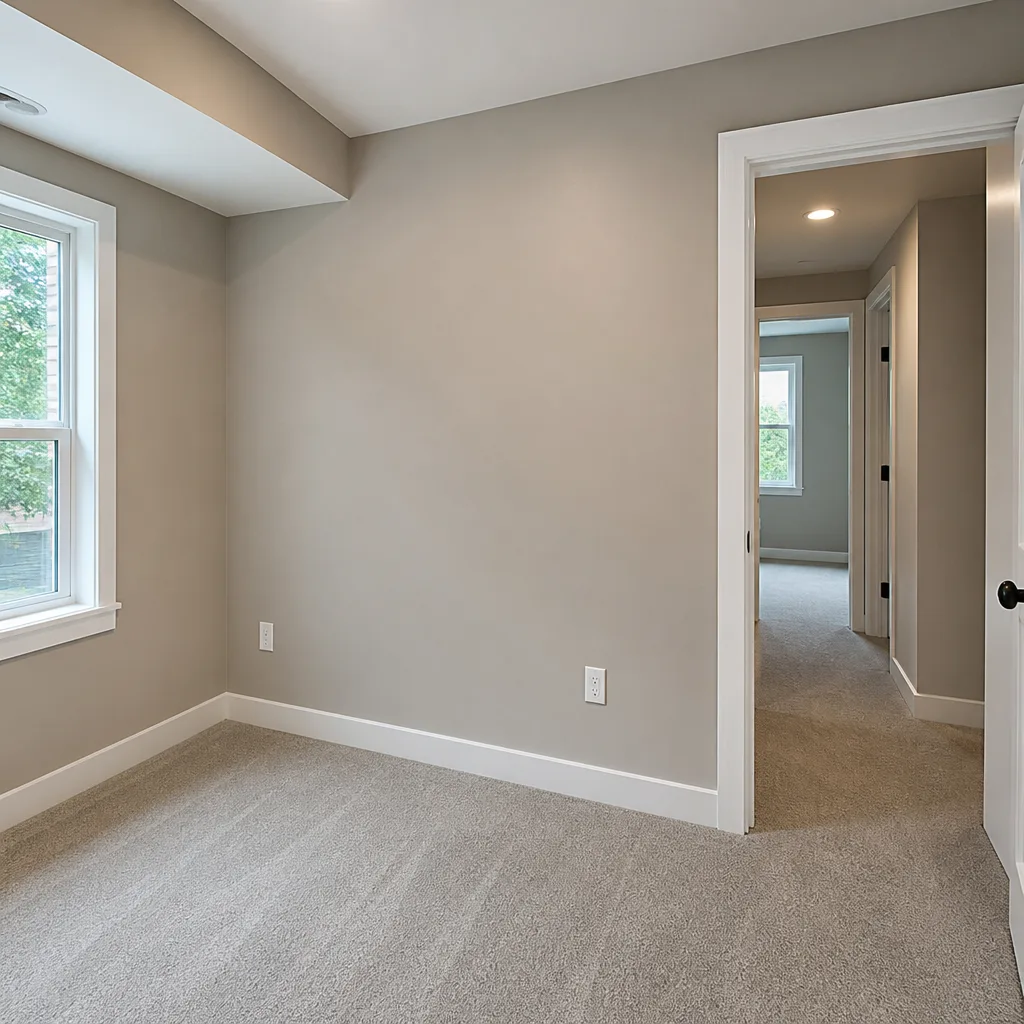 After
After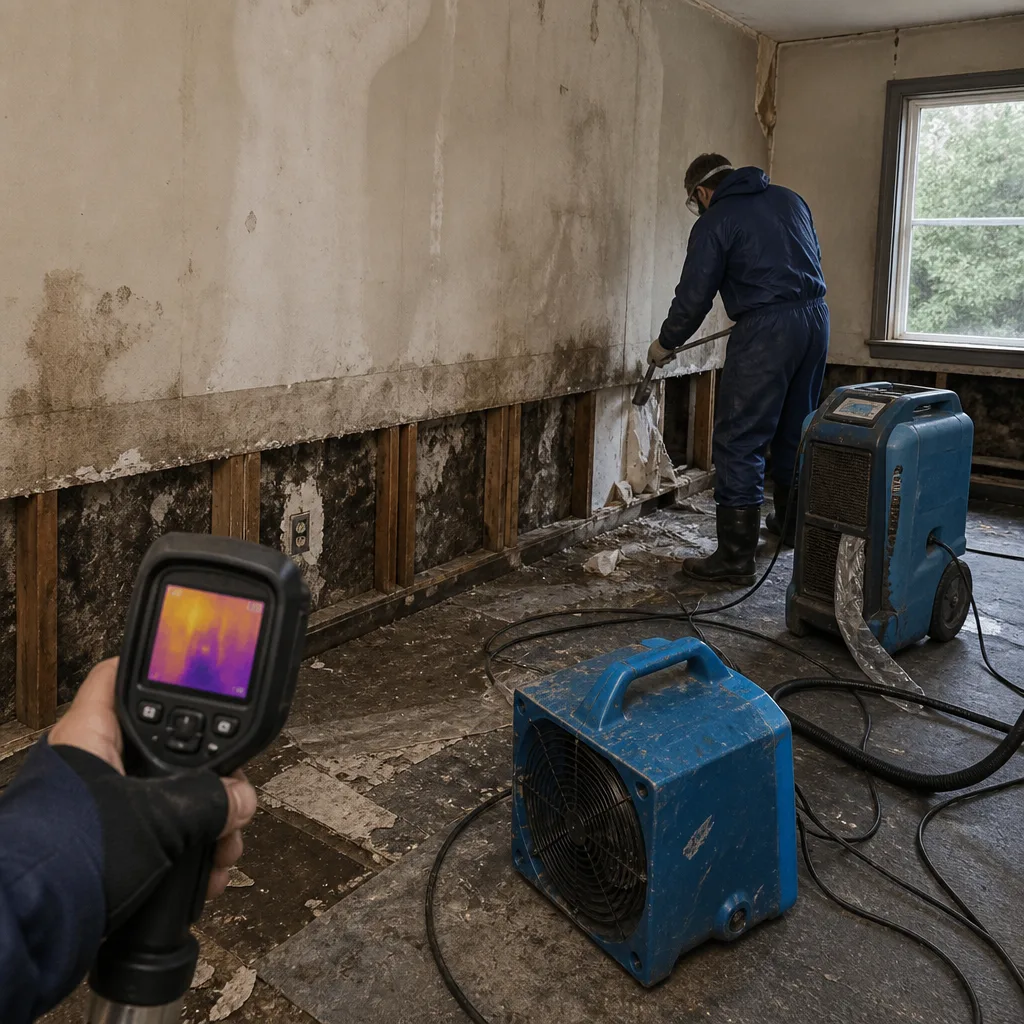 Before
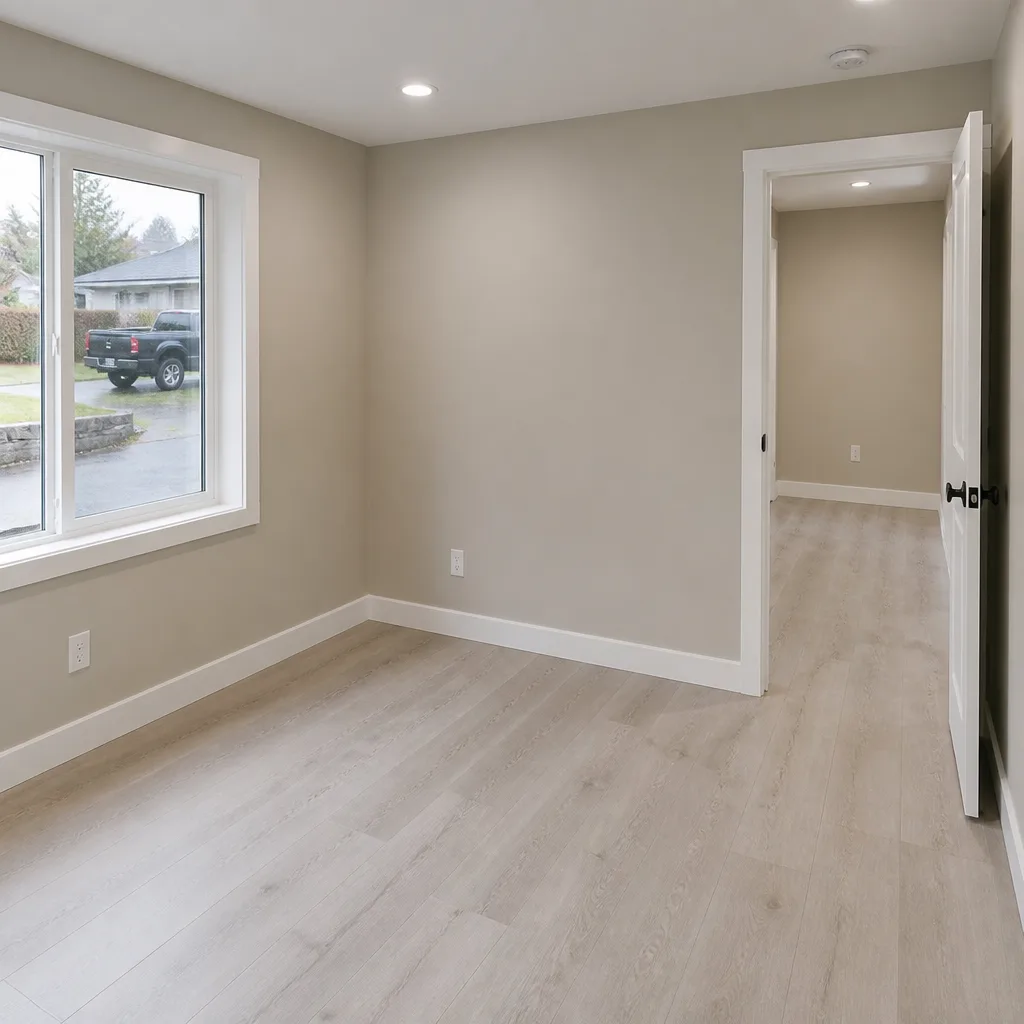 After
After24/7 Emergency Mold Remediation in Martha Lake
Mold remediation in Martha Lake typically runs $2,800-$7,500 for crawl-space jobs and $1,800-$4,200 for contained interior rooms, with most inspections completed same-day. Call (360) 502-8815 now and a live person will answer - no voicemail, no callback queue. We dispatch crews throughout the Martha Lake area from our Seattle office, and every emergency call starts with a free visual inspection so you know what you’re facing before anyone touches a tool.
The first hour matters because mold in Martha Lake’s 1970s-1990s crawl-space homes doesn’t stay put. Once spores find the rim joists and subfloor moisture that our moisture mapping routinely detects behind vapor barriers, the colony spreads along the path of least resistance - usually the same softwood framing that supports your floor system. Waiting doesn’t save money. It enlarges the containment perimeter, extends drying days, and turns a localized remediation into a whole-crawl-space scope.
Understanding Mold Remediation Severity in Martha Lake Properties
We classify mold contamination by affected square footage, material porosity, and airborne spore load measured in colony-forming units per cubic meter. Category 1 contamination covers under 10 square feet of non-porous surfaces - tile, sealed concrete, metal studs - addressable with HEPA vacuuming and antimicrobial wipe-down. Category 2 spans 10-100 square feet with mixed materials, requiring containment, negative air pressure, and air scrubbing with HEPA filtration. Category 3 exceeds 100 square feet or involves HVAC contamination, demanding full containment, sealed egress, and third-party clearance testing before we release the space.
Martha Lake’s housing stock skews heavily toward Category 2 and 3 jobs. The wood-frame construction and minimal-era vapor barriers in homes off 164th St SW and along the lake-adjacent drainage channels create chronic moisture reservoirs that surface inspections miss. We see rim joist readings at 28-32 percent moisture content - well above the 16 percent threshold where wood-decay fungi colonize - in homes where the homeowner reported “just a musty smell.” Psychrometric data, which tracks temperature, relative humidity, and vapor pressure differential (the force that drives moisture through materials), tells us these spaces won’t dry without mechanical dehumidification and targeted airflow. That’s why our Mold Remediation team documents every reading on every visit.
Why Martha Lake Property Owners Choose DryMark Restoration Everett
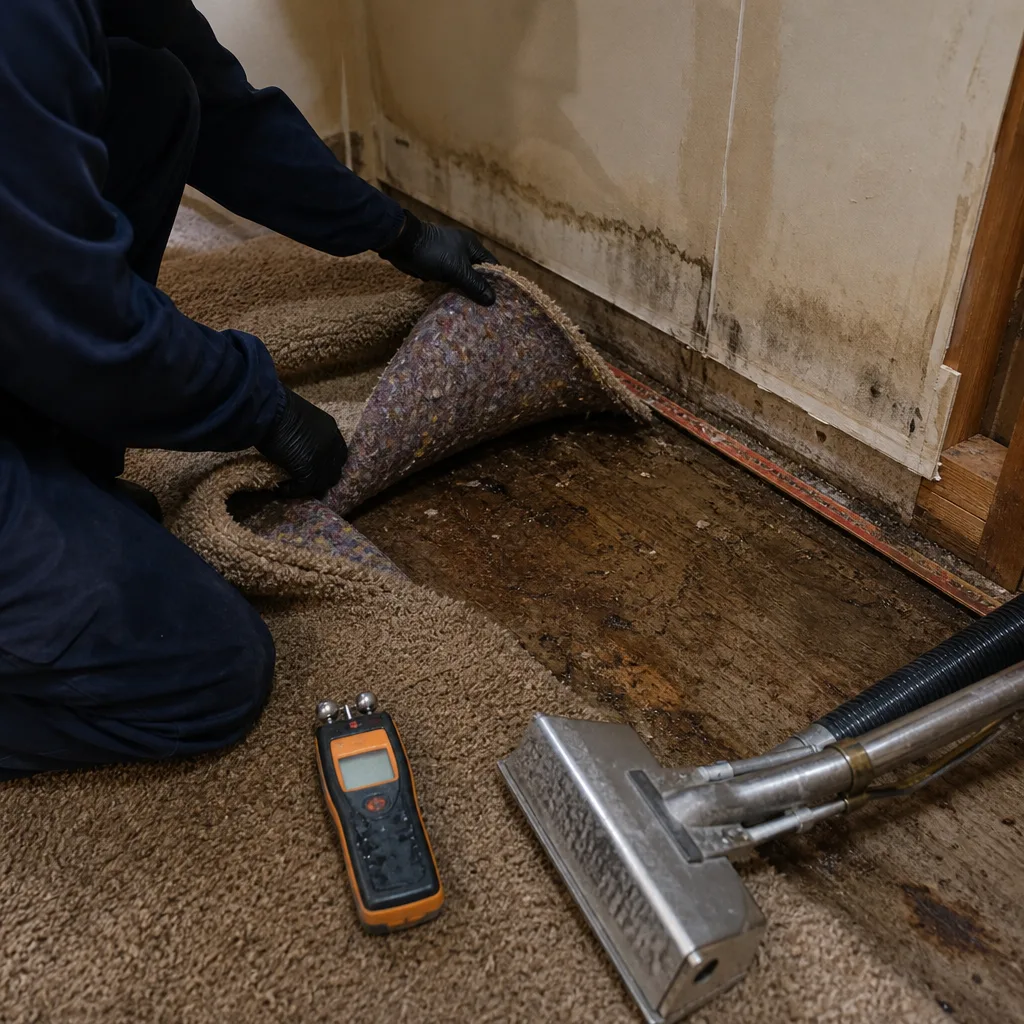
- 45-minute response commitment to the Martha Lake area from dispatch, because standing water in a crawl space doesn’t wait for business hours.
- 24/7 live answer - a real person, never an automated system - on every call to (360) 502-8815.
- IICRC-certified crews holding AMRT (Applied Microbial Remediation Technician) and WRT (Water Damage Restoration Technician) credentials, with license numbers provided on request.
- Free visual inspection before any work is discussed, let alone priced - Haven Standard, Clause 1.
- Direct insurance billing with photo-documented estimates formatted to carrier standards, plus direct adjuster coordination from day one.
- One team from containment to clearance testing to reconstruction - no handoffs between subcontractors who each blame the next.
BeforeAfterOur Mold Remediation Process
1. Inspection & Assessment
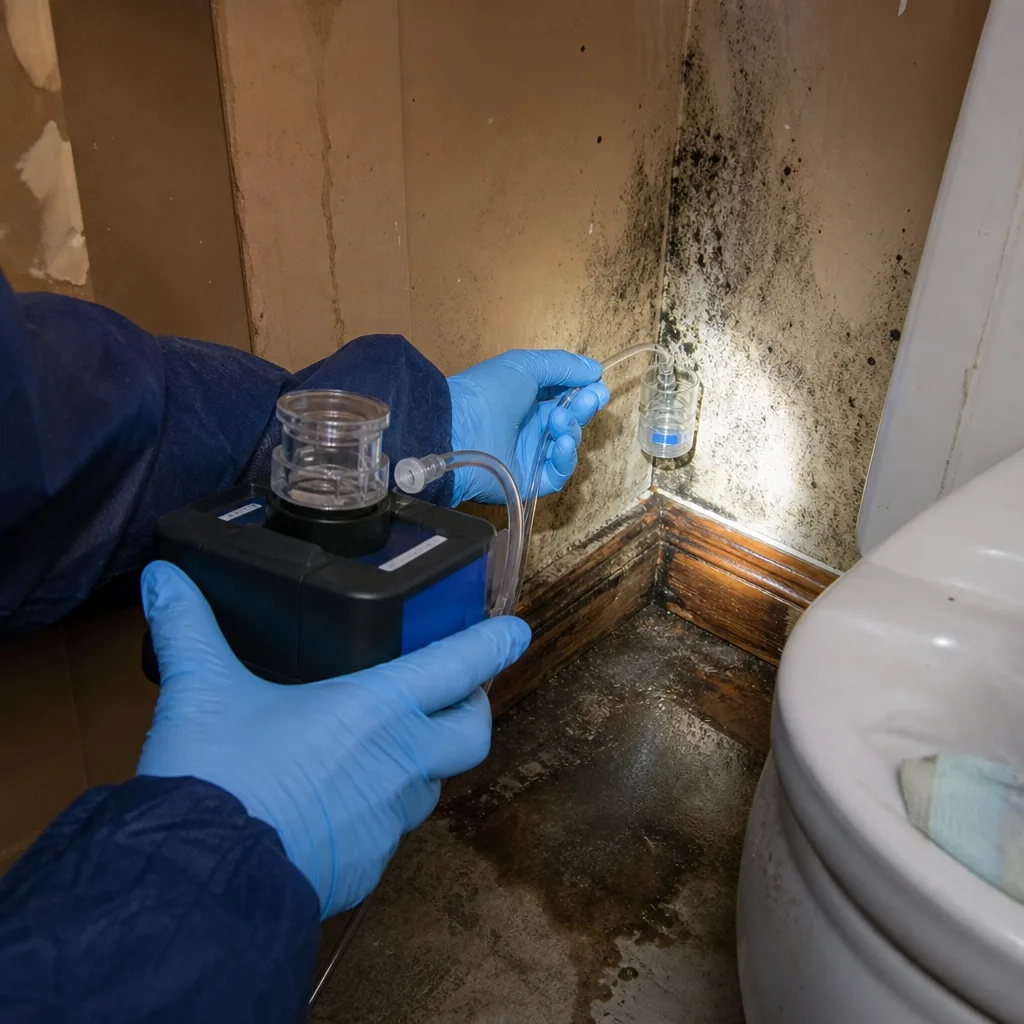
We start with moisture mapping using thermal imaging and penetrating hygrometers, then collect air and surface samples for lab analysis. In Martha Lake’s unincorporated crawl spaces, we specifically inspect vapor barrier integrity and rim joist saturation - the two failure points that recur seasonally on this water table.
2. Containment & Stabilization
We seal the affected area with 6-mil polyethylene sheeting and establish negative air pressure using HEPA-filtered air scrubbers. This prevents cross-contamination to living spaces while we stop active moisture intrusion, whether from groundwater, plumbing failure, or the chronic seepage common to lake-basin soils.
3. Drying & Dehumidification
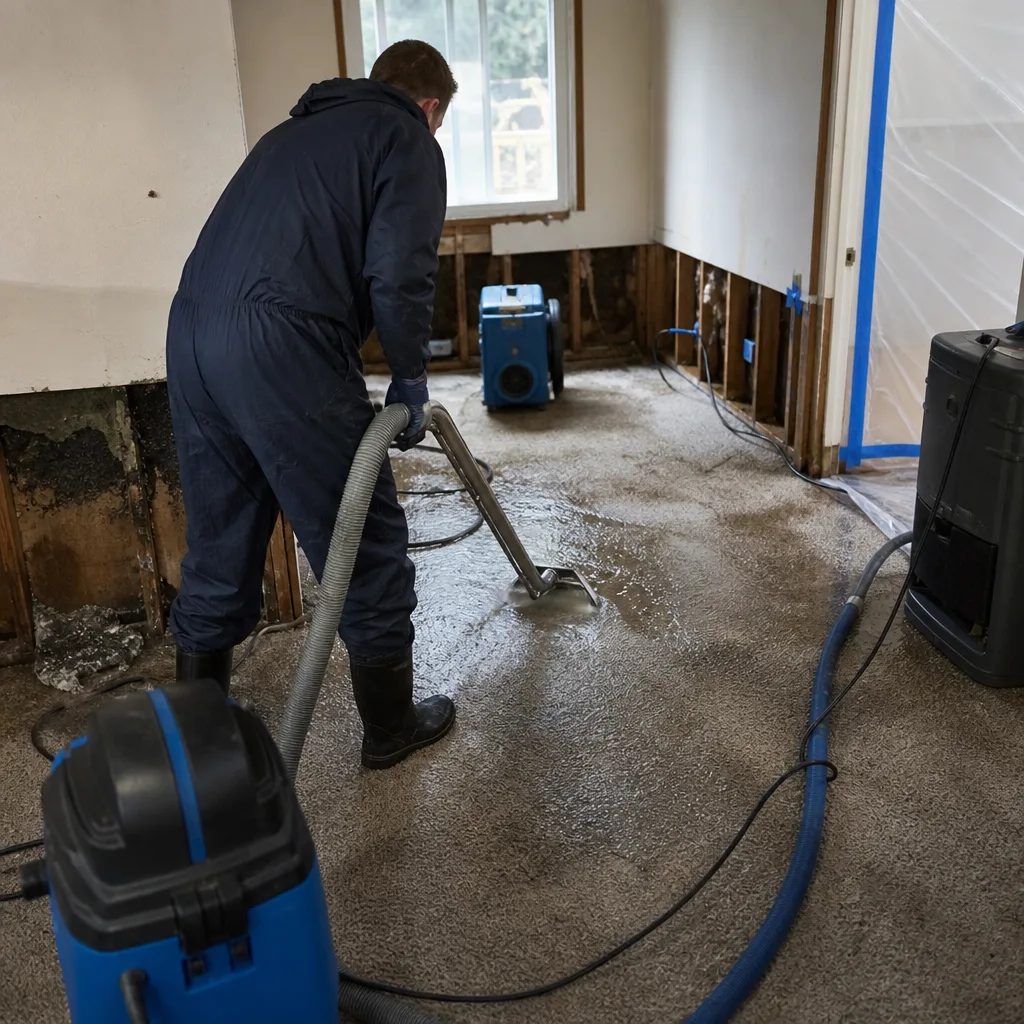
We deploy Dri-Eaz and Phoenix LGR dehumidifiers with B-Air and XPOWER air movers positioned for optimal vapor pressure differential across wet materials. Daily moisture logs track progress to IICRC S520 standards, with readings taken at identical points to prove drying trajectory to insurers and Snohomish County inspectors.
4. Cleaning & Antimicrobial Treatment
HEPA vacuuming removes spore-bearing debris, followed by EPA-registered antimicrobial application to affected framing and subflooring. In Martha Lake’s older crawl spaces, we treat the full perimeter - not just visible growth - because seasonal recurrence from groundwater demands preventive coverage.
5. Crawl Space Treatment & Moisture Control
We replace rotted vapor barriers with modern 10-mil reinforced polyethylene, install foundation vent management or sealed-crawl conditioning as appropriate, and address drainage grading where the lake basin’s poor natural drainage contributes. This is where most Martha Lake scopes differ from one-time storm remediation - the source is chronic, not episodic.
6. Clearance Testing & Documentation
Third-party or in-house air sampling confirms spore counts at or below outdoor baseline levels. We compile the photo record, drying logs, moisture readings, and signed scope for Snohomish County permit close-out - a requirement in unincorporated Martha Lake that city-based crews often overlook.
Need Emergency Mold Remediation in Martha Lake Now?
Crews minutes away, answering live 24 hours a day. The sooner we start, the less it costs.
Working With Your Insurance Company
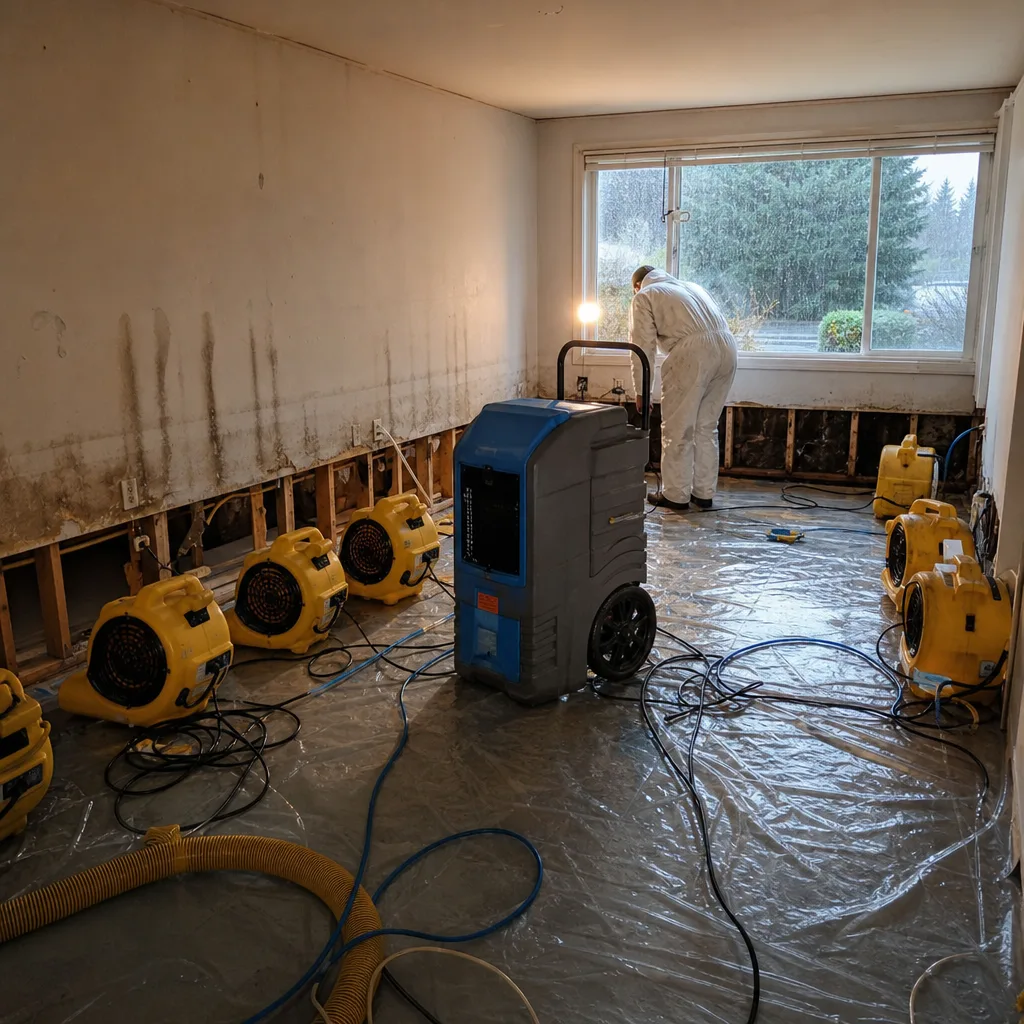
Documentation starts when our boots hit your crawl-space gravel, not when the adjuster calls back. We photograph every affected surface before anything moves, record moisture readings with instrument serial numbers and calibration dates, and build estimates line-item by line-item to Xactimate or Symbility standards - the formats adjusters actually pay without dispute. Alicia Brennan founded Back to Dry Restoration in 2011 after years as a claims adjuster watching homeowners lose coverage because the restoration invoice lacked the evidence to support it. That documentation gap is why we exist.
We communicate directly with your carrier’s assigned adjuster, not through a portal black hole. If your policy covers mold remediation - and many do, with sub-limits that vary by carrier - we help document the sudden-and-accidental moisture event that triggered growth, distinguishing covered water damage from long-term maintenance issues that carriers exclude. Our daily drying logs and photo records have supported thousands of payable claims since 2011.
What We Provide Your Insurer
- Thorough documentation of the loss
- Photos of all damage, room by room
- Moisture readings and drying logs
- A detailed, line-item scope of work
- Direct coordination with your carrier
Built for Martha Lake’s Loss Calendar
January through March brings the heaviest Convergence Zone precipitation, when colliding marine air masses stall over south Snohomish County and drop rainfall totals that outpace Seattle by 20-40 percent during the same storm events. Crawl spaces that were “fine” in November show standing water by February. April and May bring the thaw and first warm-air infiltration into cold crawl spaces - the temperature differential that condenses moisture on rim joists and triggers visible growth. June through September offers the driest window for remediation work, but also the season when homeowners finally smell what’s been growing since January. October starts the cycle again.
Martha Lake’s lake-basin geography means this isn’t storm damage in the conventional sense. The shallow water table rises every wet season, hydrostatic pressure pushes through foundation cracks and porous concrete, and 1980s vapor barriers - where they exist - rot through from below. Remediation here that doesn’t address this chronic source is temporary by definition.
Mold Remediation Across Martha Lake’s Neighborhoods
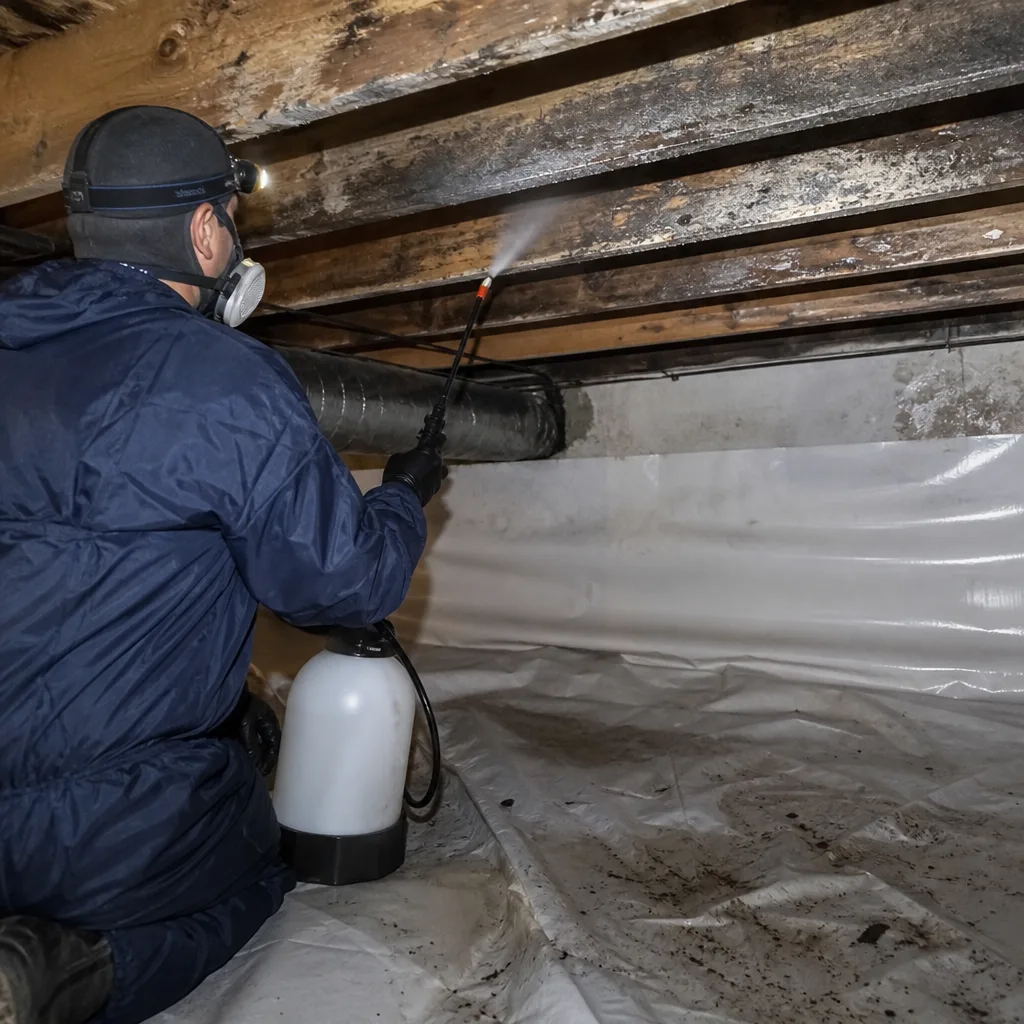
Off 164th St SW and the lake-adjacent streets, we find the most severe cases - homes built in the 1970s and 1980s with original crawl-space access panels that haven’t been opened in years. The proximity to Martha Lake itself means groundwater intrusion is nearly universal, and the drainage channels that feed the lake carry stormwater past foundations that were never waterproofed to modern standards. Remediation scopes here routinely involve full vapor barrier replacement and rim joist treatment, not surface cleaning.
The neighborhoods along 25th Avenue W and the corridor toward Mill Creek Road sit slightly higher, with 1990s construction that benefits marginally from better initial grading but still suffers from the same vapor-barrier degradation. We see more plumbing-related mold here - supply line leaks in crawl spaces that went unnoticed because the space was already “damp.” Homeowners in this area often call after a home inspection flags “fungal growth,” requiring fast remediation to close a sale.
Near the Martha Lake Airport Park and the commercial corridor along Highway 99, we handle more mixed-use properties - small office buildings with crawl-space mold that affects tenant spaces, and residential rentals where property managers need documentation for both insurers and tenant disputes. The unincorporated status affects all of these equally: no city inspector signs off, only Snohomish County.
On a crawl-space call off 164th St SW near the Martha Lake shoreline, our techs pulled the access panel and found standing water over a rotted 1980s vapor barrier, with moisture readings pinned across the rim joists and subfloor. We ran water extraction, set Dri-Eaz dehumidification and air movers under containment, treated the joists with antimicrobial, and documented a drying log that turned into a larger scope of work than the homeowner’s surface inspection suggested. Because the home is unincorporated, we pulled the Snohomish County permit and closed it out in the same trip so the homeowner wasn’t waiting weeks for a re-inspection.
Specialized Mold Remediation Services We Offer in Martha Lake
Mold Inspection & Testing
We don’t guess. Air sampling and surface swabs go to independent labs for species identification and spore quantification. In Martha Lake, we add moisture mapping of rim joists and subflooring - the hidden reservoirs that visual inspections miss in 1970s-1990s crawl spaces. The inspection report becomes your baseline for insurance documentation and your roadmap for remediation scope.
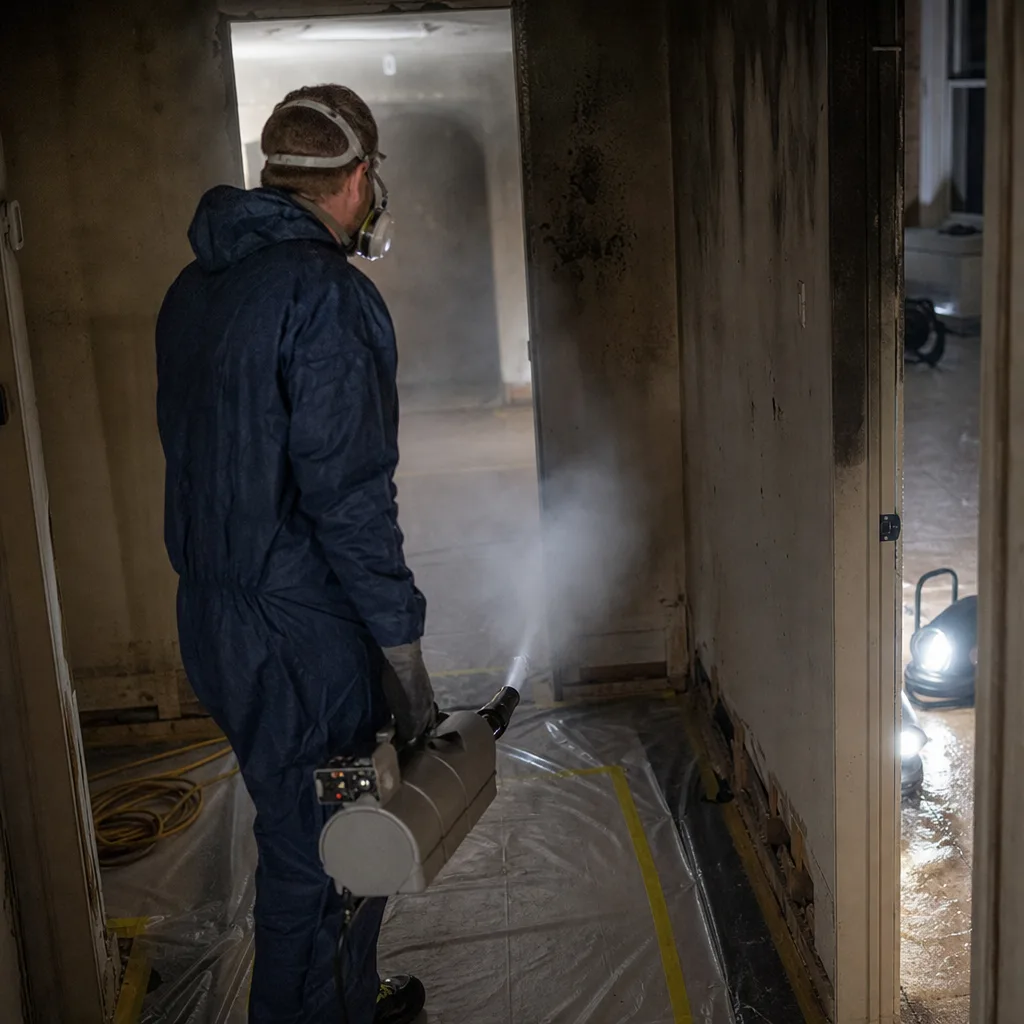
Mold Removal
Physical removal of contaminated materials following IICRC S520 protocols: HEPA containment, negative air pressure, controlled demolition of non-salvageable drywall or insulation, and antimicrobial treatment of remaining structural elements. In Martha Lake’s wood-frame homes, we often find that “a little mold on the wall” traces back to saturated rim joists - so we trace and treat the full path.
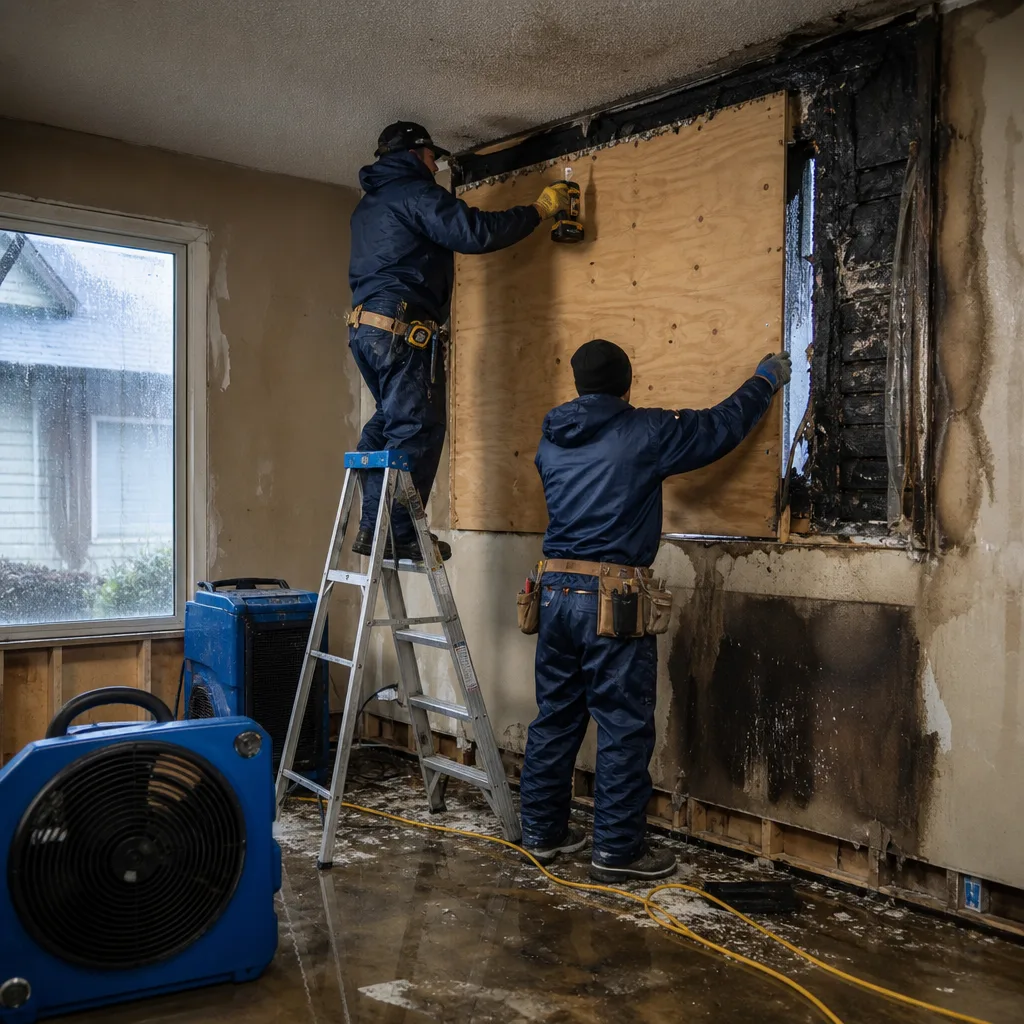
Black Mold Remediation
Stachybotrys chartarum and other toxigenic species require enhanced containment and PPE protocols. We don’t use scare tactics - we use lab results. If testing confirms toxigenic species in your Martha Lake home, we escalate containment to full sealed egress with dedicated decon chambers, and we document every step for both medical and insurance purposes.
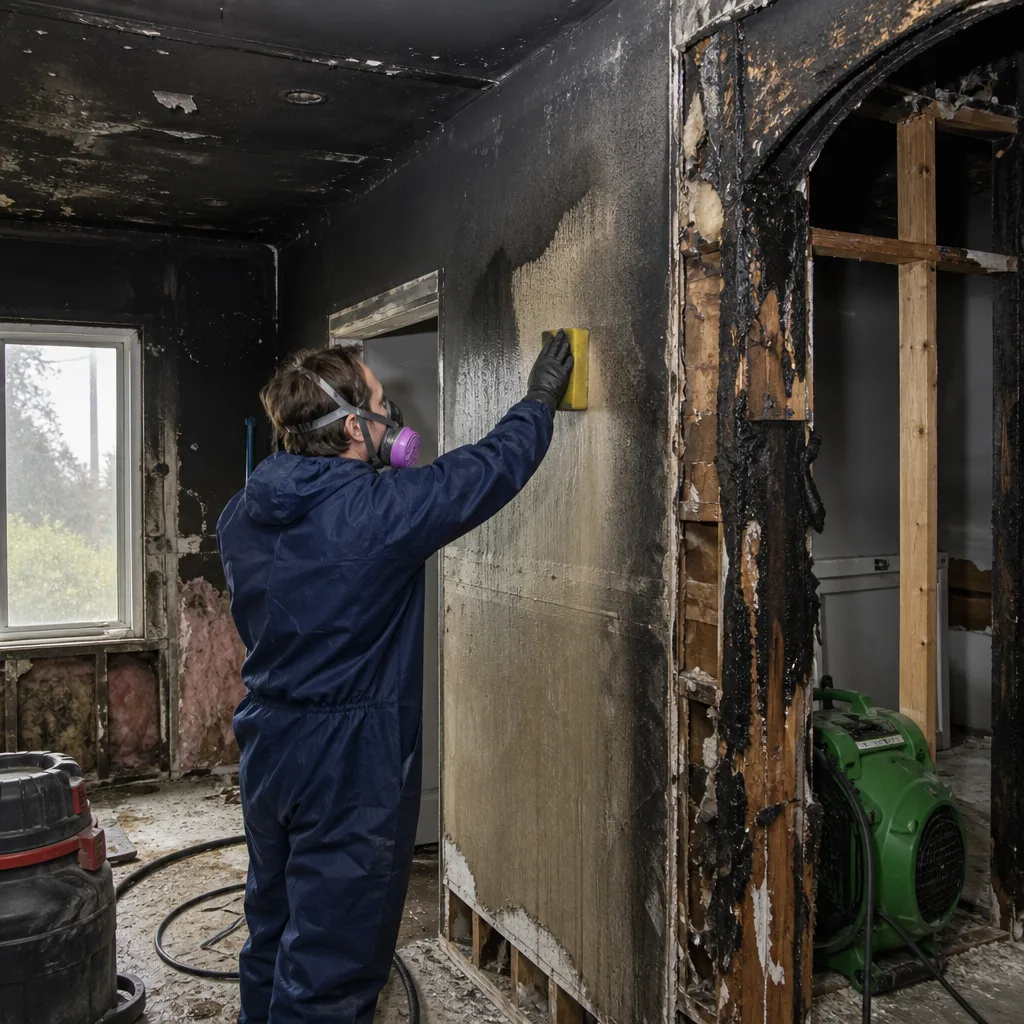
Air Quality Restoration
Post-remediation, we verify air quality through spore trap analysis comparing indoor samples to outdoor baseline. For Martha Lake homes with chronic crawl-space issues, we may recommend ongoing humidity monitoring or conditioned crawl-space conversion to prevent the recurrence pattern that the Convergence Zone wet season guarantees.
Crawl Space Treatment
This is where Martha Lake differs from every nearby market. We replace rotted vapor barriers with reinforced 10-mil polyethylene, install sump pumps where groundwater intrusion is severe, and address drainage grading. Without this step, remediation is temporary - the shallow water table and seasonal saturation will restart growth within 12-18 months. We also handle the Snohomish County permit and inspection that unincorporated status requires.
Moisture & Humidity Control
We install permanent dehumidification and ventilation solutions sized to your crawl-space volume, with hygrometer-linked controls that maintain relative humidity below 60 percent - the threshold that prevents mold germination. For Martha Lake’s chronic groundwater environments, this is often the difference between one remediation and a recurring expense.
What happens when you call
- 1
A real person answersNo phone trees - you reach a local pro.
- 2
You get an upfront price rangeHonest numbers before anyone is dispatched.
- 3
A background-checked tech heads outLicensed & insured, dispatched right away.
- 4
You approve before work beginsNothing starts until you say go.
Mold Remediation Costs in Martha Lake, WA
A typical contained room remediation in Martha Lake runs $1,800-$4,200. Crawl-space jobs, which dominate our calls here, range $2,800-$7,500 for standard scopes and $8,500-$14,000 for full vapor barrier replacement, sump pump installation, and structural drying of saturated rim joists. Whole-home air quality restoration with HVAC decontamination adds $2,500-$5,500.
What moves the price: square footage of visible growth, hidden saturation in structural materials, need for third-party clearance testing, and whether the scope includes source control (vapor barrier, drainage, dehumidification) or just surface treatment. Insurance often covers mold remediation when it’s tied to a covered water damage event - burst pipe, appliance failure, storm intrusion - but excludes long-term maintenance-related growth. We document the triggering event and coordinate directly with your adjuster to establish coverage.
Every job gets a written price before work begins - Haven Standard, Clause 1 - with no additions once the crew is inside. Free visual inspection gets you that number. Free Second Opinion on any competitor’s written estimate if you want comparison.
We Also Serve Cities Near Martha Lake
Our crews respond throughout south Snohomish County from Martha Lake to Everett, Lake Stevens, Marysville, and Snohomish - the same documentation standards, the same live-answer dispatch, the same written-price guarantee on every job.
Serving Martha Lake, WA - Our Local Coverage Area
We’re based in the Martha Lake area and know this community well. Use the map below to see our service coverage - if you’re nearby, we can almost certainly help.
Martha Lake Mold Remediation Questions, Answered
Why does mold keep coming back in my Martha Lake crawl space even after a previous remediation?
Because the source is usually chronic groundwater intrusion from the lake basin’s shallow water table, not a one-time storm event. Previous remediation likely treated visible growth without replacing the rotted vapor barrier or addressing seasonal saturation. We moisture-map the full perimeter, replace failed barriers with reinforced 10-mil polyethylene, and install drainage or dehumidification where needed. Call (360) 502-8815 for a free inspection that identifies the actual source.
Does Martha Lake require a city permit for mold remediation?
No city permit - Martha Lake is unincorporated, so all permits and inspections run through Snohomish County. Out-of-area crews often assume a city process and get scopes rejected at inspection. We pull county permits as standard practice and coordinate close-out in the same trip when possible. Call (360) 502-8815 and we’ll confirm the current county requirements for your specific scope.
How does the Puget Sound Convergence Zone affect mold risk near the lake?
The Convergence Zone stalls colliding marine air masses over south Snohomish County, delivering heavier rainfall than Seattle or King County during identical storm events. Combined with Martha Lake’s poor natural drainage and shallow water table, this means crawl spaces saturate repeatedly every wet season - not once per flood. Chronic moisture drives recurrence in 1970s-1990s homes with degraded vapor barriers. Call (360) 502-8815 for moisture mapping that shows what’s actually happening beneath your floor.
What does a Martha Lake crawl-space mold inspection actually cover?
Visual assessment of all accessible surfaces, thermal imaging for hidden moisture, penetrating hygrometer readings of rim joists and subflooring, vapor barrier integrity check, and air/surface sampling for lab analysis. We specifically document the conditions that Snohomish County will inspect for permit close-out. The written report includes photos, readings, and a line-item scope - Haven Standard, Clause 1. Call (360) 502-8815 to schedule.
Can you handle the remediation and the Snohomish County close-out in one trip?
We coordinate both when the scope permits - containment, treatment, drying documentation, and permit finalization in a single workflow. This avoids the weeks-long delays that happen when crews don’t understand unincorporated requirements. Larger scopes with reconstruction may need sequential inspections. Call (360) 502-8815 and we’ll map the timeline to your specific job.
How fast can a crew actually get to Martha Lake?
We commit to 45 minutes from dispatch for emergency calls, with crews staged from our Seattle office. Live answer 24/7 at (360) 502-8815 - no voicemail, no callback queue. The first hour of containment and moisture control limits spread and cost.
Will my insurance cover mold remediation in Martha Lake?
Insurance covers mold when it’s caused by a covered sudden water damage event - burst pipe, appliance failure, storm intrusion - but typically excludes long-term maintenance issues. We document the triggering event, photograph the damage path, and coordinate directly with your adjuster to establish coverage. Our estimates are formatted to carrier standards. Call (360) 502-8815 for a free inspection and coverage assessment.
How long does mold remediation take in a typical Martha Lake home?
Contained interior rooms: 2-4 days. Standard crawl-space remediation with drying: 5-10 days. Full crawl-space reconstruction with vapor barrier replacement, drainage, and source control: 2-3 weeks. Timeline depends on moisture readings reaching dry standard, not calendar days - we document daily progress and don’t release containment until drying logs prove it. Call (360) 502-8815 for a scope-specific timeline.
Martha Lake sits dead-center in the Puget Sound Convergence Zone, so south Snohomish County routinely out-rains Seattle and King County during the same storm band - which means crawl-space mold here recurs every wet season on the lake basin’s shallow water table, not once per flood event. Because Martha Lake is unincorporated, every mold remediation scope runs through Snohomish County permits and inspections rather than a city building department, changing timelines and code requirements in ways out-of-area franchises rarely anticipate. This page is the only Martha Lake mold remediation guide that ties the Puget Sound Convergence Zone rainfall pattern and the lake basin’s shallow water table to the specific unincorporated Snohomish County permit path - so homeowners and out-of-area crews understand why scopes here are larger, wetter, and recur seasonally.
Call (360) 502-8815 for a free visual inspection and written price before any work begins. Haven Standard, Clause 1. Every time. No exceptions.
Written by Alicia Brennan, Owner at Back to Dry Restoration, serving Martha Lake since 2011.
Mold Remediation in Nearby Areas