
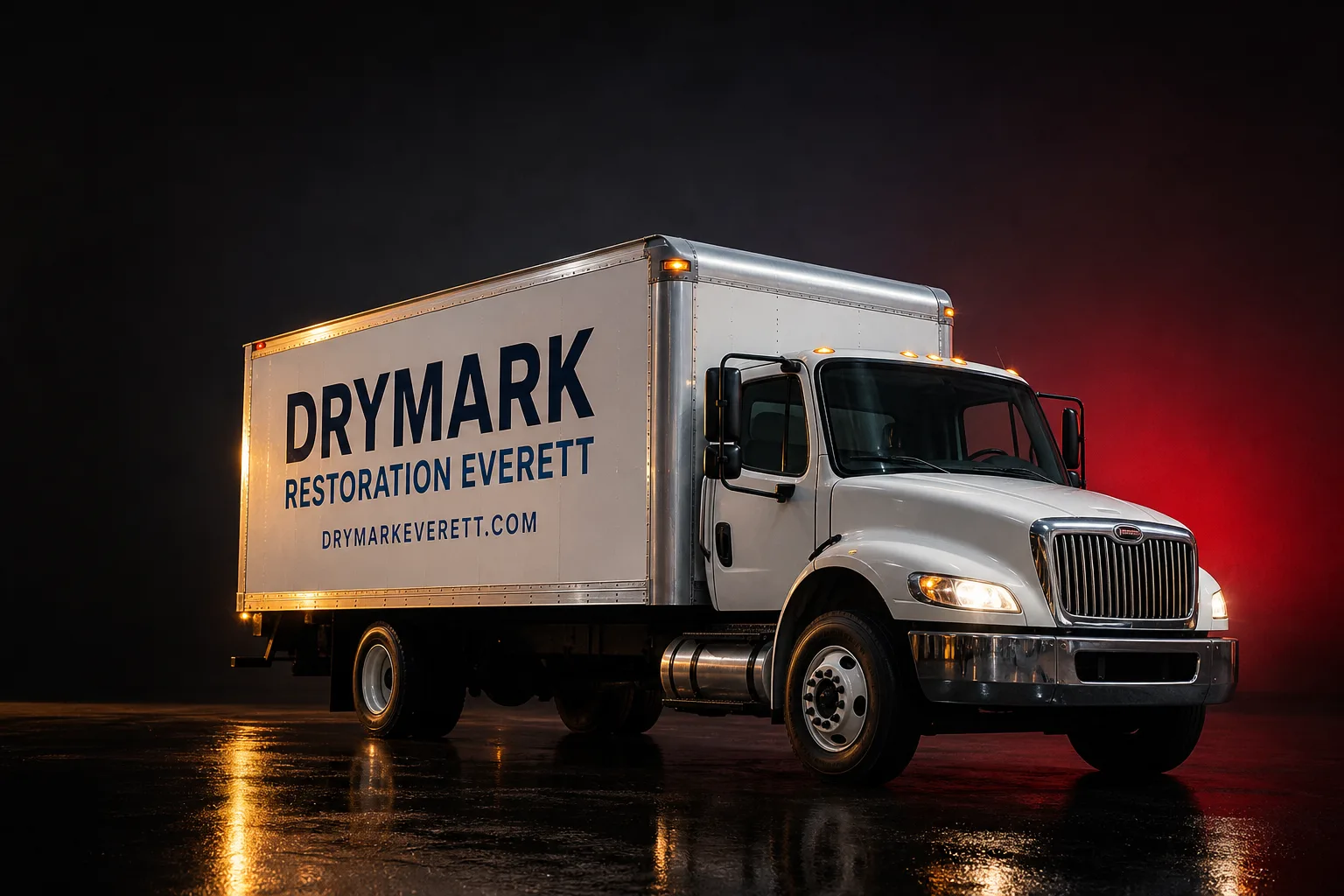
Free visual inspection and a written scope of work before any mitigation begins - photos, moisture readings, and drying logs go in your claim file
The scope we write is the scope we bill. Anything new gets shown to you, in writing, before we touch it.
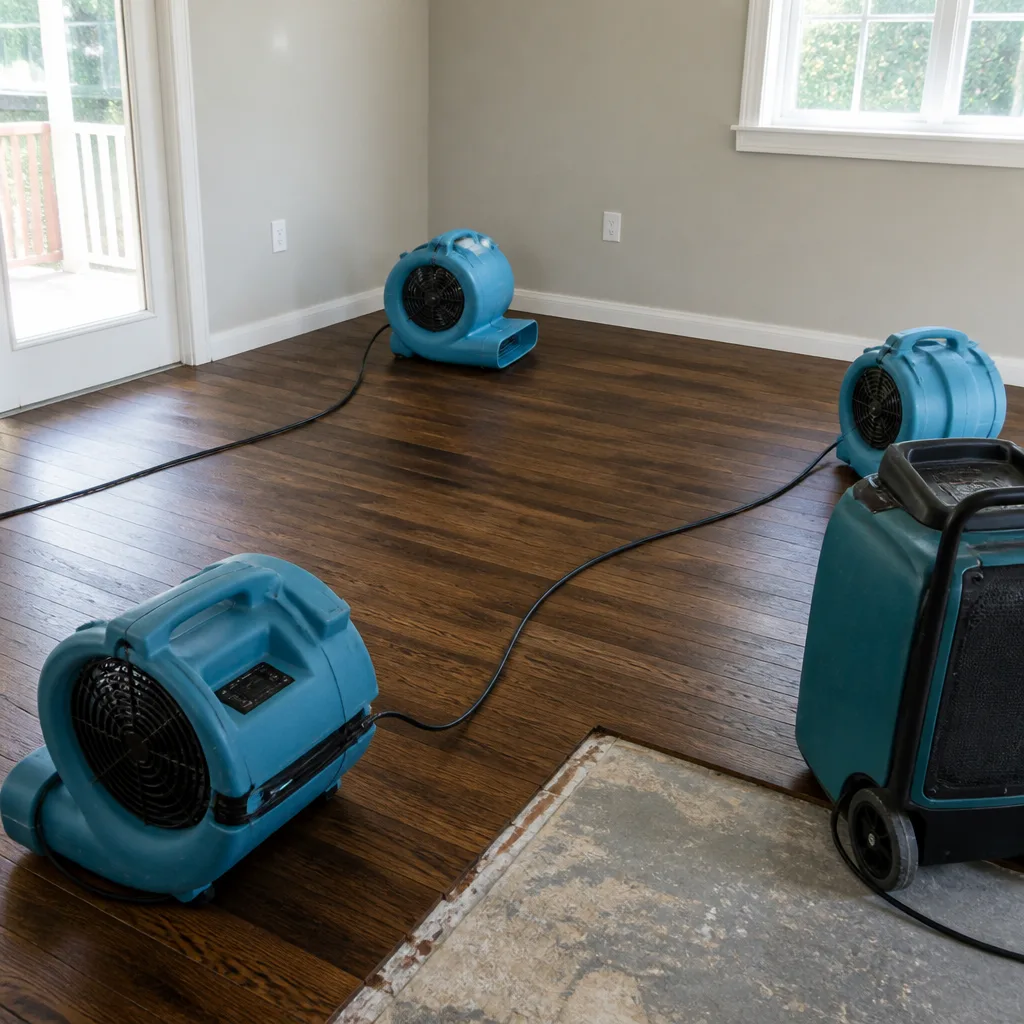
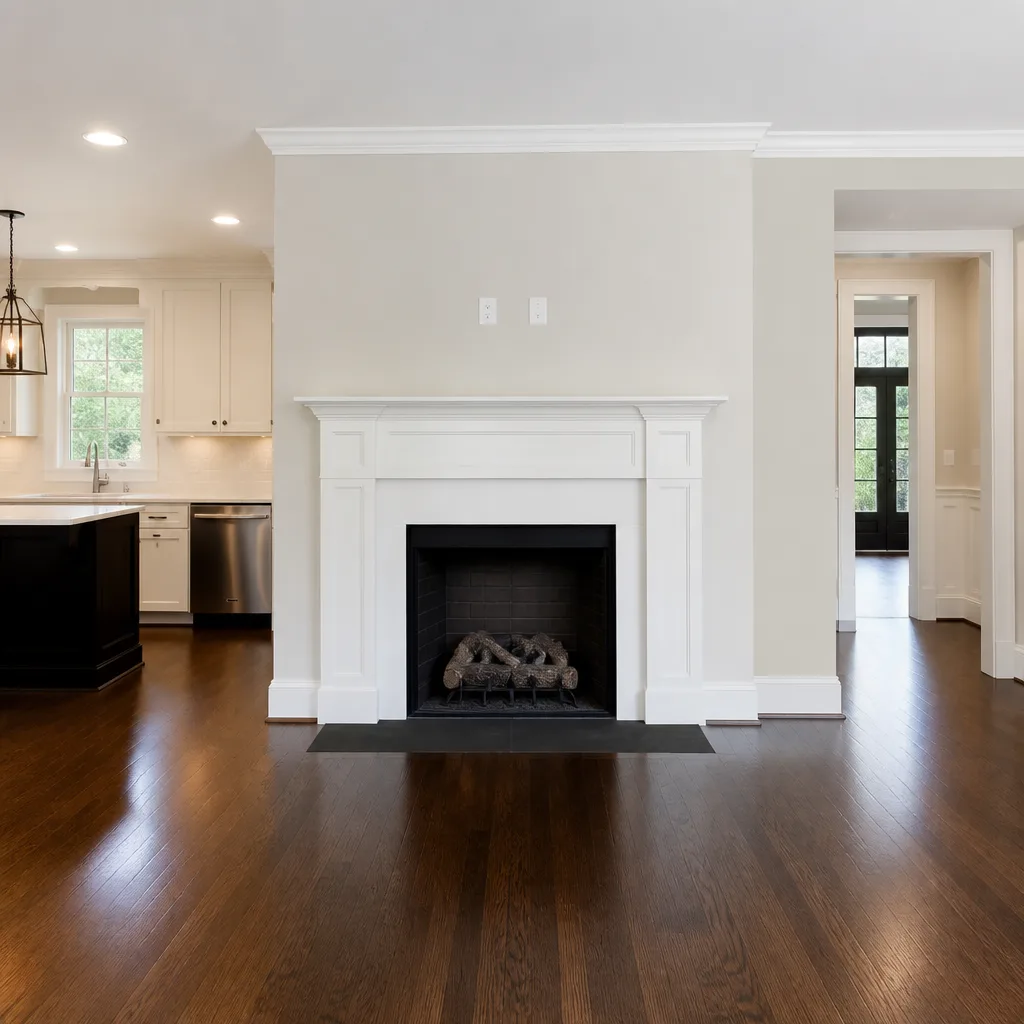
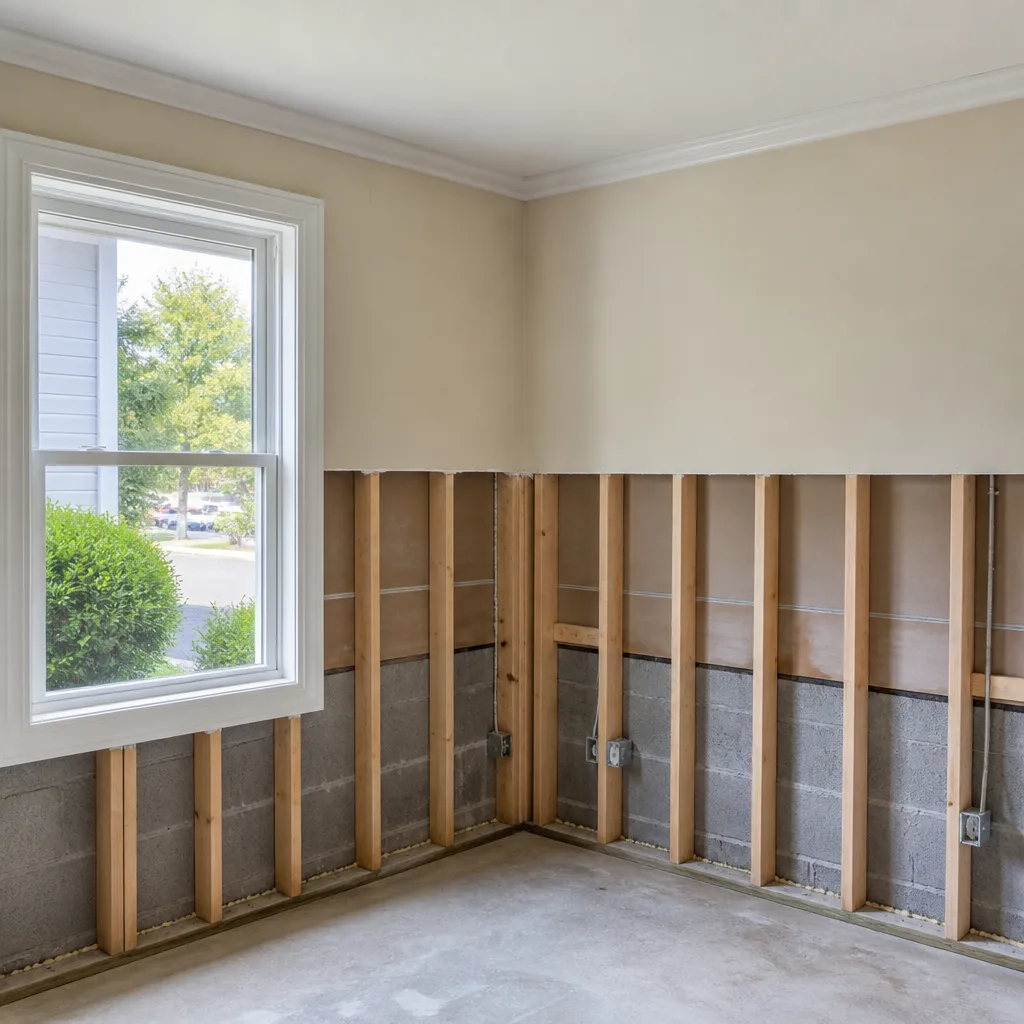
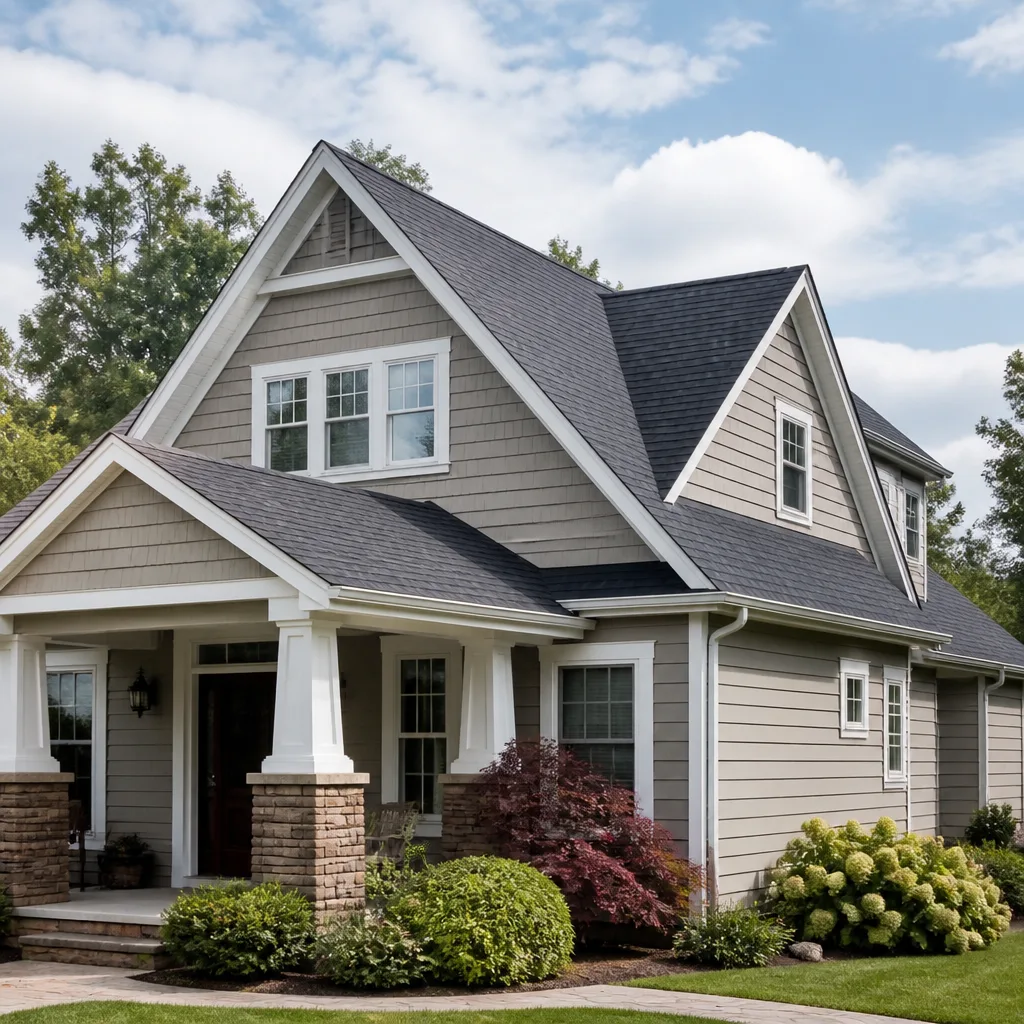
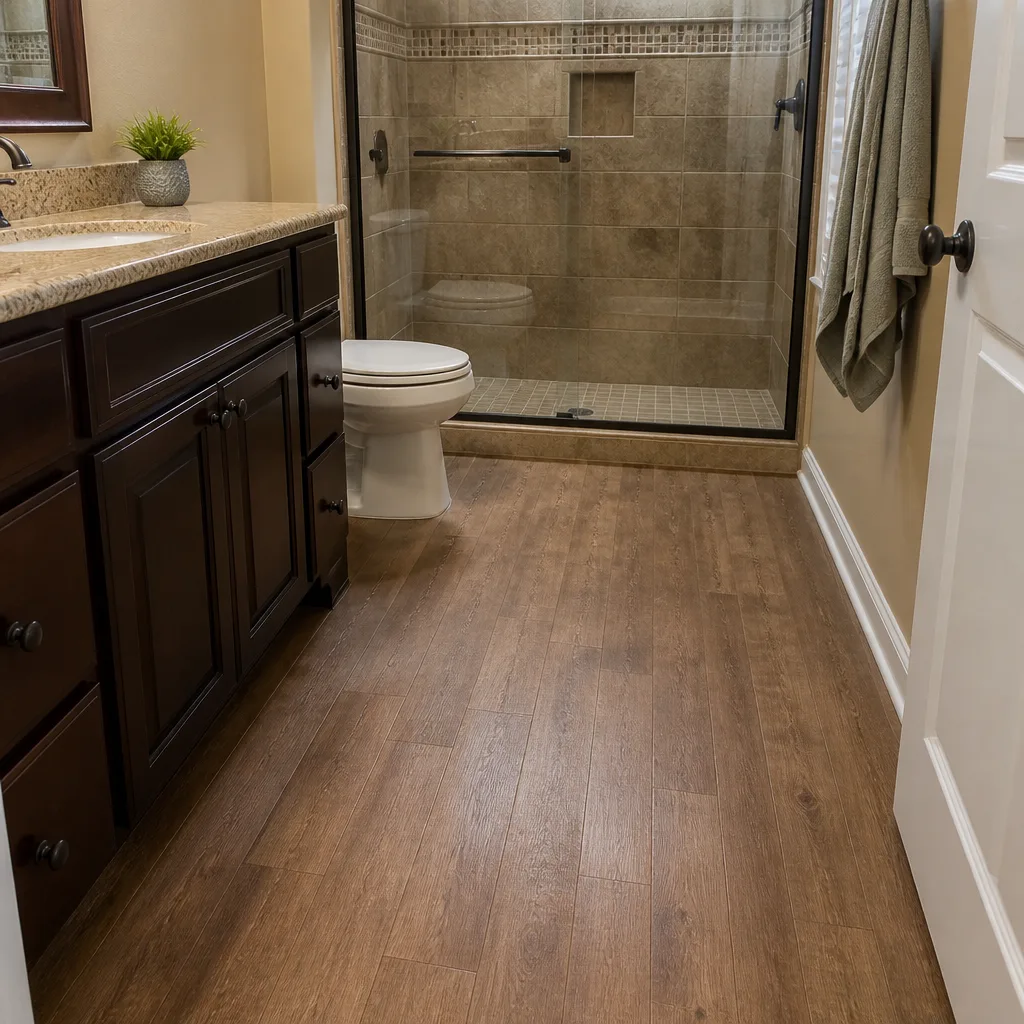
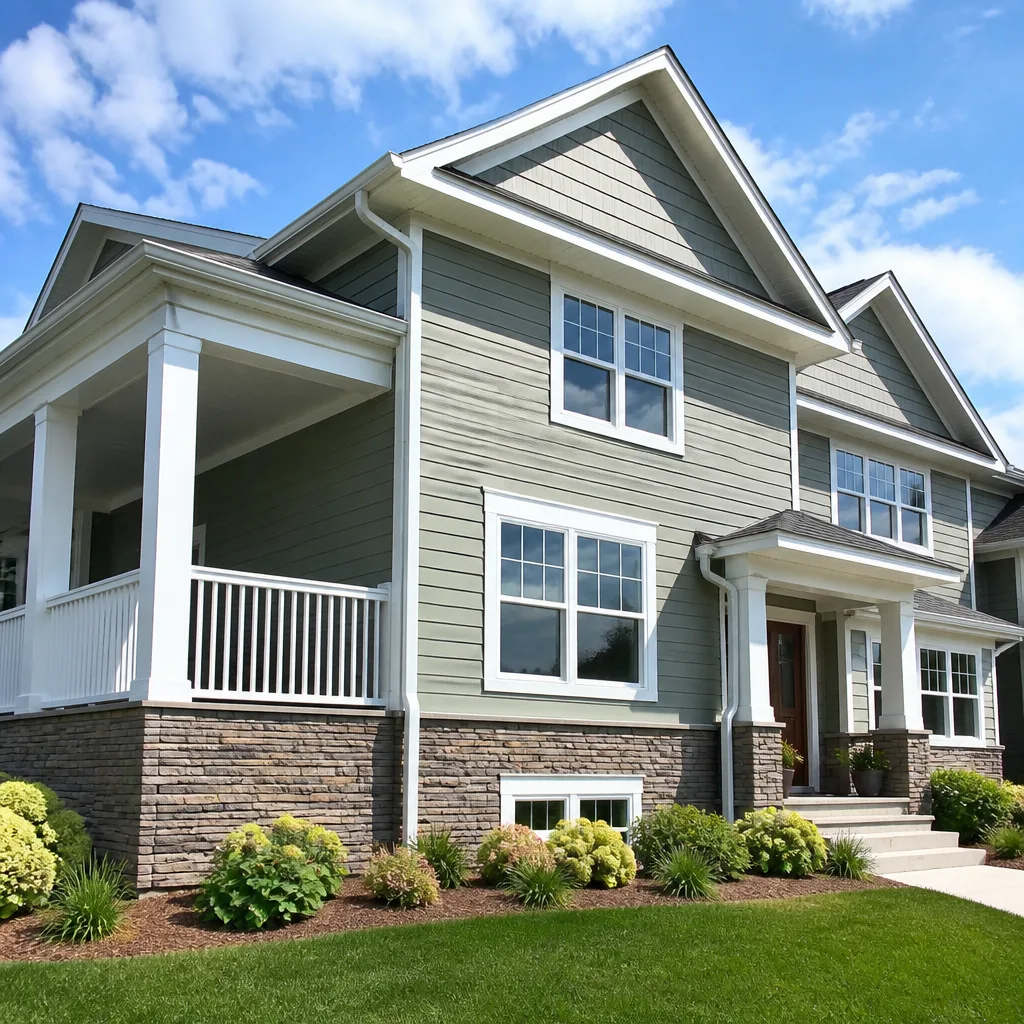
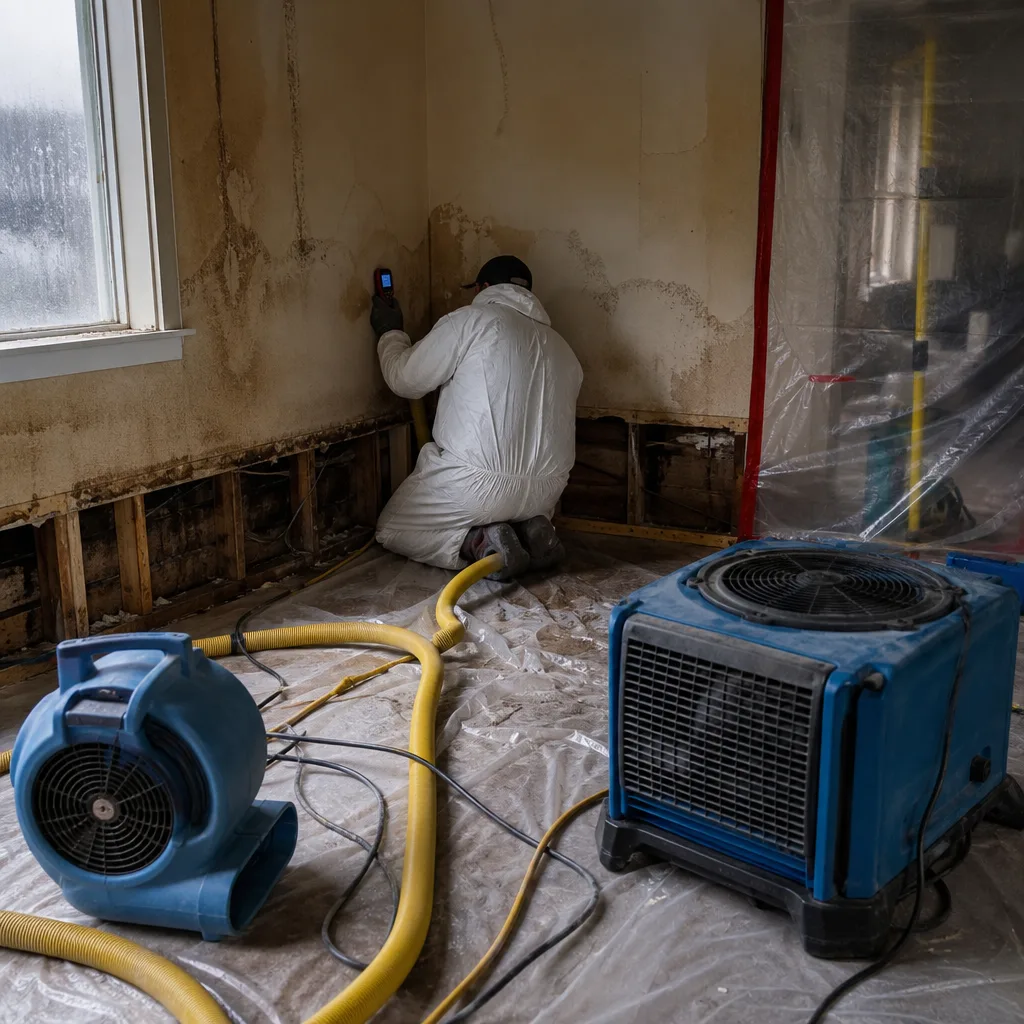 Before
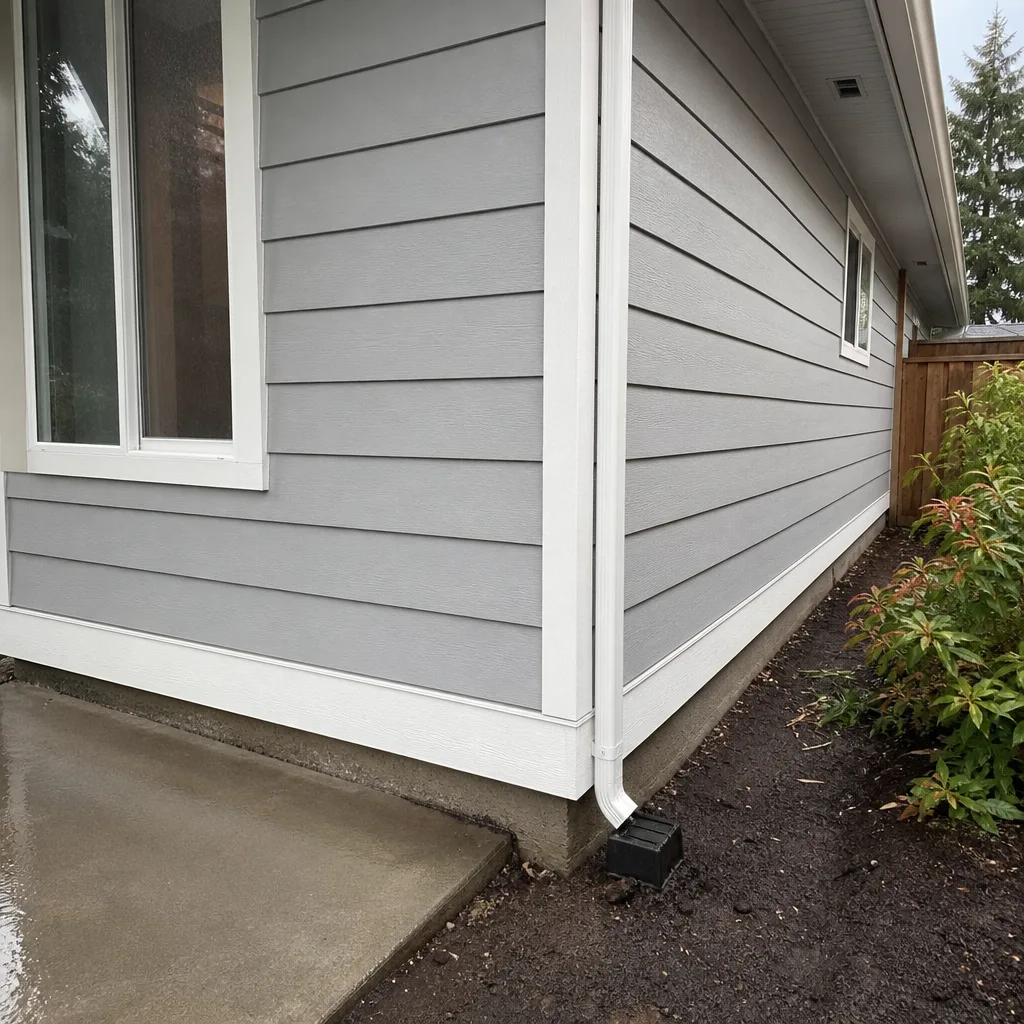 After
After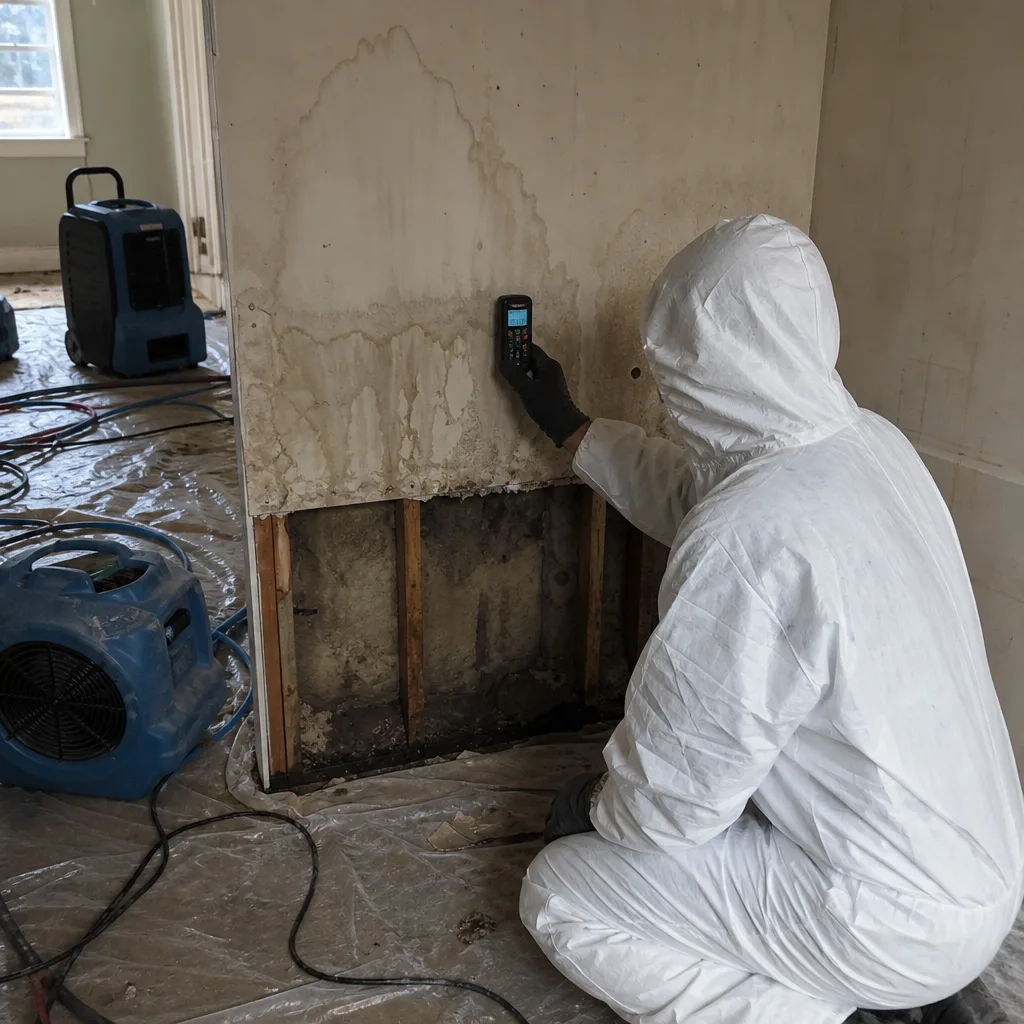 Before
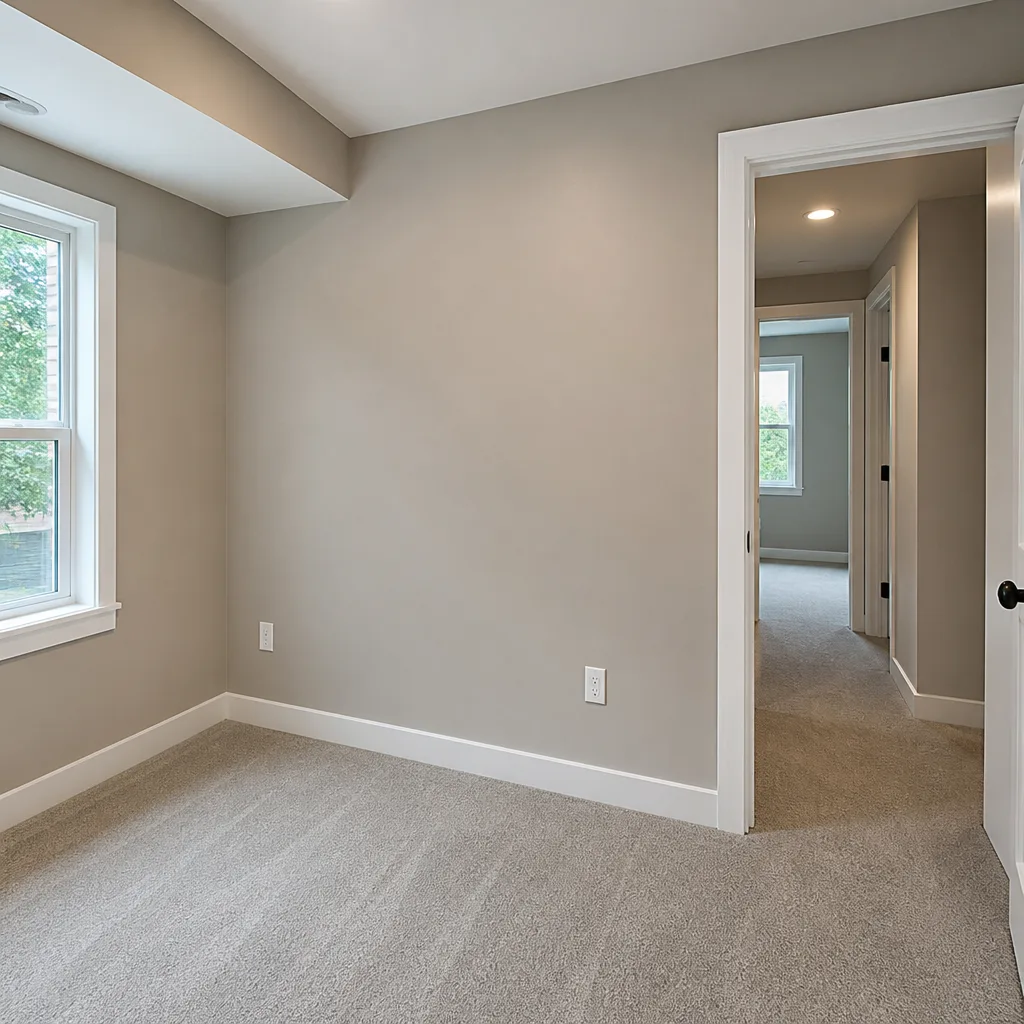 After
After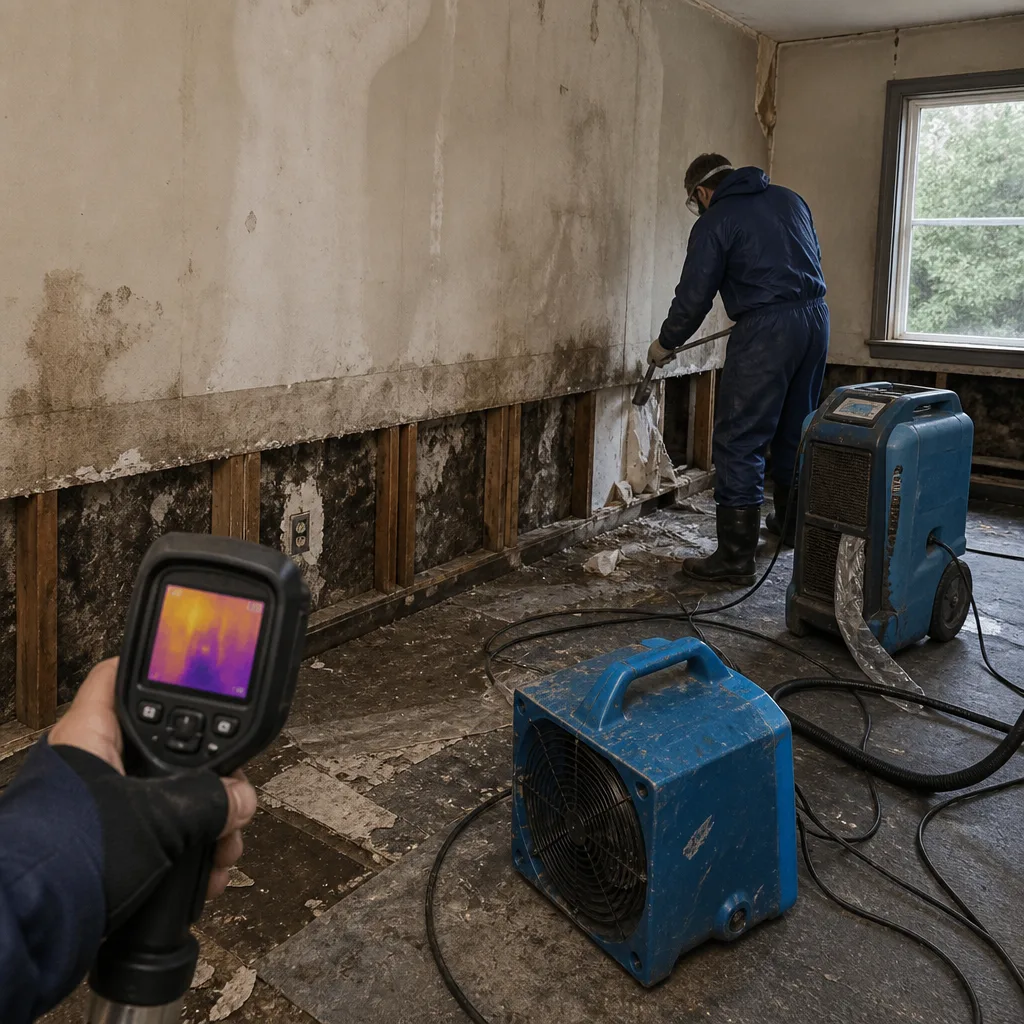 Before
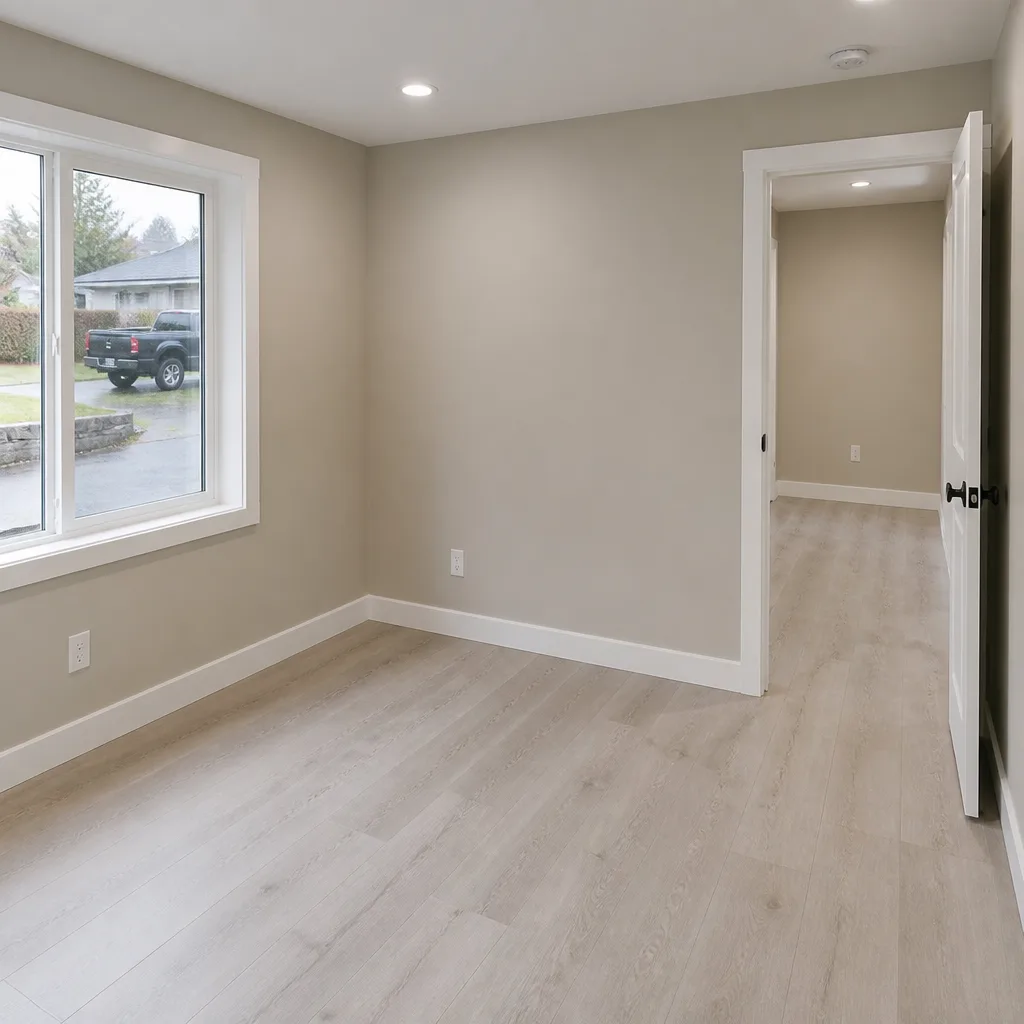 After
After24/7 Emergency Water Damage Restoration in Lake Stevens
Water damage in Lake Stevens demands same-day extraction and structural drying to prevent mold growth and permanent structural damage. Call (360) 502-8815 now for a live answer, 24 hours a day, 7 days a week. Our crews are dispatched from our Seattle office and typically arrive in Lake Stevens within 45 minutes of your call.
The first hour matters because water follows gravity and capillary action through drywall, subfloors, and framing faster than most homeowners realize. In Lake Stevens’s 2000s-era tract homes, standard wall cavities lack the robust moisture barriers found in older, more deliberately sealed construction, meaning water wicks upward and outward with minimal resistance. Our free visual inspection includes thermal imaging to find the water you can’t see, and we deliver a written price before any work begins, Haven Standard, Clause 1.
Understanding Water Damage Restoration Severity in Lake Stevens Properties
Water damage classification follows IICRC protocols: Category 1 is clean water from a supply line, Category 2 is gray water with contaminants from appliances or sump failures, and Category 3 is black water containing sewage, pathogens, or ground intrusion. Lake Stevens properties see all three, often in sequence. A burst pipe in a hillside subdivision starts as Category 1, but if it saturates a crawl space with pre-existing groundwater contamination from clay-soil seepage, it can degrade to Category 2 or 3 within 24 hours.
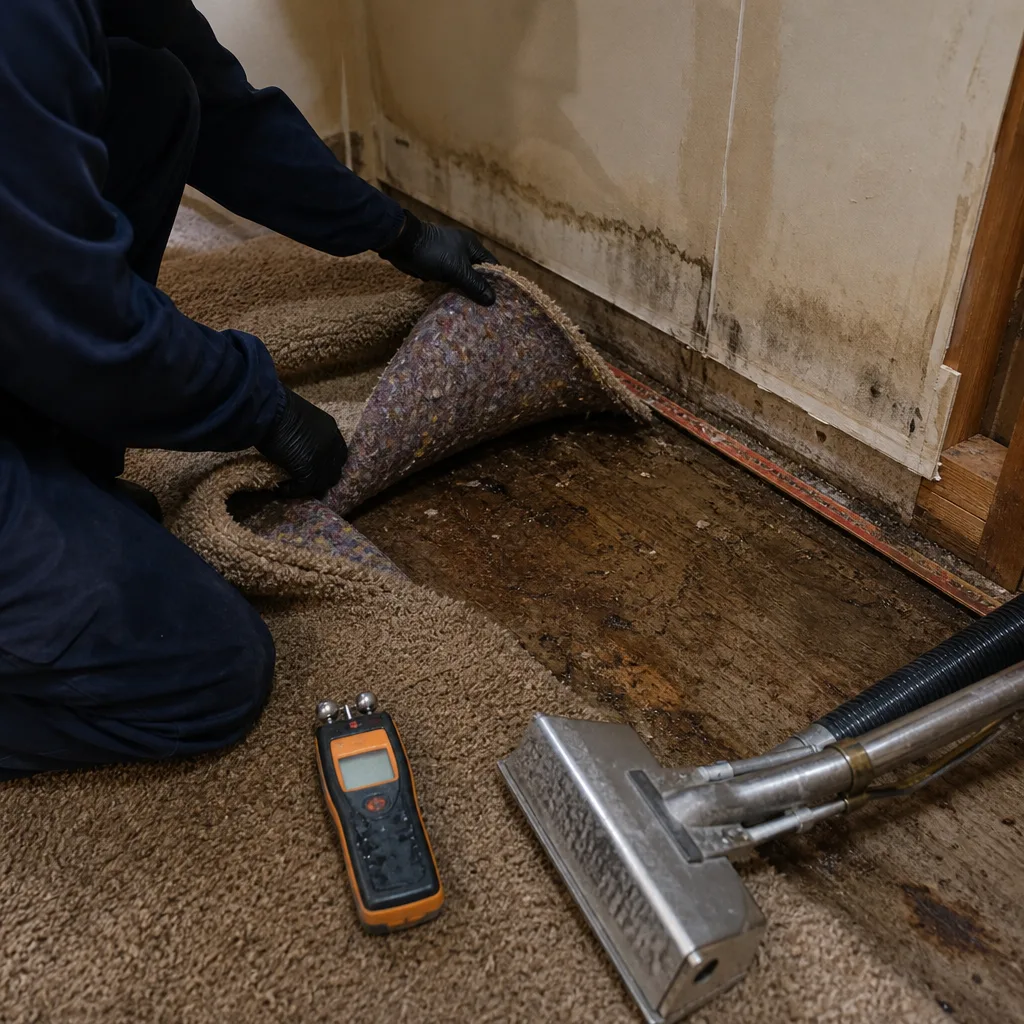
Moisture mapping with penetrating and non-penetrating meters tells us what surface observation cannot. We document psychrometric data, vapor pressure differential, and specific humidity readings to calculate the exact number of air movers and dehumidifiers required for tertiary drying, the final phase where hidden moisture in dense materials equalizes with ambient conditions. Lake Stevens’s older lakefront homes from the 1960s-1980s frequently lack modern vapor barriers and have deteriorated perimeter drainage, extending drying timelines. Newer east-side subdivisions built on former timberland often have undersized drainage systems that continue feeding moisture into the structure even after interior extraction is complete.
Why Lake Stevens Property Owners Choose DryMark Restoration Everett
- 45-minute response commitment to Lake Stevens addresses, with crews staged for the Cascade foothills terrain.
- 24/7 live answer: a real person, never an automated system or voicemail tree, picks up every emergency call.
- IICRC-certified crews holding WRT (Water Damage Restoration Technician) and AMRT (Applied Microbial Remediation Technician) credentials, with license numbers documented on every job file.
- Free visual inspection with thermal imaging and moisture readings, written scope delivered before any equipment is powered on.
- Direct insurance billing with photo-documented estimates and daily drying logs that adjusters recognize and approve.
- One team from extraction through reconstruction: no handoffs between mitigation and rebuild contractors that delay completion and fragment warranty responsibility.
BeforeAfterOur Water Damage Restoration Process
1. Inspection & Assessment
We classify the water category, map moisture content across all affected and adjacent materials with thermal imaging and penetrating meters, and photograph every surface before anything is moved. You receive a written scope and price before work starts, Haven Standard, Clause 1.
2. Water Extraction & Stabilization
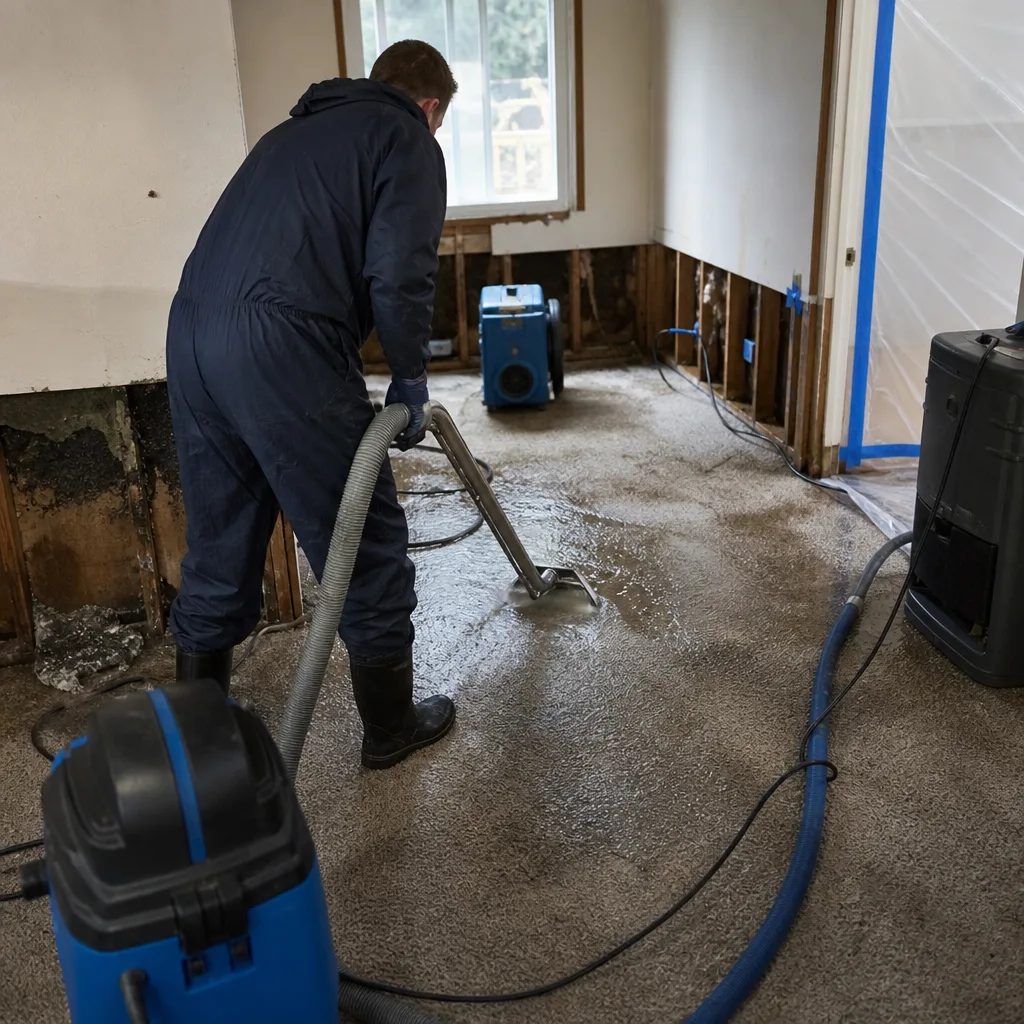
Standing water is removed with truck-mounted extraction units and portable Dri-Eaz systems. We deploy containment barriers to isolate unaffected areas and prevent cross-contamination, critical in Lake Stevens homes where crawl-space flooding often involves mixed water categories.
3. Structural Drying & Dehumidification
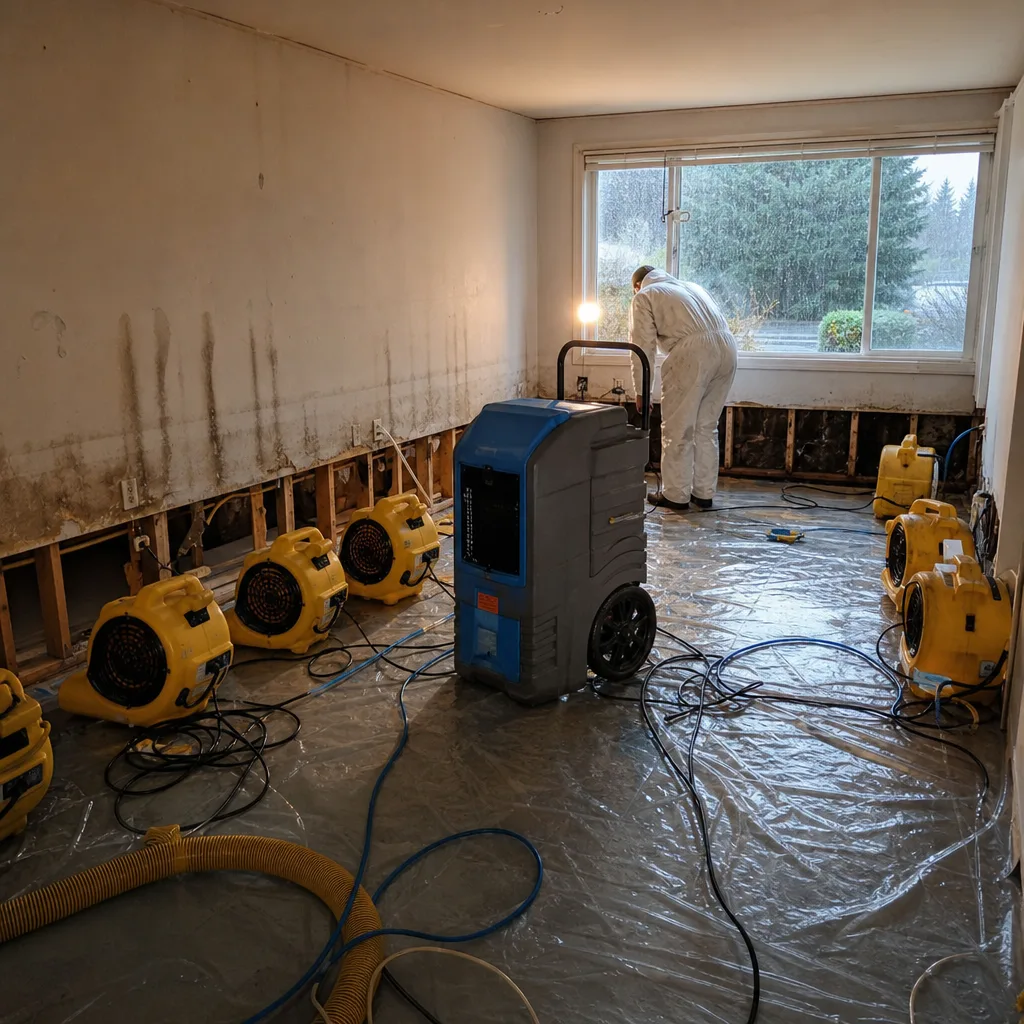
Air movers create controlled airflow across wet surfaces while Phoenix and B-Air dehumidifiers remove evaporated moisture from the air. Injectidry systems dry wall cavities and subfloors without destructive demolition. Daily moisture logs track progress toward IICRC dry standards.
4. Cleaning & Sanitization
All affected surfaces receive antimicrobial treatment appropriate to the water category. HEPA air scrubbers run during and after cleaning to capture airborne particles. We document product application and dwell times for insurance and health department requirements.
5. Moisture Verification & Mold Prevention
Tertiary drying continues until moisture readings match pre-loss baseline conditions for the specific material, verified with calibrated meters. In Lake Stevens’s clay-soil environment, we pay particular attention to subfloor and rim joist readings that surface meters miss.
6. Repairs & Restoration
Our reconstruction crew replaces drywall, flooring, trim, and insulation to match pre-loss condition. The same team that dried your home completes the rebuild, carrying the 365-Day Done Right Promise under The Haven Standard from first call to final walkthrough.
Need Emergency Water Damage Restoration in Lake Stevens Now?
Crews minutes away, answering live 24 hours a day. The sooner we start, the less it costs.
Working With Your Insurance Company
Insurance claims succeed or fail on documentation. We begin photographing and logging from the moment we arrive, producing the evidence trail that turns a restoration invoice into a payable claim. Our estimates follow Xactimate and Symbility industry standards, line-itemed by room and material, with no lump-sum rounding that triggers adjuster scrutiny.
We coordinate directly with your carrier’s adjuster, providing the moisture readings, drying logs, and photo records that demonstrate the work was necessary and completed to standard. Our Water Damage Restoration team has handled claims with every major carrier writing policies in Snohomish County, and we know what documentation each requires for water loss approval.
What We Provide Your Insurer
- Thorough documentation of the loss
- Photos of all damage, room by room
- Moisture readings and drying logs
- A detailed, line-item scope of work
- Direct coordination with your carrier
Built for Lake Stevens’s Loss Calendar
January through March brings sustained cold snaps that freeze hose bibs and supply lines in Lake Stevens’s 2000s-era homes, where exterior wall insulation was often minimal and pipe placement followed cost-optimized plans. The thaw that follows produces burst-pipe calls clustered in the same subdivisions.
November through February is the dominant loss period. Sustained Pacific storms, intensified by orographic lift as weather systems push against the Cascades, dump heavier precipitation on Lake Stevens than on lowland Marysville or Everett. The clay-heavy soils saturate within days. On the east- and north-side subdivisions built on former timberland, shared slope drainage systems designed for lighter rainfall are overwhelmed, and water enters crawl spaces through foundation joints, rim joists, and deteriorated vapor barriers. We see the pattern repeat: multiple adjacent lots, nearly identical floor plans, the same week of the same storm.
Spring snowmelt from the Cascade foothills elevates the lake level and groundwater table simultaneously, creating hydrostatic pressure against lakefront and near-shore foundations that summer-dry conditions never test. By May, the calls shift to mold remediation in homes that delayed winter drying.
Water Damage Restoration Across Lake Stevens’s Neighborhoods
Our Lake Stevens response routes cover the full city, and the work looks different by quadrant.
Lakefront and near-shore properties along North Lakeshore Road and the original 1960s-1980s neighborhoods face elevated groundwater tables and periodic lake-level flooding. These older homes often lack modern vapor barriers and have cast-iron or clay drainage lines at end of service life. We frequently find rim joist rot and subfloor mold that has progressed through multiple wet seasons before the homeowner noticed.
East-side subdivisions off Highway 9 and the former timberland slopes generate our highest volume of November-February crawl-space flooding. The shared drainage systems, installed during rapid 2000s-2010s buildout, were sized for standard rainfall models that underestimated orographic effects. Last winter we ran a mitigation job off the shared slope drainage on the east side of Lake Stevens, where a family found 2 inches of standing water in their lower level after a sustained system parked over the Cascades. Our tech pulled Category 3 water with a Dri-Eaz extraction unit, then set up containment, air movers, and a Phoenix dehumidifier for structural drying. Moisture mapping showed the subfloor was still wet after three days, so we logged the readings in our drying logs and finished with an antimicrobial treatment once the moisture readings returned to pre-loss condition.
North-side neighborhoods toward Snohomish on former agricultural land combine clay soil with legacy drainage ditches that municipal systems have partially replaced. Properties at the transition point between old and new infrastructure see intermittent backups during peak storm intensity.
Central and west-side 2010s-2020s construction has better initial waterproofing but suffers from the same undersized perimeter drainage on slopes, and the rapid build pace left grading deficiencies that direct runoff toward rather than away from foundations.
Specialized Water Damage Restoration Services We Offer in Lake Stevens
Emergency Water Extraction
Standing water begins degrading to Category 2 within 24-48 hours and supports mold germination in 72 hours under typical Lake Stevens winter conditions. Our truck-mounted and portable extraction units remove water from carpet, hard surfaces, and recessed areas before secondary damage spreads. We answer live and dispatch 24 hours a day.
Structural Drying & Dehumidification
Air movers and dehumidifiers alone cannot dry what extraction leaves behind in Lake Stevens’s dense, water-retentive clay-soil environment. We deploy Injectidry cavity-drying systems for wall voids and subfloor spaces, with daily moisture logs proving progress to IICRC standards. Tertiary drying, the phase where dense framing materials release bound moisture, often extends timelines here beyond what drier-climate calculators predict.
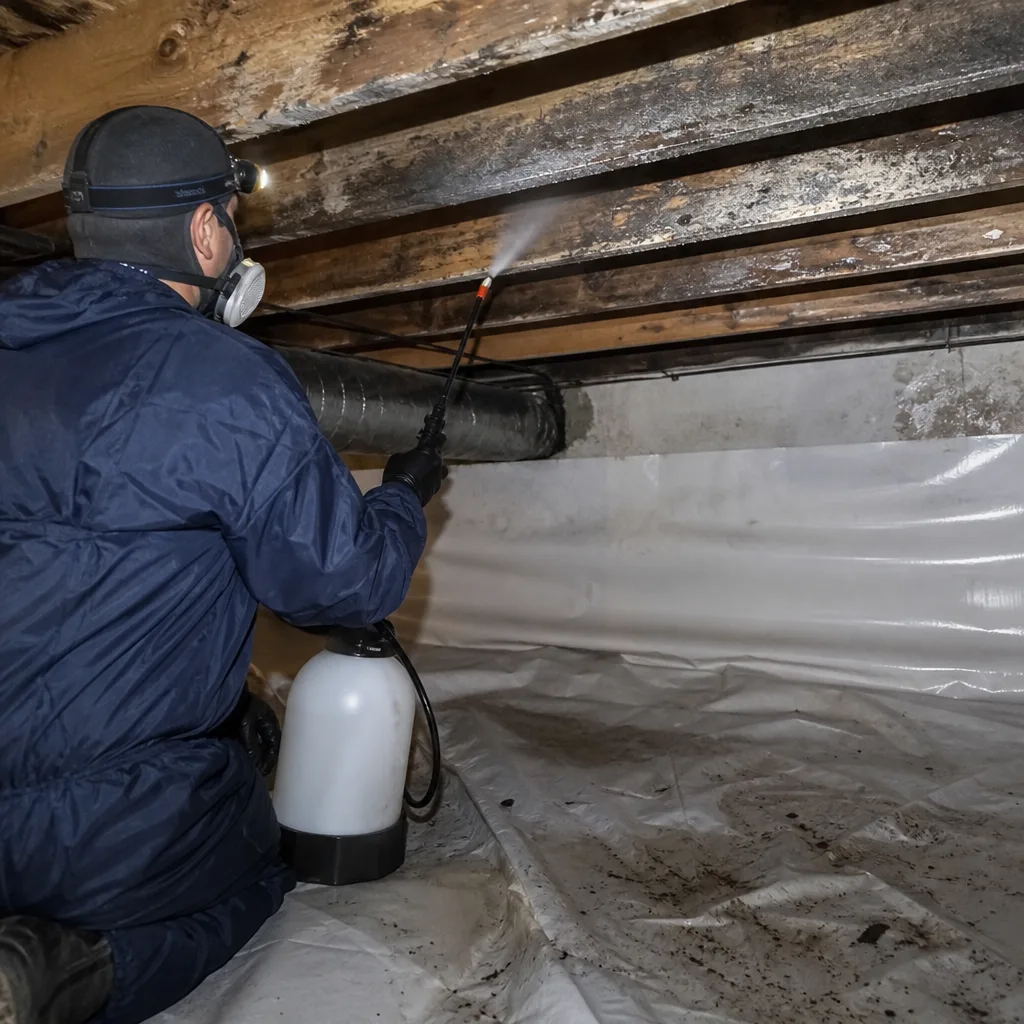
Flood Cleanup
Lake Stevens flood cleanup addresses Category 3 groundwater intrusion, lake-level seepage, and stormwater backup. Full PPE, containment, and antimicrobial protocols are standard, not optional. We document contamination levels and remediation steps for insurance and health department compliance.
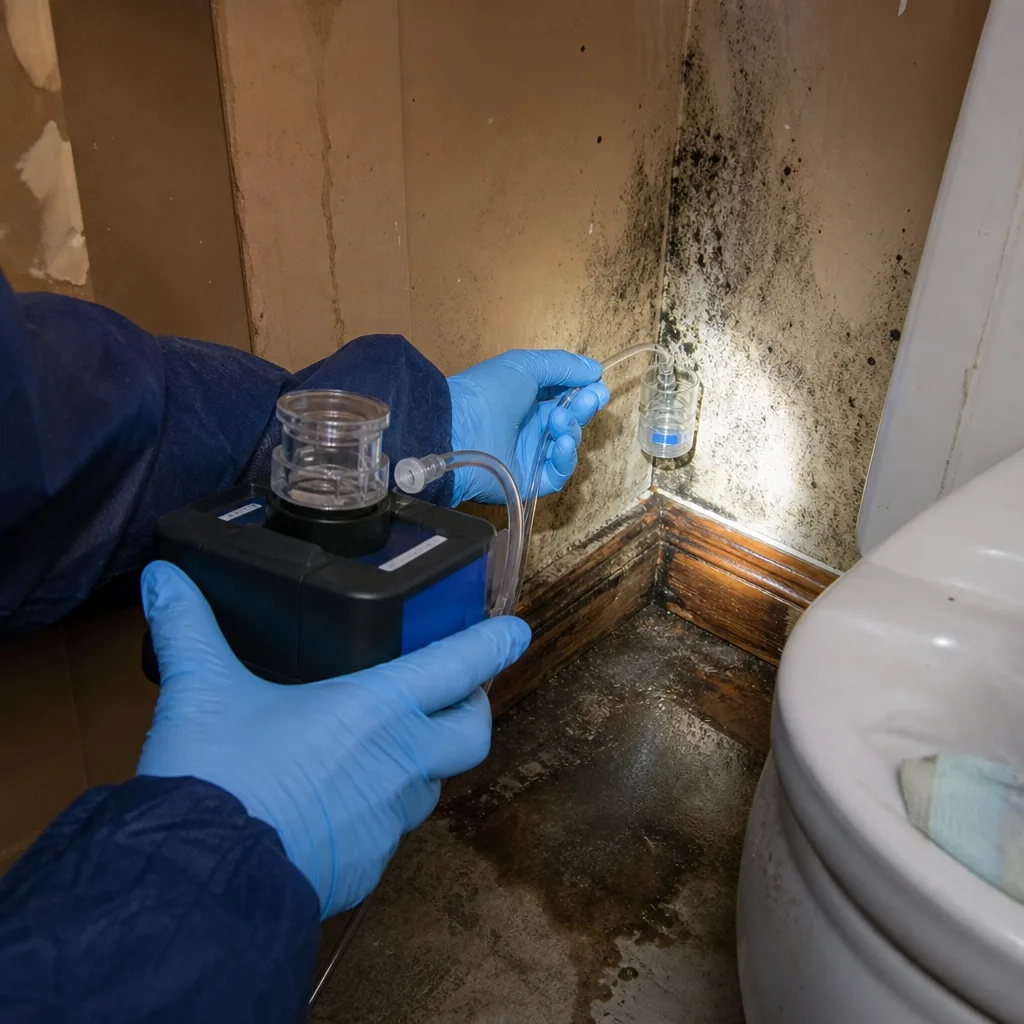
Burst Pipe Restoration
Freeze-thaw damage to supply lines and the polybutylene piping still found in some 1980s-1990s Lake Stevens homes requires extraction, drying, and often selective demolition to access hidden leaks. We locate the full extent of migration with thermal imaging before cutting drywall.
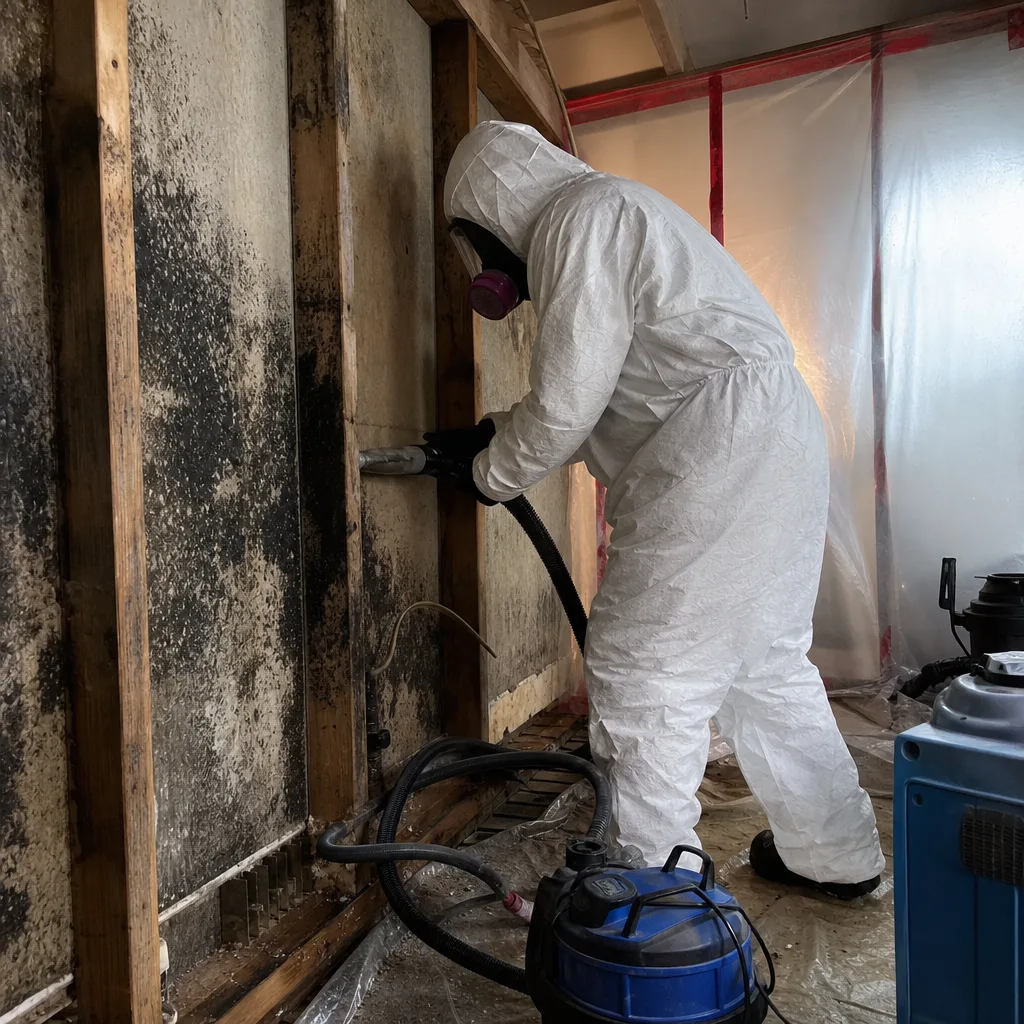
Basement Water Removal
Lake Stevens basements, particularly in hillside homes with walkout lower levels, collect water from failed sump pumps, foundation seepage, and overwhelmed perimeter drains. We extract, dry, and assess whether the drainage failure is a one-time event or a systemic issue requiring correction before reconstruction.
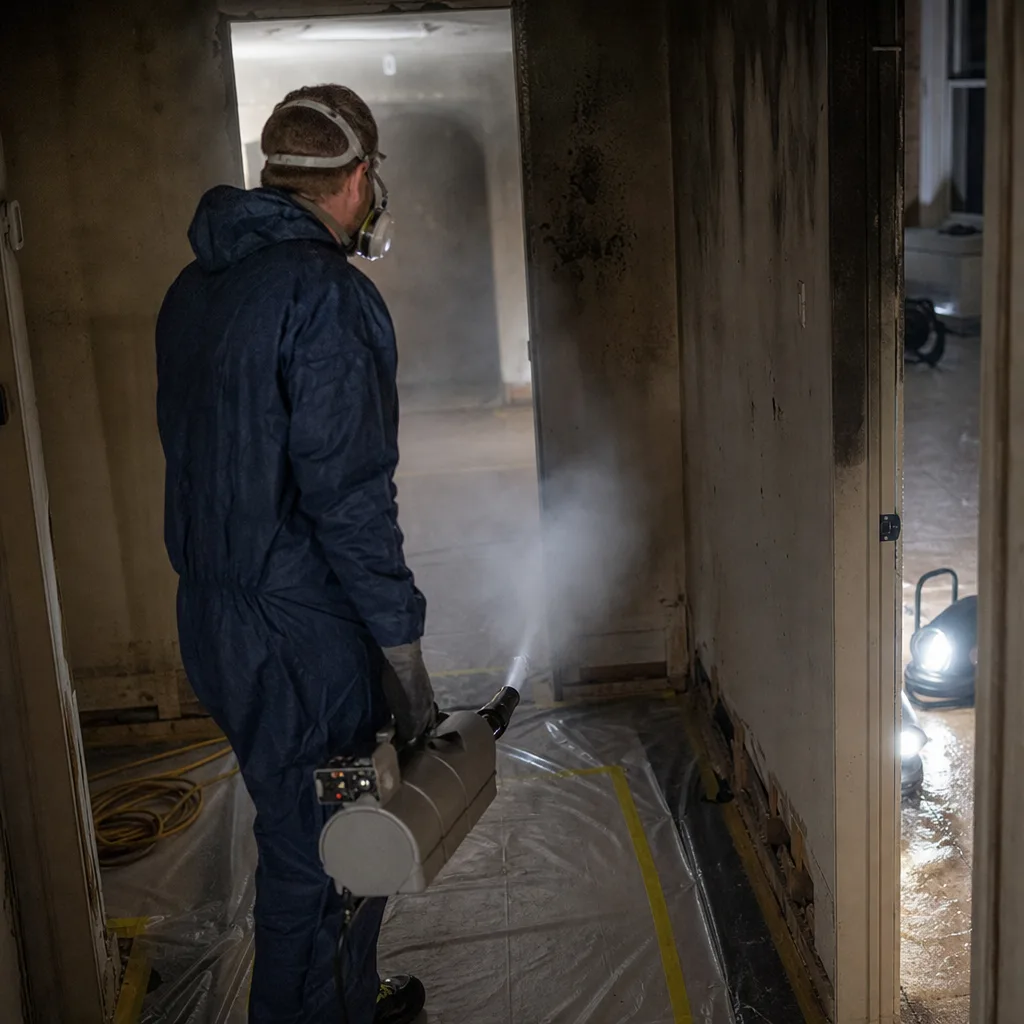
Ceiling & Roof Leak Water Damage
Orographic-lift storms drive wind-driven rain through compromised flashing and aging shingles. We trace water migration through attic spaces and insulation, often finding damage extending well beyond the visible ceiling stain.
What happens when you call
- 1
A real person answersNo phone trees - you reach a local pro.
- 2
You get an upfront price rangeHonest numbers before anyone is dispatched.
- 3
A background-checked tech heads outLicensed & insured, dispatched right away.
- 4
You approve before work beginsNothing starts until you say go.
Water Damage Restoration Costs in Lake Stevens, WA
Typical water damage restoration in Lake Stevens runs $2,800-$6,500 for a standard single-area extraction and drying job, with full reconstruction adding $4,000-$12,000 depending on finish materials and room count. Category 3 flood cleanup with full containment and antimicrobial treatment starts around $4,500 and scales with affected square footage. Basement water removal involving subfloor and crawl-space drying typically falls in the $3,200-$7,000 range.
What moves the price: water category (Category 3 requires more labor and disposal), affected square footage, whether demolition is needed to access wet cavities, and whether mold remediation is required. Insurance typically covers sudden and accidental water damage from burst pipes or storm intrusion; gradual seepage from failed maintenance is usually excluded. We provide a written scope and price before work begins, and we offer a Free Second Opinion on any competitor’s written estimate.
We Also Serve Cities Near Lake Stevens
Our crews respond throughout Snohomish County, including Marysville, Everett, Snohomish, and Monroe. Each city has distinct water damage patterns, Marysville’s flat, lower-elevation terrain sees less orographic rainfall and fewer hillside drainage failures, while Everett’s older housing stock presents different vulnerability profiles. We calibrate our response and equipment to local conditions.
Serving Lake Stevens, WA - Our Local Coverage Area
We’re based in the Lake Stevens area and know this community well. Use the map below to see our service coverage - if you’re nearby, we can almost certainly help.
Lake Stevens Water Damage Restoration Questions, Answered
How fast does mold grow after a water leak in Lake Stevens?
Mold germinates in 24-72 hours when moisture content exceeds 16% in organic materials, a threshold Lake Stevens homes reach quickly in winter due to cool ambient temperatures that slow evaporation. Our November-February calls frequently involve mold discovered two to four weeks after a homeowner noticed initial water, because the cool, humid crawl-space conditions here sustain growth long after surface water appears gone. Call (360) 502-8815 for immediate moisture mapping if you’ve had any water intrusion.
Why do so many Lake Stevens crawl spaces flood every winter?
The combination of heavier orographic-lift precipitation, clay-heavy soils with poor percolation, and undersized perimeter drainage installed during rapid 2000s-2010s subdivision buildout on former timberland slopes means stormwater has nowhere to go but toward and into homes. East- and north-side neighborhoods see this pattern repeat on the same shared drainage systems each November-February. Extraction without addressing the drainage source produces repeat callbacks when the next storm arrives.
What’s the difference between category 1, 2, and 3 water in a Lake Stevens home?
Category 1 is clean water from a supply line; Category 2 is gray water with chemical or biological contamination from appliances, sump pumps, or mixed sources; Category 3 is black water containing sewage, pathogens, or ground intrusion. In Lake Stevens, Category 1 burst-pipe water often degrades to Category 2 or 3 when it reaches a crawl space with pre-existing groundwater contamination from clay-soil seepage. We test and classify on arrival to determine proper PPE, containment, and antimicrobial protocols.
Will a shop vac and a few fans dry out my Lake Stevens lower level?
No. Surface drying with consumer equipment leaves trapped moisture in subfloors, wall cavities, and framing that moisture mapping consistently reveals in Lake Stevens’s 2000s-era construction. Without professional dehumidification to control vapor pressure differential and documented moisture verification, homeowners discover mold weeks later when the next rain cluster arrives. We provide a free visual inspection with thermal imaging and penetrating meter readings to show you what surface observation misses.
Does my 2000s Lake Stevens tract home need a vapor barrier to prevent repeat water damage?
Many Lake Stevens homes built during the 2000s-2010s population explosion were constructed with minimal or deteriorated crawl-space vapor barriers, and the original perimeter drainage was often undersized for actual rainfall loads on these clay-soil slopes. If you’ve had crawl-space flooding, a one-time dry-out without assessing and upgrading the vapor barrier and drainage system typically leads to repeat damage. Our written scope includes source assessment and documentation for insurance review.
How long does structural drying take in Lake Stevens?
Standard structural drying runs 3-5 days for Category 1 water in accessible areas, but Lake Stevens’s cool, humid winter conditions and water-retentive clay soils often extend tertiary drying of dense framing materials to 5-8 days. We don’t guess; daily moisture logs with calibrated meter readings determine when equipment is removed. Demolition, reconstruction, and mold remediation add separate timelines documented in the written scope.
Can we stay in the home during water damage restoration?
For Category 1 water affecting a single, contained area, occupancy is often possible with containment barriers and air scrubbers in place. Category 2 or 3 contamination, extensive demolition, or HVAC system involvement typically requires temporary relocation for health and safety. We assess this during the initial inspection and document our recommendation for your insurance adjuster.
What certifications do your Lake Stevens water damage technicians hold?
Our technicians hold IICRC WRT (Water Damage Restoration Technician) and AMRT (Applied Microbial Remediation Technician) certifications, with ongoing education to RIA and IFA standards. License numbers are documented on every job file, and all technicians are background-checked and uniformed before arriving at your Lake Stevens property. Equipment is maintained and calibrated to manufacturer specifications for Dri-Eaz, Phoenix, and Injectidry systems.
Call (360) 502-8815 now for 24/7 live answer and same-day dispatch. Every job starts with a free visual inspection, a written price before work begins, and the 365-Day Done Right Promise under The Haven Standard.
Written by Alicia Brennan, Owner at Back to Dry Restoration, independently owned and operated under The Haven Standard since 2011.
Water Damage Restoration in Nearby Areas