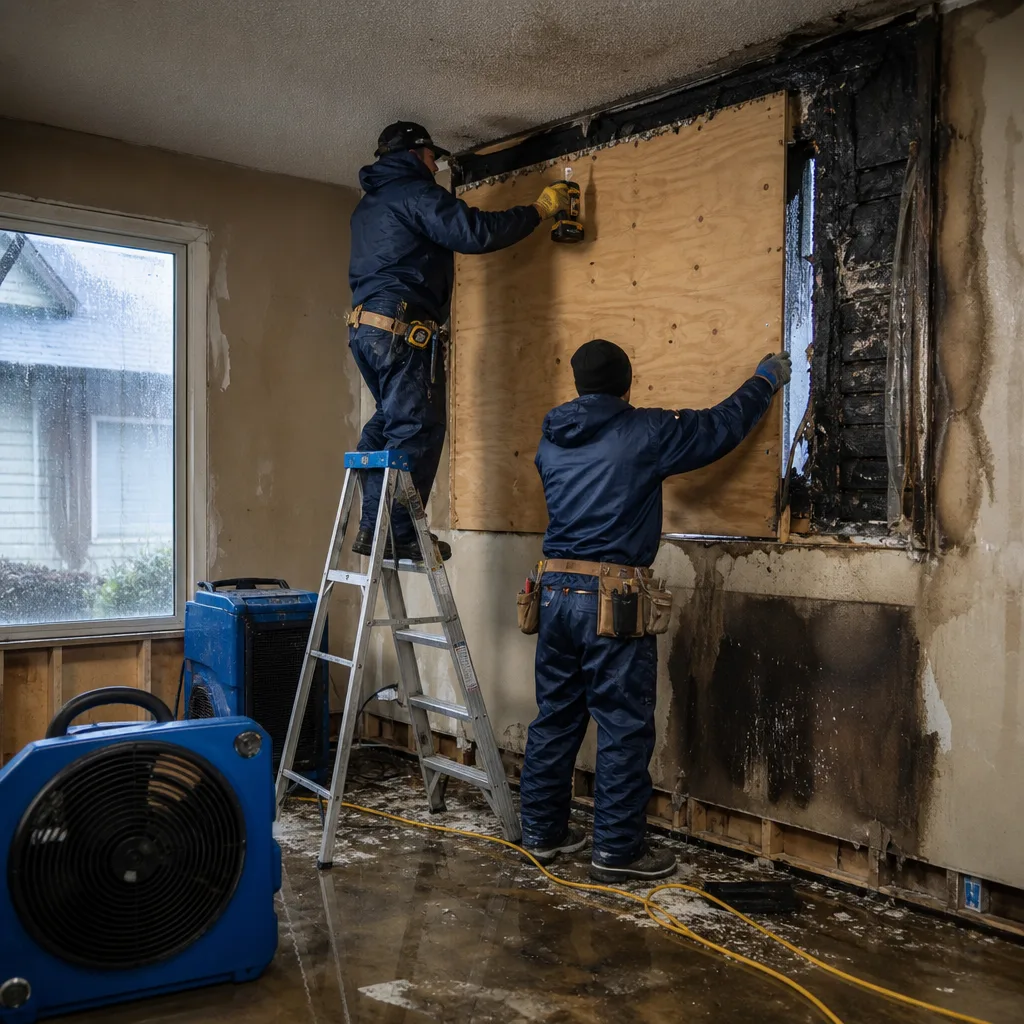
Free visual inspection and a written scope of work before any mitigation begins - photos, moisture readings, and drying logs go in your claim file
The scope we write is the scope we bill. Anything new gets shown to you, in writing, before we touch it.
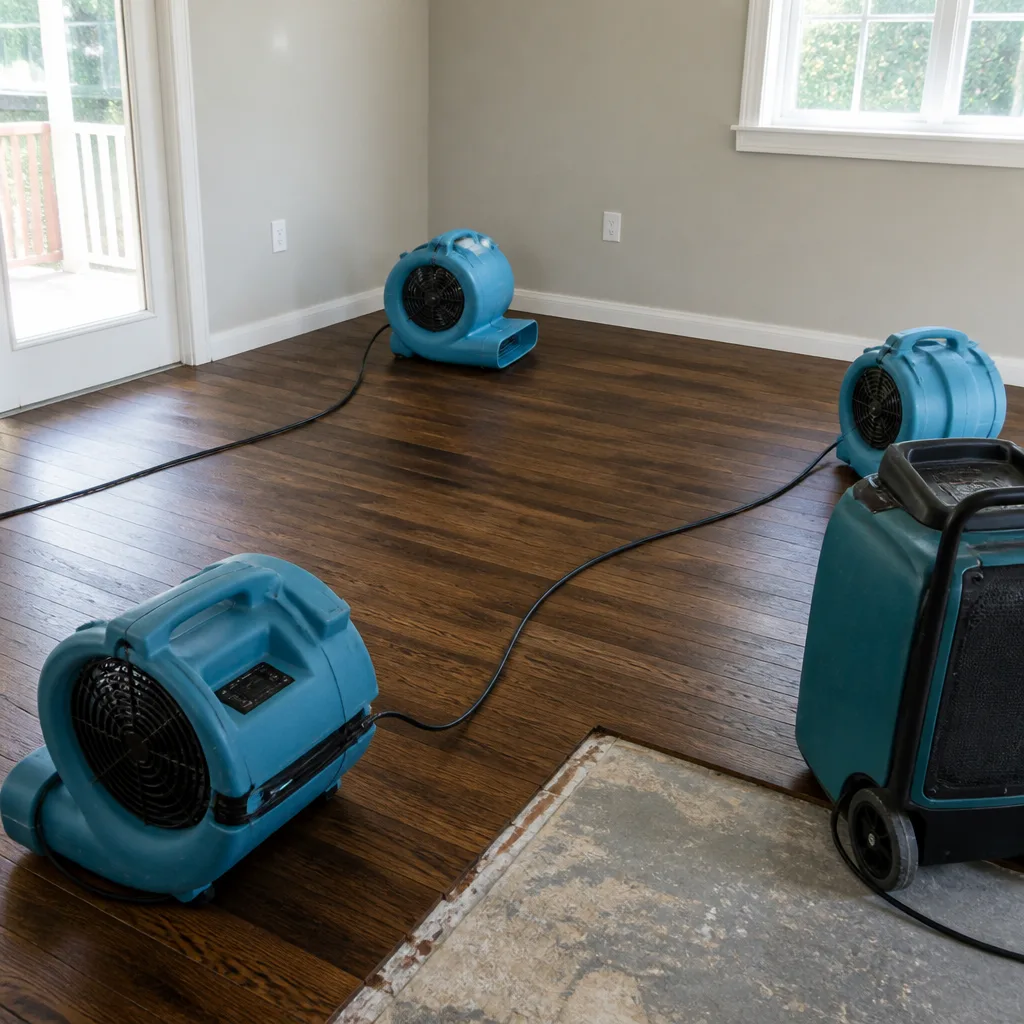
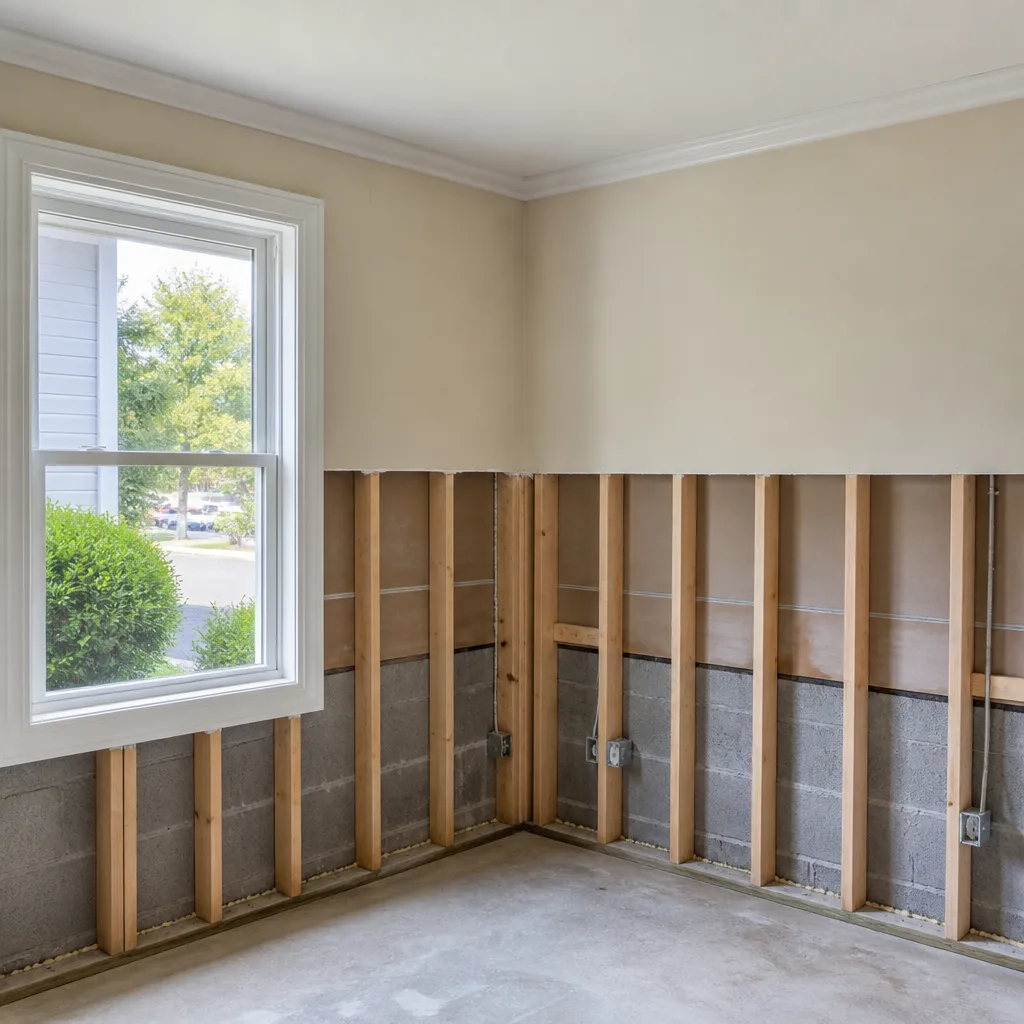
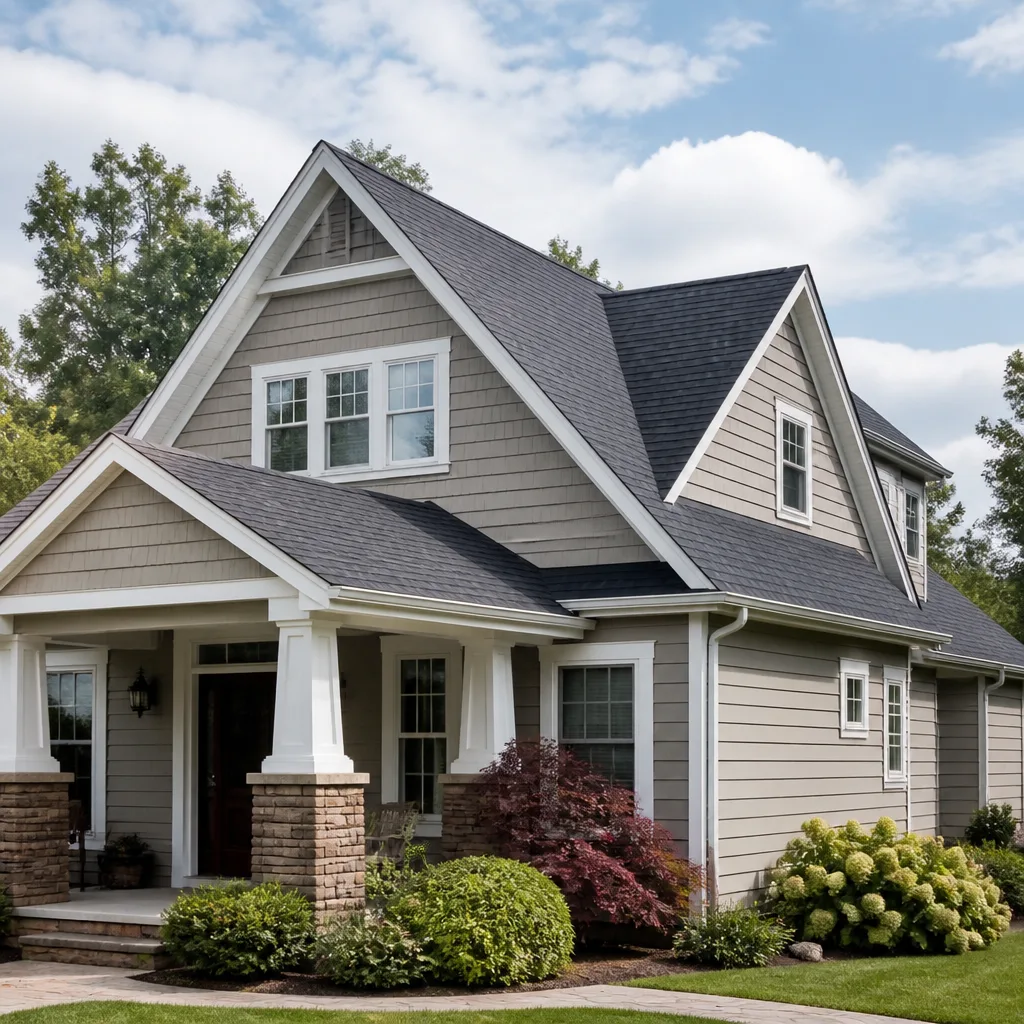
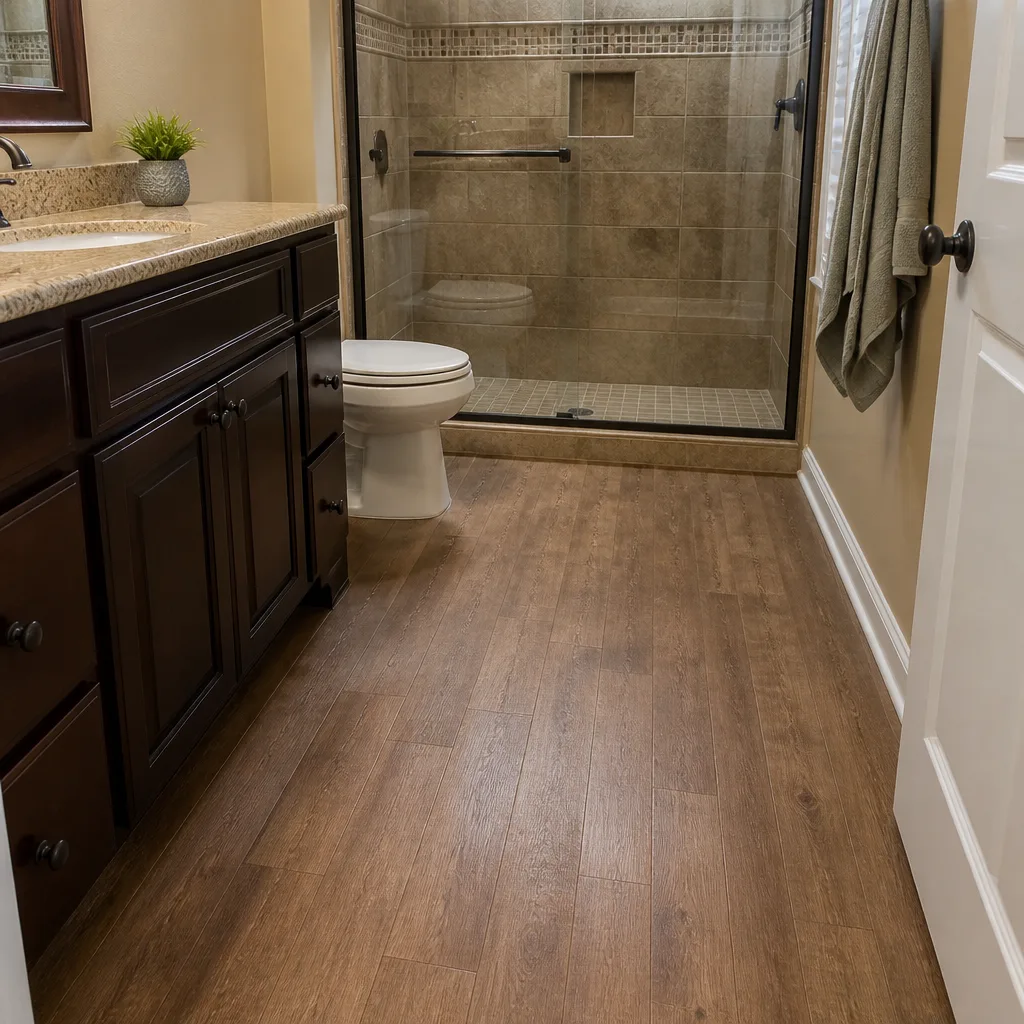
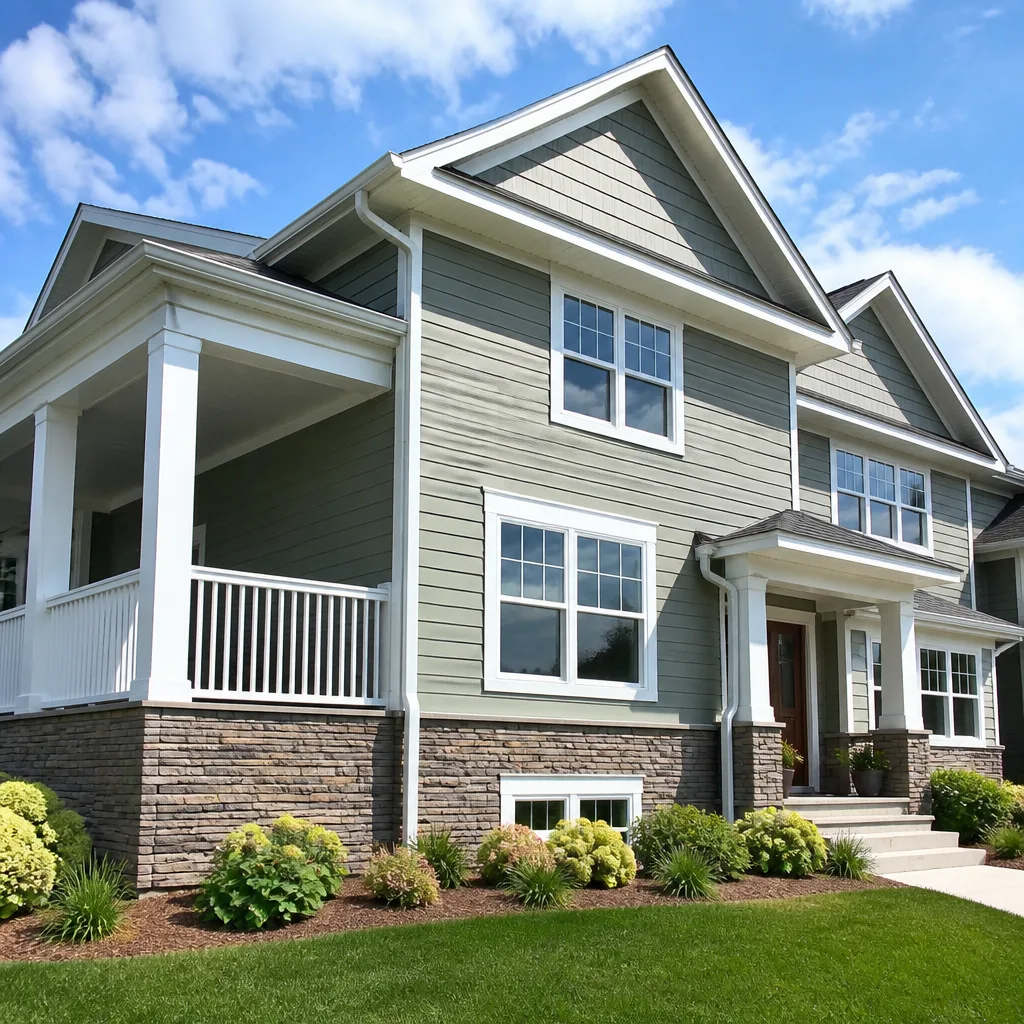
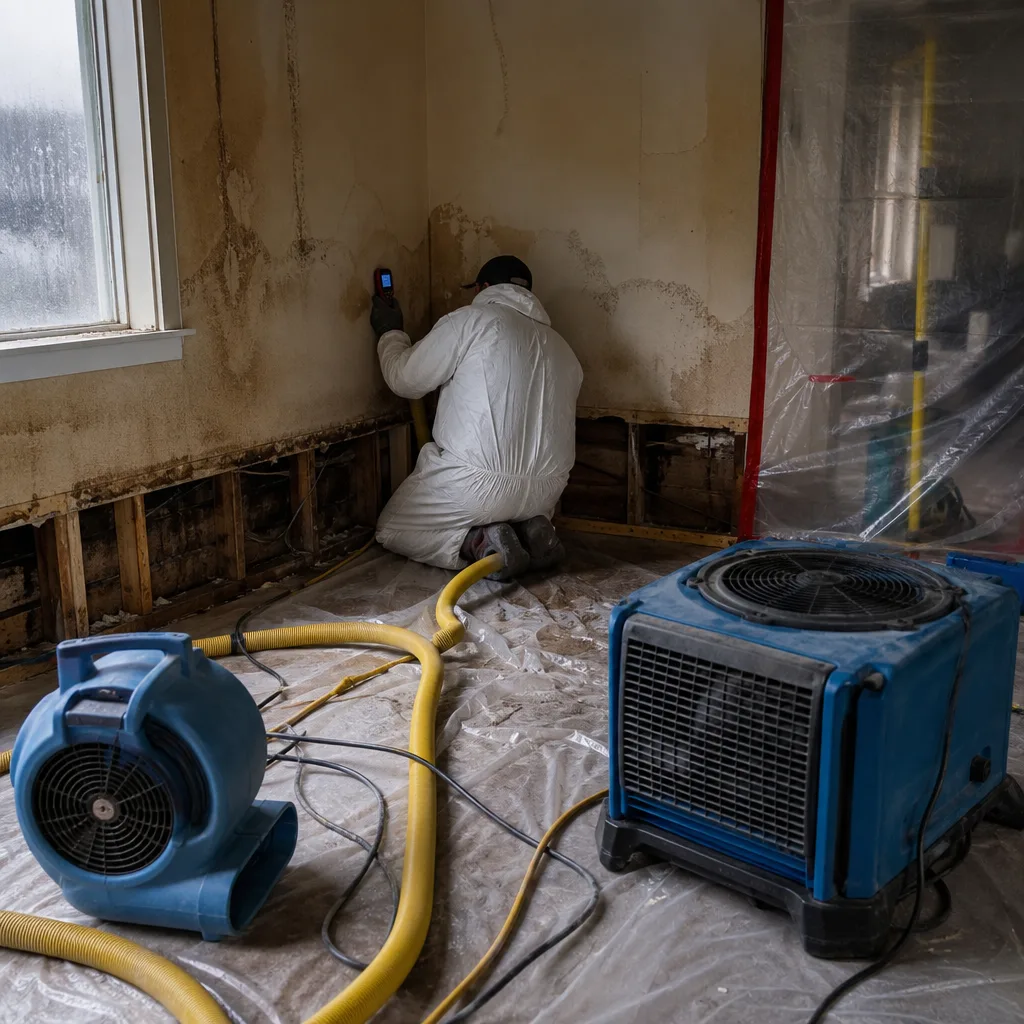 Before
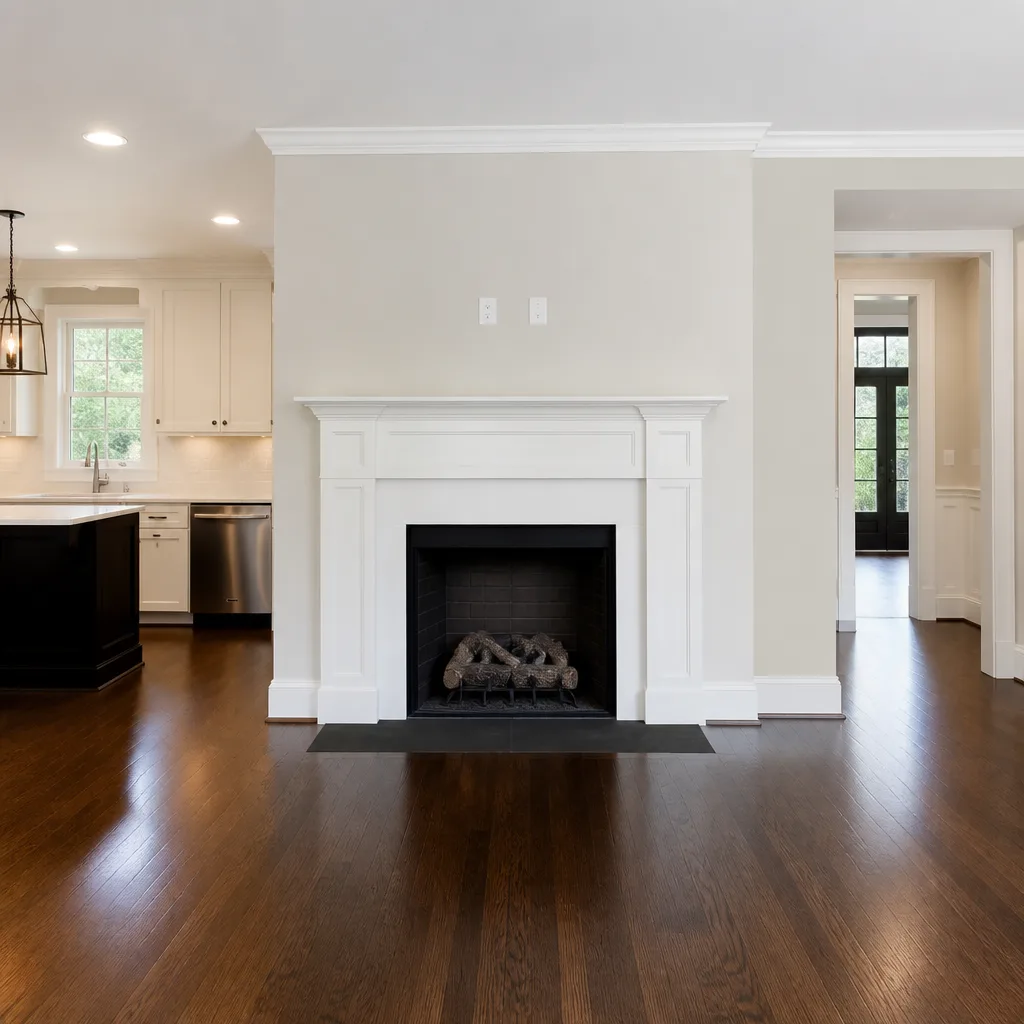
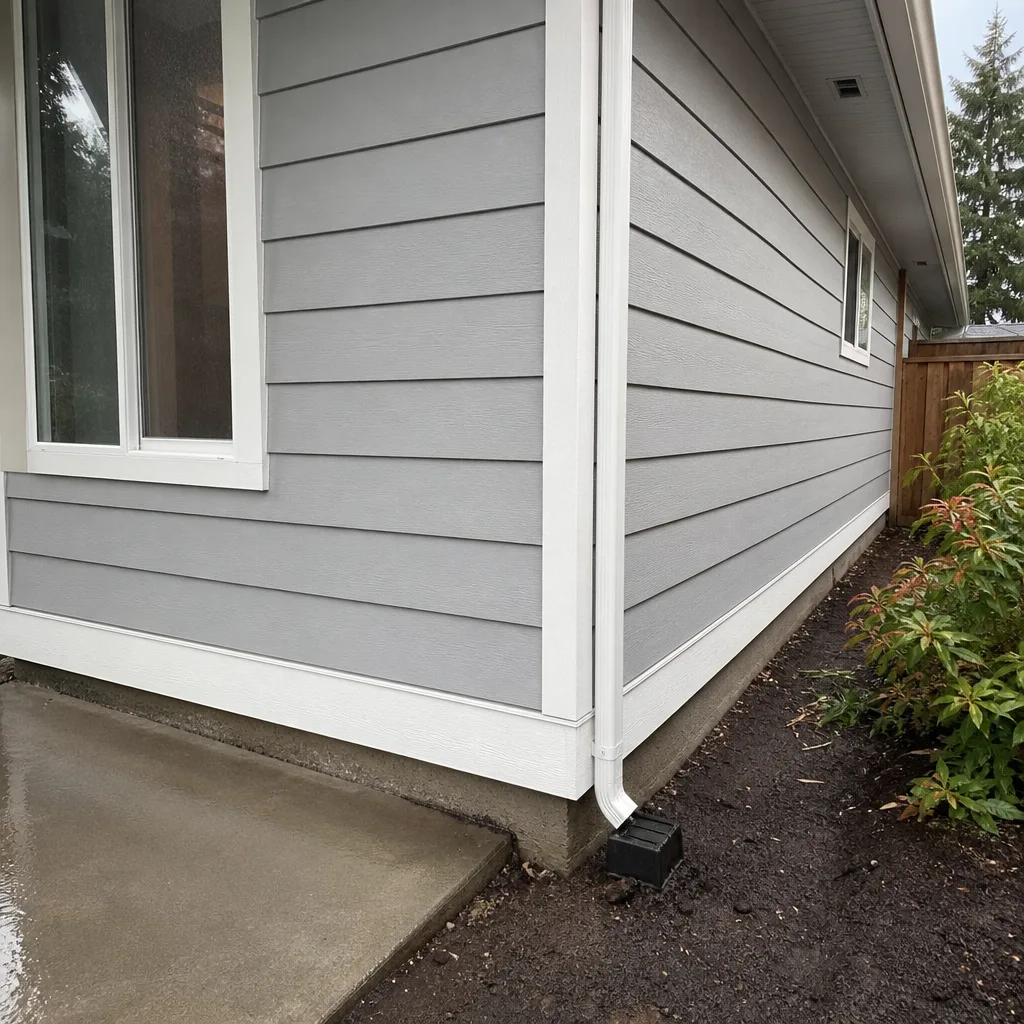 After
After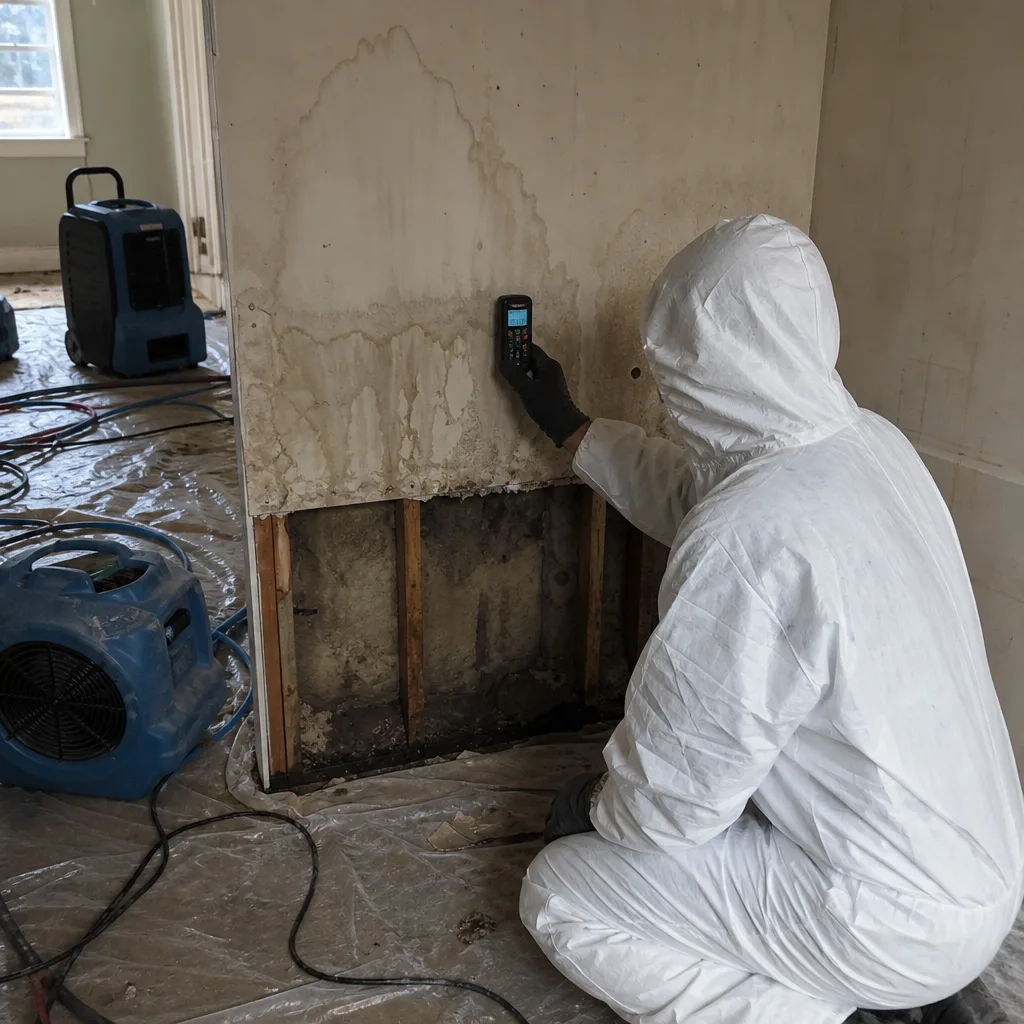 Before
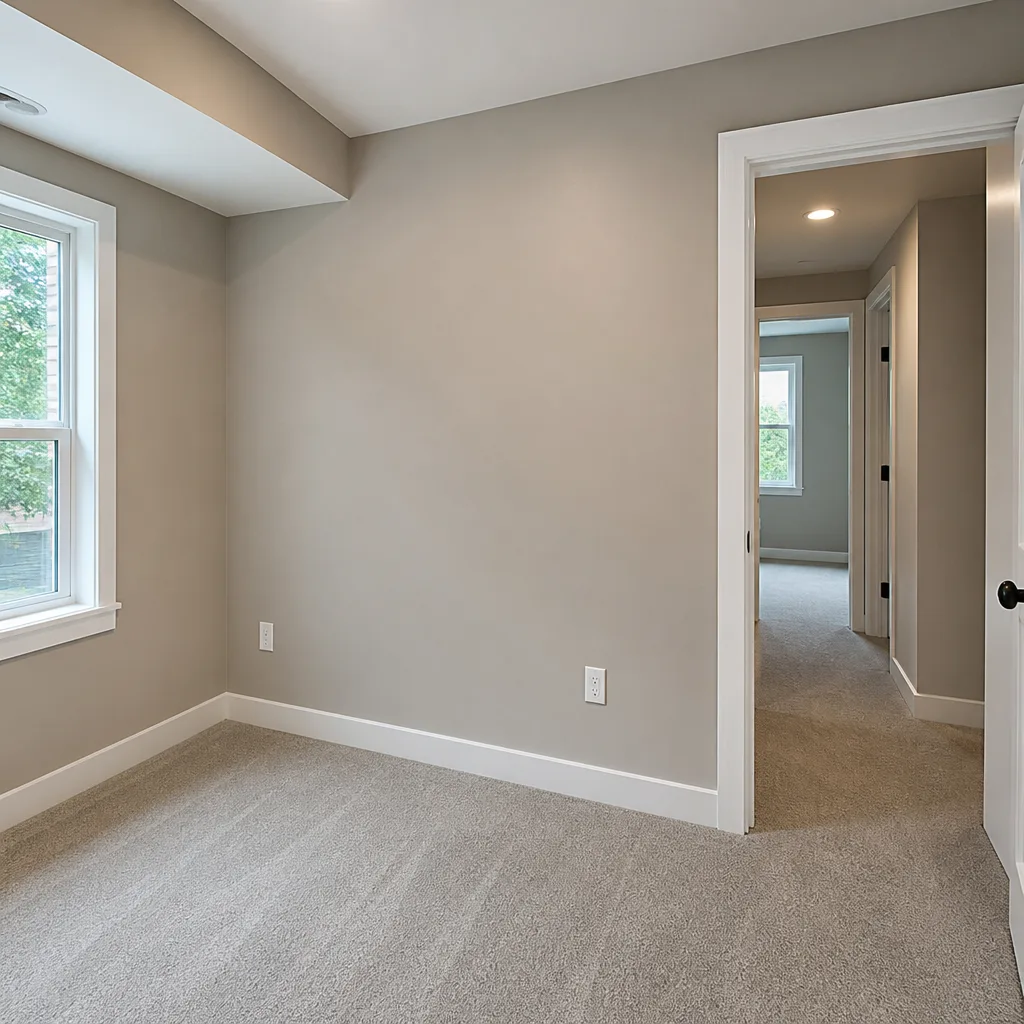 After
After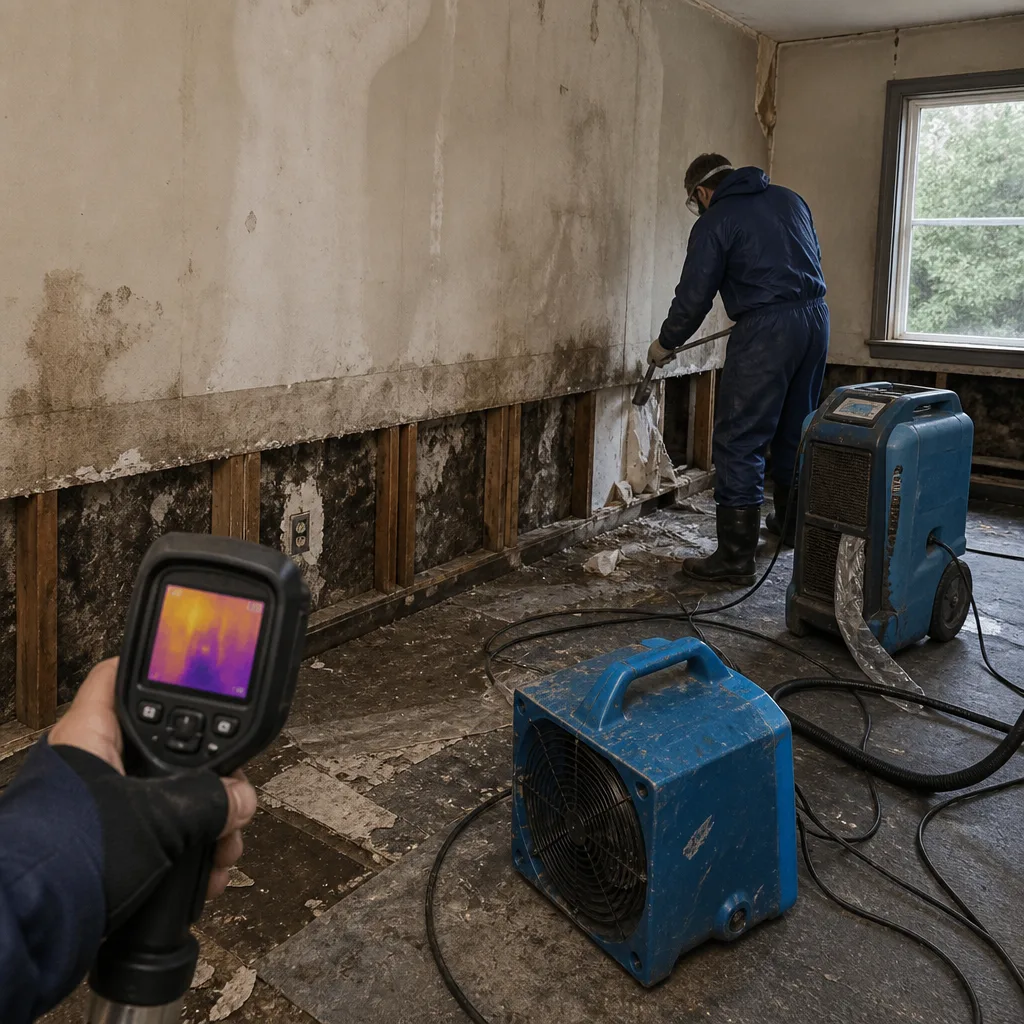 Before
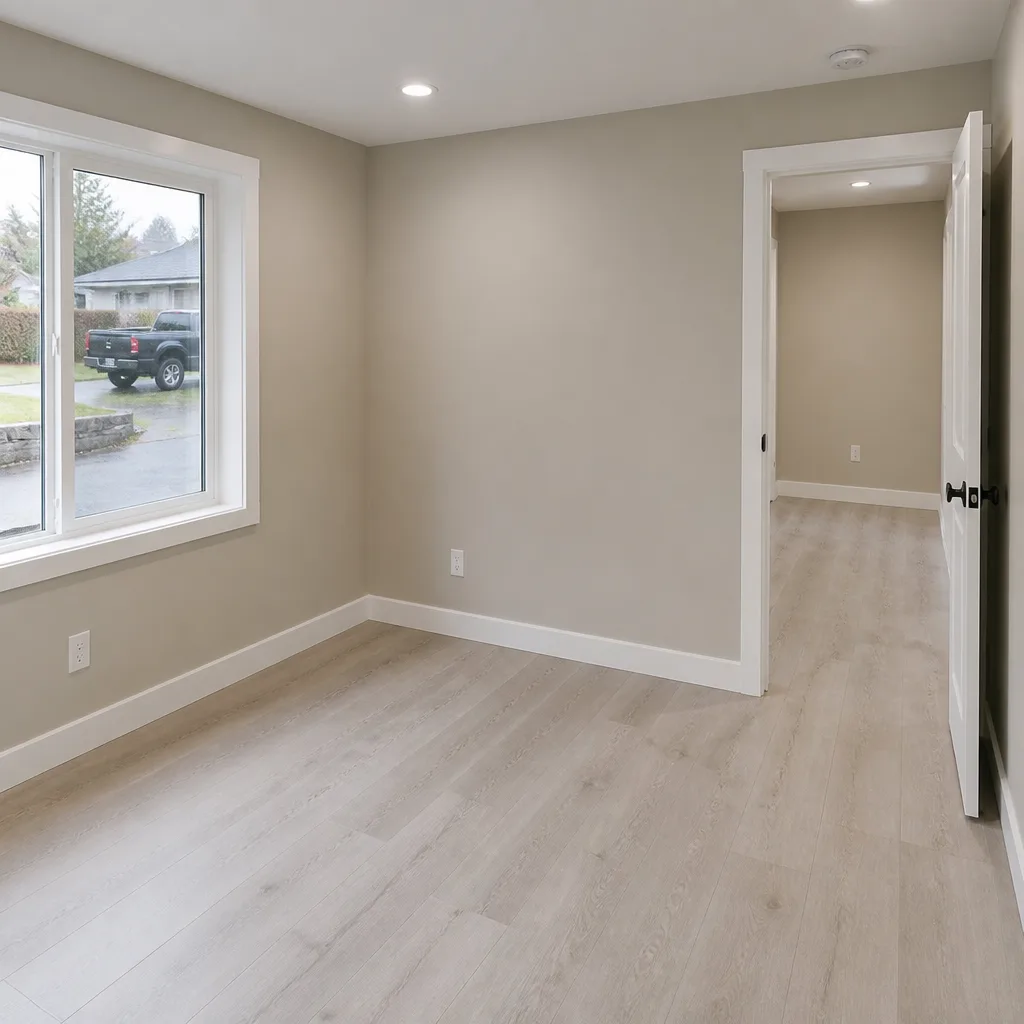 After
After24/7 Emergency Water Damage Restoration in Mukilteo
Water damage in Mukilteo demands immediate response because the city’s marine climate keeps ambient humidity high enough that standing water begins driving mold colonization within 24 to 48 hours. Our crews answer live at (360) 502-8815 every hour of every day, no voicemail, no next-business-day callbacks while water is still moving through your walls. We dispatch from our Seattle office and typically arrive in Harbour Pointe, the Mukilteo Speedway corridor, or the bluff-edge waterfront within 45 minutes of your call.
The first hour determines how much of your structure we can save. Water wicks upward into drywall at a rate of roughly one inch per hour through capillary action, and Category 1 clean water degrades to Category 2 within 48 hours once it contacts building materials. We provide a free visual inspection on arrival, document every affected surface with photo and moisture readings, and deliver a written scope with a firm price before any extraction begins. Haven Standard, Clause 1.
Understanding Water Damage Restoration Severity in Mukilteo Properties
Water damage classification in Mukilteo follows IICRC S500 standards: Category 1 is clean water from a supply line, Category 2 is gray water with chemical or biological contamination, and Category 3 is black water from sewage or ground flooding. Category 2 becomes Category 3 if left untreated for 72 hours. Our moisture mapping identifies the actual water class in each affected zone, because a burst pipe in a Harbour Pointe crawl space may read as Category 1 at the source but Category 2 where it has pooled against a degraded 1990s vapor barrier.
Mukilteo’s housing stock compounds these classifications. The Harbour Pointe planned community, built largely between 1986 and 2005, used wood-frame construction with vapor barriers and crawl-space ventilation designs that predate current moisture-load standards. Older bluff-adjacent homes near the waterfront may have original wood siding from the mid-20th century with minimal moisture management. Tertiary drying, the final phase of structural drying where we target bound moisture in dense materials like Douglas fir framing or plywood subfloors, often runs longer in Mukilteo homes because salt-laden marine air slows the vapor pressure differential that drives evaporation.
Why Mukilteo Property Owners Choose DryMark Restoration Everett
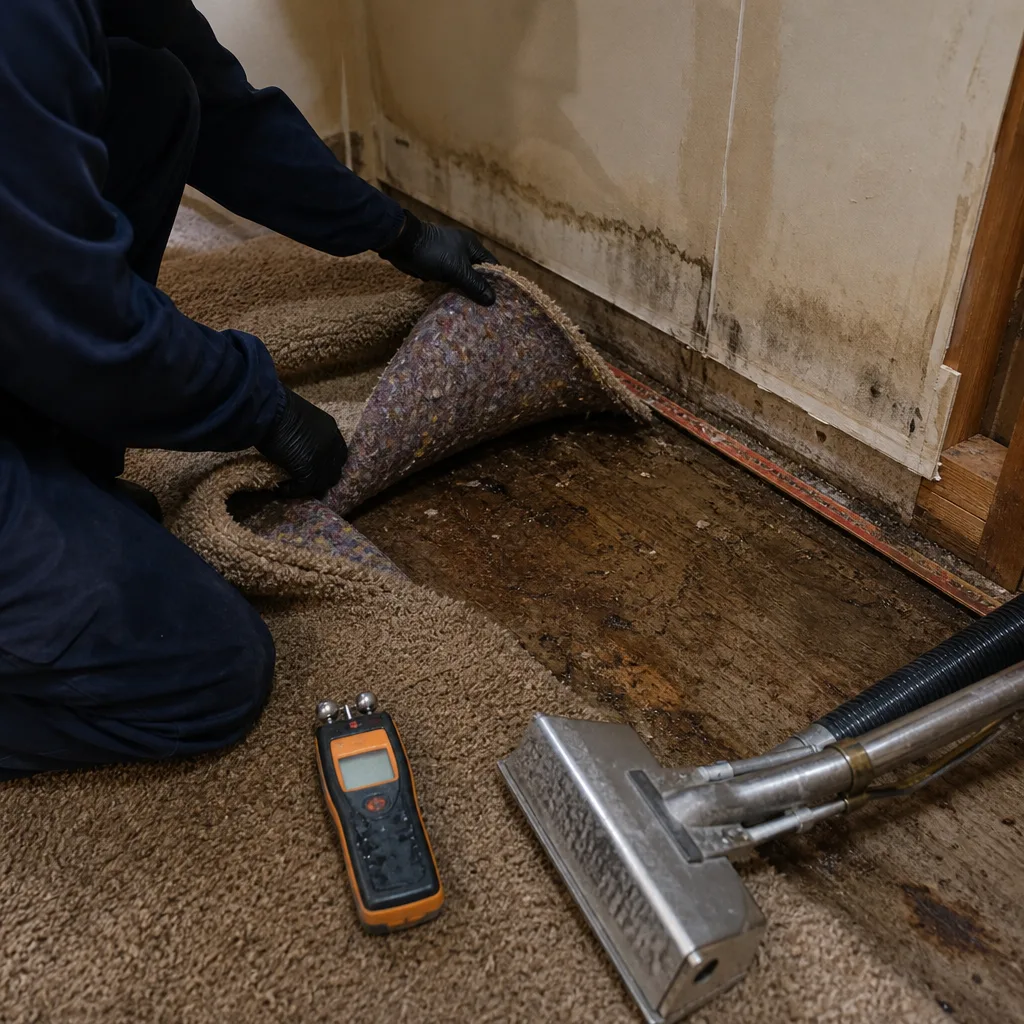
- 45-minute response commitment to Mukilteo addresses, measured from call to truck arrival, not dispatch.
- 24/7 live answer by a real person, never an automated system or voicemail tree, on every emergency line.
- IICRC-certified crews holding WRT (Water Damage Restoration Technician) and AMRT (Applied Microbial Remediation Technician) credentials, with license numbers documented on every job file.
- Free visual inspection with moisture readings and photo documentation before any work is proposed.
- Direct insurance billing and adjuster coordination, with our daily drying logs formatted to carrier specifications.
- One team from extraction through reconstruction, so no handoff gaps in documentation or accountability.
BeforeAfterOur Water Damage Restoration Process
1. Inspection & Assessment
We arrive with thermal imaging cameras, pin and pinless moisture meters, and hygrometers to map the full extent of water migration. In Mukilteo, this includes checking for slope creep indicators like new wall cracks or foundation shifts that suggest ground-sourced moisture rather than a plumbing failure.
2. Extraction & Stabilization
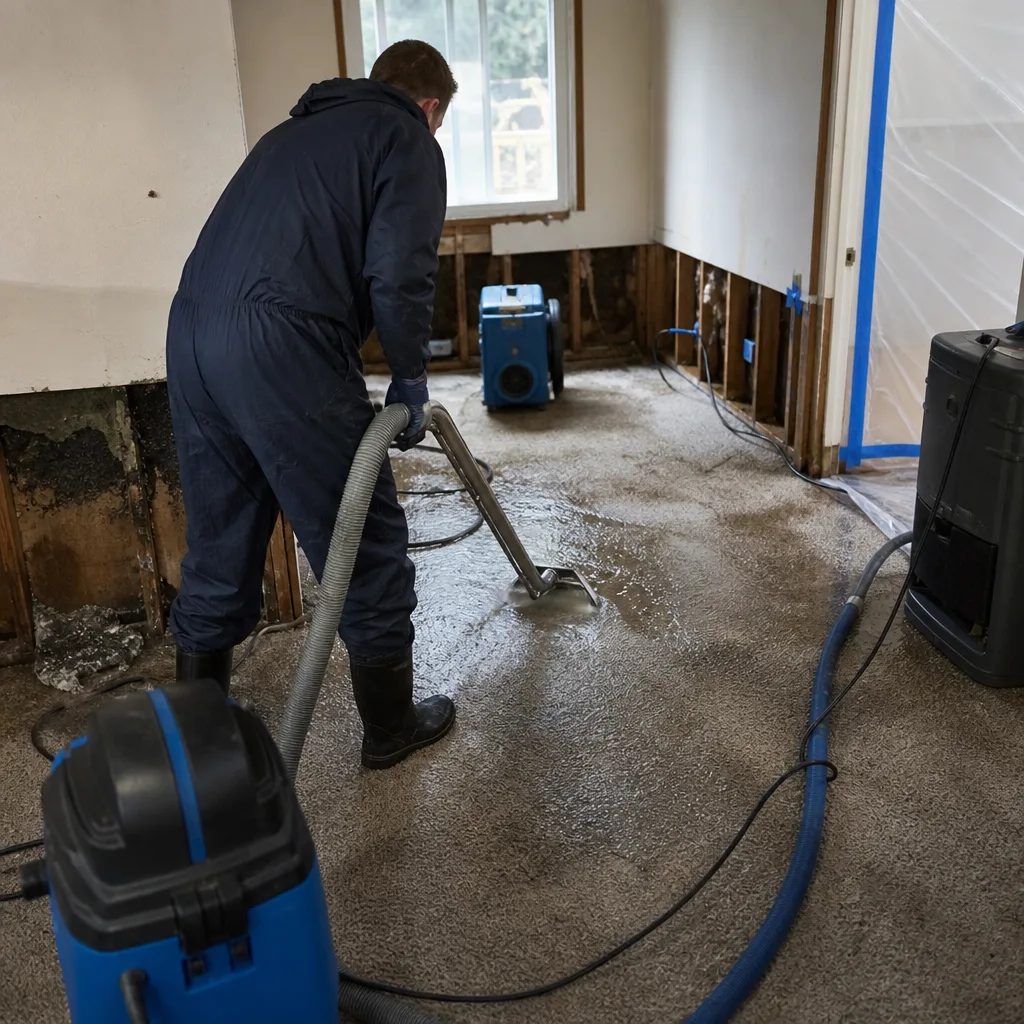
Standing water is removed with truck-mounted extraction systems and portable submersible pumps. We deploy weighted extraction tools on carpet and pad to remove water before it reaches the subfloor. Affected contents are photographed, inventoried, and moved to a dry zone or packed out for off-site restoration.
3. Drying & Dehumidification
We size dehumidification capacity to Mukilteo’s compressed drying window, deploying LGR dehumidifiers from Phoenix and XPOWER air movers in calculated ratios based on cubic footage and class of water loss. Psychrometric data, temperature and relative humidity readings, are logged daily to prove drying progress to your insurer.
4. Cleaning & Sanitization
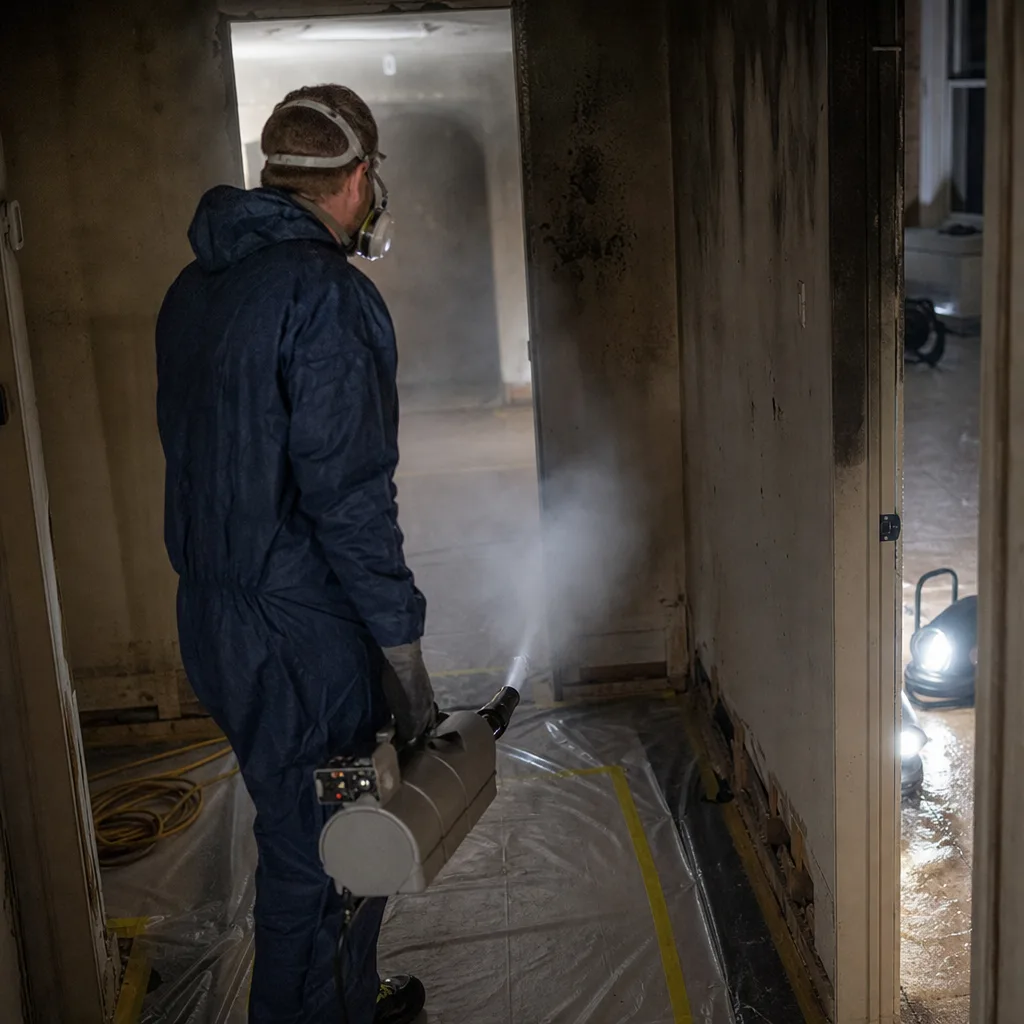
All affected surfaces receive antimicrobial treatment appropriate to the water category. In Category 2 and 3 losses, we apply EPA-registered disinfectants and HEPA vacuum before any rebuild. Air scrubbers with HEPA filtration run continuously during this phase to capture airborne particulates.
5. Slope-Aware Moisture Management
For Mukilteo’s bluff-edge properties, we evaluate whether elevated moisture readings persist due to hydrostatic pressure from seasonally saturated soils. When ground-sourced moisture is identified, we coordinate with geotechnical specialists and install reinforced vapor barriers or sub-slab depressurization systems as part of the restoration scope.
6. Repairs & Restoration
Once moisture readings confirm the structure has returned to within 4 percentage points of dry standard, we deliver a written reconstruction scope with firm pricing. Drywall, flooring, trim, and paint are restored to pre-loss condition under our 365-Day Done Right Promise.
Need Emergency Water Damage Restoration in Mukilteo Now?
Crews minutes away, answering live 24 hours a day. The sooner we start, the less it costs.
Working With Your Insurance Company
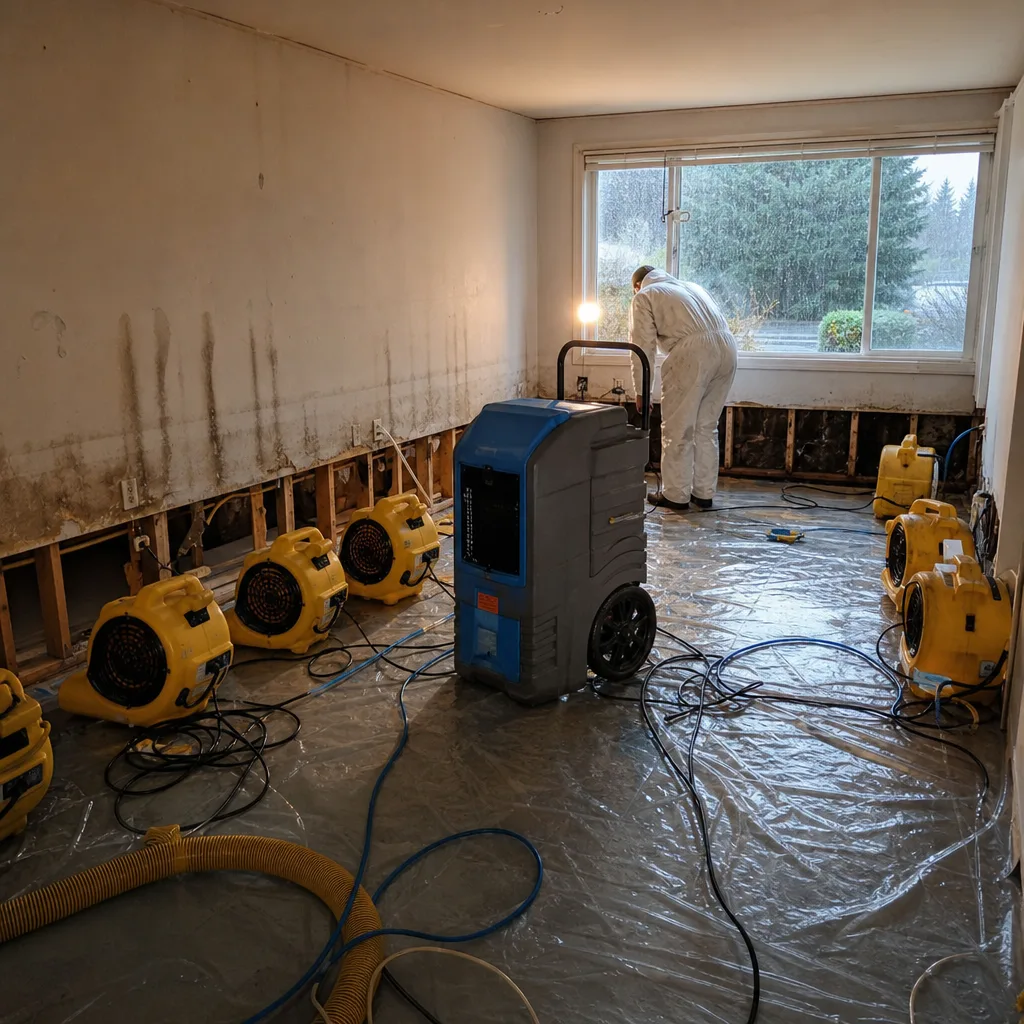
Insurance claims fail when documentation gaps let adjusters dispute the scope or timeline of loss. We close those gaps from the first hour. Every job file includes timestamped photos of all damage, room-by-room moisture readings with equipment placement diagrams, daily psychrometric logs, and a detailed line-item estimate in Xactimate format, the industry standard most carriers accept without revision.
Our Seattle office coordinates directly with your adjuster, providing the photo record and drying documentation that turns a restoration invoice into a payable claim. We have handled claims with every major carrier serving Snohomish County and understand the documentation thresholds that trigger approval versus denial. If you have a competitor’s written estimate, we provide a Free Second Opinion at no charge.
What We Provide Your Insurer
- Thorough documentation of the loss
- Photos of all damage, room by room
- Moisture readings and drying logs
- A detailed, line-item scope of work
- Direct coordination with your carrier
Built for Mukilteo’s Loss Calendar
January through March bring the deepest risk: cold snaps from the Strait of Juan de Fuca can freeze hose bibs and supply lines in homes where owners have winterized inadequately, particularly in Harbour Pointe properties with exterior plumbing walls facing the water. The thaw that follows drives the first wave of burst pipe calls.
April through June is slope saturation season. Mukilteo’s documented hillside landslide risk peaks when winter precipitation recharges bluff soils and spring rains maintain saturation. We see elevated crawl space moisture throughout this period, often misdiagnosed as plumbing leaks when the source is actually hydrostatic pressure from the slope below.
July and August bring brief dry windows, but marine fog keeps humidity high enough that any untreated water loss continues degrading. September through November is the secondary peak: the first major storm systems of the season overwhelm aging roof drainage on bluff-edge homes, sending water through compromised flashing into wall cavities. December closes the cycle with freeze-thaw events that stress the same plumbing systems that failed in January.
Water Damage Restoration Across Mukilteo’s Neighborhoods
Harbour Pointe, Mukilteo’s largest residential concentration, presents the most predictable loss pattern: built between 1986 and 2005, these homes share vapor barrier designs that have reached end of service life. We respond to crawl space moisture calls here weekly during the wet season, and our field teams carry reinforced 10-mil barrier material on every truck because replacement is so commonly required.
The Mukilteo Speedway corridor mixes commercial and residential properties with varying construction eras. Water losses here often involve multi-unit buildings where a single supply line failure affects multiple tenants. Our documentation protocols are built for this complexity: separate moisture maps per unit, individual photo records, and scopes that allocate costs precisely so each tenant’s insurer receives a clean file.
Bluff-edge homes along the waterfront and near Lighthouse Park carry the unique slope-stability risk that defines Mukilteo restoration work. We have arrived at properties where wall cracking was reported as water damage, only to find the moisture was a symptom of soil creep, not the cause. Our crews are trained to distinguish these cases and document the finding so the homeowner can pursue the correct remediation, slope stabilization, rather than paying for drying that will fail.
The older neighborhoods near Old Town Mukilteo, with housing stock from the 1950s through 1970s, show the opposite pattern: original plumbing at end of service life, galvanized supply lines prone to interior corrosion and sudden failure, and minimal original moisture management in basements or crawl spaces. These properties often need both emergency extraction and longer-term plumbing and drainage upgrades.
Specialized Water Damage Restoration Services We Offer in Mukilteo
Emergency Water Extraction
Truck-mounted and portable extraction systems remove standing water within hours of your call. In Mukilteo’s high-humidity environment, speed of extraction matters more than in drier inland markets because ambient moisture slows natural evaporation. We size our initial response to the cubic footage of standing water, not the square footage of the room.
Structural Drying & Dehumidification
Our drying protocols account for Mukilteo’s salt-laden marine air, which compresses the evaporation window and demands more aggressive dehumidification capacity than standard residential jobs elsewhere in Snohomish County. We deploy Phoenix LGR dehumidifiers and XPOWER air movers in ratios calculated from daily psychrometric readings, not guesswork. Every day’s moisture log is included in your file.
Flood Cleanup
Ground flooding in Mukilteo is typically Category 3 black water due to soil and potential sewage contamination. Our response includes full PPE protocols, EPA-registered disinfectants, and disposal of porous materials that cannot be sanitized. We document contamination levels with photos to support your insurance claim.
Burst Pipe Restoration
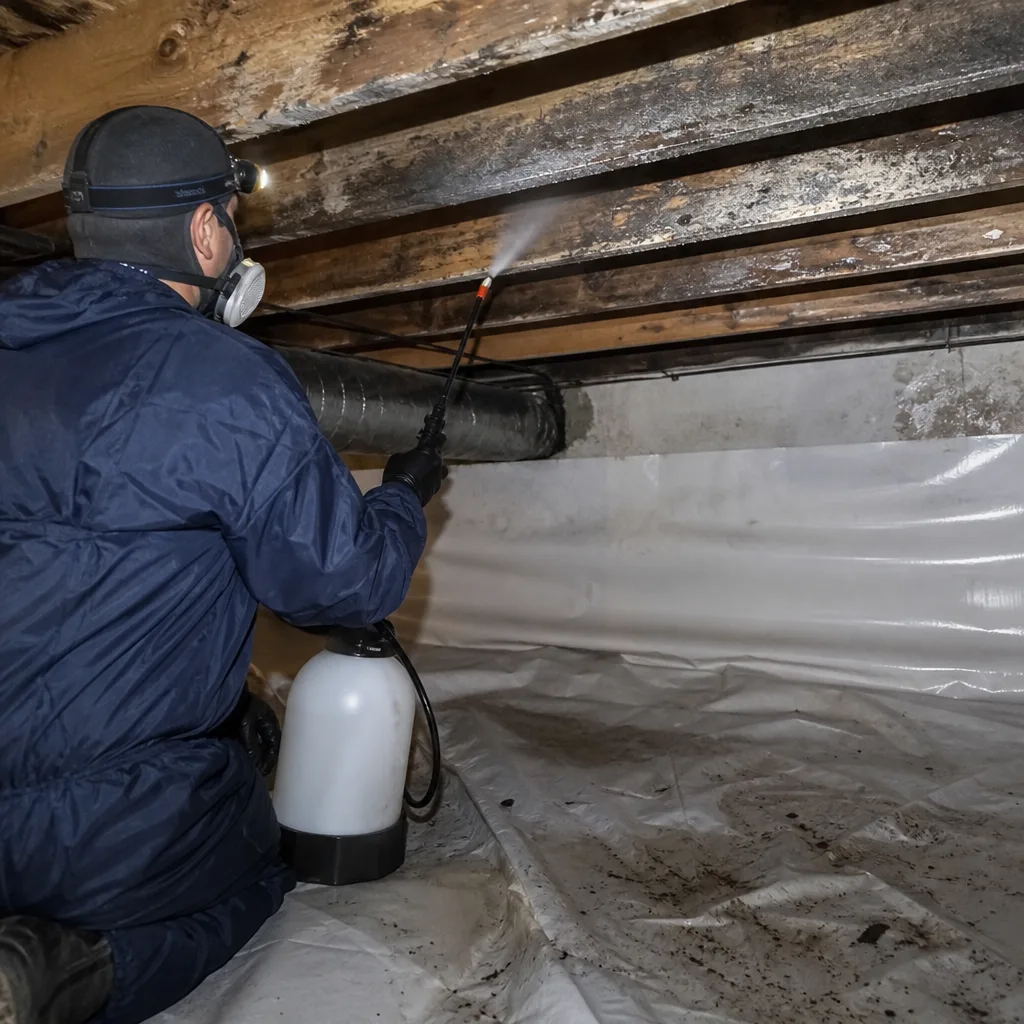
Cold snaps from the Strait can freeze exterior plumbing in hours. We extract the water, document the pipe failure point for your insurer, dry the affected structure, and coordinate with licensed plumbers for the repair. Our scope separates emergency drying from plumbing repair so costs are transparent.
Basement Water Removal
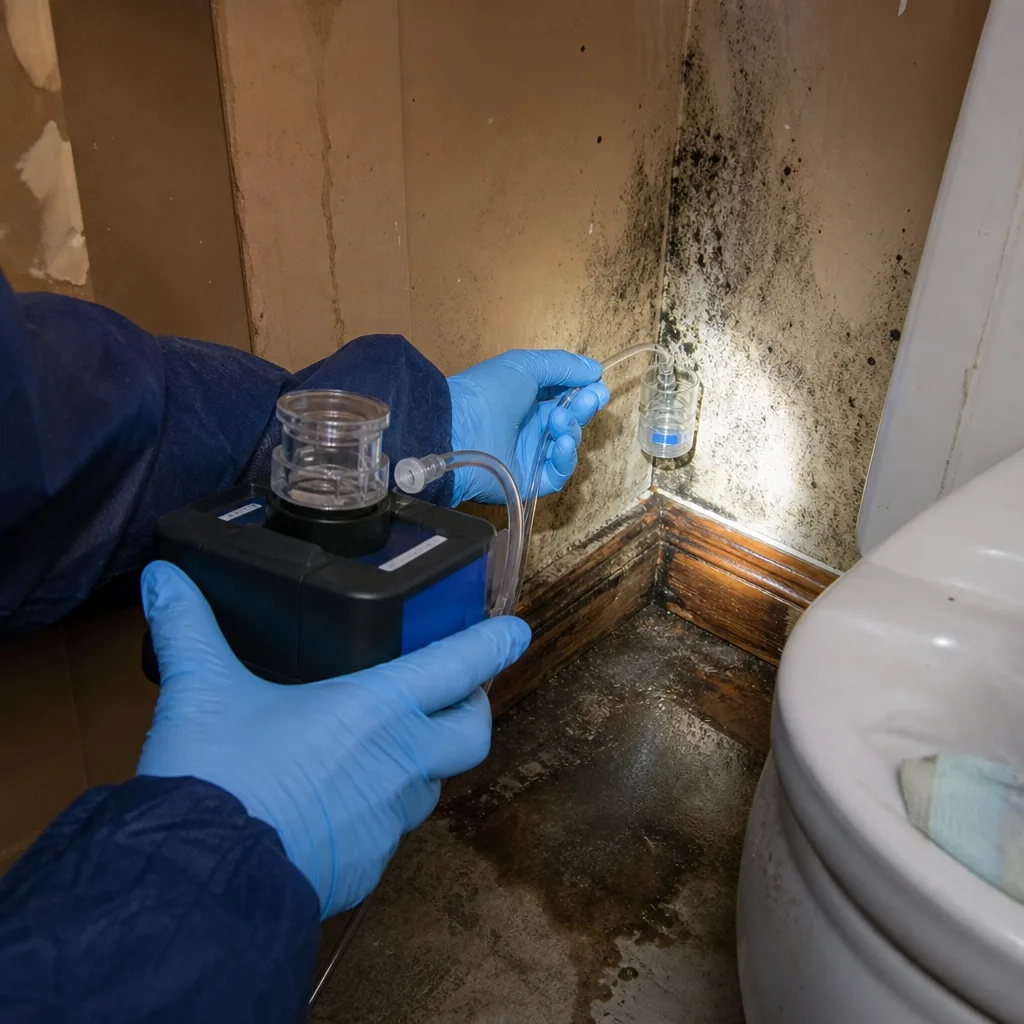
Mukilteo basements, particularly in bluff-edge homes, often suffer from hydrostatic pressure through foundation walls rather than plumbing failures. We map moisture sources to distinguish groundwater intrusion from pipe leaks, because the solution differs: groundwater requires drainage improvement or sump pump installation, not just drying.
Ceiling & Roof Leak Water Damage
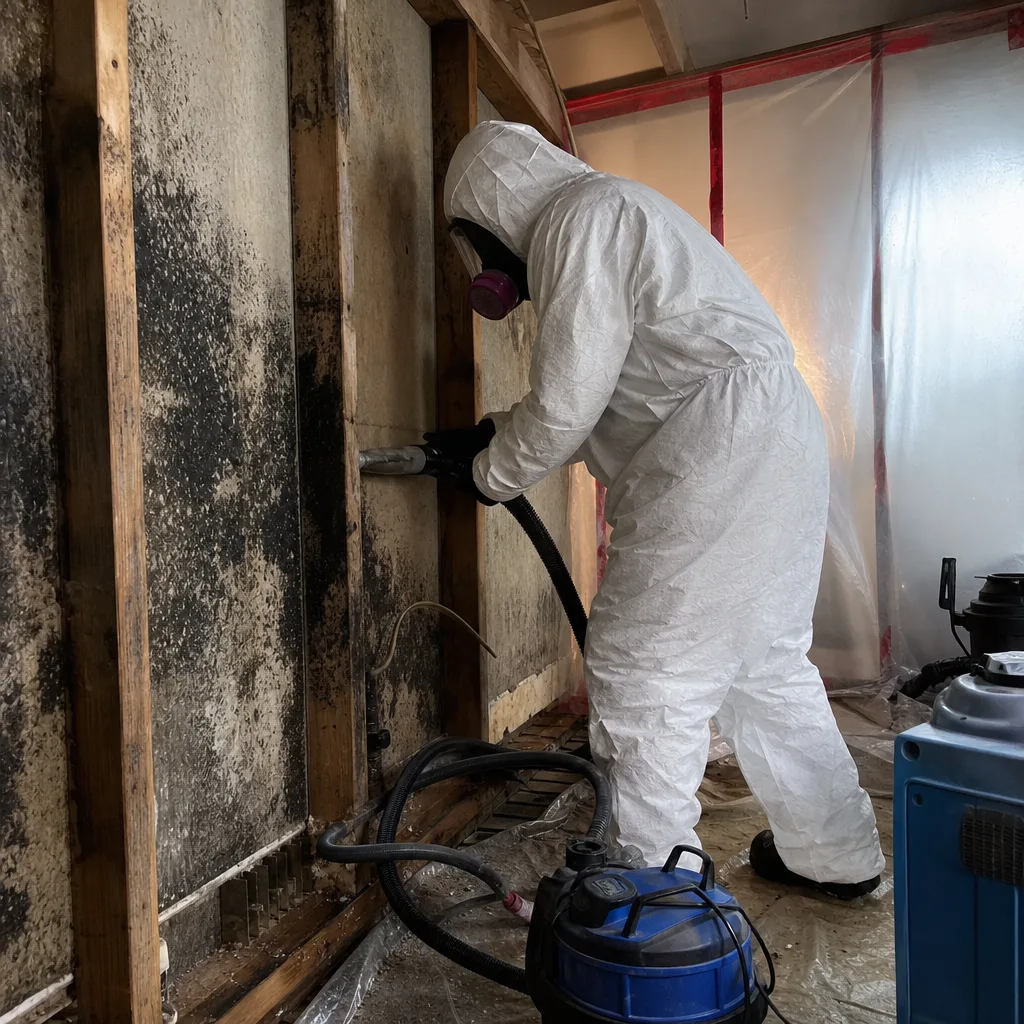
Marine weather degrades roof flashing and sealants faster than inland climates. We trace water migration through attic spaces and ceiling assemblies, document the entry point, dry the structure, and provide a written scope for roof repair coordination. Our photo record shows the insurer exactly which damage resulted from the leak.
What happens when you call
- 1
A real person answersNo phone trees - you reach a local pro.
- 2
You get an upfront price rangeHonest numbers before anyone is dispatched.
- 3
A background-checked tech heads outLicensed & insured, dispatched right away.
- 4
You approve before work beginsNothing starts until you say go.
Water Damage Restoration Costs in Mukilteo, WA
Water damage restoration pricing in Mukilteo reflects the complexity of coastal slope hydrology and the enhanced dehumidification capacity required by marine humidity conditions. These ranges represent what we typically see for residential losses in the 98275 ZIP code:
- Emergency water extraction: $350-$850 for standard residential rooms, scaling to $1,200-$2,500 for whole-house flooding
- Structural drying & dehumidification: $95-$175 per day per dehumidifier/air mover set, with Mukilteo jobs typically requiring 3-7 days due to compressed drying windows
- Crawl space moisture remediation with vapor barrier replacement: $2,800-$5,500
- Category 3 flood cleanup with disposal and sanitization: $4,500-$9,000
- Ceiling and roof leak damage repair (drywall, insulation, paint): $1,800-$4,200
What moves the price: water category (Category 3 requires more labor and disposal), affected square footage, whether the loss involves slope-sourced moisture requiring geotechnical coordination, and how quickly extraction begins. Insurance typically covers sudden and accidental water losses; gradual moisture intrusion from failed maintenance may be excluded. We provide a written price before work starts on every job, and our Free Second Opinion lets you verify any competitor’s quote at no charge.
We Also Serve Cities Near Mukilteo
Our crews respond throughout Snohomish County from our Seattle office, with regular service to Mukilteo, Mill Creek, Everett, Lynnwood, and Snohomish. Each city’s water damage profile differs: Everett’s flatter terrain lacks the slope hydrology that complicates Mukilteo jobs, while Lynnwood’s denser housing stock presents different access and documentation challenges. We calibrate our response to each.
Serving Mukilteo, WA - Our Local Coverage Area
We’re based in the Mukilteo area and know this community well. Use the map below to see our service coverage - if you’re nearby, we can almost certainly help.
Mukilteo Water Damage Restoration Questions, Answered
Why does water damage dry slower in Mukilteo than in Everett or Lynnwood?
Salt-laden marine fog from Puget Sound keeps Mukilteo’s ambient humidity measurably higher than inland cities just a few miles east, which compresses the vapor pressure differential that drives evaporation from wet materials.
Our crews compensate with larger dehumidification capacity, typically deploying Phoenix LGR units at higher ratios than we would for an equivalent loss in Everett. Daily psychrometric logs document the slower drying curve so your insurer understands why the timeline differs from inland standards. Call (360) 502-8815 for a free inspection and written scope.
How can I tell if my Mukilteo home’s water damage is from a plumbing leak or from groundwater?
Plumbing leaks typically show sudden onset, localized moisture patterns, and correlation with water meter movement; groundwater intrusion in Mukilteo often presents as chronic crawl space dampness, musty odors without a visible leak, or moisture that returns after drying.
Our moisture mapping distinguishes these: plumbing leaks show sharp gradients near the source, while groundwater produces diffuse elevation across the crawl space perimeter, often correlating with seasonal soil saturation rather than fixture use. We document the source finding with photos and recommend the appropriate remediation, slope stabilization for ground movement, or pipe repair for plumbing. Call (360) 502-8815 for a free inspection.
What should I do if I see new cracks in my bluff-edge home’s walls after a wet season?
New wall cracking after heavy rain may indicate slope creep or soil movement rather than simple water damage, and drying protocols alone will not resolve moisture driven by ongoing ground displacement.
We inspect for foundation shift indicators, correlate moisture readings with soil saturation data, and document whether the moisture source is structural or plumbing-related. If slope movement is suspected, we coordinate with geotechnical engineers and provide the documentation your insurer needs to consider slope stabilization coverage. Call (360) 502-8815 for assessment.
Does Mukilteo’s salt air affect the restoration equipment you use?
Yes, salt corrosion accelerates wear on metal components and can compromise electrical connections in standard equipment.
We select dehumidifiers and air movers with coated coils and sealed housings where available, and we inspect equipment integrity more frequently than our inland protocols require. The documentation value of reliable equipment, consistent daily moisture logs, outweighs any replacement cost. Our Phoenix and XPOWER units are maintained to manufacturer specifications with salt-exposure intervals. Call (360) 502-8815 for service details.
How quickly can mold start growing in a Mukilteo home after a water leak?
Mold colonization can begin within 24 to 48 hours of water intrusion in Mukilteo’s high-humidity coastal climate, faster than the 48- to 72-hour window typical in drier inland regions.
The combination of standing water, organic building materials, and ambient humidity above 60% creates optimal conditions for spore germination. This compressed timeline is why we answer live 24 hours a day and dispatch extraction crews within 45 minutes. Delayed response often means adding antimicrobial remediation and clearance testing to the scope. Call (360) 502-8815 for immediate response.
Will my insurance cover water damage restoration in Mukilteo?
Most homeowners policies cover sudden and accidental water losses, burst pipes, appliance failures, storm-driven roof leaks, but exclude gradual damage from maintenance neglect or long-term moisture intrusion.
We document the loss mechanism from the first hour, photographing the point of failure and moisture migration patterns that support a covered-peril determination. Our estimates in Xactimate format and daily drying logs are built to carrier standards. We bill your insurer directly and coordinate with your adjuster to resolve documentation questions. Call (360) 502-8815 to discuss your specific policy and loss.
How long does structural drying take in a typical Mukilteo home?
Standard residential drying in Mukilteo typically requires 3 to 7 days, compared to 2 to 5 days in drier inland markets, due to marine humidity slowing evaporation.
Complex losses involving bound moisture in dense materials, saturated insulation, or ground-sourced hydrostatic pressure may extend to 10 days or more. We do not declare drying complete until moisture readings confirm the structure has returned to within 4 percentage points of dry standard, documented in your daily log. Call (360) 502-8815 for a timeline estimate specific to your loss.
Can I stay in my home during water damage restoration?
Occupancy depends on water category, affected areas, and equipment noise; Category 1 losses confined to non-sleeping areas often allow partial occupancy, while Category 2 or 3 losses, or whole-house drying with multiple air movers and dehumidifiers, typically require temporary relocation.
We assess livability at inspection and document our recommendation for your insurer, who may cover additional living expenses if displacement is required. Our crews work to contain the work zone and minimize disruption where partial occupancy is feasible. Call (360) 502-8815 to discuss your situation.
Water damage in Mukilteo is not a generic restoration problem. The slope hydrology, salt-laden air, and specific housing stock of this Puget Sound community create loss patterns that demand local expertise and documentation discipline. Our Water Damage Restoration team has handled these conditions since 2011, with 12,000 homes restored under The Haven Standard.
Call (360) 502-8815 now. A live person answers, 24 hours a day. We will arrive, inspect, document, and deliver a written price before any work begins. Haven Standard, Clause 1.
Written by Alicia Brennan, Owner at Back to Dry Restoration, serving Mukilteo since 2011.
Water Damage Restoration in Nearby Areas