
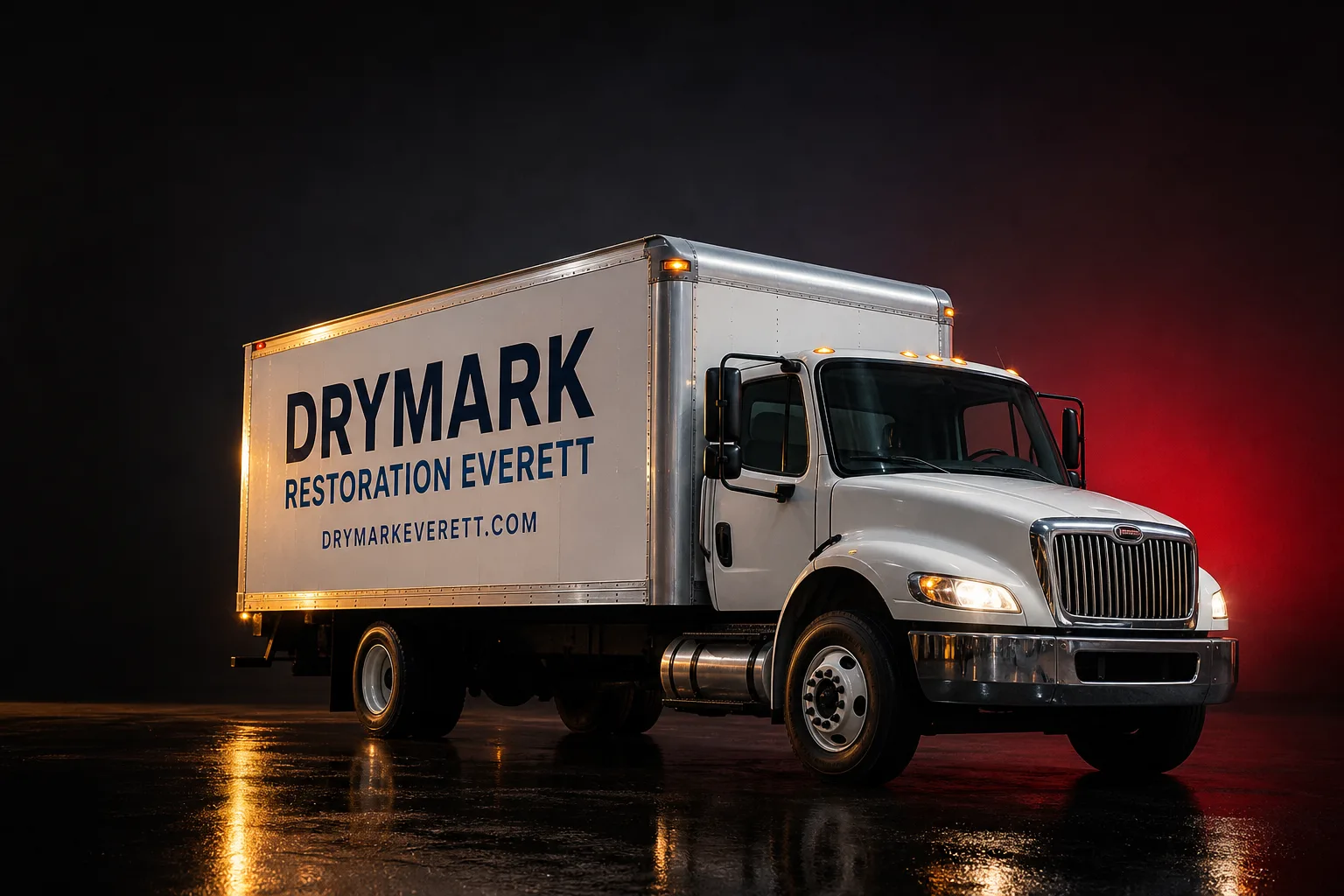
Free visual inspection and a written scope of work before any mitigation begins - photos, moisture readings, and drying logs go in your claim file
The scope we write is the scope we bill. Anything new gets shown to you, in writing, before we touch it.
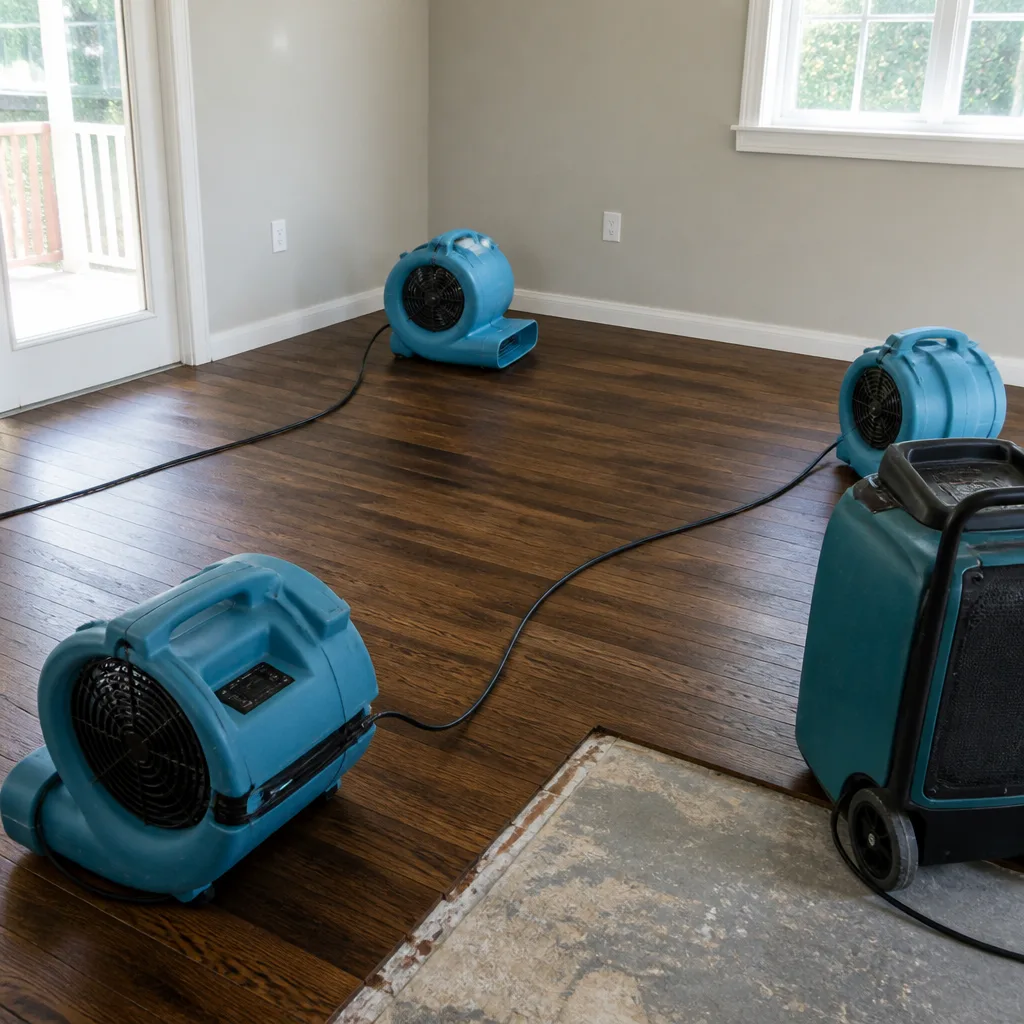
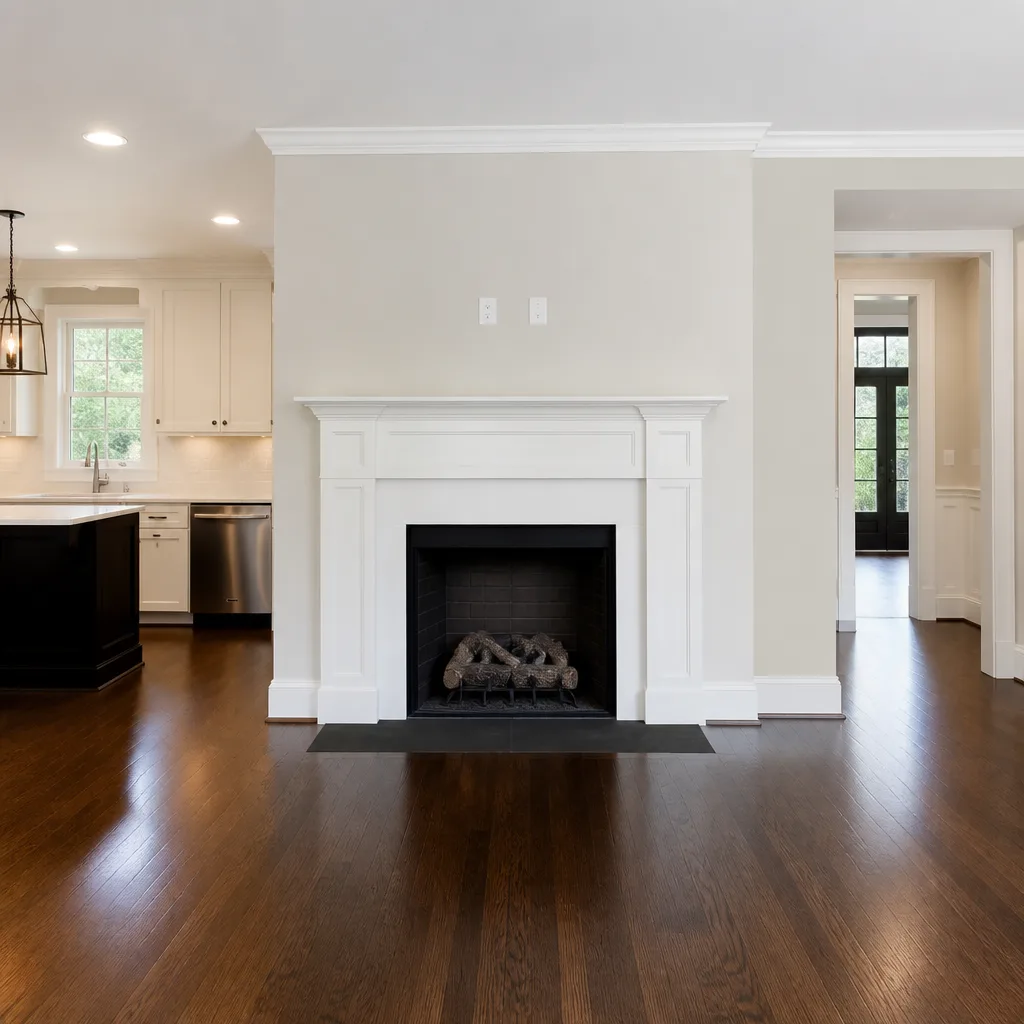
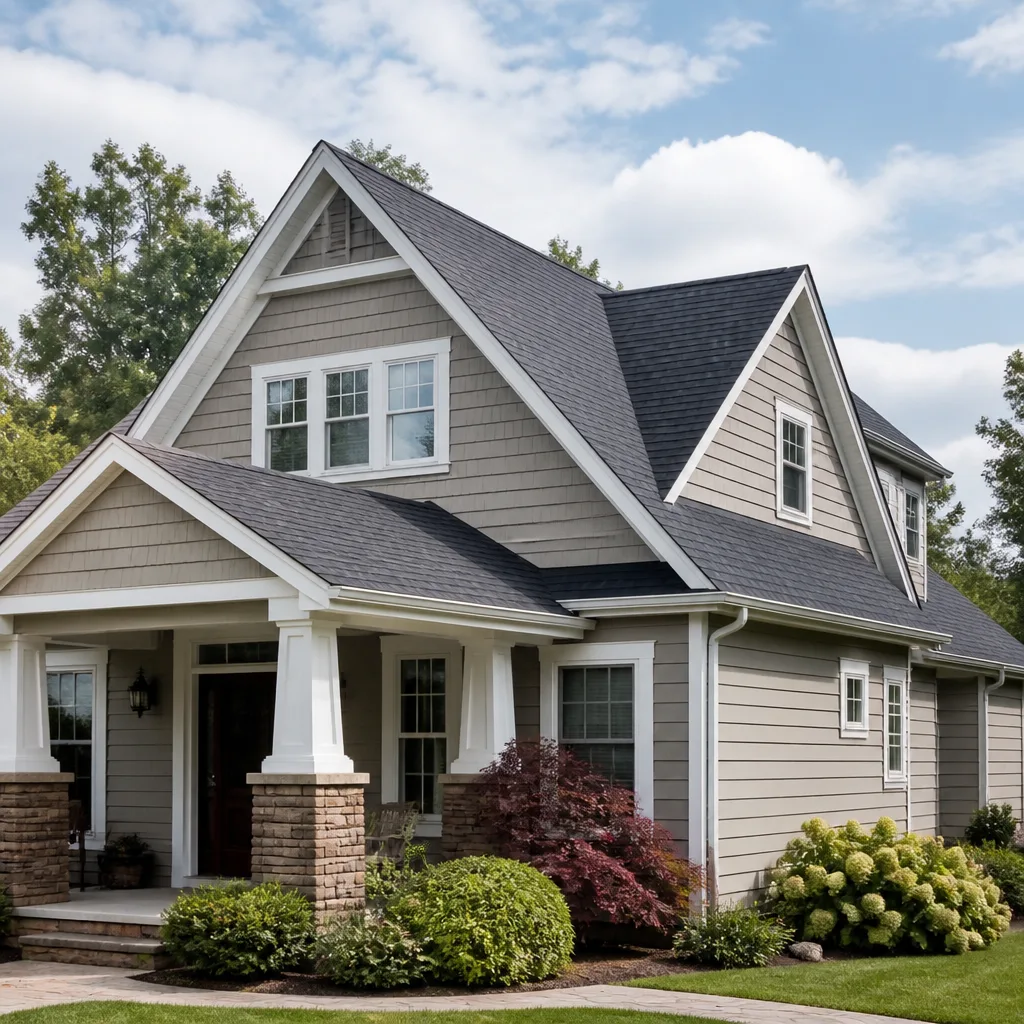
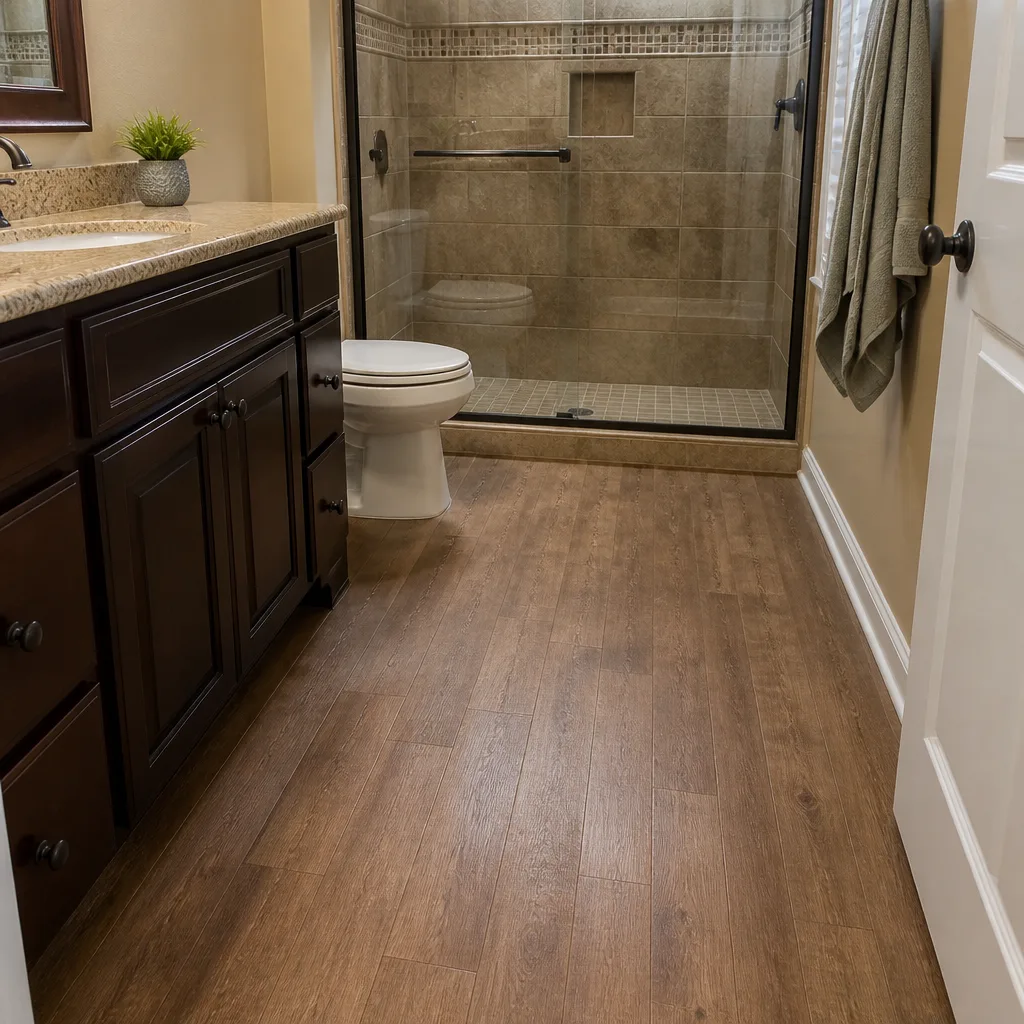
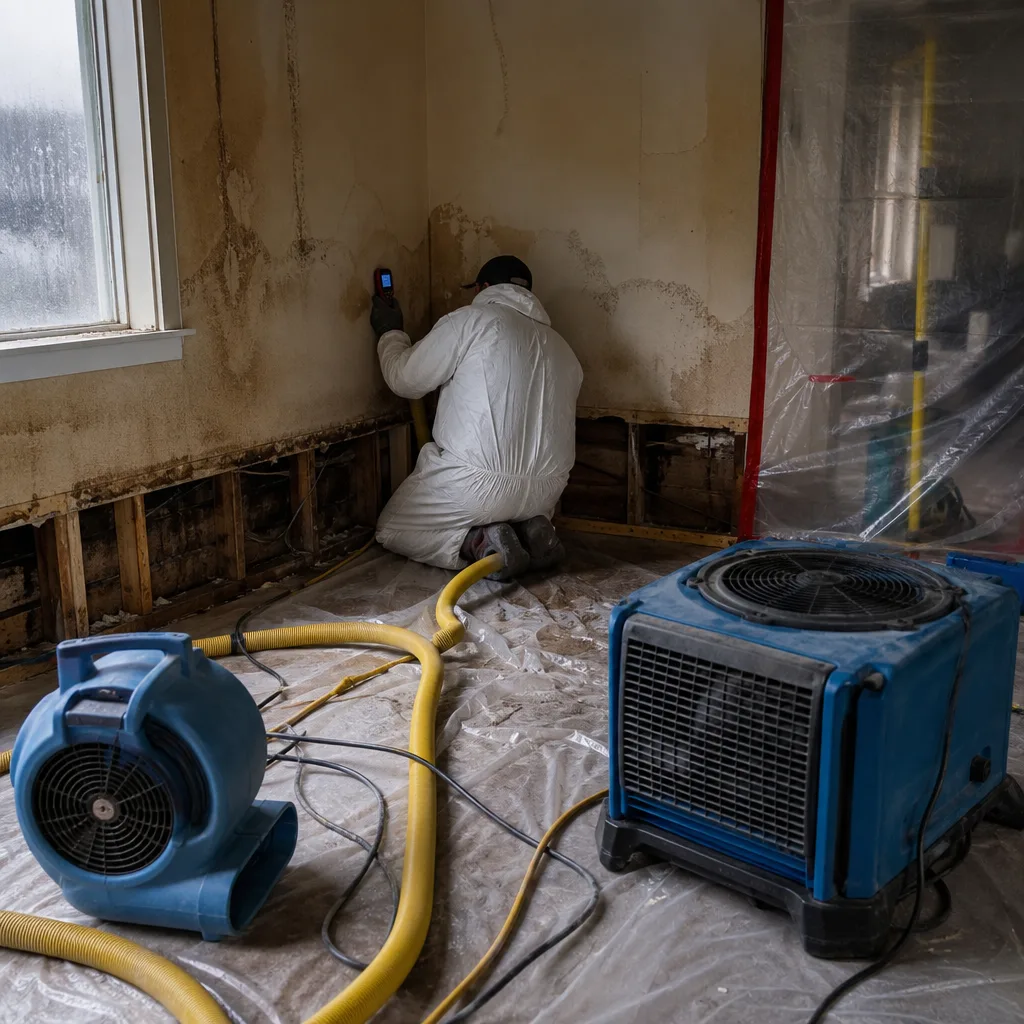 Before
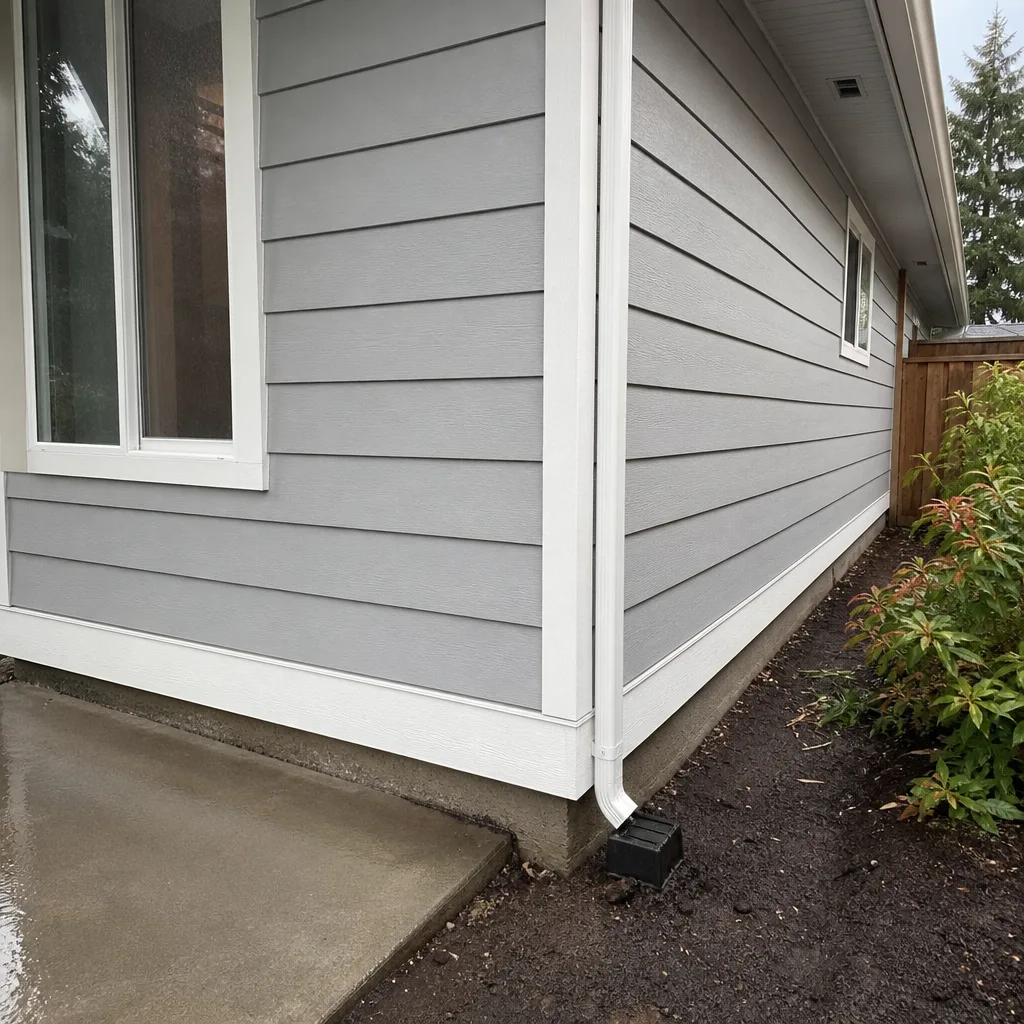 After
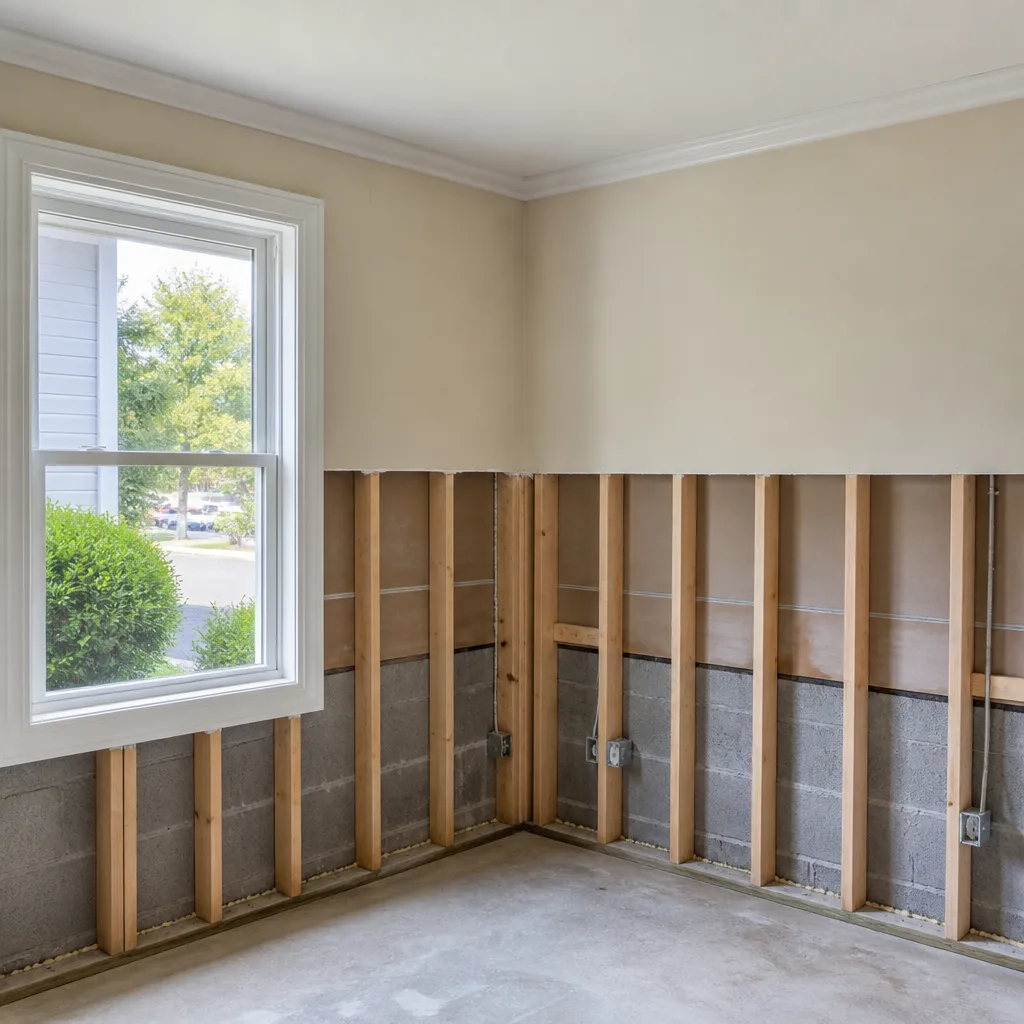
After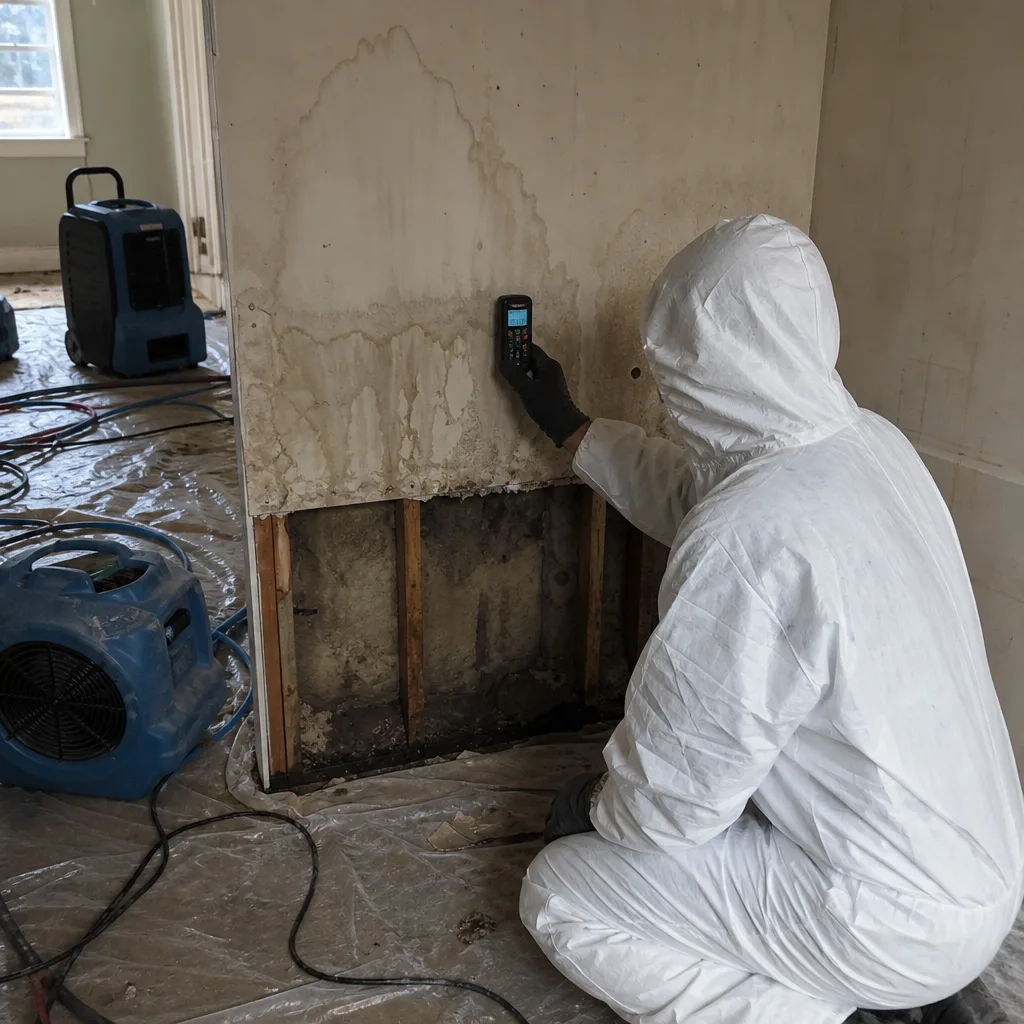 Before
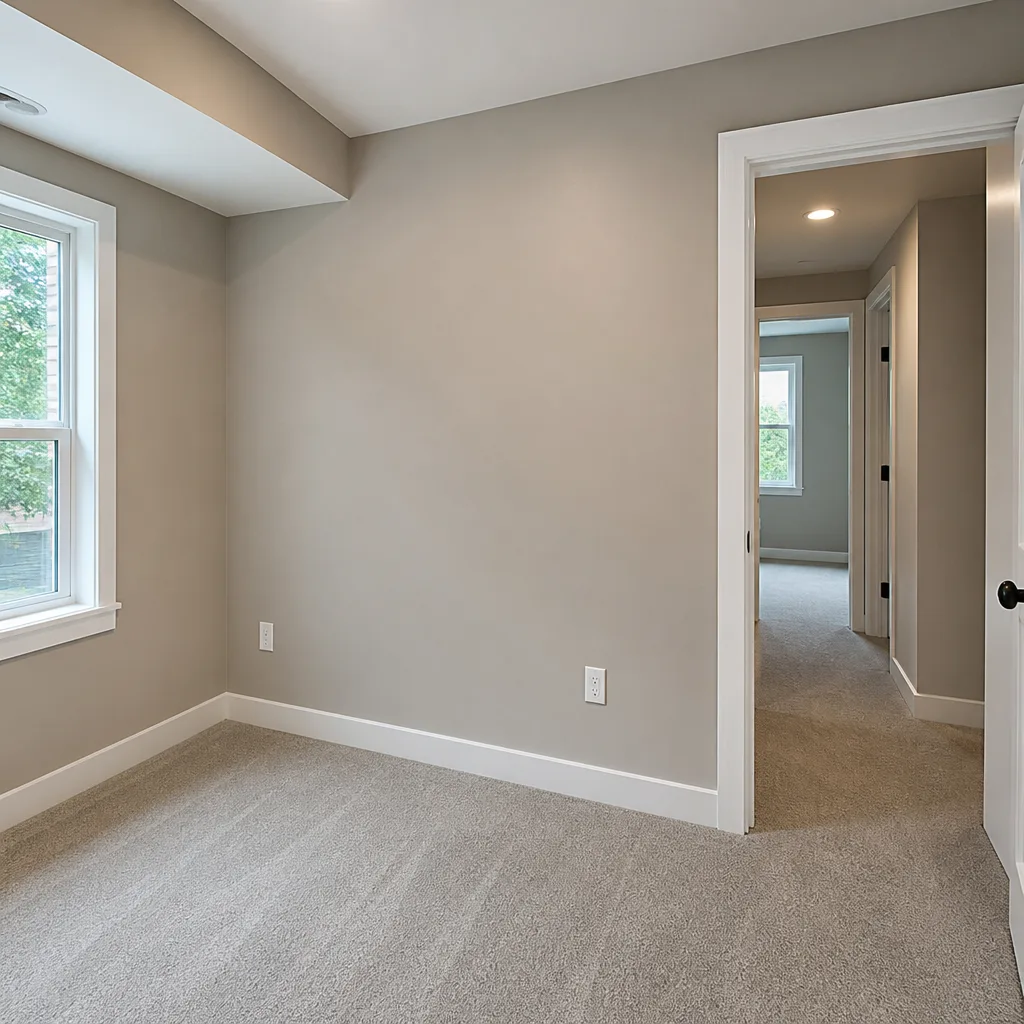 After
After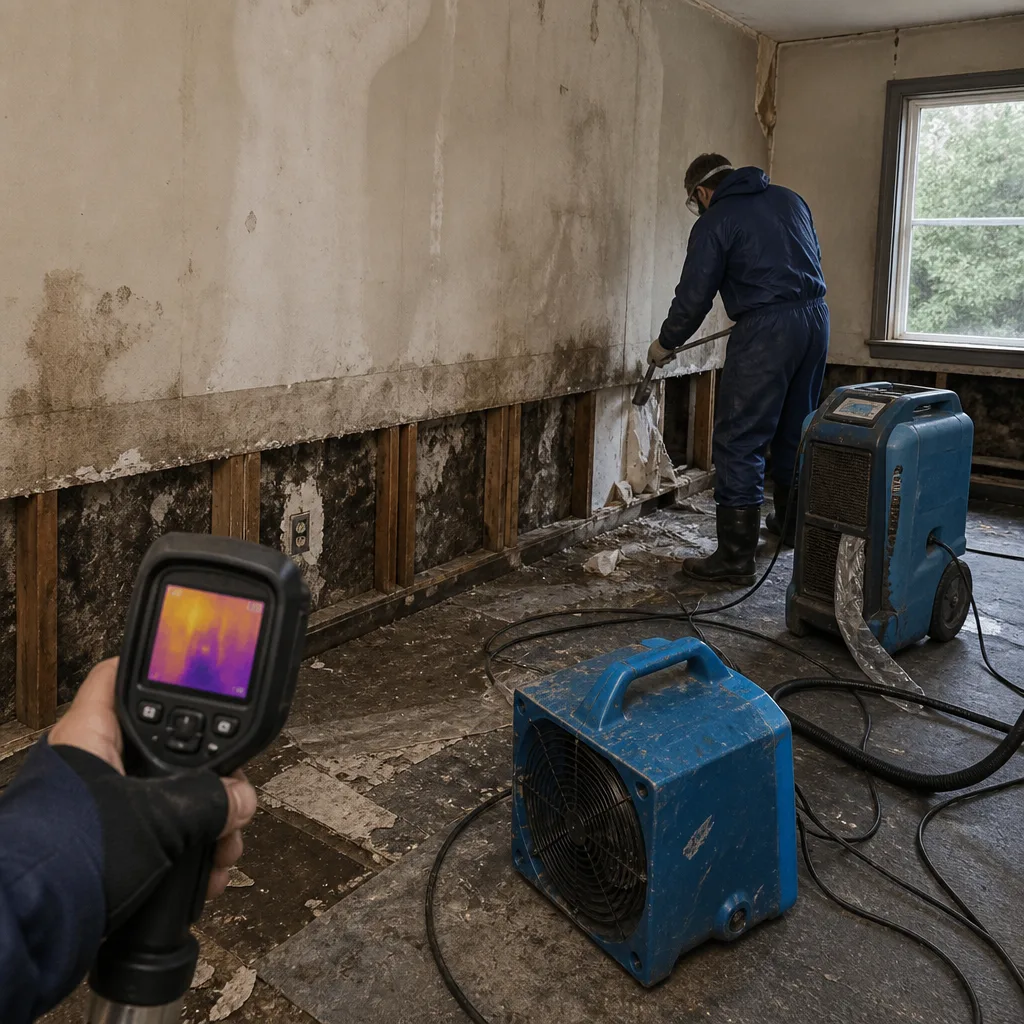 Before
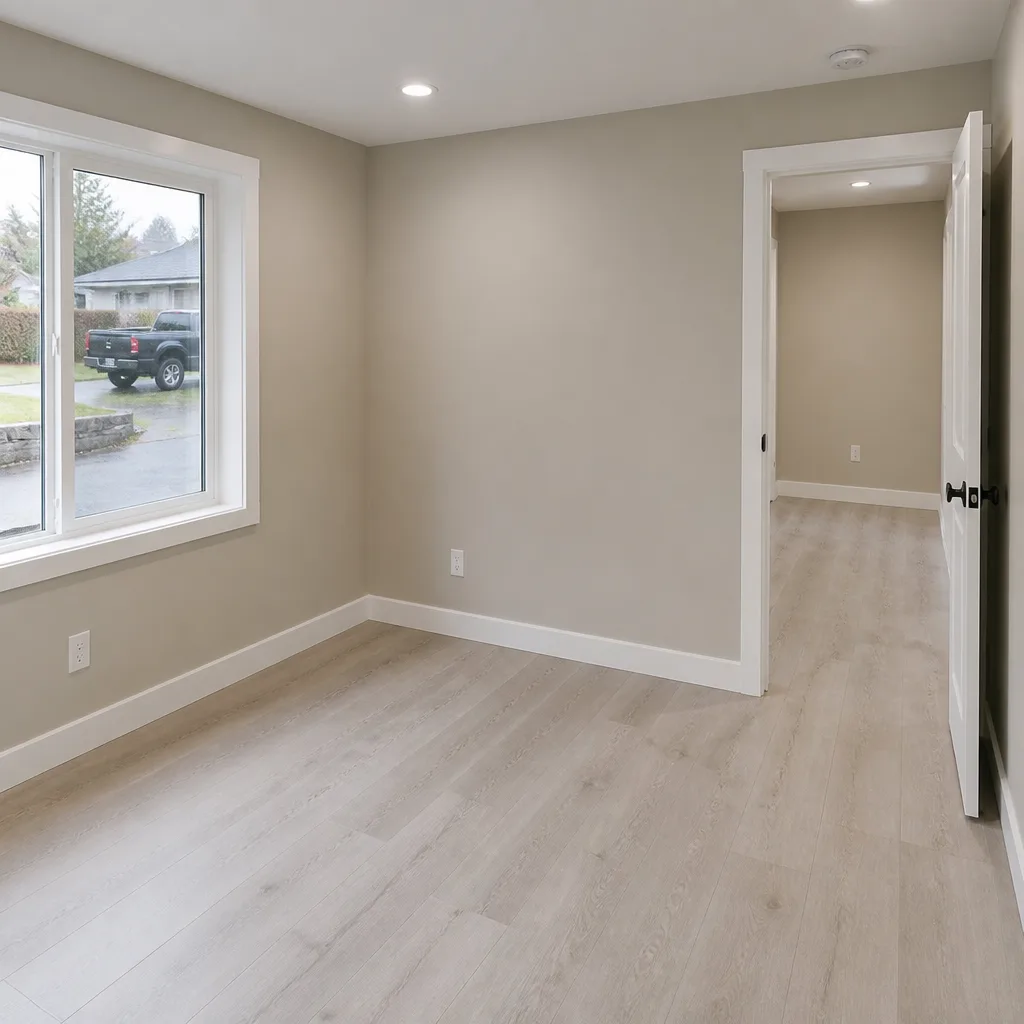 After
After24/7 Emergency Water Damage Restoration in Snohomish
Water damage restoration in Snohomish typically runs $2,800-$7,500 for a standard residential mitigation, with emergency extraction starting at $1,200-$2,400 and full structural drying adding $1,600-$5,100 depending on affected square footage and material type. Most Snohomish properties we see need same-day dispatch because water keeps moving until someone stops it. Call (360) 502-8815 now and a live person answers, 24 hours a day, 7 days a week - no voicemail, no callback queue while your floors warp. Our crews dispatch throughout the Snohomish area from our Seattle office, and we arrive with moisture meters, thermal imaging, and extraction equipment already loaded. The first hour determines whether you’re looking at drying or demolition. After three hours, drywall wicks water upward in a measurable line. After 24 hours, mold spores germinate in organic material above 60% moisture content. We don’t guess. We map, extract, and document every reading.
Understanding Water Damage Restoration Severity in Snohomish Properties
Water damage breaks into three categories under IICRC S500 standards, and Snohomish’s geography pushes most river-flat losses into Category 3 from the start. Category 1 is clean water from a supply line - rare here after ground contact. Category 2 carries chemical or biological load from appliances or sump failures. Category 3 is grossly contaminated: river water, sewage, or ground water with pathogens and silt. The Snohomish River valley’s hydrostatic pressure drives Category 3 water into crawl spaces through slab joints and foundation gaps even when the river itself stays within its banks.
Moisture mapping with penetrating meters and thermal imaging tells us what the eye cannot: how far water has migrated through capillary action in old-growth Douglas fir framing, whether horsehair plaster has delaminated from its lath, and if vapor pressure differential is still pushing moisture into dry materials. Structural drying uses psychrometric data - temperature, relative humidity, and vapor pressure - to calculate exactly how much dehumidification capacity we need per cubic foot. Tertiary drying, the final phase most competitors skip, targets bound water in dense timber and plaster that releases slowly even when surface readings look normal.
Snohomish’s 1880s-1930s balloon-frame homes complicate every severity assessment. No top plates, no fire stops, and continuous wall cavities mean water travels vertically and horizontally with almost no resistance. A kitchen leak on the first floor can saturate second-floor insulation before the homeowner notices anything downstairs. We factor this into our equipment placement and our drying timeline, which typically runs 40-60% longer than a modern platform-frame equivalent.
Why Snohomish Property Owners Choose DryMark Restoration Everett
- 45-minute response commitment to Snohomish properties from dispatch, because water doesn’t wait for business hours and neither do we.
- 24/7 live answer - a real person, never an automated system or voicemail tree, every time you call (360) 502-8815.
- IICRC-certified crews holding WRT (Water Damage Restoration Technician), FSRT (Fire & Smoke Restoration Technician), and AMRT (Applied Microbial Remediation Technician) credentials, with license numbers verified before any technician enters your home.
- Free visual inspection with moisture mapping and photo documentation, delivered with a written scope and price before any work begins - Haven Standard, Clause 1.
- Direct insurance billing with adjuster coordination from day one, including photo records, drying logs, and line-item estimates in Xactimate format.
- One team from extraction to reconstruction - no handoffs between mitigation and rebuild contractors, no gaps in documentation, no finger-pointing if something isn’t right.
BeforeAfterOur Water Damage Restoration Process
1. Inspection & Assessment
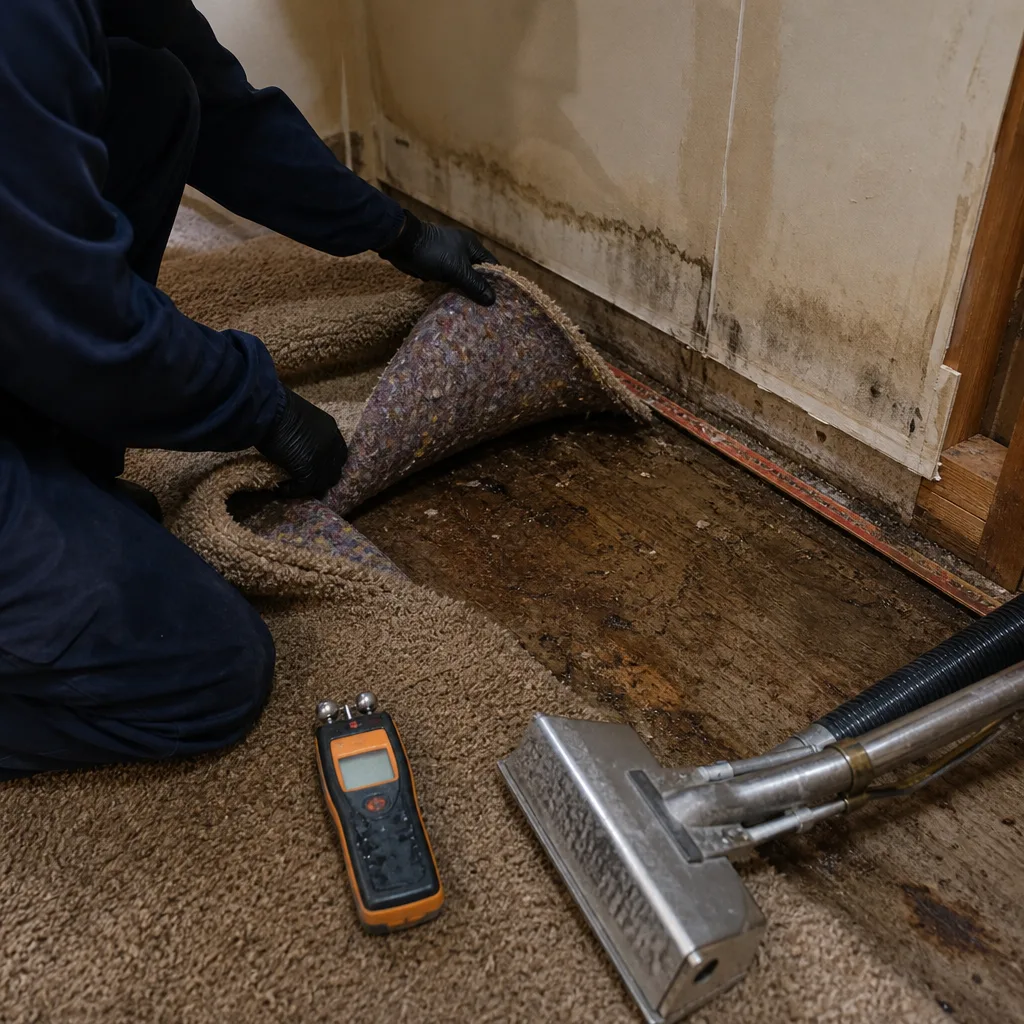
We arrive with FLIR thermal imaging, Tramex penetrating moisture meters, and hygrometers to map the full extent of migration - not just what’s visible. In Snohomish’s historic district, we specifically check balloon-frame wall cavities and crawl space sills for hidden saturation that surface readings miss.
2. Extraction & Stabilization
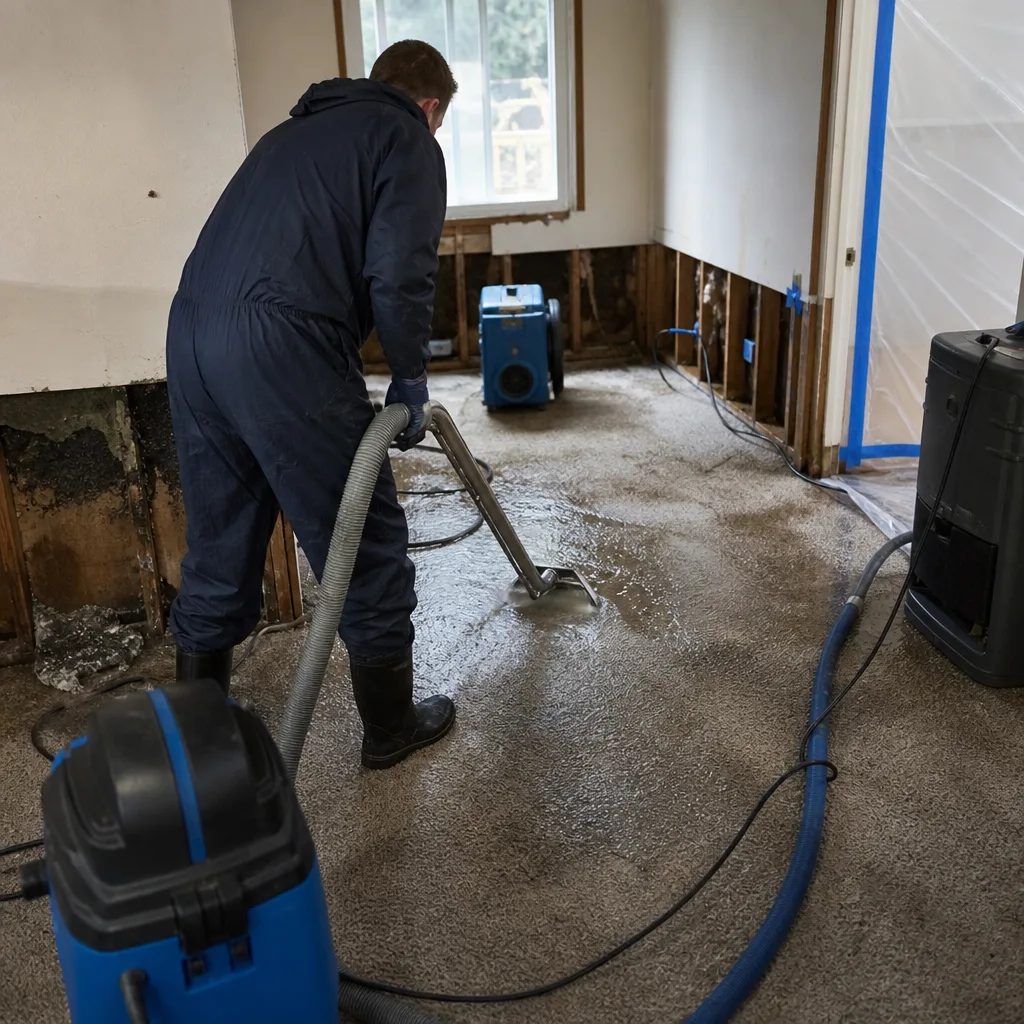
Truck-mounted extraction removes standing water at 25+ gallons per minute. For river-flat crawl spaces with limited access, we deploy submersible pumps and portable extractors. We document pre-existing conditions with dated photos before moving anything - your insurance file starts here.
3. Drying & Dehumidification
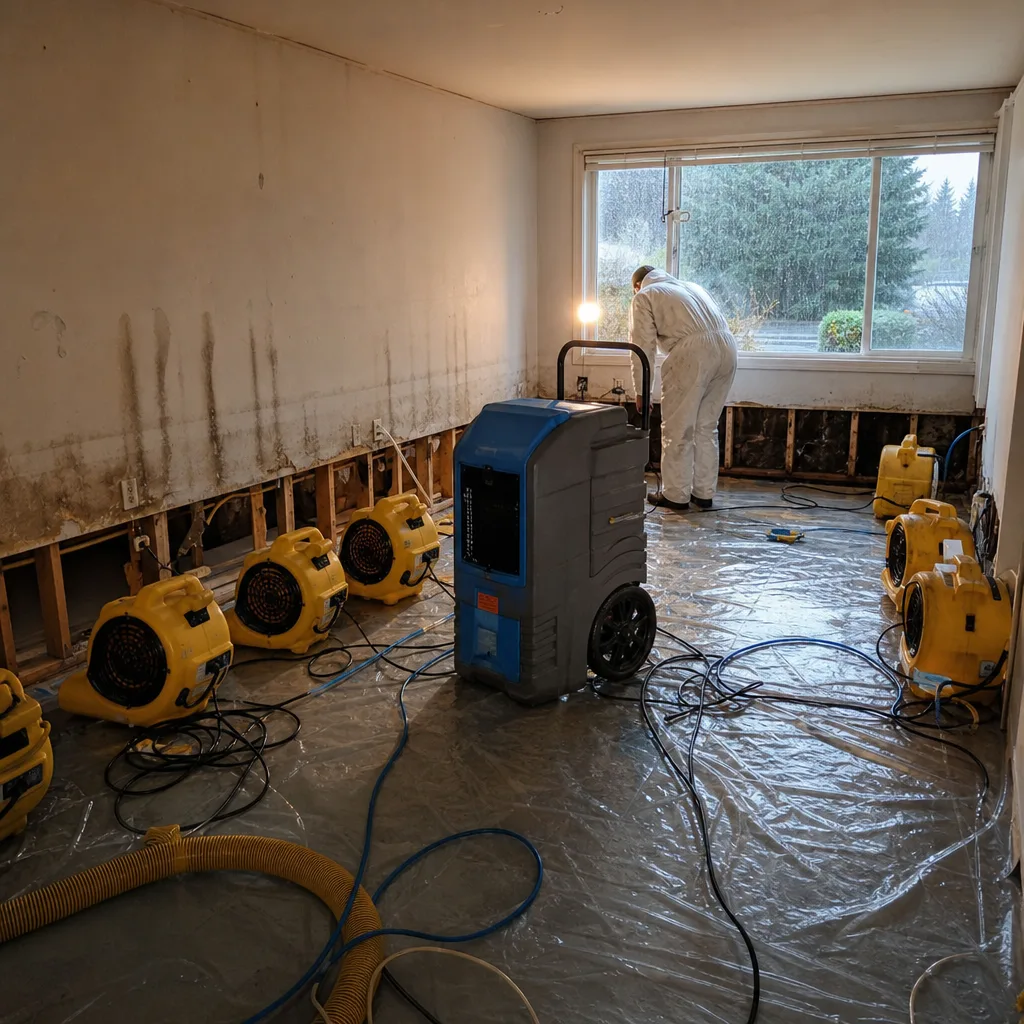
We size equipment to the psychrometric load: Dri-Eaz and Phoenix LGR dehumidifiers, B-Air and XPOWER air movers positioned for laminar airflow across wet surfaces, and Injectidry mat systems for hardwood and plaster drying. Daily moisture logs track every room to IICRC S500 dry standards.
4. Cleaning & Sanitization
Category 3 losses in Snohomish get antimicrobial treatment with EPA-registered disinfectants, HEPA air scrubbers for airborne particulate control, and controlled demolition of unsalvageable porous materials. We test ATP levels to verify sanitation before rebuild.
5. Category-3 Protocol & Mold Prevention
River water carries silt, bacteria, and agricultural runoff from upstream farmland. We apply RIA-certified contamination protocols: sealed containment, negative air pressure, and aggressive air filtration. Post-mitigation, we calculate mold risk windows using local humidity data - tighter in Snohomish’s fog-prone valley than anywhere else in the county.
6. Repairs & Restoration
Our rebuild scope is written line-by-line, priced in writing before work starts, and backed by the 365-Day Done Right Promise under The Haven Standard. We match historic trim profiles in the district and modern finishes elsewhere, with photo documentation at every phase.
Need Emergency Water Damage Restoration in Snohomish Now?
Crews minutes away, answering live 24 hours a day. The sooner we start, the less it costs.
Working With Your Insurance Company
Insurance claims fail on documentation gaps. We close those gaps from the first phone call. Every DryMark Restoration Everett job in Snohomish begins with a photo record of pre-existing conditions, continues with dated moisture readings and drying logs, and ends with a complete scope of work your adjuster can approve without back-and-forth. We write estimates in Xactimate, the industry-standard pricing platform, and we coordinate directly with your carrier’s representative - not through a third-party administrator who has never seen your property.
Our founder built this company as a former claims adjuster who watched homeowners lose coverage because mitigation contractors couldn’t produce the right paperwork. That doesn’t happen on our jobs. The photo record, the drying log, the written scope, and the signed warranty are standard deliverables, never upsells. We also offer a Free Second Opinion on any competitor’s written estimate - bring it in and we’ll review it at no charge.
What We Provide Your Insurer
- Thorough documentation of the loss
- Photos of all damage, room by room
- Moisture readings and drying logs
- A detailed, line-item scope of work
- Direct coordination with your carrier
Built for Snohomish’s Loss Calendar
January through March in Snohomish means freeze-thaw cycles that split copper supply lines in uninsulated crawl spaces and exterior walls. The historic district’s homes, many with original plumbing paths through balloon-frame cavities, see pipe bursts that spray directly into wall insulation for hours before anyone notices. April and May bring Cascade snowmelt combining with spring rain, raising the Snohomish River and the water table beneath river-flat properties in parallel. This is when we field the most crawl-space calls - not from visible flooding, but from homeowners who notice musty odors or soft spots in flooring.
June through September brings thunderstorm intensity that overwhelms older gutter and drainage systems on homes built before modern roof-pitch standards. October through December is the worst window: the river valley’s cold-air pool traps fog and near-saturated air, so even after extraction, evaporative drying slows to a crawl. Homes that would dry in 72 hours in August need 5-7 days in November. We adjust equipment capacity and monitor more frequently. This isn’t theory. It’s what 12,000+ documented jobs since 2011 have taught us.
Water Damage Restoration Across Snohomish’s Neighborhoods
The historic district around First Street and Avenue D is where we encounter the most complex drying scenarios. Balloon-frame construction, horsehair plaster, and unventilated crawl spaces over river-adjacent soils create a moisture retention environment that defies standard timelines. We were called to a 1908 balloon-frame Craftsman on Avenue D after the owner noticed a damp spot on an interior wall with no obvious plumbing source. Moisture mapping of the horsehair plaster showed elevated readings climbing the wall in a clean vertical line, and our tech pulled the crawl hatch to find three inches of river-fed ground water sitting over saturated old-growth Douglas fir sills - not a supply-line leak at all. We ran a truck-mount water extraction, set Injectidry mats on the plaster, laid air movers and a Dri-Eaz dehumidifier in the crawl with vapor barrier containment, and logged moisture readings twice daily through a category-3 structural drying sequence the homeowner’s insurance adjuster signed off on from the drying logs alone.
North of downtown, the newer subdivisions near Blackmans Lake and along Bickford Avenue see different patterns: slab-on-grade construction with finished basements that flood from hydrostatic pressure through cold joints, and modern HVAC systems that spread contamination through ductwork if not isolated quickly. The Pilchuck River corridor west of town mirrors the Snohomish River’s behavior on a smaller scale - flashier response to rain, faster rise and fall, but the same Category 3 classification once ground water enters.
Properties along Highway 9 and the connecting roads to Cathcart and Maltby sit at slightly higher elevation but face a distinct risk: aging septic systems and drain fields that fail under saturated soil conditions, backing Category 2 or 3 water into basements and crawl spaces that owners mistake for groundwater intrusion. We test and classify before treating. Wrong classification means denied coverage and incomplete remediation.
Specialized Water Damage Restoration Services We Offer in Snohomish
Emergency Water Extraction
Standing water in a Snohomish crawl space or living area gets worse every minute it’s there. Our truck-mounted systems extract 25+ gallons per minute, and portable units reach tight historic-district crawl spaces where truck mounts won’t fit. We extract before we quote - Haven Standard, Clause 1 applies to the full scope, not the emergency response.
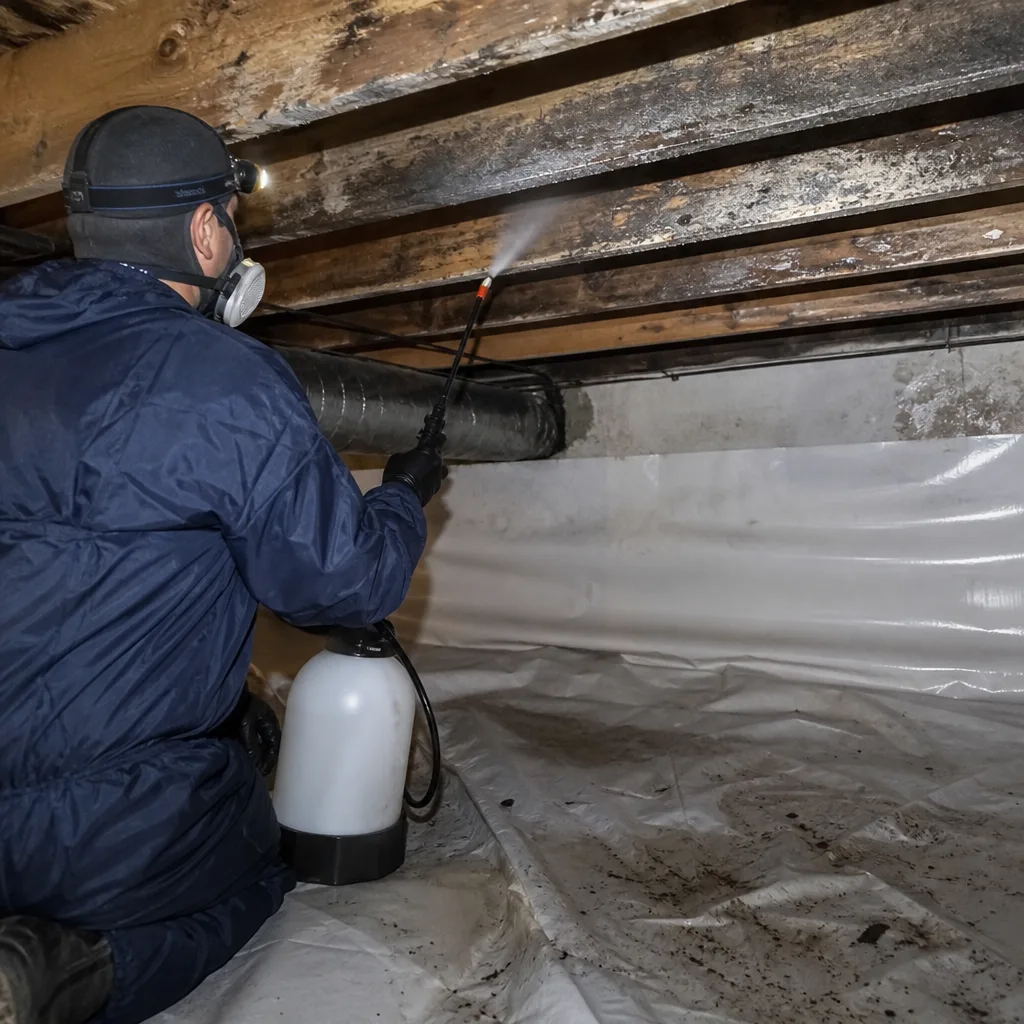
Structural Drying & Dehumidification
Snohomish’s valley humidity means equipment runs longer here than in drier upland markets. We calculate dehumidifier grain depression targets using daily psychrometric data, not guesswork. For old-growth Douglas fir framing and horsehair plaster, we extend tertiary drying phases and verify with penetrating meters at multiple depths - surface dryness isn’t enough.
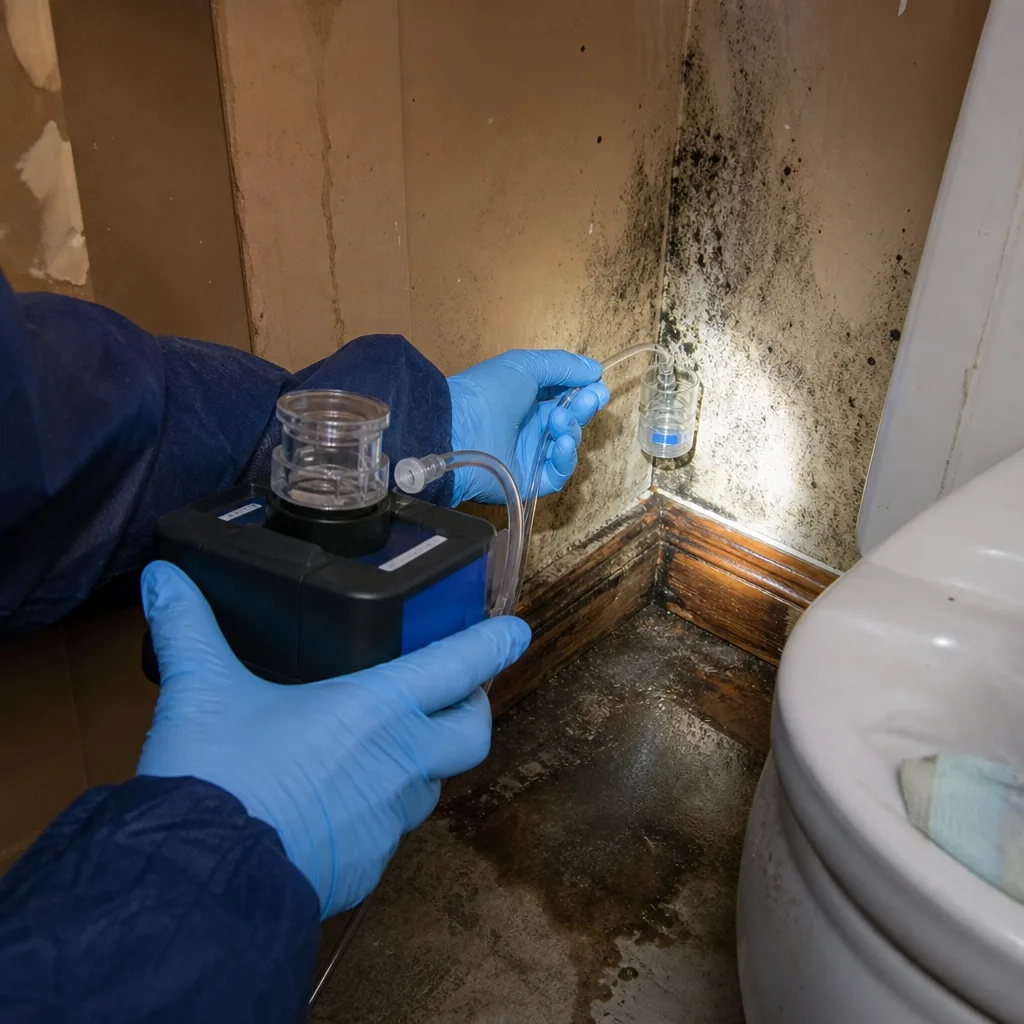
Flood Cleanup
True riverine flooding in Snohomish’s FEMA-mapped floodplain demands Category 3 protocols from hour one. Silt, agricultural runoff, and pathogen load from upstream sources make this unlike any clean-water loss. We deploy full containment, negative air, and HEPA filtration, with ATP verification before any rebuild begins. Documentation is exhaustive because adjusters know these claims.
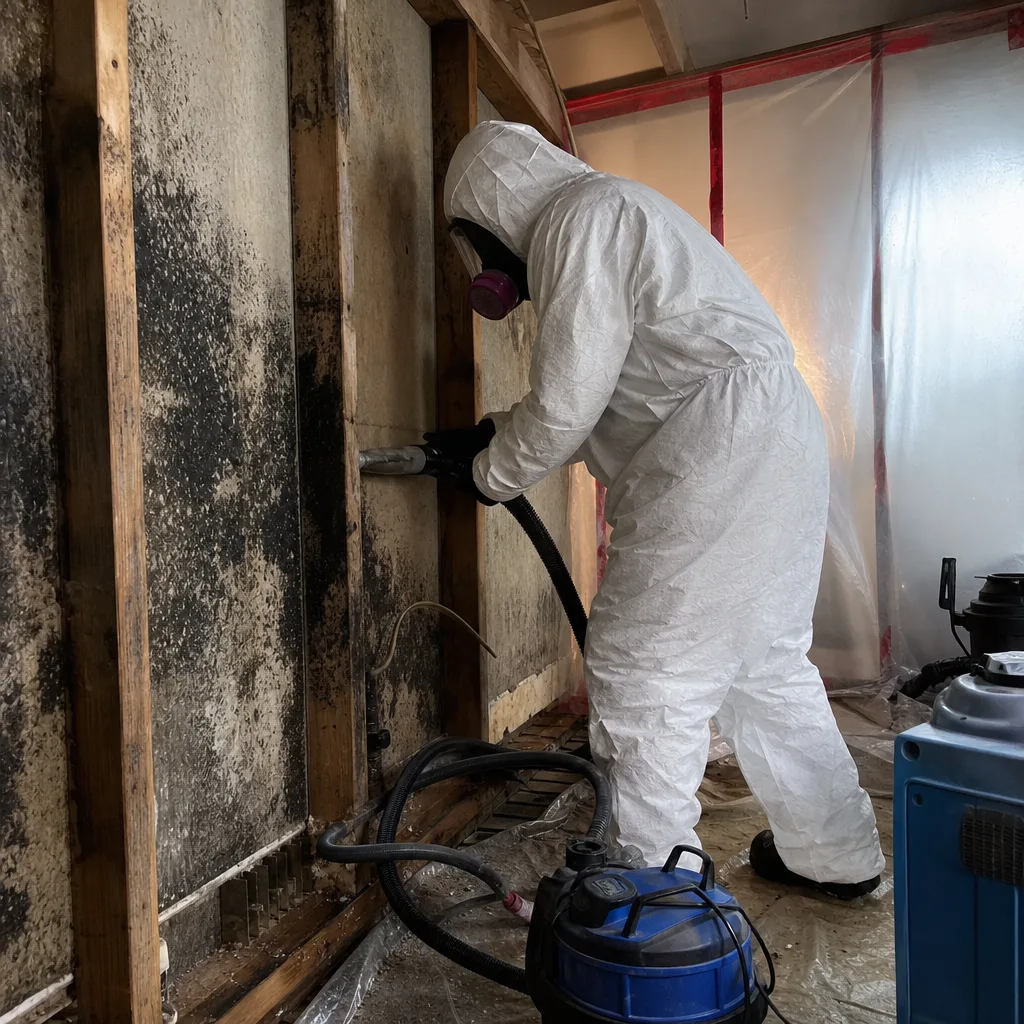
Burst Pipe Restoration
Freeze-split copper in balloon-frame walls, polybutylene failures in 1980s-era additions, and cast-iron drain line separations in vintage homes - we’ve documented all three in Snohomish. Our scope includes not just drying but identification of the failure point, with photos for your plumber and your insurance file.
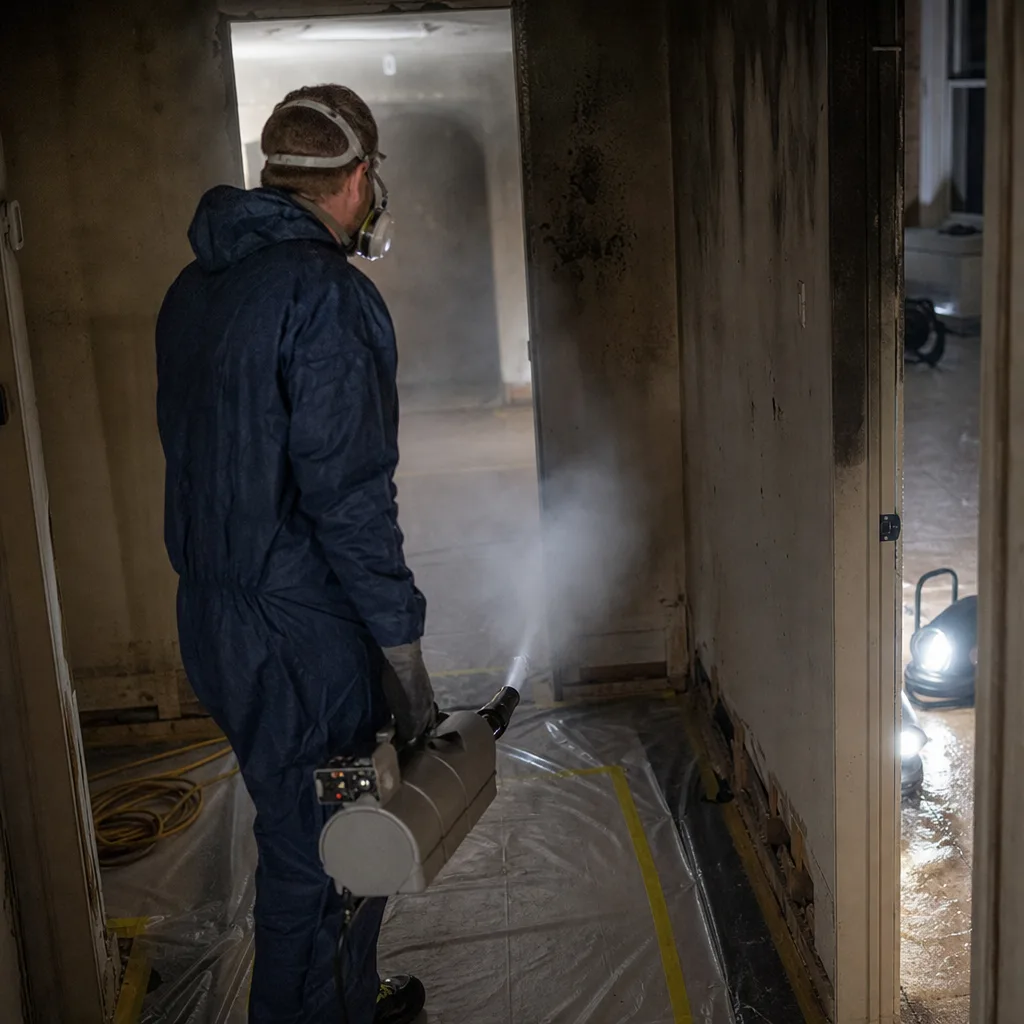
Basement Water Removal
Finished basements in Snohomish’s newer areas and stone-foundation cellars in the historic district need different approaches. We assess drainage tile function, sump pump capacity, and whether the water source is surface intrusion, hydrostatic pressure, or plumbing failure before designing extraction and drying.
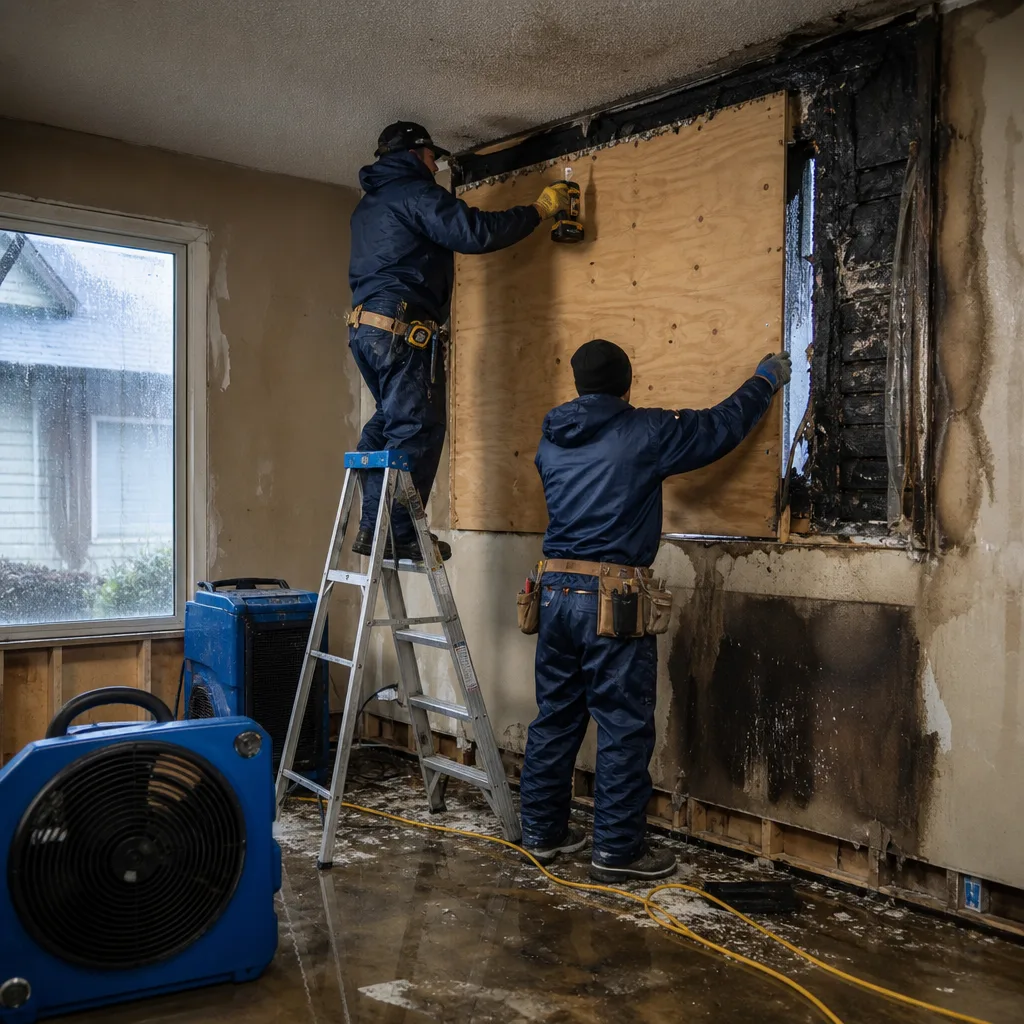
Ceiling & Roof Leak Water Damage
Snohomish’s ~38 inches of annual rainfall finds every compromised flashing, ice-dam gap, and wind-lifted shingle. We trace water migration through attic spaces and ceiling cavities with thermal imaging, then dry or remove insulation based on contamination level and salvageability.
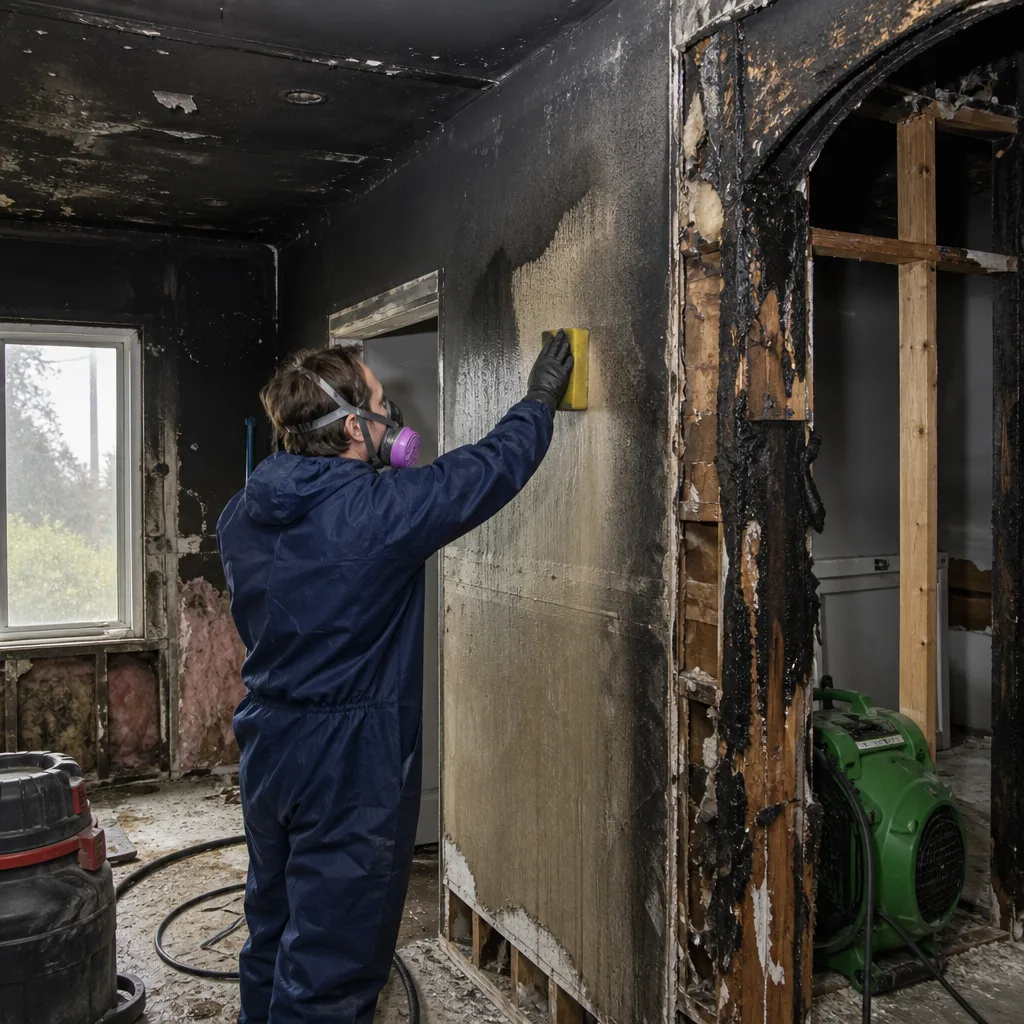
What happens when you call
- 1
A real person answersNo phone trees - you reach a local pro.
- 2
You get an upfront price rangeHonest numbers before anyone is dispatched.
- 3
A background-checked tech heads outLicensed & insured, dispatched right away.
- 4
You approve before work beginsNothing starts until you say go.
Water Damage Restoration Costs in Snohomish, WA
These are actual ranges for Snohomish’s market, based on our documented jobs and current Xactimate pricing:
| Service | Typical Range |
|---|---|
| Emergency water extraction (up to 1,000 sq ft) | $1,200 - $2,400 |
| Structural drying & dehumidification | $1,600 - $5,100 |
| Category 3 flood cleanup with full sanitation | $3,500 - $8,200 |
| Horsehair plaster / historic material drying (adds 40-60%) | $2,200 - $6,800 |
| Crawl space extraction + vapor barrier reset | $1,800 - $4,500 |
| Full mitigation + rebuild (typical Snohomish home) | $8,500 - $22,000 |
What moves the price: affected square footage, material type (plaster vs. drywall, hardwood vs. carpet), contamination category, and accessibility. Insurance typically covers sudden and accidental water damage from plumbing failures and weather intrusion, but not long-term maintenance issues or flood damage without separate NFIP coverage. We document the cause for your adjuster and provide a Free Second Opinion on any competitor’s written estimate. Call (360) 502-8815 for an exact quote - estimates are free.
We Also Serve Cities Near Snohomish
Our crews respond throughout the Snohomish River valley and surrounding communities: Water Damage Restoration in Snohomish is coordinated from our Seattle office, with local dispatch to Monroe for river-corridor properties, Mill Creek for newer construction water losses, Lake Stevens for lake-adjacent basement flooding, and Everett for larger commercial and multi-family mitigation. Each market has distinct building stock and loss patterns, and our documentation protocols adapt to each.
Serving Snohomish, WA - Our Local Coverage Area
We’re based in the Snohomish area and know this community well. Use the map below to see our service coverage - if you’re nearby, we can almost certainly help.
Snohomish Water Damage Restoration Questions, Answered
Does Snohomish’s floodplain location mean my crawl space can flood even when the river hasn’t breached its banks?
Yes. The water table under Snohomish’s river-flat properties rises in direct response to Snohomish River level, not just visible overbank flooding. We’ve found standing water in crawl spaces within 24 hours of upstream rain events while streets remained completely dry. This hydrostatic groundwater intrusion is Category 3 water and requires full contamination protocols. Call (360) 502-8815 if you notice musty odors, soft flooring, or efflorescence on foundation walls - we map and classify at no charge.
How does restoration work differ on a 1900s Craftsman in Snohomish’s historic district versus a modern stick-built home?
Historic district homes need 40-60% longer drying times due to old-growth Douglas fir framing density, horsehair plaster’s moisture retention, and balloon-frame construction that hides migration paths. Standard stick-built timelines applied to these materials pull equipment too early, trapping moisture and guaranteeing mold. We use Injectidry systems for plaster, extend tertiary drying phases, and verify with penetrating meters at multiple depths. Call (360) 502-8815 for a scope written to your home’s actual construction.
How fast do we need to start drying after water gets into a Snohomish home?
Within the first 24 hours, ideally within 4. Mold germinates on organic materials above 60% moisture content in 24-48 hours, and Snohomish’s valley humidity tightens that window further. Drywall wicks upward at 1 inch per hour. The sooner we extract and establish vapor pressure differential with dehumidification, the more material we save and the lower your total cost. Our 45-minute response commitment to Snohomish exists because we’ve measured what delay costs. Call (360) 502-8815 - we answer live.
Is river floodwater in Snohomish treated differently from a clean supply-line leak?
Absolutely. River water is Category 3 - grossly contaminated with pathogens, silt, agricultural chemicals, and organic load from upstream sources. IICRC standards require full PPE, sealed containment, negative air pressure, HEPA filtration, and antimicrobial treatment of all affected surfaces. “It looked clear” is not a classification standard. We test and document contamination level before treatment, because your insurance coverage and your health depend on correct classification. Call (360) 502-8815 for proper Category 3 protocol.
What should we expect during mitigation on a river-flat property in Snohomish?
Expect us to check the crawl space first, even when the visible damage is upstairs. Expect Category 3 classification for any ground water intrusion. Expect longer drying timelines due to valley humidity and dense historic materials. And expect complete documentation - moisture logs, photo records, written scope - that your adjuster can approve without dispute. Haven Standard, Clause 1: your price is in writing before work starts. Call (360) 502-8815 to schedule inspection.
Will my insurance cover water damage restoration in Snohomish?
Most standard policies cover sudden and accidental water damage from plumbing failures, appliance ruptures, and weather-related intrusion. Flood damage from rising surface water requires separate NFIP coverage. The key is documentation: we photograph everything, classify the water source, and write estimates in Xactimate format that adjusters recognize and approve. Our direct billing and adjuster coordination are standard, not extra. Call (360) 502-8815 and we’ll review your situation specifically.
Can we stay in our home during water damage restoration?
Sometimes, depending on contamination level, affected areas, and whether HVAC systems are compromised. Category 3 losses usually require temporary relocation during active mitigation. We isolate work zones with containment and maintain safe air quality with HEPA scrubbers, but living in a construction zone with antimicrobial treatment isn’t advisable. We discuss this during inspection and can coordinate with your insurance for temporary housing when coverage applies. Call (360) 502-8815 to assess your specific situation.
What certifications do your Snohomish water damage restoration technicians hold?
Our crews hold IICRC WRT (Water Damage Restoration Technician), FSRT (Fire & Smoke Restoration Technician), and AMRT (Applied Microbial Remediation Technician) credentials. All work is documented to IICRC S500, RIA, and IFA standards. License numbers are verified before any technician enters your home, and background checks are completed as a condition of employment. This isn’t marketing - it’s the documentation that protects your claim and your property. Call (360) 502-8815 with specific credential questions.
Back to Dry Restoration’s Water Damage Restoration team serves Snohomish with the documentation-first approach that turns restoration invoices into payable claims. Every job starts with a written price, includes a photo record on every visit, and ends with the 365-Day Done Right Promise under The Haven Standard. Independently owned and operated since 2011.
Written by Alicia Brennan, Owner at Back to Dry Restoration, serving Snohomish since 2011.
Water Damage Restoration in Nearby Areas