
Last updated September 23, 2026
Free visual inspection and a written scope of work before any mitigation begins - photos, moisture readings, and drying logs go in your claim file
The scope we write is the scope we bill. Anything new gets shown to you, in writing, before we touch it.
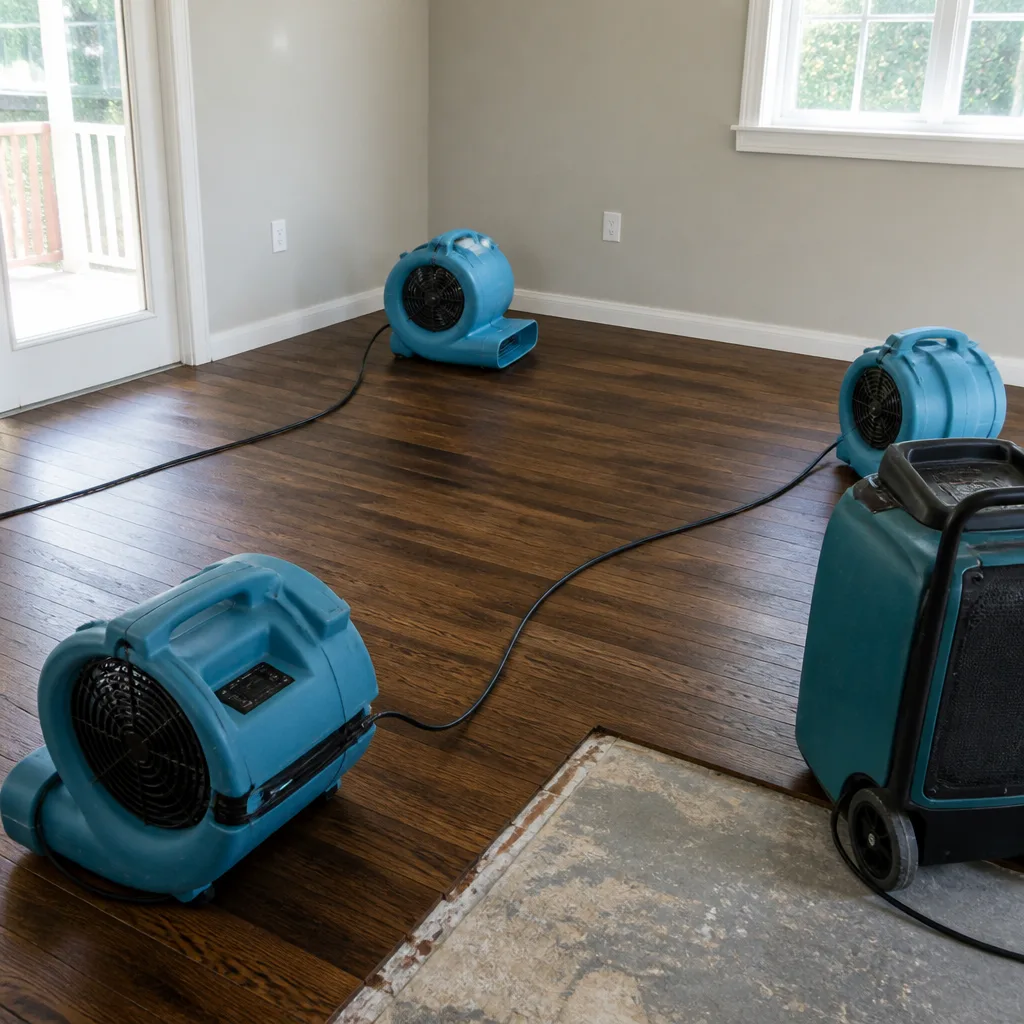

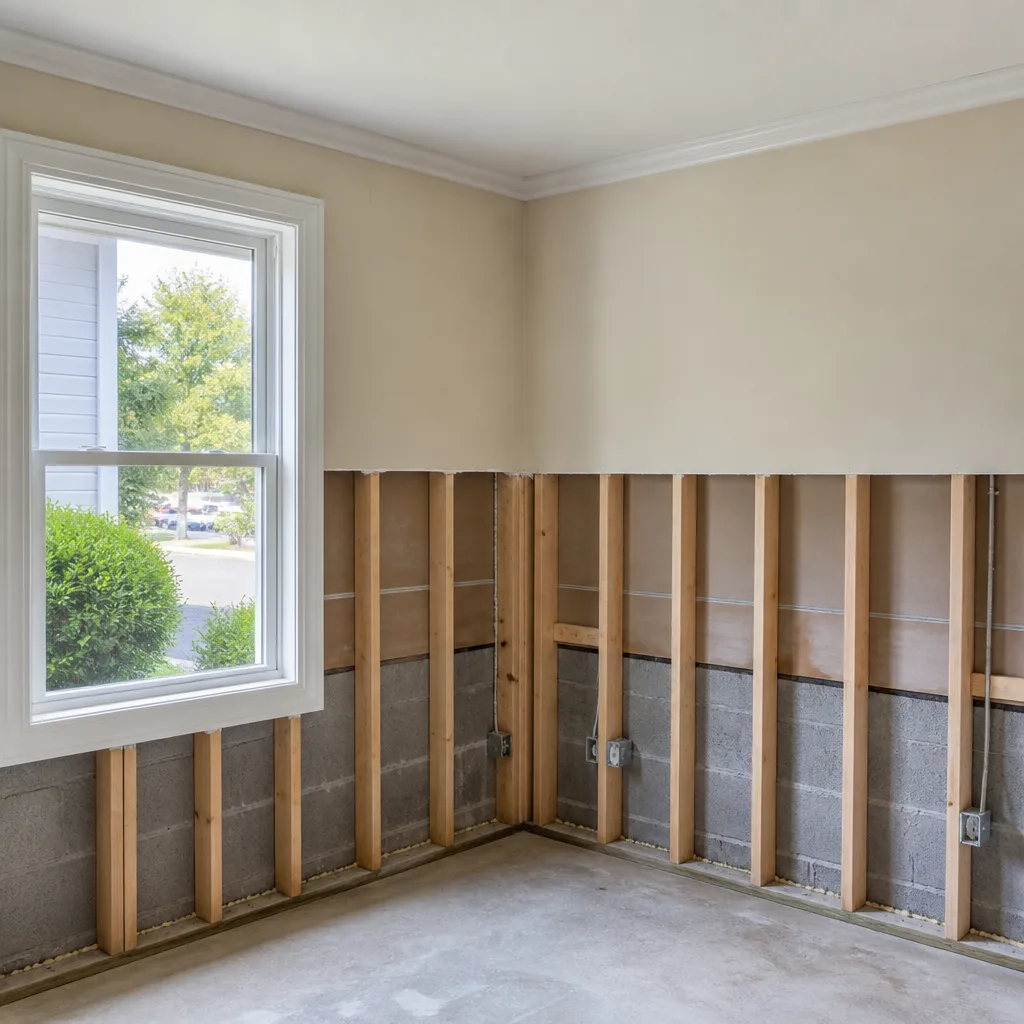
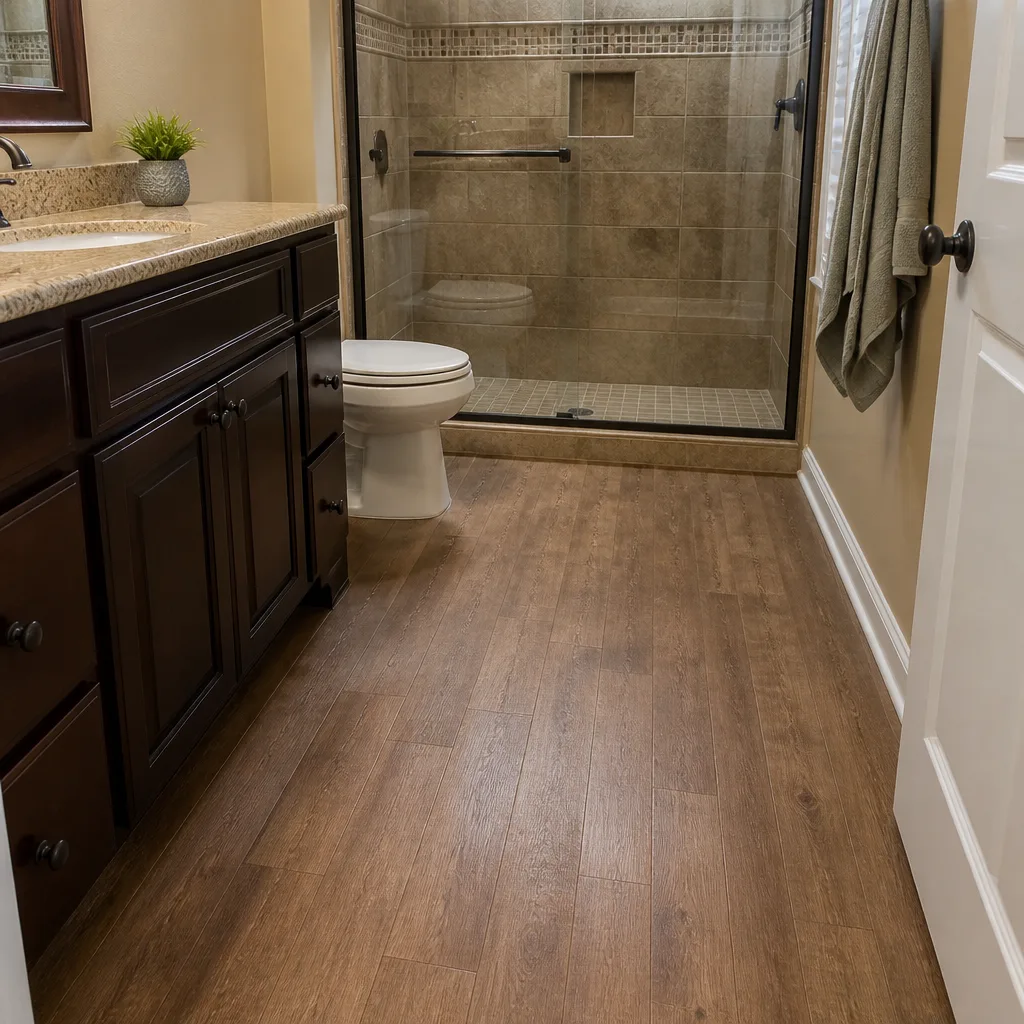
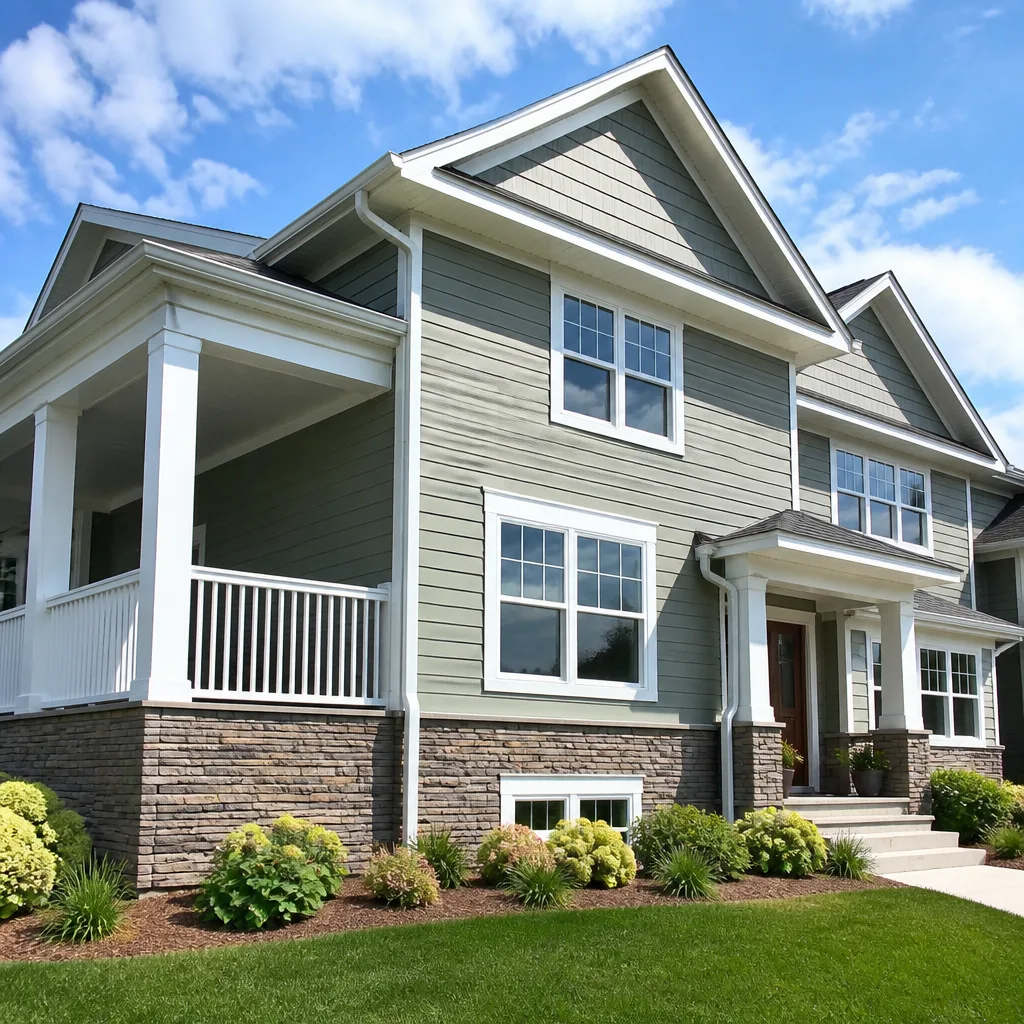
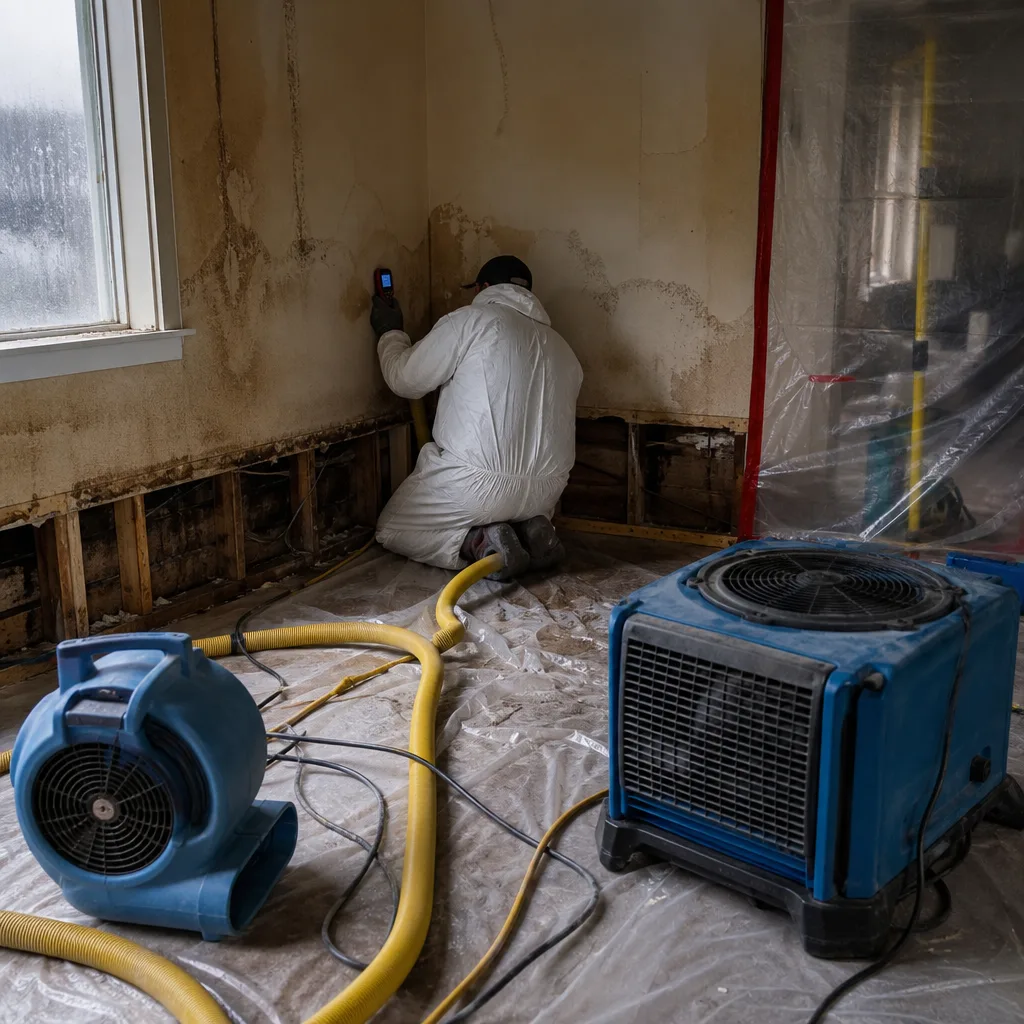 Before
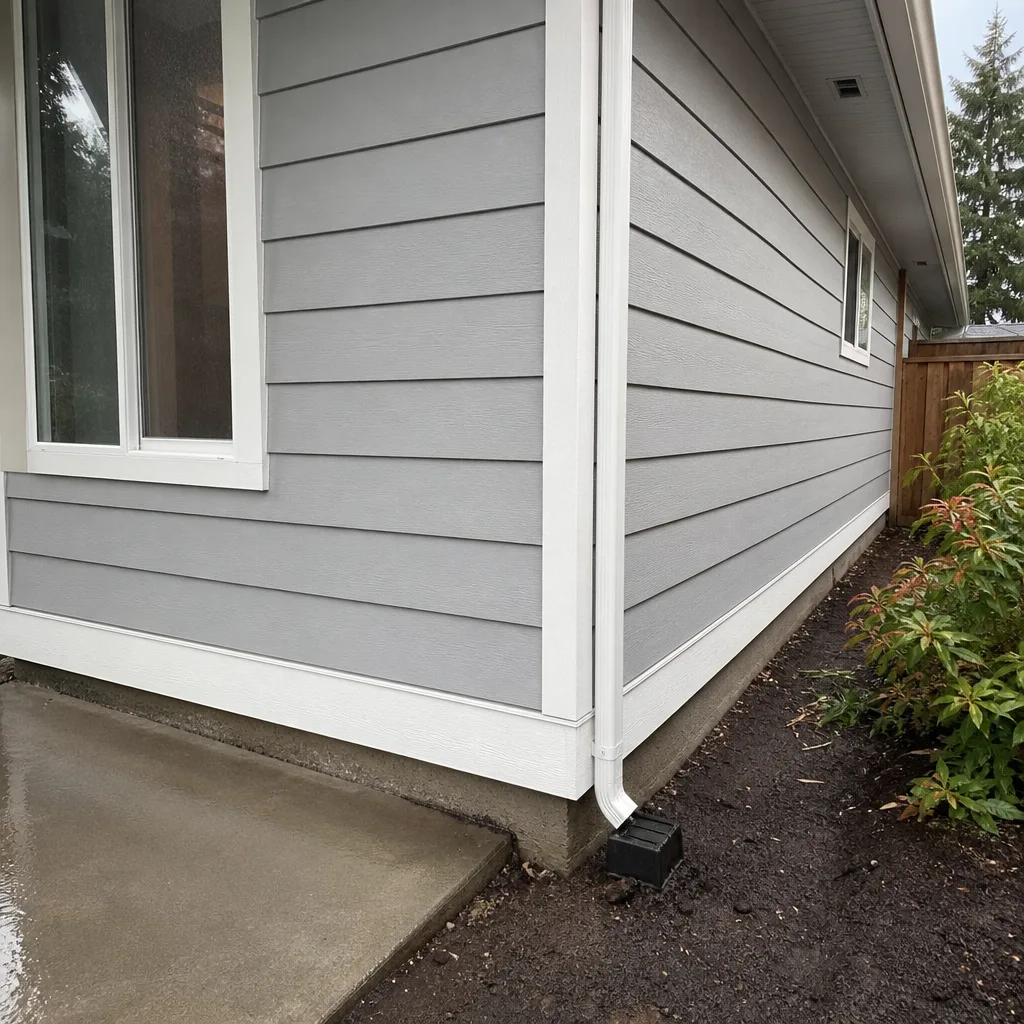 After
After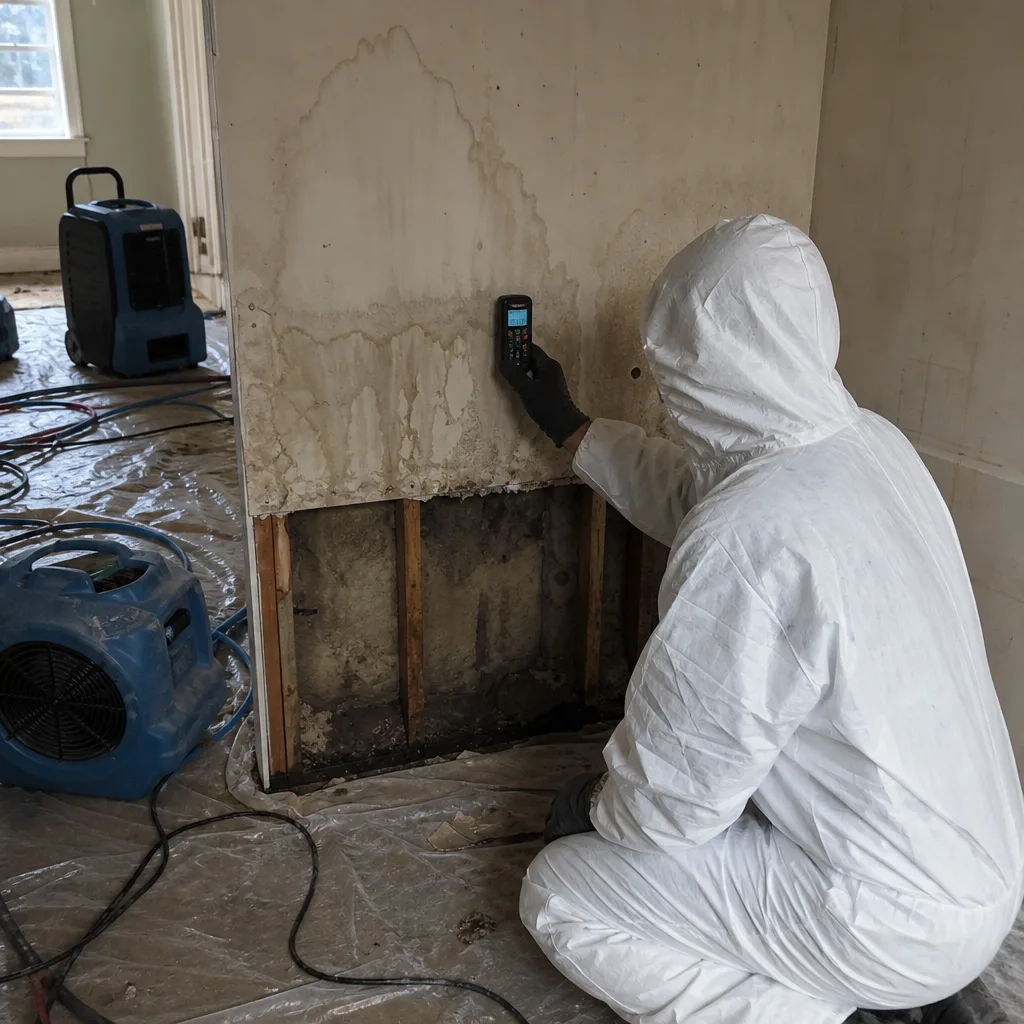 Before
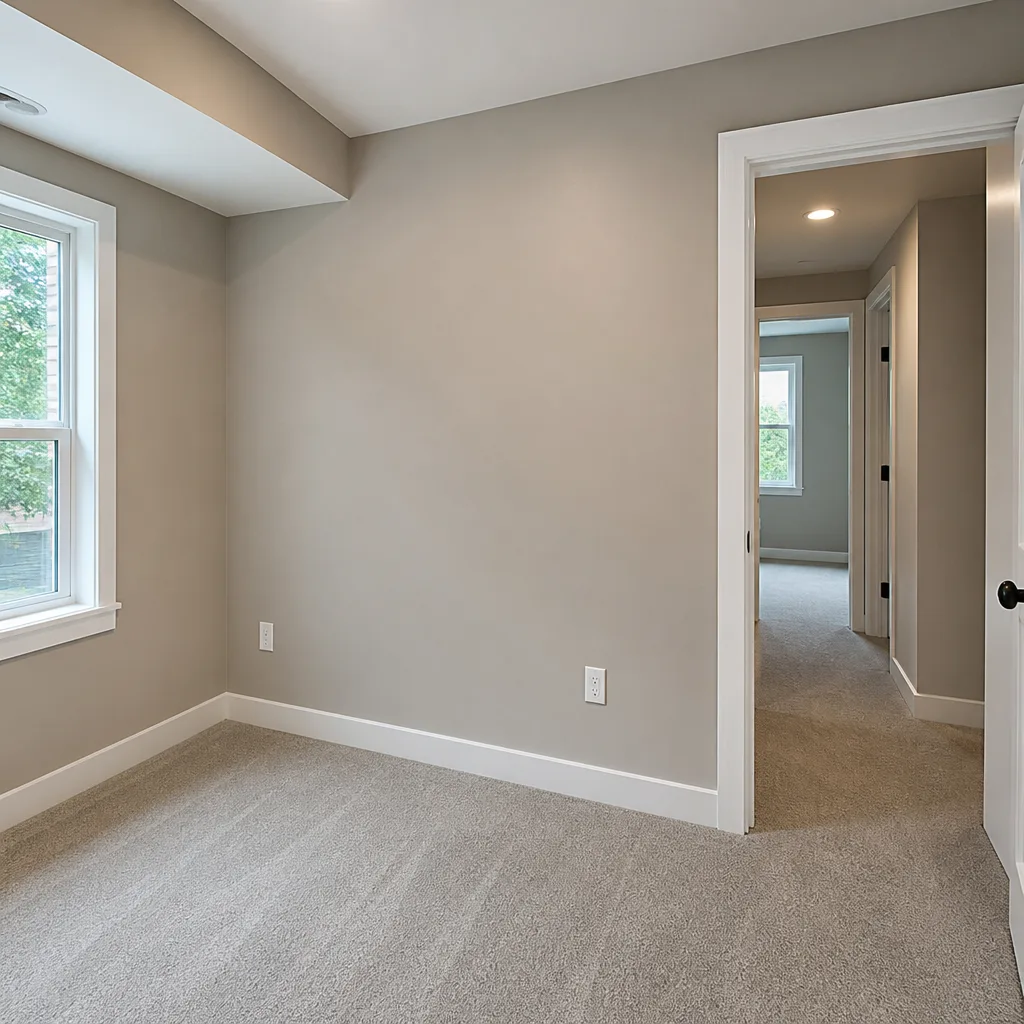 After
After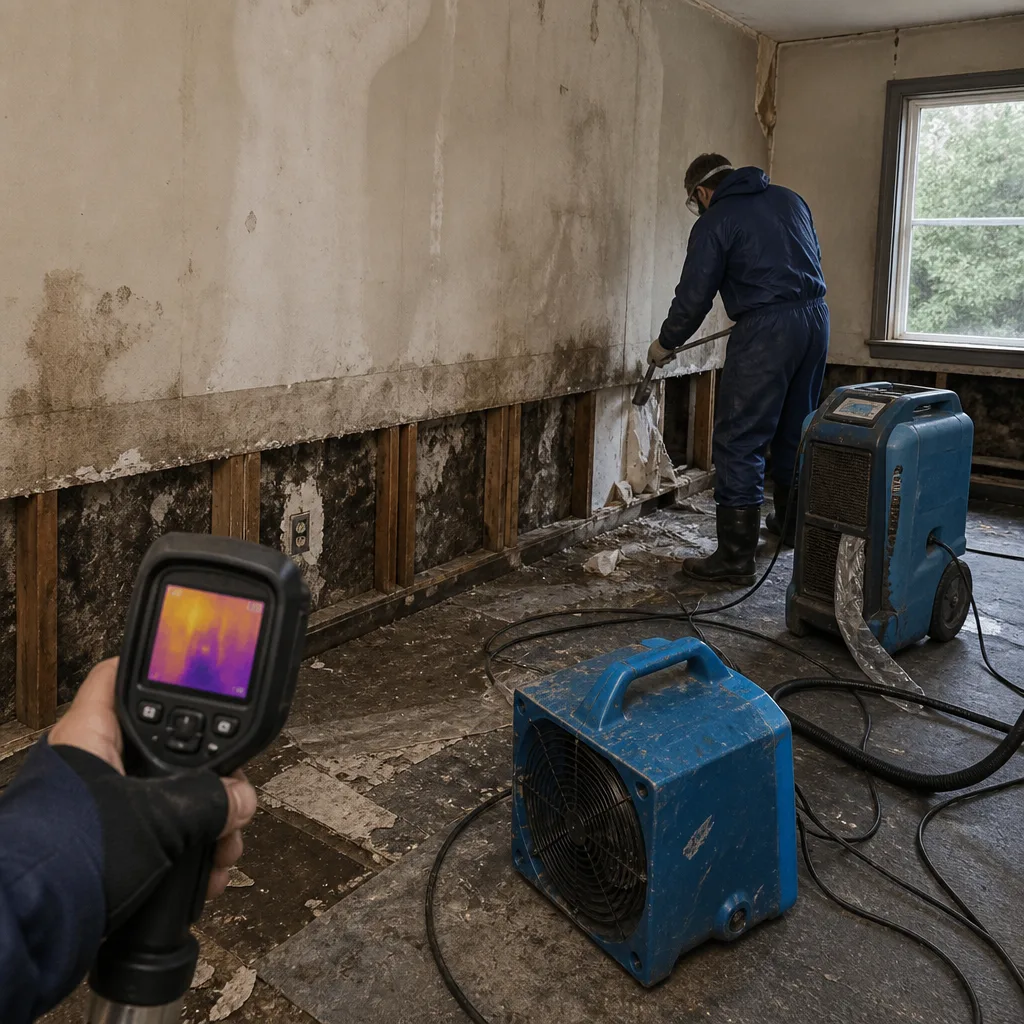 Before
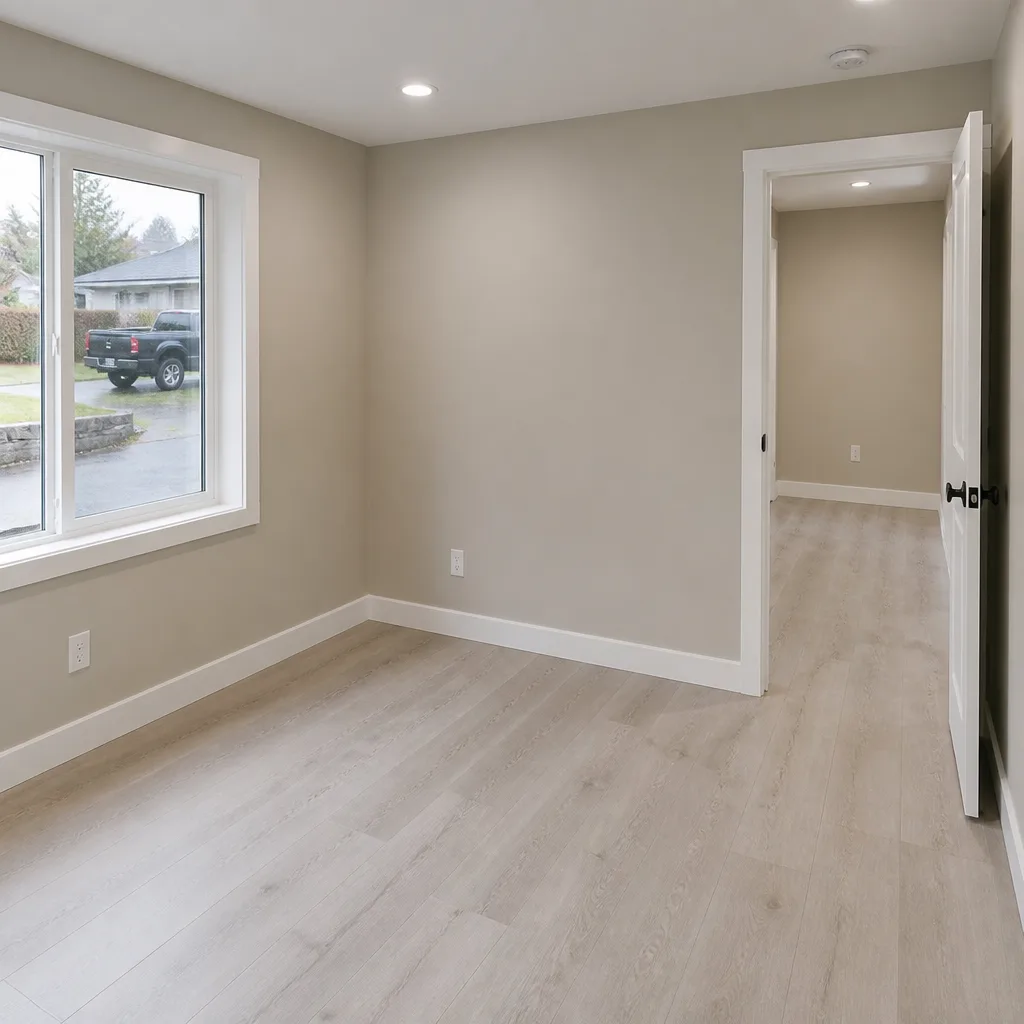 After
AfterHow to Hire a Damage Restoration Contractor in Everett: A Step-by-Step Guide
A contractor with 200 five-star reviews can still leave you holding an unpayable invoice if their drying logs don’t meet the documentation threshold your adjuster is required to apply. In Everett, where winter wind-driven rain and the occasional Snohomish River flood event keep restoration crews busy, we’ve seen homeowners lose tens of thousands in coverage because their contractor’s “complete” job lacked the moisture readings, photo sequence, or written scope that the insurer’s proof-of-loss standard demands. This guide walks you through the six documents to request before you sign, how to verify certifications that actually matter, and the red flags that out-of-area storm chasers wave right in your face. For a broader overview, see The Complete Guide to Damage Restoration in Everett.
Quick Answer
To hire a damage restoration contractor in Everett, request six specific documents before signing any authorization: a written scope, line-item estimate, equipment list with serial numbers, drying protocol, photo schedule, and lien waiver terms. Verify the contractor’s IICRC S500 certification is current and their Washington contractor license is active locally, not borrowed from another state. Compare bids at the line-item level, not the total, and never sign an Assignment of Benefits that grants the contractor full authority to negotiate your claim.
Table of Contents
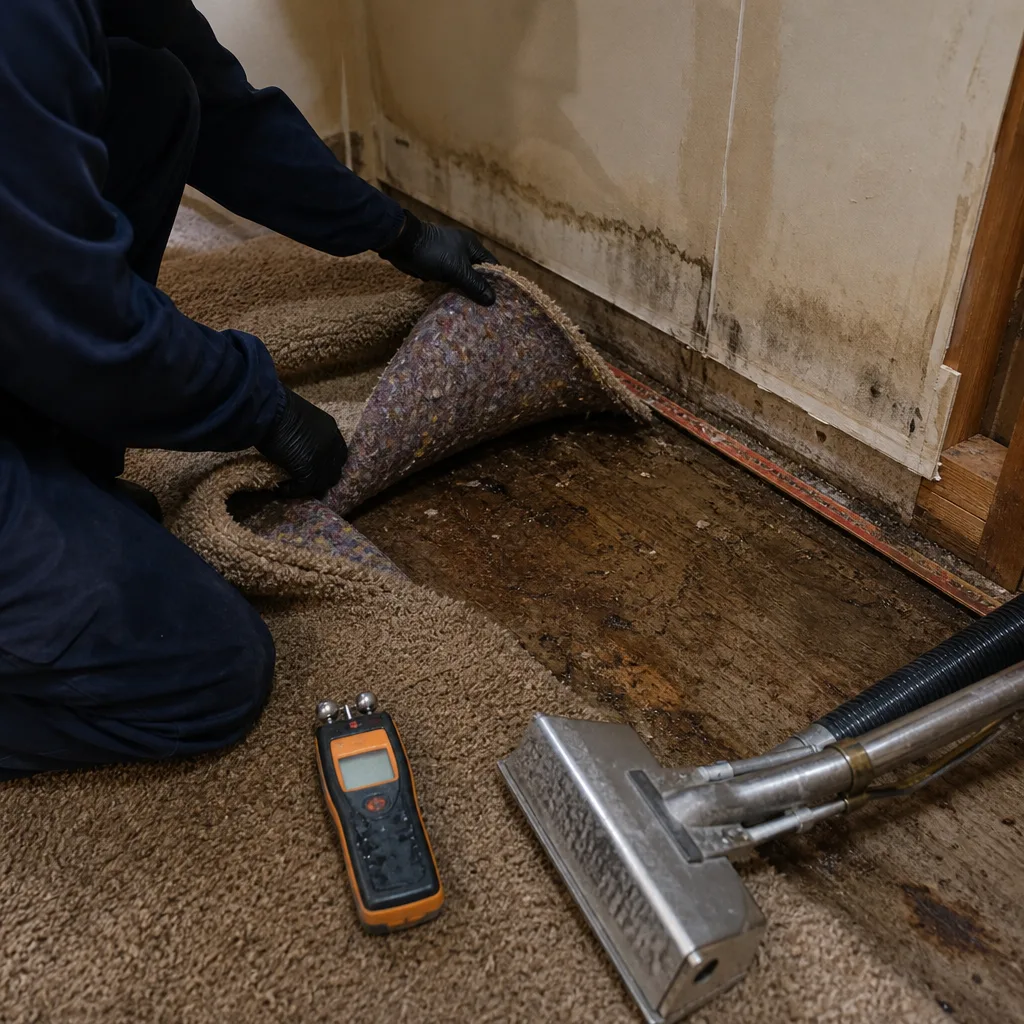
- Why Documentation Beats Reviews Every Time
- The Six Documents to Request Before Signing
- How to Verify IICRC Certification (and What It Actually Means)
- Red Flags Specific to Post-Storm Everett
- How to Compare Bids at the Line-Item Level
- What a Compliant Assignment of Benefits Should Look Like
- Common Mistakes to Avoid
- When to Call a Professional
- Frequently Asked Questions
- The Bottom Line
BeforeAfterWhy Documentation Beats Reviews Every Time
Reviews measure how someone felt about a contractor. Your insurer measures whether the contractor’s paperwork proves the loss happened, proves what was damaged, and proves the repair cost was necessary and customary. These are different jobs, and a contractor can excel at one while failing the other.
Here’s what we’ve learned from 12,000 homes since 2011, many of them right here in Everett: the claims that get paid without dispute are the ones where the documentation file arrives before the adjuster even asks for it. The claims that drag on for months, or get partially denied, or land in appraisal, almost always trace back to the same gaps. No photo of the pre-loss condition. No drying log with daily moisture content readings taken with a calibrated thermo-hygrometer. No written scope that separates emergency mitigation from reconstruction. No equipment list that matches the dehumidification capacity to the affected cubic footage using psychrometric calculations.
Psychrometric data sounds technical, but it’s simple in practice. It’s the measurement of temperature, relative humidity, and vapor pressure that tells you whether the air in your affected room can still absorb moisture from wet materials, or whether the dehumidifier is just spinning its wheels. A contractor who can’t produce a daily psychrometric log isn’t controlling the drying environment. They’re guessing. And insurers have learned to spot guesswork.
The documentation-first approach isn’t about being difficult. It’s about building a claim file that answers questions before they’re asked. When we arrive at a water loss in the Delta neighborhood or a mold remediation near Silver Lake, we start the photo record before we touch anything. Homeowners looking for more guidance can explore our Water Damage Restoration Maintenance Checklist for Everett Homeowners. We measure moisture content in every affected material with a penetrating meter, and we record the readings by room, by surface, by date. The homeowner gets a copy. The insurer gets a copy. No one has to reconstruct what happened from memory three weeks later.
This matters in Everett’s climate specifically. Our wet season runs October through April, with humidity that hangs in the 80s for weeks. Basements in older homes near the waterfront, crawl spaces in the Riverside area, and wall cavities in post-war construction all dry differently than the same assemblies would in Arizona or Colorado. A contractor who applies a generic drying protocol without adjusting for local vapor pressure conditions will either over-dry (damaging materials) or under-dry (leaving moisture that breeds mold). The documentation proves which approach was taken, and why.
Before you read a single review, ask this: will this contractor’s paperwork get my claim paid? If they can’t explain their documentation protocol in plain language, keep looking.
The Six Documents to Request Before Signing
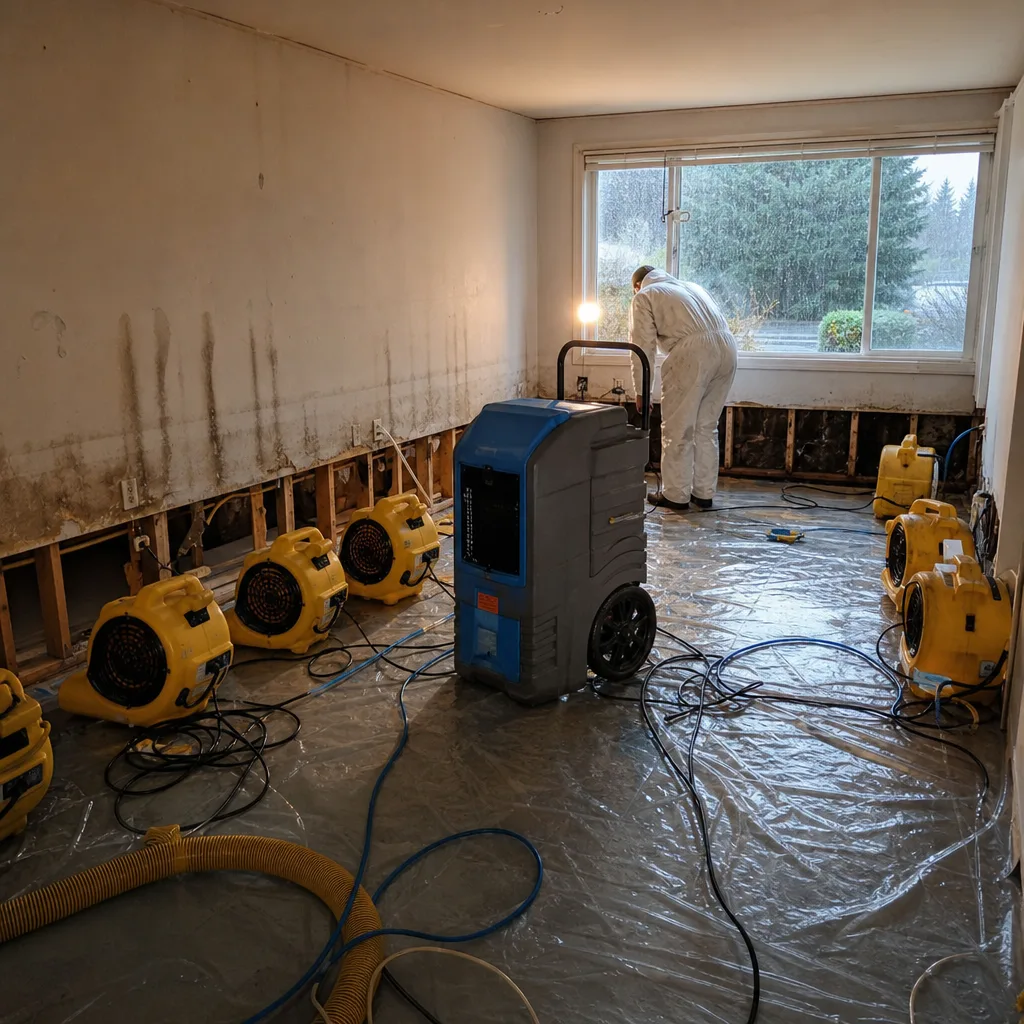
Every restoration authorization you sign should be preceded by a complete document package. Not “we’ll email that later.” Not “it’s in the truck.” In your hands, reviewed, with your questions answered, before any work begins. Here are the six documents, what each should contain, and why your adjuster will ask for them.
1. Written Scope of Work
This is the narrative of what happened and what will be done about it. It should identify the loss type (Category 1, 2, or 3 water; Class 1-4 damage), the affected rooms or areas, the materials involved, and the work phases: emergency mitigation, structural drying, cleaning, reconstruction. Each phase should have a stop point defined in writing. In Everett, where many homes have original plaster or lathe construction in the older neighborhoods near downtown, the scope should specifically address whether affected historic materials will be dried in place or removed. Removal of plaster without documentation of unsalvageability is a common dispute trigger.
2. Line-Item Estimate
Not a single number. Not a “range.” A line-item estimate with quantities, unit prices, and extended totals for each discrete task. This lets you compare apples to apples with other bids, and it lets your adjuster verify that each line item is priced within customary and reasonable ranges for the Everett-Snohomish County market. The estimate should separate emergency services (mitigation) from non-emergency services (reconstruction). Mixing these phases in a single lump sum is a red flag; it prevents you from releasing the mitigation contractor and selecting a separate reconstruction contractor if you choose.
3. Equipment List with Serial Numbers
Every dehumidifier, air mover, and air scrubber placed on your job should be listed by manufacturer, model, and serial number. This proves the equipment exists, that it’s the correct capacity for your loss, and that it was actually on site. We’ve seen estimates that bill for three LGR dehumidifiers and deliver one residential unit from a big-box store. Serial numbers prevent this. The list should also note the placement location of each unit and the date placed. For Everett’s climate, expect to see commercial-grade equipment from manufacturers like Dri-Eaz, Phoenix, or B-Air, sized to the affected cubic footage with documented calculations.
4. Drying Protocol
This document describes the target conditions and the measurement plan. It should specify the target moisture content for each material type (dry standard for Douglas fir framing in the Pacific Northwest is typically 12-15%, not the 6-8% you’d see in Arizona). It should state how often readings will be taken, with what instruments, and where the readings will be recorded. The protocol should also define the drying goal: return to pre-loss condition, or to a specific industry standard. Without this document, you have no basis to claim the job is complete, and your insurer has no basis to pay for the days of equipment rental billed.
5. Photo Schedule
Not “we take photos.” A written schedule of what will be photographed, when, and from what angles. Minimum standard: pre-loss condition (or post-loss, pre-mitigation), equipment placement, moisture readings with instrument visible in frame, progressive drying, and post-mitigation condition. In Everett, where we document water damage restoration jobs from initial loss through final walkthrough, we provide the complete photo record as a standard deliverable, not an upsell. Ask when you’ll receive the photos and in what format. “We’ll put them on a USB” three weeks after the job is not a photo schedule.
6. Lien Waiver Terms
Restoration contractors in Washington have lien rights on your property for unpaid work. The authorization form should specify when lien rights will be waived (typically upon final payment), whether partial waivers will be provided as progress payments are made, and how disputes will be resolved. A contractor who won’t discuss lien waiver terms, or whose authorization grants them blanket lien rights without conditions, is positioning to pressure your insurer through your property title. This is especially common with out-of-area contractors who follow storm events into Snohomish County.
Haven Standard, Clause 1: a written price before work begins, every time, with no exceptions. If a contractor won’t put these six documents in your hands before you sign, they haven’t met the minimum documentation threshold that your claim will eventually require.
How to Verify IICRC Certification (and What It Actually Means)
IICRC, the Institute of Inspection Cleaning and Restoration Certification, sets the industry standards for water damage restoration (S500), mold remediation (S520), and fire and smoke damage restoration (S700). But “IICRC certified” on a website doesn’t mean what most homeowners assume. Here’s how to verify what’s actually being claimed, and what difference it makes on your job.
Step 1: Distinguish Company Certification from Technician Certification
A company can be an “IICRC Certified Firm” while the technician who shows up at your door has never passed an IICRC exam. The firm certification means the company carries required insurance, has a written customer complaint policy, and commits to ongoing education. It does not mean every employee is certified. Ask specifically: who on my job holds current IICRC certifications in the relevant standard, and what are their certification numbers?
Step 2: Verify the Certification is Current
IICRC certifications expire. Water Damage Restoration Technician (WRT) and Applied Structural Drying (ASD) certifications must be renewed through continuing education. The verification process is simple: ask for the technician’s full name and certification number, then confirm it through IICRC’s online directory or by calling IICRC directly. A contractor who won’t provide this information, or who provides only a company certificate without individual technician credentials, is asking you to trust what you cannot verify.
Step 3: Understand What S500 Actually Requires
The IICRC S500 Standard for Professional Water Damage Restoration is a procedural document, not a marketing badge. It specifies how moisture should be measured, how drying equipment should be selected and placed, how progress should be documented, and how completion should be determined. A contractor certified to S500 should be able to explain, in plain language, how they apply each of these requirements to your specific loss.
For example, S500 requires that drying progress be documented with “psychrometric data” - the temperature, relative humidity, and specific humidity readings that prove the drying environment is controlled. A certified technician should take these readings daily, with calibrated instruments, and record them in a log you can review. They should also calculate the “vapor pressure differential,” which is the difference between the vapor pressure in the affected material and the vapor pressure in the surrounding air. Positive differential means moisture is still leaving the material; negative or flat differential means the drying plan isn’t working and needs adjustment.
We’ve seen contractors in Everett with current WRT certifications who never produce a psychrometric log. The certification was real once. The practice didn’t follow. Verification means checking not just that the paper exists, but that the protocol it represents is being followed on your job.
Step 4: Ask About Supplementary Standards
For mold remediation, IICRC S520 is the base standard, but it references additional guidance from organizations like RIA (Restoration Industry Association) and IFA (Indoor Air Quality Association). For fire damage, S700 references content cleaning standards that affect whether your possessions are cleaned on site or packed out. A contractor who can discuss how these standards interact is demonstrating depth of knowledge. One who treats each certification as a standalone credential may be missing the connections that affect your coverage.
At Water Damage Restoration in Everett, we document to IICRC, RIA, and IFA standards as a matter of course, not as an upgrade. The daily moisture logs, psychrometric data, and equipment verification records we produce are the documentation that turns restoration invoices into payable insurance claims.
Red Flags Specific to Post-Storm Everett
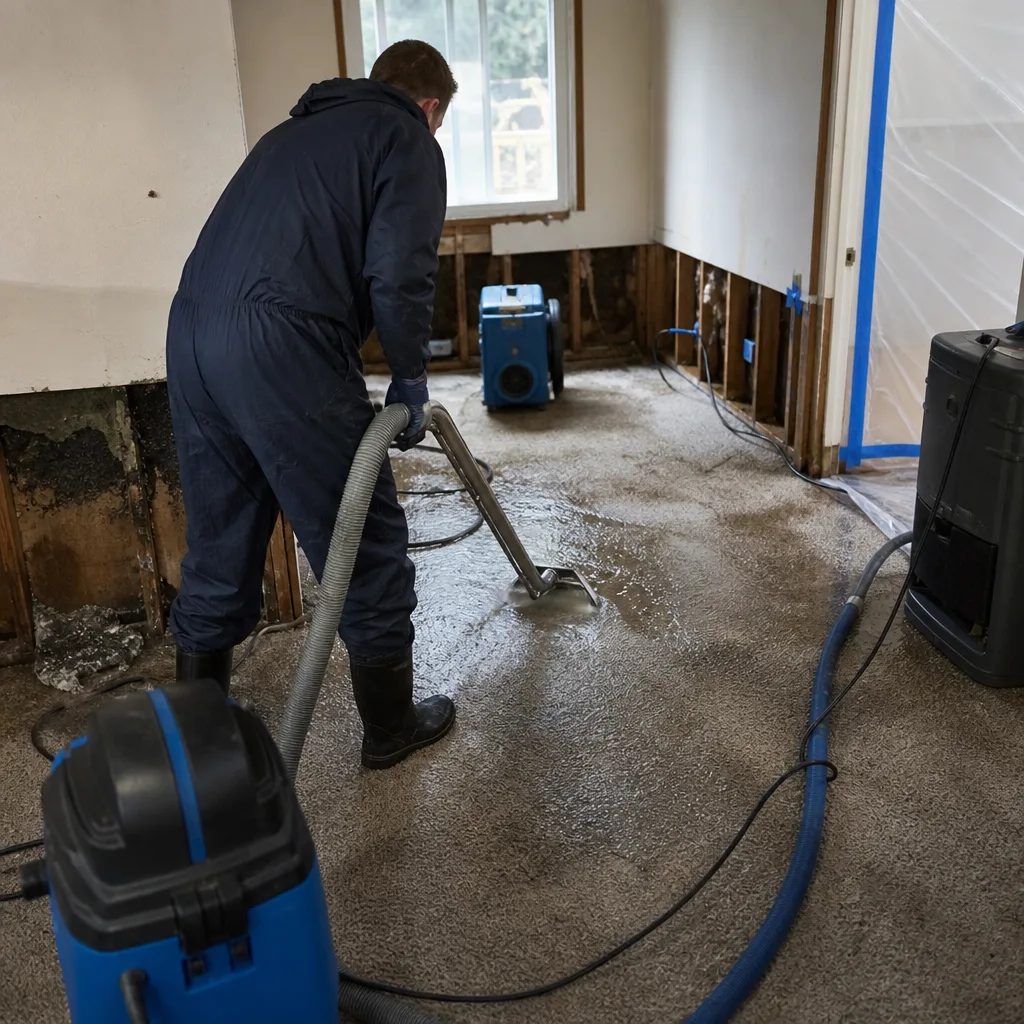
Snohomish County sees its share of weather events that draw contractors from outside the region. The November 2021 atmospheric river that flooded the Snohomish River basin brought crews from as far as Texas and Florida. Some were legitimate. Many were not. Here’s what to watch for in Everett specifically.
Out-of-Area License Plates and Mailing Addresses
Washington requires restoration contractors to hold a valid contractor registration with the Department of Labor and Industries. The registration includes a Washington Unified Business Identifier (UBI) number that you can verify online. Ask for the UBI number and check it. A contractor with an active registration will provide it immediately. One who hesitates, or who provides an out-of-state license number and promises to “get Washington paperwork soon,” is operating illegally and exposing you to liability if a worker is injured on your property.
Pressure to Sign Before Your Adjuster Arrives
The standard line: “We can start now and save your house, but we need you to sign this authorization first.” Emergency mitigation does need to begin quickly to prevent secondary damage. But a written scope and line-item estimate can be produced in under an hour for most residential losses. A contractor who won’t take that hour, or who claims your insurer “doesn’t need to see it first,” is either ignorant of how claims actually work or deliberately circumventing the documentation process that protects you.
Requests for Upfront Payment or Assignment of Full Benefits
Legitimate restoration contractors in Everett bill your insurer directly for covered losses, with you responsible only for your deductible and any non-covered items. A contractor who demands a large deposit, or who presents an Assignment of Benefits form that grants them the right to negotiate your entire claim and receive all insurance payments, is structuring the transaction to their advantage, not yours. We’ll cover compliant Assignment of Benefits language in the next section.
Vague Equipment Descriptions
“Industrial dehumidifiers” is not a description. “Two LGR units, one desiccant, four axial air movers, one HEPA air scrubber” is a description you can verify. Storm-chasing contractors often rent consumer-grade equipment and bill it at commercial rates. The equipment list with serial numbers, requested above, exposes this practice immediately.
No Local Physical Address
A contractor operating from a hotel room or a storage unit for the duration of a storm event has no stake in local reputation. They’ll be gone when problems surface. Ask for their Everett-area business address and verify it exists. Check how long they’ve held that address. A legitimate local contractor like DryMark Restoration Everett home has operated continuously from the same region since 2011, with records you can verify.
Promises to “Handle Everything” with Your Insurer
This sounds like relief. It often means the contractor will submit inflated or undocumented charges, then pressure you to sign off when the insurer disputes them. The result: you become the party responsible for the difference between what the contractor billed and what the insurer paid. A contractor who promises to “work with your adjuster” is offering transparency. One who promises to “handle everything” is offering to control information you need to see.
How to Compare Bids at the Line-Item Level
The total at the bottom of an estimate is the least useful number for comparison. Two bids with identical totals can describe completely different scopes of work. One can include services you’ll actually need; the other can exclude them, guaranteeing change orders and disputes later. Here’s how to read bids so the differences are visible before you sign.
Align the Categories First
Separate each bid into: emergency mitigation (water extraction, demolition, equipment setup), structural drying (daily monitoring, equipment rental), cleaning (antimicrobial application, HEPA vacuuming, content cleaning), and reconstruction (repairs to return to pre-loss condition). A bid that combines these phases, or that omits one entirely, is not comparable to a bid that breaks them out. In Everett’s market, a typical residential water loss might run $3,200-$5,800 for mitigation and drying alone, with reconstruction priced separately after the structure is dry. A single total that claims to cover “everything” without defining the phases is a scope trap.
Check for Antimicrobial Treatment
Category 2 or 3 water losses, which include any water that has passed through building materials or contains potential contaminants, require antimicrobial treatment per IICRC S500. A lower bid that excludes this treatment is not saving you money. It’s creating a condition where mold growth becomes likely, and your insurer may later deny the resulting mold claim as secondary damage that proper mitigation would have prevented. The line item should specify the product by EPA registration number and the application method.
Verify Post-Drying Clearance Testing
Completion of structural drying should be determined by moisture content readings, not by a schedule. But some insurers and some contractors treat “five days of drying” as the endpoint regardless of actual conditions. A proper bid includes either: a defined drying goal with daily documentation, or third-party clearance testing by an independent inspector. The absence of either mechanism means no one is verifying that drying is actually complete before reconstruction begins. In Everett’s damp climate, this is a critical gap.
Compare Equipment Quantities and Durations
Two bids might each list “dehumidifiers,” but one specifies a 70-pint LGR unit for 5 days and the other a 130-pint LGR for 3 days. The total equipment cost might be similar, but the drying capacity and timeline differ significantly. For a 1,200 square foot affected area with 8-foot ceilings, the IICRC S500 formula suggests approximately 100-130 pints of dehumidification capacity per day for initial setup. A bid with insufficient capacity will extend drying time, increasing your displacement and potentially your additional living expense claim.
Watch for Excluded Permit and Code Compliance Costs
Restoration work in Everett may require permits from the City of Everett Building Division, particularly for reconstruction involving electrical, plumbing, or structural repairs. A bid that excludes permit costs, or that assumes work can proceed without permits, is underpriced and non-compliant. The line-item estimate should either include permit fees or explicitly note that they will be added when the scope is finalized.
The Free Second Opinion we offer at DryMark Restoration Everett exists for exactly this situation. Browse our more guides & resources for additional homeowner support. Bring us a competitor’s written estimate and we’ll review it at no charge, line by line, against what your documentation file will need to support.
What a Compliant Assignment of Benefits Should Look Like
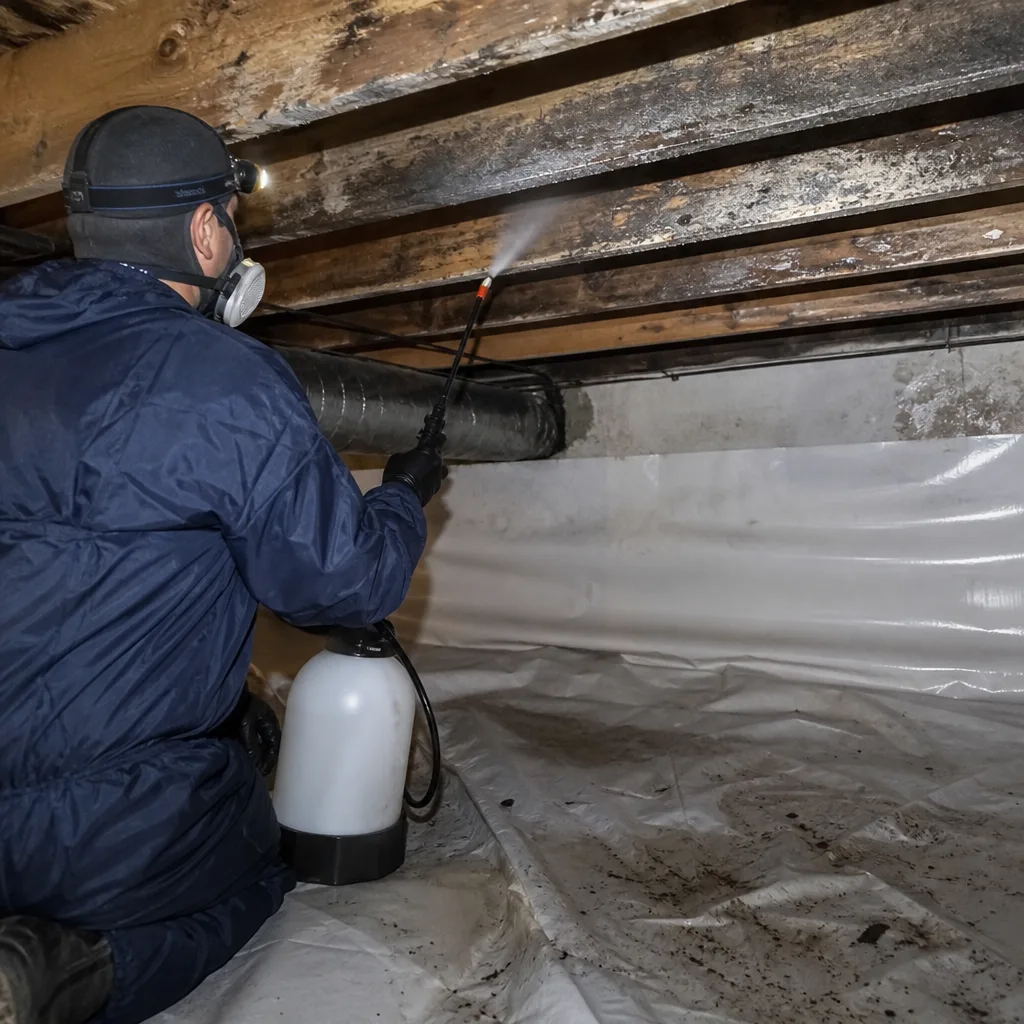
Assignment of Benefits (AOB) is a legal document that transfers some or all of your insurance policy benefits to the contractor. In some states, AOB abuse has become so widespread that legislatures have restricted or banned the practice. Washington has not banned AOB, but the form you sign matters enormously. Here’s what to look for, and what to refuse.
Limited vs. Unlimited Assignment
A compliant AOB assigns only the right to payment for completed work, up to the amount approved by your insurer. It does not assign the right to negotiate your claim, to sue your insurer on your behalf, to settle disputes, or to make coverage decisions. The document should state explicitly: “This assignment is limited to the right to receive payment for work performed and documented under the attached scope and estimate. All other policy rights remain with the insured.”
Your Right to Terminate
A compliant AOB includes your right to terminate the assignment with written notice, typically 30 days, and specifies that termination does not affect your obligation to pay for work already completed and documented. An AOB that locks you in for the duration of the claim, or that imposes penalties for termination, is a control mechanism, not a payment convenience.
No Attorney Fee Provisions
Some AOB forms include one-way attorney fee provisions that require your insurer to pay the contractor’s legal fees if there’s a dispute, but don’t require the contractor to pay yours if they lose. These provisions incentivize the contractor to litigate rather than negotiate. A compliant AOB either omits attorney fees entirely or includes mutual provisions that apply equally to both parties.
Your Adjuster’s Copy Requirement
A compliant AOB requires the contractor to provide your adjuster with a complete copy of all work documentation, including the written scope, daily logs, photo record, and final invoice, within a specified timeframe. This prevents the contractor from withholding documentation to pressure payment. The AOB should state: “Contractor shall provide complete documentation to insurer’s adjuster within 5 business days of request.”
What to Refuse Absolutely
Never sign an AOB that: grants the contractor power of attorney; authorizes the contractor to endorse insurance checks on your behalf; requires you to cooperate with the contractor’s chosen attorney against your insurer; or prohibits you from communicating directly with your adjuster. These provisions appear in AOB forms used by disreputable contractors, particularly those who follow storms into new markets where homeowners are stressed and documentation standards are unfamiliar.
In Everett, we’ve reviewed AOB forms from out-of-area contractors that contained three of these prohibited provisions in a single page. The homeowner had already signed. Unwinding that arrangement took months and required legal assistance that the homeowner hadn’t budgeted for.
If you’re unsure about an AOB form, request a copy in advance and review it with your adjuster or an attorney before signing. A legitimate contractor will not pressure you to sign immediately. Haven Standard, Clause 1 applies here too: a written price before work begins, with all documentation in your hands for review.
Common Mistakes to Avoid
- Choosing by response time alone. Speed matters in water damage, but a contractor who arrives in 30 minutes without documentation capability is not better than one who arrives in 90 minutes with a complete protocol. In Everett’s Riverside or Bayside neighborhoods, where older plumbing can fail catastrophically, the first two hours are for stopping the source and assessing the scope, not for starting demolition without a plan.
- Accepting a verbal estimate. Verbal estimates cannot be submitted to insurance, cannot be compared to other bids, and cannot be enforced if the final invoice differs. Every estimate must be in writing, line-itemed, and signed by both parties before work begins. Haven Standard, Clause 1 exists because verbal pricing is where most restoration disputes begin.
- Not verifying the contractor’s local license. Washington’s L&I contractor lookup takes two minutes. Use it. An unregistered contractor who performs work on your property exposes you to liability for worker injuries and leaves you with no recourse if the work fails. This is especially important after regional storm events when out-of-area operators flood the market.
- Ignoring the equipment list. A contractor who bills for equipment they didn’t place, or who places inadequate equipment and extends the drying timeline, costs you in extended displacement and additional living expenses. The equipment list with serial numbers, placed before work begins, prevents both problems.
- Signing an open-ended authorization. The authorization form should define the scope, the price, and the stop point for each phase. An authorization that grants the contractor discretion to “perform all necessary work” without defined limits is a blank check. We’ve seen these authorizations produce invoices 300% above the initial “estimate.”
- Failing to document pre-existing conditions. Before any mitigation work begins, photograph your property’s condition, including areas not affected by the loss. This protects you if the contractor damages unaffected areas and claims they were pre-existing. Your photo record and the contractor’s photo record together create a complete baseline.
- Not asking about the drying completion standard. “When it’s dry” is not a standard. “When moisture content readings return to within 3% of dry standard for this material and location, documented across three consecutive days” is a standard. Ask which standard the contractor uses, and how it will be documented.
When to Call a Professional
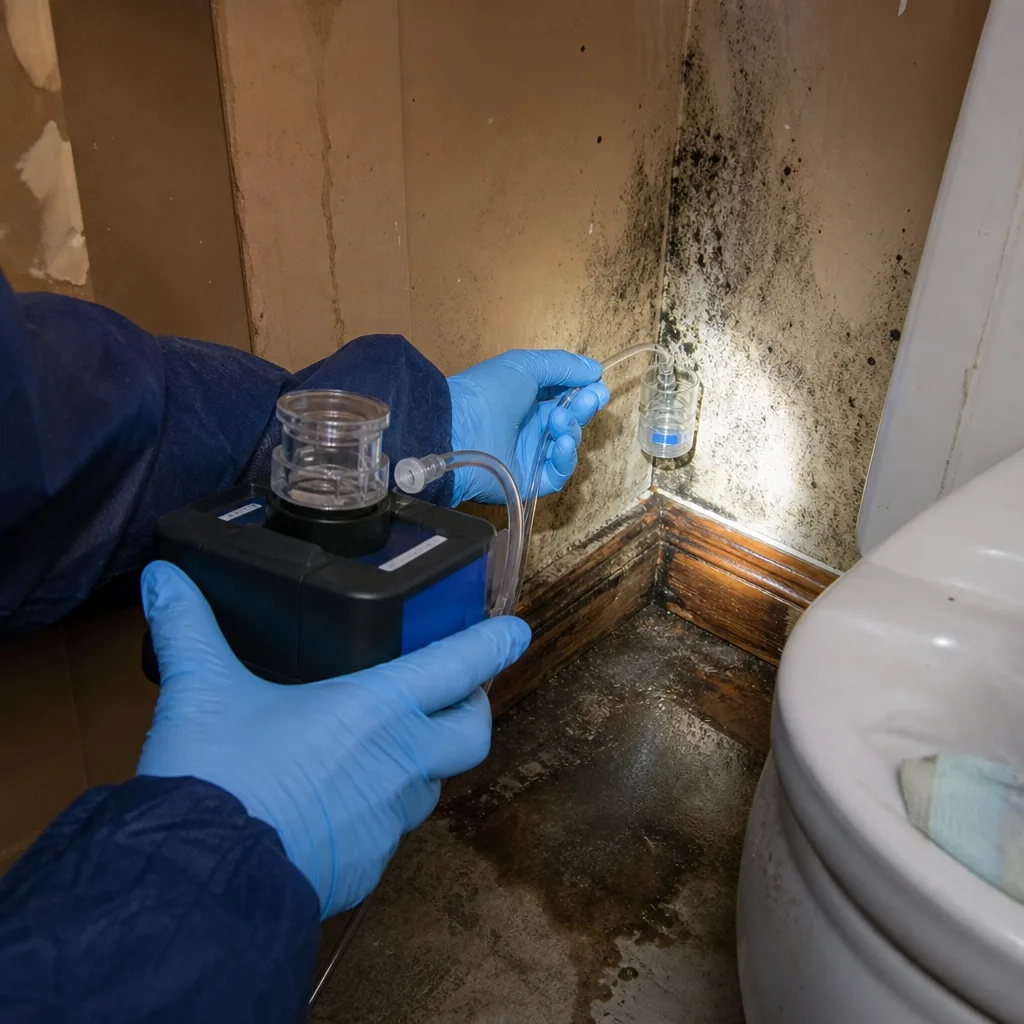
Some situations require immediate professional intervention regardless of your DIY capability. Call a damage restoration contractor in Everett if: water has affected finished walls or ceilings; the water source is Category 2 or 3 (dishwasher discharge, washing machine overflow, sewage, or any water that has passed through building materials); you smell mold but cannot locate the source; fire damage has affected structural members or HVAC systems; or storm damage has compromised your roof or exterior envelope and water is still entering.
In these scenarios, speed of response prevents secondary damage, but speed without documentation creates claim problems later. The contractor you call should be able to begin emergency mitigation and produce the six-document package within the first work period.
DryMark Restoration Everett offers free estimates in Everett. Our live dispatch answers every call, 24 hours a day, 7 days a week, with no voicemail on emergency lines. Call (360) 502-8815 for a documented assessment and a written price before any work begins. For Mold Remediation in Everett or Fire & Smoke Damage Restoration in Everett, we apply the same documentation protocol that has supported 12,000 homes since 2011.
Frequently Asked Questions
Water damage mitigation in Everett typically ranges from $3,200 to $5,800 for residential losses affecting 1,000-2,000 square feet, with reconstruction priced separately after drying is complete. Mold remediation ranges from $2,800 to $8,500 depending on affected square footage and whether containment requires negative air pressure. Fire and smoke damage restoration starts around $4,500 for limited structural cleaning and extends significantly if content pack-out and reconstruction are needed. These ranges reflect Snohomish County labor rates and material costs as of 2024-2025. Every job receives a written line-item estimate before work begins, with no exceptions. Call (360) 502-8815 for an exact quote specific to your loss.
Your insurance covers what your policy describes as covered perils, subject to your deductible and policy limits. The contractor’s job is to document that the work performed was necessary, customary, and reasonable, producing the proof-of-loss standard your adjuster must apply. We coordinate directly with adjusters, providing photo documentation, drying logs, and written scopes that support coverage determinations. We do not guarantee coverage, which is between you and your insurer, but we do guarantee that our documentation file will meet the standard your adjuster needs to process your claim without dispute over the work itself.
For emergency water damage, our live dispatch answers immediately and crews are typically en route within 60-90 minutes for Everett addresses from Delta to Silver Lake to the waterfront. Response time varies by current demand, particularly after regional storm events. What matters as much as arrival time is what the crew brings: documented assessment capability, calibrated moisture detection equipment, and the written scope protocol that begins your claim file correctly from hour one. Call (360) 502-8815 for current response times.
For Category 1 water losses affecting less than 50 square feet of non-porous materials, self-drying with adequate airflow and dehumidification may be sufficient. For anything larger, anything involving porous materials like drywall or carpet pad, any Category 2 or 3 water, or any suspected mold, professional remediation is necessary for three reasons: proper drying requires equipment and measurement capability most homeowners don’t have; incomplete drying creates mold conditions that may not be visible for weeks; and your insurer will require professional documentation to cover any resulting damage. The cost of professional mitigation is almost always less than the cost of uncovered secondary damage.
You retain all rights to communicate with your adjuster unless you’ve signed a limited Assignment of Benefits. A legitimate contractor provides documentation to your adjuster as a service, not as a replacement for your involvement. We recommend that you remain in direct contact with your adjuster, with us copied on all documentation we provide. This prevents information gaps and ensures you understand coverage decisions as they’re made. We do not negotiate your claim on your behalf; we document the work so your adjuster can evaluate it efficiently.
Politely decline immediate service and verify three things before proceeding: their Washington contractor registration number through L&I’s online lookup; their local Everett-area business address and how long they’ve maintained it; and their willingness to provide the six-document package before you sign anything. Legitimate contractors who travel to assist with storm response will have no objection to verification. Those who pressure you to sign immediately, who cannot provide a Washington license, or who operate from temporary local accommodations should be declined. Report unlicensed contractors to the Washington State Department of Labor and Industries.
The Bottom Line
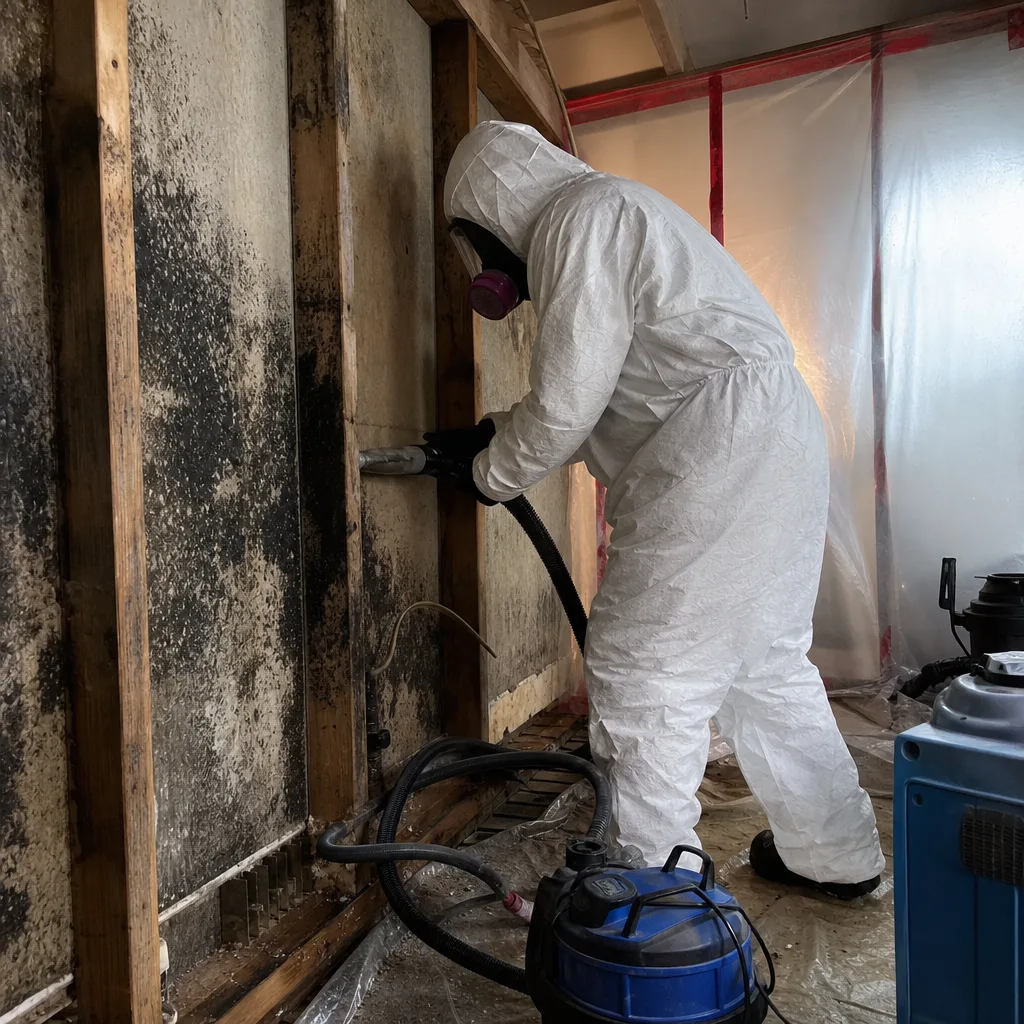
Hiring a damage restoration contractor in Everett comes down to one question that reviews and referrals cannot answer: will this contractor’s documentation get your claim paid without a fight? The six documents, the verified certifications, the line-item bid comparison, and the limited Assignment of Benefits are the tools that separate contractors who understand insurance documentation from those who leave you holding the dispute. In a market where winter rains and river basin flooding keep crews busy year-round, the contractor who begins with a written scope, a photo record, and a drying protocol is the contractor who ends with a paid claim and a finished home. Everything else is secondary.
Written by Alicia Brennan, Owner at DryMark Restoration Everett, serving Everett since 2011.