
Last updated September 23, 2026
Free visual inspection and a written scope of work before any mitigation begins - photos, moisture readings, and drying logs go in your claim file
The scope we write is the scope we bill. Anything new gets shown to you, in writing, before we touch it.
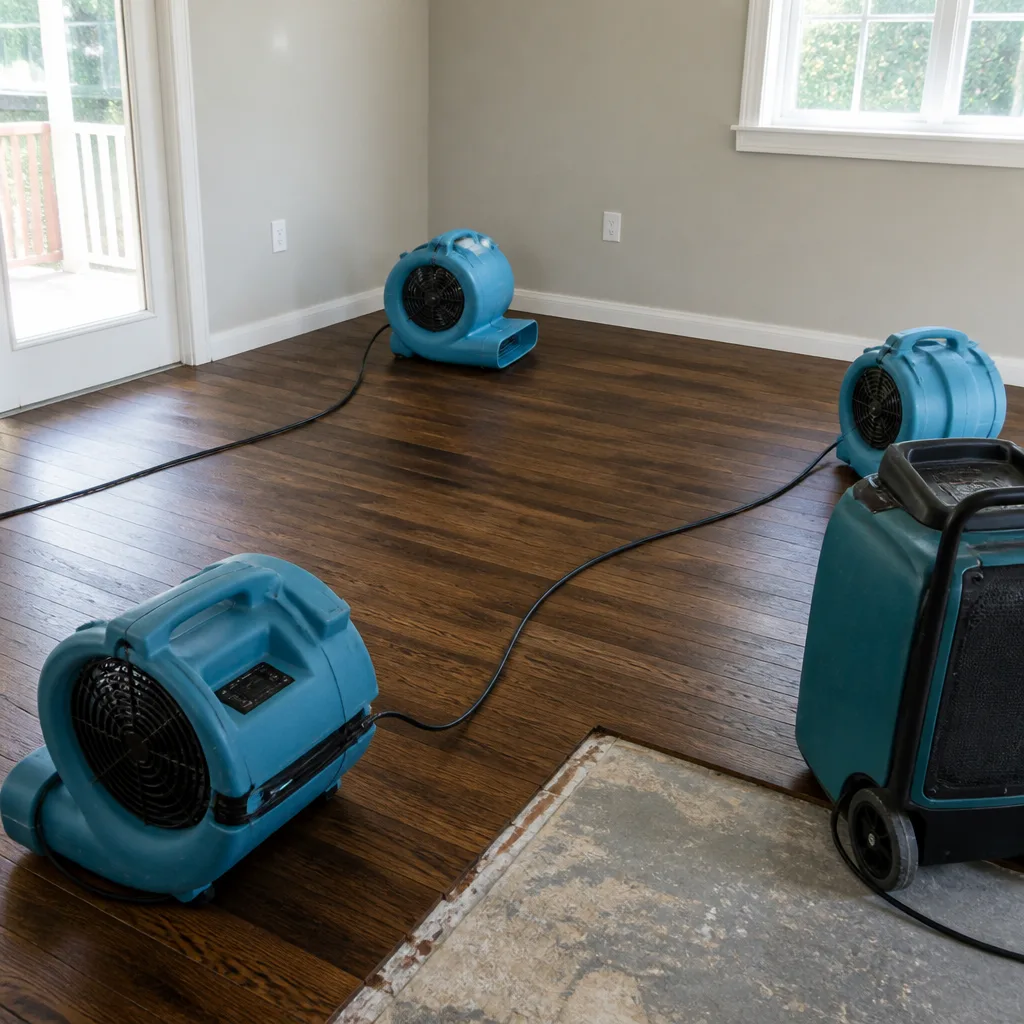
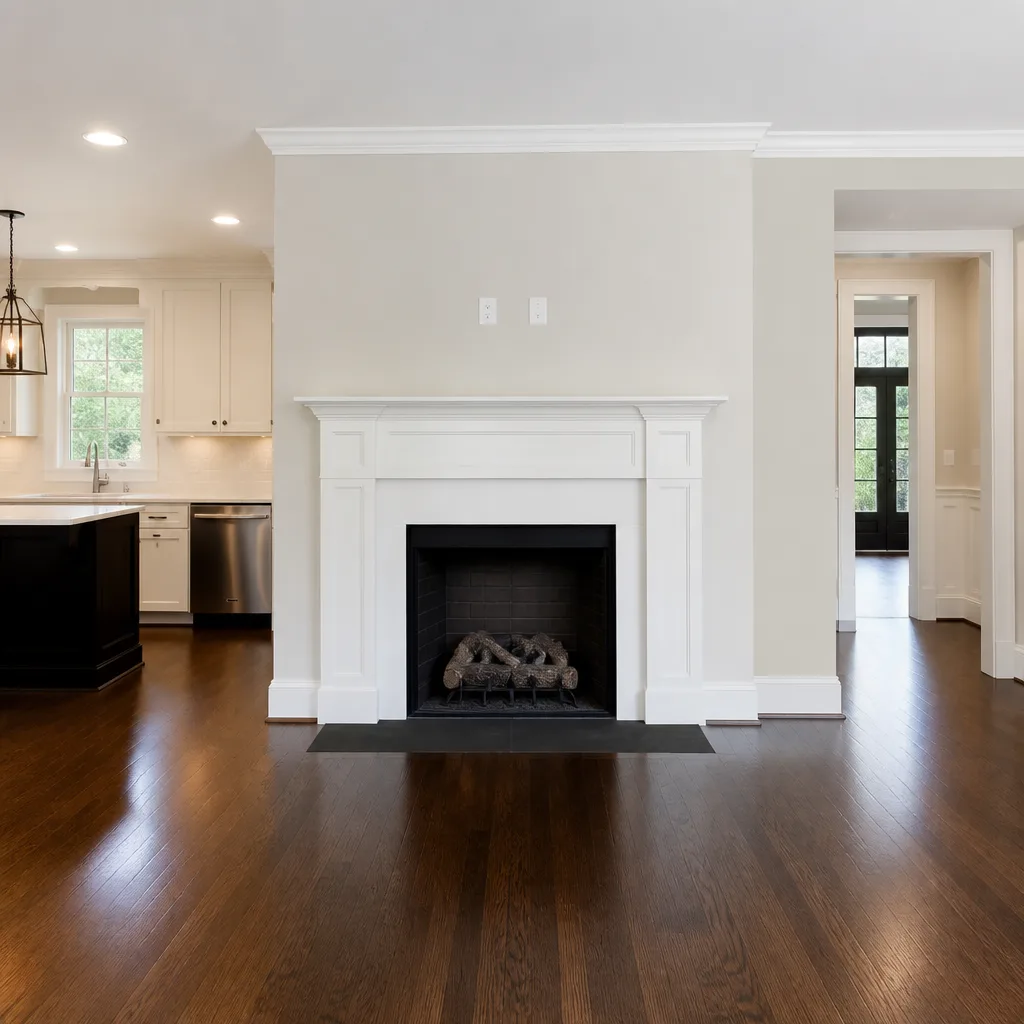
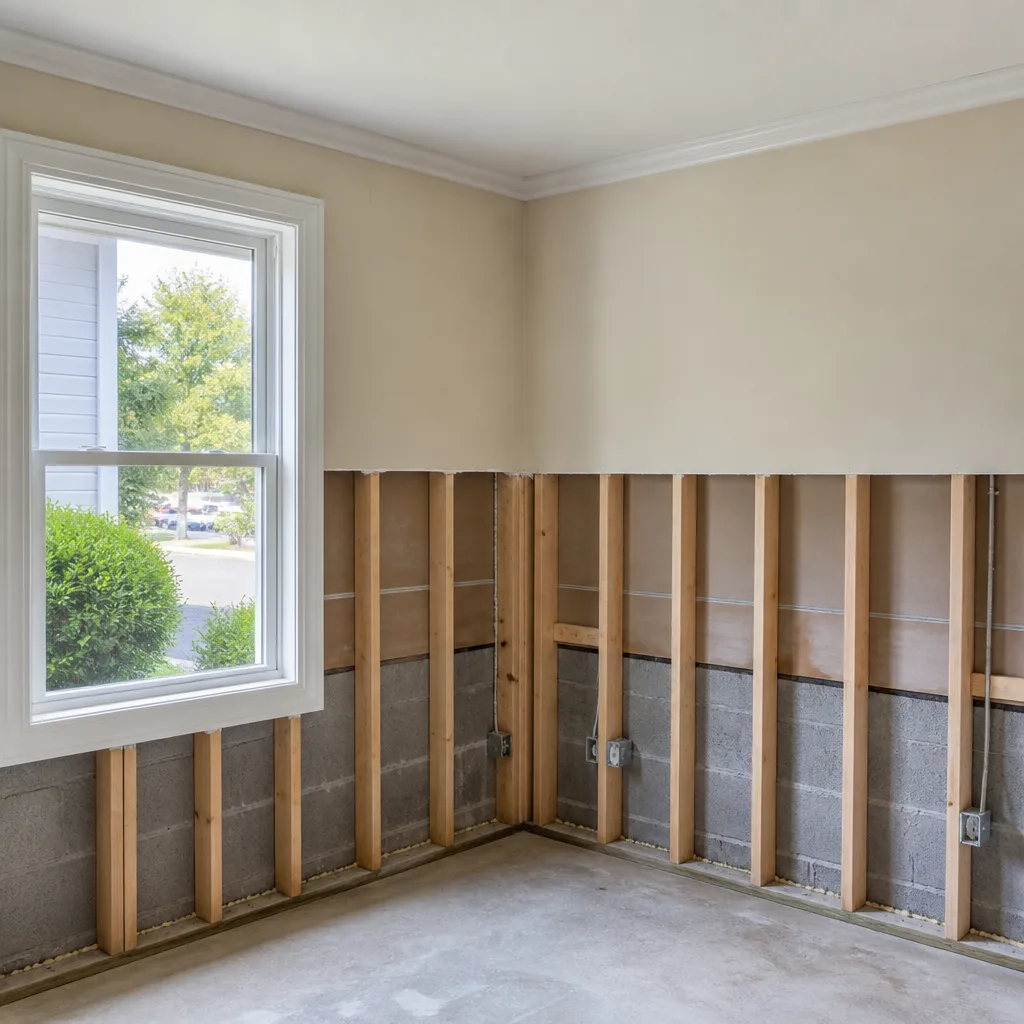

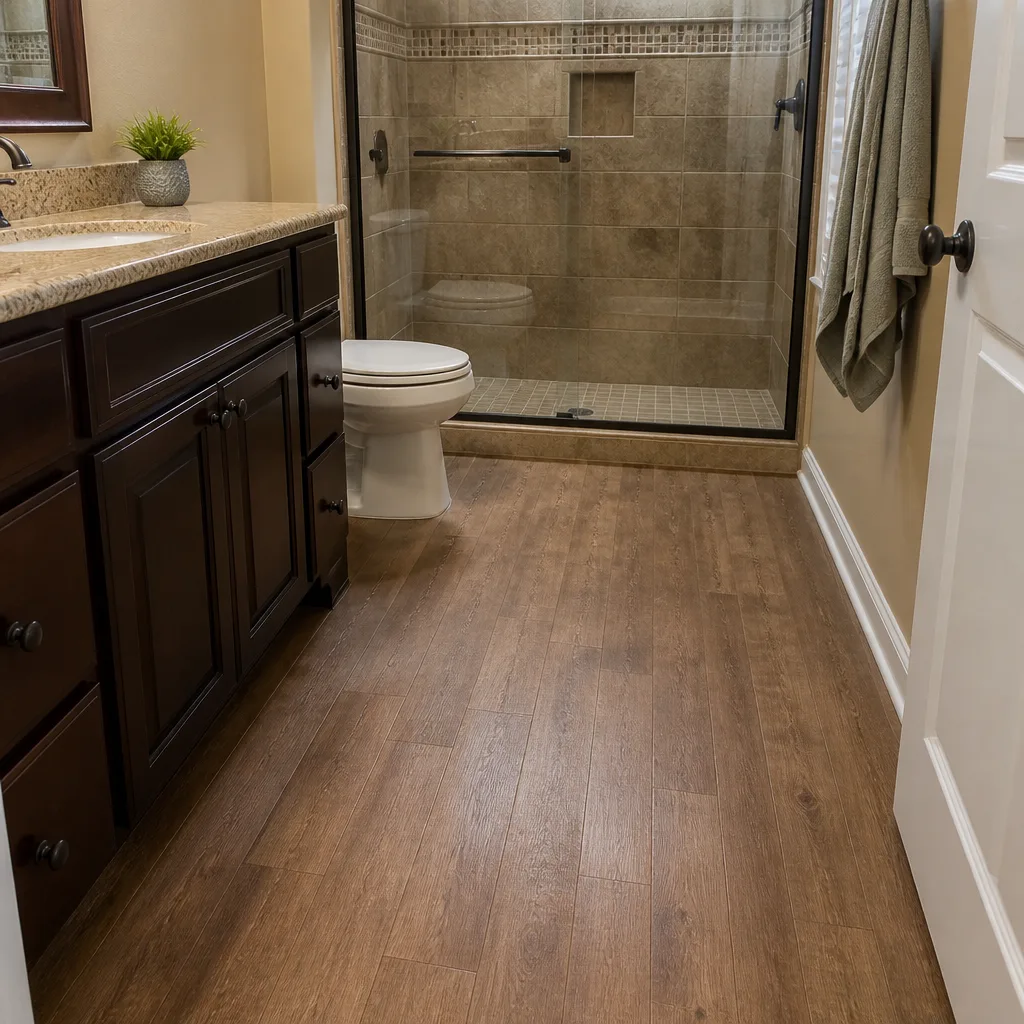
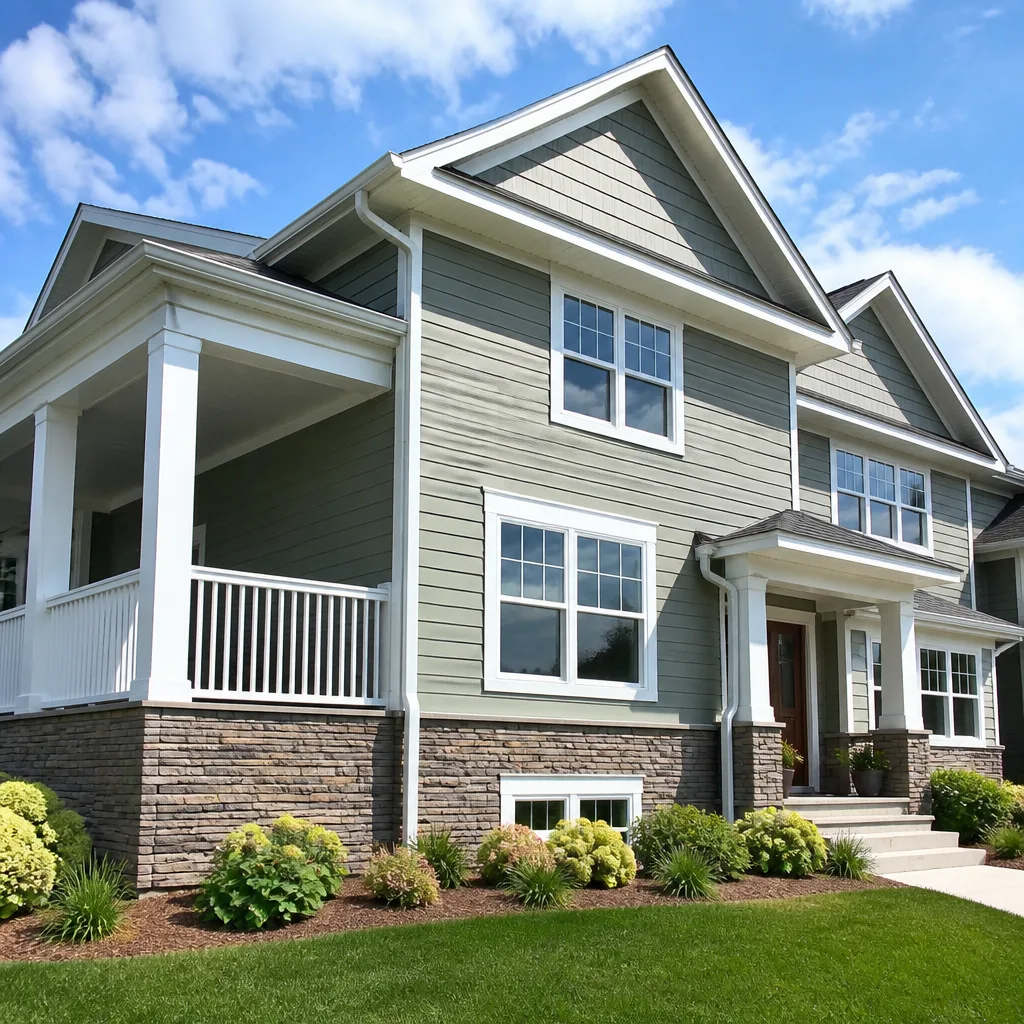
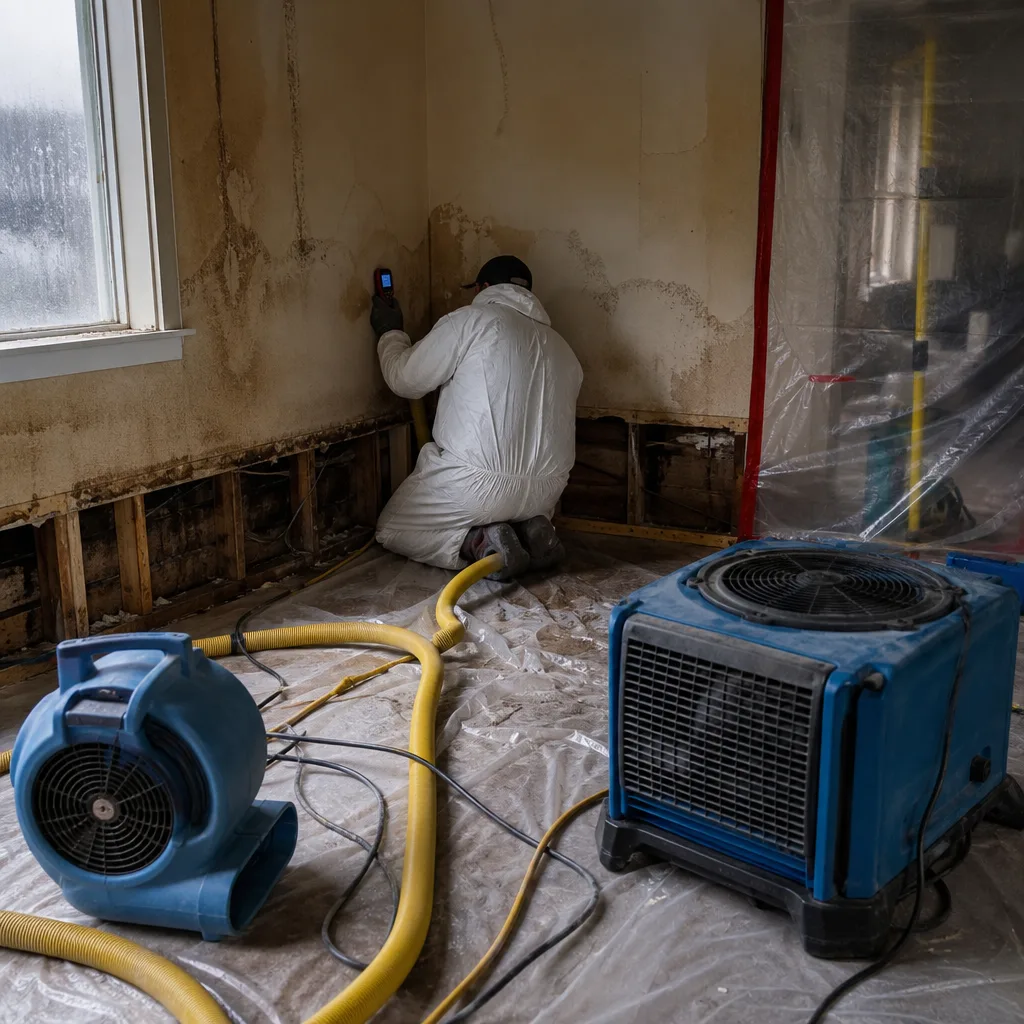 Before
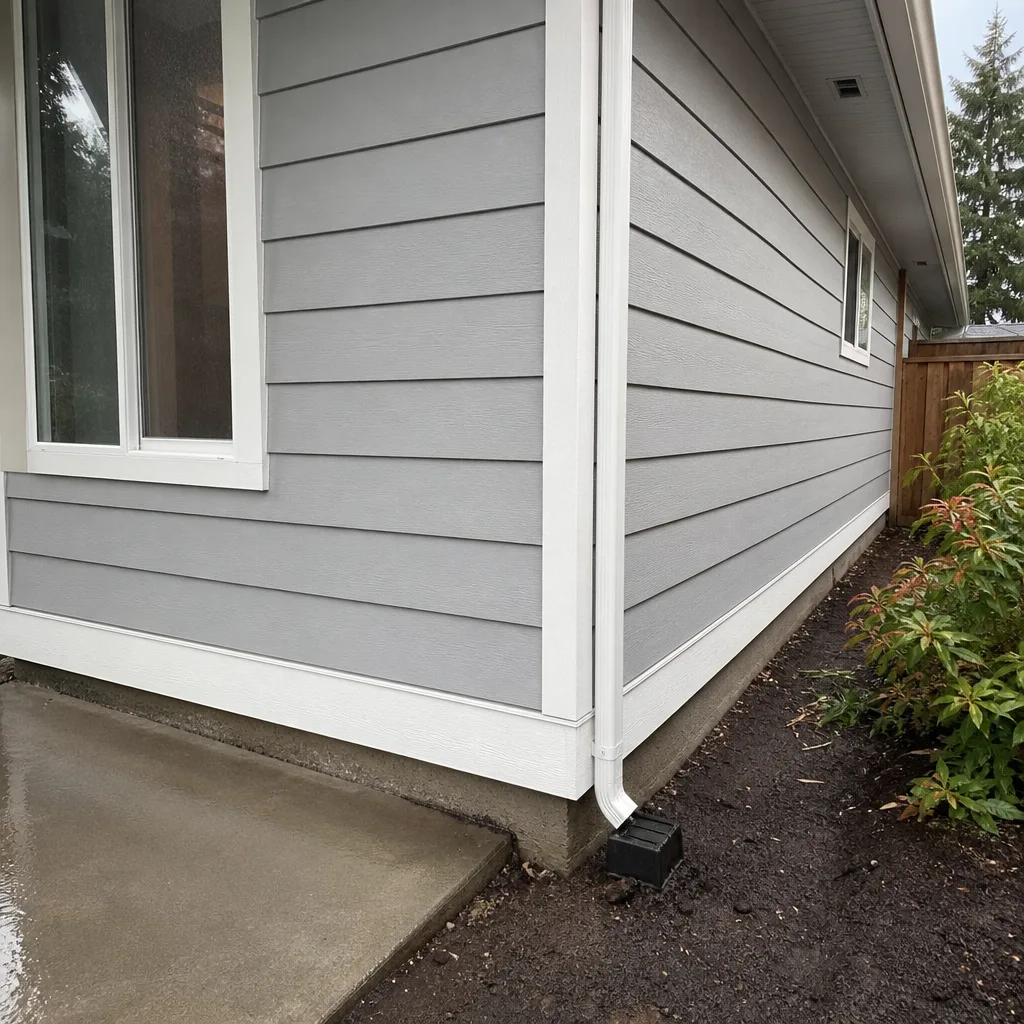 After
After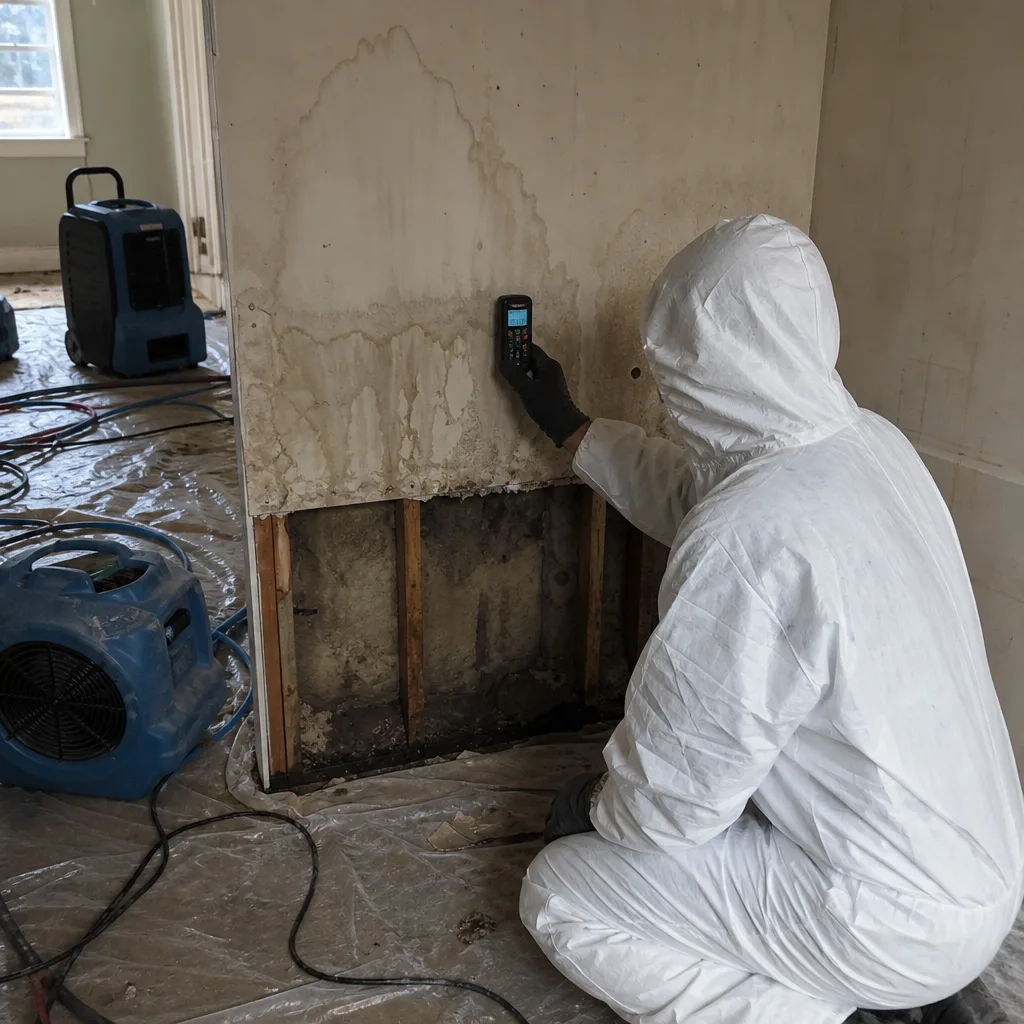 Before
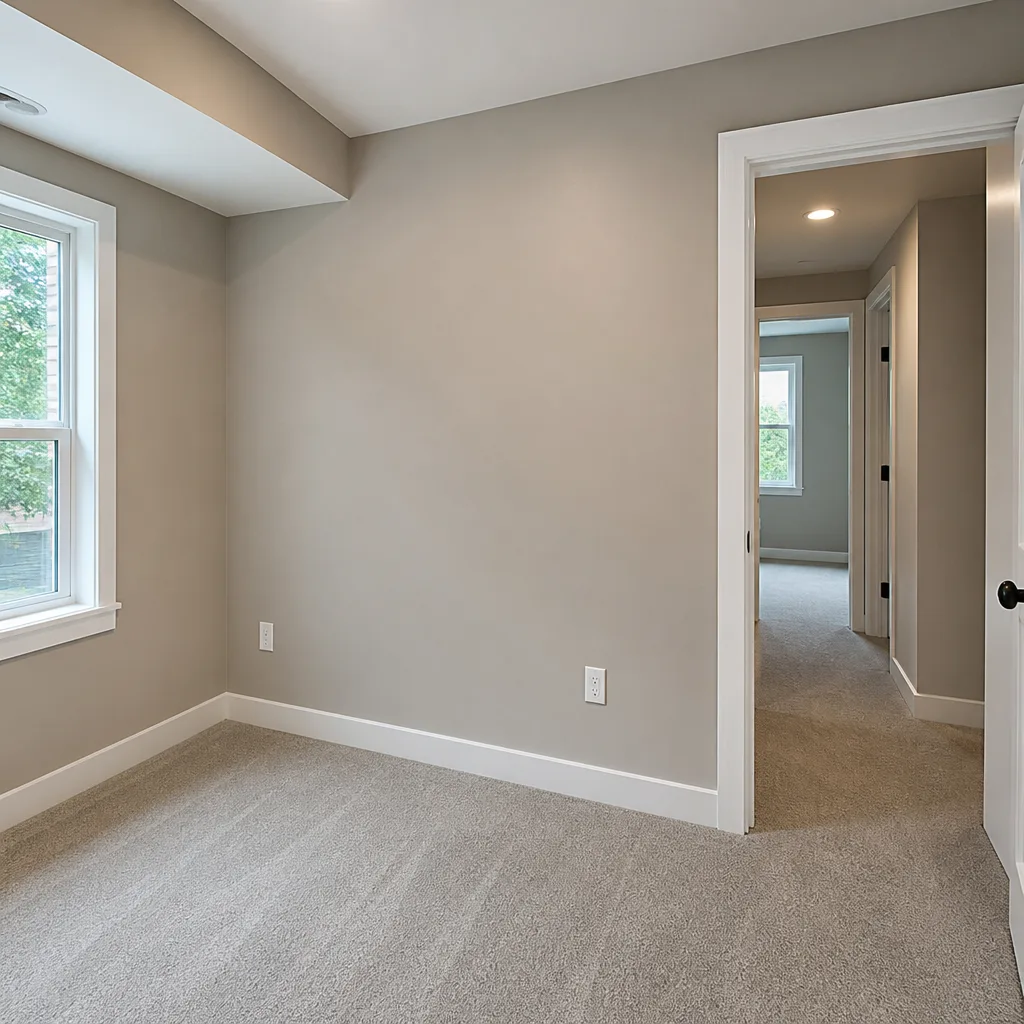 After
After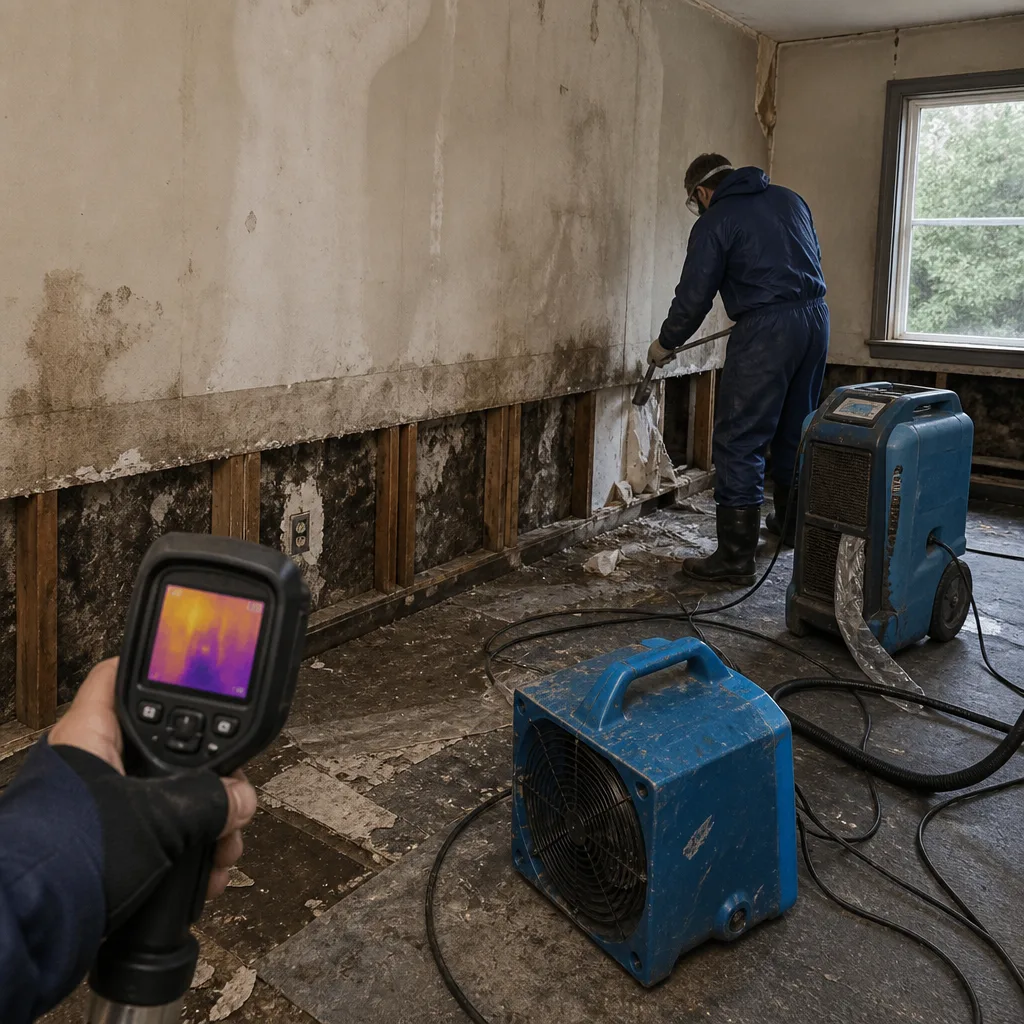 Before
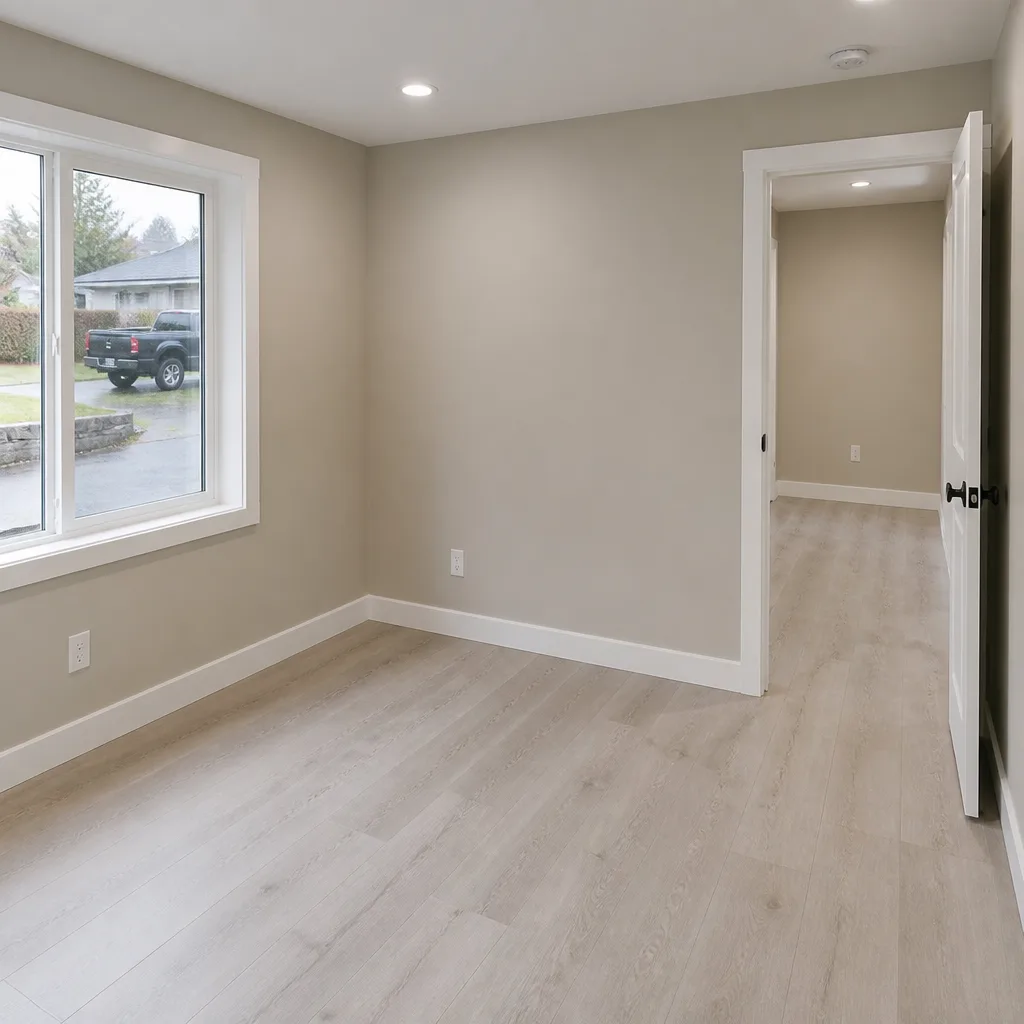 After
AfterThe Complete Guide to Damage Restoration in Everett
Washington state insurers deny or underpay an estimated 1 in 4 water damage claims - not because the damage wasn’t real, but because the contractor’s file couldn’t prove it was. In Everett, where the Snohomish River delta pushes groundwater tables high and older neighborhoods like Pinehurst still run on galvanized plumbing, that documentation gap costs homeowners thousands in out-of-pocket repairs they already paid premiums to avoid. This guide - alongside our Damage Restoration Warning Signs: A Everett Homeowner’s Reference Guide - maps every phase of restoration to the specific record that makes that phase payable, so you know what to demand before anyone starts work in your home.
Quick Answer
Damage restoration in Everett is the documented process of returning a structure to pre-loss condition after water, fire, mold, storm, or biohazard damage, with each phase recorded to IICRC and RIA standards so insurers can verify the work. A properly documented job produces four deliverables: a written scope with pricing before work begins, date-stamped moisture readings on every visit, a photo record with room-by-room annotations, and a signed Certificate of Completion. Without these records, even legitimate damage can be denied at adjuster review.
Table of Contents
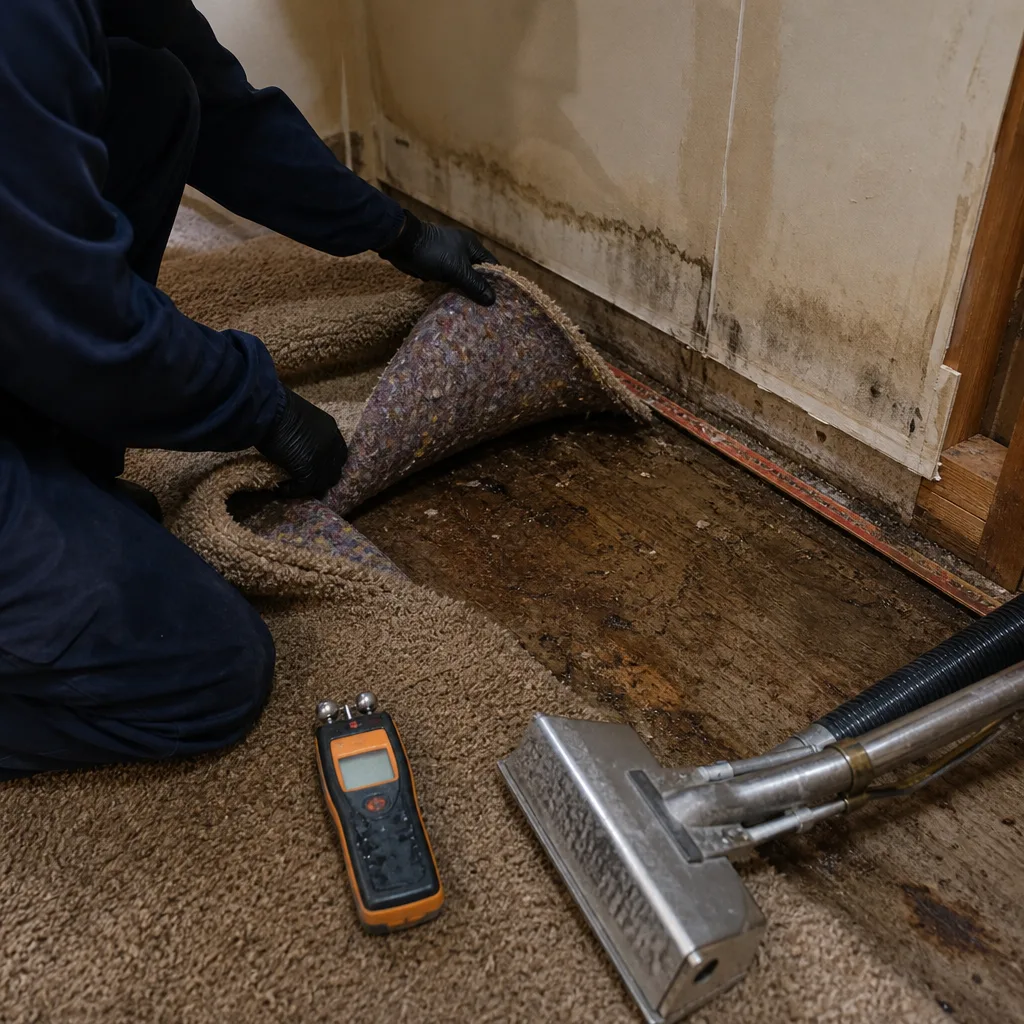
- What Damage Restoration Actually Includes
- Everett-Specific Risk Factors That Shape Every Job
- The Restoration Timeline and Your Claim Deadline
- The Written Scope vs. the Estimate: Why Only One Protects You
- What a Compliant Drying Log Contains (And What Most Companies Hand Over)
- How to Read a Certificate of Completion Before You Sign
- Common Mistakes to Avoid
- When to Call a Professional
- Frequently Asked Questions
BeforeAfterWhat Damage Restoration Actually Includes
Restoration is not repair. Repair fixes what you can see. Restoration documents what happened, proves what was required to fix it, and produces a record that satisfies both your insurer’s desk adjuster and their field examiner. In our experience across more than 12,000 homes since 2011, the homeowners who fare best are the ones who understand this distinction before the first fan gets plugged in.
The services that fall under damage restoration in Everett include:
- Water damage restoration - extraction, structural drying, dehumidification, and material replacement after leaks, floods, or appliance failures
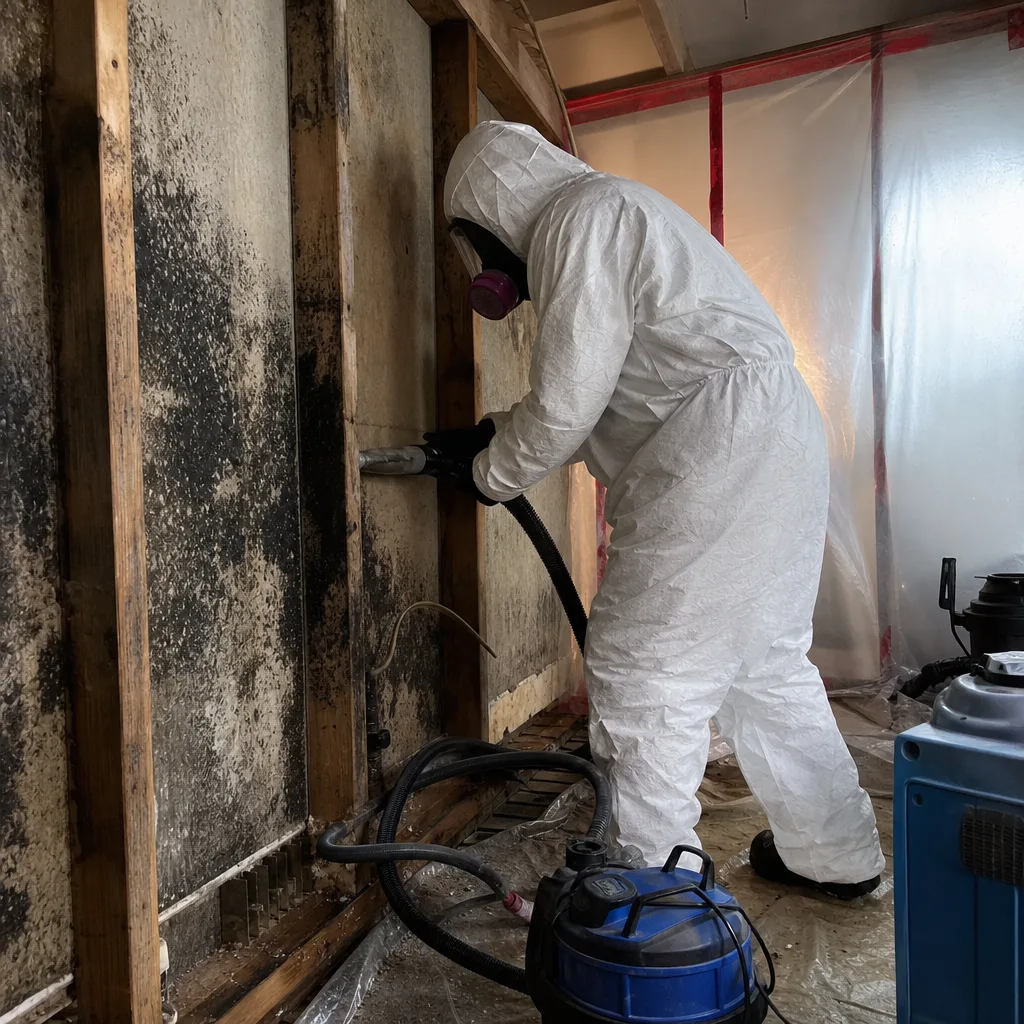
- Mold remediation - containment, air filtration, removal of colonized materials, and clearance testing
- Fire and smoke damage restoration - soot removal, odor neutralization, structural cleaning, and content restoration
- Storm and disaster restoration - emergency board-up, tree impact damage, and wind-driven water intrusion
- Sewage cleanup - Category 3 water mitigation with antimicrobial treatment and disposal to WAC 173-303 standards
- Biohazard and crime scene cleanup - bloodborne pathogen remediation to OSHA 29 CFR 1910.1030
- Reconstruction - structural rebuild after mitigation is complete, scoped and scheduled like a remodel, not dispatched like an emergency
Each service follows a documentation protocol established by IICRC (Institute of Inspection, Cleaning and Restoration Certification), RIA (Restoration Industry Association), and IFA standards. These aren’t membership badges. They’re the specifications that tell an adjuster whether your contractor’s invoice matches industry-accepted practice.
For water damage specifically, water damage restoration in Everett requires psychrometric monitoring - the measurement of temperature, relative humidity, and vapor pressure differential to prove that drying is progressing. Psychrometric data is what separates a legitimate drying plan from a company that leaves fans running and bills by the day. Vapor pressure differential, simply put, is the force that moves moisture from wet materials into the air; when the differential drops below the target range, the equipment comes out. We log this on every visit.
Fire restoration adds another layer: smoke residue classification. Dry smoke, wet smoke, protein residue, and fuel oil soot each require different cleaning chemistry. A contractor who documents the residue type and the corresponding cleaning agent has a file an adjuster can approve. One who simply “cleans smoke damage” does not.
Everett-Specific Risk Factors That Shape Every Job
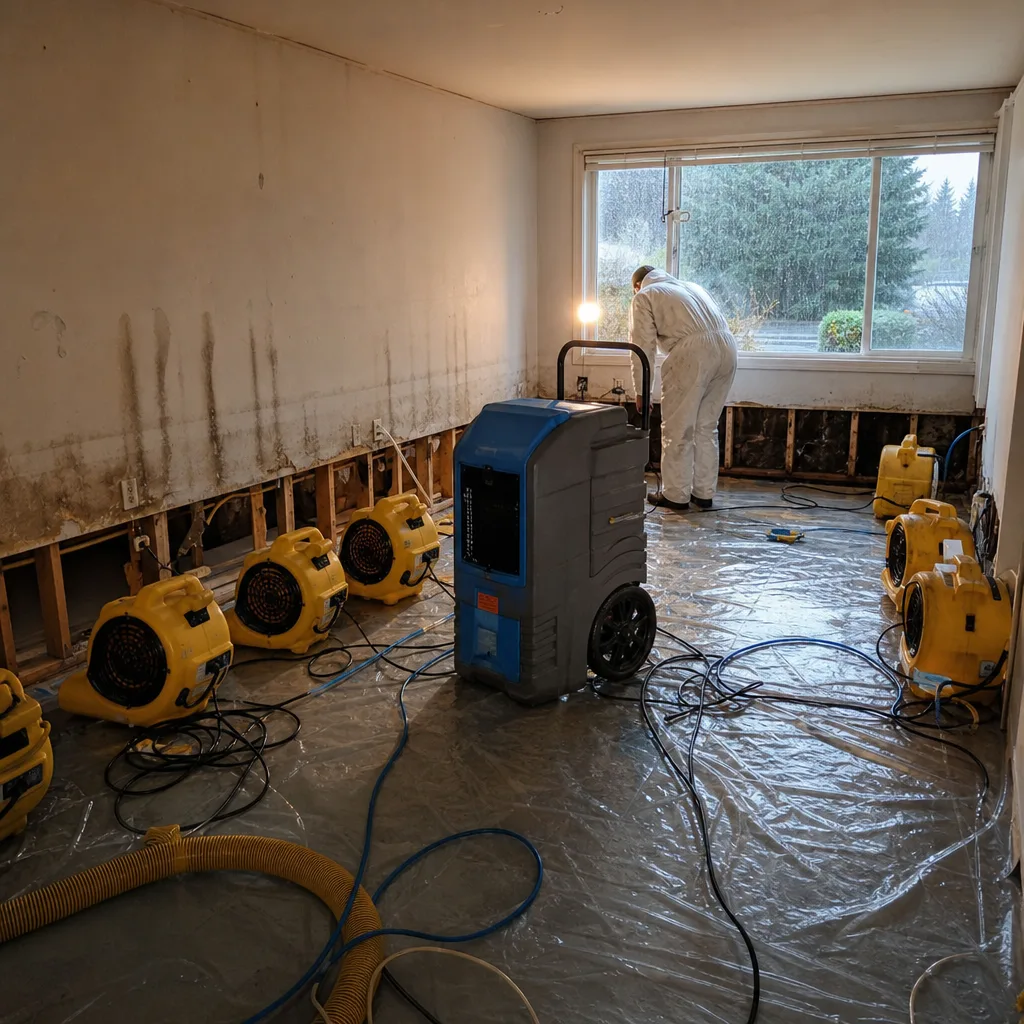
Everett sits at the confluence of the Snohomish River and Port Gardner Bay, with a groundwater table that runs high through the delta plain and clay soils that drain slowly. This geography creates baseline moisture conditions that contractors from drier inland markets often misread. We’ve arrived at jobs in the Delta neighborhood where the subfloor moisture content read 18% before any leak occurred - normal for Everett’s soil contact, but a red flag if your technician doesn’t know the local baseline.
Homes in Pinehurst, Bayside, and the older core near downtown carry additional variables:
- Galvanized supply lines - common in pre-1980 construction, with interior corrosion that produces pinhole leaks behind walls
- No vapor barriers in crawl spaces - permitted under older code, now a moisture driver that elevates relative humidity in floor systems
- Original plaster over lath - holds moisture differently than drywall, requiring longer drying cycles and different equipment configurations
- Sump pump dependency - power outages during winter storms push groundwater into basements that have no battery backup
The climate pattern matters too. Everett receives 35+ inches of annual precipitation, concentrated October through April. When a water loss occurs in November, ambient humidity often exceeds 75%, which means dehumidifiers work harder and longer to achieve the same vapor pressure differential. A drying plan written for August conditions will fail in January. We adjust our equipment calculations seasonally, and we document the ambient readings that justify those adjustments.
Permit requirements in Everett also affect documentation. The City of Everett requires permits for electrical, plumbing, and structural repairs following significant damage. A restoration contractor who pulls permits on your behalf should provide the permit number, inspection dates, and sign-offs in your file. This becomes part of the documentation package your adjuster reviews. We include permit tracking as standard; some competitors treat it as the homeowner’s problem.
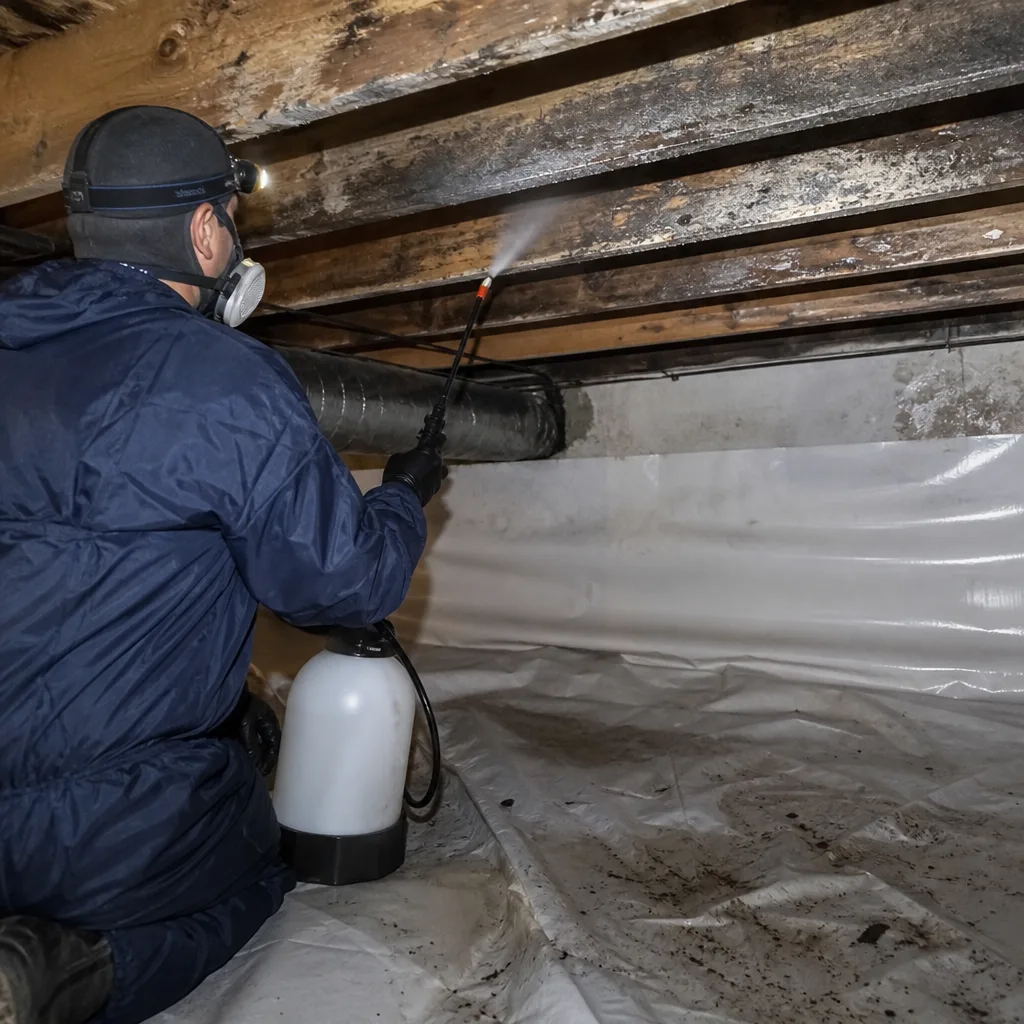
For mold concerns in these high-moisture conditions, mold remediation in Everett requires particular attention to containment strategy. Homes with forced-air heating and the original duct layouts common in Riverside and Holly areas can distribute spores throughout the structure if containment isn’t engineered to the specific floor plan. We map airflow patterns before setting negative air machines, and we document that map.
The Restoration Timeline and Your Claim Deadline
Physical work and claim documentation run on different clocks. The work clock starts when water hits drywall. The claim clock starts when you report the loss to your insurer. When documentation lags behind physical work, you create gaps that adjusters are trained to exploit.
Here’s how the timelines map:
- Hour 0-4: Emergency response - extraction, containment, initial moisture readings. Insurer notification should happen here, but documentation begins immediately regardless. Photo everything before anything moves.
- Day 1-3: Stabilization - equipment placement, first drying log, written scope delivered. Most insurers require proof of loss within 60 days, but the detailed invoice must match the work performed during this window.
- Day 3-7: Active drying - daily moisture logs, equipment adjustments, material removal decisions. This is where most documentation fails. Technicians visit, move fans, and leave no record. We produce a dated, signed log on every visit.
- Day 7-14: Verification - moisture content at or below dry standard, equipment removal, preliminary scope for repairs. Tertiary drying - the final phase where deep structural materials release bound moisture - often extends this window in Everett’s humid climate.
- Week 2-8: Reconstruction - scoped, scheduled, and priced in writing before work begins. This is not emergency service. No same-day promises apply here.
The critical failure point is Day 3-7. Insurers routinely request daily drying logs. If your contractor visited four times but only logged twice, the adjuster can strike equipment charges for the unlogged days. We’ve reviewed competitor files where $3,400 in dehumidifier charges were disallowed because the technician “forgot” to record Thursday’s readings.
Washington’s statute of limitations for property damage claims is three years, but your policy likely imposes stricter deadlines for proof of loss, typically 60 days from the date of loss. The documentation you collect during the first two weeks becomes the evidence that satisfies that deadline. Wait until the work is done to think about paperwork, and you’ve already lost leverage.
The Written Scope vs. the Estimate: Why Only One Protects You
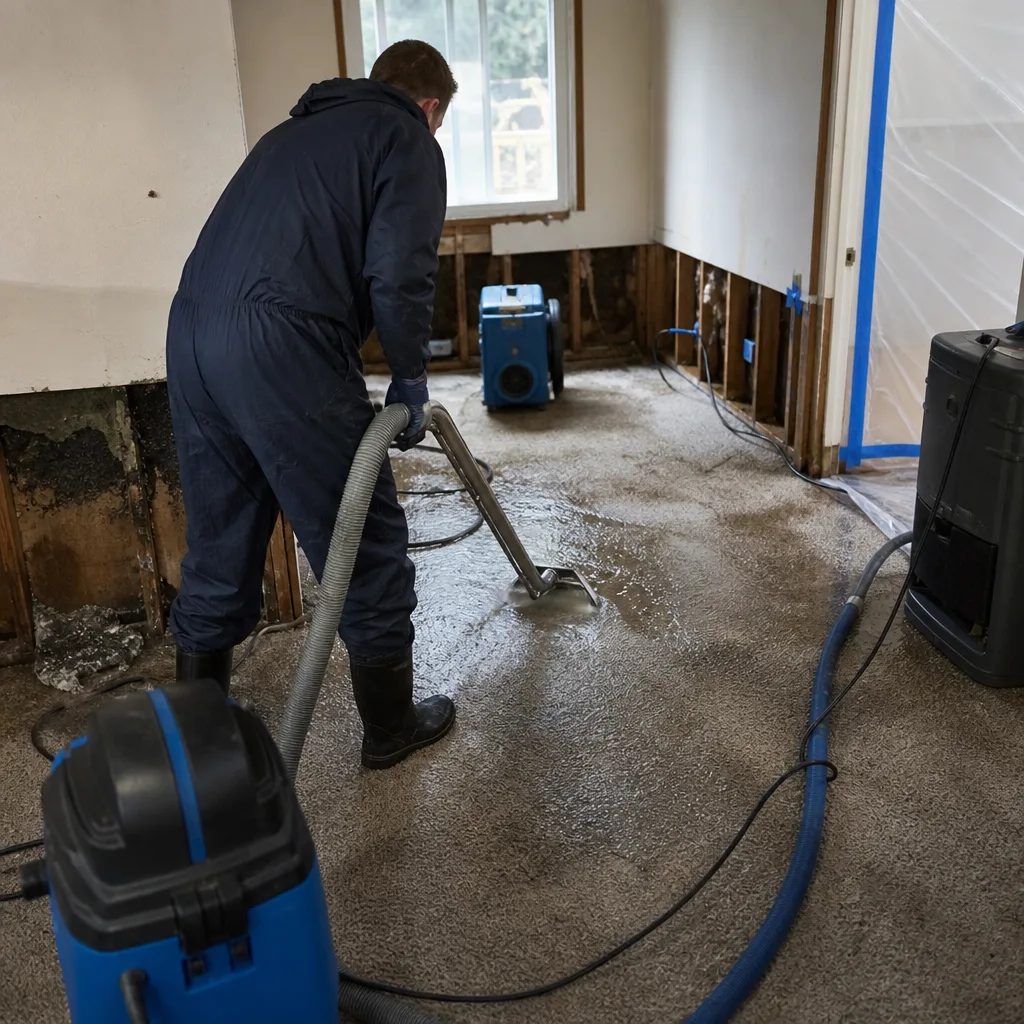
An estimate is a guess at cost. A written scope of work is a contract that defines what will be done, in what sequence, to what standard, and at what price. In our experience, the homeowners who get hurt are the ones who signed an estimate and discovered later that “restore bathroom” didn’t include subfloor replacement.
Haven Standard, Clause 1: written price before work begins. This is not a marketing position. It’s the operational rule that prevents scope creep, the practice of adding charges once the crew is inside your home and you have no practical choice but to agree. We’ve seen competitors in Everett add $4,200 in “discovered” charges on day three of a water job, with the homeowner told the insurance “should cover it.” The insurance didn’t. The homeowner paid.
A proper written scope contains:
- Room-by-room itemization with square footage and material classifications
- Specific equipment by type and count (Dri-Eaz LGR dehumidifiers, Phoenix axial air movers, Injectidry hardwood drying systems)
- Dry standard targets with measurement methodology (moisture content percentage or equilibrium moisture content)
- Material removal specifications - what stays, what goes, and the criteria for that decision
- Reconstruction phase with separate pricing, not bundled into mitigation
- Signature lines for homeowner and contractor, with date
The scope is what your adjuster compares against their line-item worksheet. If the scope says “remove and replace 12 linear feet of wet drywall, 4 feet high, Category 2 water,” the adjuster can verify that against Xactimate pricing and IICRC S500 standards. If the scope says “fix water damage,” the adjuster has nothing to verify. Denial follows.
Our written scopes include the license numbers of the technicians assigned to the job, so you know who enters your home and whether they’re qualified to perform the work specified. Background-checked, uniformed, named - not “a crew will arrive.”
What a Compliant Drying Log Contains (And What Most Companies Hand Over)
The drying log is the daily record that proves your structure dried according to plan. It’s also the document most commonly faked, abbreviated, or lost entirely. We’ve reviewed files where the “log” was a single photo of a dehumidifier display, undated, with no room identification. That won’t survive adjuster review.
A compliant drying log, documented to IICRC S500 and RIA standards, contains on every visit:
- Date and time stamp - not handwritten, not approximate. Electronic logging with GPS verification where possible.
- Technician name and license number - traceable, accountable.
- Ambient conditions - temperature and relative humidity in each affected zone, measured with calibrated psychrometers.
- Moisture content readings - for every wet material, in every room, at consistent measurement points. Wood framing, subfloor, drywall, concrete. Recorded in percentage moisture content or compared to established dry standards for that material.
- Equipment inventory - what’s running, where, with serial numbers or asset tags. Dehumidifiers logged by pint capacity and current grain depression. Air movers by position and directionality.
- Equipment adjustments - what was added, removed, or repositioned, with the psychrometric justification. If vapor pressure differential has reached target, we note that and remove equipment accordingly. No equipment runs without purpose.
- Photo documentation - room overview, equipment placement, moisture meter readings with display visible, any material changes. Date-stamped, geotagged, uploaded to your file same day.
- Technician signature - attesting that readings were taken as recorded.
What most companies actually hand over: a spreadsheet with dates and checkmarks, no readings, no photos, no technician identification. Or nothing at all, with the promise that “the insurance knows us.”
The equipment matters because it produces the data. We deploy professional-grade drying systems from Dri-Eaz, Phoenix, and XPOWER - LGR dehumidifiers that maintain performance at low grain conditions, axial air movers that move sufficient air volume across wet surfaces, and Injectidry systems for hardwood and cavity drying. Each unit’s output is measurable and logged. A contractor using rental-grade equipment from a big-box store cannot produce the grain depression readings that justify continued billing, and adjusters know it.
In Everett’s winter conditions, we often see secondary vapor barriers form when warm interior air hits cold exterior sheathing. This requires supplemental heat to maintain the temperature differential that drives drying. We log heating equipment separately, with fuel consumption records, so the charge is supportable.
How to Read a Certificate of Completion Before You Sign
The Certificate of Completion is the final document in your restoration file. It states that work was performed to scope, that materials meet specified standards, and that the structure is returned to pre-loss condition - or to a defined alternative condition with your written approval. Signing it triggers final payment and, in most cases, releases the contractor from further obligation.
Before you sign, verify these items against your file:
- Scope match - Does the certificate reference the written scope by date and version? If the scope was revised, is the revision documented and signed?
- Dry standard attainment - Are the final moisture readings attached, showing at or below target for every material specified?
- Equipment removal date - Does it match the last drying log entry? Discrepancies here can indicate billing for equipment that was no longer on site.
- Material specifications - If drywall was replaced, does the certificate note the type and thickness? If flooring, the product and installation standard?
- Warranty terms - Is the 365-Day Done Right Promise referenced with The Haven Standard clause numbers? Verbal warranties disappear when the crew leaves.
- Permit closure - If permits were pulled, are final inspection approvals included or referenced?
We provide a checklist with every Certificate of Completion so homeowners know what to verify. Our certificates include the full photo record by URL, the complete drying log as an appendix, and the original written scope with any amendments initialed by both parties. This is the documentation package that turns a disputed claim into a paid one.
For fire damage specifically, fire and smoke damage restoration in Everett adds clearance testing to the completion package. This may include third-party air quality sampling or surface residue analysis, depending on the loss severity. The certificate should reference the testing standard and the laboratory that performed analysis.
Common Mistakes to Avoid
- Starting work before receiving a written scope - Once equipment is running, you’ve lost leverage to negotiate scope or price. Haven Standard, Clause 1 exists to prevent exactly this.
- Accepting a single “estimate” number without line-item breakdown - Adjusters reject lump-sum invoices. Itemization is not nitpicking; it’s the format insurance software requires.
- Assuming your contractor will handle the insurance paperwork - Some do, poorly. Others don’t do it at all. Request copies of everything submitted in your name, and verify it matches your file.
- Ignoring seasonal drying factors - In Everett’s winter, drying takes longer. A contractor who promises the same timeline in January as in July is either inexperienced or planning to bill for ineffective equipment days.
- Signing a Certificate of Completion without reviewing the attached documentation - This is the point of no return. The signature releases payment and, in most contracts, liability.
- Not requesting permit records for structural, electrical, or plumbing repairs - Unpermitted work can void your homeowner’s policy for future claims and complicate resale.
- Choosing a contractor based on who arrives fastest rather than who documents best - Speed matters for extraction, but a fast start with poor records loses more money at adjuster review than a documented start delayed by two hours.
When to Call a Professional
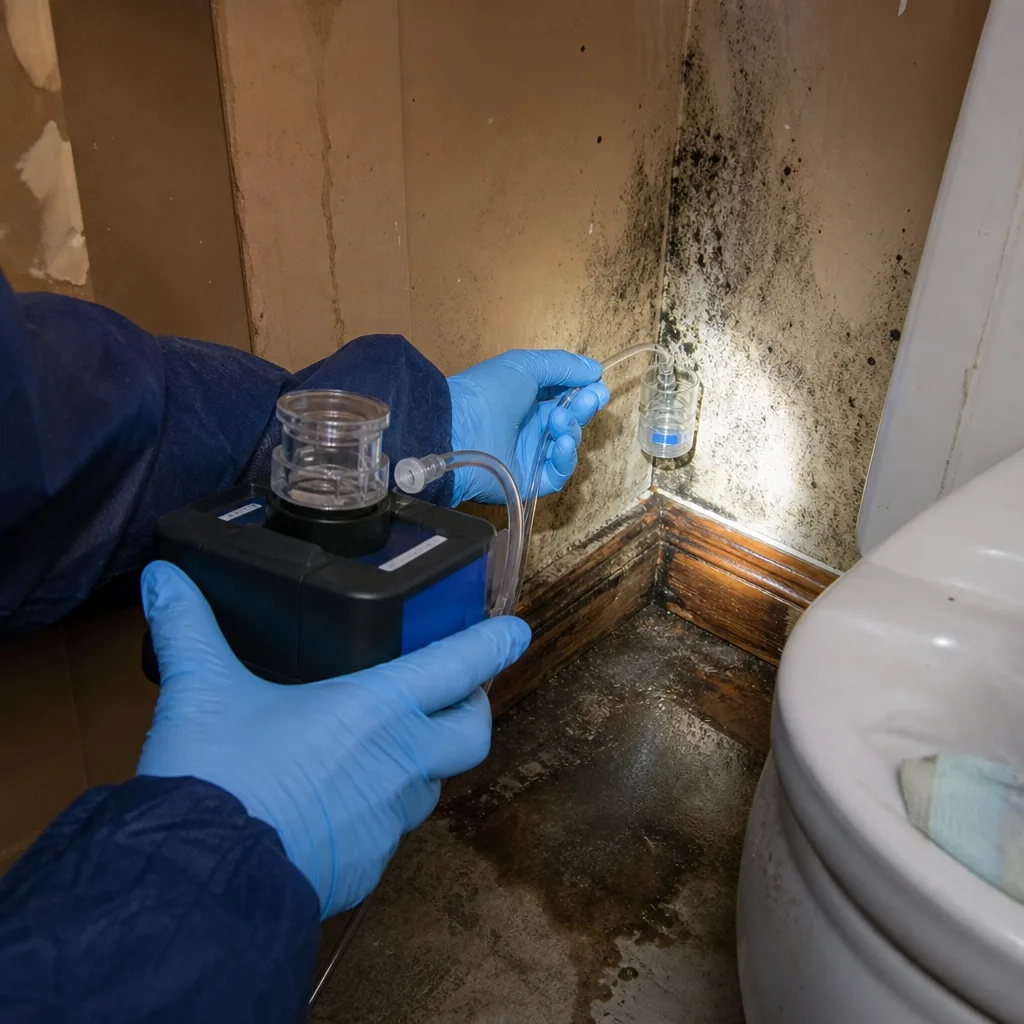
Call immediately when water is actively spreading, when you smell mold but cannot locate the source, when fire or smoke damage affects multiple rooms, when sewage has entered living space, or when structural integrity is compromised by storm damage. These scenarios require containment, safety protocols, and documentation that begin in the first hour.
For water losses specifically, Category 2 water (dishwasher discharge, washing machine overflow) becomes Category 3 if left untreated for 48 hours. The classification change affects both health protocols and insurance coverage. Document the time of discovery and the time of contractor arrival; the gap between them is a coverage variable.
DryMark Restoration Everett offers free estimates in Everett - call (360) 502-8815. Every estimate includes a preliminary scope discussion, documentation requirements explanation, and a Free Second Opinion on any competitor’s written estimate. Live phone coverage is available 24 hours a day, 7 days a week with no voicemail on emergency lines.
Frequently Asked Questions
For detailed pricing context, see our Damage Restoration Cost Breakdown: The Everett Homeowner’s Reference for 2026; water mitigation typically ranges from $1,800 for a contained single-room extraction with drying, to $8,500+ for whole-floor Category 2 losses with hardwood salvage attempts. Mold remediation runs $15-$30 per square foot of contained area depending on accessibility and material removal requirements. Fire and smoke restoration starts around $4,500 for light soot with no structural damage, scaling to $25,000+ for heavy residue with content cleaning and reconstruction. Reconstruction is priced separately after mitigation, with written scope and scheduling like any remodel. Call (360) 502-8815 for an exact quote - estimates are free.
Your policy covers sudden, accidental, direct physical loss according to its terms and your deductible. The variable is documentation: insurers deny or underpay when the contractor’s file cannot prove the damage scope, the drying standard, or the material specifications. A written scope before work begins, daily drying logs, and a photo record on every visit are the documents that make coverage stick. We produce these as standard, not as add-ons.
For active water spread, sewage intrusion, or storm damage with structural compromise, live phone coverage is available 24 hours a day, 7 days a week with no voicemail on emergency lines. Extraction and stabilization begin same day. Reconstruction is scoped, scheduled, and priced in writing - never dispatched as emergency service.
Surface cleaning addresses what you can see. Remediation addresses what you can’t: moisture trapped in wall cavities, spore colonization in HVAC systems, smoke residue in porous materials. In Everett’s humid climate, visible mold typically indicates hidden colonization three to five times the visible area. We map moisture with thermal imaging and provide the documentation that proves whether professional remediation is required. For Category 3 water or biohazard, self-cleaning is not safe and will void most insurance coverage.
Either, but never neither. Some contractors offer “insurance direct billing,” which sounds convenient until you discover they submitted a scope you never approved. We provide you with complete documentation - written scope, drying logs, photo record - and you choose whether to submit it yourself or authorize us to communicate directly with your adjuster. Either way, you own the file. We never submit documentation in your name without your written authorization.
A verbal “we’re finished” leaves no record for your file, no standard for adjuster review, and no recourse if problems emerge. Our Certificate of Completion references the original written scope, attaches the complete drying log and photo record, specifies the 365-Day Done Right Promise under The Haven Standard, and requires your signature only after you’ve verified all attachments. It’s the difference between a closed file and a defensible claim.
The Bottom Line
Damage restoration in Everett is a documentation discipline first and a construction trade second. The physical work matters, but the paper trail determines whether you pay twice for the same loss. Demand a written scope before work begins, daily drying logs with psychrometric data, a photo record on every visit, and a Certificate of Completion that references all three. Verify your contractor’s equipment by brand and capability, not by count of fans. And never sign completion documents without reviewing the attachments that prove the work was done to standard. The homeowners who come out whole are the ones who treated the file as seriously as the flood. For more guides & resources, visit our blog.
Written by Alicia Brennan, Owner at DryMark Restoration Everett, serving Everett since 2011.