
Last updated September 23, 2026
Free visual inspection and a written scope of work before any mitigation begins - photos, moisture readings, and drying logs go in your claim file
The scope we write is the scope we bill. Anything new gets shown to you, in writing, before we touch it.

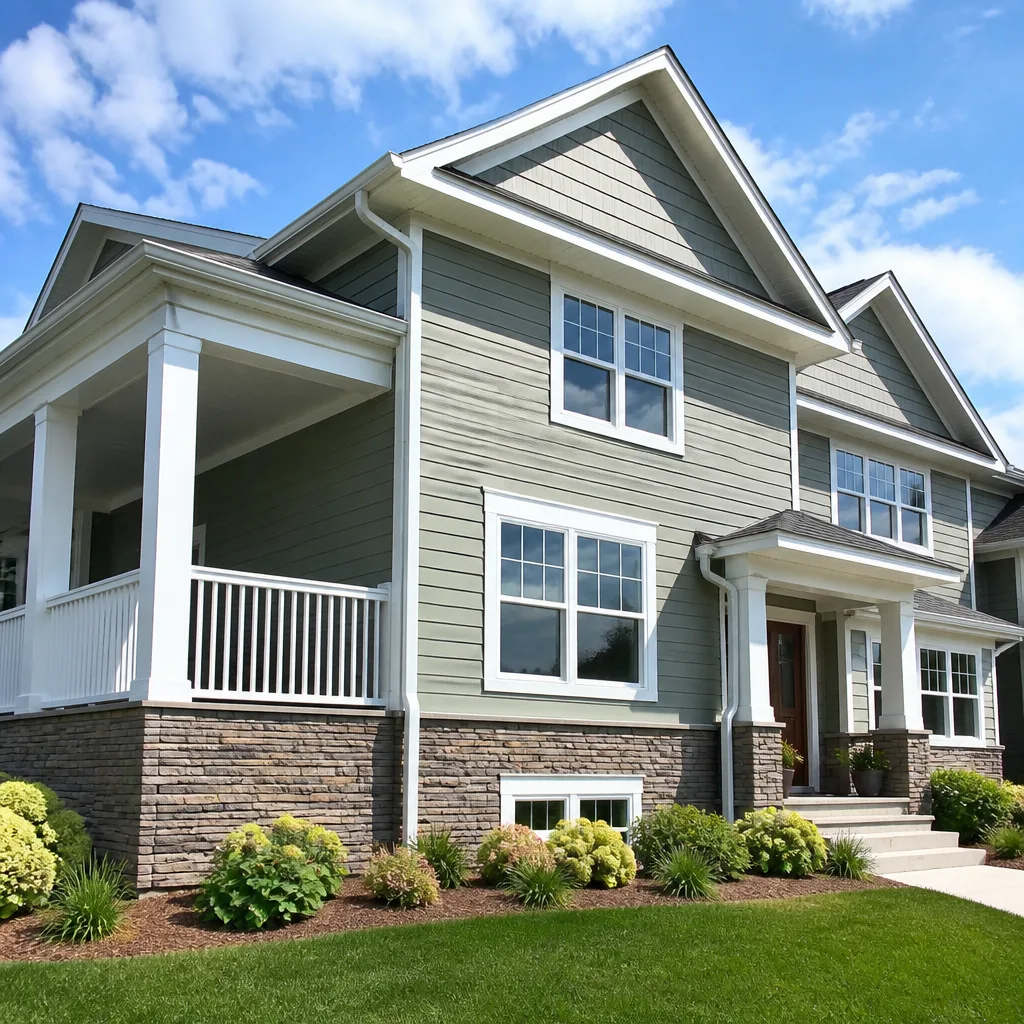
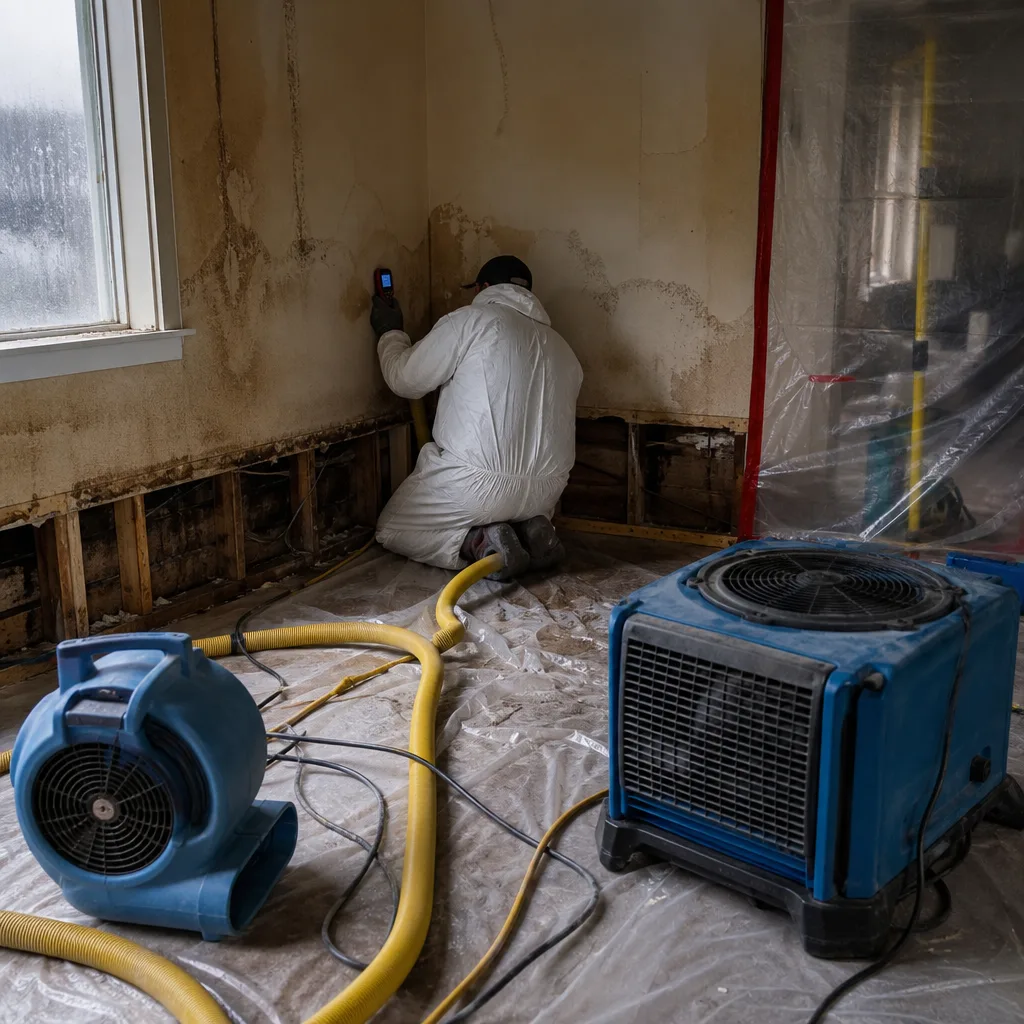 Before
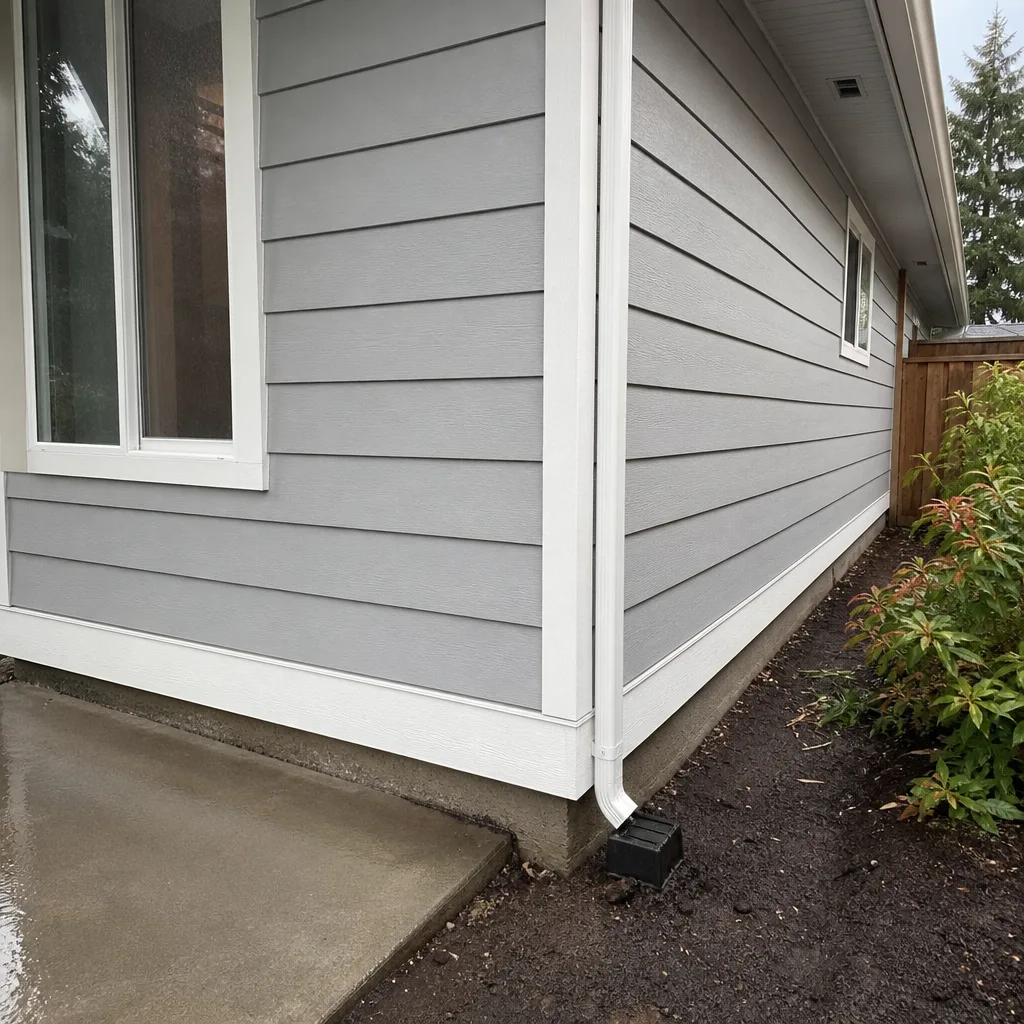 After
After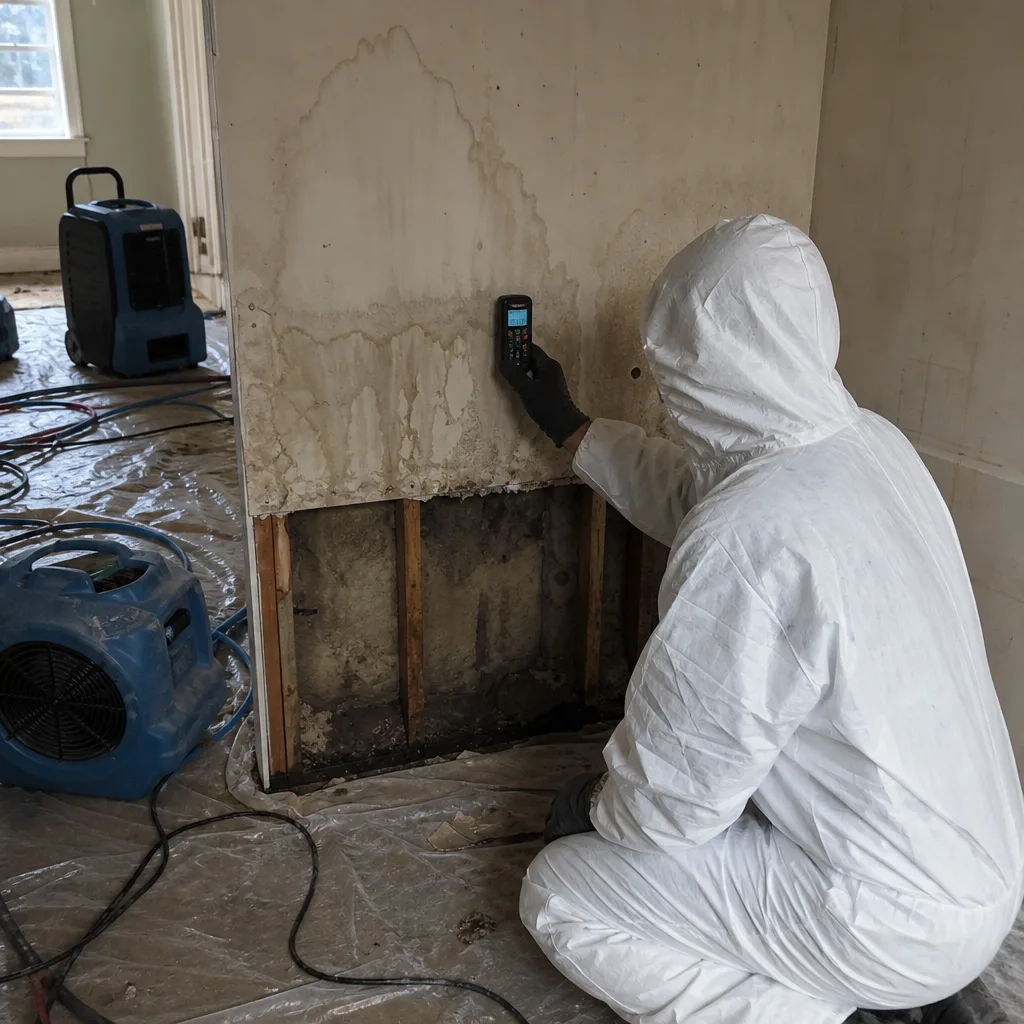 Before
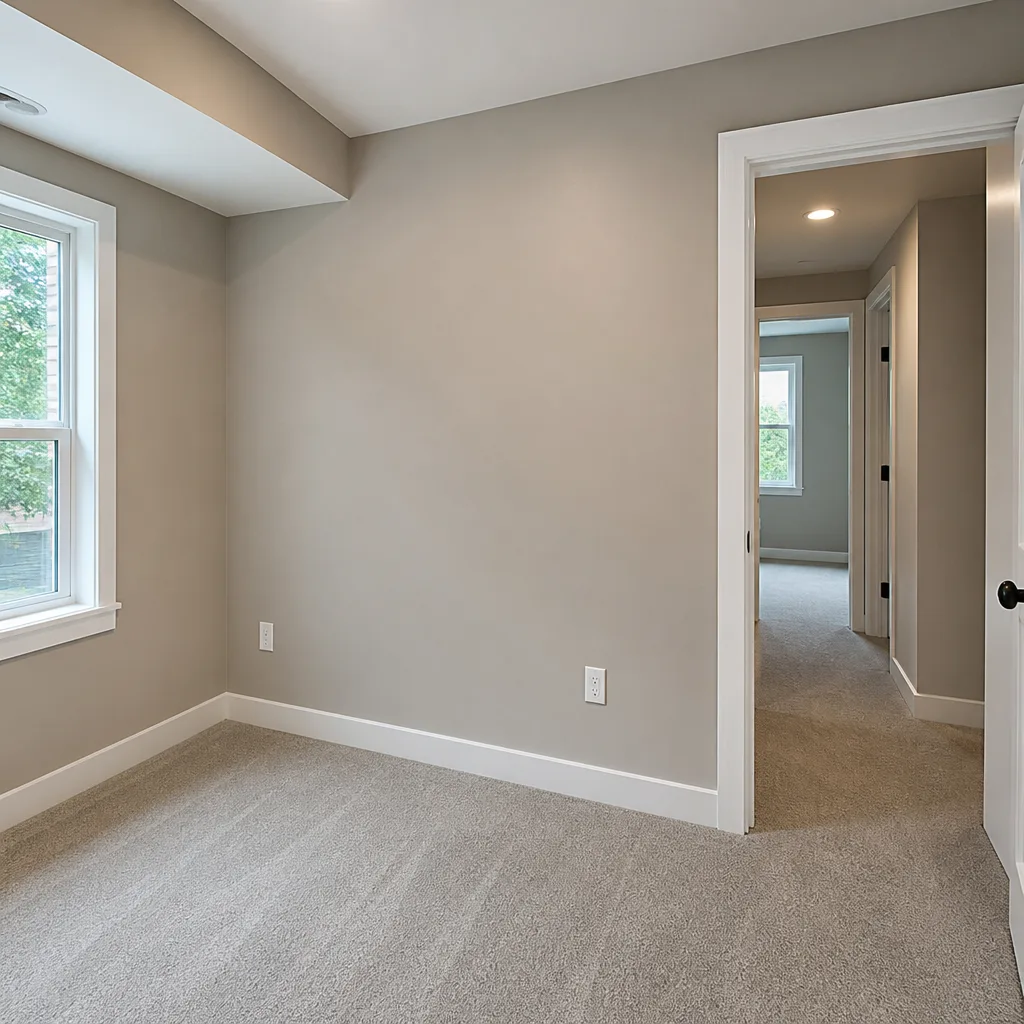 After
After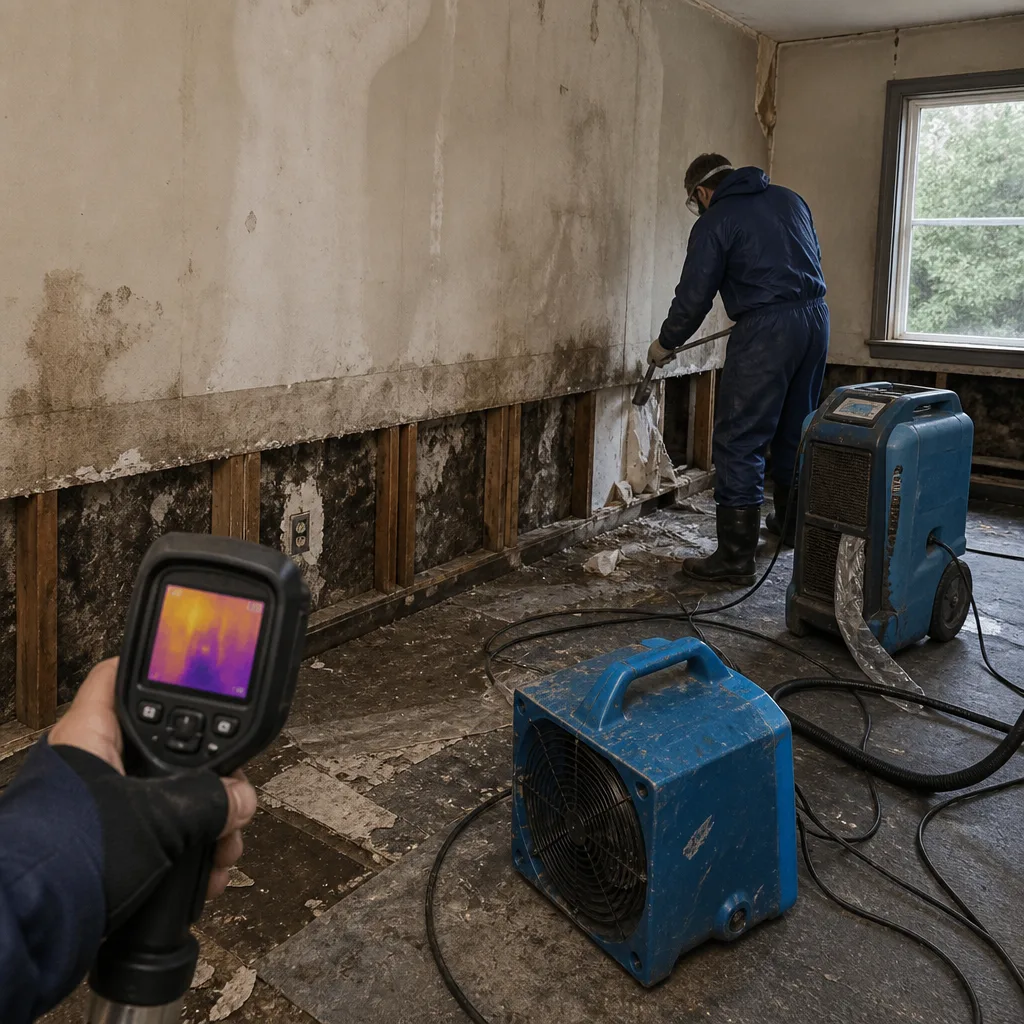 Before
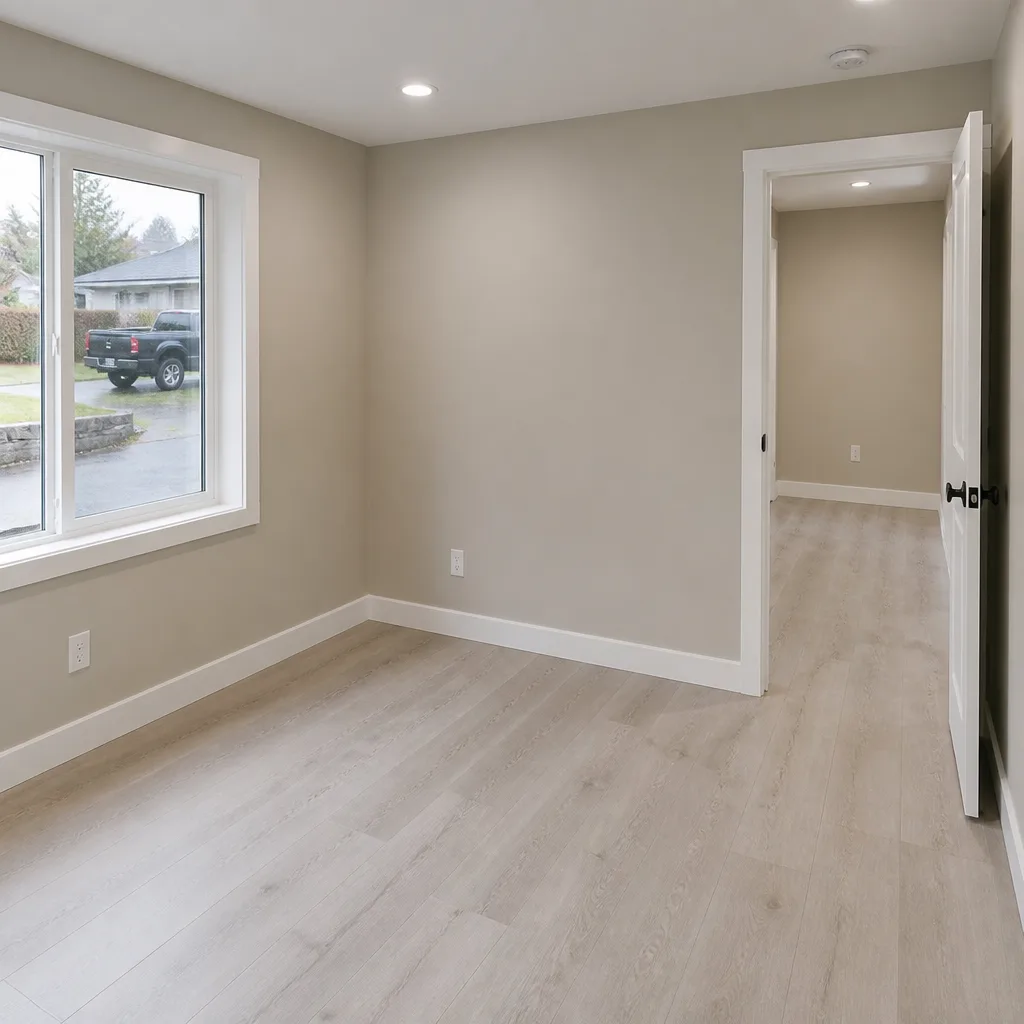 After
AfterDamage Restoration Permits, Codes & Inspections in WA: What You Need to Know
Under Washington State RCW 19.27, replacing more than 200 square feet of structural sheathing during a restoration job typically triggers a building permit. Work done without one can be required to be torn out and redone at the homeowner’s cost, not the contractor’s. We’ve seen this in Everett homes where a straightforward water damage repair became a $40,000 rebuild because the previous contractor skipped the permit to save two weeks. This guide explains exactly which restoration activities trigger permits in Snohomish County, how unpermitted work surfaces during a title search, and what documentation you should demand before any crew starts work on your property. For Damage Restoration Warning Signs: A Everett Homeowner’s Reference Guide, see our companion post.
Quick Answer
Most damage restoration work in Washington requires a building permit when it involves structural repairs, electrical or plumbing modifications, or mold remediation exceeding 10 square feet. In Everett and Snohomish County, permits are typically pulled by the contractor, but the homeowner remains liable for unpermitted work. A proper permit produces a certificate of completion from a state-licensed inspector, which is separate from and more valuable than the contractor’s own job report for insurance and resale purposes.
Table of Contents
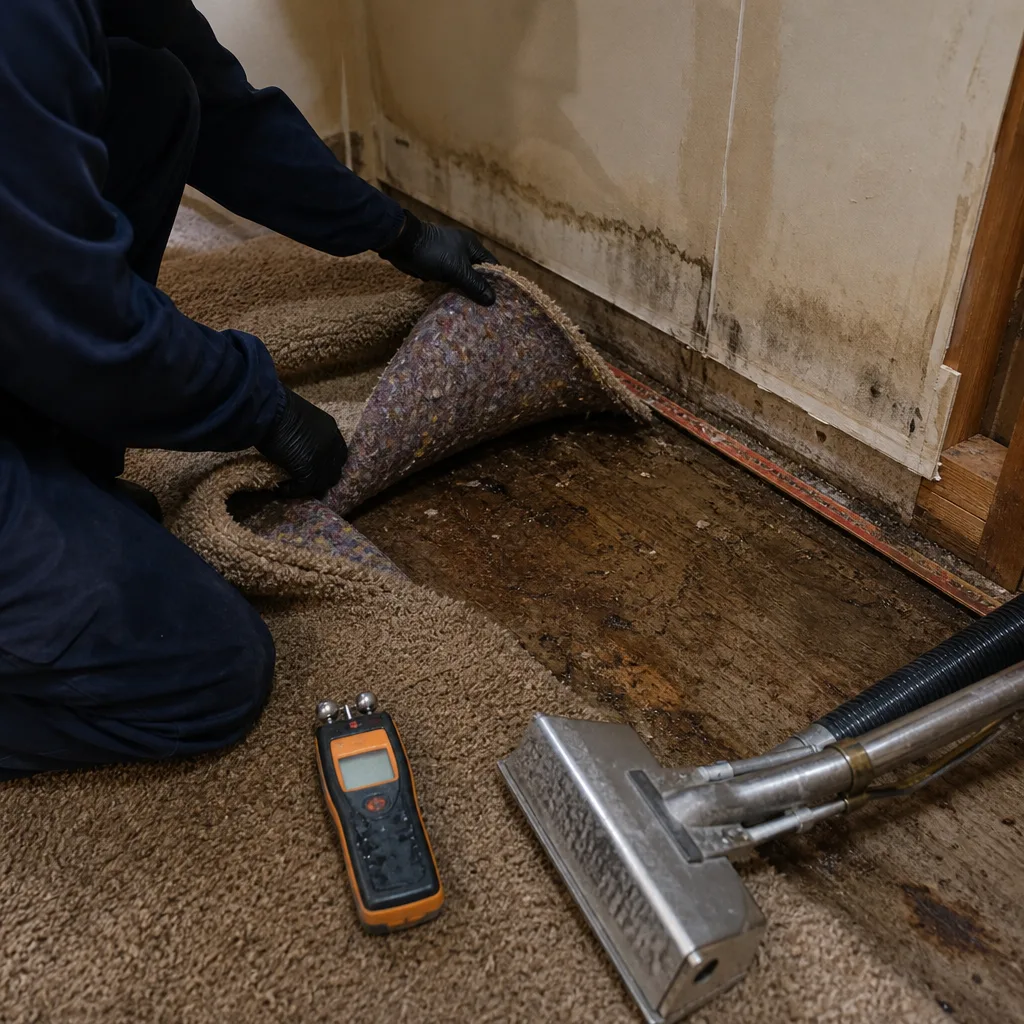
- When Are Permits Required for Restoration Work in Washington?
- Everett and Snohomish County Permit Thresholds
- Contractor-Pulled vs. Homeowner-Pulled Permits
- How Unpermitted Work Shows Up in Title Searches
- What a Post-Restoration Inspection Actually Produces
- How to Verify Your Contractor Filed the Permit They Claimed
- The Insurance Gap: When Permits Affect Coverage
- Documentation Standards That Protect Your Claim
BeforeAfterWhen Are Permits Required for Restoration Work in Washington?
Washington State operates under a unified building code framework, but enforcement sits at the county and city level. For restoration work, the trigger points are more specific than most homeowners realize, and more specific than most contractors volunteer.
Structural repairs always require a permit when they exceed the repair thresholds defined in the International Existing Building Code as adopted by Washington. This includes:
- Replacing more than 200 square feet of wall or roof sheathing in any 12-month period
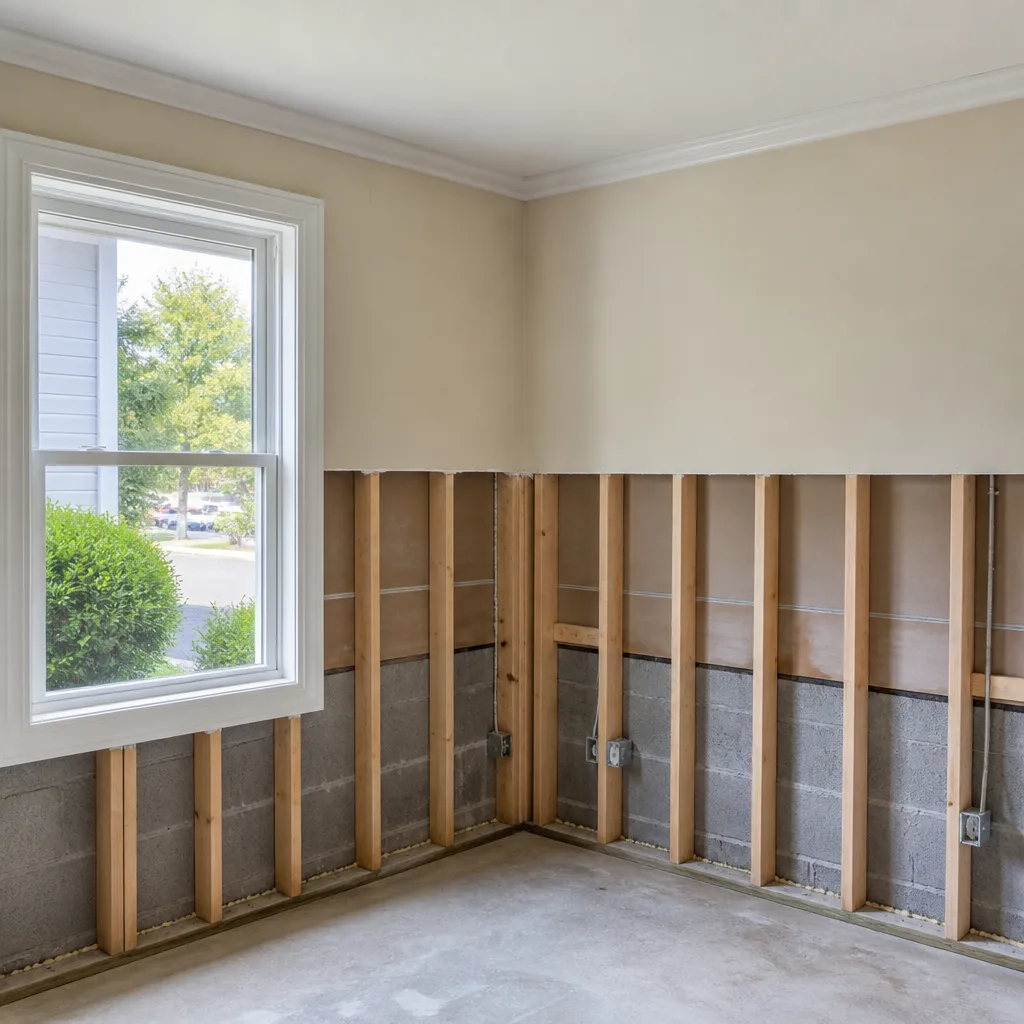
- Altering load-bearing walls, including cutting openings for drying equipment access
- Repairing or replacing foundation elements, sill plates, or rim joists after water or termite damage
- Any work that changes the building’s egress paths, including after fire damage
Electrical and plumbing work triggered by restoration carries its own permit requirements. If a water heater is replaced after a basement flood, that’s a plumbing permit. If wiring is damaged by fire and requires replacement beyond the junction box, that’s an electrical permit. These are separate from the building permit and require separate inspections.
Mold remediation occupies a specific regulatory category in Washington. The state does not license mold remediation contractors directly, but Snohomish County and the City of Everett both require permits for mold abatement exceeding 10 contiguous square feet in occupied structures. This threshold drops to any visible mold in rental properties or commercial buildings. The permit requirement exists because disturbed mold releases spores; the permit triggers a post-abatement air quality inspection that the contractor cannot perform themselves.
In our experience across more than 12,000 homes since 2011, the most commonly missed permit trigger is the cumulative repair rule. A contractor replaces 150 square feet of sheathing in March, then returns in June for another 100 square feet. The combined 250 square feet exceeds the annual threshold. If the first permit wasn’t amended or a new permit pulled, the second repair is unpermitted work, and the inspector can require both to be exposed for verification.
Climate factors in Everett amplify these triggers. The marine west coast climate produces prolonged wet seasons that extend drying times and increase the likelihood of secondary damage requiring additional repairs. We’ve documented cases in the Riverside neighborhood and along the Snohomish River delta where initial water damage estimates doubled after moisture readings revealed saturated insulation behind intact drywall, pushing repair scopes over permit thresholds that weren’t anticipated in the original quote.
Everett and Snohomish County Permit Thresholds
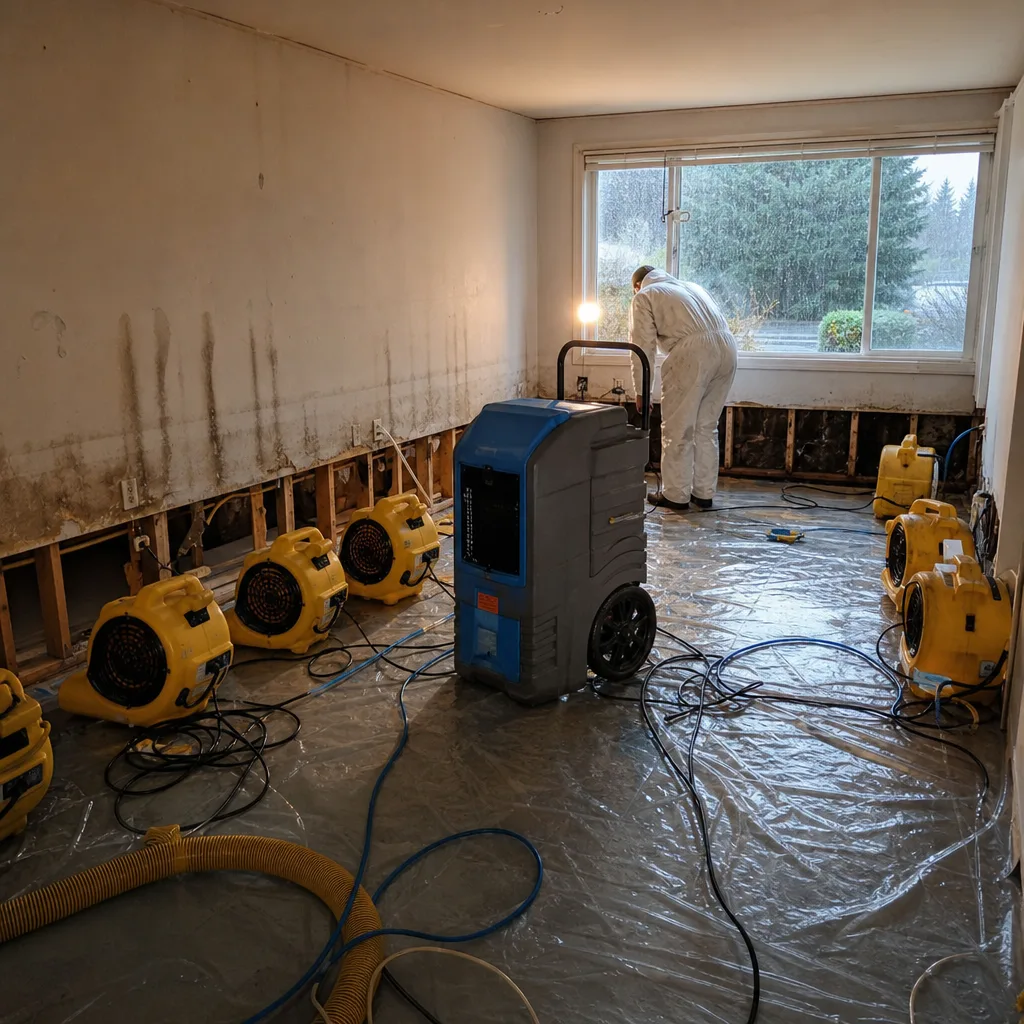
The City of Everett and Snohomish County operate separate building departments with distinct fee schedules and inspection protocols. Understanding which jurisdiction applies to your property is the first step, and it’s not always obvious. Everett city limits extend irregularly through the metropolitan area, with unincorporated pockets surrounded by city territory. The address alone doesn’t always determine jurisdiction; the parcel’s legal description does.
For properties within Everett city limits, the Water Damage Restoration in Everett process must account for these specific thresholds:
- Building permits: Required for structural repairs exceeding 200 square feet of sheathing, any load-bearing wall modification, or foundation work. The permit fee scales with project valuation, starting at $150 for repairs valued under $5,000.
- Electrical permits: Required for any new circuit, panel replacement, or wiring repair beyond the device box. Even replacing a flood-damaged outlet requires a permit if the conductor back to the panel was submerged.
- Plumbing permits: Required for water heater replacement, any modification to supply or waste lines, and fixture replacement if the rough-in is altered.
- Mechanical permits: Required for HVAC equipment replacement or duct modification, common after fire or smoke damage.
- Mold abatement permits: Required for affected areas exceeding 10 square feet in residential properties, any visible mold in commercial or rental properties.
Snohomish County’s unincorporated areas use the same underlying code but with different fee structures and longer inspection lead times. The county’s online permit system, Snohomish County Online Permitting (SCOP), requires property owner registration before a contractor can associate a permit application with the parcel. This creates a verification step that Everett’s system lacks, but it also introduces delays that some contractors try to bypass.
The specific code sections that govern these thresholds are:
- Everett Municipal Code 15.08, adopting the International Building Code with local amendments
- Snohomish County Code Title 10, Chapter 10.04, adopting the same code framework for unincorporated areas
- Washington State RCW 19.27.530, requiring contractor registration for all permit-eligible work
Local amendments matter. Everett requires enhanced seismic bracing for water heater replacements, a direct response to the region’s seismic risk. Snohomish County requires flood-resistant materials below the base flood elevation, which affects restoration material choices in the Lowell Riverfront area and other flood-prone zones. A contractor working from a standard national scope of work will miss these requirements, producing a permit application that gets rejected and adding weeks to a project that may already involve displaced residents.
Contractor-Pulled vs. Homeowner-Pulled Permits
Who pulls the permit determines who bears liability for code compliance, and this distinction is poorly understood by most homeowners. Our How to Hire a Damage Restoration Contractor in Everett: A Step-by-Step Guide covers how to verify this before signing. In Washington, a registered contractor is legally required to pull their own permits for work they perform. A homeowner pulling a permit for contractor-performed work creates a specific liability structure that benefits the contractor at the homeowner’s expense.
When a contractor pulls the permit:
- The contractor is the “responsible party” on record with the building department
- The contractor’s registration bond and insurance back the permit
- Code violations are the contractor’s financial responsibility to remedy
- The homeowner can file a complaint with the Department of Labor & Industries against the contractor’s registration
When a homeowner pulls the permit for contractor work:
- The homeowner becomes the responsible party for code compliance
- The contractor’s insurance and bond do not cover permit-related deficiencies
- Code violations become the homeowner’s cost to remedy before occupancy is approved
- The homeowner assumes the role of “owner-builder,” with restrictions on selling the property within one year
We’ve reviewed competitor estimates in Everett where the fine print states “permit fees not included” or “owner to obtain permits.” This is a red flag. Under Haven Standard, Clause 1, our written price includes all permit fees, and we pull all permits ourselves. The documentation we provide includes the permit application number, the inspection schedule, and the final certificate of completion, all in the same file as the moisture logs and photo record.
The owner-builder restriction is particularly consequential. Washington RCW 19.27.095 requires owner-builders to occupy the property for at least 12 months before selling, unless they obtain a release from the building department. A homeowner who pulled a permit for restoration work they didn’t perform, then sells within a year, faces a title defect that can delay or derail closing. We’ve been called to document the scope of prior restoration work in exactly this scenario, typically in the Bayside and Port Gardner neighborhoods where property turnover is higher.
How Unpermitted Work Shows Up in Title Searches
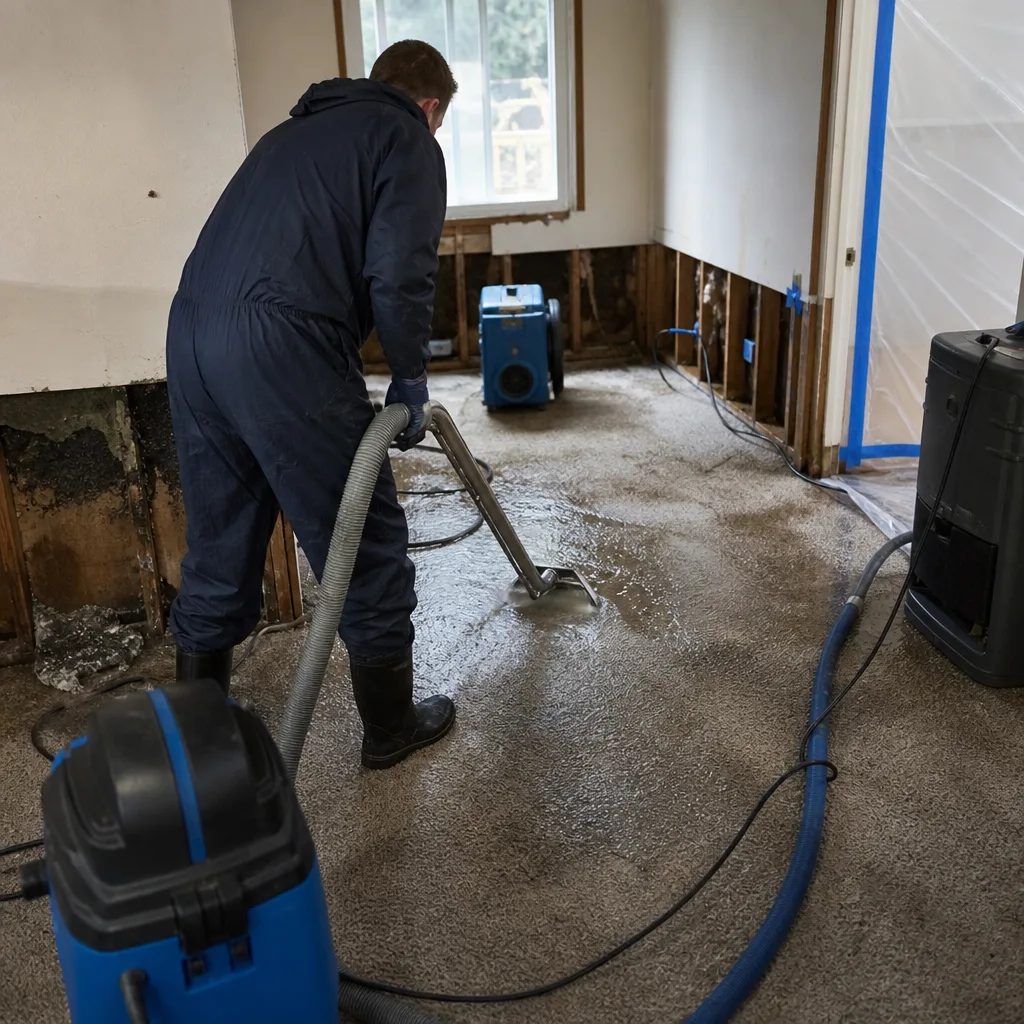
Unpermitted restoration work does not disappear when the drywall is painted. It persists in multiple record systems that title companies routinely query, and the cost of remediating the record often exceeds the original permit fee by orders of magnitude.
Washington’s disclosure requirements for residential property sales include a specific question about permits in the Form 17 Seller Disclosure Statement. Question 4.3 asks whether the seller is aware of “any work performed on the property for which a permit was required but not obtained.” Answering “no” when unpermitted work exists exposes the seller to fraud liability. Answering “yes” triggers the buyer’s right to demand remediation or walk from the transaction.
Beyond the disclosure form, title searches now incorporate:
- Building department permit history: Everett and Snohomish County both maintain searchable online databases. A permit gap during a period of obvious renovation, such as a kitchen remodel after fire damage, raises questions that title officers flag.
- Assessor’s property records: Square footage changes, room count modifications, or condition upgrades without corresponding permits create discrepancies.
- Insurance claim databases: The Comprehensive Loss Underwriting Exchange (CLUE) records claims by property address. A major water damage claim with no corresponding permit history for the repair work is an anomaly that underwriters note.
- Lien records: Contractors who performed unpermitted work and were not paid may file liens that cloud title regardless of permit status.
The cost to remediate an unpermitted work record varies by the scope of work and how long it has been in place. Current Everett and Snohomish County practice requires:
- Exposing the work for inspector verification, typically requiring removal of finish materials
- Paying permit fees retroactively, often at enhanced rates for late applications
- Performing any code upgrades that have been adopted since the original work
- Obtaining a certificate of occupancy or completion, which may require additional inspections
We’ve documented cases in the Silver Lake area where a $300 permit that was skipped to save time became a $12,000 remediation when the home sold five years later. The original contractor was no longer in business. The homeowner paid to expose walls, upgrade electrical to current code, and obtain the certificate. The alternative was a $25,000 price reduction to a cash buyer willing to assume the risk.
What a Post-Restoration Inspection Actually Produces
A contractor’s job completion report and a state-licensed inspector’s certificate of completion are different documents with different legal weight. Conflating them is a common and costly error.
The contractor’s completion report, which we provide on every job, includes:
- Before, during, and after photo documentation
- Daily moisture readings with psychrometric data, the measurements of temperature, relative humidity, and vapor pressure that determine when materials are actually dry versus surface-dry
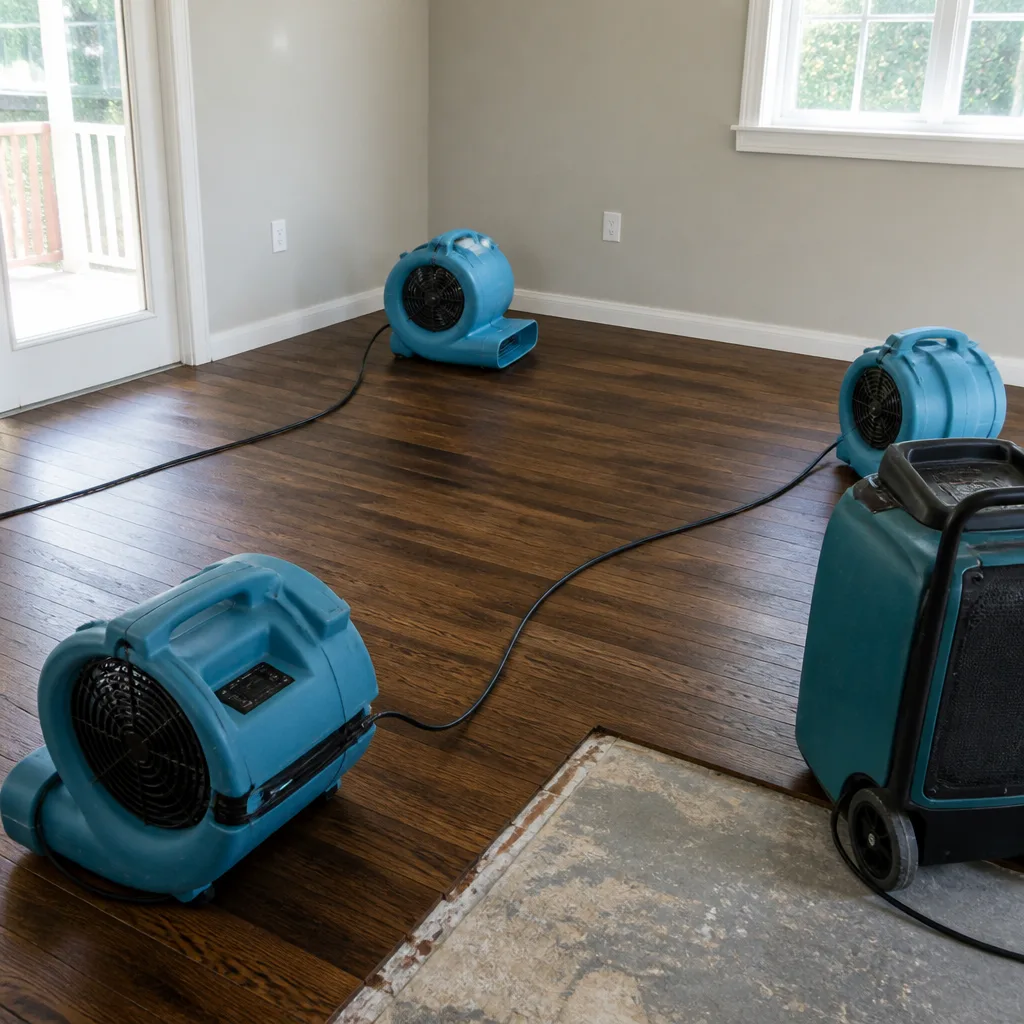
- Equipment placement logs showing Dri-Eaz and Phoenix dehumidifier, XPOWER and B-Air air mover, and Injectidry specialty drying system deployment
- A written scope of work performed
- The 365-Day Done Right Promise under The Haven Standard
This documentation supports insurance claims and provides a record of work quality. It does not, however, verify code compliance. That requires the inspector’s certificate.
The Washington State licensed inspector’s certificate of completion, issued after permit-triggering work, verifies:
- That the work matches the approved permit scope
- That materials and methods meet current code, including any amendments adopted since permit issuance
- That required systems function as designed, electrical and plumbing inspections
- That the work is safe for occupancy
For Mold Remediation in Everett, the post-abatement inspection includes air sampling with laboratory analysis, not visual clearance alone. The inspector collects samples using calibrated pumps, sends them to a laboratory accredited by the American Industrial Hygiene Association, and issues a certificate only if spore counts fall below the threshold defined in the scope. This certificate is the document that satisfies disclosure requirements and supports health-related insurance claims.
The two documents serve different purposes in a property transaction. The contractor’s report demonstrates what was done and how well. The inspector’s certificate demonstrates that what was done was lawful and safe. A homeowner needs both. We provide both, coordinated in the same file, because our founder built this company around the documentation gap that costs homeowners their claims.
How to Verify Your Contractor Filed the Permit They Claimed
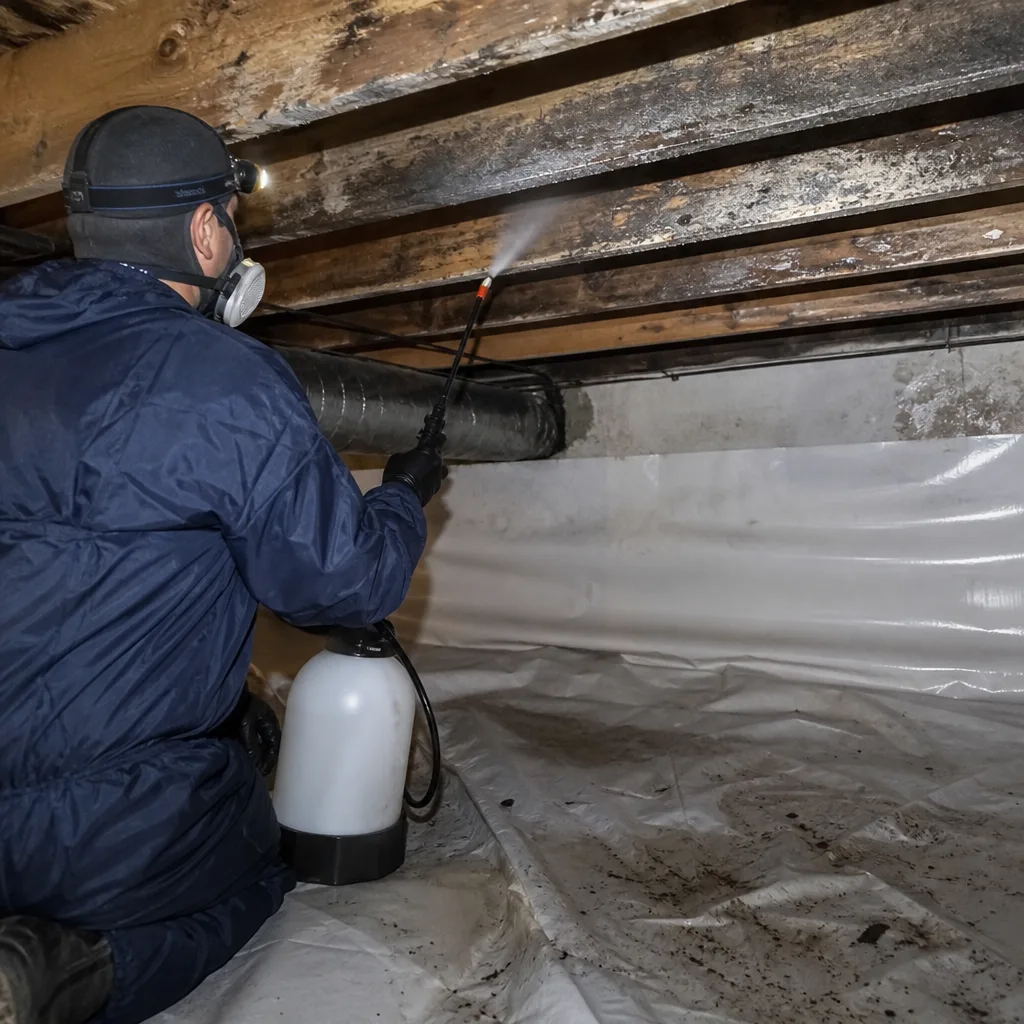
Verifying permit status is straightforward and should be routine for any homeowner. The systems are public, free, and searchable by address or permit number. The fact that most homeowners don’t check is a market failure that unscrupulous contractors exploit.
For Everett properties:
- Navigate to the City of Everett’s Online Permits portal at everettwa.gov/permits
- Select “Search Permits” and enter the property address
- Review active and completed permits for the relevant date range
- Confirm the contractor’s name matches the registered party on the permit
- Verify inspection statuses show “Approved” or “Passed,” not “Pending” or “Failed”
For Snohomish County unincorporated properties:
- Access Snohomish County Online Permitting (SCOP) at snohomishcountywa.gov/Permitting
- Create a free account if searching by address for the first time
- Enter the parcel number or address
- Review permit history, noting that SCOP displays permits back to 1990
- Check that final inspections show “Approved” status
Red flags to watch for:
- The permit is in the homeowner’s name, not the contractor’s, for work the contractor performed
- Inspection statuses show “Failed” with no subsequent “Passed” record
- The permit was “Voided” or “Expired” without completion
- The permit scope doesn’t match the work described in the contractor’s estimate
- No permit exists for work that clearly required one
We provide our permit application number in the written scope before work begins, under Haven Standard, Clause 1. Homeowners can verify it that day. If a contractor won’t provide a permit number, or provides excuses about “processing delays,” that is sufficient reason to pause the project. In Everett’s competitive restoration market, we’ve seen contractors claim permits were “filed” when they were never submitted, relying on homeowner inattention to avoid the cost and schedule impact.
The Insurance Gap: When Permits Affect Coverage
Insurance policies contain specific language about permit compliance that most homeowners never read until it’s relevant. The standard HO-3 homeowner policy in Washington includes a “concealment or fraud” provision that voids coverage for losses arising from work performed in violation of building codes, if the violation was known or should have been known by the insured. Unpermitted restoration work, performed by a contractor who should have known better, creates a coverage gap that the homeowner may discover only when filing a subsequent claim.
The specific mechanisms:
- Subsequent damage exclusion: If unpermitted electrical work causes a fire, the insurer may deny the fire claim based on the prior unpermitted work, even if the original water damage was covered.
- Code upgrade limits: Most policies include “ordinance or law” coverage with a specific dollar limit, typically 10% of the dwelling coverage. If unpermitted work must be torn out and redone to current code, and the permit-triggering scope is larger than anticipated, this limit may be exhausted on the remediation alone.
- Resale liability: The seller’s failure to disclose unpermitted work can trigger the policy’s liability coverage for fraud claims by the buyer, but only if the policy was in force at sale. Policies canceled or non-renewed due to claim frequency may leave the homeowner exposed.
For Fire & Smoke Damage Restoration in Everett, the permit and insurance intersection is particularly acute. Fire restoration typically involves electrical, plumbing, and structural permits simultaneously. The scope often exceeds initial estimates once smoke damage is fully assessed. A contractor who minimizes permit requirements to produce a lower initial quote may leave the homeowner with a coverage gap when the full scope emerges.
Our documentation practice addresses this directly. The photo record on every visit, the written scope before work begins, and the permit verification in the same file create a chain of evidence that supports insurance coverage. When we coordinate directly with adjusters, which we do as standard practice, the permit status is documented in the initial claim file, not discovered as a problem months later.
The Free Second Opinion we offer on any competitor’s written estimate includes permit verification. Bring us an estimate that doesn’t mention permits for clearly permit-triggering work, and we’ll identify the gap at no charge. This isn’t marketing; it’s the documentation-first approach that defines how we operate.
Documentation Standards That Protect Your Claim
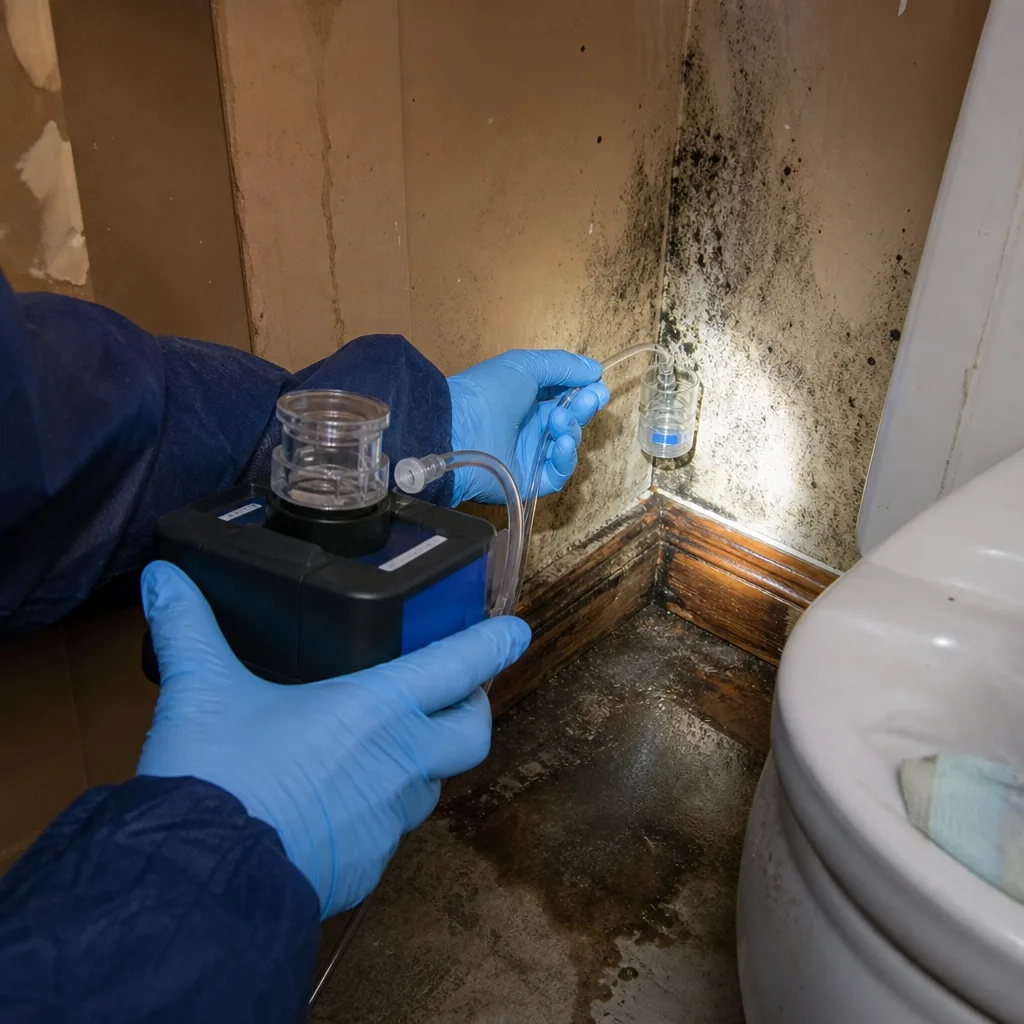
Permits and inspections are only as valuable as the documentation that preserves them. A certificate of completion in a file the homeowner can’t locate, or that was never provided in writing, is functionally worthless for a future sale or claim.
The documentation package we deliver on every permit-required job includes:
- The permit application and approval: Including the application number, scope description, and fee receipt
- Inspection schedule and results: Each inspection date, inspector name or ID, and pass/fail status with any corrections noted
- The certificate of completion: The final document from the building department, not the contractor, confirming code compliance
- Our complete job file: Photo record, moisture logs, equipment placement documentation, and the written scope under Haven Standard, Clause 1
- The 365-Day Done Right Promise: A signed warranty document under The Haven Standard, separate from and in addition to any manufacturer warranties on materials
This package is delivered in physical and electronic form. The electronic version is stored in our system for the duration of the warranty period and provided to the homeowner’s insurance company on request with authorization. In Everett’s climate, where moisture issues can recur seasonally, having the original drying logs with psychrometric data, the measurements that prove materials reached equilibrium moisture content, can distinguish between a new claim and a continuation of a prior loss.
We reference IICRC standards in our documentation because they provide the industry-recognized protocols that insurers expect. The Institute of Inspection, Cleaning and Restoration Certification defines the water damage restoration standard S500, which specifies drying equipment placement calculations, moisture content targets by material type, and verification procedures. Our daily logs follow this format precisely, producing documentation that adjusters recognize and accept without dispute.
The alternative, which we see too often, is a contractor who provides a single-page invoice and a verbal assurance. That documentation fails at the first adjuster review, the first permit verification, or the first title search. The homeowner pays twice: once for inadequate work, again to produce the documentation that should have existed from the start.
Common Mistakes to Avoid
- Accepting “permit not needed” at face value. Verify independently through Everett or Snohomish County online systems. A contractor’s convenience is not a legal standard.
- Pulling the permit yourself to save time. This transfers liability from the contractor to you, activates owner-builder restrictions, and may void your contractor’s insurance coverage for the work.
- Assuming insurance covers unpermitted work. Most policies contain exclusions for losses arising from known code violations. The “should have known” standard applies to work performed by your contractor on your behalf.
- Not requesting the certificate of completion. The contractor’s job report is not the same document. Demand both, and verify the certificate number in county records.
- Discarding documentation after “completion.” Retain all permit and inspection records for the duration of ownership plus seven years. Digital storage is free; title defects are not.
- Hiring unregistered contractors. Washington L&I contractor registration is verifiable online. Unregistered contractors cannot legally pull permits, and their work is unprotected by the state’s dispute resolution mechanisms.
- Ignoring cumulative repair thresholds. Multiple small repairs in a 12-month period can aggregate to a permit trigger. Track total scope, not individual visits.
When to Call a Professional
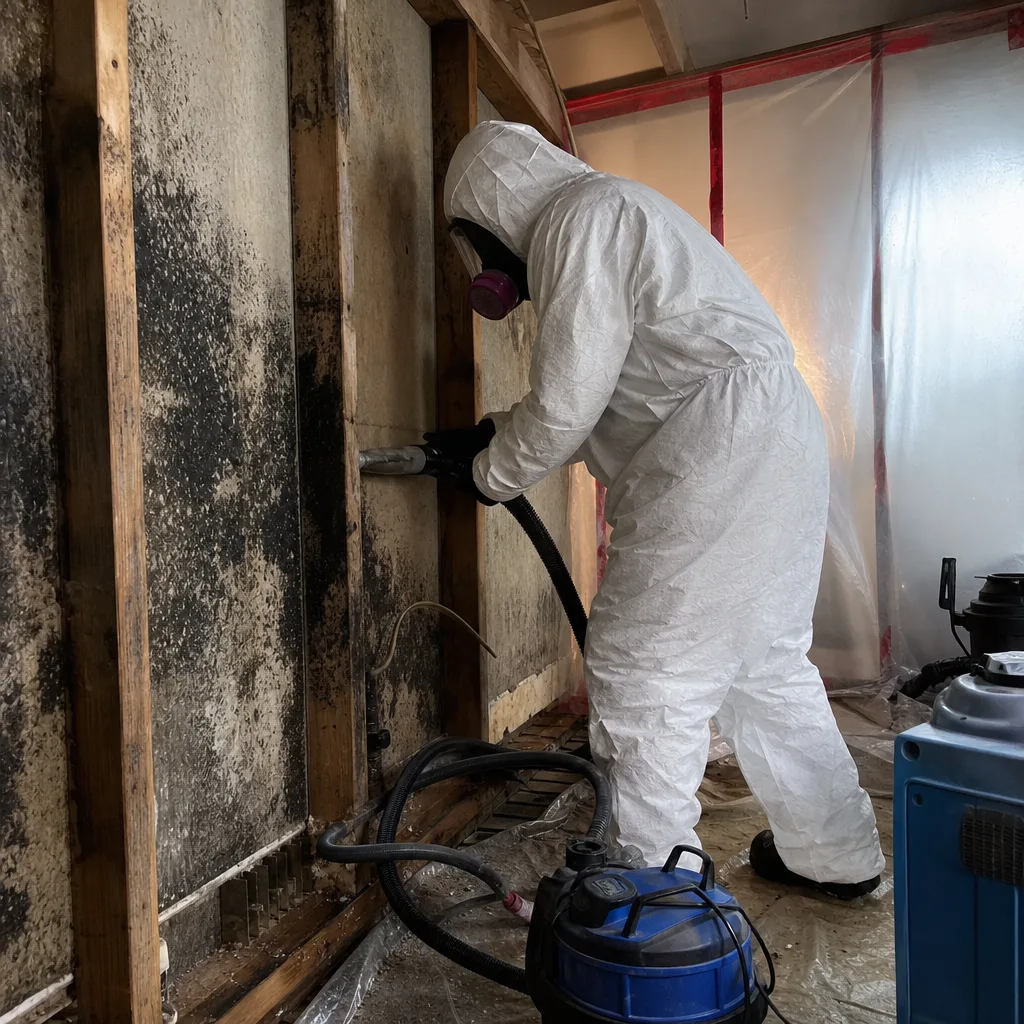
Call a professional when any restoration work involves structural materials, electrical or plumbing systems, or mold remediation beyond a single visible patch. Not sure whether to tackle it yourself? Read our DIY vs Professional Damage Restoration: The Everett Homeowner’s Decision Guide. The cost of permit compliance is predictable; the cost of non-compliance is not. In Everett, where property values have appreciated significantly since 2015, the resale impact of unpermitted work can exceed the original repair cost by multiples.
DryMark Restoration Everett offers free estimates in Everett and across our service area. Every estimate includes permit requirements identified upfront, not discovered mid-project. Call (360) 502-8815 for a written scope that specifies what permits apply, who will pull them, and what documentation you’ll receive. DryMark Restoration Everett home provides additional information about our documentation standards and The Haven Standard guarantees.
Frequently Asked Questions
Yes, if the restoration involves structural repairs exceeding 200 square feet of sheathing, electrical or plumbing modifications, or mold remediation beyond 10 square feet. Surface drying and carpet replacement typically do not require permits, but any work behind the wall surface should be evaluated against Everett Municipal Code 15.08. Browse more guides & resources on our blog for related topics. Call (360) 502-8815 for a written scope that identifies specific permit requirements for your property.
No, not for permit-triggering work. Washington RCW 19.27 requires permits for specified repairs, and registered contractors are legally obligated to obtain them. A contractor who suggests skipping permits to save time or money is exposing you to stop-work orders, mandatory rework, and insurance coverage gaps. We pull all required permits as standard practice, with the permit number provided in your written scope before work begins.
Verify through Everett’s Online Permits portal at everettwa.gov/permits or Snohomish County’s SCOP system at snohomishcountywa.gov/Permitting. Search by your property address and confirm the permit shows your contractor’s name, the correct scope, and “Approved” inspection statuses. We provide our permit application number in every written scope specifically so homeowners can verify immediately.
You must disclose it on Form 17, question 4.3, or risk fraud liability. Buyers can demand remediation, negotiate price reductions, or walk from the transaction. Remediating the record typically requires exposing work for inspection, paying retroactive permit fees, and performing any code upgrades adopted since the original work. In Everett’s current market, we’ve seen this cost $10,000 to $40,000, depending on scope and elapsed time.
The original damage may be covered, but subsequent losses arising from unpermitted work may be excluded under policy “concealment or fraud” provisions. If unpermitted electrical work causes a fire, for example, the fire claim may be denied. We coordinate directly with adjusters and document permit compliance in the initial claim file to prevent this gap.
The contractor’s report documents what was done and how well, including photo records and moisture logs. The inspector’s certificate verifies that the work meets code and is safe for occupancy. Only the inspector’s certificate satisfies legal disclosure requirements and supports resale value. We provide both, coordinated in the same file, on every permit-required job.
Everett typically processes simple restoration permits within 3-5 business days for online applications. Snohomish County’s SCOP system varies by project complexity, with structural permits taking 7-14 business days. Both jurisdictions offer expedited review for emergency situations, such as unsafe structures after storm damage, with same-day or next-day approval possible with proper documentation. We factor permit timelines into every project schedule and communicate them in the written scope.
The Bottom Line
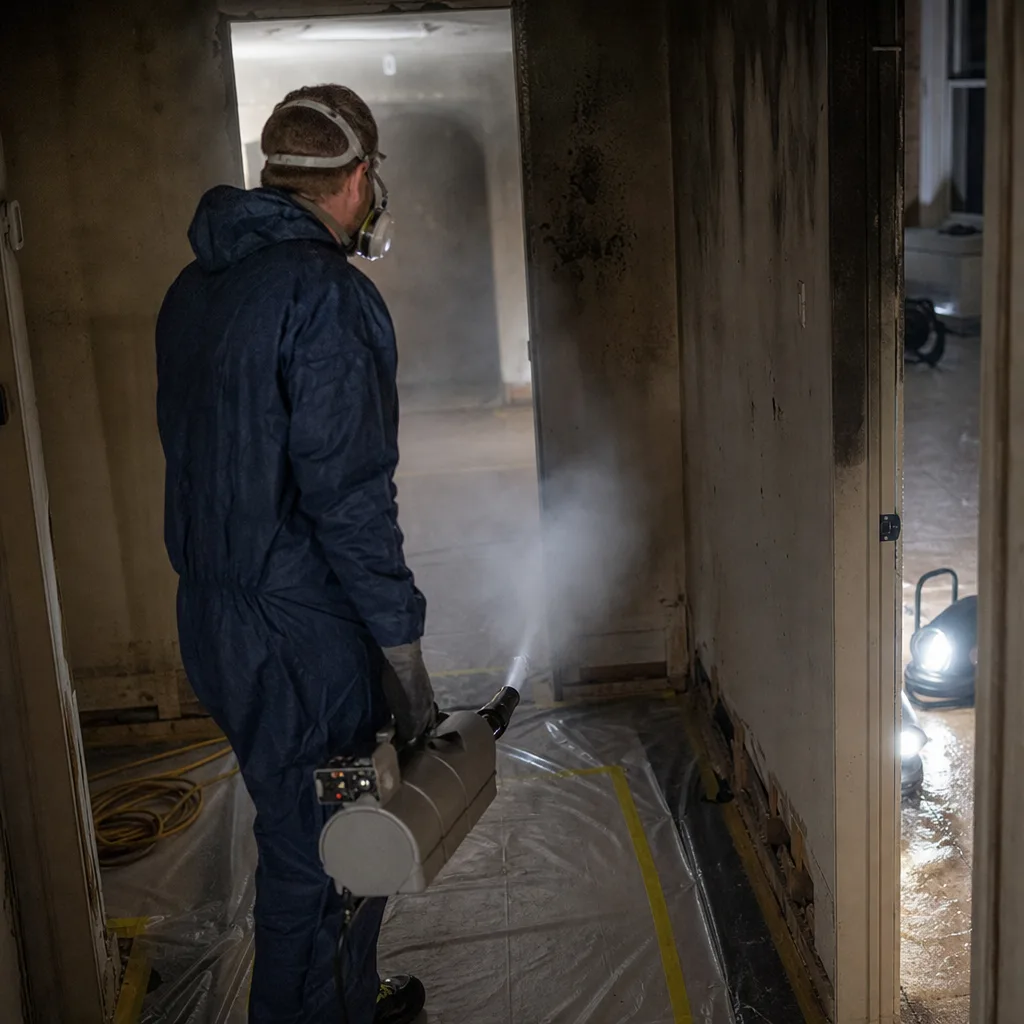
Permits are not bureaucratic obstacles; they are documentation that protects your property value, insurance coverage, and legal liability. In Everett and Snohomish County, the specific thresholds are knowable, the verification systems are public, and the cost of non-compliance far exceeds the cost of compliance. The contractors who minimize permits are transferring risk to you, the homeowner, in ways that may not surface for years. Demand a written scope that identifies permit requirements before work begins, verify the permit independently, and retain the certificate of completion with your property records. This is the documentation-first approach that defines professional restoration work.
Written by Alicia Brennan, Owner at DryMark Restoration Everett, serving Everett since 2011.