
Last updated September 23, 2026
Free visual inspection and a written scope of work before any mitigation begins - photos, moisture readings, and drying logs go in your claim file
The scope we write is the scope we bill. Anything new gets shown to you, in writing, before we touch it.
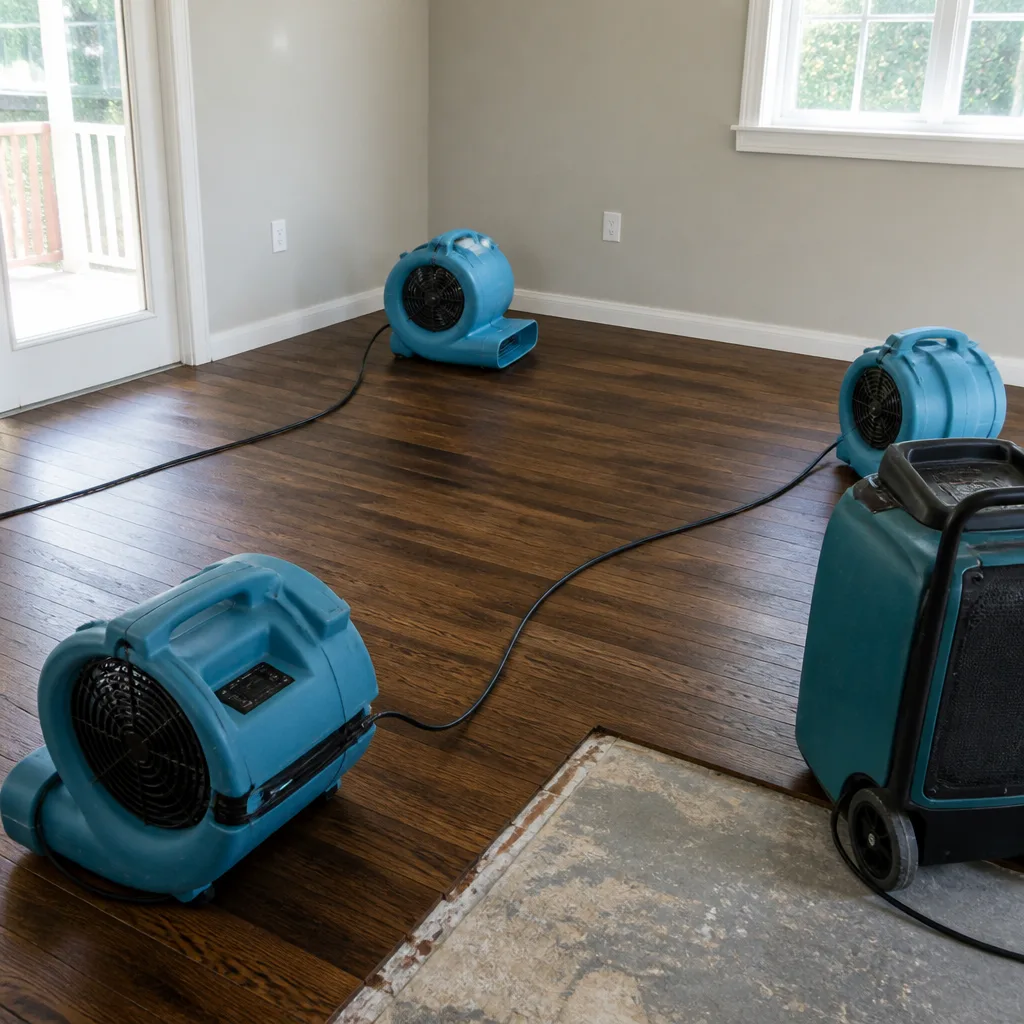
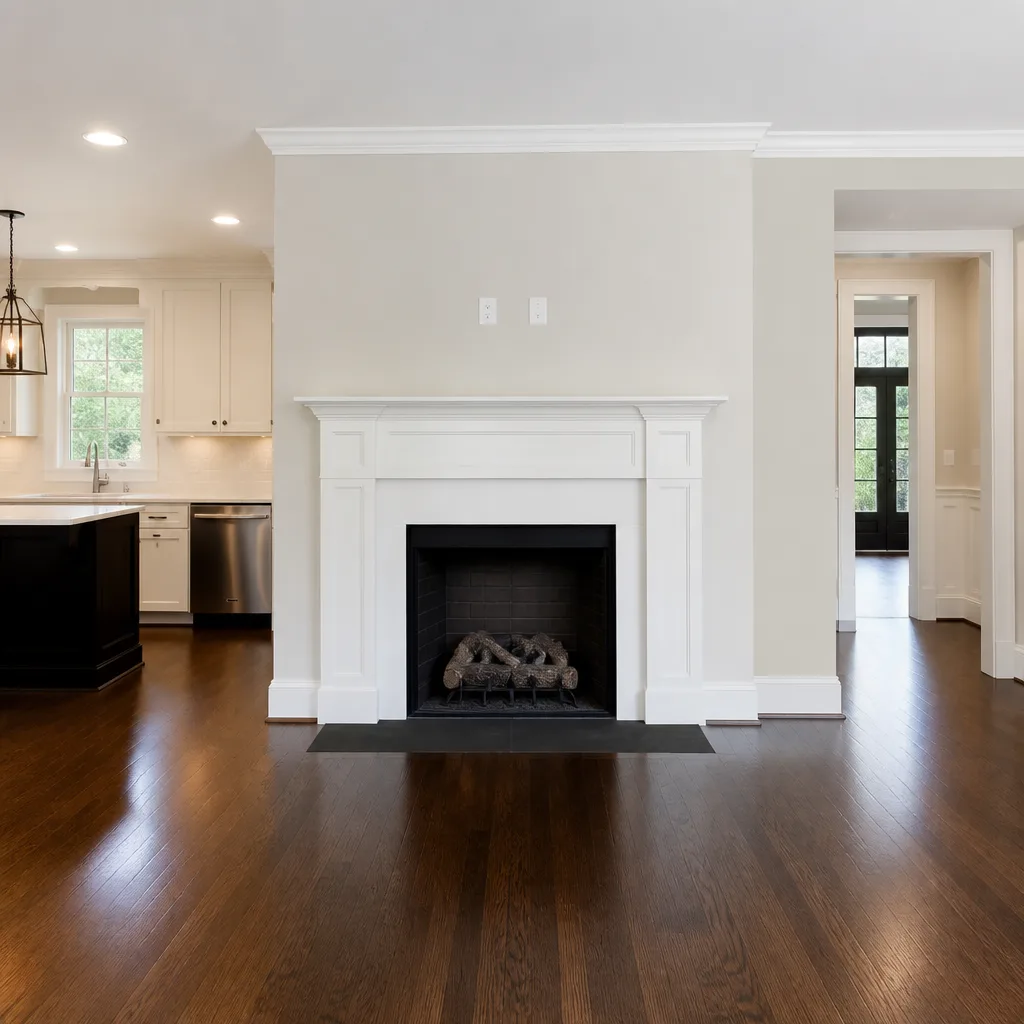
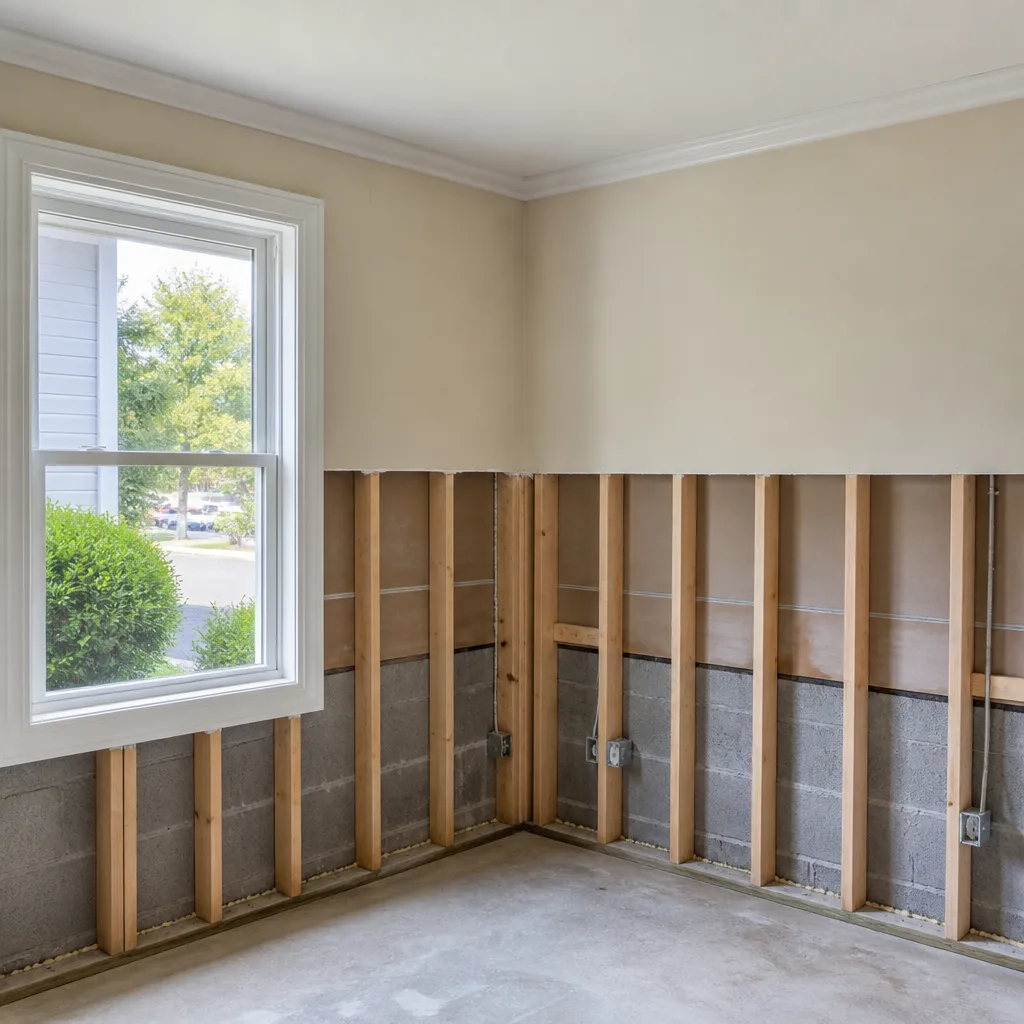
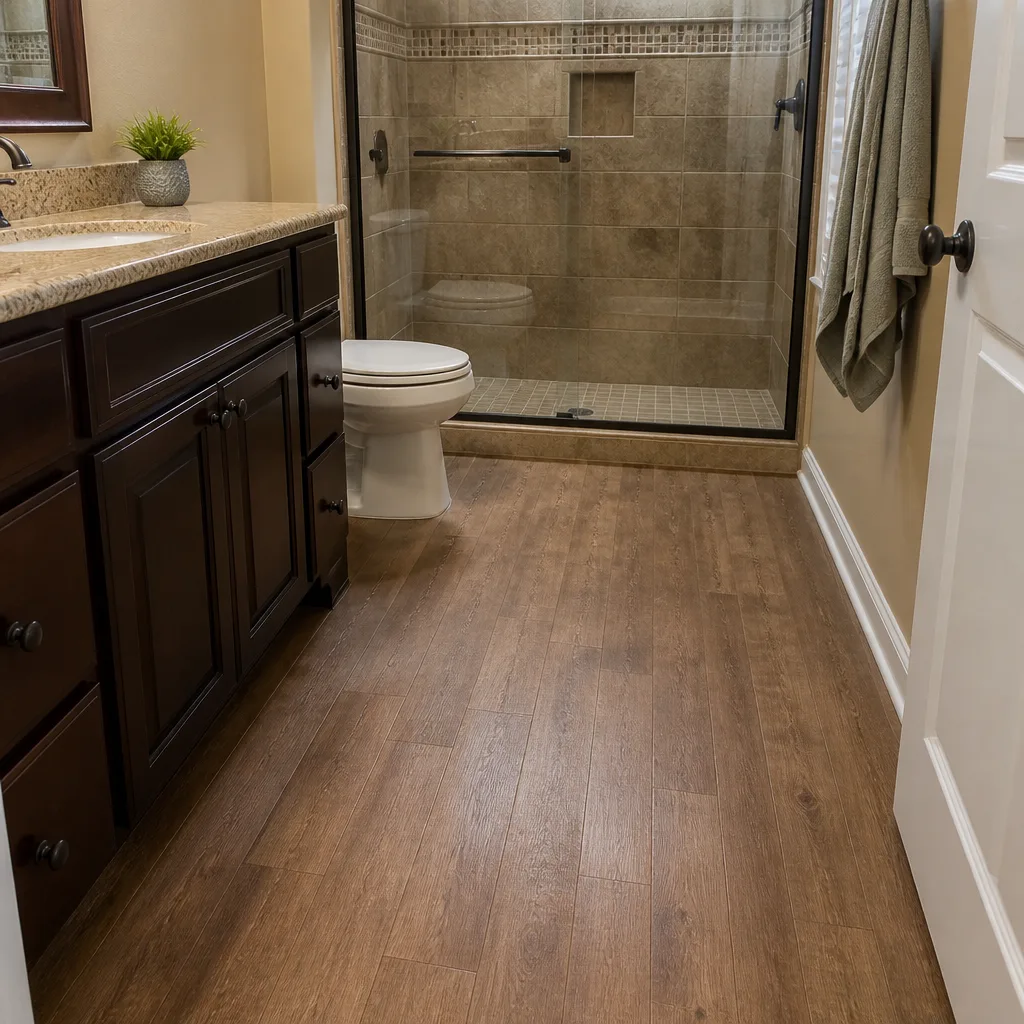
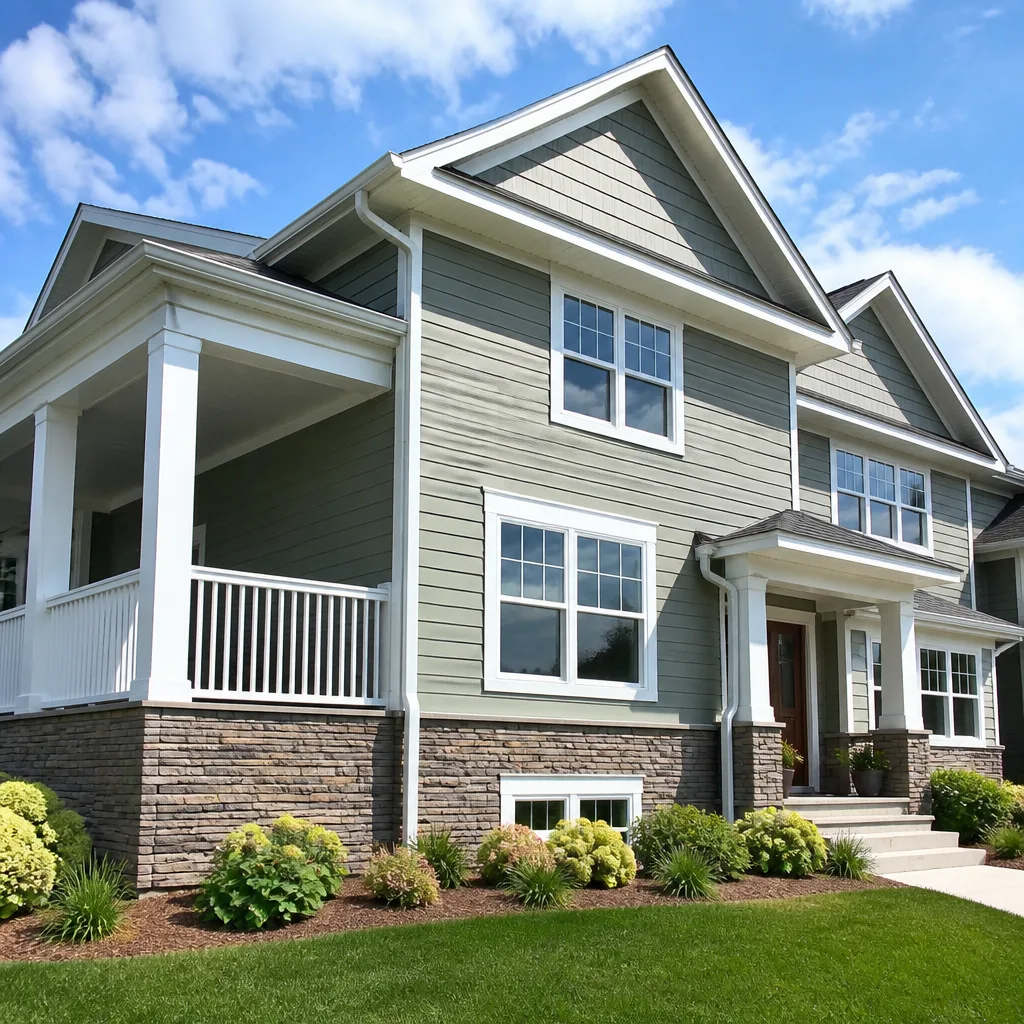
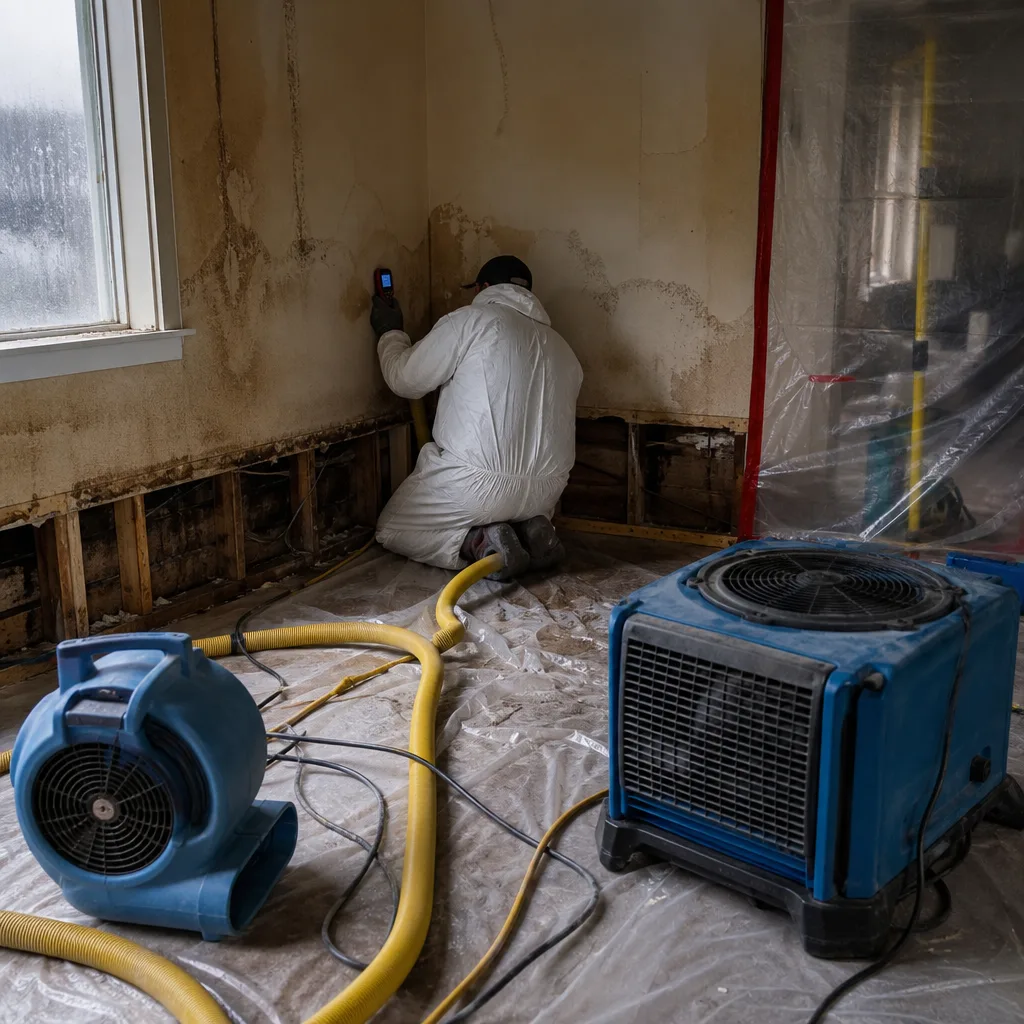 Before
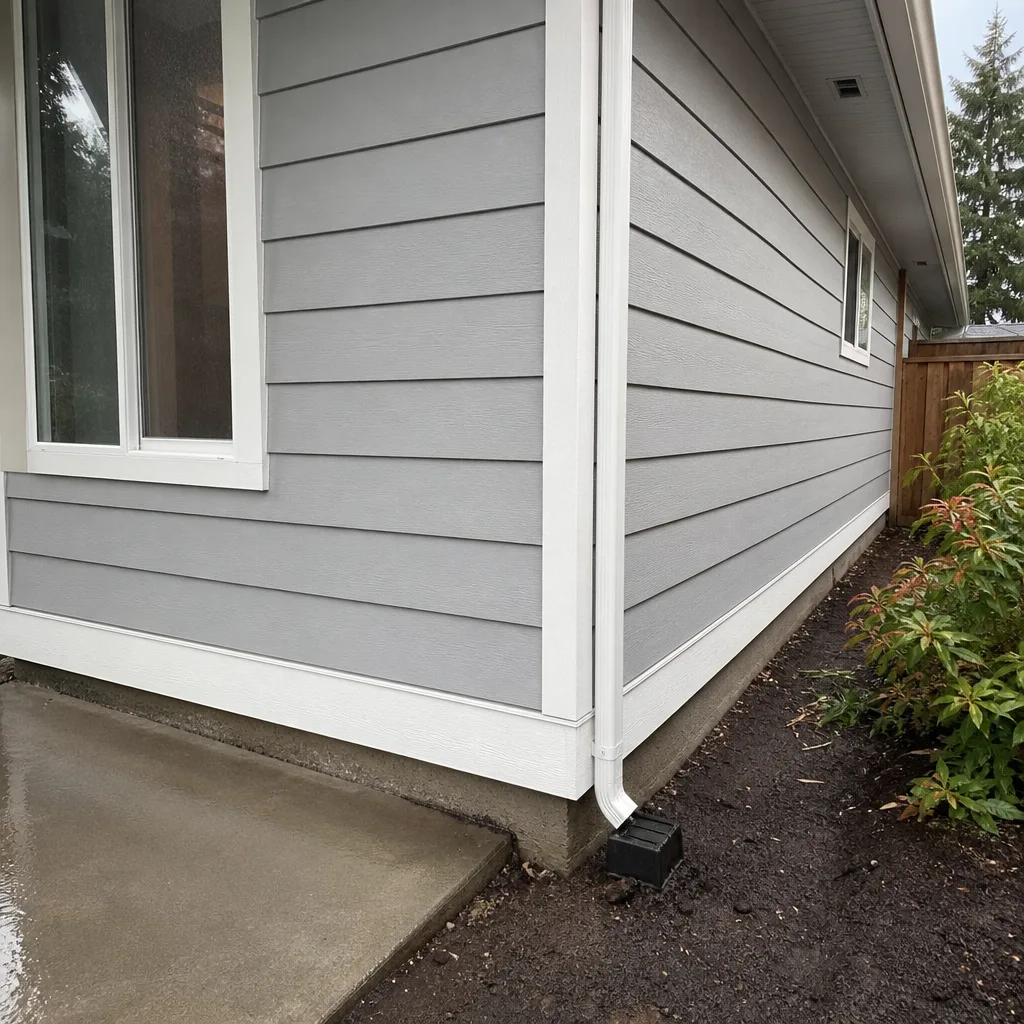 After
After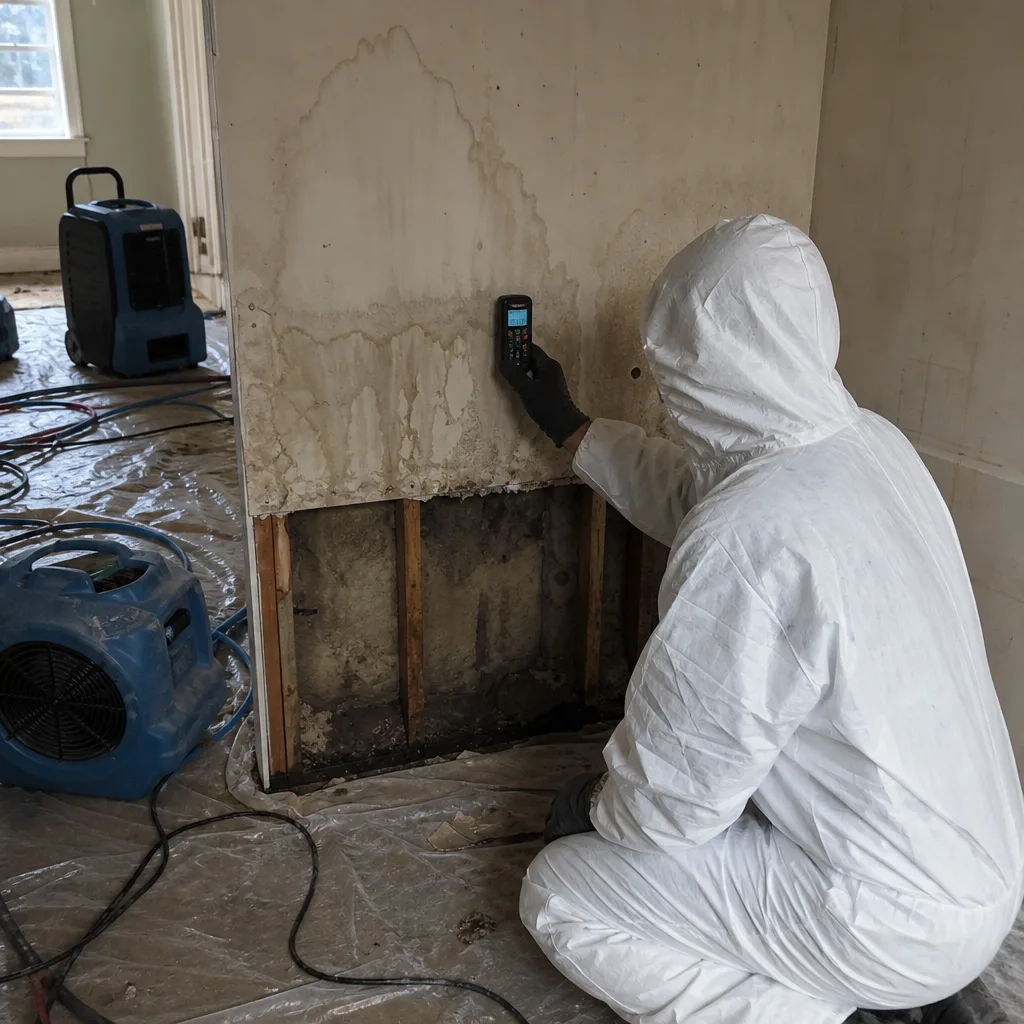 Before
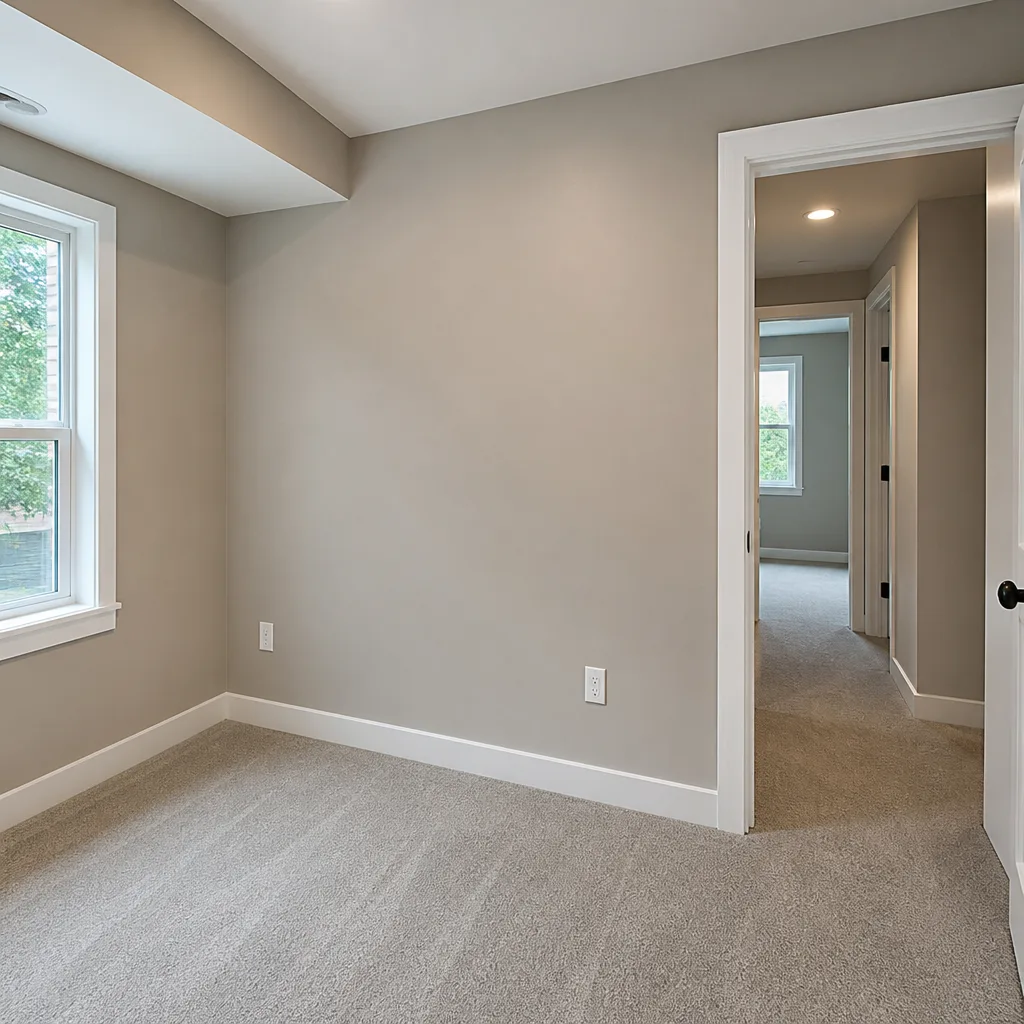 After
After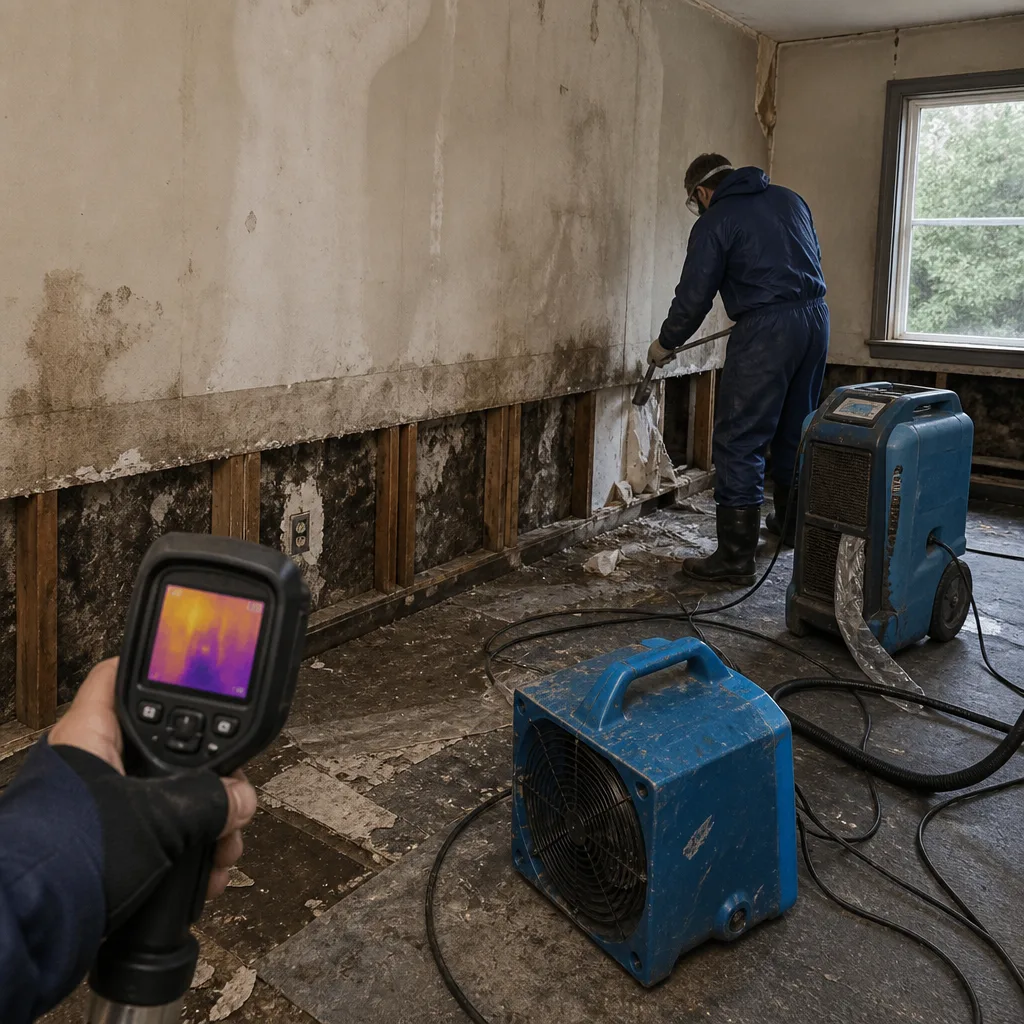 Before
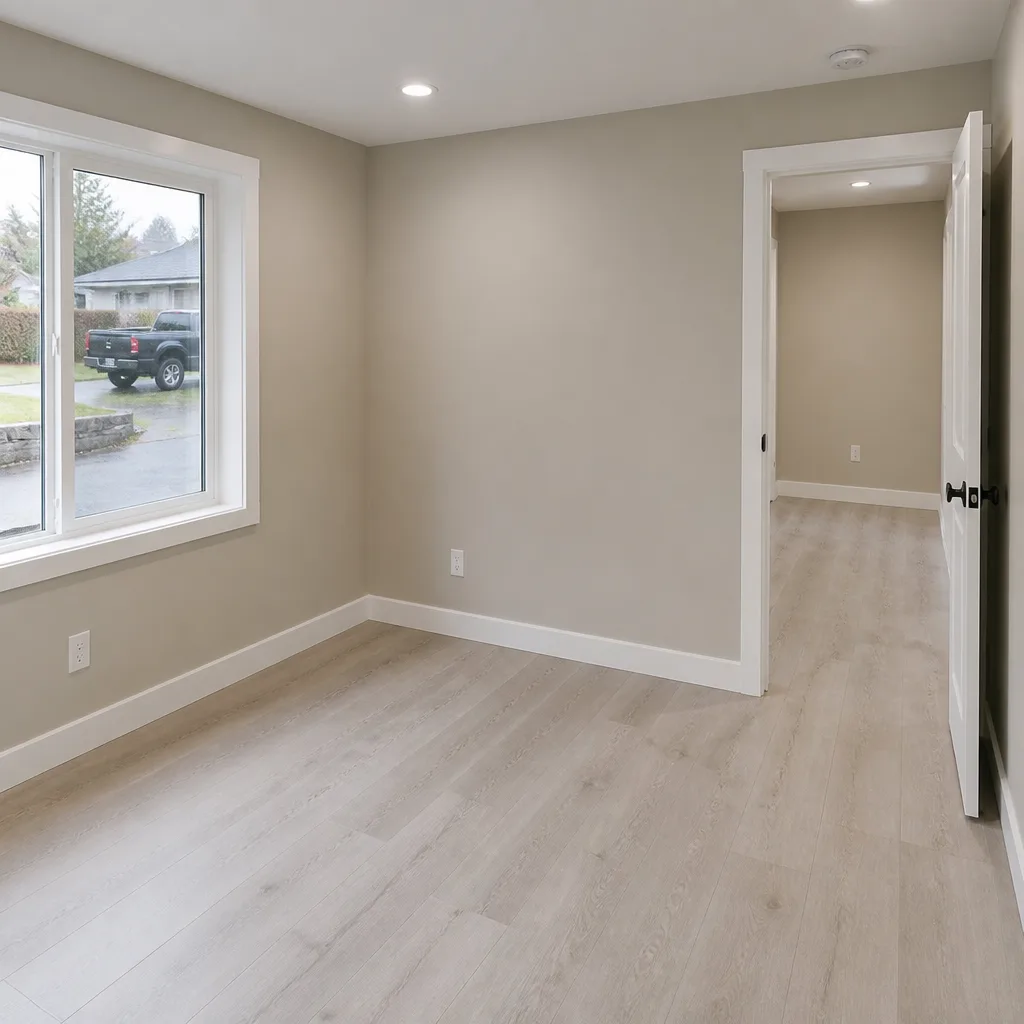 After
AfterDamage Restoration Cost Breakdown: The Everett Homeowner’s Reference for 2026
The average underpaid water damage claim in Washington isn’t underpaid because the adjuster is dishonest. It’s underpaid because the contractor’s invoice didn’t include the Xactimate line items for work that was actually performed. In Everett, where Snohomish County’s labor rates run 12-18% below Seattle’s but material costs track nearly identical, this documentation gap costs homeowners thousands in out-of-pocket recovery. This guide shows you how restoration pricing actually works: how Xactimate codes map to physical tasks, which line items adjusters most frequently deny, and why a written scope with photo documentation turns a disputed invoice into a paid claim. You’ll learn to read an estimate like the adjuster who will review it.
Quick Answer
Water damage restoration in Everett typically ranges from $3,200 for a contained Category 1 cleanup to $18,500+ for a Category 2 loss with structural drying, equipment rental, antimicrobial treatment, and post-drying clearance testing. Fire and smoke restoration averages $8,500-$35,000 depending on square footage and content involvement. Mold remediation runs $2,800-$7,200 for attic or crawl space work. The single biggest variable isn’t the damage itself; it’s whether the contractor documents every task to Xactimate line items before work begins.
Table of Contents
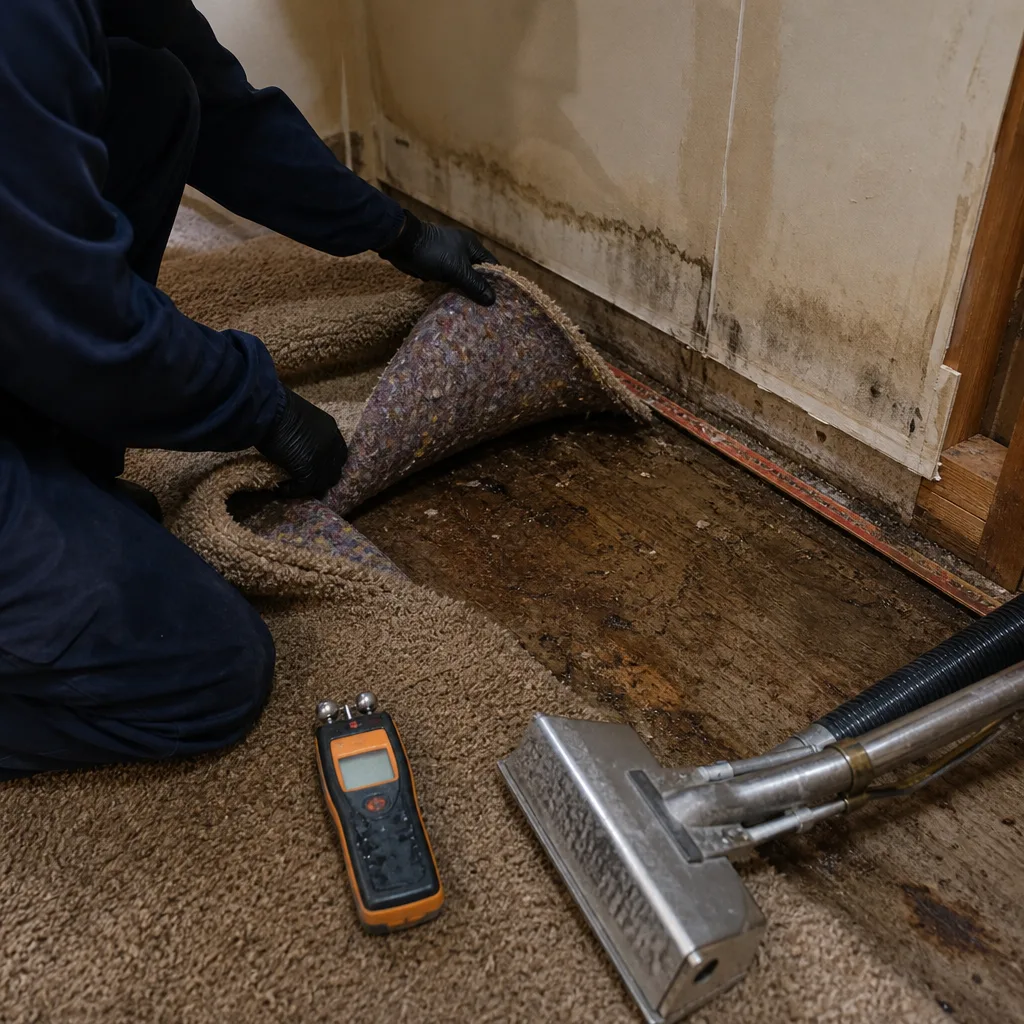
- How Xactimate Pricing Actually Works (And Why Most Homeowners Never See It)
- Everett Water Damage Restoration Costs: A Line-Item Breakdown by Xactimate Code
- Fire & Smoke Damage Restoration Costs in Everett
- Mold Remediation Costs: What Everett’s Climate Adds to the Bill
- The Cost Difference Between a Documented Job and an Undocumented Job
- How Snohomish County’s Labor Market Affects Your Quote
- Public Adjuster vs. Contractor Supplement: Which Path Saves More
- Common Mistakes to Avoid
- When to Call a Professional
- Frequently Asked Questions
BeforeAfterHow Xactimate Pricing Actually Works (And Why Most Homeowners Never See It)
Xactimate is the pricing database that 80% of U.S. insurers use to estimate property claims. Every task in a restoration job - from extracting standing water to disposing of contaminated drywall - maps to a specific code with a regional price. The database updates quarterly, and the Puget Sound region (including Everett) draws from the Seattle-Tacoma-Bellevue labor market with county-level adjustments.
Here’s what most homeowners don’t know: the adjuster’s software and the contractor’s software pull from the same price list. When they disagree, it’s almost always because the contractor’s invoice lacks line items for work performed, not because the adjuster is cutting rates. We’ve reviewed competitor estimates in Everett where a contractor performed $4,200 worth of documented drying but billed it as a single “water mitigation” lump sum - a scenario our DIY vs Professional Damage Restoration: The Everett Homeowner’s Decision Guide helps homeowners avoid. The adjuster denied 60% of it. The homeowner paid the difference.
Key Xactimate categories for restoration:
- WTR (Water Damage): extraction, evaporation, dehumidification, monitoring
- FRS (Fire/Smoke): structural cleaning, content cleaning, deodorization, thermal fogging
- MOL (Mold): containment, negative air, HEPA filtration, removal, post-remediation verification
- BIO (Biohazard): PPE, disposal, ATP testing, clearance documentation
- RFG (Roofing): temporary tarping, structural repair (often cross-referenced in storm claims)
Each code breaks down further. WTR-EXR covers extraction by submersible pump or truck-mounted extractor. WTR-DRY covers placement of air movers and dehumidifiers per day. WTR-ANT covers antimicrobial application per square foot. When a contractor writes “drying services: $5,500” without these codes, the adjuster has no basis to approve the full amount.
In our experience across 12,000+ homes since 2011, the estimates that pay without dispute are the ones where the homeowner receives a written scope with Xactimate line items before anyone starts work. Haven Standard, Clause 1: written price before work begins. This isn’t a courtesy. It’s the documentation foundation that makes the rest of the claim possible.
Everett Water Damage Restoration Costs: A Line-Item Breakdown by Xactimate Code
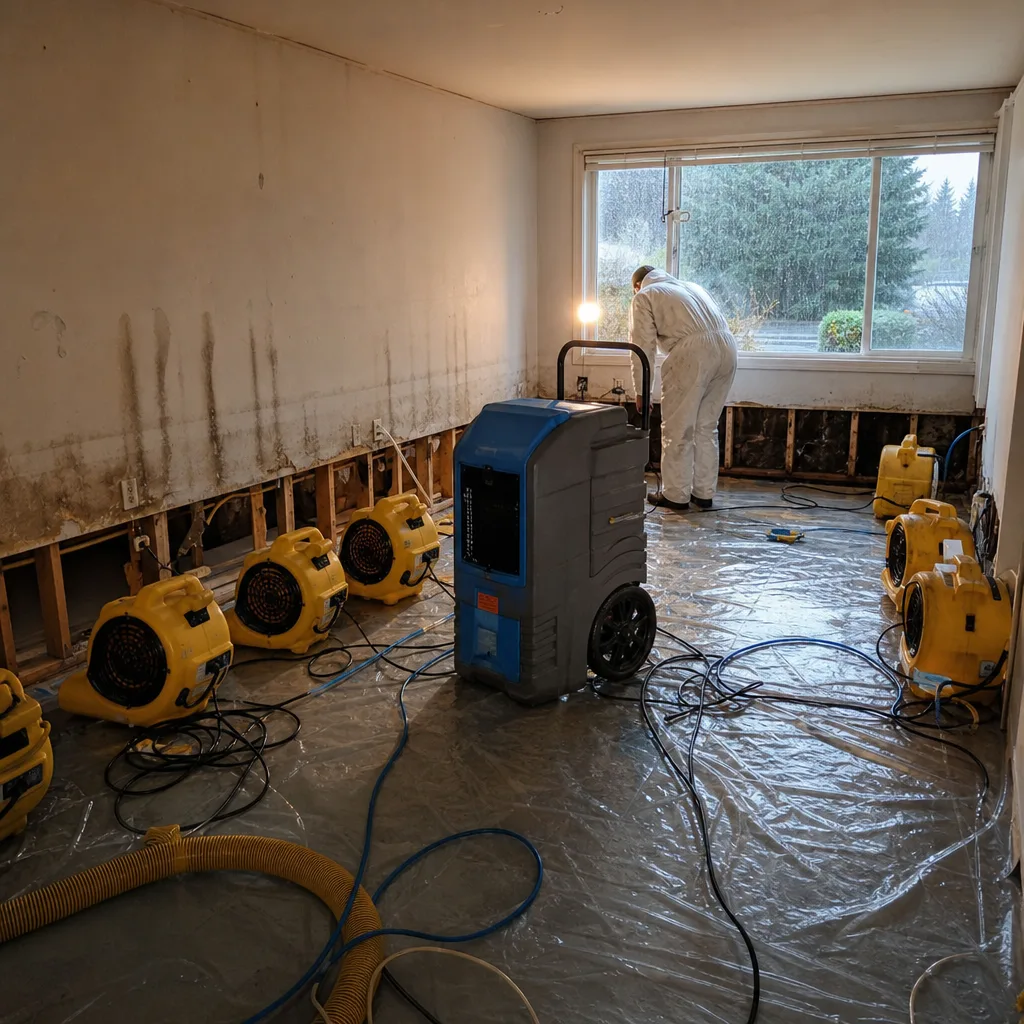
Below is a typical Category 2 water loss in Everett - a washing machine hose failure on a second-floor laundry, affecting 400 square feet of laminate flooring, base trim, and drywall up to 12 inches. The water sat for 24-36 hours before discovery. This is the most common call we handle in neighborhoods like Silver Lake, View Ridge-Madison, and the Riverside area.
| Xactimate Code | Task Description | Typical Everett Range (2026) |
|---|---|---|
| WTR-EXR | Water extraction (truck-mounted or portable) | $380-$620 |
| WTR-DRM | Demolition/removal of unsalvageable materials | $1,100-$1,800 |
| WTR-DRY | Structural drying: air movers, dehumidifiers, daily monitoring (3-5 day cycle) | $1,800-$3,200 |
| WTR-ANT | Antimicrobial application to affected surfaces | $280-$450 |
| WTR-MOI | Moisture mapping and psychrometric documentation | $340-$520 |
| WTR-CLN | Post-drying cleaning of salvageable surfaces | $220-$380 |
| WTR-PRV | Post-remediation verification testing (clearance) | $450-$750 |
| GEN-DIS | Disposal of contaminated debris | $180-$320 |
| GEN-SET | Equipment setup and takedown | $190-$310 |
| Total Typical Range | $4,940-$8,350 |
Category 1 losses (clean water, immediate response) typically fall in the $3,200-$5,800 range because less material requires demolition and drying cycles run shorter. Category 3 losses (sewage or standing water beyond 72 hours) start around $7,500 and escalate quickly due to required PPE, specialized disposal, and more extensive removal.
The line items most frequently omitted from contractor invoices - and therefore most frequently denied by adjusters - are:
- WTR-MOI (Moisture Mapping): Contractors perform this informally but don’t bill it. Without documented moisture readings at start and finish, the adjuster questions whether drying was complete.
- WTR-PRV (Post-Remediation Verification): The independent clearance test that proves the structure returned to normal fungal ecology. Skipping this leaves the homeowner with no defensible proof that work was sufficient.
- GEN-SET (Equipment Setup/Takedown): A real labor cost, often absorbed into “labor” without line-item documentation. Adjusters routinely deny unitemized labor.
- Daily monitoring visits: Each visit to check psychrometric data, move equipment, and photograph progress carries a WTR-MON code. Contractors who don’t log these visits can’t bill them, even when performed.
In Everett’s older housing stock - particularly in the Bayside and Port Gardner neighborhoods where 1940s-1960s construction is common - we regularly find lath-and-plaster walls that extend drying timelines by 40-60%. These jobs require more WTR-DRY days and often reveal hidden mold once plaster is opened. A contractor who prices by square footage alone will either underbid and cut corners, or surprise the homeowner with change orders. The written scope prevents both.
Our Water Damage Restoration in Everett page details our drying protocol using Dri-Eaz and Phoenix dehumidification systems, documented to IICRC S500 standards with daily moisture logs.
Fire & Smoke Damage Restoration Costs in Everett
Fire restoration pricing diverges from water damage in one critical way: the scope is harder to predict from the initial call. A kitchen grease fire with localized smoke damage might run $8,500-$14,000. A basement electrical fire with content involvement and structural compromise can exceed $35,000 before reconstruction begins.
Everett’s housing market adds specific variables. Homes built before 1978 may contain lead-based paint, triggering EPA RRP requirements that add $1,200-$2,800 to containment and disposal costs. The city’s older multifamily stock in the Delta neighborhood often has shared HVAC systems, extending smoke pathway investigation into adjacent units.
Typical Xactimate line items for fire restoration:
| Xactimate Code | Task Description | Typical Everett Range (2026) |
|---|---|---|
| FRS-CLN | Structural surface cleaning (per square foot) | $2.80-$4.50 |
| FRS-DEO | Deodorization: thermal fogging, ozone, hydroxyl | $680-$1,400 |
| FRS-CON | Content cleaning (on-site or pack-out) | $1,800-$4,200 |
| FRS-SEAL | Odor sealant application to structural members | $520-$890 |
| FRS-DEM | Selective demolition of charred/heat-damaged materials | $1,400-$2,600 |
| FRS-HVAC | HVAC system cleaning and duct sealing | $890-$1,800 |
| GEN-DIS | Hazardous debris disposal | $340-$680 |
The single most disputed line item in fire claims is FRS-SEAL (odor sealant). Adjusters often argue that replacement of drywall and insulation eliminates the need for sealant on framing. But in Everett’s climate, where winter humidity averages 80%+ and summer marine layer keeps structures damp, unsealed framing retains smoke odor compounds that reactivate months later. We document vapor pressure differential readings - the measurable force that drives odor molecules through porous materials - to justify this line item on every fire job.
Content cleaning (FRS-CON) is where documentation discipline matters most. A written inventory with pre-cleaning photos, itemized treatment method per piece, and post-cleaning verification turns a $3,000 content dispute into a paid line item. We’ve seen homeowners lose entire content claims because the contractor’s “content cleaning” line lacked this documentation.
Our Fire & Smoke Damage Restoration in Everett page explains our documentation protocol for fire jobs, including the photo record delivered on every visit.
Mold Remediation Costs: What Everett’s Climate Adds to the Bill
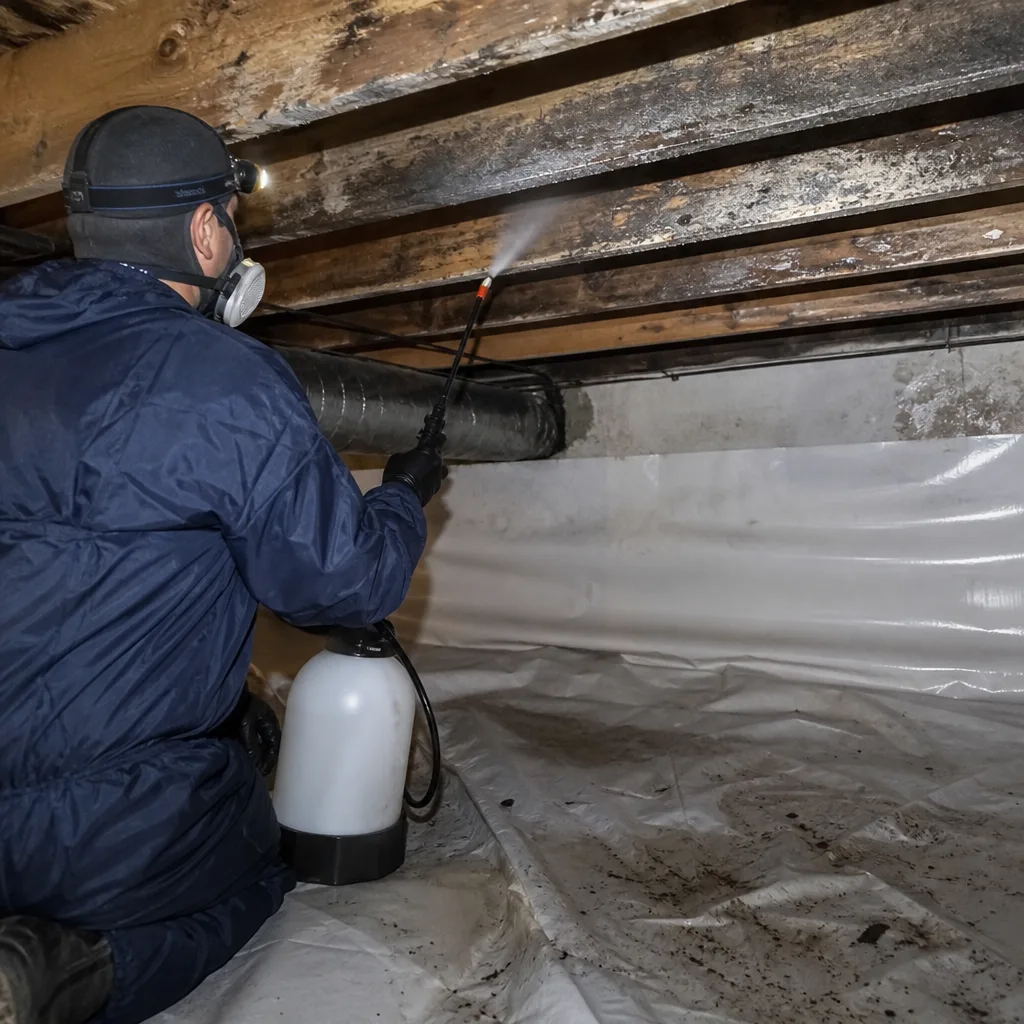
Everett’s location on Puget Sound creates a mold pressure that inland Washington cities don’t face. Annual precipitation exceeds 35 inches, winter humidity hangs above 80%, and the marine layer keeps roof decks and crawl spaces damp for six months of the year. In our work across Everett since 2011, we’ve found that homes without adequate vapor barriers in crawl spaces - common in pre-1985 construction throughout the Lowell and Holly areas - show active mold growth at moisture readings 15-20% lower than the IICRC threshold would predict for drier climates.
This means Everett mold jobs often require more extensive containment and longer negative-air runtime than Xactimate’s default assumptions. A competent estimator adjusts for this; a contractor running national pricing software without local calibration underbids, then cuts containment corners when the job runs over.
Typical mold remediation costs in Everett:
| Location/Scope | Typical Range (2026) | Key Cost Drivers |
|---|---|---|
| Crawl space, <500 sq ft, limited growth | $2,800-$4,200 | Access difficulty, vapor barrier replacement, post-remediation drainage correction |
| Attic, <800 sq ft, roof leak origin | $3,400-$5,600 | Insulation disposal, sheathing treatment vs. replacement, ventilation correction |
| Basement/utility room, Category 3 water origin | $4,500-$7,200 | Full containment, HEPA filtration duration, clearance testing requirements |
| Whole-house, HVAC-contaminated | $8,500-$15,000+ | Ductwork remediation, multiple containment zones, extended negative air |
The MOL line items most frequently omitted:
- MOL-CON (Containment build): Proper polyethylene isolation with zipper doors and pressure differential monitoring. Skipped containment is the most common OSHA complaint in mold remediation.
- MOL-NEG (Negative air machine runtime): Measured in “machine-days,” this is often under-billed when contractors run one machine for a two-zone job.
- MOL-CLT (Clearance testing): Independent third-party verification that airborne spore counts returned to background levels. Without this, the homeowner has no proof the job was completed.
In the View Ridge-Madison area, where 1950s-1970s homes with original cedar shake roofs are common, we regularly find attic mold tracing to decades of slow roof leaks. These jobs require MOL-DEM (selective demolition) of roof sheathing that appears sound but reads above 20% moisture content with a pinless meter. A contractor who doesn’t moisture-map the full roof deck will miss this, bid low, and leave active mold in place.
Our Mold Remediation in Everett page details our containment protocols and the independent clearance testing we require on every job.
The Cost Difference Between a Documented Job and an Undocumented Job
This is where Back to Dry’s origin as a company matters. Alicia Brennan founded the business in 2011 after years as a claims adjuster watching homeowners absorb thousands in unpaid restoration costs - not because the work wasn’t necessary, but because the contractor’s invoice was a single paragraph with a total at the bottom. The adjuster’s software had no line items to match against. The claim was denied by default.
A documented job carries additional labor costs that an undocumented job skips. Here’s what that looks like in practice on a typical Everett water loss:
| Documentation Task | Additional Labor Time | Typical Cost Addition | What the Homeowner Receives |
|---|---|---|---|
| Initial moisture mapping with thermal imaging and pin/pinless meters | 45-90 minutes | $180-$340 | Room-by-room moisture readings, documented in writing with photos |
| Daily psychrometric logging (temperature, relative humidity, vapor pressure, dew point) | 20-30 min/day × drying duration | $280-$520 | Daily drying log showing progress toward dry standard |
| Photo documentation on every visit (minimum 15-20 images) | 15-20 min/day | $140-$280 | Time-stamped photo record, delivered as standard, never an upsell |
| Written scope revision if hidden damage discovered | 30-60 minutes | $120-$240 | Updated written price before additional work begins |
| Post-drying verification with independent lab or certified technician | 60-90 minutes | $340-$520 | Clearance documentation for insurance file and homeowner records |
| Total Documentation Investment | $1,060-$1,900 | Complete claim file that pays without dispute |
The return on this investment is typically 3-5x at claim review. An undocumented $6,500 invoice with $2,800 in disputed line items pays $3,700. The same job documented at $8,200 with full line-item support pays $8,200 - and often faster, because the adjuster doesn’t need to request supplements or send an independent estimator.
We’ve processed over 12,000 homes with this protocol. Every one received a written price before work started and a documented record when the crew left. The 365-Day Done Right Promise, stamped on every job under The Haven Standard, exists because the documentation proves what was done. A warranty without proof is a verbal assurance. We don’t do verbal assurances.
How Snohomish County’s Labor Market Affects Your Quote
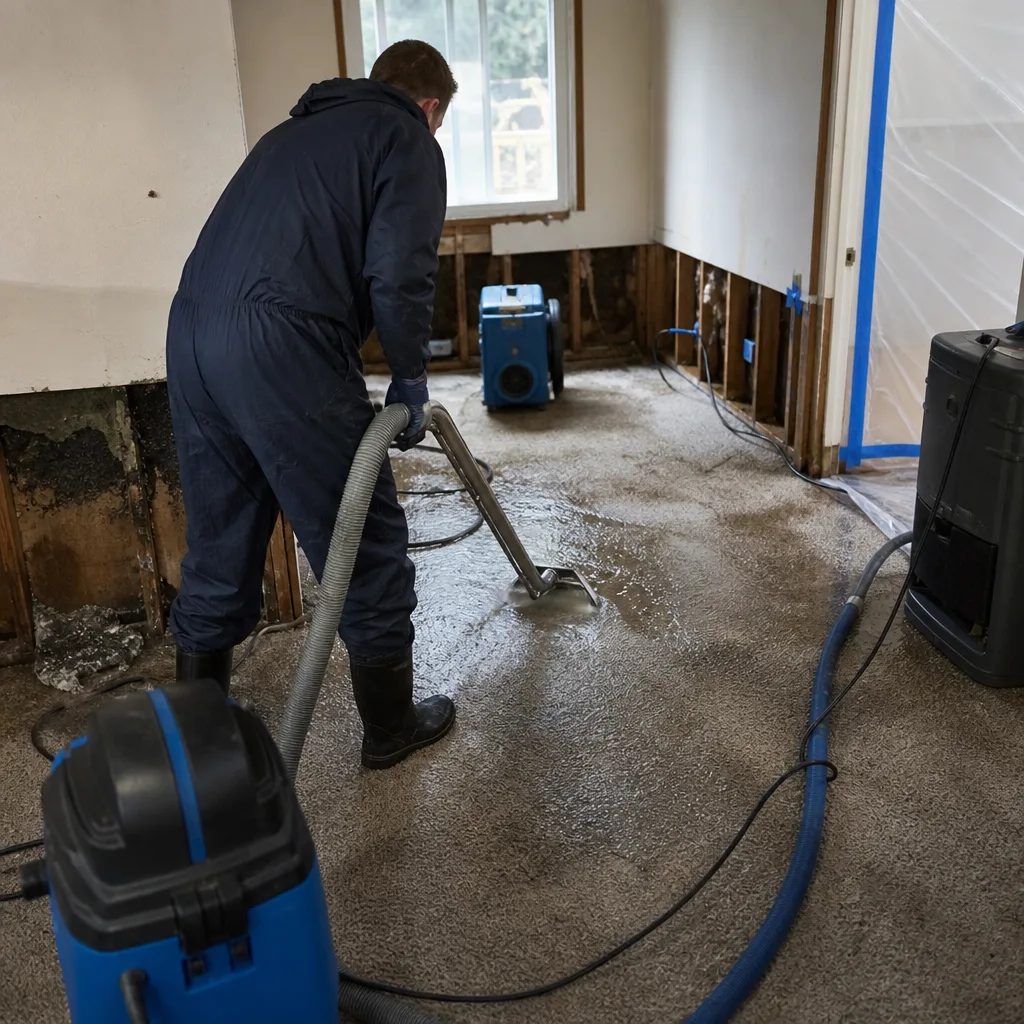
Restoration pricing in Washington isn’t uniform. Xactimate divides the state into pricing regions, and Snohomish County draws from a different labor pool than King County. This creates a persistent pattern we see when Seattle-based contractors bid Everett jobs: they underprice labor, overprice equipment, and underestimate timeline.
Current market conditions (2026):
- Snohomish County restoration technician wage: $28-$34/hour base, versus $34-$42/hour in Seattle-Bellevue
- Equipment rental rates: Effectively identical county-to-county, as Dri-Eaz, Phoenix, and Injectidry distributors price regionally
- Permit and inspection fees: Everett’s building department fees run 20-30% below Seattle’s for reconstruction permits
- Travel time billing: Seattle contractors often bill portal-to-portal at Seattle rates, adding $180-$280/day for I-5 transit
The practical result: a Seattle contractor bidding an Everett job at “standard Seattle pricing” without county adjustment may appear competitive on the total, but the labor/equipment ratio is wrong. They’ll either cut technician hours to preserve margin, or return with change orders when the timeline extends.
Conversely, a contractor using outdated Snohomish County rates from 2022-2023 is underbidding current labor costs and will face the same pressure to cut corners. The correct approach is real-time Xactimate pricing with county-specific labor modifiers, which we apply on every Everett estimate.
Everett’s specific geography adds further variables. Homes in the Silver Firs area, at higher elevation with more freeze-thaw cycling, see more pipe burst claims in winter. The Riverside and Bayside neighborhoods, closer to sea level and the Snohomish River delta, face higher groundwater intrusion risk during king tides and storm events. A contractor who doesn’t calibrate equipment placement for these microclimates will underperform drying and extend timelines.
Our equipment deployment - Dri-Eaz and Phoenix dehumidification, XPOWER and B-Air air movers, Injectidry hardwood floor drying systems - is selected per job based on vapor pressure differential targets, not square-footage formulas. The written scope specifies which equipment, where, and why.
Public Adjuster vs. Contractor Supplement: Which Path Saves More
When an initial settlement offer doesn’t cover documented scope, homeowners have two primary paths: hire a public adjuster to renegotiate the entire claim, or ask the restoration contractor to submit a supplement for additional work performed.
Public Adjuster: Licensed by the state to represent the policyholder, not the insurer. Typically charges 10% of the total claim recovery. Best suited for large, complex claims where the entire settlement is disputed - total loss fires, extensive storm damage with multiple coverage questions, or claims where the insurer has denied coverage entirely.
Contractor Supplement: The restoration contractor submits additional line items with documentation for work performed beyond the initial scope. No additional fee to the homeowner; the supplement is part of the contractor’s billing process. Best suited for claims where hidden damage was discovered after work began - the wall opened for drying reveals additional mold, or the subfloor moisture reading requires extended drying beyond initial estimate.
The critical factor is documentation quality. A public adjuster working with a documented restoration file (daily logs, photos, moisture readings, written scope revisions) has leverage. A public adjuster working with a single-page invoice does not. Similarly, a contractor supplement with Xactimate line items and photo evidence typically processes in 10-14 days. A supplement without line-item documentation often triggers an independent adjuster visit, extending resolution by 3-6 weeks.
In our experience across Everett and Snohomish County, the most efficient path is: documented restoration work from day one, contractor supplement for discovered damage, public adjuster only if the insurer disputes coverage or the total settlement gap exceeds 25% of documented scope. This sequencing keeps more recovery dollars with the homeowner rather than in adjuster fees.
We provide our documented file to any public adjuster a homeowner engages, at no charge. The file belongs to the homeowner. Our job is to make it complete.
Common Mistakes to Avoid
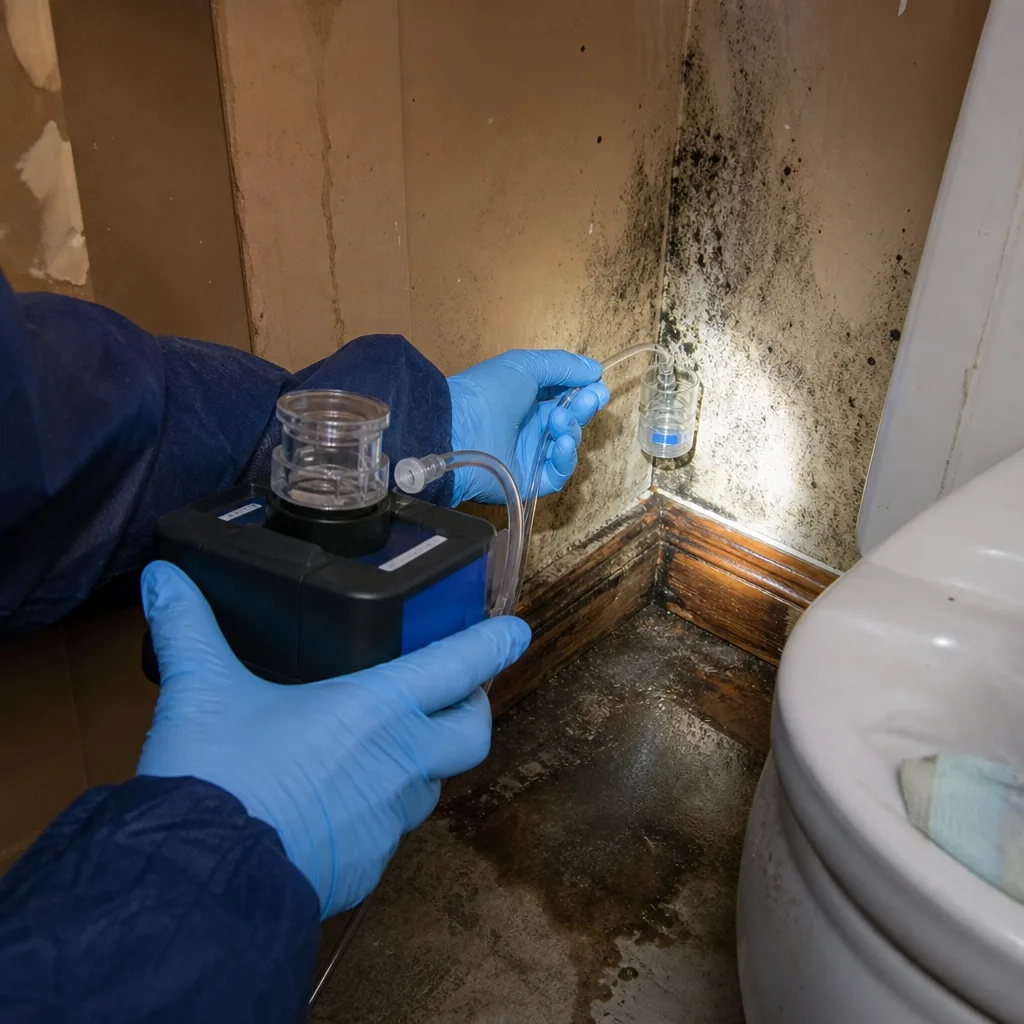
- Accepting a verbal estimate. In Washington, a restoration contract exceeding $500 must be in writing under RCW 18.27. A verbal “ballpark” has no standing at claim review and invites scope creep. Haven Standard, Clause 1: written price before work begins, every time, with no exceptions.
- Letting the insurer’s preferred contractor set the scope without independent review. The preferred contractor’s incentive aligns with claim volume, not documentation completeness. A free second opinion on any written estimate - competitor’s or insurer’s - costs nothing and often reveals omitted line items.
- Skipping post-drying clearance testing to save $450-$750. This is the most expensive “savings” a homeowner can choose. Without clearance documentation, the insurer can reopen the claim for mold discovered later, and the homeowner bears burden of proof that the initial drying was incomplete.
- Hiring a Seattle contractor at Seattle rates without Snohomish County adjustment. You’re paying King County labor for Snohomish County work, or the contractor is cutting technician hours to make the math work. Either way, the documentation suffers.
- Not photographing the loss before any work begins. The “before” photo record is as important as the “after.” Adjusters compare contractor photos to homeowner photos. Gaps in documentation create gaps in payment.
- Waiting for the adjuster’s visit before starting emergency mitigation. Washington policy language universally requires “reasonable and necessary” emergency measures to prevent further damage. Waiting 48 hours for an adjuster appointment while water wicks into drywall and framing turns a $5,000 loss into a $12,000 loss - and the insurer may deny the expansion as “failure to mitigate.”
- Accepting “we’ll bill your insurance directly” as a substitute for a written scope. Direct billing arrangements without line-item documentation leave the homeowner responsible for any denied amount. The written scope is your protection, not the billing arrangement.
When to Call a Professional
Call immediately when water has affected finished surfaces, when you smell smoke odor more than 24 hours after a fire, or when you see visible mold growth exceeding 10 square feet. These thresholds mark the boundary between manageable homeowner action and professionally documented restoration. For water, every hour of delay increases the Category risk and the documentation burden required to prove the loss. For mold, disturbance without containment spreads spores and complicates clearance. For fire, residual odor compounds continue bonding with porous materials until professionally treated.
DryMark Restoration Everett offers free estimates in Everett - call (360) 502-8815. Every estimate includes a written scope with Xactimate line-item pricing before any work begins, documented to IICRC, RIA, and IFA standards. Explore more guides & resources on our blog. We also provide a Free Second Opinion on any competitor’s written estimate at no charge.
Frequently Asked Questions
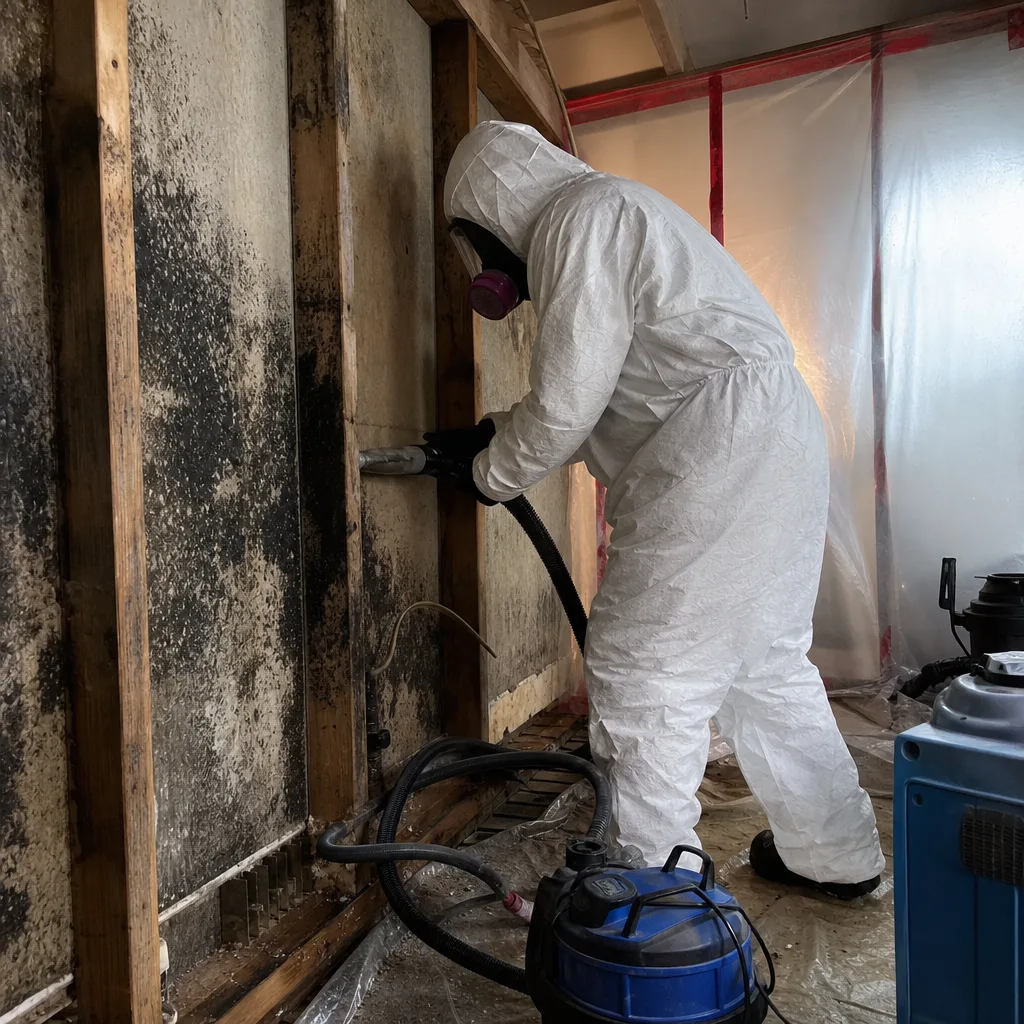
Water damage restoration in Everett typically ranges from $3,200 for a contained Category 1 loss to $8,350+ for a Category 2 loss with structural drying, equipment rental, antimicrobial application, and post-drying clearance testing. Category 3 sewage losses start around $7,500 and can exceed $15,000 depending on square footage and duration before discovery. Call (360) 502-8815 for a written estimate with Xactimate line-item pricing - estimates are free.
Your insurance will cover documented, necessary restoration work that matches your policy terms. The most common reason for underpayment isn’t policy limits; it’s incomplete contractor documentation. A written scope with Xactimate line items, daily moisture logs, and photo records produces full payment at significantly higher rates than lump-sum invoices. We document every job to IICRC standards and provide the complete file to your adjuster.
Our live phone coverage answers every call, 24 hours a day, 7 days a week, with no voicemail on emergency lines. For active water damage, we dispatch same-day to all Everett neighborhoods including Silver Lake, View Ridge-Madison, Riverside, Bayside, and Lowell. Fire and biohazard calls receive immediate dispatch. Reconstruction and non-emergency mold remediation are scheduled after written scope approval, typically within 48-72 hours.
For visible mold growth under 10 square feet on hard, non-porous surfaces, homeowner cleaning with appropriate PPE may suffice. For growth exceeding 10 square feet, growth on porous materials (drywall, insulation, carpet), or growth resulting from Category 2 or 3 water damage, professional remediation with containment, negative air, and clearance testing is necessary. In Everett’s climate, we’ve seen apparently minor attic mold spread to HVAC systems within one heating season. Call (360) 502-8815 for an assessment - estimates are free.
We deal directly with your adjuster on documentation and scope questions, with your authorization. You remain the policyholder and final decision-maker. We provide the adjuster with our written scope, daily logs, photo record, and moisture readings in the format their software accepts. This doesn’t replace your involvement; it ensures your involvement is informed by complete documentation rather than competing claims.
A contractor supplement adds documented line items for work performed beyond the initial scope, at no cost to you. A public adjuster renegotiates the entire claim for a percentage fee (typically 10%). For most Everett homeowners, the supplement path resolves gaps faster and preserves more recovery. We recommend public adjusters only for coverage disputes or total losses exceeding 25% of documented scope. We provide our complete file to any adjuster you engage.
Seattle contractors often use King County labor rates without Snohomish County adjustment, or bill portal-to-portal travel time across I-5. Equipment costs are effectively identical, but labor should reflect local market rates. More importantly, a contractor unfamiliar with Everett’s specific climate pressures - marine layer humidity, older housing stock, freeze-thaw pipe risk at elevation - may miscalculate drying timelines and equipment needs. The written scope with local calibration prevents both overpayment and underperformance.
The Bottom Line
Restoration pricing in Everett follows Xactimate line items, not contractor intuition. A homeowner who understands how WTR-DRY maps to dehumidifier days, or why MOL-CON containment costs what it does, can read an estimate the way an adjuster will review it. The documentation gap that costs homeowners their claims isn’t mysterious; it’s predictable, and it’s preventable. Written scope before work begins. Daily logs during the job. Photo record on every visit. Independent clearance at completion. These aren’t extras. They’re the foundation of a paid claim. Since 2011, we’ve built every process at Back to Dry around that foundation, because Alicia Brennan saw too many homeowners pay for documentation that never happened.
Written by Alicia Brennan, Owner at DryMark Restoration Everett, serving Everett since 2011.