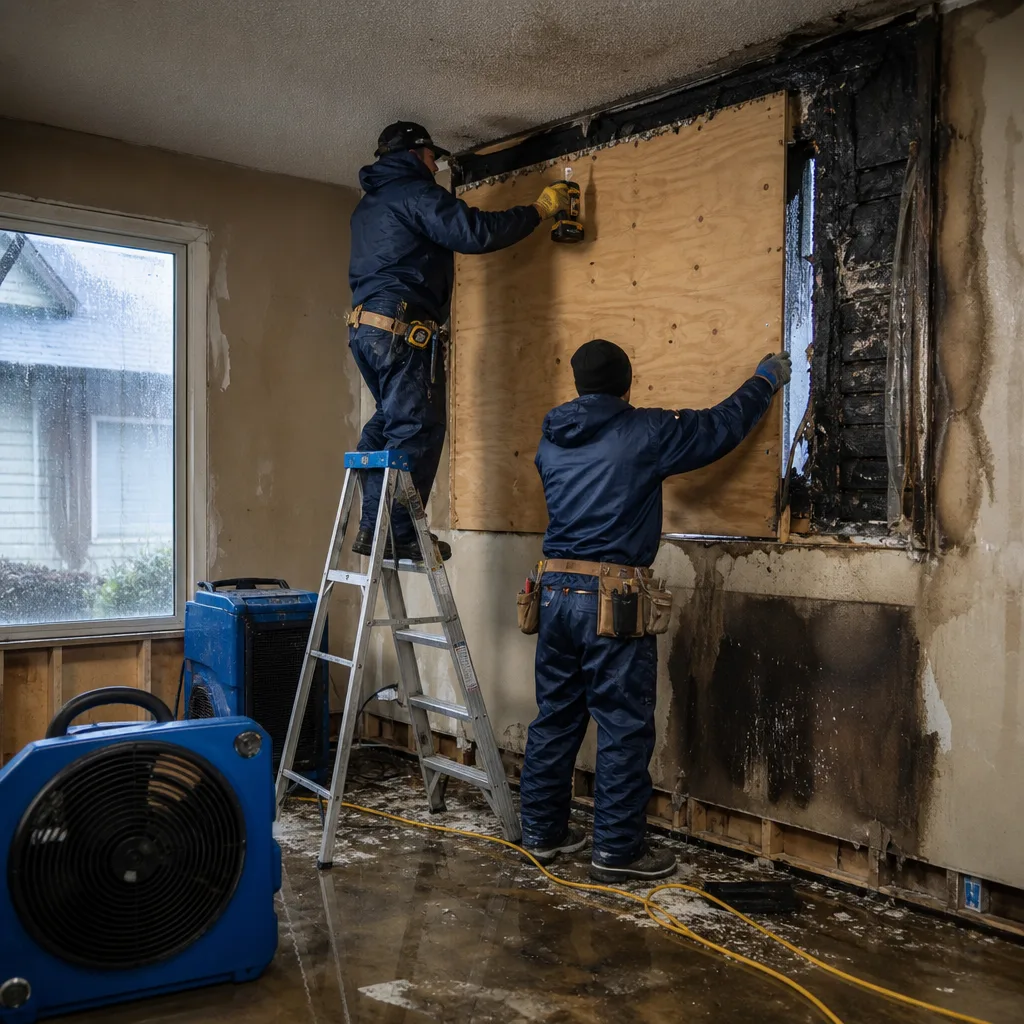
Free visual inspection and a written scope of work before any mitigation begins - photos, moisture readings, and drying logs go in your claim file
The scope we write is the scope we bill. Anything new gets shown to you, in writing, before we touch it.
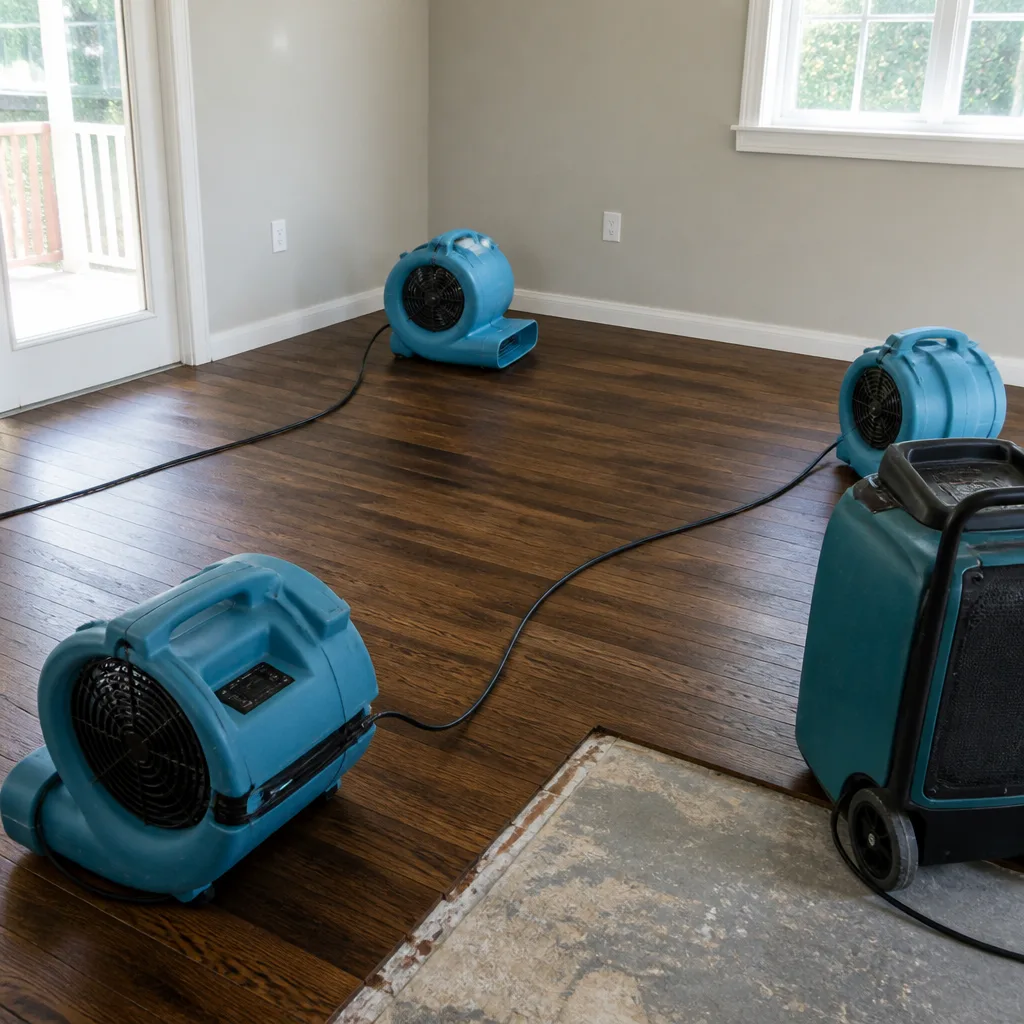
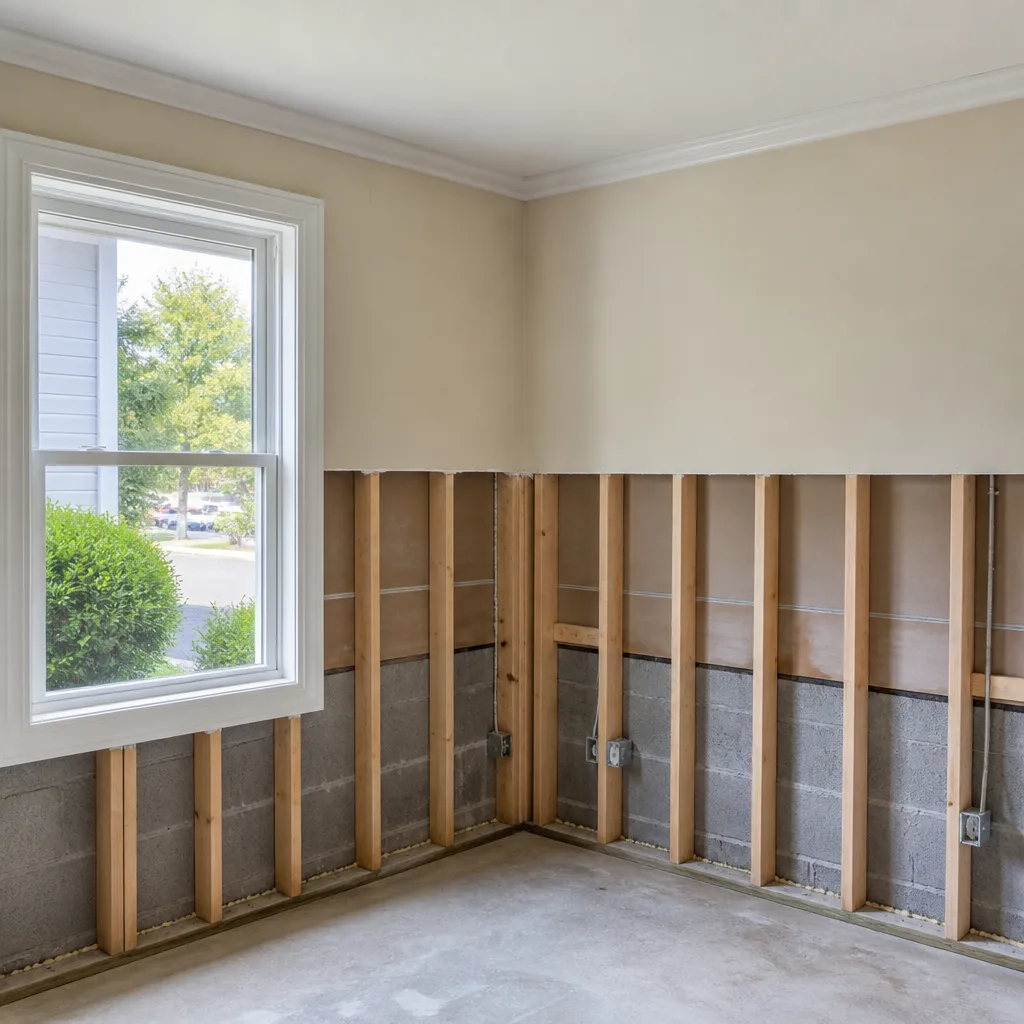
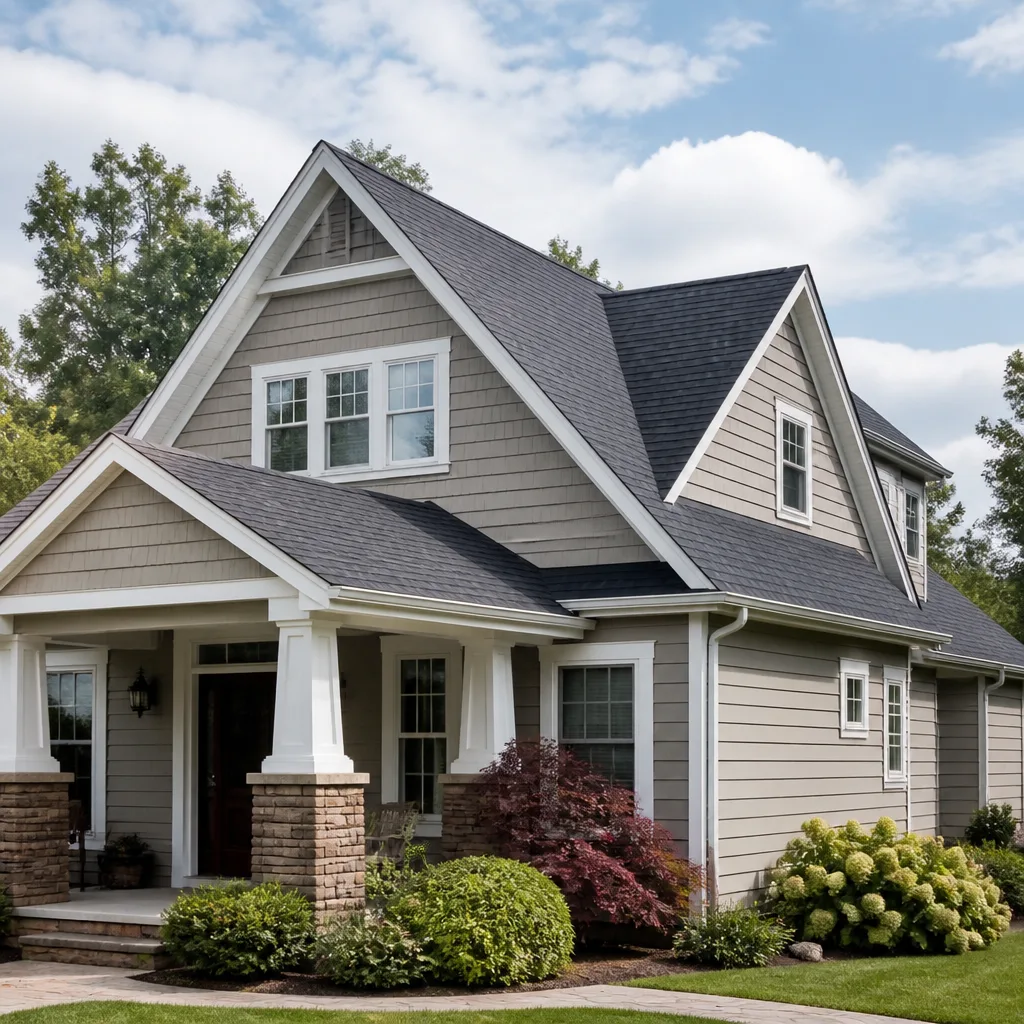
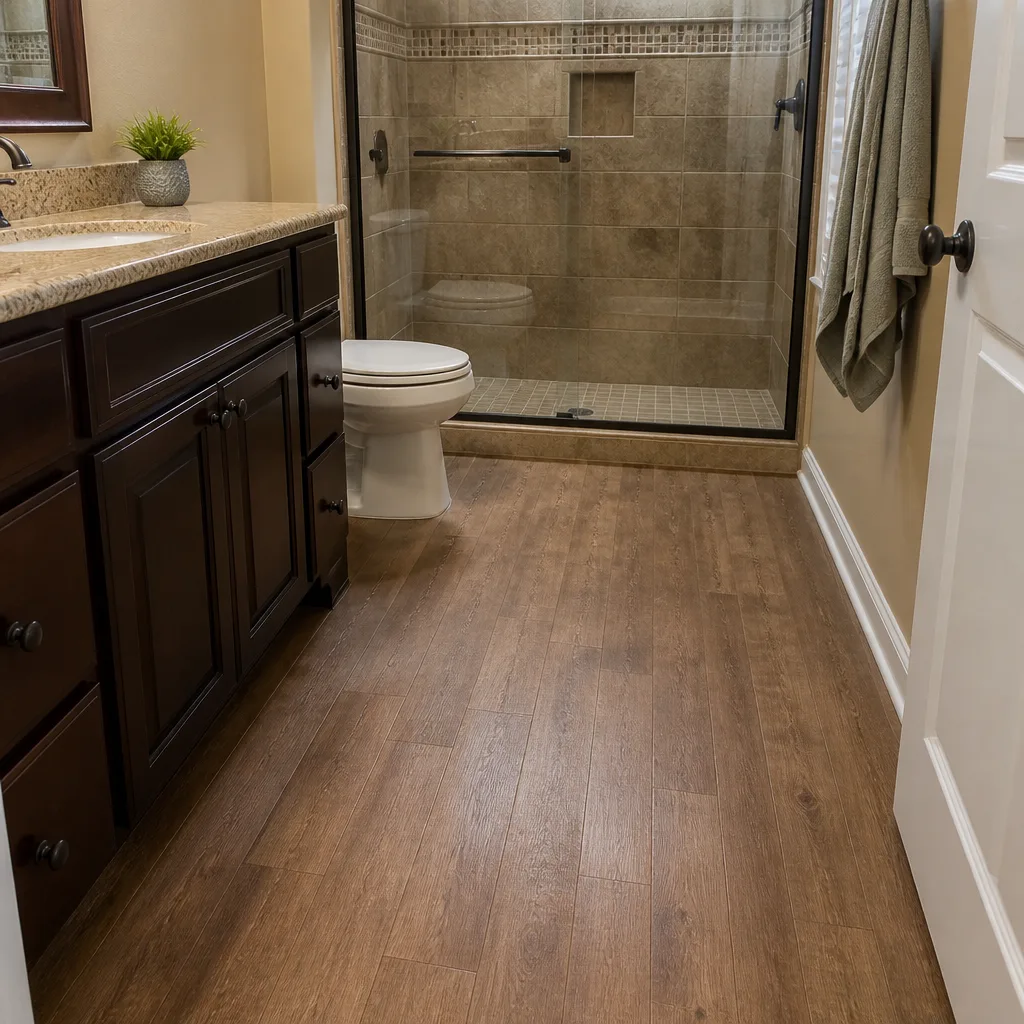
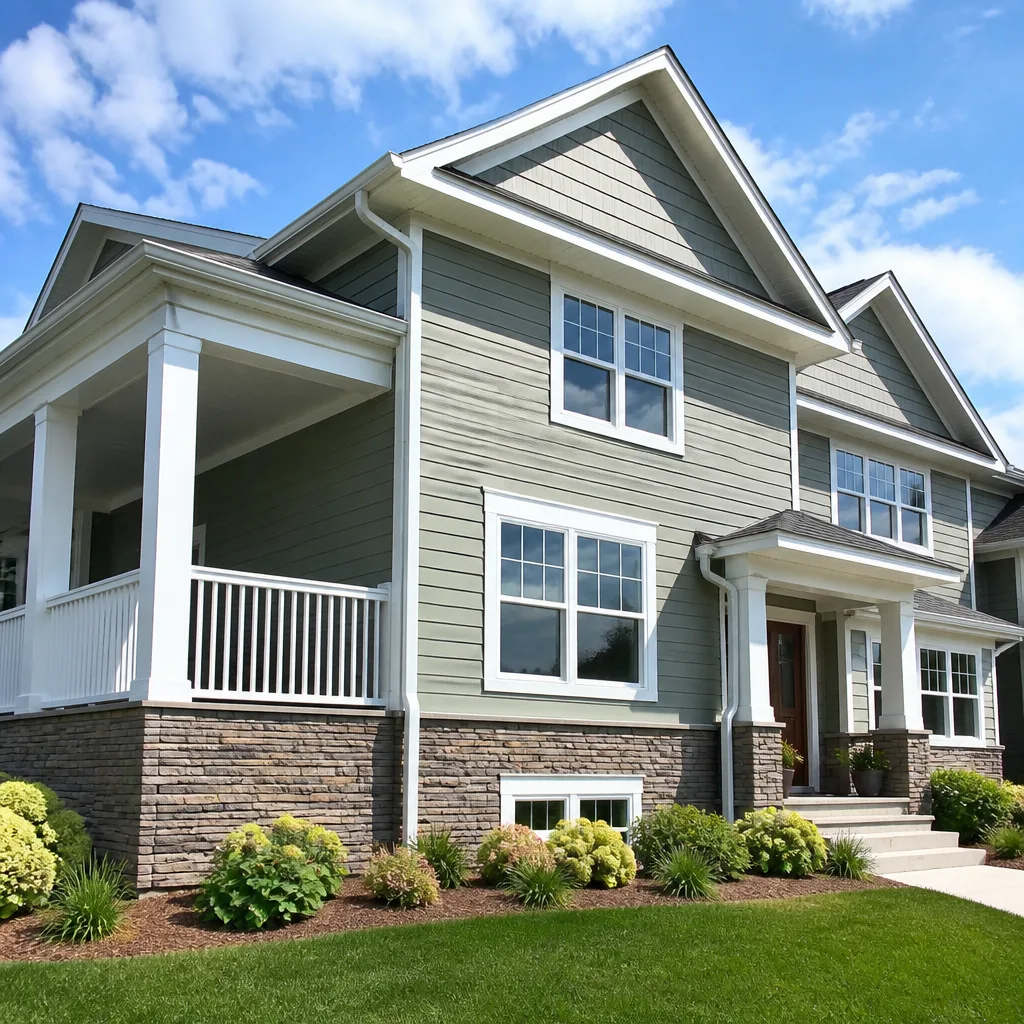
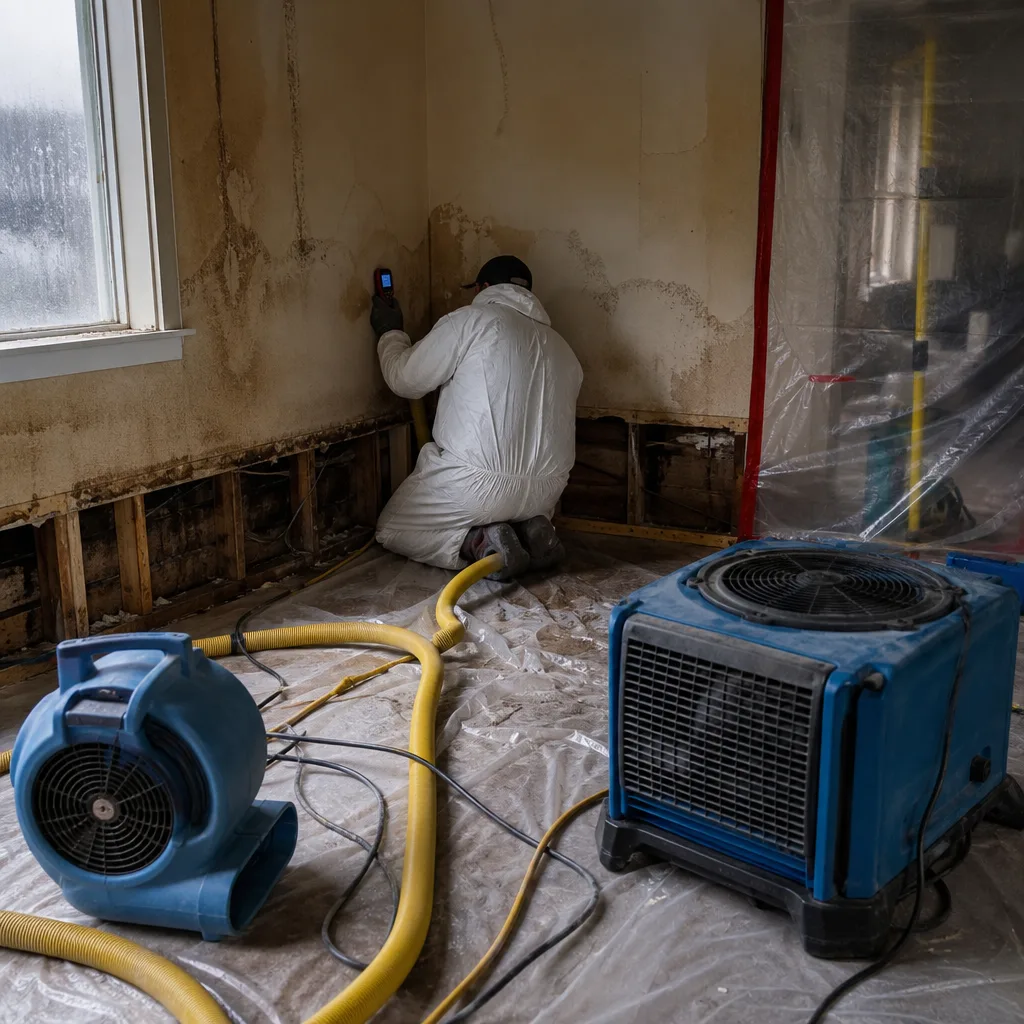 Before
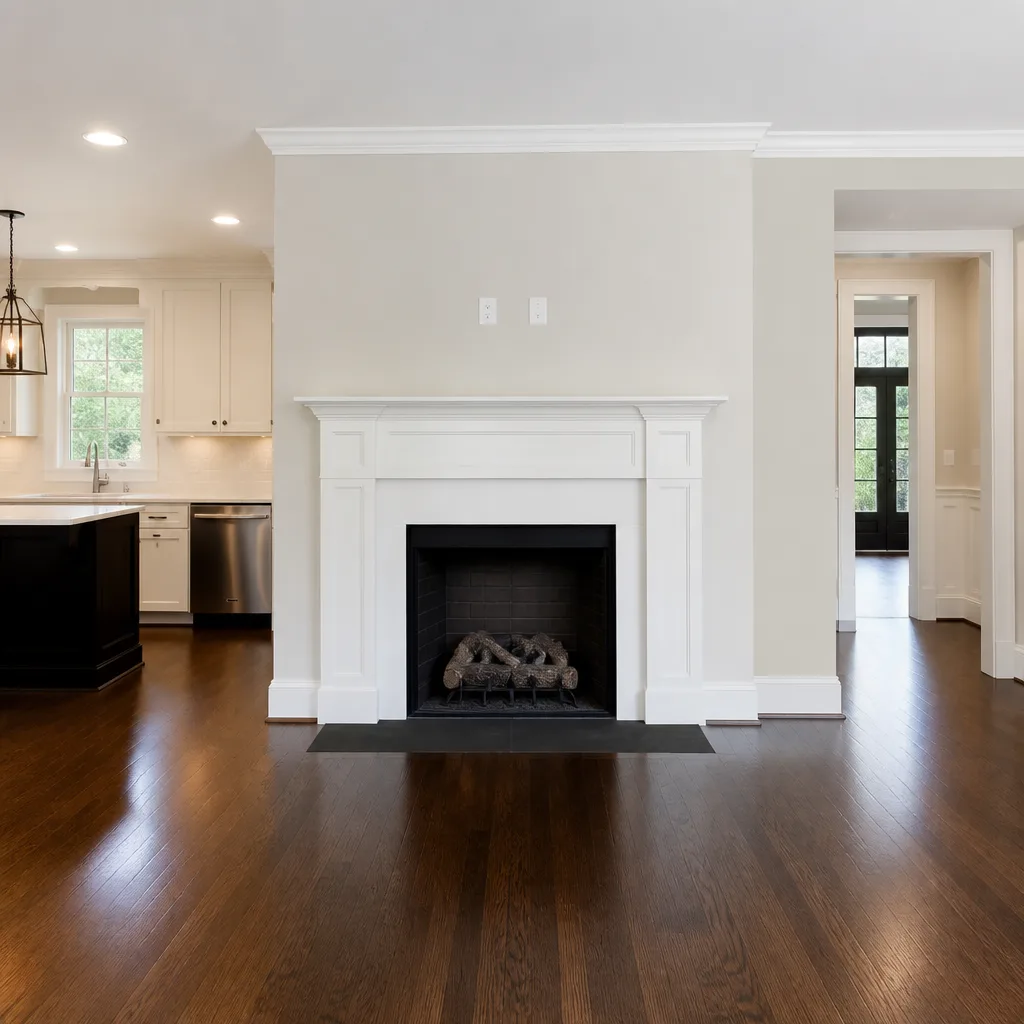
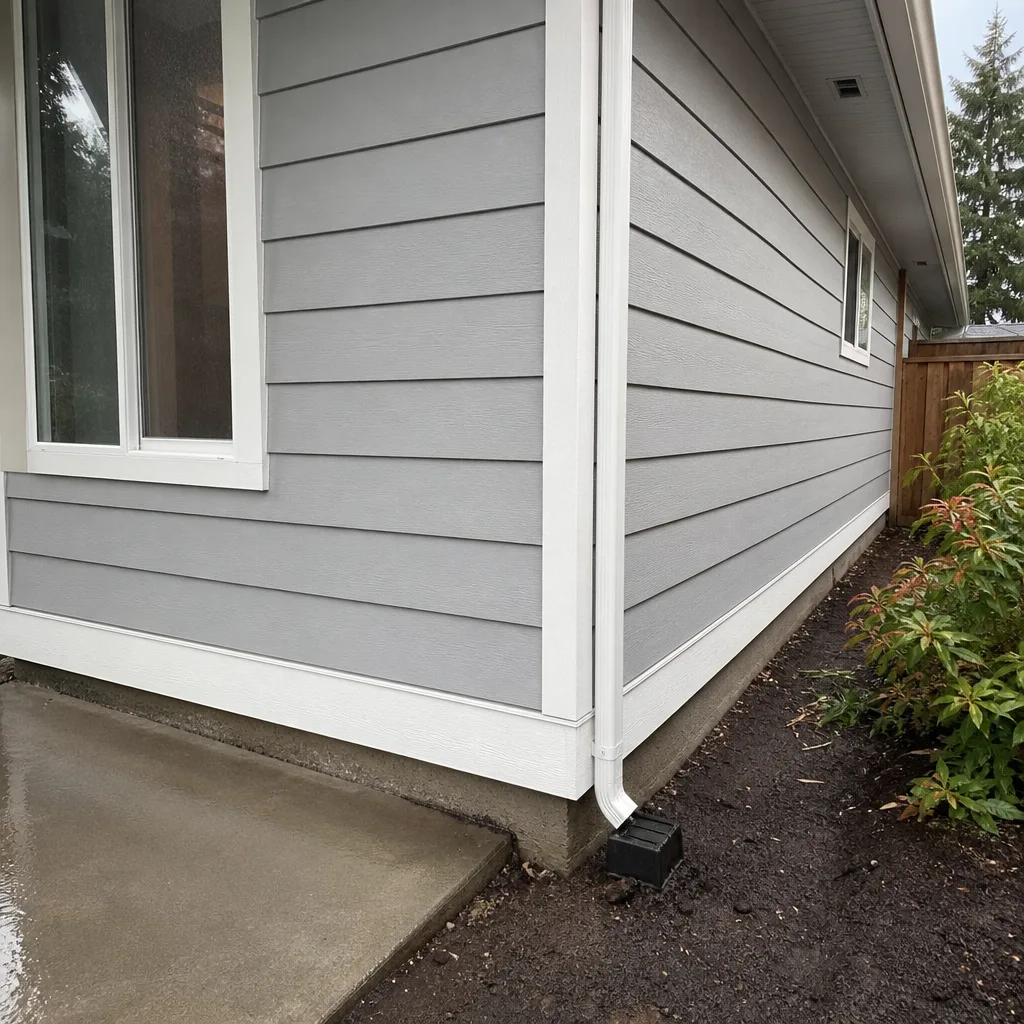 After
After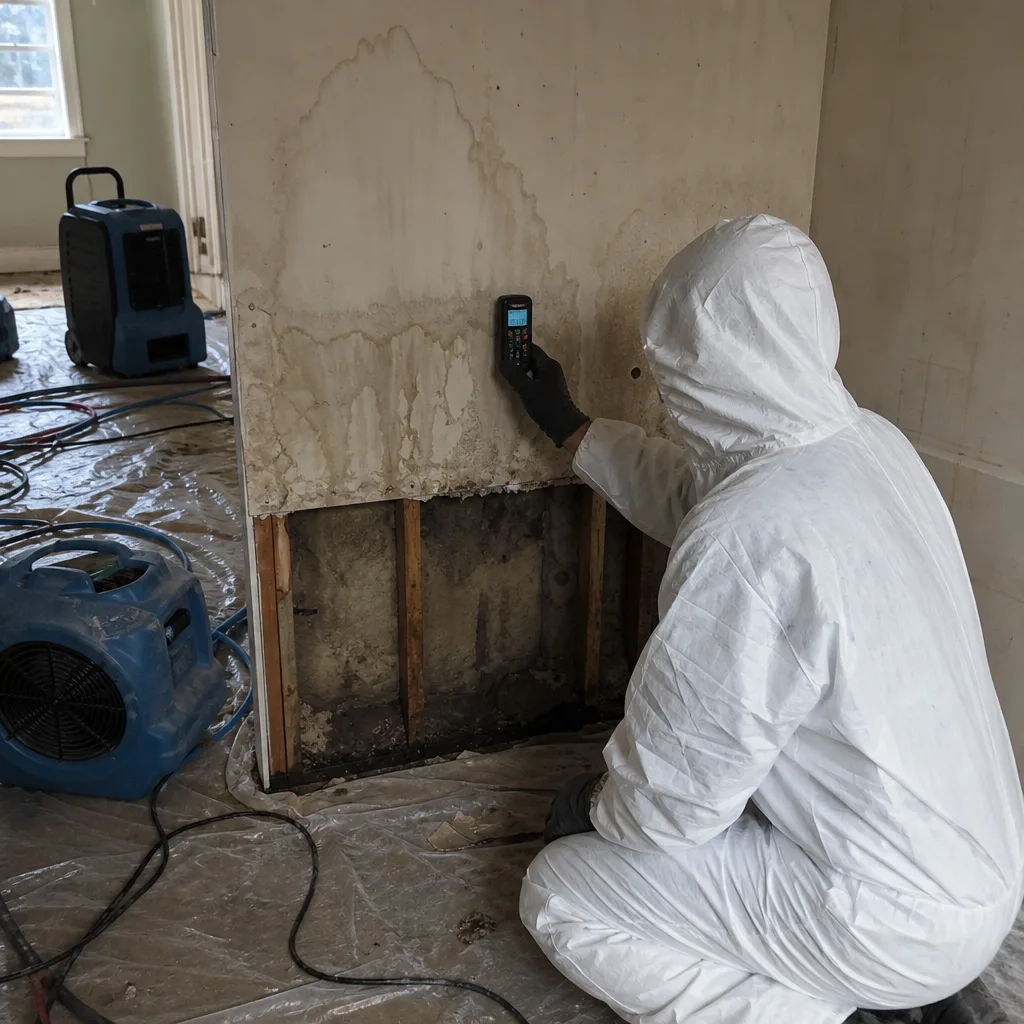 Before
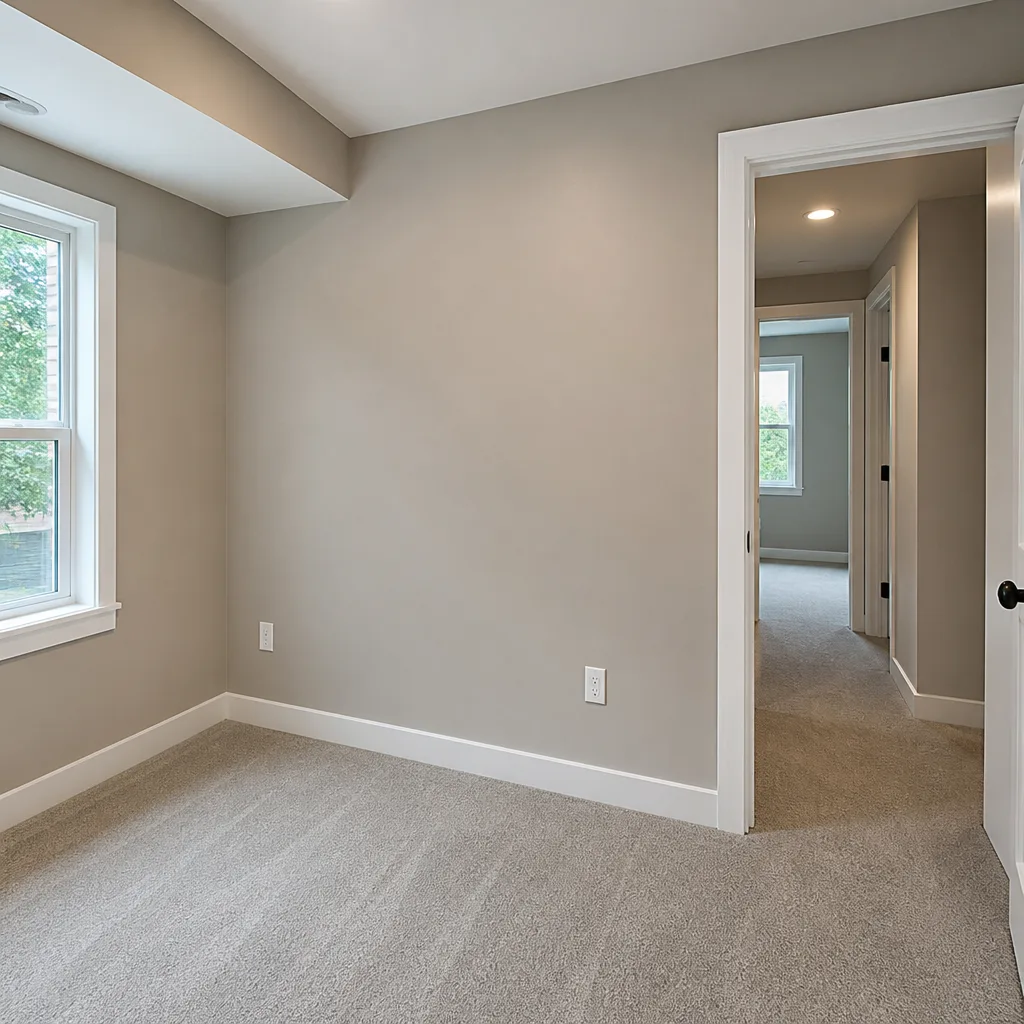 After
After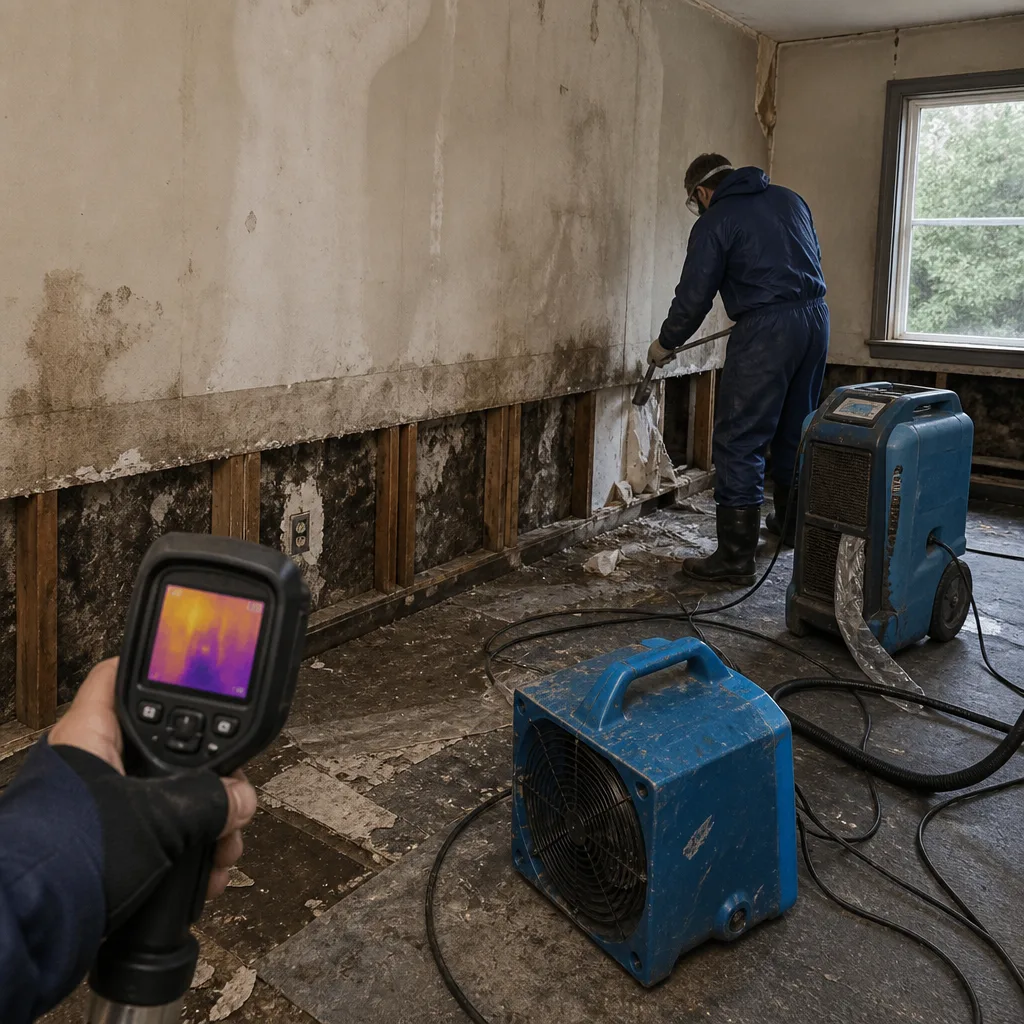 Before
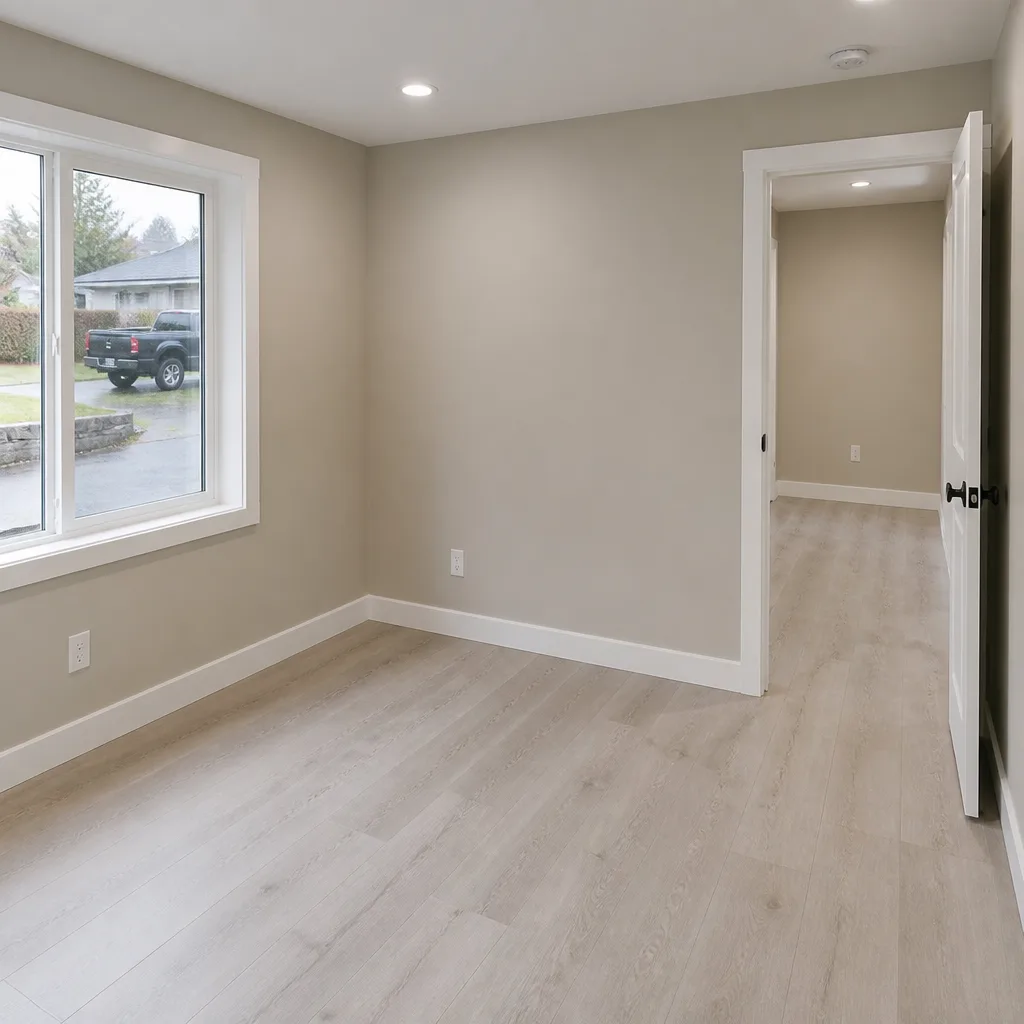 After
After24/7 Emergency Fire & Smoke Damage Restoration in Marysville
A fire or smoke loss in Marysville typically requires same-day emergency board-up, followed by smoke and soot mitigation that runs $3,200-$8,500 for a single-family home and $7,500-$18,000 for multi-unit townhome complexes with shared wall systems. Call (360) 502-8815 now and you’ll reach a live person, not a voicemail tree, 24 hours a day, 7 days a week. Our crews dispatch throughout Marysville from our Seattle coordination office, and we arrive with containment materials, HEPA filtration, and moisture probes because the first hour determines whether smoke odor becomes a permanent structural problem or a documented, closed claim.
Fire damage in Marysville carries a hidden complication that out-of-area companies routinely miss. The city’s flat former-agricultural bottomland, particularly in neighborhoods built near Quilceda Creek and other low-lying drainages, sits on a water table that can be only a foot or two below grade. Fire suppression water doesn’t just damage what you can see. It saturates crawlspaces, wicks into OSB sheathing, and creates secondary mold conditions before the smoke cleanup is finished. Our Fire & Smoke Damage Restoration team probes every crawlspace with moisture meters before finalizing scope. We’ve documented too many jobs where an adjuster scoped visible fire damage alone and left the homeowner with rotting floor systems six months later.
Understanding Fire & Smoke Damage Restoration Severity in Marysville Properties
Fire and smoke damage breaks into distinct categories that determine equipment, timeline, and cost. Dry smoke residue, produced by fast-burning, high-temperature fires, leaves a powdery, ashen deposit that wipes from hard surfaces but drives deep into porous materials like drywall and unsealed wood. Wet smoke residue, from slow-burning, low-oxygen fires, is sticky, smeary, and chemically aggressive, requiring solvent-based cleaning and often full removal of affected substrates. Protein residue, nearly invisible but pungent, comes from kitchen fires and embeds in cabinet finishes, wall paint, and HVAC ductwork.
Marysville’s housing stock intensifies these problems. The explosive growth of the 1990s and 2000s produced thousands of tract homes with open-concept layouts, shared stairwells in townhome clusters, and OSB wall sheathing that acts like a sponge for smoke odor. Engineered lumber subfloors, common in these builds, trap moisture from suppression water and provide ideal conditions for mold when the October-through-April wet season compresses drying windows to near-zero. Tertiary smoke damage, the odor that reappears months later when temperature and humidity shift, is especially common in Marysville’s climate because high seasonal relative humidity reactivates residues trapped in building materials.
Why Marysville Property Owners Choose DryMark Restoration Everett
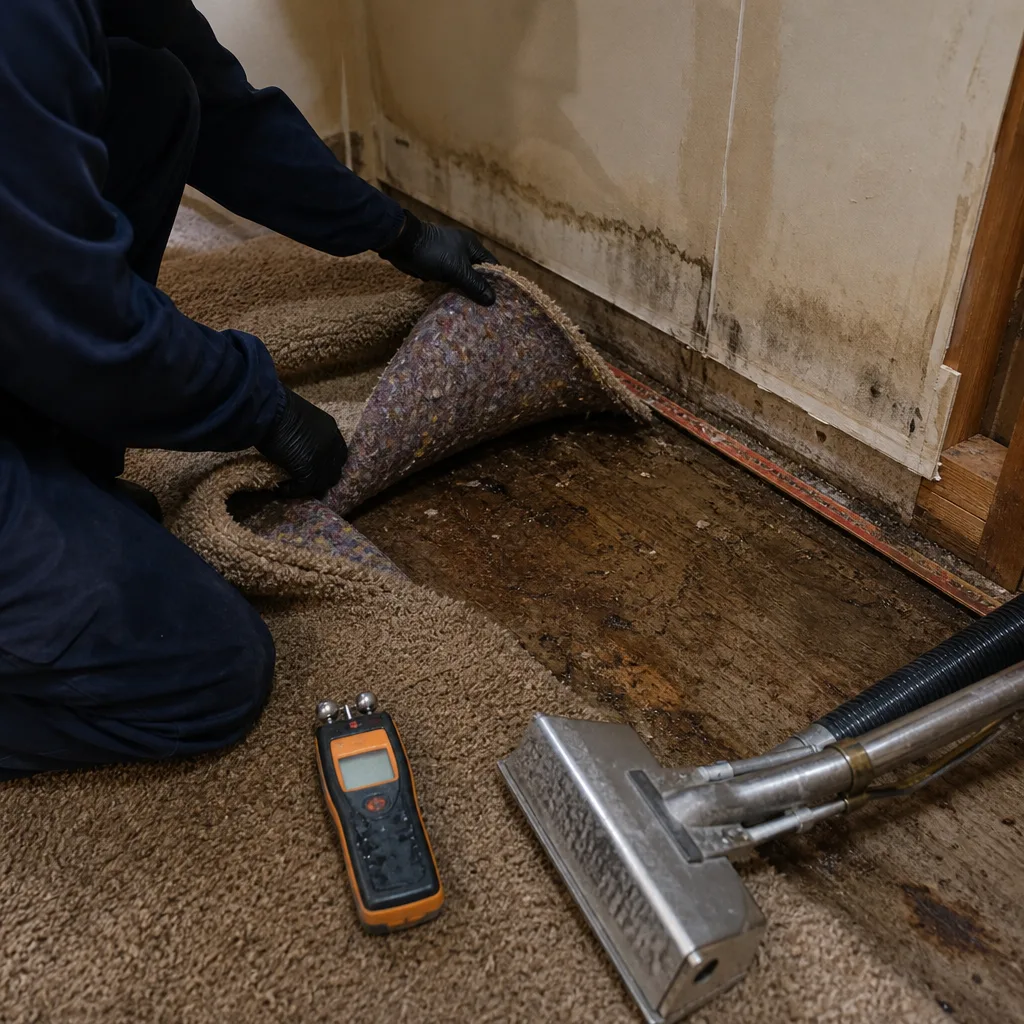
- 45-minute response commitment to Marysville addresses, with crews staged for the I-5 corridor and 88th Street NE access routes.
- 24/7 live answer: a real person picks up every call, never an automated system or next-business-day callback while smoke residue continues etching surfaces.
- IICRC-certified crews holding FSRT (Fire and Smoke Restoration Technician) and WRT (Water Damage Restoration Technician) credentials, with license numbers documented on every job file.
- Free visual inspection with moisture mapping and photo documentation before any work begins or any price is quoted.
- Direct insurance billing with adjuster coordination included as standard, not an upsell.
- One team from emergency board-up through final reconstruction, eliminating handoff gaps that lose documentation between vendors.
BeforeAfterOur Fire & Smoke Damage Restoration Process
1. Inspection & Assessment
We photograph every room, test soot residue type by surface, and probe crawlspace moisture with pinless meters and deep-probe attachments. In Marysville’s Quilceda Creek basin homes, this step always includes vapor pressure differential readings to locate hidden moisture pockets that suppression water creates below grade.
2. Emergency Board-Up & Stabilization
Broken windows, compromised roofing, and damaged doors get temporary security sealing to prevent weather intrusion and unauthorized entry. We tarp roof sections and install temporary perimeter fencing where structural integrity is uncertain.
3. Water Extraction & Structural Drying
Fire suppression water is extracted with truck-mounted systems, then Dri-Eaz and Phoenix LGR dehumidifiers paired with axial air movers establish drying zones. In Marysville’s high-water-table neighborhoods, we deploy Injectidry mat systems on engineered-lumber subfloors to draw moisture from below without destructive tear-out.
4. Smoke & Soot Removal
HEPA air scrubbers run continuously during cleaning. Dry smoke gets vacuumed with HEPA filtration before wet cleaning; wet smoke requires solvent-based sponges and often controlled demolition of affected drywall. Protein residues get enzyme treatments on kitchen surfaces and ductwork.
5. Odor Removal & Deodorization
Thermal fogging and ozone treatment neutralize odor at the molecular level, but in Marysville’s dense townhome layouts we prioritize source removal over masking. Zip-wall containment prevents cross-contamination into adjoining units, and duct sealing stops HVAC recirculation of particulate.
6. Repairs & Restoration
Reconstruction follows a written scope signed before work begins, with photo documentation at every phase. Haven Standard, Clause 1: the price you approve is the price you pay, with no scope-creep additions once our crew is inside.
Need Emergency Fire & Smoke Damage Restoration in Marysville Now?
Crews minutes away, answering live 24 hours a day. The sooner we start, the less it costs.
Working With Your Insurance Company
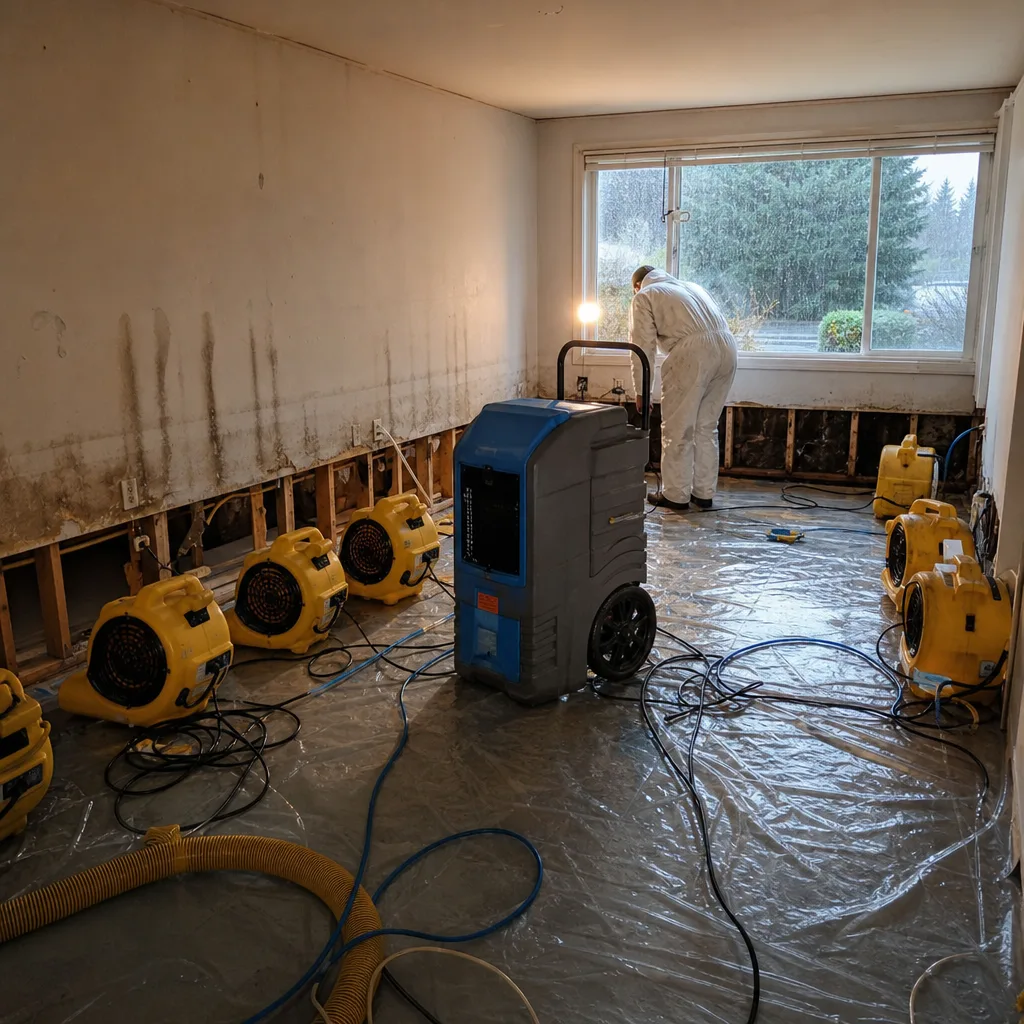
Fire claims fail when documentation gaps let adjusters deny line items. We close those gaps from the first hour. Our estimator arrives with a camera, moisture meters, and a tablet running industry-standard estimating software. Every photo is geotagged and time-stamped. Every moisture reading gets logged with psychrometric data, the temperature-and-humidity calculations that prove drying progress to skeptical carriers. We speak adjuster fluently because Alicia Brennan founded this company in 2011 after working claims from the other side of the desk.
Direct billing is standard. We coordinate with your carrier’s desk adjuster, provide supplemental documentation when scope expands, and attend field inspections when requested. The goal is a clean claim close without the back-and-forth that delays rebuild.
What We Provide Your Insurer
- Thorough documentation of the loss
- Photos of all damage, room by room
- Moisture readings and drying logs
- A detailed, line-item scope of work
- Direct coordination with your carrier
Built for Marysville’s Loss Calendar
Marysville’s fire damage follows patterns tied to climate, housing age, and daily life. January through March brings the highest frequency of kitchen fires, when shorter daylight hours push cooking into evening hours and portable space heaters overload circuits in 1990s-era electrical panels. The October-through-April wet season compounds every fire loss with suppression water that can’t evaporate naturally in 85% relative humidity, making same-day drying setup essential rather than preferable.
July and August see elevated grill and deck fire incidents, particularly in townhome clusters with narrow setbacks where radiant heat ignites vinyl siding. September’s dry wind patterns can turn a small exterior fire into a multi-unit event before crews arrive. Year-round, Marysville’s aging tract-home electrical systems, original to the 1990s and 2000s building boom, show increasing failure rates in aluminum-branch-circuit homes and panels with recalled breaker designs.
Fire & Smoke Damage Restoration Across Marysville’s Neighborhoods
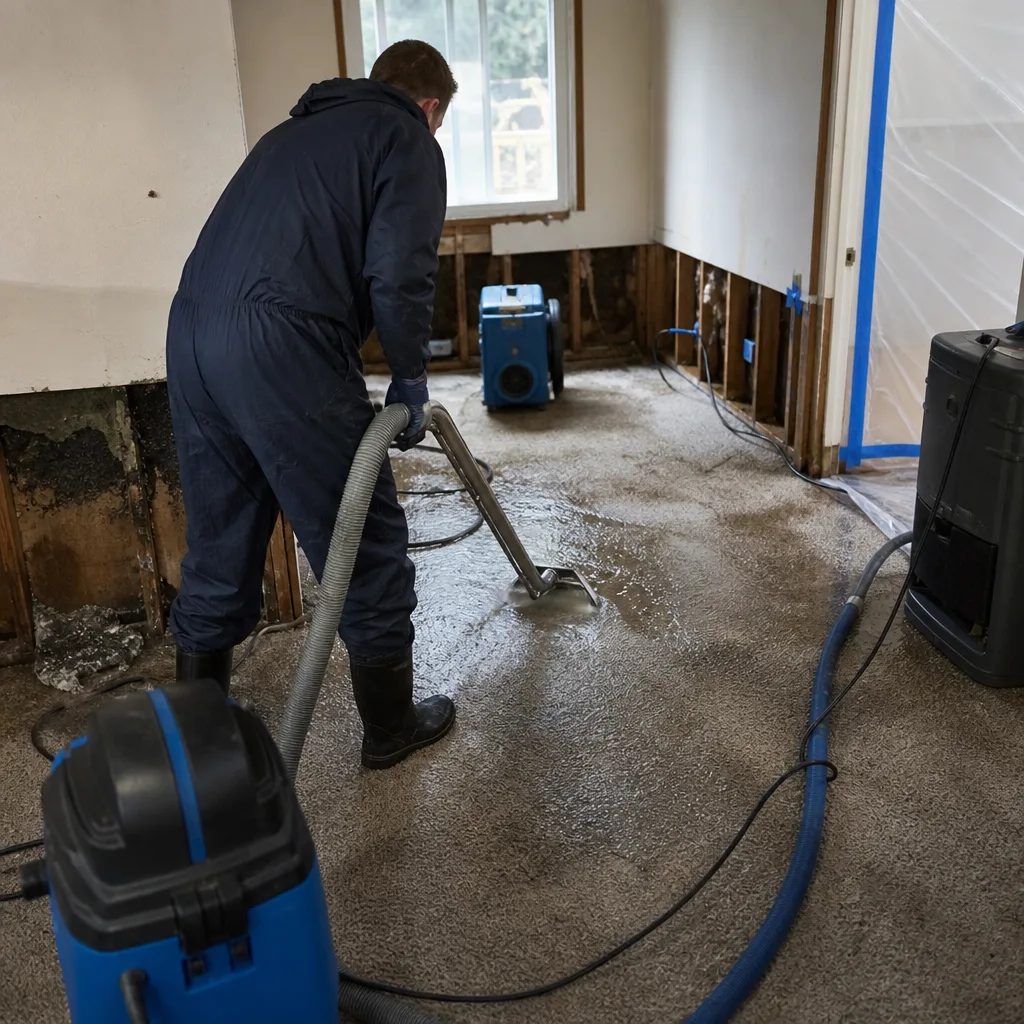
Quilceda Creek basin homes, particularly the developments off 88th Street NE and north toward 116th Street NE, present our most complex fire calls. The flat terrain, former agricultural bottomland, and high seasonal water table mean suppression water pools in crawlspaces that out-of-area adjusters never think to inspect. We probe every one. The 1990s two-story tract homes here share wall systems and open stairwells that transmit smoke odor between units if containment isn’t established immediately.
Comeford Village and the historic downtown corridor feature older, smaller-footprint homes with balloon framing and lath-and-plaster construction. Smoke travels through wall cavities in ways that don’t happen with modern platform framing. Our FSRT-certified techs know to test for hidden soot migration with cavity probes and thermal imaging before declaring any room clean.
The Kellogg Marsh and Sunnyside areas, with their larger-lot 2000s builds, tend toward single-family losses with attached garage fires that threaten living spaces through common attic trusses. These homes often have finished basements with engineered lumber floor systems that require Injectidry mat drying when suppression water wicks below.
Along State Avenue and the commercial corridors, mixed-use buildings with residential above retail need after-hours emergency response that works around tenant access and parking constraints. We’ve boarded up fire-damaged storefronts at 2 a.m. and returned at 6 a.m. to coordinate with business owners opening for the day.
Specialized Fire & Smoke Damage Restoration Services We Offer in Marysville
Smoke & Soot Removal
Dry, wet, and protein soot each demand different chemistry and technique. In Marysville’s OSB-sheathed homes, we test residue type by room and surface before selecting cleaning agents, because the wrong solvent drives soot deeper into porous sheathing. HEPA vacuuming precedes any wet cleaning to prevent smearing.
Odor Removal & Deodorization
Thermal fogging, ozone, and hydroxyl generators each have appropriate applications, but source removal comes first. In Marysville’s high-humidity climate, we seal exposed framing with odor-blocking primers before close-out, because seasonal moisture swings reactivate any residue left behind.
Contents Cleaning & Pack-Out
Smoke-damaged belongings get inventoried, photographed, and transported to our cleaning facility for ultrasonic and specialized textile treatment. In Marysville’s compressed drying window, rapid pack-out prevents secondary mold damage to fabrics and leather while structural work proceeds.
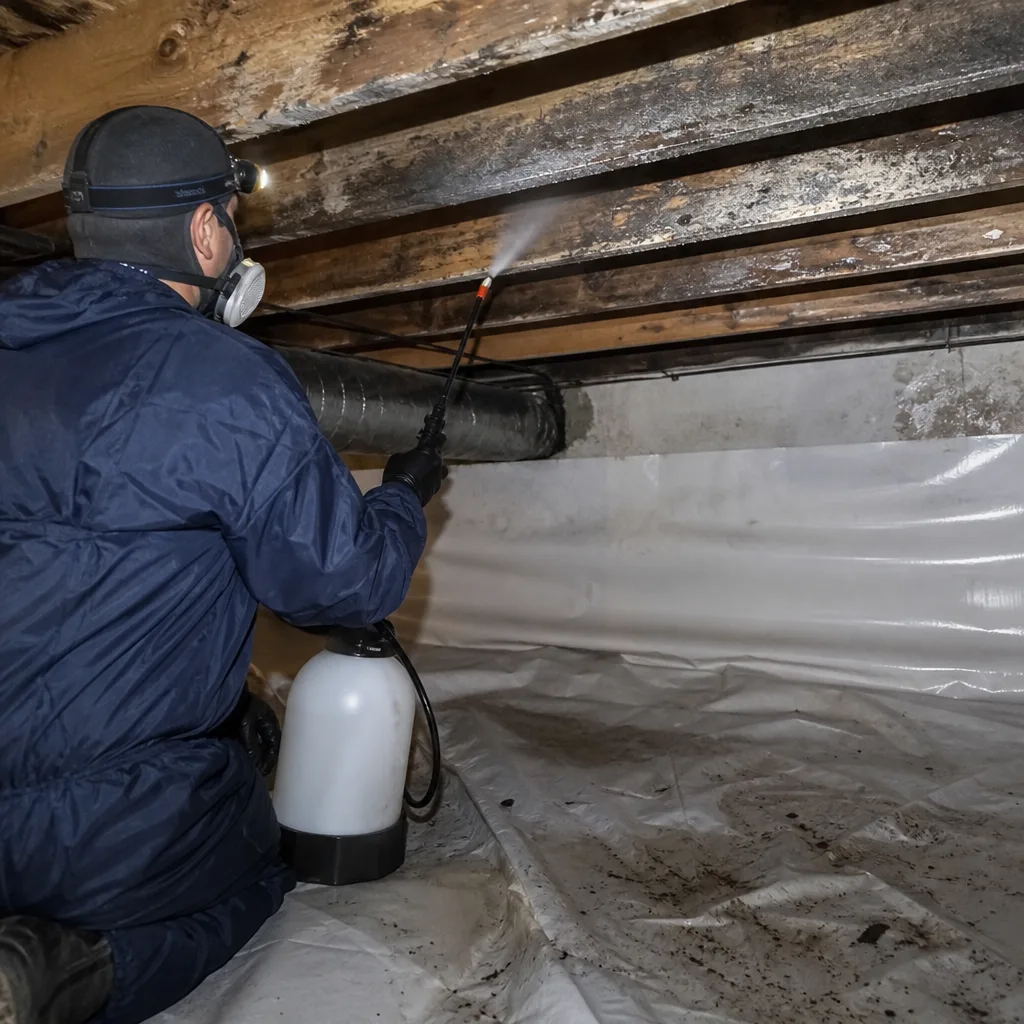
Emergency Board-Up & Tarping
Securing the structure against weather and intrusion happens before any interior work. We maintain 24-hour board-up capacity for Marysville addresses, with materials sized for the townhome doorways and alley-load access points common in dense developments.
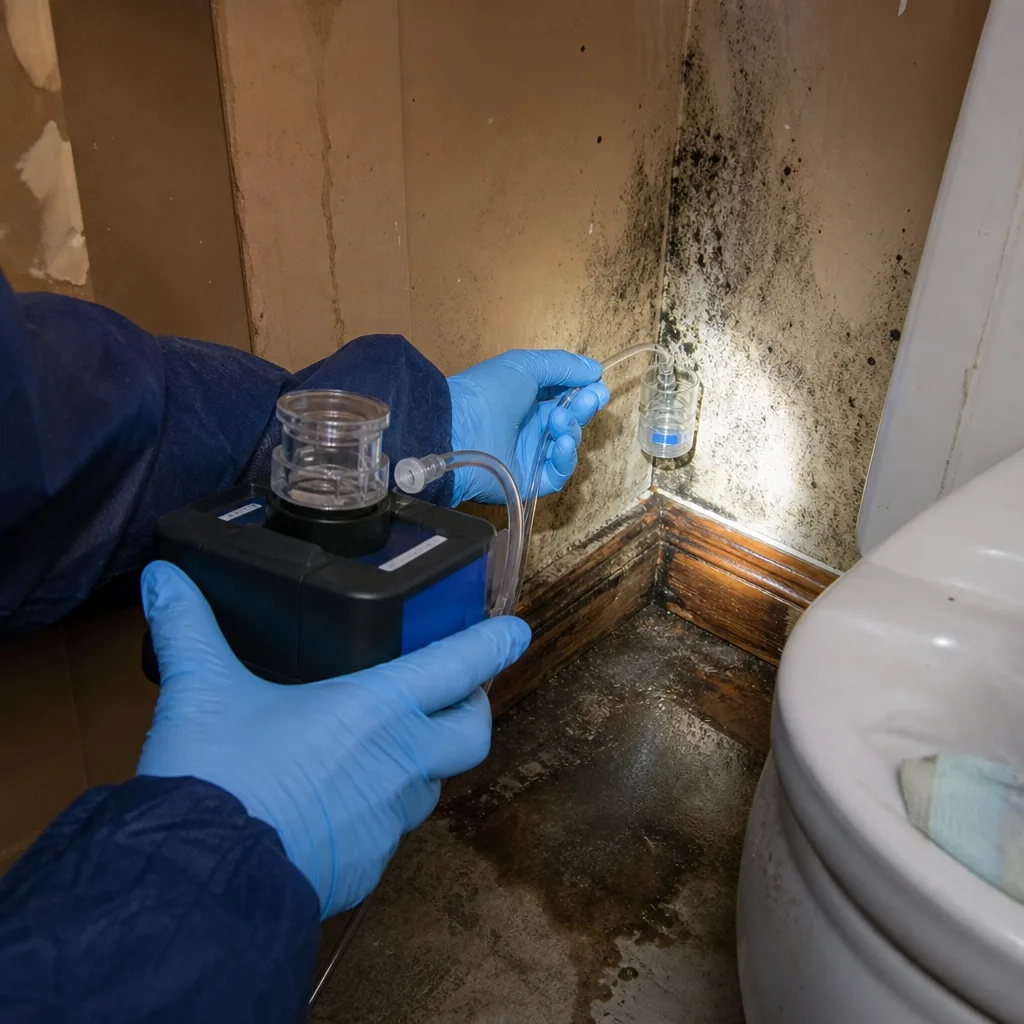
Fire Damage Cleanup
Structural debris removal, hazardous material identification, and controlled demolition of unsalvageable materials. Every removal is photo-documented for the claim file, with moisture readings taken on exposed substrates before rebuild scope is finalized.
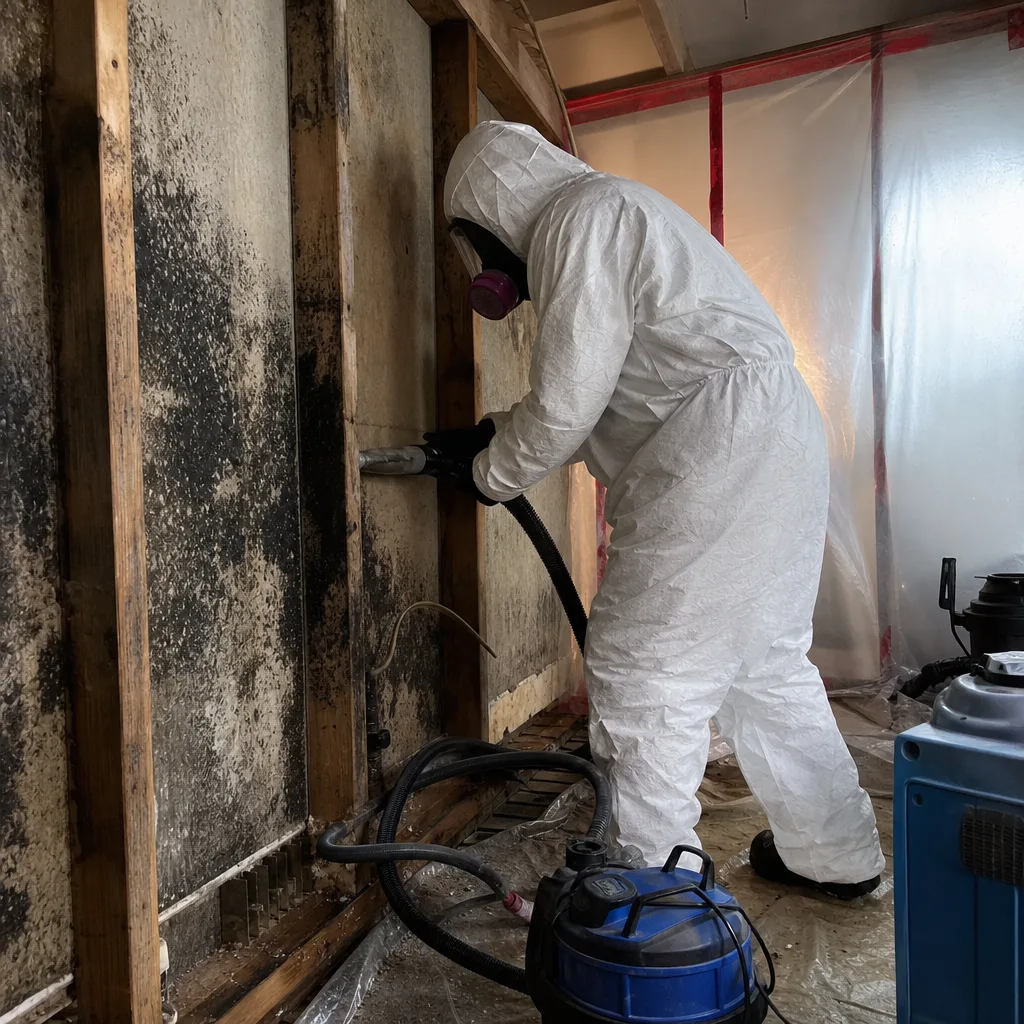
What happens when you call
- 1
A real person answersNo phone trees - you reach a local pro.
- 2
You get an upfront price rangeHonest numbers before anyone is dispatched.
- 3
A background-checked tech heads outLicensed & insured, dispatched right away.
- 4
You approve before work beginsNothing starts until you say go.
Fire & Smoke Damage Restoration Costs in Marysville, WA
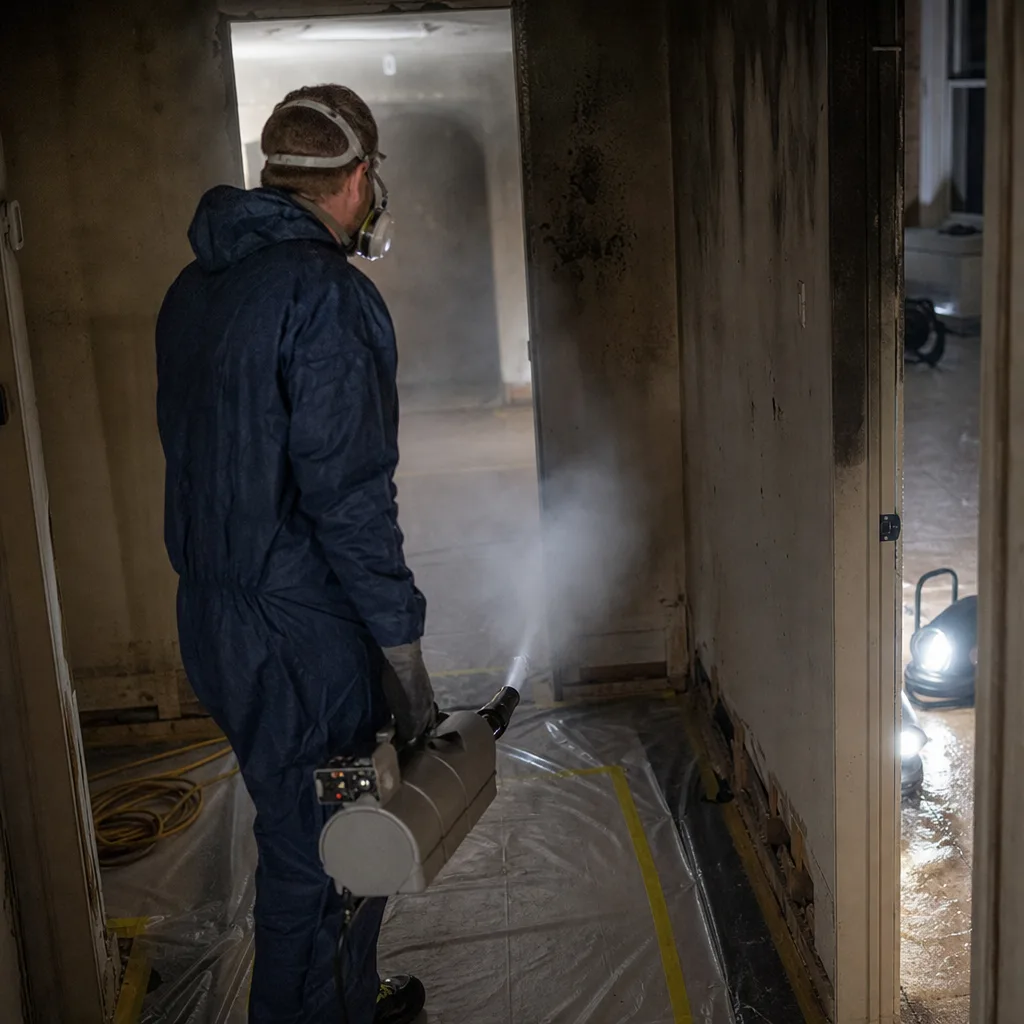
Smoke and soot mitigation for a single-family home in Marysville typically runs $3,200-$8,500, depending on square footage, residue type, and whether water damage from suppression requires concurrent drying. Multi-unit townhome complexes with shared wall systems range $7,500-$18,000 due to extended containment and odor treatment across multiple units. Contents cleaning and pack-out adds $1,800-$4,500 for a typical household inventory. Emergency board-up and tarping runs $450-$1,200 for standard residential structures.
What moves price: protein residue from kitchen fires requires more labor than dry smoke; wet smoke from slow-burning fires often demands full drywall removal; and any Quilceda Creek-basin home with crawlspace saturation adds extraction and drying equipment days. Insurance typically covers direct fire and smoke damage plus necessary suppression water mitigation; our written scope separates insurance-covered items from any cosmetic upgrades you elect, so there’s no confusion. Haven Standard, Clause 1 applies to every job: the price is written and approved before work begins. Call (360) 502-8815 for a free inspection and firm scope.
We Also Serve Cities Near Marysville
Our crews respond throughout Snohomish County, including Marysville and neighboring Lake Stevens, Everett, Mukilteo, and Snohomish. Each community gets the same documentation-first protocol, but Marysville’s flat bottomland geography and dense 1990s housing stock create restoration challenges that hillside communities simply don’t face.
Serving Marysville, WA - Our Local Coverage Area
We’re based in the Marysville area and know this community well. Use the map below to see our service coverage - if you’re nearby, we can almost certainly help.
Marysville Fire & Smoke Damage Restoration Questions, Answered
Why does smoke odor keep coming back in Marysville townhomes after a fire?
Smoke odor returns when residue remains in porous materials or HVAC systems, and Marysville’s high seasonal humidity reactivates it.
In townhome clusters, the critical failure is incomplete containment during initial cleaning. Soot migrates through shared wall cavities and open stairwells, then re-enters the treated unit through gaps in electrical boxes, baseboards, and duct returns. Our crews seal with zip-wall containment before any cleaning begins, and we test HVAC ducts with borescope cameras rather than assuming they’re clean. The OSB sheathing common in Marysville’s 1990s builds absorbs odor compounds that standard cleaning won’t reach; we seal exposed sheathing with shellac-based primer before close-out. If odor has returned after a prior company’s work, we offer a free second opinion on their scope.
Does a Marysville fire loss always mean I also have water damage to deal with?
In Marysville’s Quilceda Creek basin and flat eastern developments, yes, almost always.
The water table in these former floodplain parcels sits one to two feet below grade. Fire suppression water from overhead sprinklers or hose lines drains through wall cavities and subfloor seams directly into crawlspaces that out-of-area adjusters rarely inspect. We’ve documented cases where a kitchen fire on the main floor produced four inches of standing water in the crawlspace that a prior adjuster missed entirely. Our protocol includes deep-probe moisture meters on every floor system and crawlspace inspection with photo documentation before any fire scope is finalized. Call (360) 502-8815 and we’ll show you exactly what we found.
How fast do I need to act on a fire or smoke loss in Marysville’s wet season?
Same day, without exception, from October through April.
Marysville’s wet season maintains 80-90% relative humidity for weeks at a time. Suppression water in an OSB-sheathed wall cavity won’t dry passively; it will support mold colonization within 48-72 hours. Engineered lumber subfloors, common in Marysville tract homes, delaminate when saturated for extended periods. The weekend delay that might be manageable in a drier climate becomes a full mold remediation here. Our 24/7 live answer and 45-minute response commitment exist specifically for this compressed window.
Can you handle contents cleaning and pack-out for a Marysville fire without losing items to soot staining?
Yes, through rapid inventory, photo documentation, and specialized cleaning processes.
Soot staining becomes permanent when acidic residues sit on fabric or metal for more than a few days. Our pack-out team arrives with inventory tablets, photographs each item in place, and transports contents to a controlled cleaning facility. Ultrasonic cleaning restores hard goods; Esporta wash systems handle textiles that conventional dry cleaning would damage. Every cleaned item is re-inventoried before return. In Marysville’s wet season, we prioritize pack-out speed to prevent secondary mold damage while structural drying proceeds.
What does fire damage cleanup actually involve before structural repair starts in Marysville?
Cleanup means debris removal, soot and odor source elimination, moisture mitigation, and documentation, all before any rebuild begins.
We remove unsalvageable materials with photo documentation for the claim file. Surviving structures get HEPA vacuuming, surface-specific cleaning for residue type, and moisture extraction where suppression water intruded. Odor sources get treated or removed, not masked. Only when moisture readings reach dry standard and air scrubbers show particulate clearance do we release the space for reconstruction. This sequence prevents the call-back scenario where rebuilt walls cover remaining odor or moisture problems. Haven Standard, Clause 1: the written scope covers cleanup and repair as separate, priced phases so you know exactly what each stage costs.
How does DryMark Restoration Everett handle insurance claims differently than other Marysville restoration companies?
We built our documentation protocol around what adjusters actually need to approve payment, because our founder worked as one.
Every job file includes geotagged photos, time-stamped moisture logs with psychrometric data, line-item scopes in industry-standard format, and direct adjuster communication. We don’t hand you a stack of receipts and wish you luck with the claim. When scope expands, as it often does in Marysville’s hidden-crawlspace scenarios, we document the change with photos and moisture readings before requesting supplemental approval. The result is faster claim closure and fewer denied line items. Direct billing to your carrier is standard.
Are your technicians certified for fire and smoke restoration specifically?
Yes, our lead technicians hold IICRC FSRT (Fire and Smoke Restoration Technician) certification, with WRT (Water Damage Restoration Technician) cross-training required because Marysville fire losses virtually always include suppression water.
License numbers are documented on every job file and available on request. Background checks and verification are completed before any technician enters a customer home. Crews arrive in uniform with photo ID, and the lead tech on your job is named in your written scope.
What should I do in the first 30 minutes after a fire is extinguished in my Marysville home?
Ensure everyone is safe and accounted for, then call (360) 502-8815 before touching anything.
Soot on surfaces is chemically active and easily ground deeper by attempts at cleaning. Don’t run HVAC systems, which will distribute particulate throughout ductwork. Don’t enter if structural integrity is uncertain. Our live answer takes your call immediately, dispatches emergency board-up if needed, and talks you through safety steps while crews are en route. The documentation starts when we arrive, not when you remember to call.
A kitchen fire in a 1990s two-story tract home off 88th Street NE in the Quilceda Creek basin left soot throughout the open stairwell and smoke odor deep in the OSB sheathing; our tech placed HEPA air scrubbers and sealed the stairwell with zip-wall containment to stop cross-contamination, then ran Injectidry mats on the engineered-lumber subfloor where suppression water had wicked under the vinyl plank. When we probed the crawlspace, we found standing water above the seasonal water table that a prior out-of-area adjuster had written off, and we extracted it and set Dri-Eaz dehus and air movers with drying logs that turned an under-scoped mitigation into a documented, clean close-out.
Written by Alicia Brennan, Owner at Back to Dry Restoration, serving Marysville since 2011.
Fire & Smoke Damage Restoration in Nearby Areas