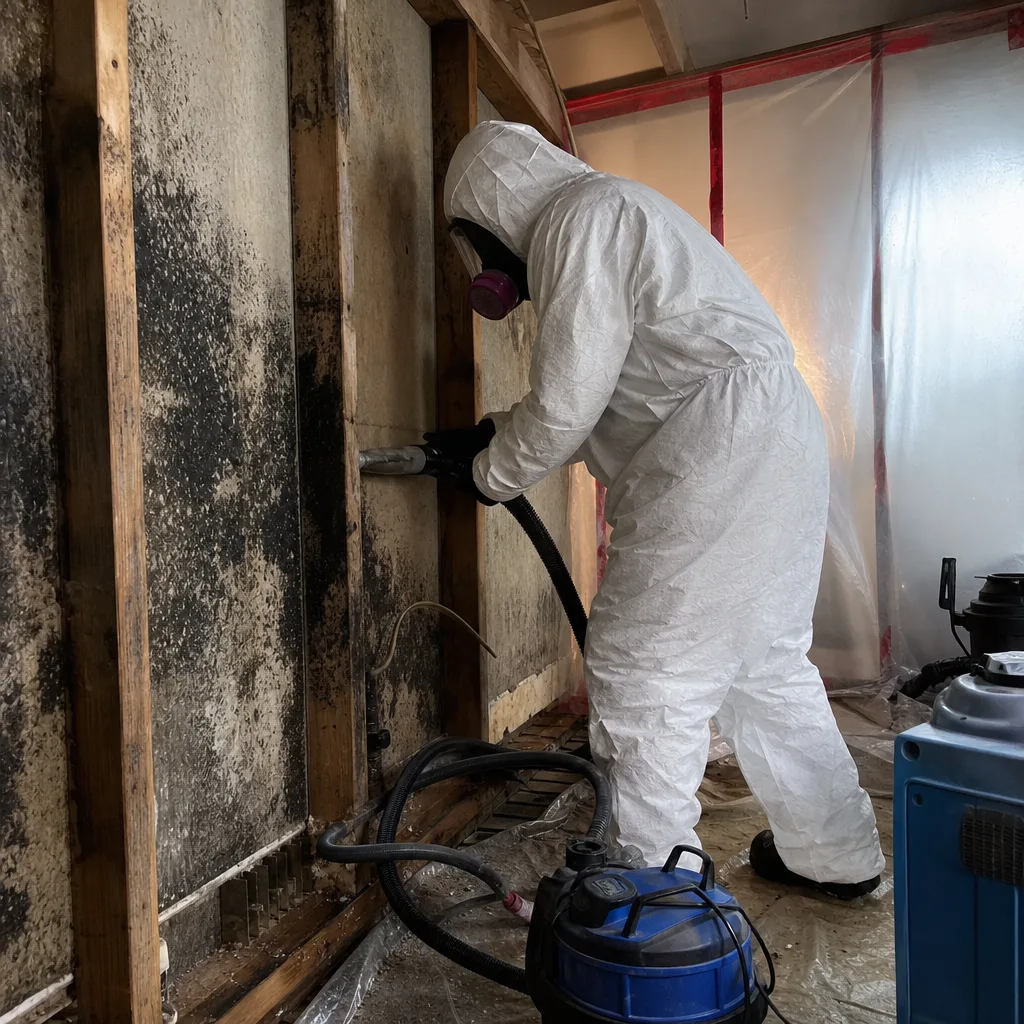
Free visual inspection and a written scope of work before any mitigation begins - photos, moisture readings, and drying logs go in your claim file
The scope we write is the scope we bill. Anything new gets shown to you, in writing, before we touch it.
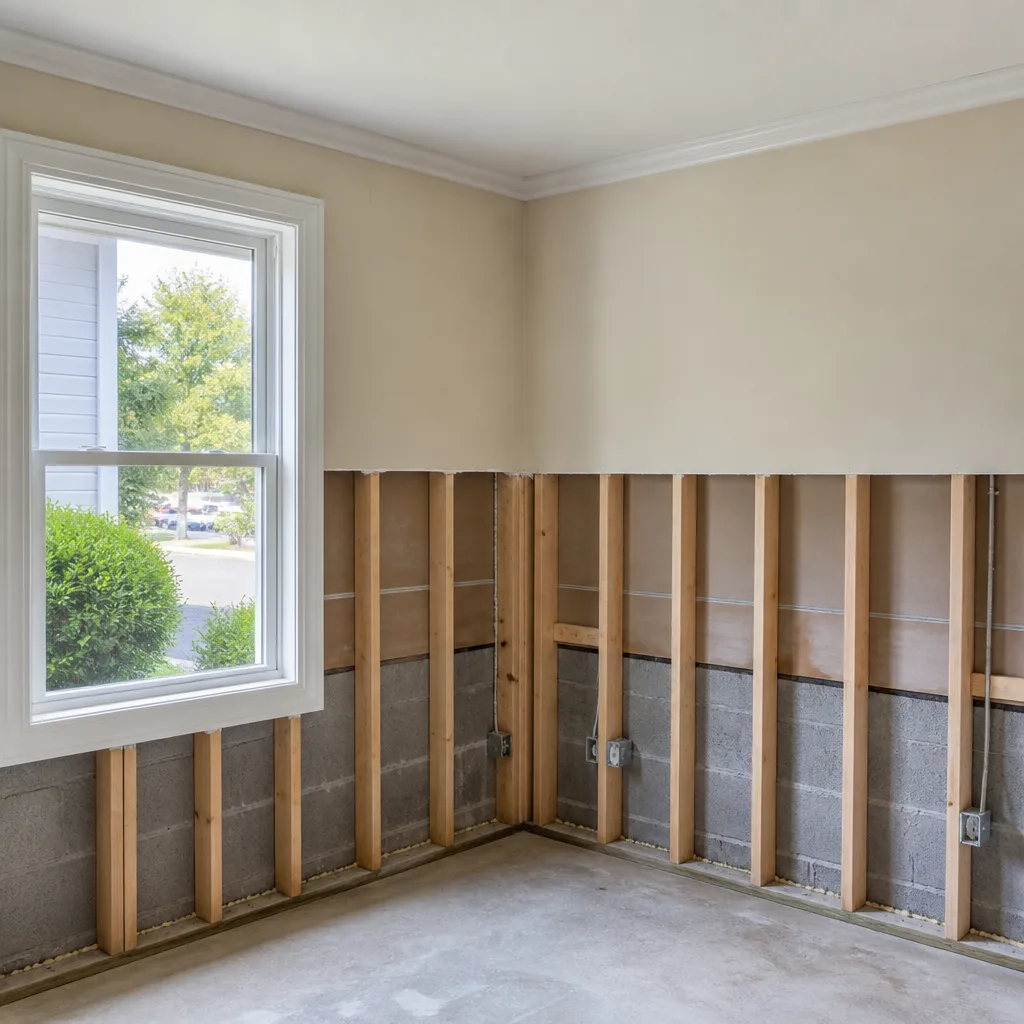
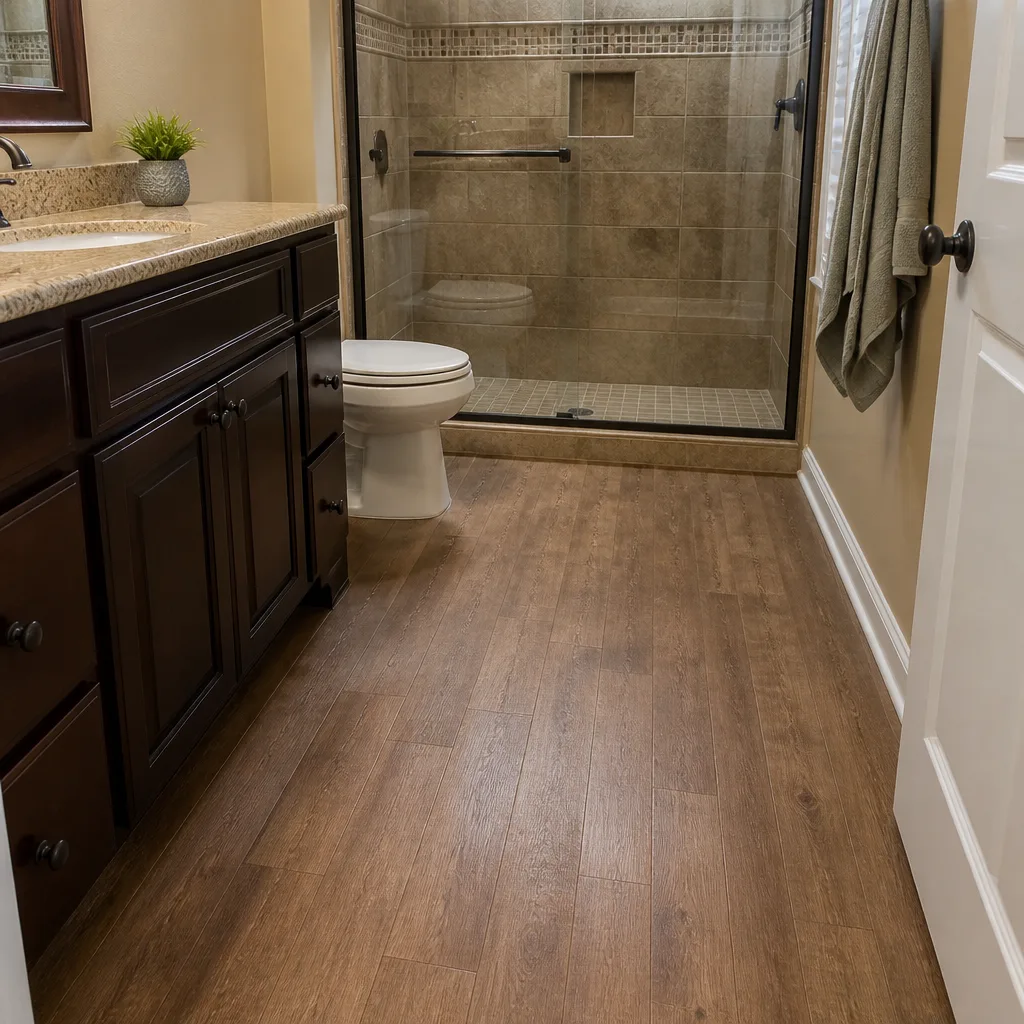
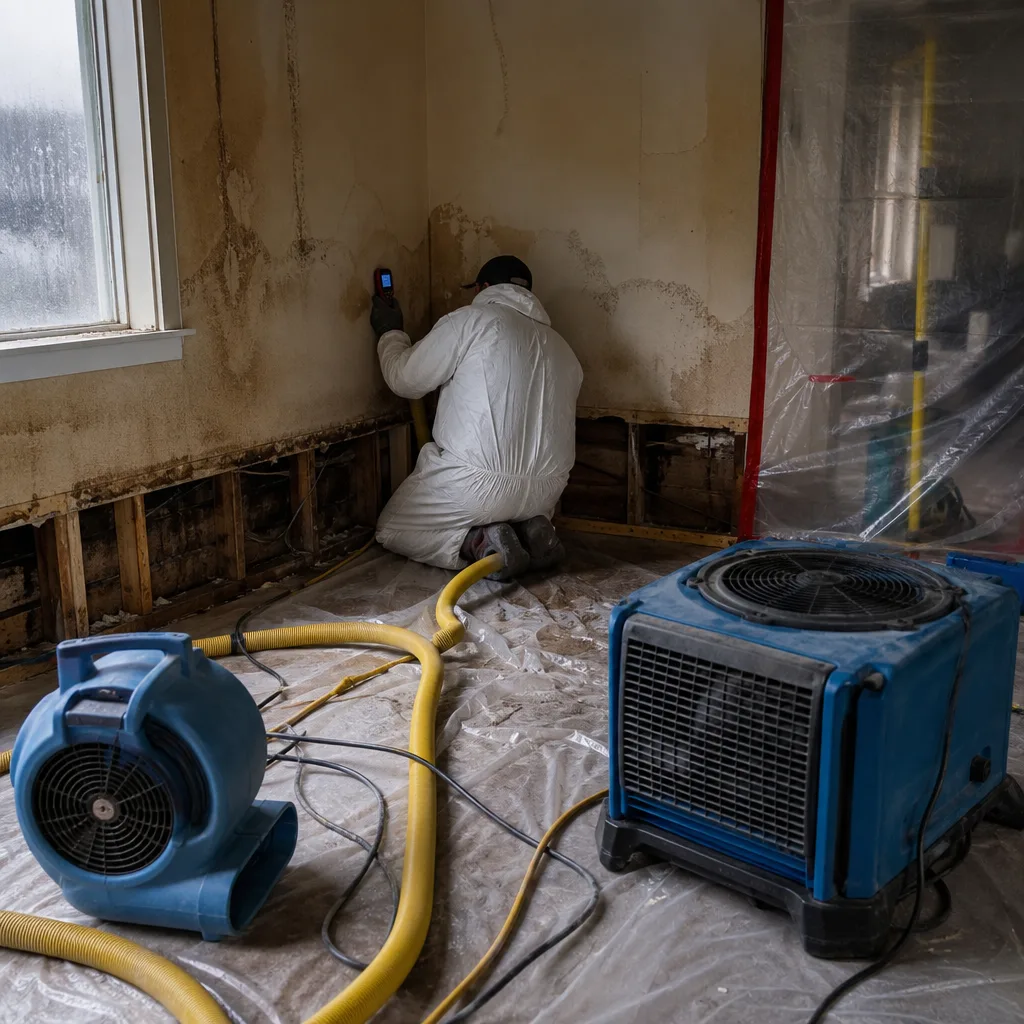 Before
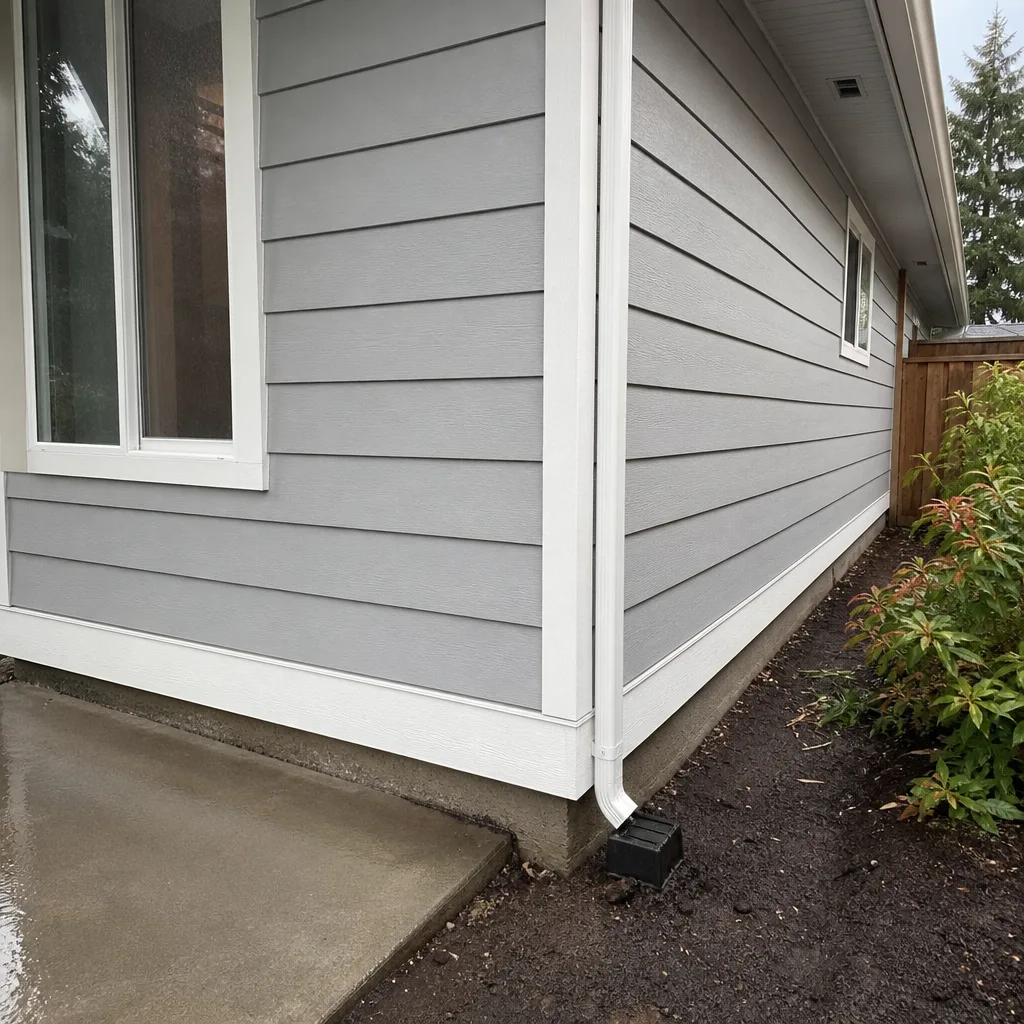 After
After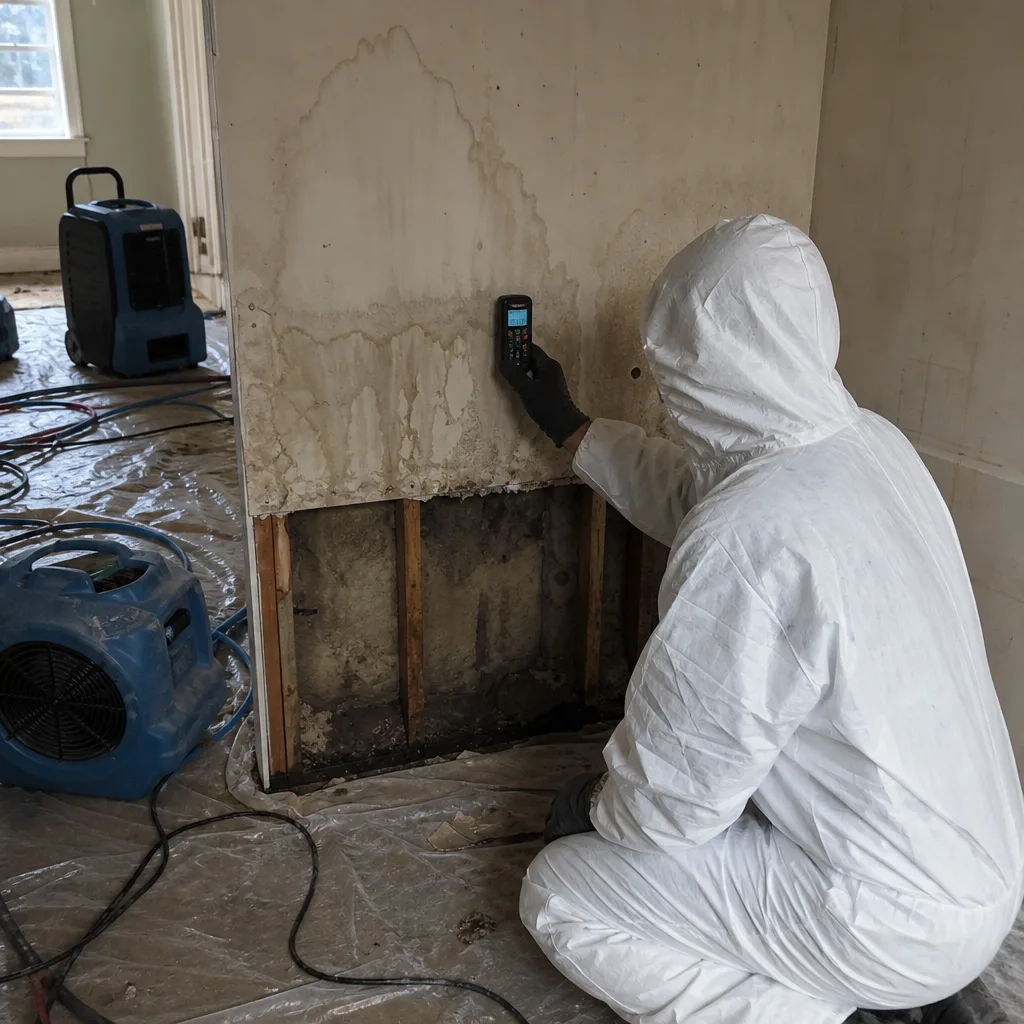 Before
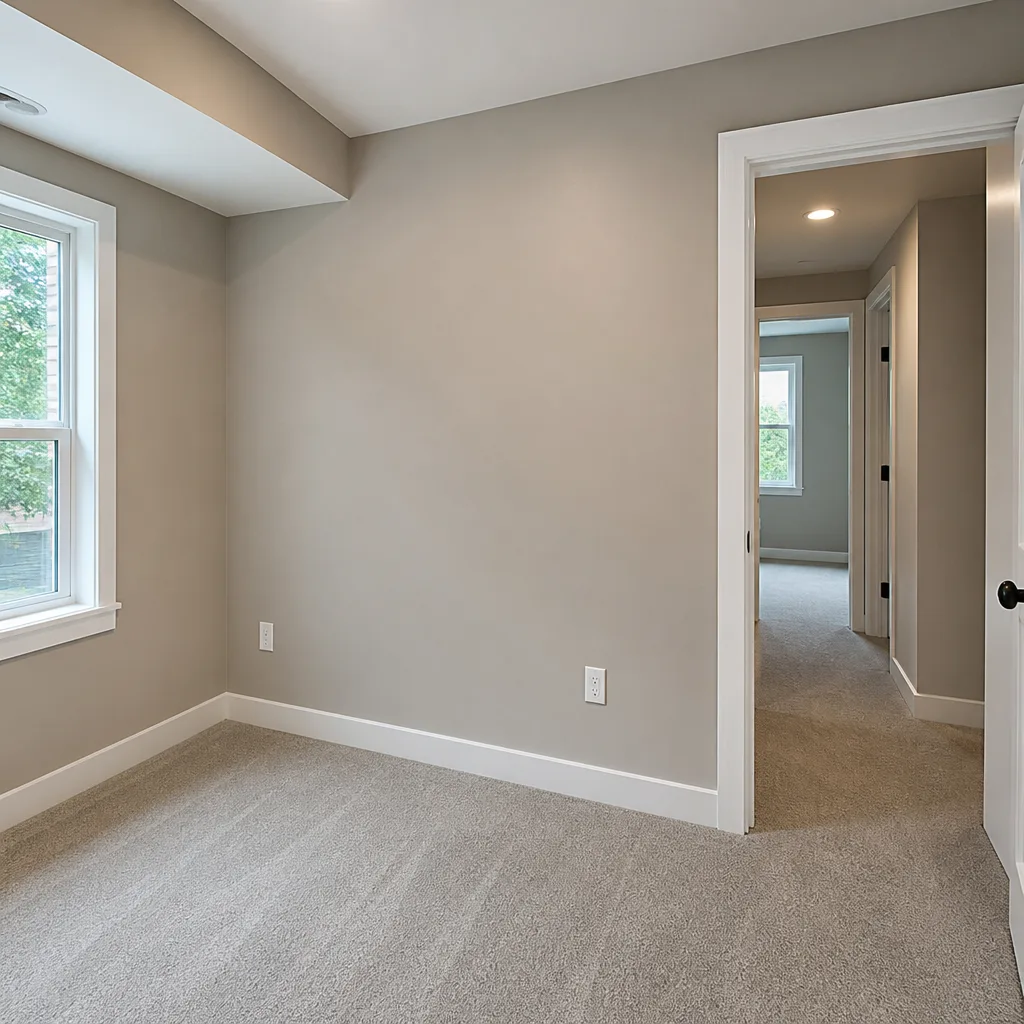 After
After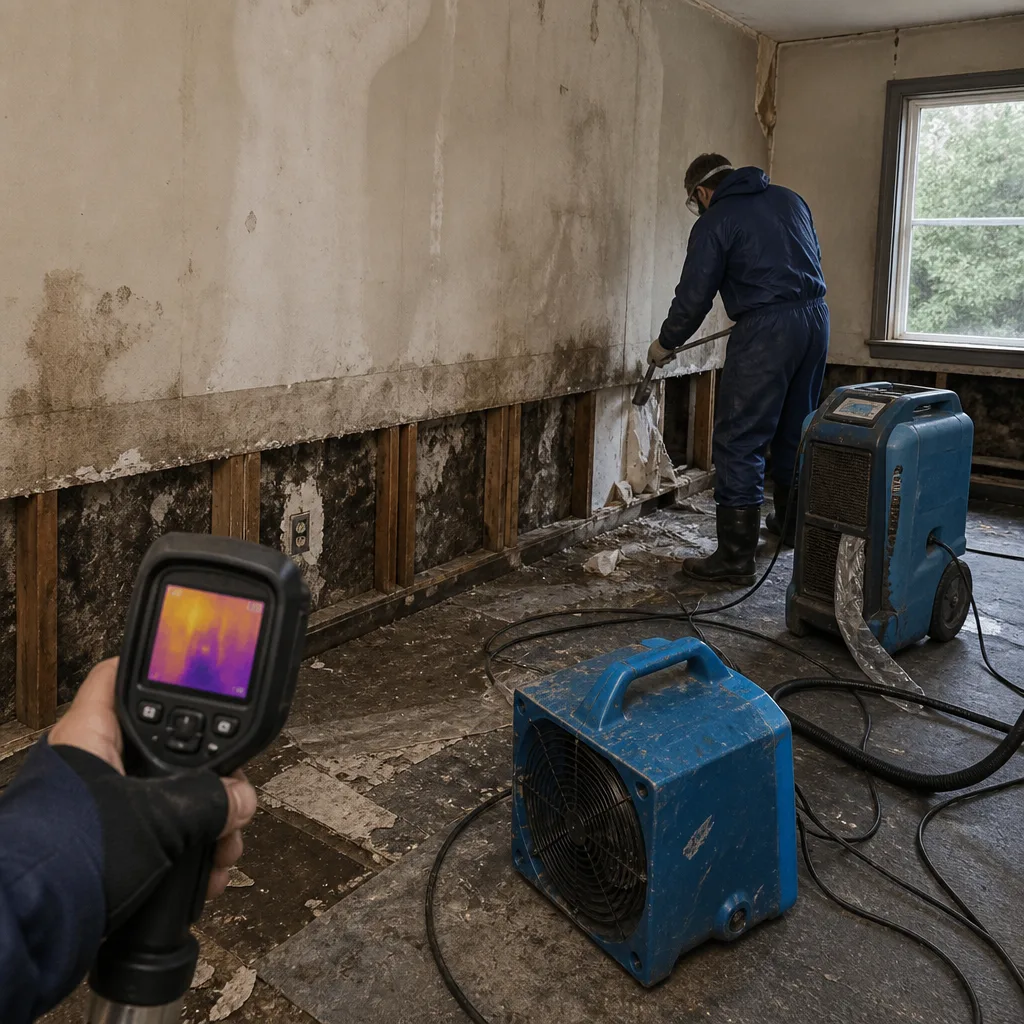 Before
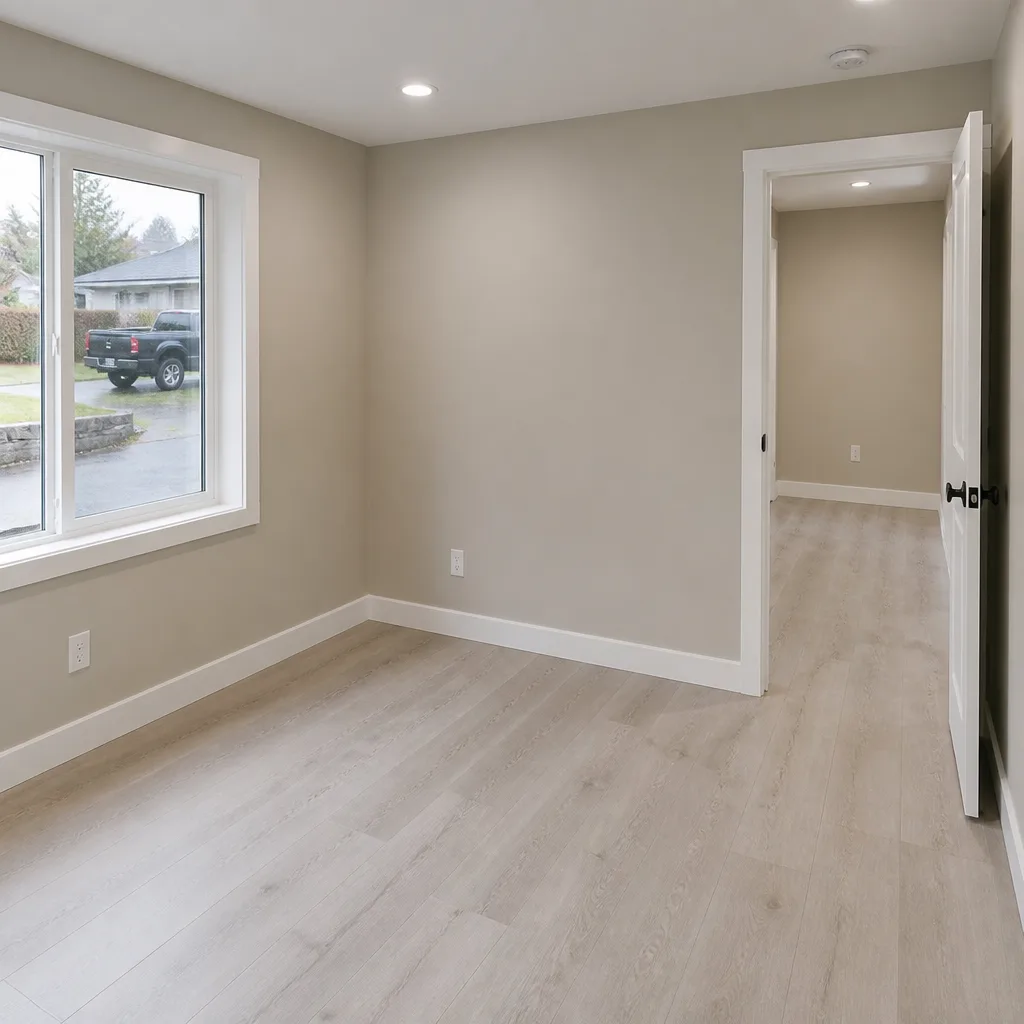 After
After24/7 Emergency Mold Remediation in Mukilteo
Mold remediation in Mukilteo typically costs $1,800-$4,500 for contained crawl-space or basement jobs, and $5,000-$12,000+ for whole-home air-quality restoration with HVAC remediation. Most Mukilteo homeowners see us same day when they call (360) 502-8815. We answer live, 24 hours a day, 7 days a week - no voicemail, no callback queues while moisture keeps spreading.
The first hour matters because mold colonies in Mukilteo’s persistent marine humidity can establish measurable growth within 24-48 hours of a water loss event. Our crews dispatch from our Seattle office and serve Mukilteo directly, carrying containment systems, HEPA air scrubbers, and moisture-mapping equipment on every truck. We provide a free visual inspection and a written scope before any work begins - Haven Standard, Clause 1.
Understanding Mold Remediation Severity in Mukilteo Properties
Mold severity in restoration work is classified by affected square footage, material porosity, and whether the contamination is confined to a single cavity or has colonized HVAC systems and occupied spaces. Category 1 contamination covers less than 10 square feet of non-porous surface - think tile grout or sealed concrete. Category 2 extends to 10-100 square feet and may involve porous materials like drywall or carpet. Category 3 exceeds 100 square feet or involves HVAC contamination, requiring full containment, negative air pressure, and third-party clearance testing.
Mukilteo’s housing stock complicates these categories. The Harbour Pointe planned community, built largely between 1986 and 2005, uses wood-frame construction with vapor-barrier and crawl-space ventilation designs that predate current moisture-load standards. When our Mold Remediation team opens a Harbour Pointe crawl space, we often find chronic humidity saturation in the vapor barrier and bottom plates - not from a plumbing leak, but from ground-sourced moisture driven by Puget Sound bluff hydrology. Older bluff-adjacent homes near the waterfront may have original wood siding from the mid-20th century with minimal moisture management, making Category 2 events far more common than the square footage alone suggests.
Why Mukilteo Property Owners Choose DryMark Restoration Everett
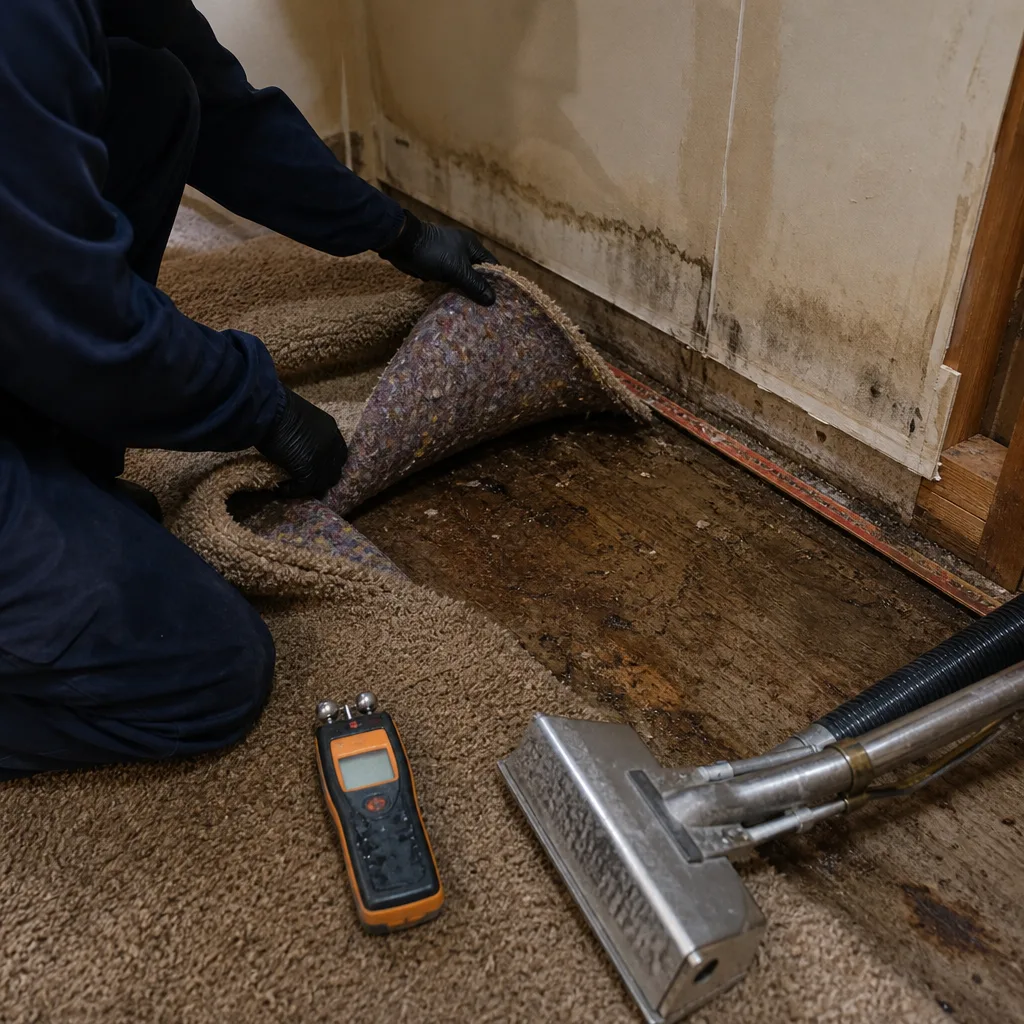
- 45-minute response commitment to Mukilteo addresses from our Seattle-coordinated dispatch.
- 24/7 live answer - a real person, never an automated system or voicemail tree.
- IICRC-certified crews holding WRT (Water Damage Restoration Technician) and AMRT (Applied Microbial Remediation Technician) credentials.
- Free visual inspection with moisture readings and photo documentation before any scope is proposed.
- Direct insurance billing with adjuster coordination and photo-documented claim packages.
- One team from containment through reconstruction - no handoffs between subcontractors.
BeforeAfterOur Mold Remediation Process
1. Inspection & Assessment
We map moisture with thermal imaging and calibrated hygrometers, identify the water source, and classify contamination per IICRC S520 standards. In Mukilteo, this always includes slope-hydrology assessment for bluff-adjacent homes - we need to know if moisture is ground-sourced, not just plumbing or atmospheric.
2. Containment & Stabilization
Polyethylene barriers and negative air machines isolate affected areas. HEPA air scrubbers run continuously to prevent cross-contamination. We seal HVAC returns if ductwork is compromised.
3. Drying & Dehumidification
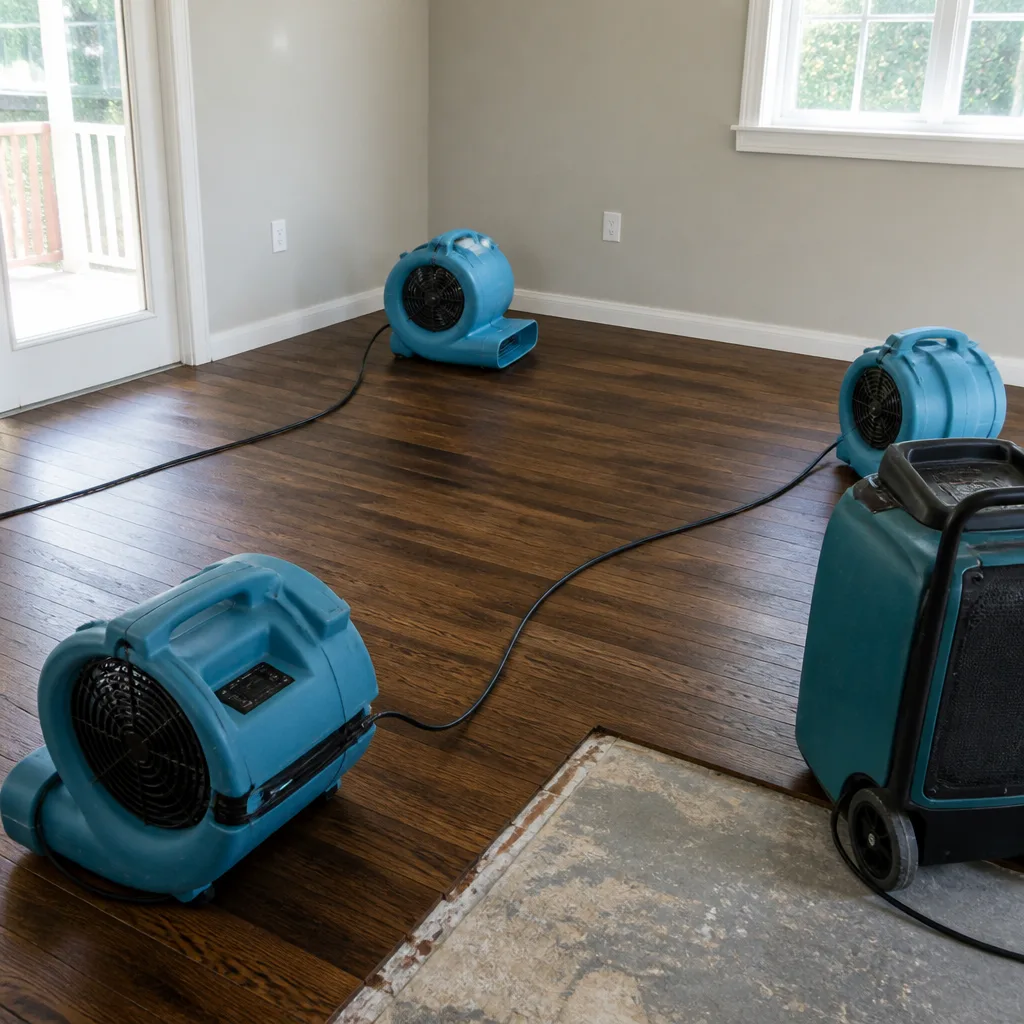
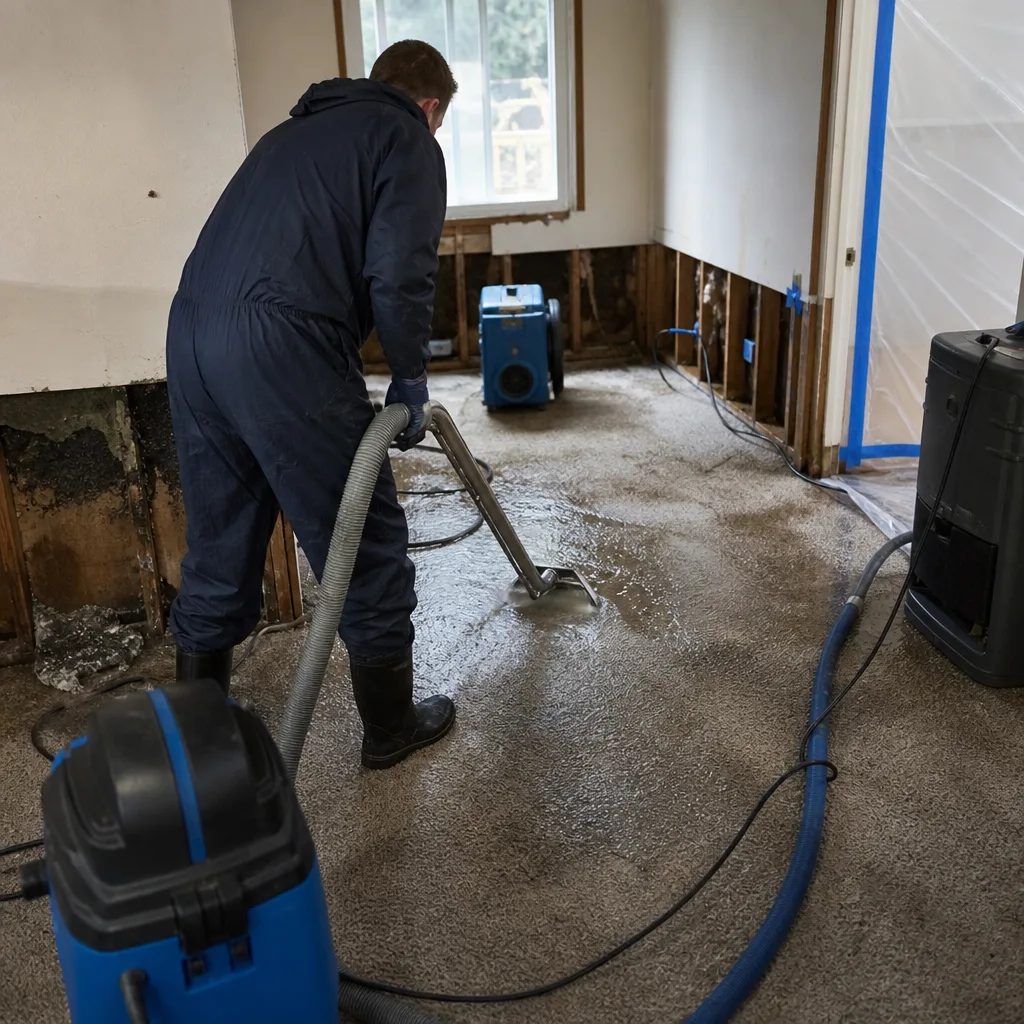
Dri-Eaz and Phoenix LGR dehumidifiers pull vapor pressure differentials down to restoration-dry levels - typically below 16% wood moisture content and 60% relative humidity. Mukilteo’s salt-laden marine air demands aggressive dehumidification capacity beyond standard residential specs.
4. Cleaning & Sanitization
Non-porous surfaces receive HEPA vacuuming and antimicrobial treatment. Porous materials beyond salvage - waterlogged drywall, insulation, degraded subflooring - are removed with documented square footage for insurance.
5. Crawl Space Treatment & Moisture Control
We address the conditions that allowed colonization: repairing vapor-barrier breaches, improving ventilation per current moisture-load standards, and installing permanent dehumidification where chronic ground-sourced humidity persists. This is where Mukilteo jobs diverge from inland work.
6. Clearance Testing & Restoration
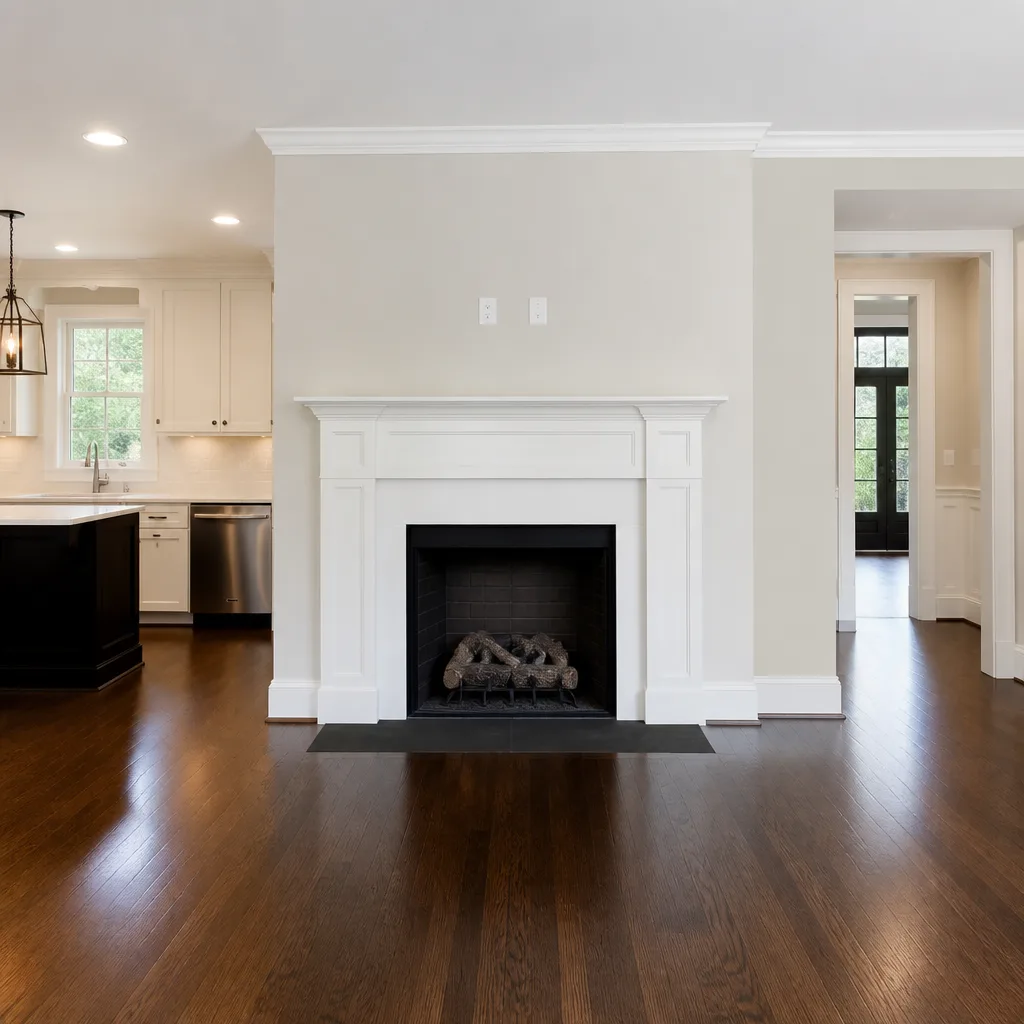
Third-party or in-house air and surface sampling confirms spore counts at or below outdoor baseline. We then rebuild - drywall, flooring, trim - with a written price before reconstruction begins and a 365-Day Done Right Promise on all work.
Need Emergency Mold Remediation in Mukilteo Now?
Crews minutes away, answering live 24 hours a day. The sooner we start, the less it costs.
Working With Your Insurance Company
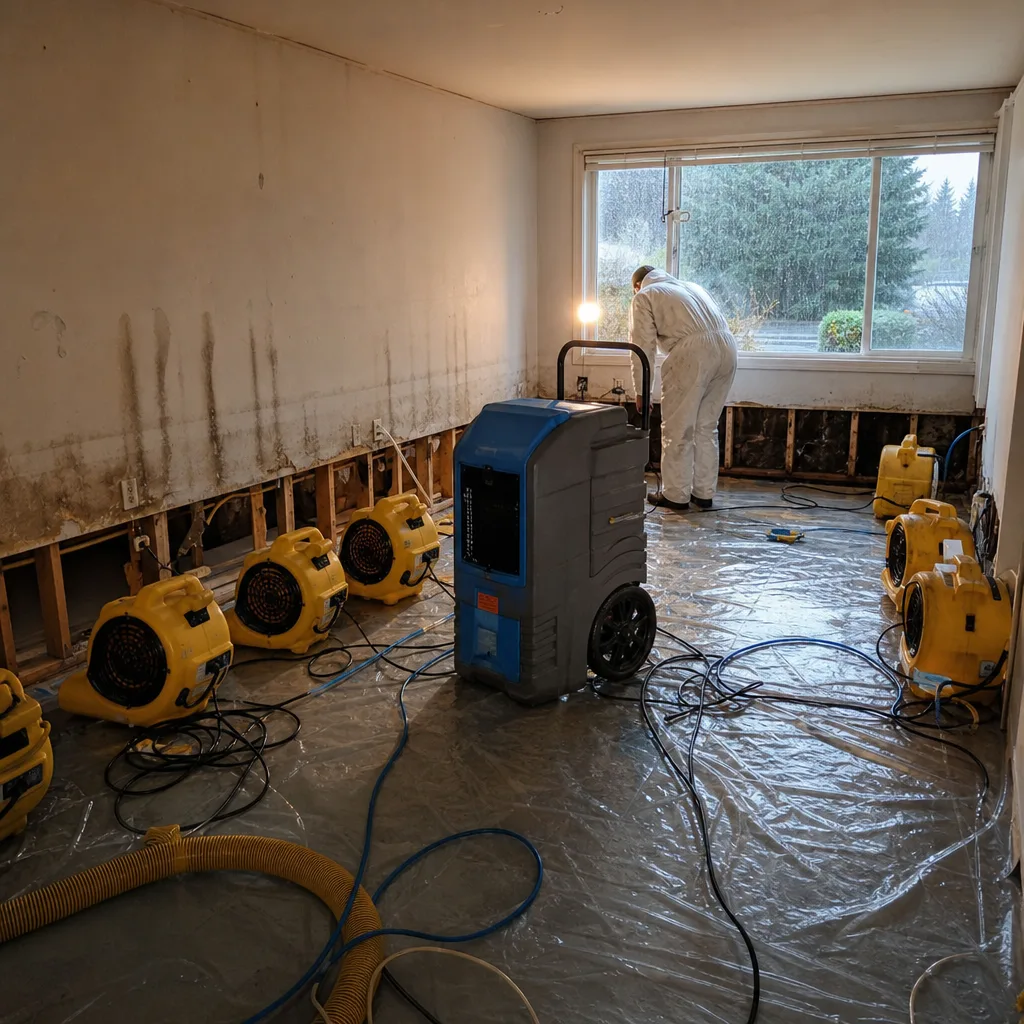
Most Mukilteo mold claims originate from covered water losses - burst pipes, appliance failures, or storm intrusion - with mold as secondary damage. The coverage dispute usually centers on whether the mold resulted from a sudden, documented event or from long-term maintenance neglect. We resolve this dispute before it starts.
Our documentation begins at the first hour. Every visit produces a photo record, moisture readings with psychrometric data (temperature, relative humidity, vapor pressure), and a daily drying log. We write industry-standard estimates and communicate directly with your adjuster, providing the line-item scope and material classifications that turn restoration invoices into payable claims. Alicia Brennan founded Back to Dry in 2011 after working as a claims adjuster - the documentation gap that costs homeowners their claims is the problem this company was built to solve.
What We Provide Your Insurer
- Thorough documentation of the loss origin and timeline
- Photos of all damage, room by room, with moisture readings
- Daily drying logs with psychrometric data and equipment placement maps
- A detailed, line-item scope of work with material classifications
- Direct coordination with your carrier and adjuster
Built for Mukilteo’s Loss Calendar
Mukilteo’s mold season runs differently than inland Snohomish County. October through April brings persistent onshore marine fog and rain-saturated bluff soils; this is when we see the most crawl-space and foundation moisture calls from Harbour Pointe and the bluff-adjacent waterfront. The marine layer keeps ambient humidity measurably higher than in Everett or Lynnwood just a few miles east, compressing any drying window after a water loss.
Spring - March through May - brings the most deceptive losses: a winter of ground-sourced humidity has pre-conditioned wood assemblies, and a single plumbing failure or foundation crack triggers rapid colonization in already-near-saturation materials. Summer dries surface conditions but can mask ongoing crawl-space humidity. We log more “surprise” mold discoveries in August home sales inspections than any other month - the visible house looks dry while the encapsulated crawl space tells a different story.
Mold Remediation Across Mukilteo’s Neighborhoods
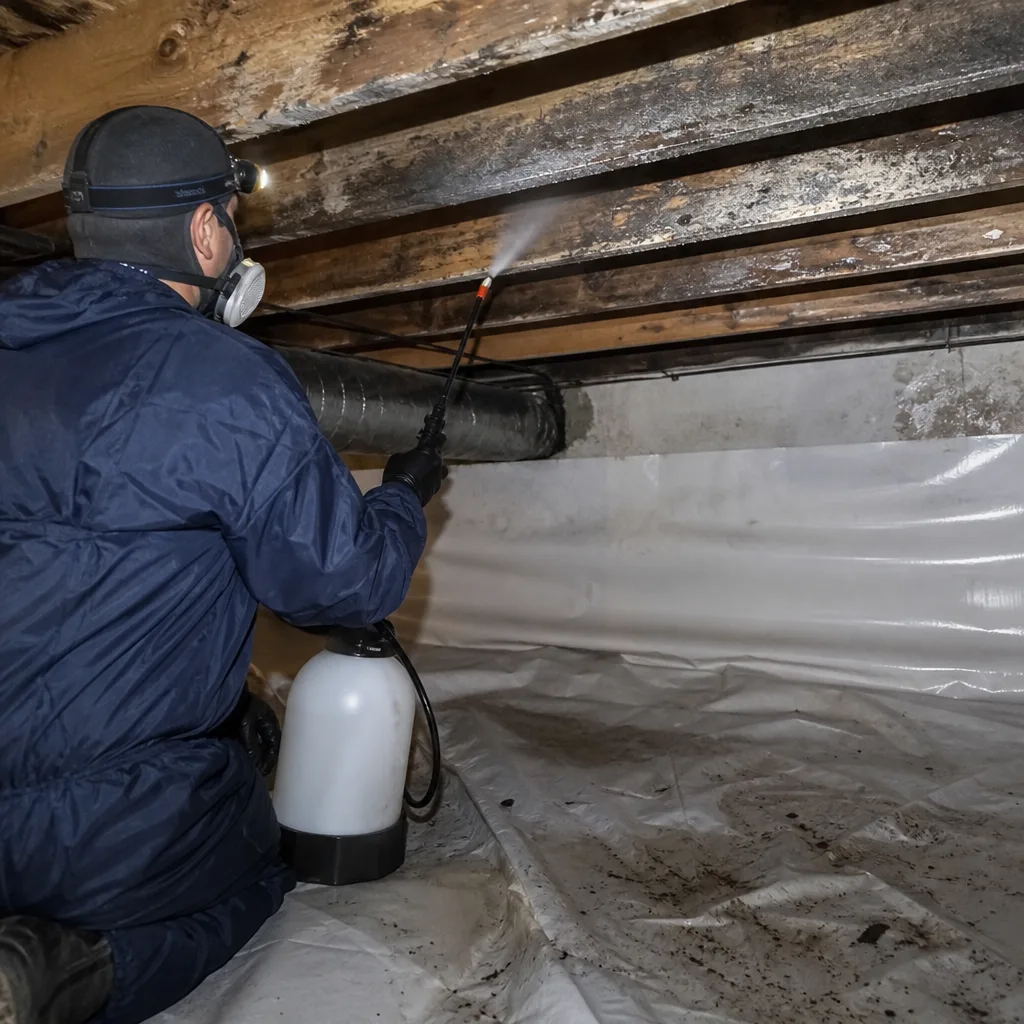
Harbour Pointe, Mukilteo’s largest planned community, accounts for the majority of our mold calls. The 1986-2005 wood-frame construction with predated moisture-load standards creates predictable failure patterns: vapor-barrier degradation in crawl spaces, bottom-plate moisture wicking, and attic mold from bathroom exhaust vents terminating in soffits rather than through-roof. We know the floor plans. We know which phases used which foundation drain designs. This matters when we’re tracing moisture paths.
The waterfront and bluff-edge homes along Mukilteo Speedway and Edgewater Drive present the opposite problem - not uniform construction, but extreme variation. A 1950s ranch on a creeping slope may show wall cracking that looks like water damage but is actually seasonal soil movement. We’ve learned to read the difference: moisture readings that don’t correlate with plumbing lines, crack patterns that follow slope contours, and crawl spaces where the wettest point is always the upslope corner. No drying protocol fixes a moisture problem fed by ongoing ground movement and hydrostatic recharge.
The newer construction near Kamiak High School and in the Paine Field corridor tends toward tighter envelopes and modern moisture management, but even here we see mold from construction-defect waterproofing or failed exterior sealants. The common thread across all Mukilteo neighborhoods is the marine humidity baseline - it raises every risk calculation.
Specialized Mold Remediation Services We Offer in Mukilteo
Mold Inspection & Testing
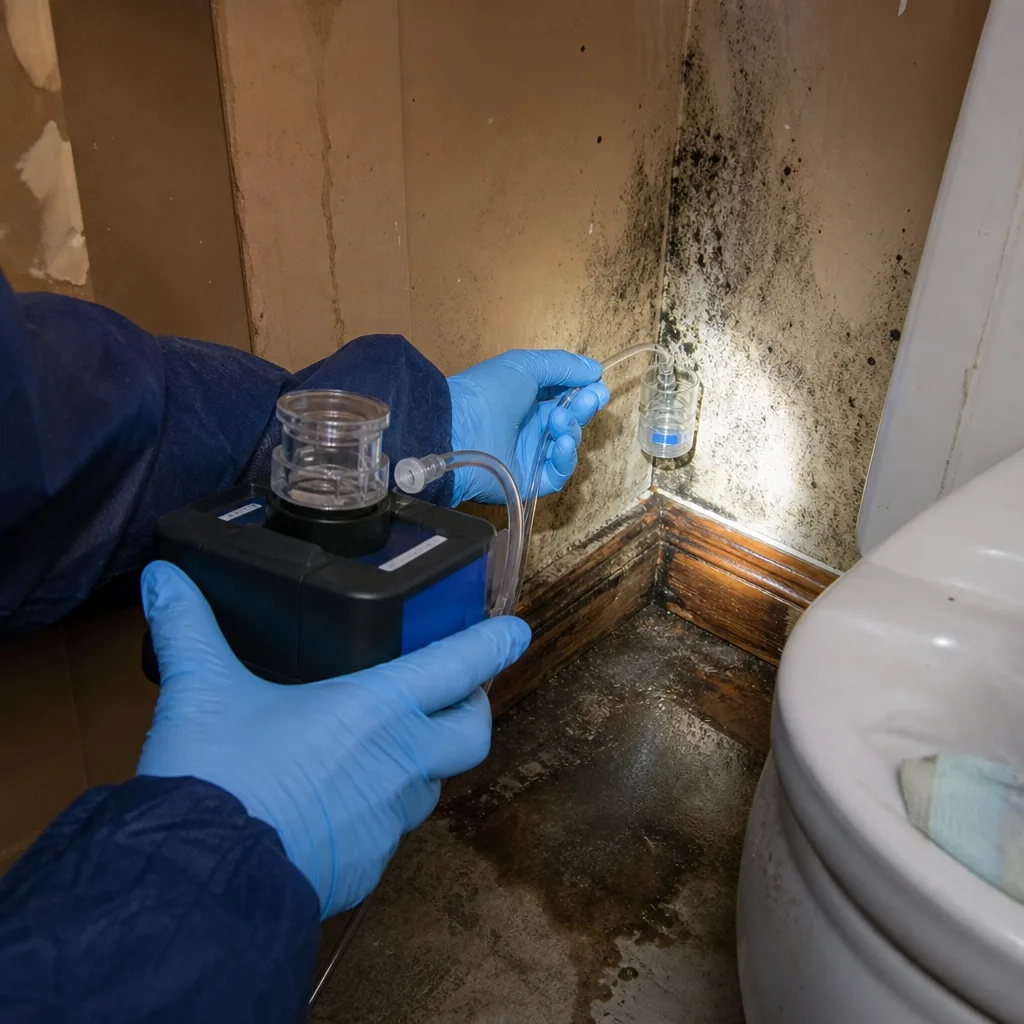
We start with moisture mapping, air sampling, and visual assessment - not guesswork. In Mukilteo, our inspections always include crawl-space vapor-barrier condition and slope-hydrology indicators. A typical inspection runs $350-$650; if you proceed with remediation, we credit this toward your scope.
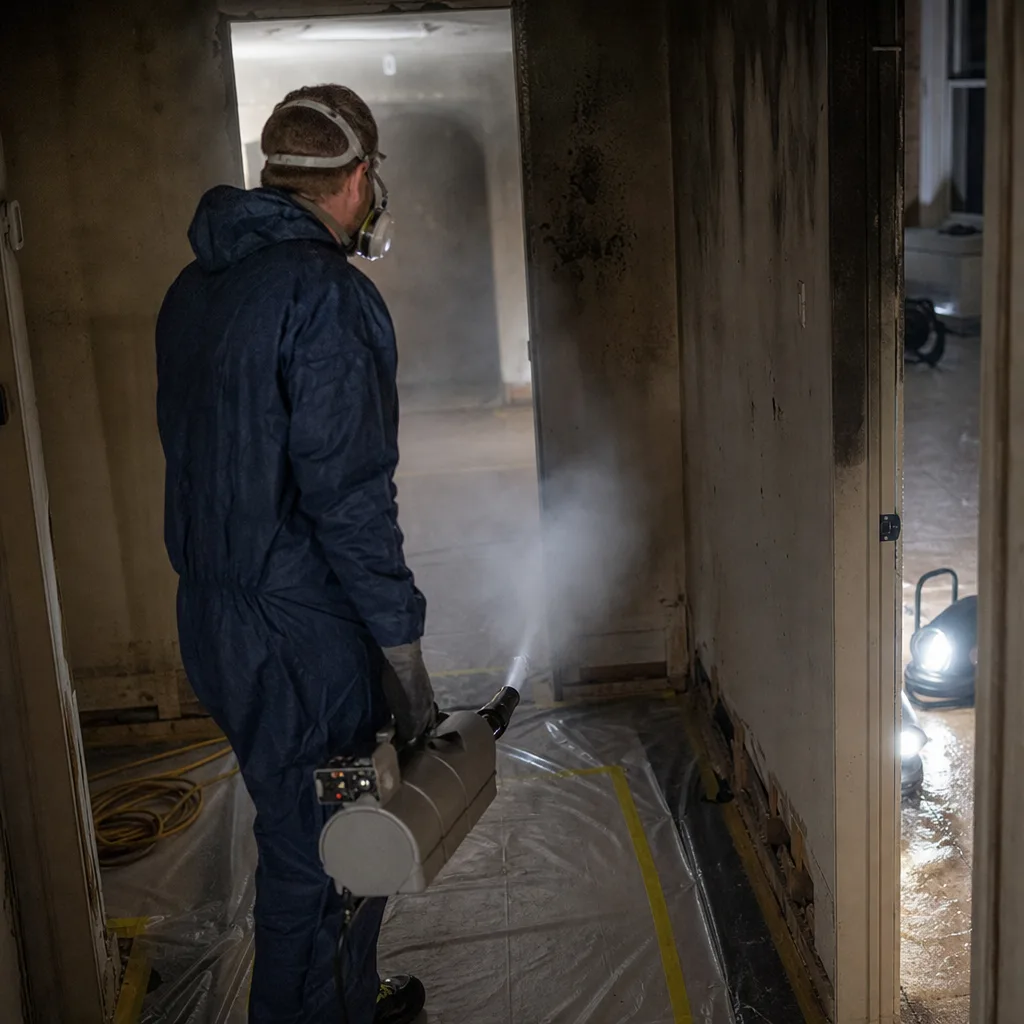
Mold Removal
Contained removal of colonized materials with HEPA filtration and documented square footage. Harbour Pointe jobs often require more extensive bottom-plate and subfloor removal than the visible mold suggests, because ground-sourced moisture has pre-conditioned surrounding materials.
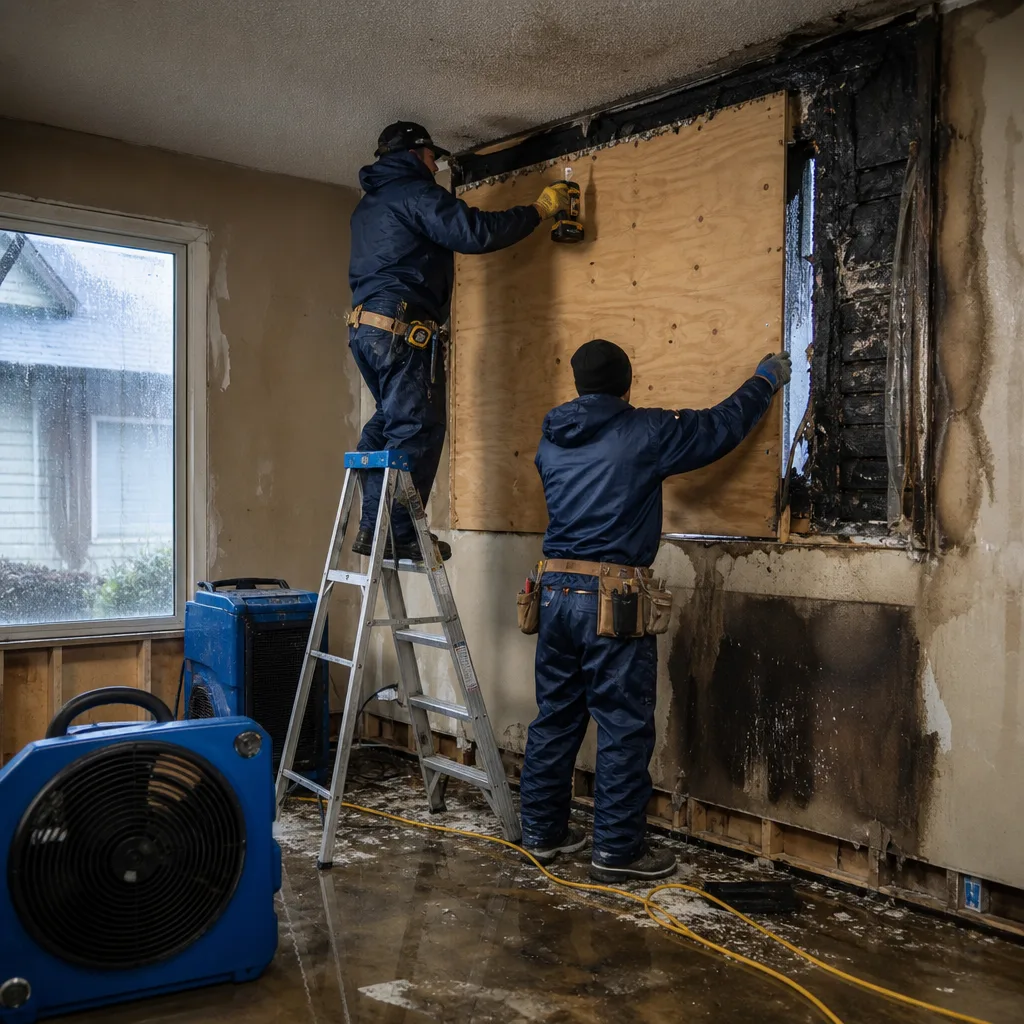
Black Mold Remediation
Stachybotrys and other toxigenic species require full containment, negative air pressure, and specialized PPE. We do not treat black mold as a marketing category - we treat it as a contamination level requiring specific protocols, documented to IICRC S520 and RIA standards.
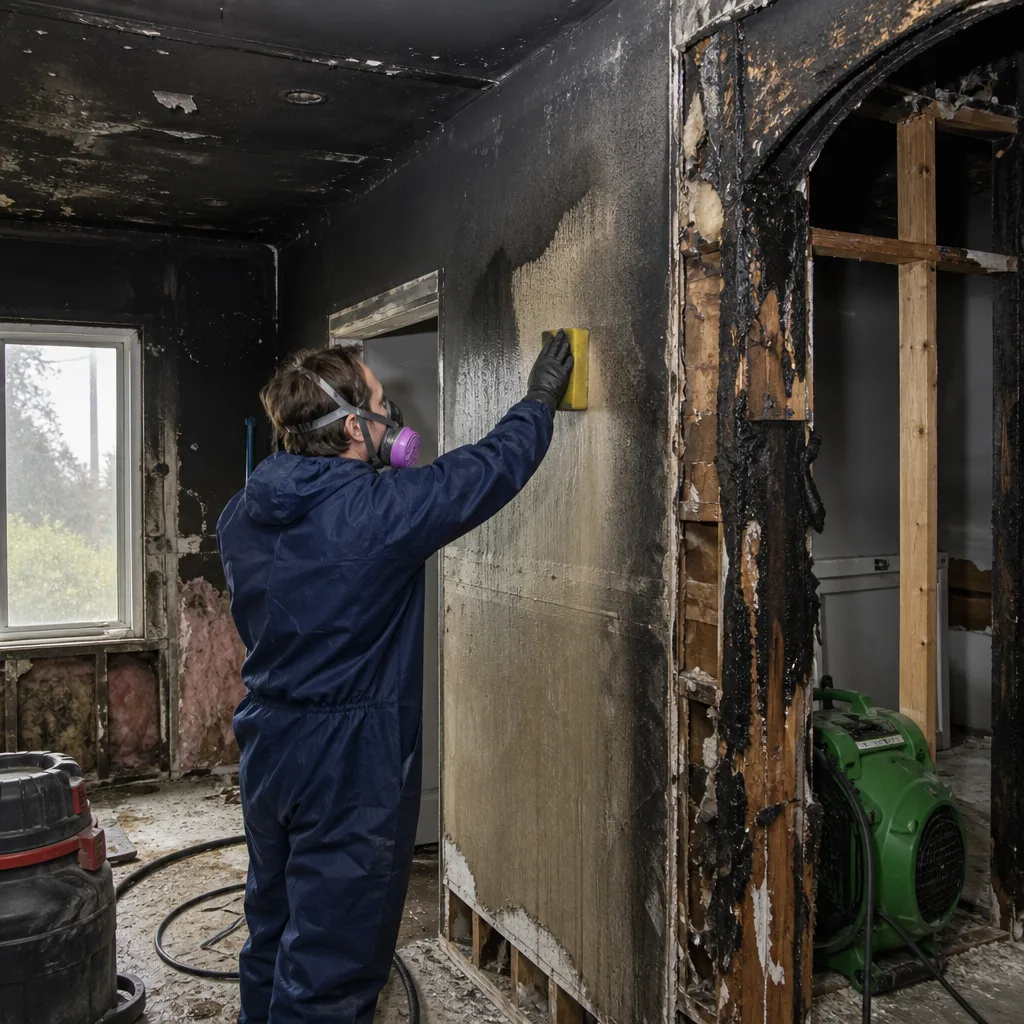
Air Quality Restoration
HVAC decontamination, duct cleaning, and whole-home air scrubbing for properties where spores have migrated beyond the original contamination zone. Critical for Mukilteo’s tighter modern homes where air handlers can distribute contamination room to room.
Crawl Space Treatment
The core of most Mukilteo mold work. We repair vapor barriers, address drainage, improve ventilation per current moisture-load standards, and install permanent dehumidification where chronic ground-sourced humidity persists. This is where slope-hydrology assessment determines whether remediation will last.
What happens when you call
- 1
A real person answersNo phone trees - you reach a local pro.
- 2
You get an upfront price rangeHonest numbers before anyone is dispatched.
- 3
A background-checked tech heads outLicensed & insured, dispatched right away.
- 4
You approve before work beginsNothing starts until you say go.
Mold Remediation Costs in Mukilteo, WA
| Service | Typical Range in Mukilteo |
|---|---|
| Mold inspection & testing | $350-$650 |
| Contained crawl space remediation (up to 500 sq ft) | $1,800-$3,200 |
| Basement mold removal with drying | $2,500-$5,500 |
| Whole-home air quality restoration with HVAC | $5,000-$12,000+ |
| Black mold / toxigenic species containment | Add 25-40% for PPE, disposal, clearance testing |
What moves the price: square footage of colonized material, whether HVAC is involved, the need for third-party clearance testing, and whether the moisture source requires drainage or foundation repair. Insurance typically covers mold remediation when it results from a covered water loss with documented sudden origin. Long-term maintenance-related mold is usually excluded - though we provide the documentation that helps distinguish sudden from gradual, and we offer a Free Second Opinion on any competitor’s written estimate.
Every job is quoted in writing before work begins. Haven Standard, Clause 1. No exceptions.
We Also Serve Cities Near Mukilteo
Our Mukilteo crews also respond to mold remediation calls in Mill Creek, Everett, Lynnwood, and Snohomish - though the coastal humidity and bluff-hydrology factors that define Mukilteo work diminish as you move inland.
Serving Mukilteo, WA - Our Local Coverage Area
We’re based in the Mukilteo area and know this community well. Use the map below to see our service coverage - if you’re nearby, we can almost certainly help.
Mukilteo Mold Remediation Questions, Answered
How fast can mold grow in Mukilteo’s marine humidity?
In Mukilteo’s persistent marine humidity, mold can establish visible colonization within 24-48 hours of a water loss event, compared to 48-72 hours in drier inland climates. The salt-laden air doesn’t accelerate growth directly, but the higher ambient humidity baseline means materials stay wet longer and reach the 60%+ relative humidity threshold faster. Call (360) 502-8815 for immediate response - the first day of containment saves thousands in later remediation.
Why do Harbour Pointe crawl spaces get mold even without a plumbing leak?
Harbour Pointe’s wood-frame homes built 1986-2005 rely on crawl-space ventilation designs that predate current moisture-load standards, so mold here is often fed by chronic ground-sourced humidity from Puget Sound bluff soils rather than a single plumbing leak. The failed or degraded vapor barrier allows soil moisture to evaporate into the crawl space, and the ventilation design can’t move enough air to compensate. We see this pattern repeatedly - the moisture source is geological, not mechanical. A proper remediation addresses the vapor barrier, drainage, and ventilation, not just the visible mold.
Does salt air affect mold remediation differently in Mukilteo?
Salt air doesn’t change mold species or toxicity, but it corrodes equipment and can compromise vapor-barrier adhesives and sealants over time. More significantly, the persistent marine fog that delivers salt keeps ambient humidity measurably higher than inland, compressing the drying window and requiring more aggressive dehumidification capacity - often Dri-Eaz or Phoenix LGR units running longer than standard protocols specify. We size equipment for Mukilteo’s actual conditions, not textbook averages.
How do you tell slope movement from water damage in bluff-edge homes?
We look for three indicators: moisture readings that cluster by slope position rather than plumbing line, crack patterns that follow ground contours rather than structural load paths, and crawl spaces where the wettest point is consistently the upslope corner regardless of recent weather. A Harbour Pointe homeowner called us after noticing musty air and bubbling baseboard paint in a daylight basement. Our tech found elevated moisture readings in the crawl space vapor barrier and a 2×4 bottom plate showing white rot; we set containment, ran Dri-Eaz dehumidifiers and air movers, applied antimicrobial treatment, and logged daily drying readings until moisture returned to pre-loss condition. The culprit was grade-water infiltration through a failed foundation drain, not a pipe leak - a reminder that Mukilteo’s saturated bluff soils change the scope of work. Slope movement requires geotechnical referral; we document the distinction so remediation isn’t performed on a problem it can’t fix.
What’s the first step if I smell mold in my Mukilteo home?
Call (360) 502-8815 for a free visual inspection - we answer live 24/7. Don’t disturb visible mold, don’t run HVAC if you suspect duct contamination, and don’t attempt DIY removal on toxigenic species. We provide moisture readings, photo documentation, and a written scope before any work begins.
Will my insurance cover mold remediation in Mukilteo?
Insurance covers mold remediation when it results from a sudden, documented water loss - burst pipe, appliance failure, storm intrusion - with the mold as secondary damage. Long-term maintenance-related mold is typically excluded. Our documentation package, with photo records, moisture logs, and line-item scopes, helps establish the loss origin your adjuster needs. We coordinate directly with carriers and offer direct billing where permitted.
How long does mold remediation take in Mukilteo?
Contained crawl-space jobs typically run 3-5 days of active remediation plus 2-3 days of clearance testing. Whole-home air-quality restoration with HVAC decontamination may take 7-14 days. Mukilteo’s marine humidity can extend drying phases if dehumidification capacity is undersized - we don’t undersize. We provide a written timeline with your scope, updated daily.
Can my family stay in the home during mold remediation?
For Category 1 contamination under 10 square feet, often yes. For Category 2-3 or any toxigenic species, we recommend temporary relocation during active remediation, especially for immunocompromised residents, infants, or anyone with respiratory conditions. We specify occupancy recommendations in your written scope before work begins.
Written by Alicia Brennan, Owner at Back to Dry Restoration, serving Mukilteo since 2011.
Mold Remediation in Nearby Areas