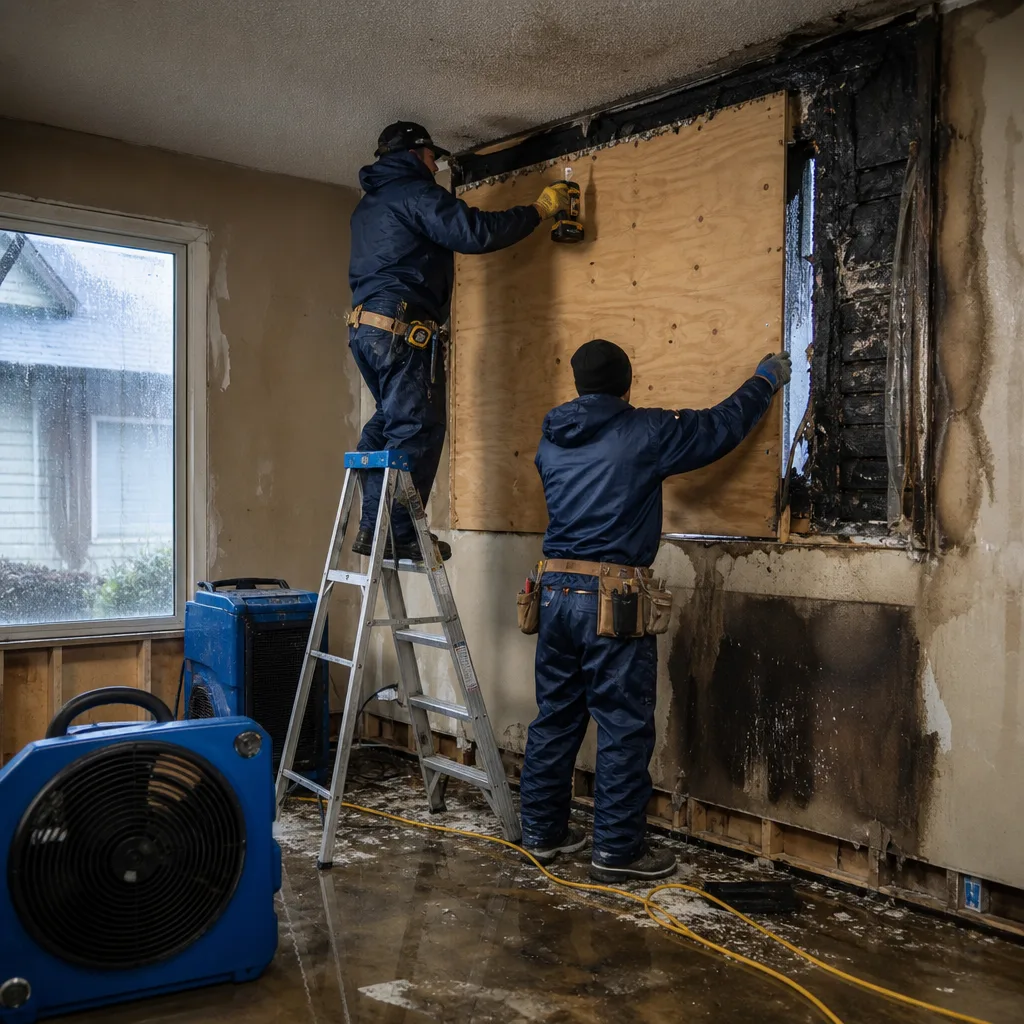
Free visual inspection and a written scope of work before any mitigation begins - photos, moisture readings, and drying logs go in your claim file
The scope we write is the scope we bill. Anything new gets shown to you, in writing, before we touch it.
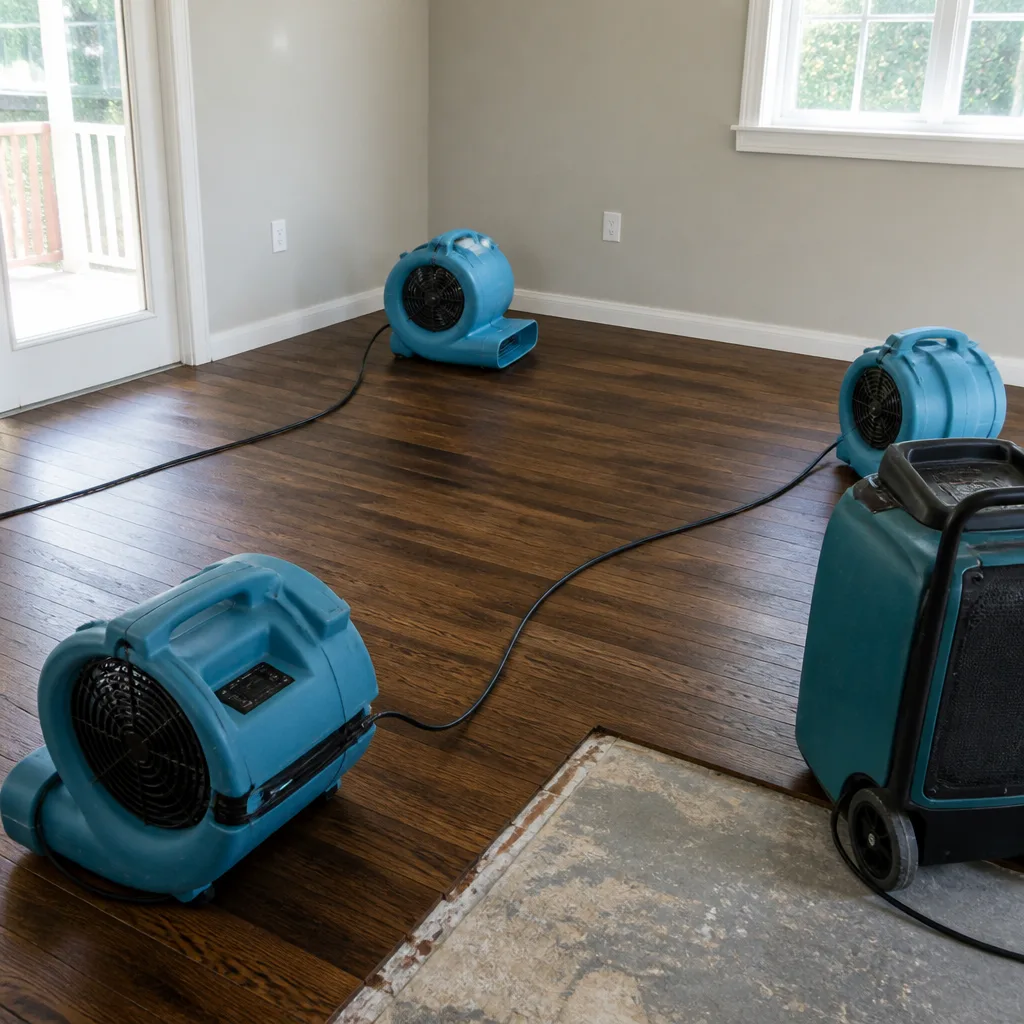
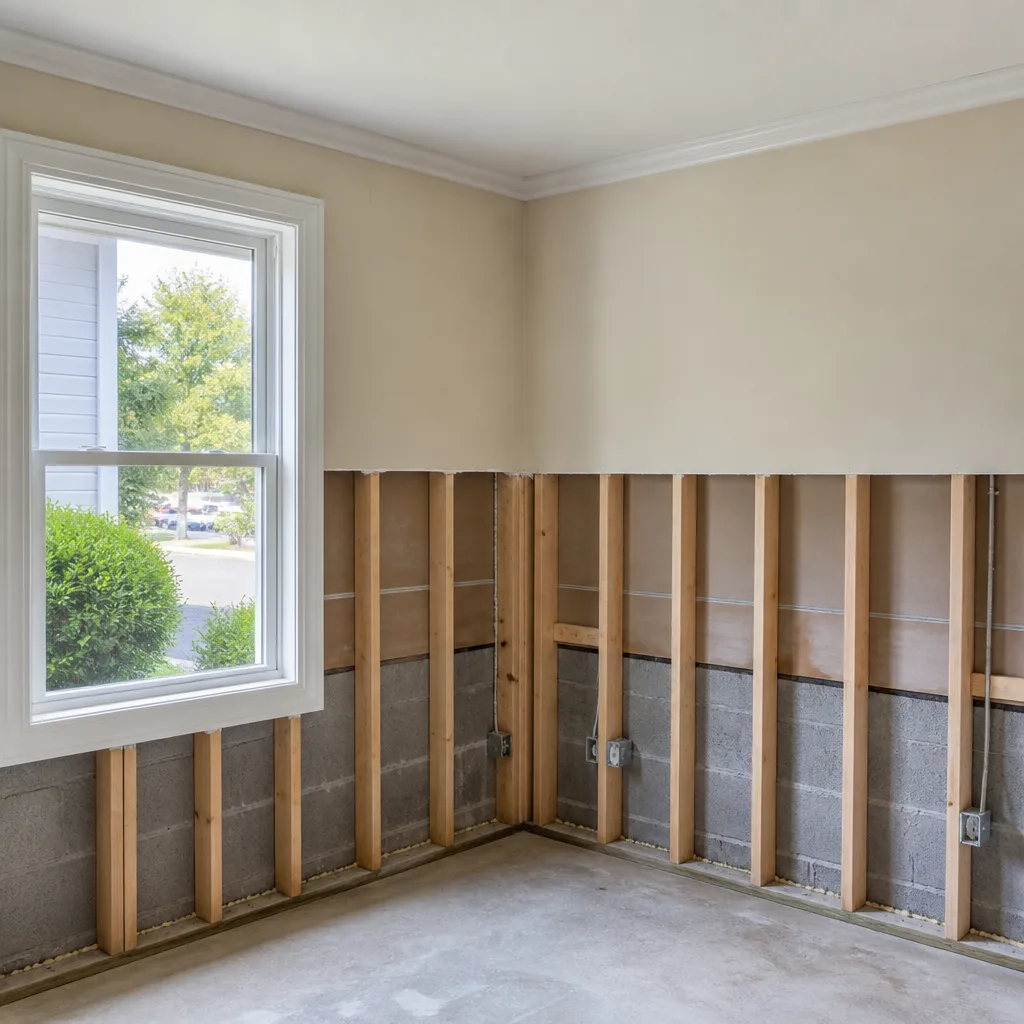
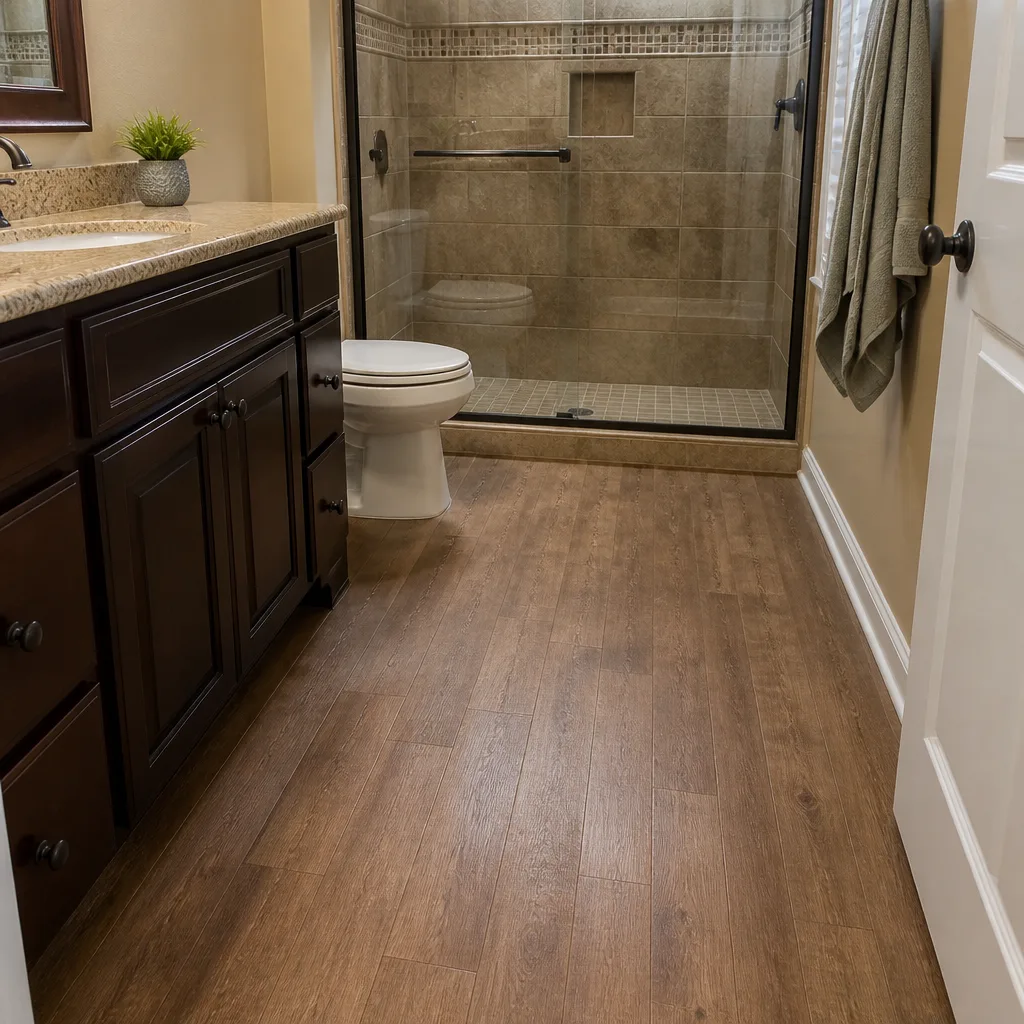
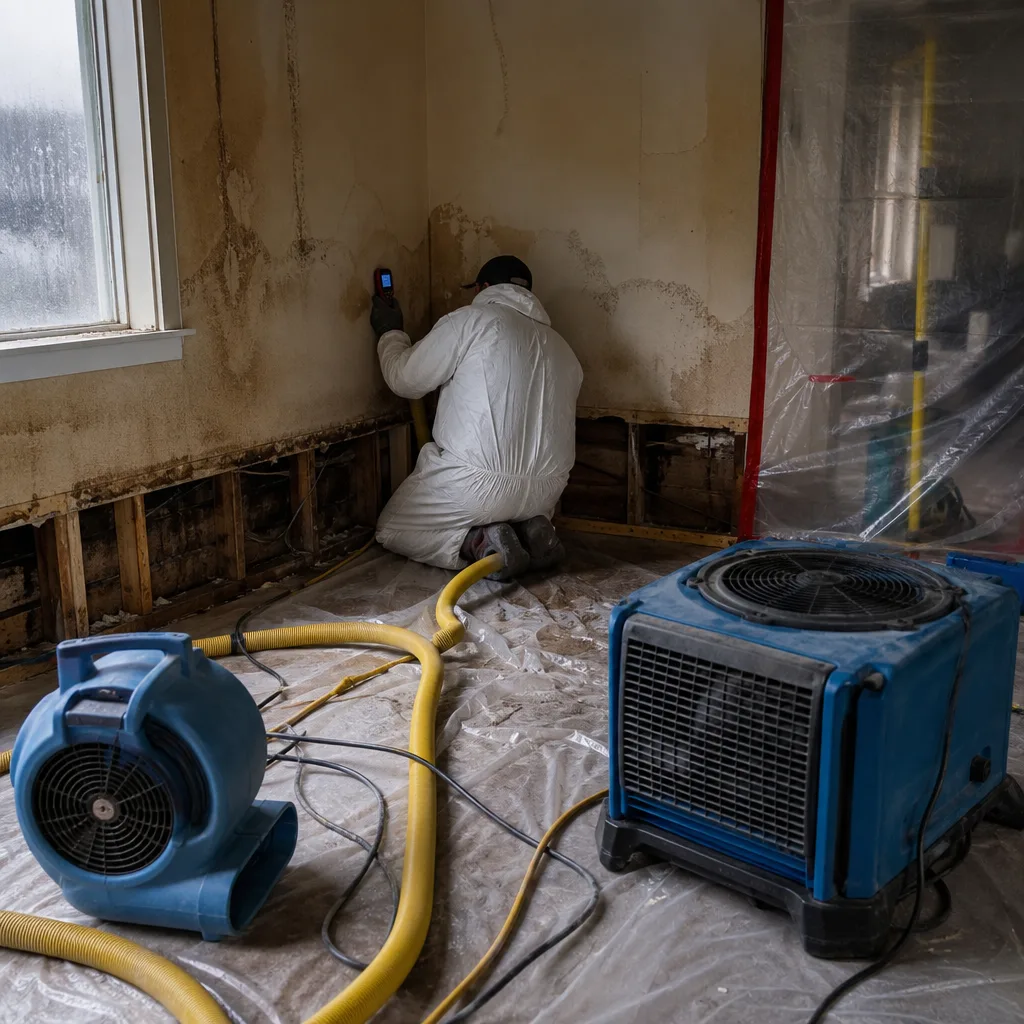 Before
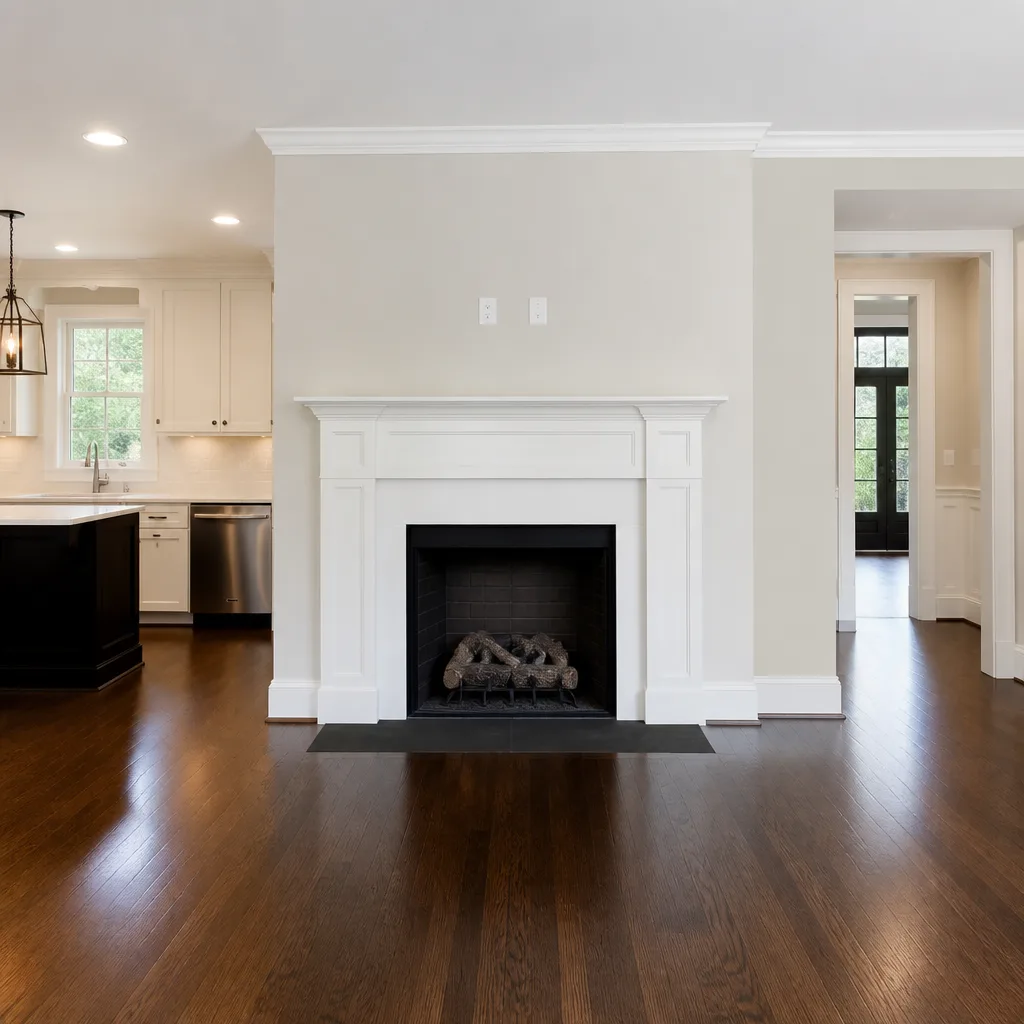
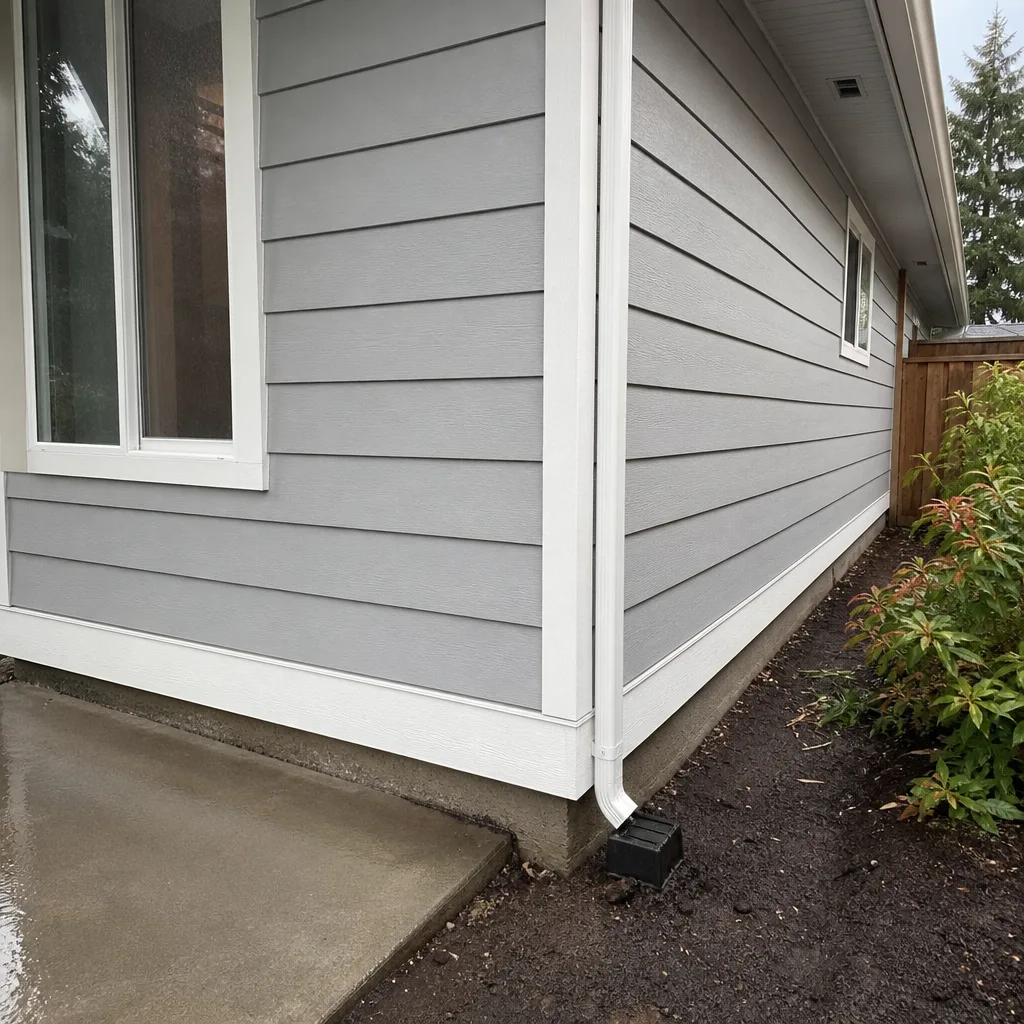 After
After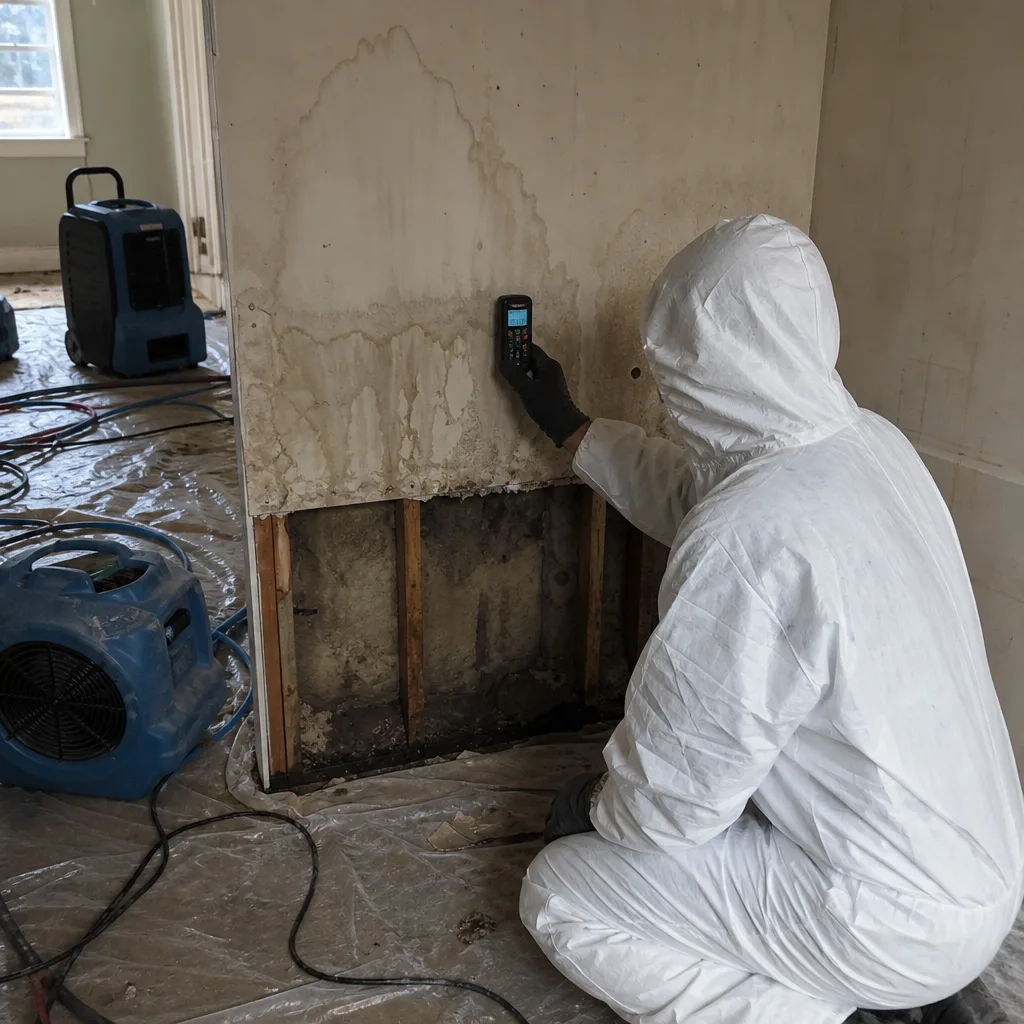 Before
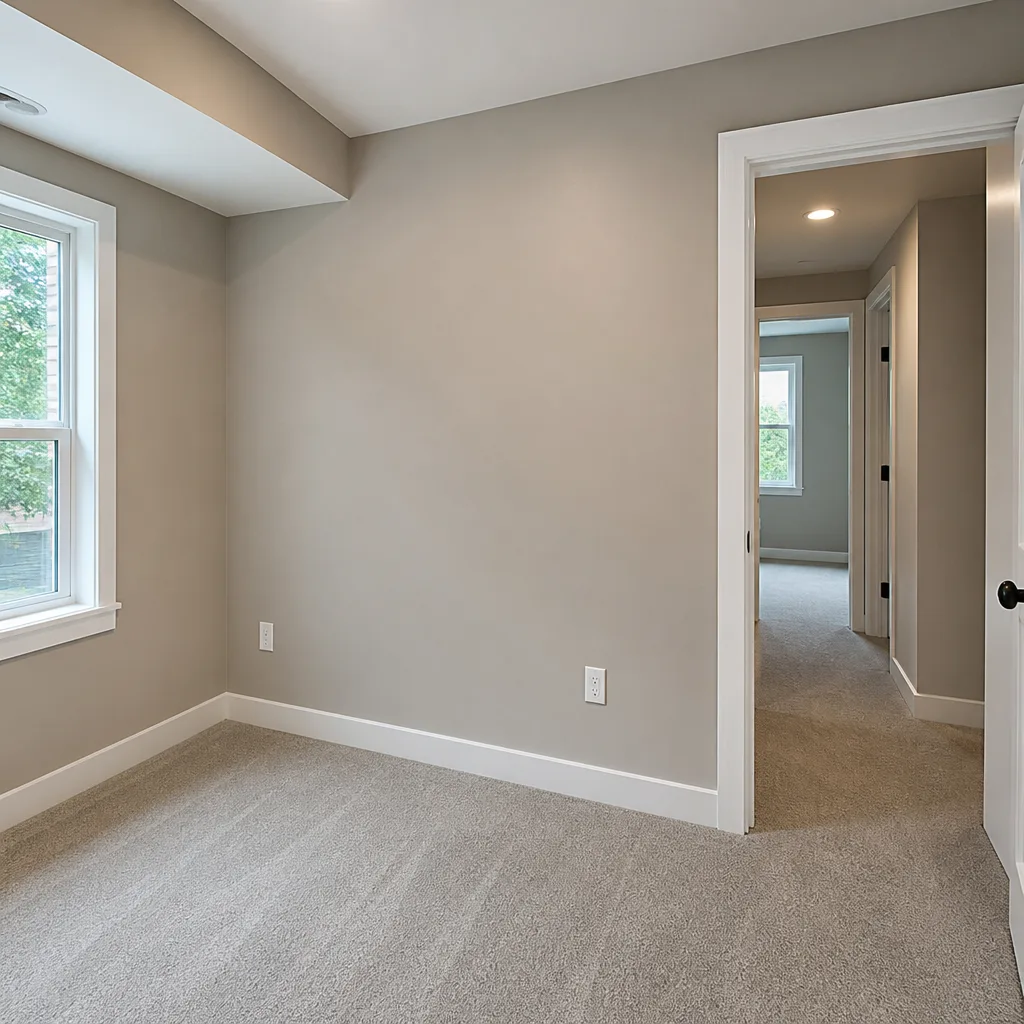 After
After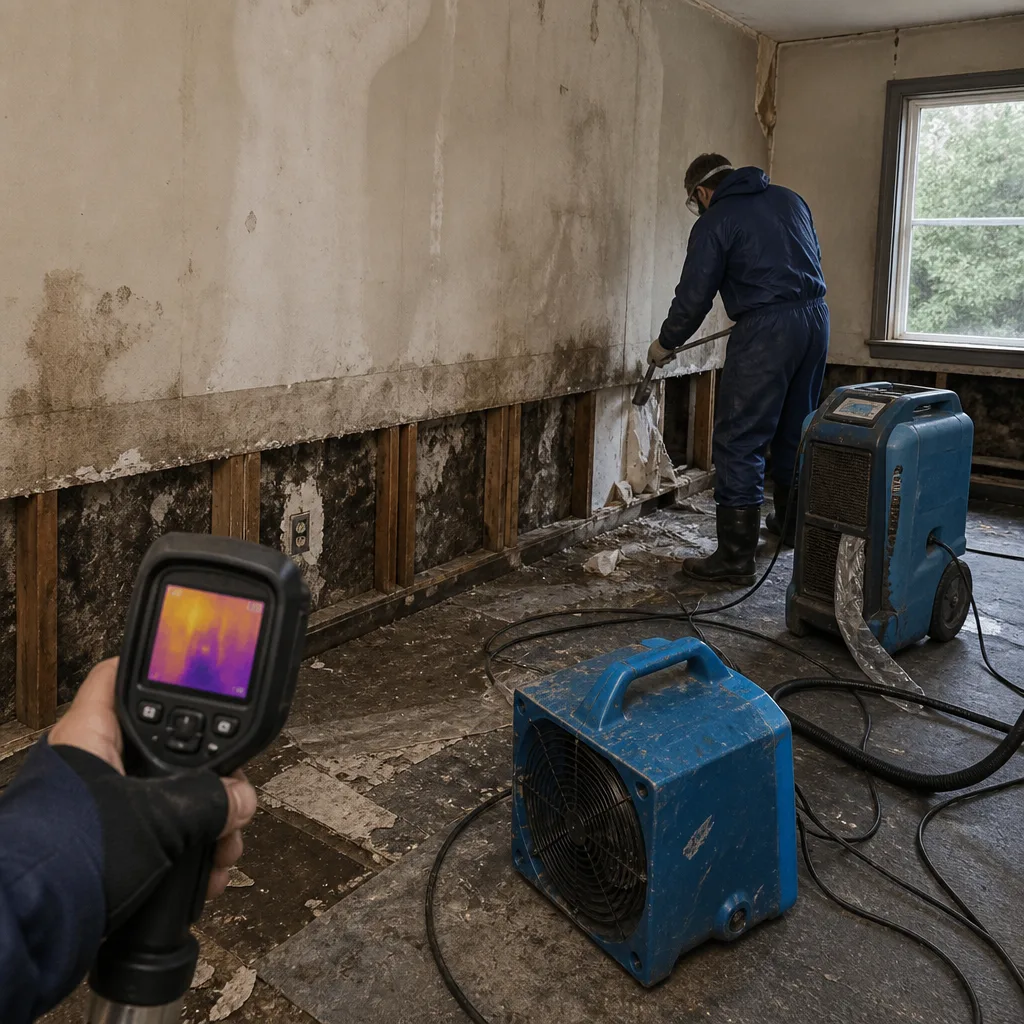 Before
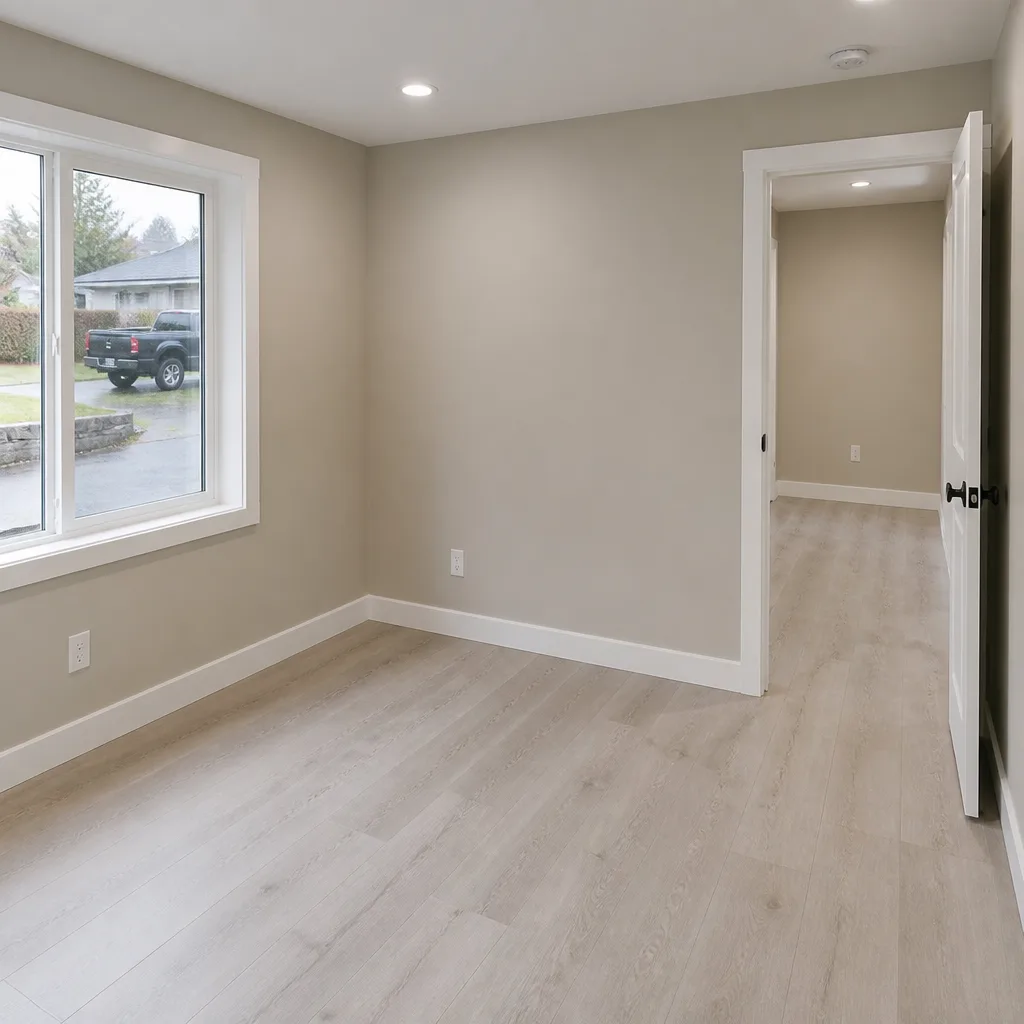 After
After24/7 Emergency Water Damage Restoration in Marysville
Water damage restoration in Marysville typically costs $2,800-$7,500 for a standard residential loss, with emergency extraction starting at $450-$950 and structural drying running $1,200-$3,200 depending on affected square footage and material classification. Most Marysville homes need 3-5 days of active drying, though properties in the Quilceda Creek basin or other low-lying areas often require extended dehumidification due to ground saturation. Call (360) 502-8815 now - a live person answers every call, 24 hours a day, 7 days a week, and crews are dispatched from our Seattle office to Marysville within 45 minutes.
The first hour after water intrusion determines whether you’re looking at drying or full reconstruction. In Marysville’s October-April wet season, high relative humidity and sustained overcast compress the drying window dramatically. A weekend’s delay is often enough for mold colonies to establish on wet drywall and OSB sheathing. That’s why our emergency line never goes to voicemail, and why every crew carries moisture meters, thermal imaging, and extraction equipment - not promises.
Understanding Water Damage Restoration Severity in Marysville Properties
Water damage falls into three categories that dictate what can be saved and what must be removed. Category 1 - clean water from a supply line - can often be dried in place if addressed within 24 hours. Category 2 - gray water from appliances or sump failures - requires antimicrobial treatment and often partial removal of porous materials. Category 3 - black water from flooding, sewage, or ground intrusion - demands removal of affected drywall, insulation, and subflooring per IICRC S500 standards.
Marysville’s geography complicates this classification. Homes in the Quilceda Creek basin and eastern developments built on former agricultural bottomland routinely see Category 3 conditions during flood events, even when the source appears clean. The persistently high seasonal water table means ground water carries soil contaminants, bacteria, and agricultural residue. Out-of-area adjusters unfamiliar with Marysville’s topography often misclassify this water, leading to incomplete remediation and hidden mold behind engineered lumber and vinyl siding.
Our crews document moisture mapping with psychrometric data - temperature, relative humidity, and vapor pressure differential readings - to establish the true scope. A surface reading of 16% moisture content on drywall might read normal, but probe the OSB sheathing behind it or the crawlspace joists below, and we regularly find saturation above 30% in Marysville’s flat-lying neighborhoods. That gap between visible and actual damage is where claims get denied and homeowners get stuck with rebuild costs.
Why Marysville Property Owners Choose DryMark Restoration Everett
- 45-minute response commitment to Marysville addresses, with crews staged for the I-5 corridor and local arterials.
- 24/7 live answer - a real person, never an automated system or callback queue, because water doesn’t wait for business hours.
- IICRC-certified crews holding WRT (Water Damage Restoration Technician) and ASD (Applied Structural Drying) credentials, with license numbers provided on request.
- Free visual inspection and moisture assessment, documented with photos before any work is authorized.
- Direct insurance billing and adjuster coordination, including photo-documented drying logs that turn restoration invoices into payable claims.
- One team from extraction through reconstruction - no handoffs between mitigation and rebuild contractors that delay completion and fragment documentation.
BeforeAfterOur Water Damage Restoration Process
1. Inspection & Assessment
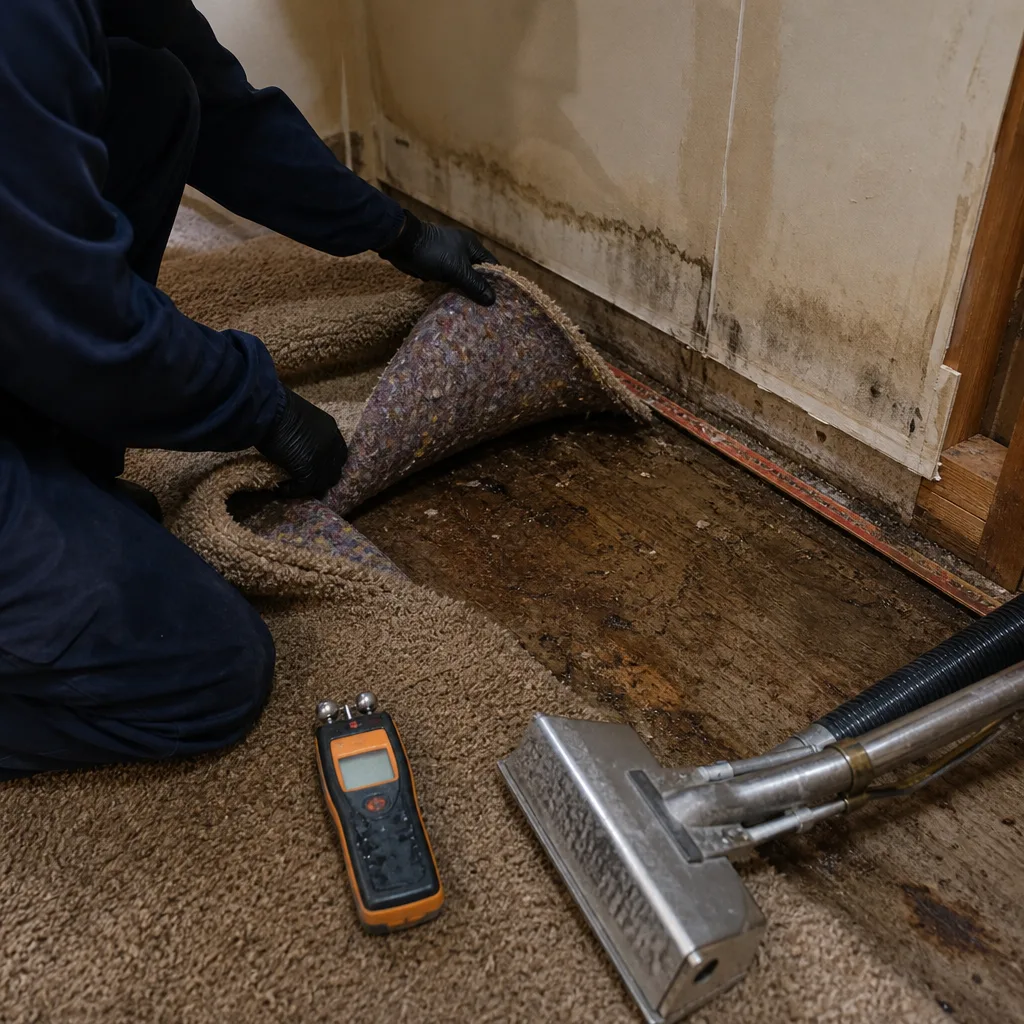
We arrive with thermal imaging cameras, pin and pinless moisture meters, and hygrometers to map the full extent of water migration. In Marysville’s low-lying neighborhoods, this always includes crawlspace probing - the water table in former floodplain parcels can sit just 12-24 inches below grade, meaning main-floor leaks routinely saturate substructures invisible from above.
2. Extraction & Stabilization
Standing water is removed with truck-mounted extraction systems and portable submersible pumps. For Category 3 flood losses in Marysville’s drainage-adjacent homes, we establish containment barriers and negative air pressure with HEPA-filtered air scrubbers before disturbing contaminated materials.
3. Drying & Dehumidification
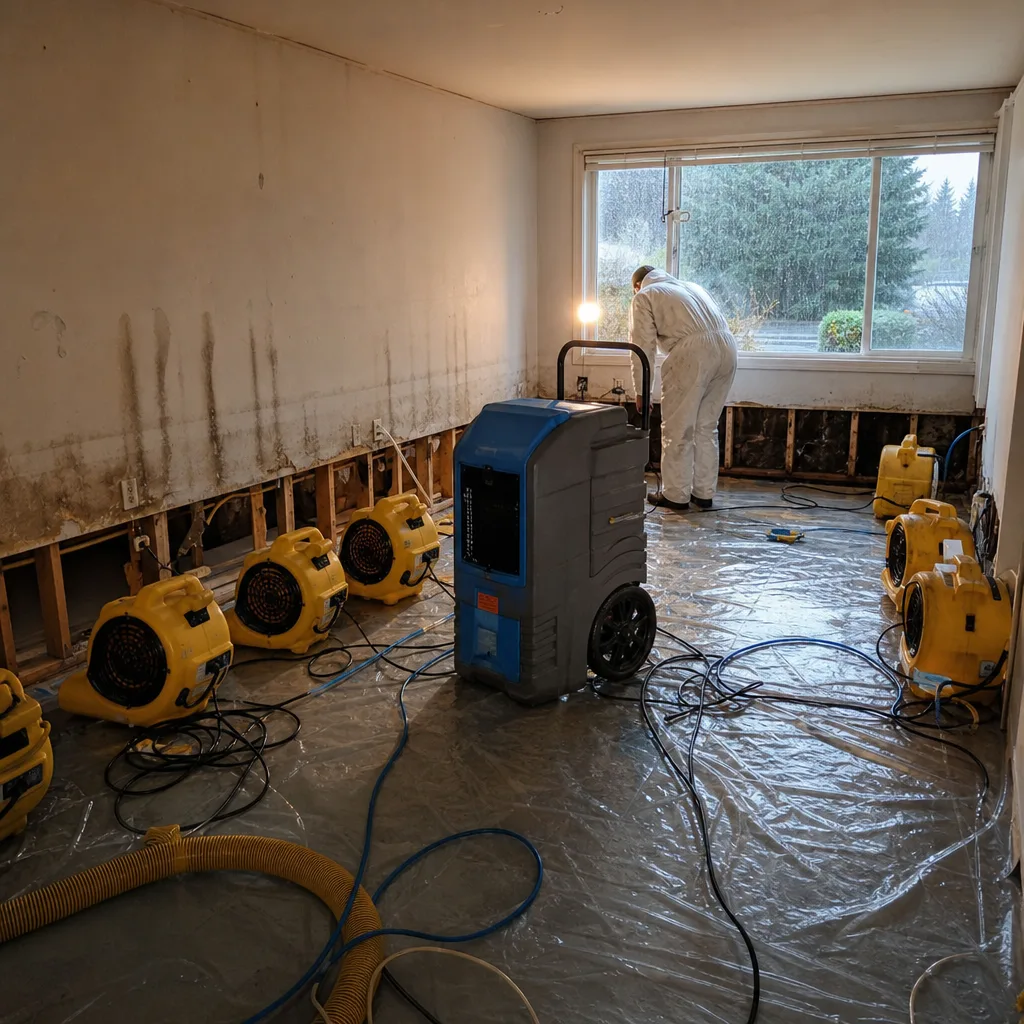
We deploy Dri-Eaz and XPOWER low-grain refrigerant dehumidifiers, axial and centrifugal air movers, and Injectidry hardwood floor drying systems. Drying targets are set using psychrometric calculations, not guesswork - daily moisture logs track progress to IICRC S500 standards.
4. Cleaning & Sanitization
Antimicrobial treatment is applied to all affected structural materials using EPA-registered products. In Marysville’s high-humidity climate, we extend contact times and verify with ATP testing on Category 2 and 3 losses to confirm biological load reduction before rebuild.
5. Tertiary Drying & Moisture Verification
Tertiary drying addresses residual moisture trapped in dense materials like engineered lumber and double-layer subfloors common in 1990s-2000s Marysville tract construction. We verify equilibrium moisture content with calibrated probes before signing off - no “dry to the touch” assumptions.
6. Repairs & Restoration
Our reconstruction team replaces removed drywall, insulation, flooring, and trim to pre-loss condition. Every repair is scoped in writing before work begins, with a photo record of each phase and the 365-Day Done Right Promise backed by The Haven Standard.
Need Emergency Water Damage Restoration in Marysville Now?
Crews minutes away, answering live 24 hours a day. The sooner we start, the less it costs.
Working With Your Insurance Company
Insurance claims fail on documentation gaps. We know because our founder, Alicia Brennan, spent years as a claims adjuster watching homeowners absorb costs that proper records would have covered. Every Water Damage Restoration job we perform is documented from the first hour: dated photos of all affected areas, room-by-room moisture readings, daily drying logs with psychrometric data, and a detailed, line-item scope of work.
We speak the same language as adjusters because we used to be adjusters. Our estimates follow Xactimate or Symbility pricing standards, and we coordinate directly with your carrier’s representative - no phone-tag between you, us, and the claims desk. When an out-of-area adjuster scopes only visible drywall and misses the saturated crawlspace beneath a Quilceda Creek basin home, our moisture mapping and photo record tell the real story and protect your coverage.
What We Provide Your Insurer
- Thorough documentation of the loss
- Photos of all damage, room by room
- Moisture readings and drying logs
- A detailed, line-item scope of work
- Direct coordination with your carrier
Built for Marysville’s Loss Calendar
January through March brings deep freeze events that burst copper and PEX supply lines in crawlspaces and exterior walls, particularly in Marysville’s 1990s-2000s tract homes where insulation settling is common after 20-35 years. April’s spring thaw coincides with the wet season’s peak rainfall, overwhelming gutters and sending water through failed window flashings. May through September sees fewer losses overall, but the compressed drying window means any summer intrusion - air conditioning condensate line failures, washing machine supply hoses - still demands rapid response before mold establishes.
October through December is Marysville’s highest-risk period. Sustained rainfall on already-saturated ground pushes the water table to its seasonal high. Homes near Quilceda Creek and other low-lying drainages see crawlspace flooding independent of any plumbing failure. Roof leaks accelerate as the rainy season exposes deteriorated flashing on aging tract homes. We staff accordingly - more crews, more dehumidifiers, more documentation capacity - because this is when Marysville property owners need evidence, not excuses.
Water Damage Restoration Across Marysville’s Neighborhoods
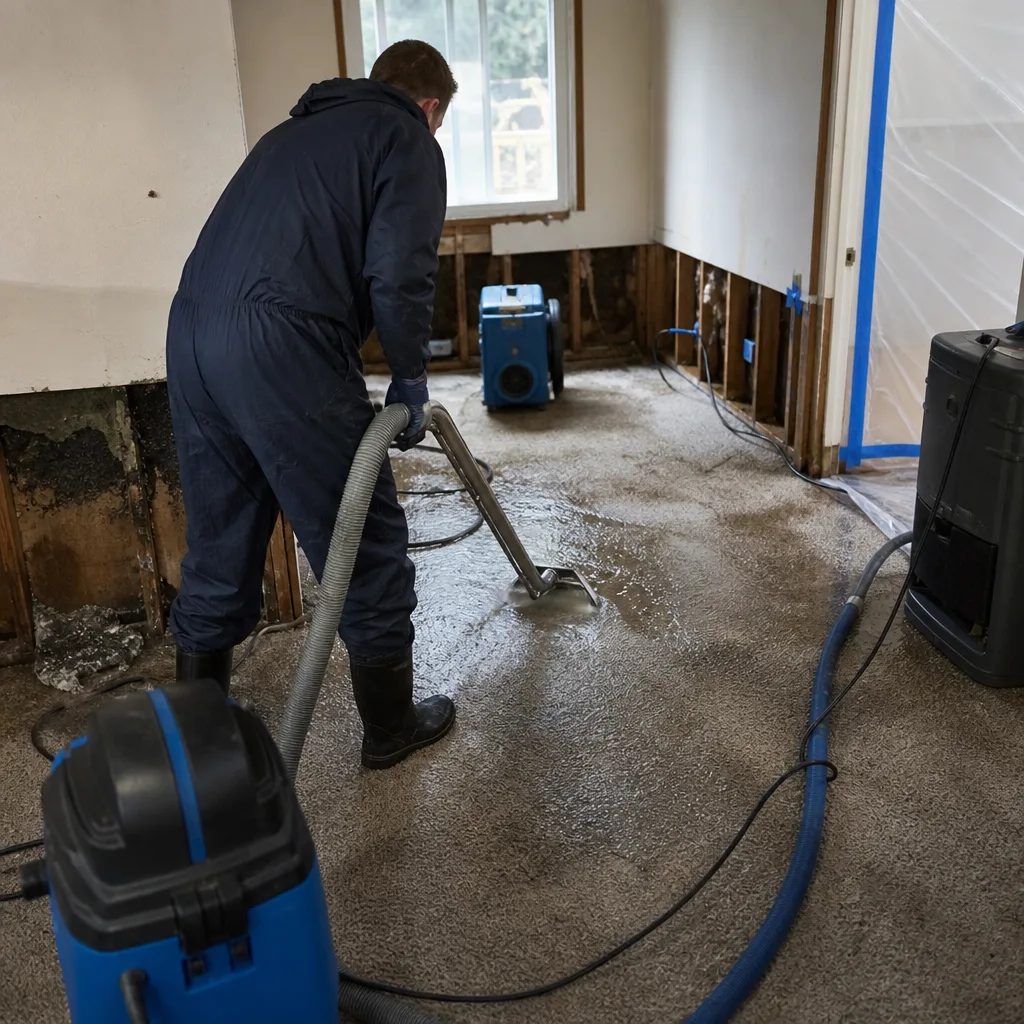
Each Marysville corridor presents distinct loss patterns based on topography, housing age, and infrastructure.
Quilceda Creek basin and eastern flatlands: These former agricultural parcels sit in or adjacent to FEMA flood zones. Ground saturation is the baseline condition from October through April. We probe every crawlspace before finalizing scope, and we regularly find that a kitchen supply-line loss upstairs has created standing water below. Out-of-area adjusters unfamiliar with Marysville’s topography consistently underestimate these jobs.
Comeford Village and central Marysville: Older housing stock from the 1960s-1980s with original galvanized plumbing, aging sewer laterals, and limited crawlspace access. Burst pipe restoration here often involves confined-space extraction and careful documentation of pre-existing conditions to distinguish new damage from deferred maintenance.
North Marysville and Smokey Point corridor: Rapid 2000s-2010s development with larger floor plans and more complex HVAC and plumbing systems. Water damage restoration in these homes often involves multiple affected levels, whole-house dehumidification, and coordination with homeowners who commute to Everett or Seattle and need after-hours access.
Lakewood and western hillside areas: Better drainage than the flatlands, but steeper driveways and tighter lot configurations create access challenges for extraction equipment. These homes also see more roof and gutter-related water intrusion during wind-driven rain events.
Specialized Water Damage Restoration Services We Offer in Marysville
Emergency Water Extraction
Truck-mounted and portable extraction systems remove standing water within hours of your call. In Marysville’s flood-prone neighborhoods, we deploy multiple extraction units simultaneously to address main-floor water and crawlspace accumulation - the dual-zone pattern we see repeatedly in Quilceda Creek basin homes.
Structural Drying & Dehumidification
Low-grain refrigerant dehumidifiers from Dri-Eaz and Phoenix, paired with strategic air mover placement, achieve targeted equilibrium moisture content. In Marysville’s high-humidity wet season, we calculate vapor pressure differentials to ensure we’re actually removing moisture, not just circulating damp air. Daily drying logs document every reading.
Flood Cleanup
Flood-category losses in Marysville’s low-lying areas require Category 3 protocols: removal of porous materials, antimicrobial treatment of structural elements, HEPA air scrubbing, and documented clearance testing. We classify water correctly the first time, preventing the incomplete remediation that leads to hidden mold and denied supplemental claims.
Burst Pipe Restoration
From frozen copper splits in 1970s ranches to PEX manifold failures in 2000s construction, we extract, dry, and document the full extent of migration. Our written scope includes plumbing repair coordination and reconstruction of removed finishes - one team, one invoice, one warranty.
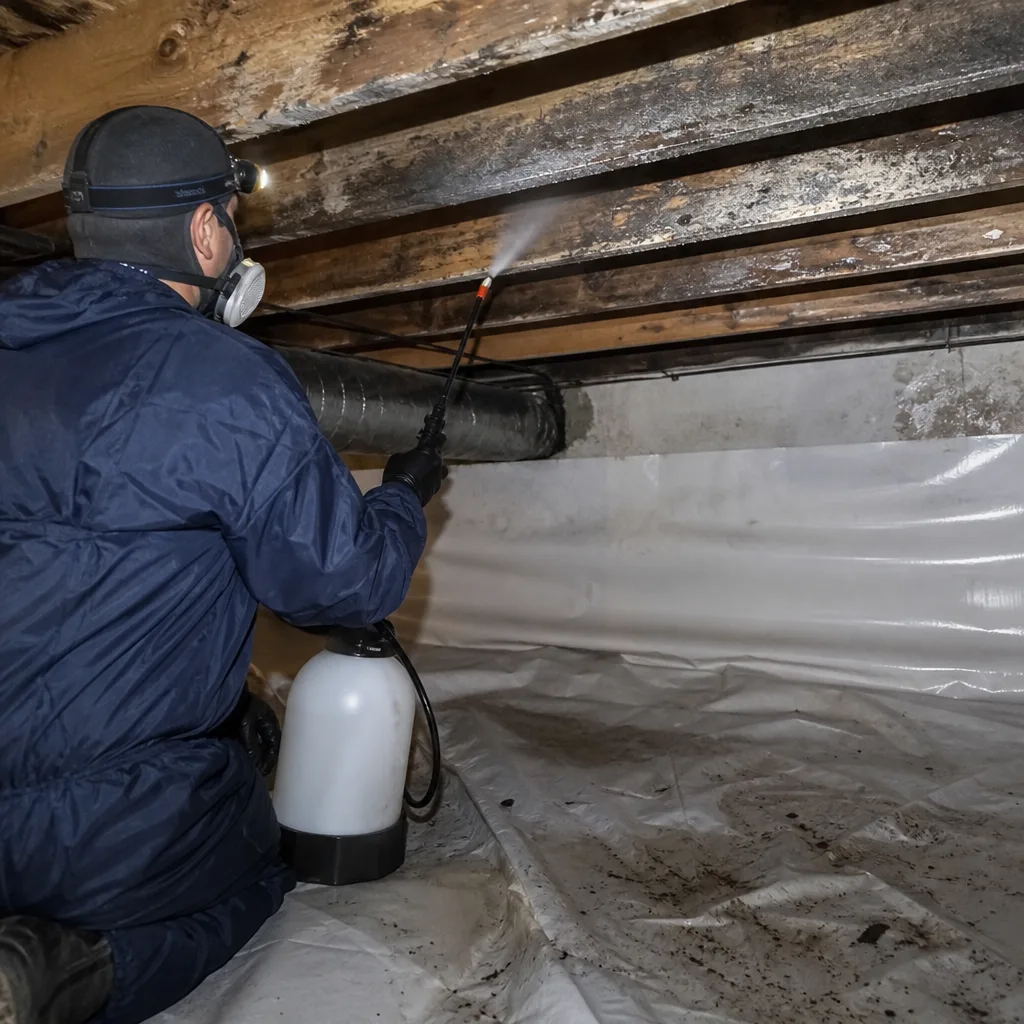
Basement Water Removal
Marysville’s flat topography means basements and daylight basements in eastern developments are particularly vulnerable to hydrostatic pressure and sump failure. We install temporary pumping, assess foundation drainage, and document pre-existing seepage patterns to protect your claim from maintenance exclusions.
What happens when you call
- 1
A real person answersNo phone trees - you reach a local pro.
- 2
You get an upfront price rangeHonest numbers before anyone is dispatched.
- 3
A background-checked tech heads outLicensed & insured, dispatched right away.
- 4
You approve before work beginsNothing starts until you say go.
Water Damage Restoration Costs in Marysville, WA
Water damage restoration pricing in Marysville runs lower than Seattle metro averages due to shorter travel distances and competitive Snohomish County contractor rates, but higher than rural eastern Washington due to labor costs and equipment mobilization.
| Service | Typical Marysville Range |
|---|---|
| Emergency water extraction (up to 1,500 sq ft) | $450 - $950 |
| Structural drying & dehumidification (3-5 days) | $1,200 - $3,200 |
| Category 3 flood cleanup with material removal | $3,500 - $8,500 |
| Basement water removal with sump failure | $1,800 - $4,500 |
| Full restoration with reconstruction | $5,500 - $15,000+ |
What moves the price: affected square footage, water category (Category 3 requires more removal and treatment), whether the crawlspace or basement is involved, and whether reconstruction is included. Insurance typically covers sudden and accidental water damage, not gradual leaks or maintenance issues - our documentation helps establish the correct cause and date of loss.
Haven Standard, Clause 1: a written price before any work starts, every time, with no exceptions. Call (360) 502-8815 for your free visual inspection and firm scope.
We Also Serve Cities Near Marysville
Our crews respond throughout Snohomish County from our Seattle office, with regular dispatch to Water Damage Restoration in Marysville and surrounding communities including Lake Stevens, Everett, Mukilteo, and Snohomish. Each city page details local conditions, pricing, and response protocols specific to that market.
Serving Marysville, WA - Our Local Coverage Area
We’re based in the Marysville area and know this community well. Use the map below to see our service coverage - if you’re nearby, we can almost certainly help.
Marysville Water Damage Restoration Questions, Answered
Why does water damage in Marysville often involve the crawlspace even when the leak was on the main floor?
Marysville’s flat, former-floodplain topography near Quilceda Creek means the seasonal water table sits just 12-24 inches below grade in many neighborhoods. Water from a main-floor leak follows gravity and capillary action through wall cavities and rim joists, pooling in crawlspaces that already hold elevated moisture. Our field protocol requires crawlspace probing on every Marysville estimate for this reason - skipping it leads to incomplete drying and hidden mold. Call (360) 502-8815 and we’ll show you the readings.
How fast can mold start after a water intrusion in a Marysville home?
In Marysville’s October-April wet season, with sustained relative humidity above 70% and temperatures in mold’s optimal range, colonization on wet drywall and OSB sheathing can begin within 24-48 hours. During summer, the timeline extends slightly but still demands action within 72 hours. This compressed window makes rapid mobilization, not just equipment quality, the critical factor in Marysville water damage restoration. Call (360) 502-8815 for same-day assessment.
What should Marysville homeowners expect during flood cleanup from a low-lying drainage area?
Flood water in Marysville’s Quilceda Creek basin and similar areas is Category 3 by classification - it carries soil contaminants, agricultural residue, and bacteria from ground saturation. Expect removal of affected porous materials (drywall, insulation, carpet pad, subflooring), antimicrobial treatment of structural elements, HEPA air scrubbing during work, and documented clearance testing before rebuild. We classify correctly upfront, preventing the incomplete remediation that leads to denied supplemental claims. Call (360) 502-8815 for a written scope.
Why do 1990s and 2000s Marysville tract homes have more hidden water damage?
Marysville’s explosive growth during this period produced dense tracts of homes built with OSB wall sheathing, engineered lumber I-joists, and vinyl or fiber-cement siding - materials now 20-35 years old. Failed window flashings and siding seams are increasingly common, and moisture intrusion at these points travels rapidly through OSB, which loses structural integrity when wet. Unlike solid lumber, engineered lumber doesn’t show damage until it’s extensive. Our moisture mapping finds these hidden pathways before rebuild begins. Call (360) 502-8815 for inspection.
Does a roof leak in Marysville always require a pack-out?
No. A contained attic leak with limited ceiling damage often allows contents to remain with proper protection and staging. We pack out when water has affected multiple rooms, when ceiling drywall is compromised and may release, or when HVAC contamination is suspected. Every decision is documented with photos and explained in your written scope before work begins - Haven Standard, Clause 1. Call (360) 502-8815 to discuss your specific situation.
How long does structural drying take in Marysville?
Standard residential drying runs 3-5 days for Category 1 and 2 losses with prompt extraction. Marysville’s high-humidity wet season and ground-saturated crawlspaces in low-lying areas often extend this to 5-7 days. We don’t guess - daily moisture logs with psychrometric data determine when equilibrium is reached, and we provide those logs to you and your insurer. Call (360) 502-8815 for timeline specifics on your property.
Can we stay in our home during water damage restoration?
For Category 1 losses limited to one or two rooms, often yes with containment barriers and air scrubbers in place. Category 2 and 3 losses, or any job involving crawlspace work, HVAC contamination, or extensive demolition, typically require temporary relocation for health and safety. We discuss this during the initial assessment and document the recommendation in your written scope. Call (360) 502-8815 to review your situation.
What certifications do your Marysville water damage technicians hold?
Our crews hold IICRC WRT (Water Damage Restoration Technician), ASD (Applied Structural Drying), and AMRT (Applied Microbial Remediation Technician) credentials where relevant to the loss type. All work is documented to IICRC, RIA, and IFA standards. License numbers and certification details are provided on request - never claimed without documentation. Call (360) 502-8815 to verify credentials before scheduling.
We got a call from a homeowner on the Quilceda Creek basin side of town after a supply line let go in a 1990s tract home. Our techs ran moisture mapping and found the crawlspace water table just a foot below grade, so we set up structural drying with Dri-Eaz dehumidifiers, added air movers, and applied antimicrobial treatment before any rebuild. The out-of-area adjuster had scoped only the visible drywall, but our drying logs and crawlspace moisture readings told the real story. That’s the difference documentation makes - and it’s why we built Back to Dry around The Haven Standard from day one.
Written by Alicia Brennan, Owner at Back to Dry Restoration, serving Marysville since 2011.
Water Damage Restoration in Nearby Areas