
Last updated September 23, 2026
Free visual inspection and a written scope of work before any mitigation begins - photos, moisture readings, and drying logs go in your claim file
The scope we write is the scope we bill. Anything new gets shown to you, in writing, before we touch it.
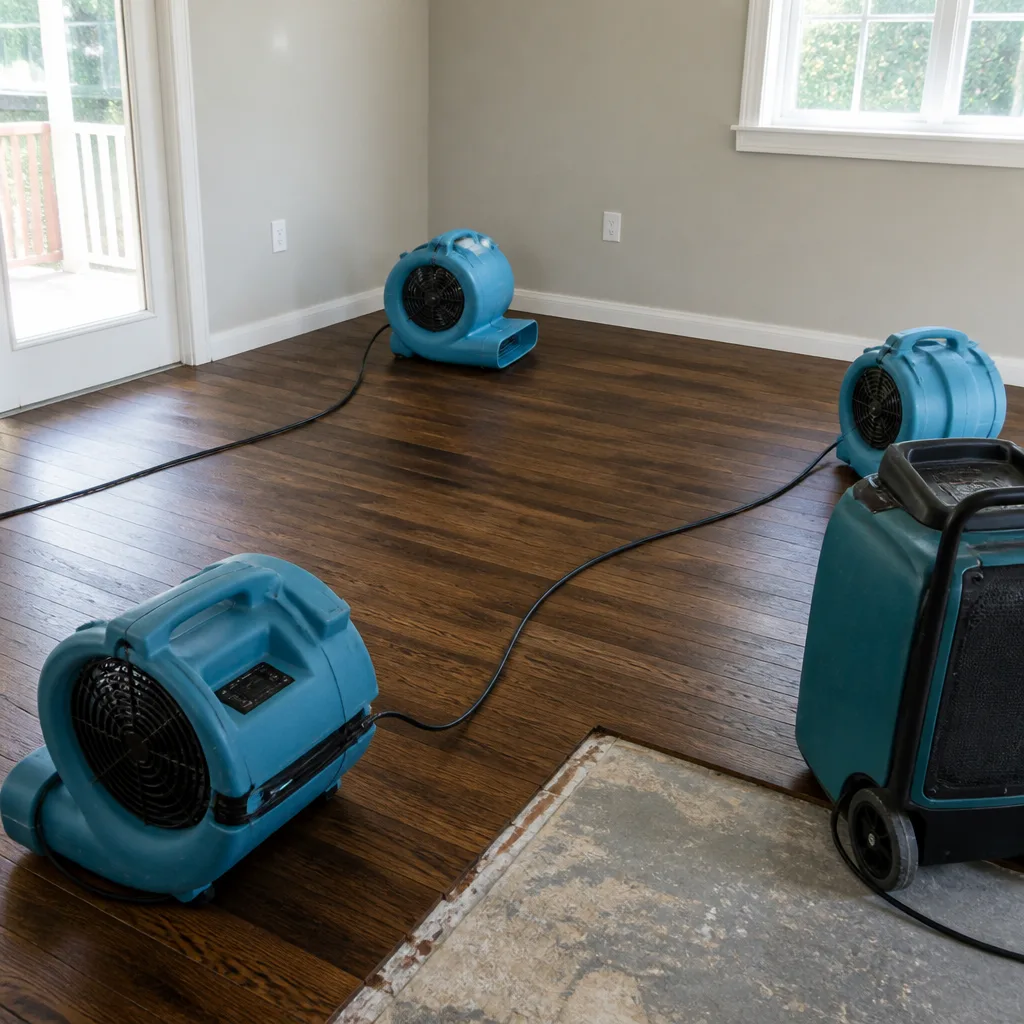

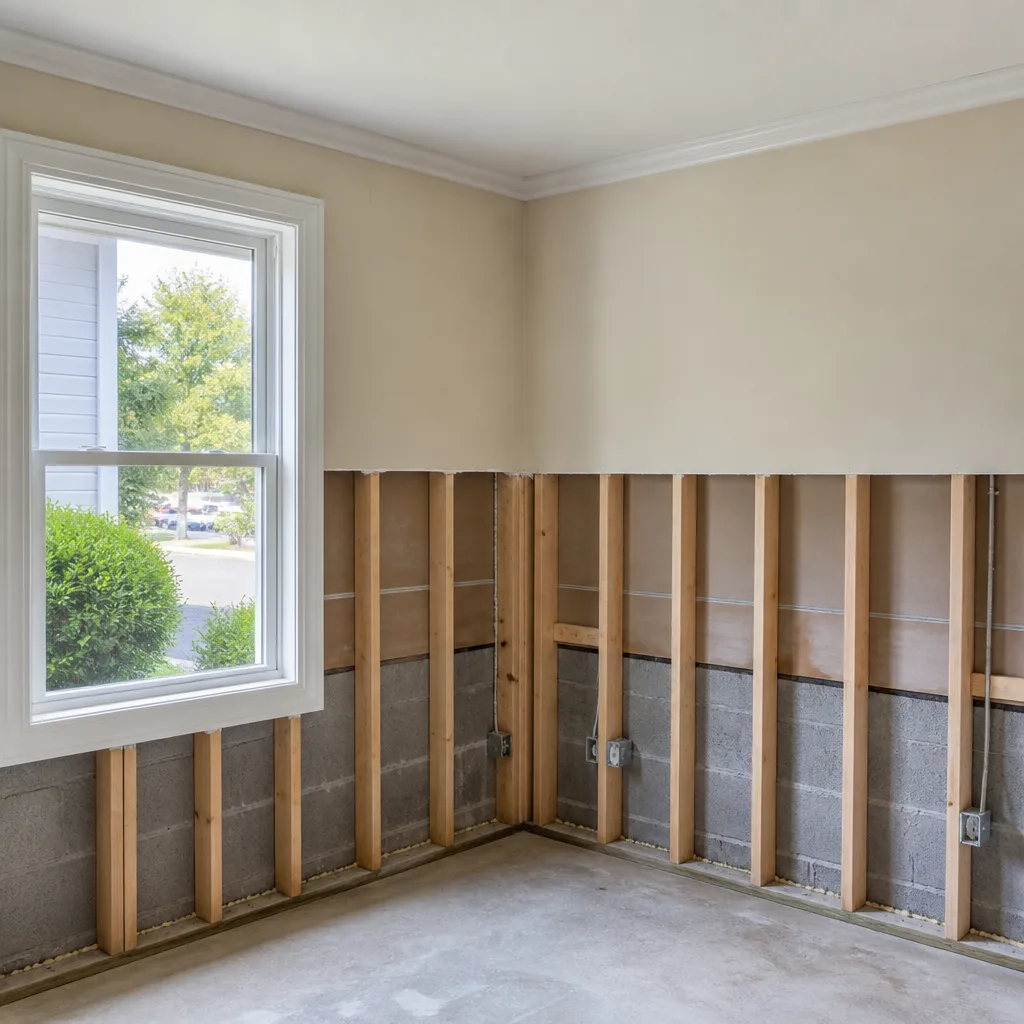

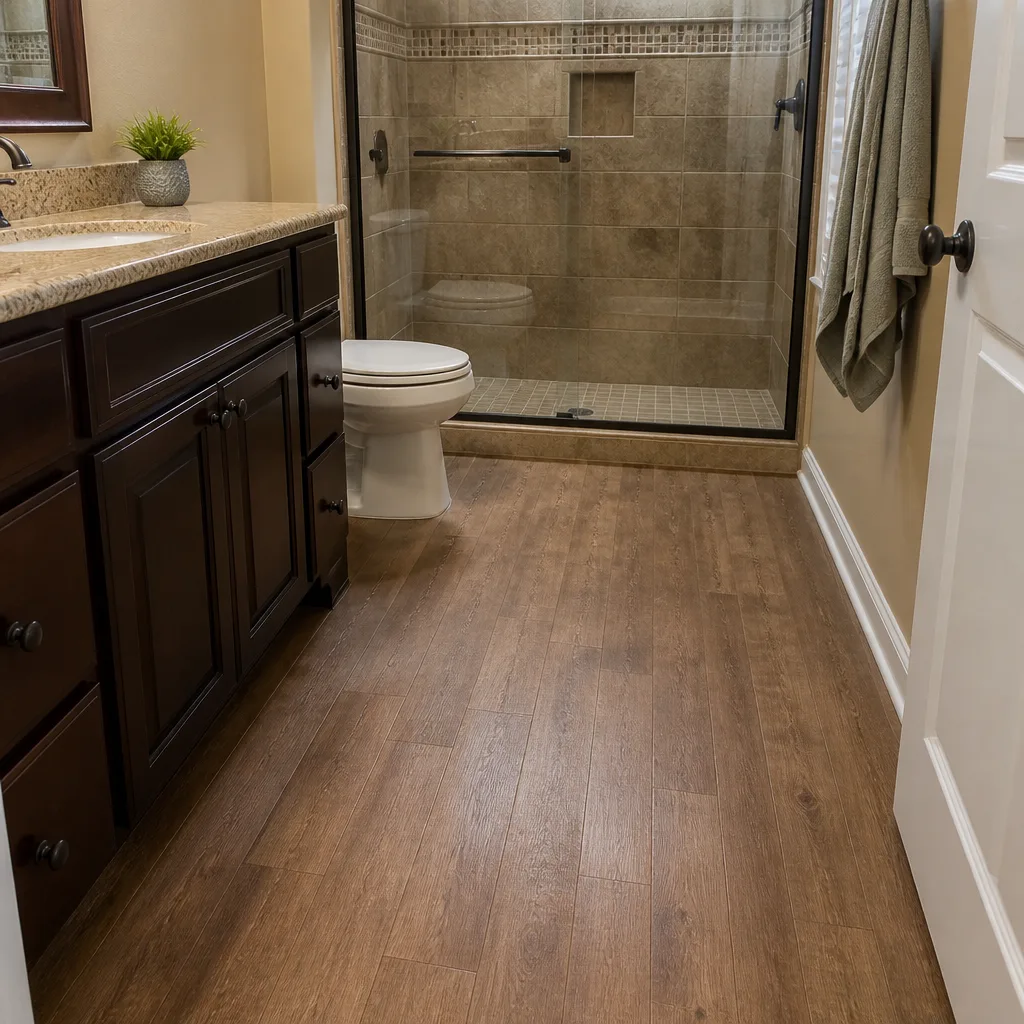

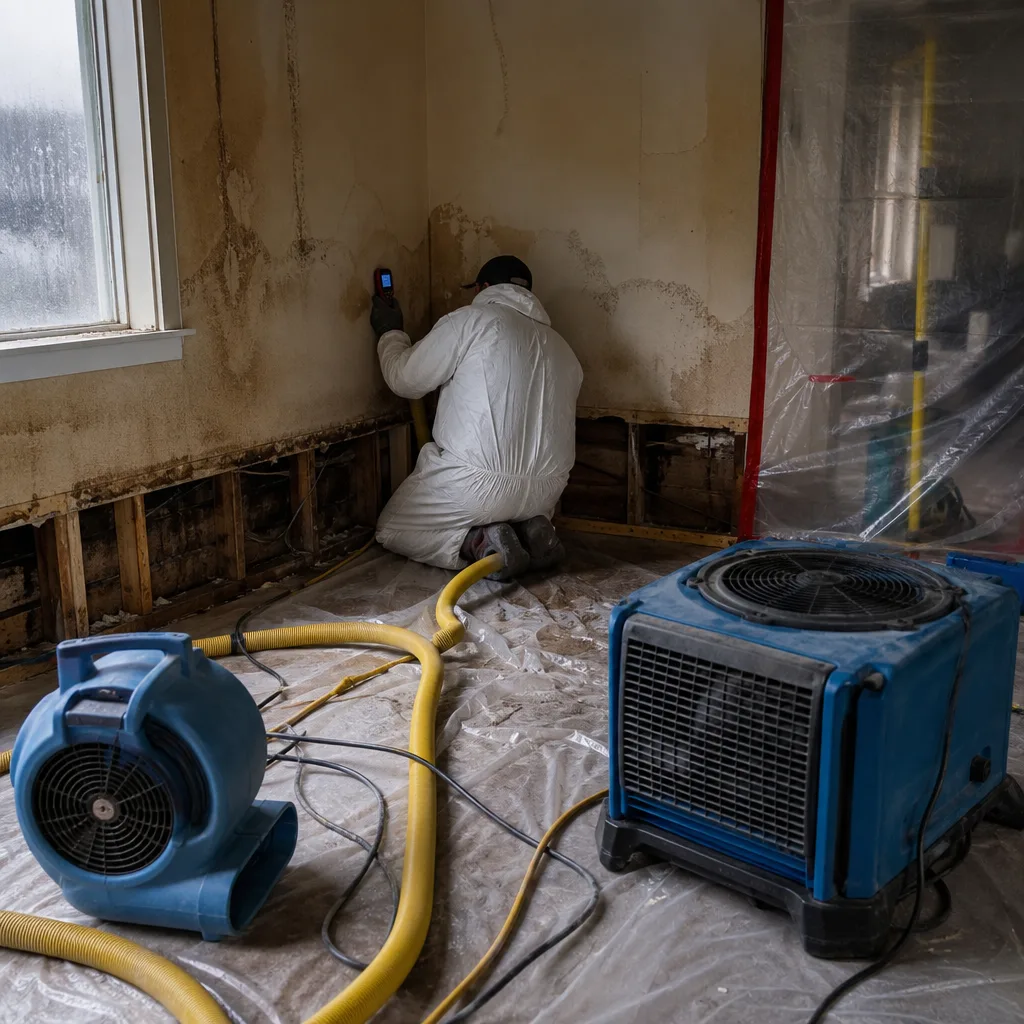 Before
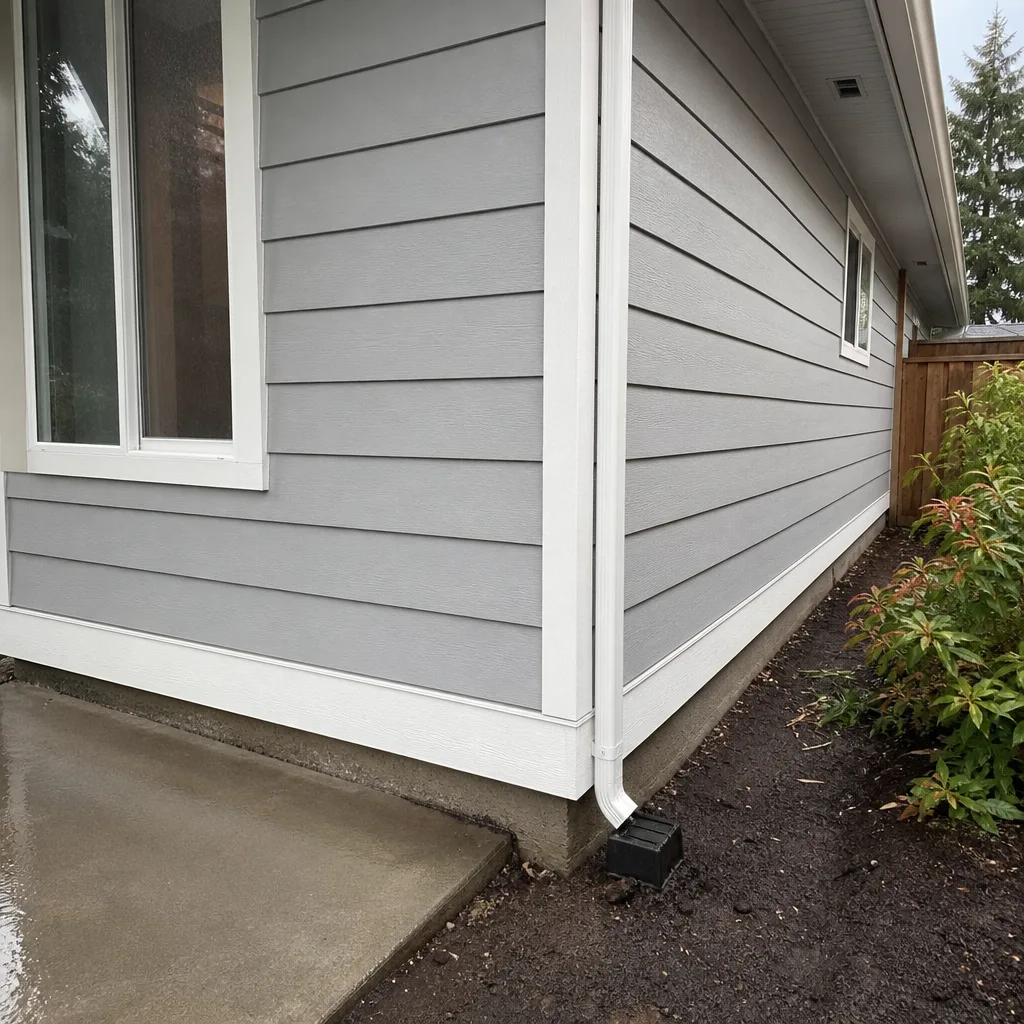 After
After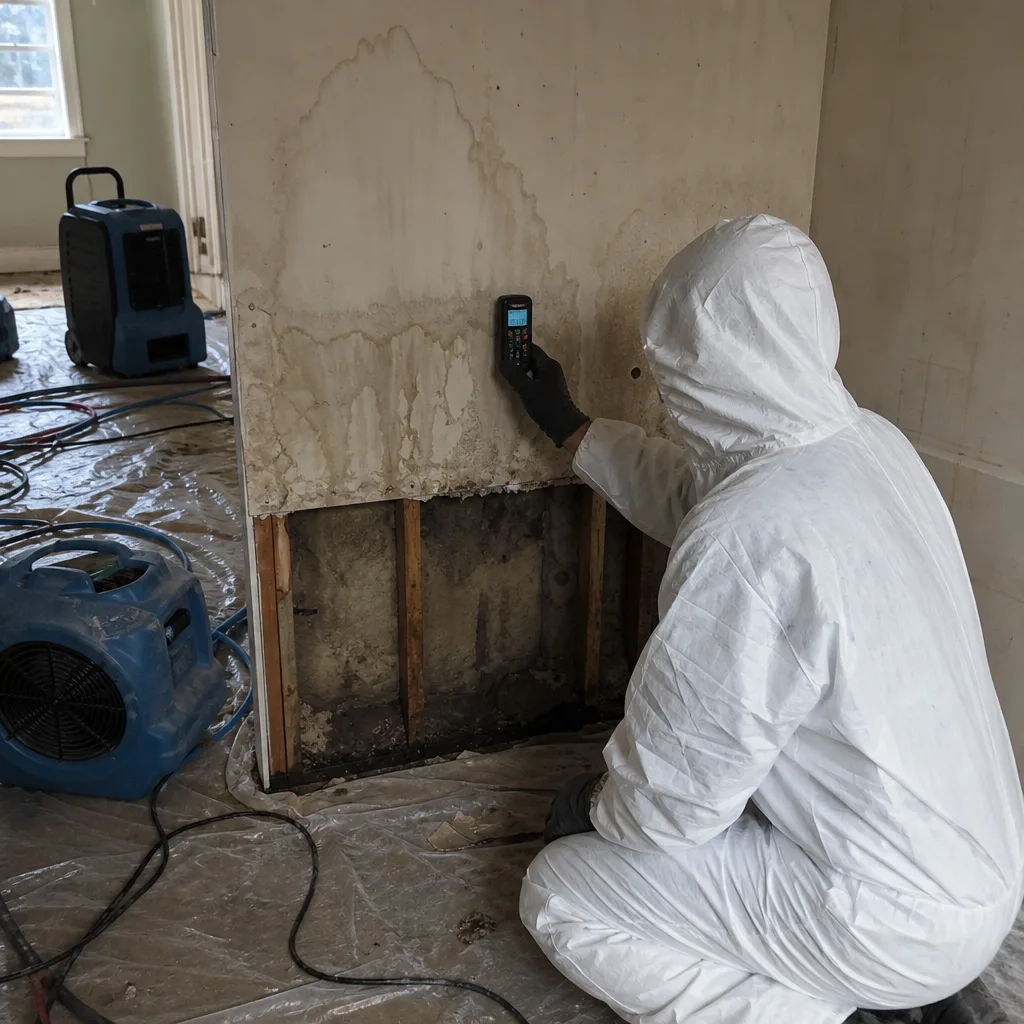 Before
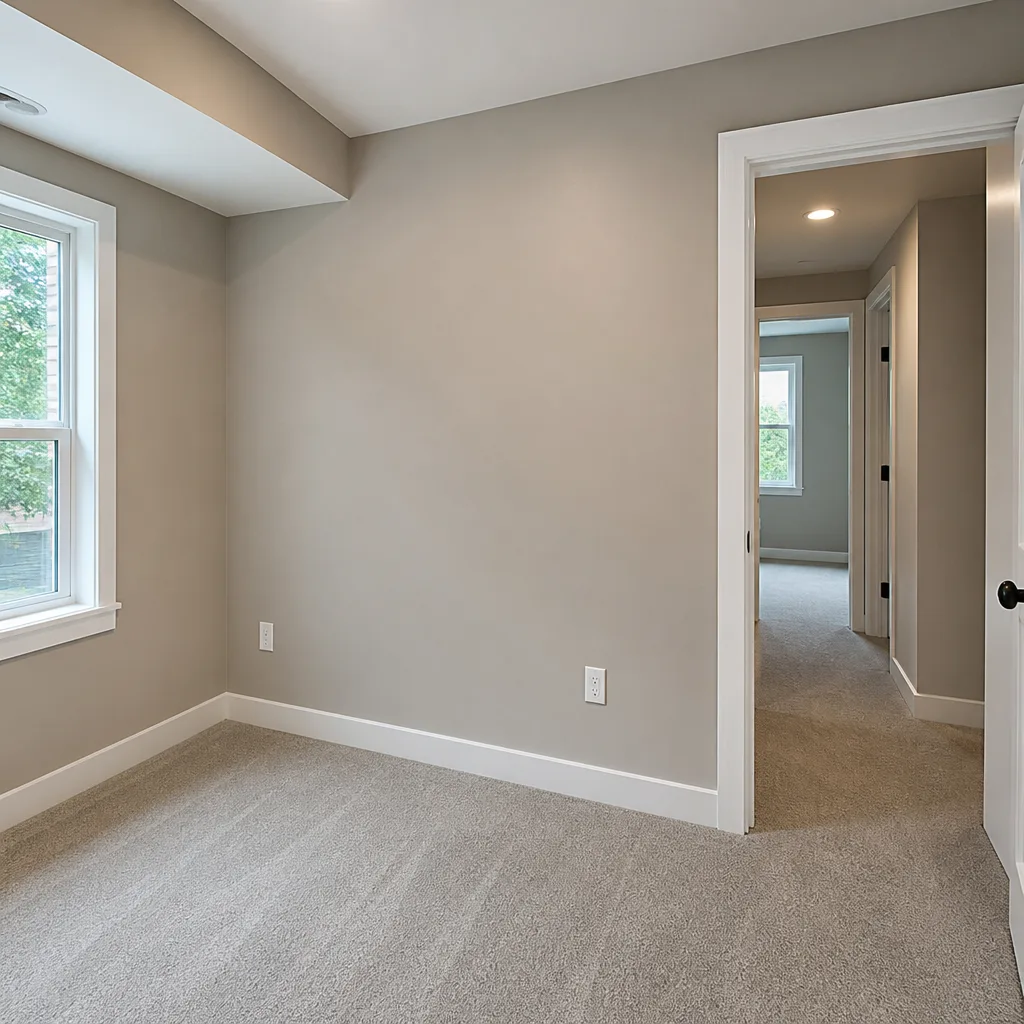 After
After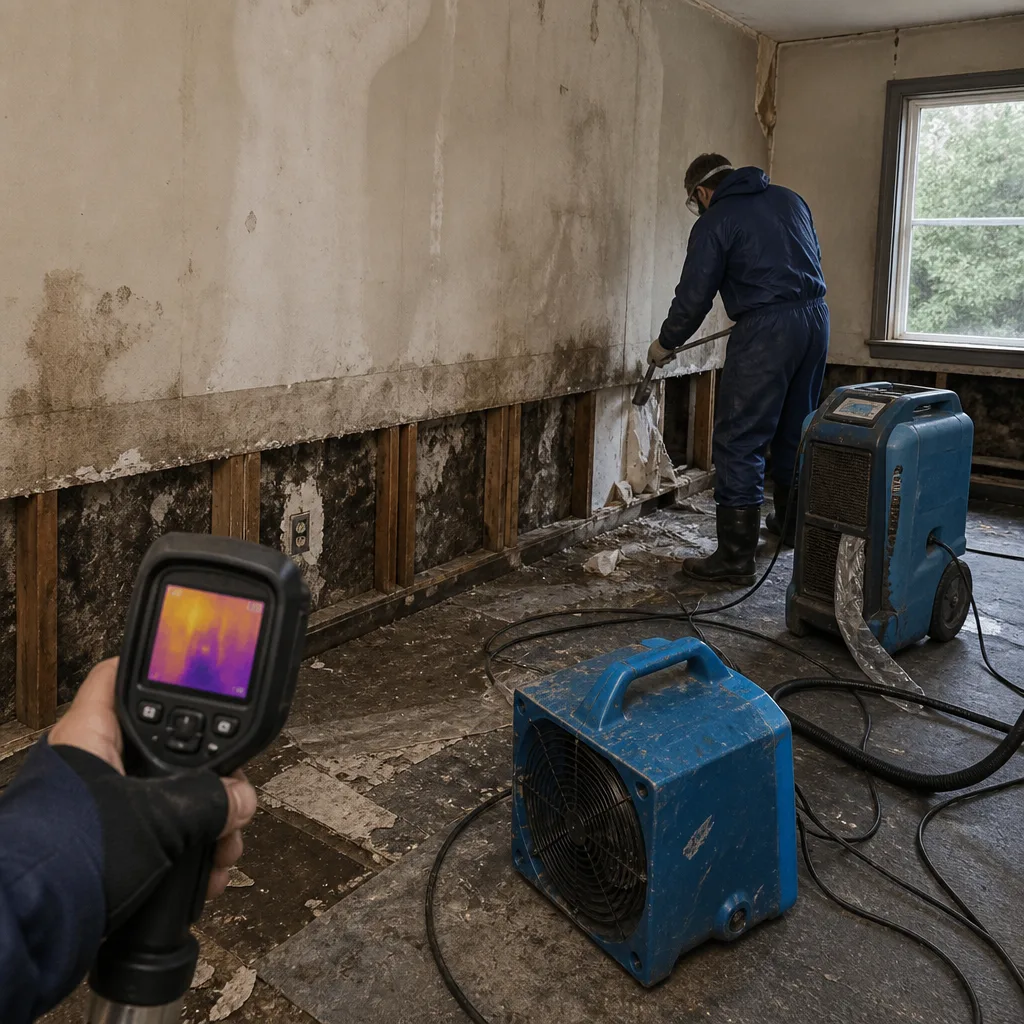 Before
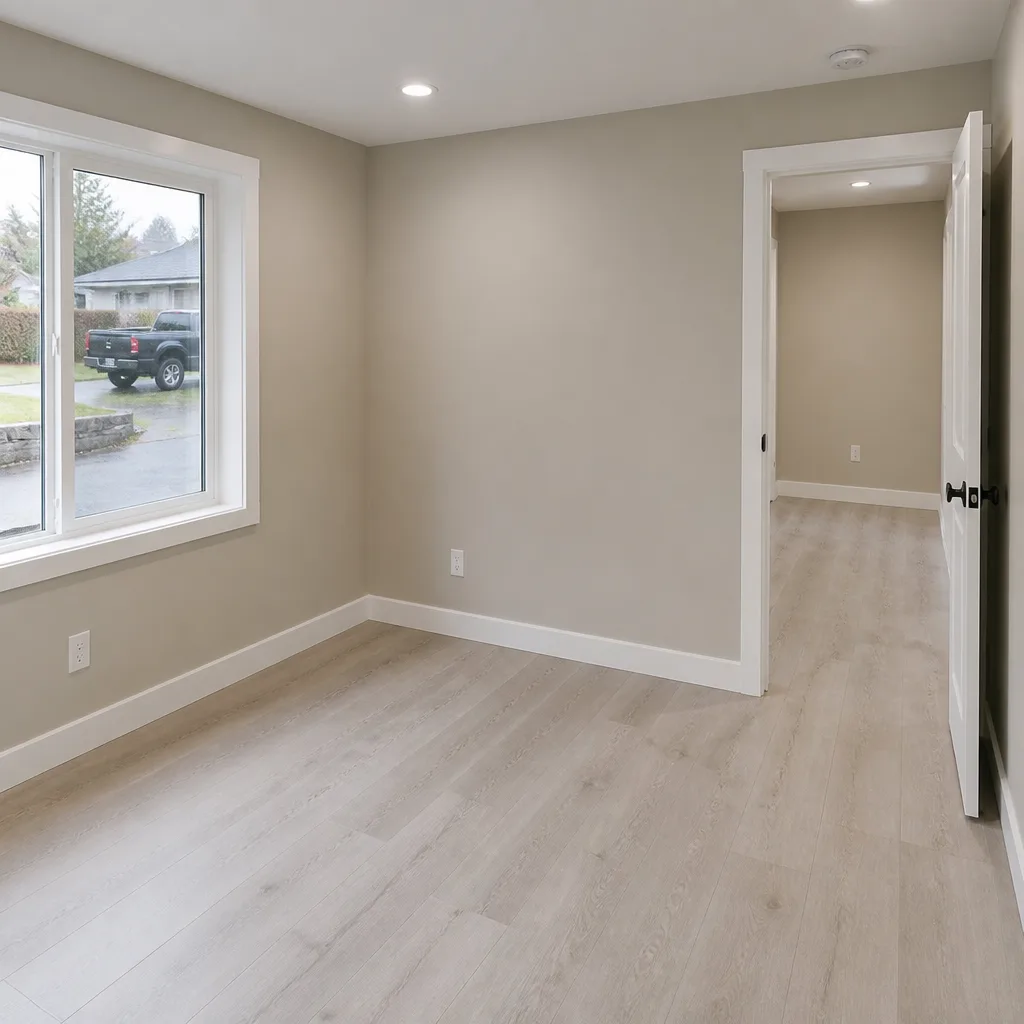 After
AfterSeasonal Damage Restoration Care for Everett: Year-Round Homeowner’s Guide
Everett averages 38 inches of rain annually, but 60% of that volume falls between October and February. The crawl space vapor barrier you walked past in September is already trapping moisture by December, and the musty smell that finally gets your attention in February represents weeks of hidden fungal growth. Most seasonal damage guides for the Pacific Northwest treat Seattle and Spokane as interchangeable; they aren’t. For a deeper look at local risks, see our Complete Guide to Damage Restoration in Everett. Everett’s position on Port Gardner Bay, its older housing stock in neighborhoods like Bayside and Riverside, and the specific freeze-thaw cycle that hits Snohomish County in late winter create a four-phase risk pattern that follows the calendar with surprising predictability. This guide maps that pattern month by month, identifies the single inspection that prevents the most common claim in each season, and shows how to document your maintenance so the record protects you if damage occurs.
Quick Answer
Seasonal damage restoration care in Everett follows a four-phase pattern: late-summer crawl space and exterior prep (August-September), winter moisture containment and pipe protection (October-February), spring snowmelt and hydrostatic pressure management (March-April), and early-summer drying and assessment (May-July). Homeowners who complete five specific inspections per year, documented with dated photos, prevent the majority of water, mold, and freeze-thaw claims that drive restoration calls in Snohomish County. See our Water Damage Restoration Maintenance Checklist for Everett Homeowners for the full task list.
Table of Contents
- The August-September Window: Why Late Summer Is Everett’s Only True Prep Season
- Winter Moisture: Containment Strategies for Everett’s Saturation Months
- Spring Snowmelt and the Cascade Runoff Problem
- Early Summer: The Drying Season Most Homeowners Waste
- Month-by-Month Maintenance Calendar for Everett Homes
- How to Document Inspections for Insurance Protection
- Special Protocol for Everett’s Older Housing Stock
- Common Mistakes to Avoid
- When to Call a Professional
- Frequently Asked Questions
- The Bottom Line
BeforeAfterThe August-September Window: Why Late Summer Is Everett’s Only True Prep Season
By mid-August, Everett’s daily high temperatures drop from the July peak into the low-to-mid-70s, and the first autumn storm systems begin organizing in the Gulf of Alaska. This is the narrow interval when contractors are still available at normal scheduling and pricing, before the October rush when every water damage restoration in Everett company is fielding emergency calls.
The inspection that matters most in this window is the crawl space vapor barrier assessment. In our experience across more than 12,000 homes since 2011, the majority of winter mold claims in Everett trace back to a vapor barrier that was already compromised before the rains intensified. We find three failure modes repeatedly in Snohomish County crawl spaces:
- Seam separation at the perimeter, where the polyethylene sheeting has pulled away from the foundation wall, allowing ground moisture to evaporate directly into the floor system.
- Punctures from stored items or rodent activity, common in homes near the Everett waterfront where Norway rat pressure is elevated.
- Condensation pooling on the barrier surface, indicating that the relative humidity in the crawl space is already above 70% before the seasonal rains begin.
August is also the correct month to inspect exterior grade and gutter discharge. Everett’s municipal code requires downspouts to discharge at least 6 feet from foundation walls, but in practice we find 40% of homes in the Delta and Holly neighborhoods violate this by routing water against the structure. The soil is dry enough in August to regrade without working in mud, and gutter contractors have capacity to replace failing sections before the first major storm.
We recommend photographing four elements during this inspection: the vapor barrier condition with a date stamp, the grade at each corner of the foundation, the gutter downspout termination points, and any cracks in exterior foundation walls wider than 1/8 inch. These four images, stored with the date, establish a baseline that proves maintenance was performed if a claim arises later.
Winter Moisture: Containment Strategies for Everett’s Saturation Months
October through February is when Everett receives its concentrated rainfall, and when interior moisture loads peak. The average homeowner in Snohomish County produces 2.5 gallons of water vapor daily through respiration, cooking, and bathing; in winter, when windows stay closed and exhaust fans go unused, that vapor accumulates until it finds a cold surface to condense upon.
The critical inspection for this period is the attic ventilation and insulation check. We respond to more winter attic mold calls in Everett than in any other season, and the pattern is consistent: inadequate soffit ventilation creates a warm, humid attic environment where roof sheathing temperatures drop below the dew point on cold nights. The resulting condensation supports Aspergillus and Penicillium growth on the sheathing underside, often undetected until it spreads to the ceiling plane below.
What to verify:
- Soffit vents are unblocked by insulation or storage items. In older Everett homes with original soffit construction, we frequently find vents painted shut or covered with interior-grade insulation batts.
- Bathroom and kitchen exhaust fans terminate outside, not into the attic. This remains a code violation we encounter in pre-1980 housing stock throughout the Bayside and Riverside neighborhoods.
- Attic insulation depth meets current Department of Energy standards for the 98201 and 98203 zones, which is R-49 to R-60 for attics. Compressed or moisture-damaged insulation loses effective R-value and creates cold spots.
- No plumbing vent pipes discharge into the attic space. Older cast-iron stacks in Everett homes sometimes terminate below the roofline in finished attic conversions, introducing continuous moisture load.
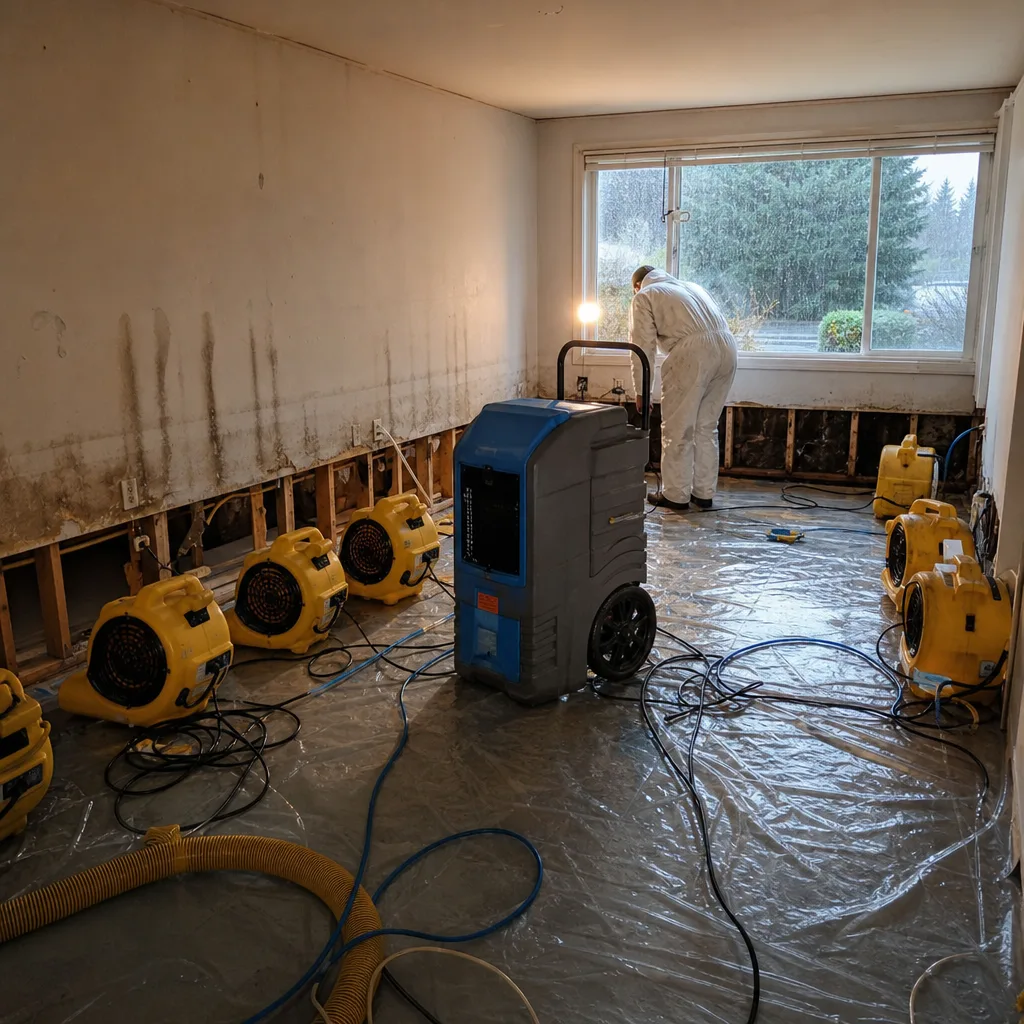
For homes with conditioned crawl spaces or basements, winter is when we deploy professional-grade drying systems from Dri-Eaz and Phoenix to maintain negative pressure relative to the living space. The equipment is documented to IICRC, RIA, and IFA standards, with daily moisture logs that track vapor pressure differential, the measurable force that drives moisture from wet materials into dry air. These logs become part of the job file that accompanies any insurance submission.
One Everett-specific risk in this period: thermal bridging at pipe penetrations in exterior walls. Homes with older cast-iron drain stacks, common in the 1900-1940 housing near downtown Everett, experience accelerated heat loss where the stack passes through the rim joist. The metal conducts interior heat to the exterior, creating a localized freeze point that ruptures the pipe or the surrounding framing. We identify these locations with infrared imaging during winter assessments, and recommend insulation retrofits that break the thermal bridge without obstructing combustion air supply.
Spring Snowmelt and the Cascade Runoff Problem
March and April bring a risk that generic Pacific Northwest guides rarely address: the combination of Cascade foothills snowmelt and saturated Snohomish County ground produces lateral hydrostatic pressure on foundation walls that exceeds summer levels by 30-40%. The mechanism is straightforward. Winter rains saturate the soil to depth; spring snowmelt from elevations above 1,500 feet adds water that cannot infiltrate already-full soil profiles. The resulting hydraulic head pushes against foundation walls from the exterior, and any existing crack or tie-rod hole becomes a leak path.
We see this pattern concentrate in Everett neighborhoods built on former wetland or fill soils: portions of Delta, the Lowell riverfront area, and sections of Silver Lake where the original peat deposits were only partially removed. The foundation type matters: post-and-pier construction allows pressure relief through the crawl space, but full basements and daylight basements experience active water intrusion that can reach 1-2 gallons per hour through a single crack.
The inspection for this season is the foundation wall survey, conducted after the first significant warm spell when snowmelt peaks but before May dries the surface soils. What to document:
- Crack width and location, measured with a crack monitor or even a marked index card photographed for scale. Horizontal cracks indicate bending stress from lateral pressure; vertical cracks suggest settlement or shrinkage.
- Efflorescence patterns, the white mineral deposits that indicate water has moved through the wall and evaporated at the interior surface. Active efflorescence means active water movement.
- Floor drain backup or sump pump cycling frequency. A sump pump that runs every 2-3 minutes during spring melt is undersized or failing; one that never runs may have a stuck float or dead discharge line.
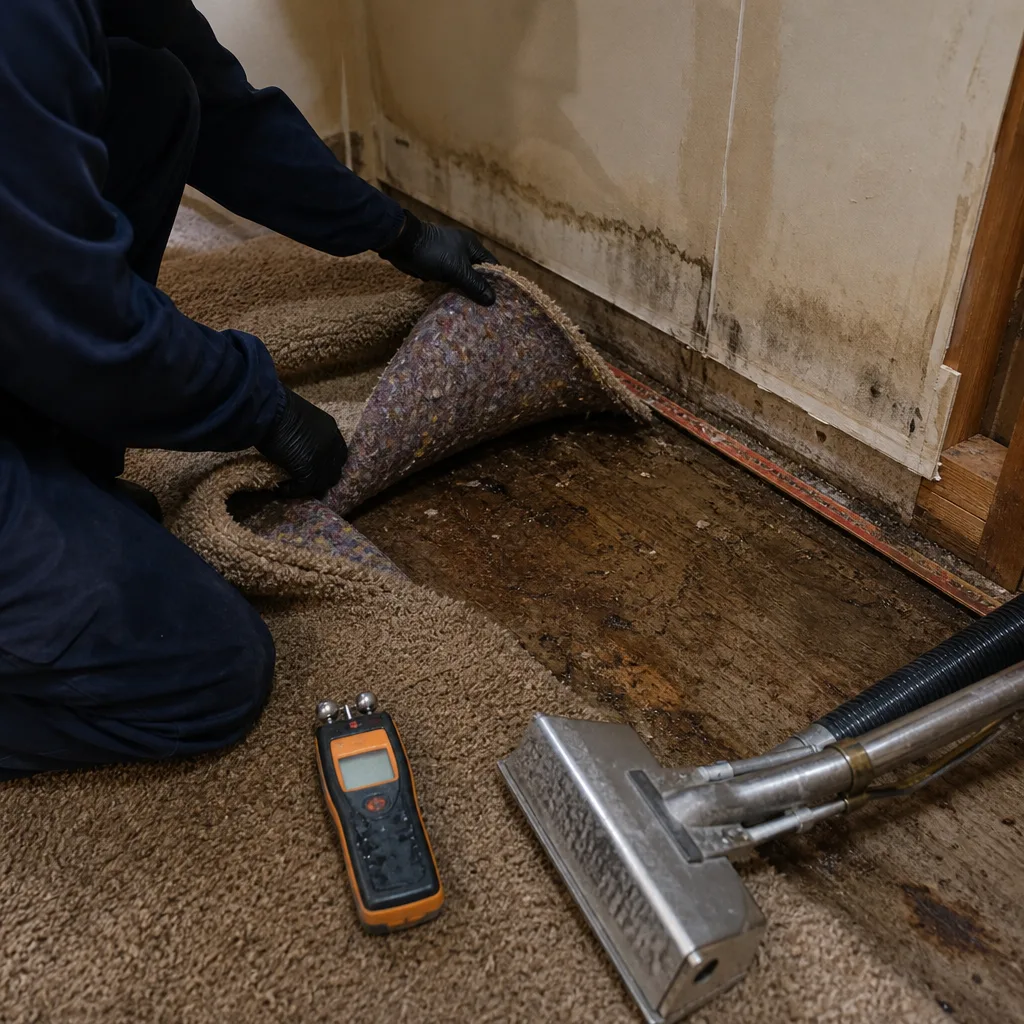
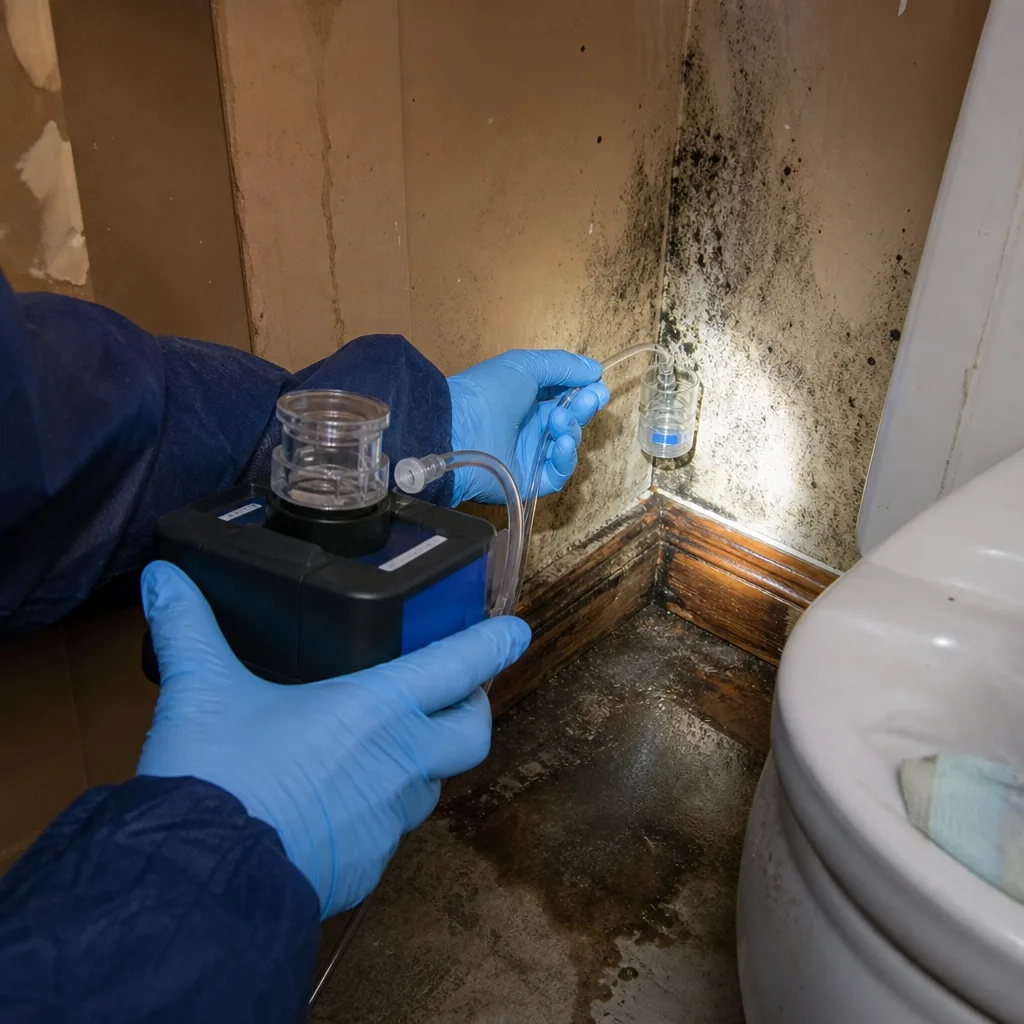
Spring is also when we recommend a professional moisture assessment for any home that experienced winter condensation or minor leaks. Mold remediation in Everett is most cost-effective when colonies are still surface-active and have not penetrated into gypsum board or insulation cavities. Our assessments include moisture content readings with pin-type meters calibrated for Douglas fir and western hemlock, the structural species common in Snohomish County framing, and air sampling only when visible growth is ambiguous.
Early Summer: The Drying Season Most Homeowners Waste
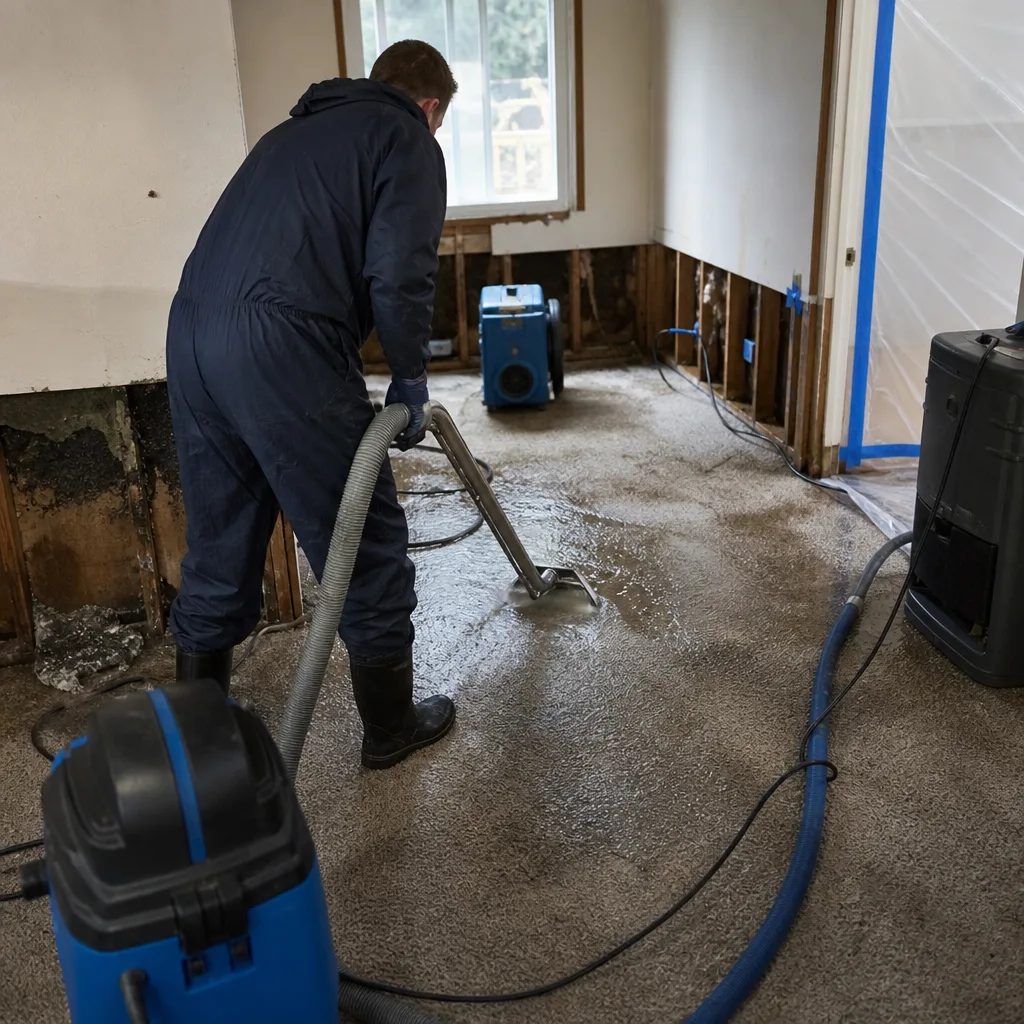
May through July offers Everett’s lowest relative humidity and highest evaporation potential. The average afternoon dew point in June is 48°F, compared to 55°F in December, meaning the same air temperature can hold significantly more moisture before saturation. This is the season to reverse any moisture accumulation from winter and spring, and to complete repairs while materials are genuinely dry.
The priority inspection is the whole-house moisture audit using a thermo-hygrometer and infrared camera. We target:
- Exterior wall cavities where winter condensation may have wet insulation without staining the interior finish.
- Crawl space wood moisture content, which should read below 16% for Douglas fir joists to prevent fungal growth. Readings above 20% indicate active moisture source that persisted through spring.
- Basement slab vapor emission, measured with calcium chloride kits or in-situ relative humidity probes. Everett’s older homes with unsealed slabs can emit 8-10 pounds of water vapor per 1,000 square feet daily.
Early summer is also the correct window for any reconstruction or repair work that winter damage necessitated. Fire and smoke damage restoration in Everett often requires controlled drying of charred structural members before encapsulation or replacement; the natural drying conditions of June reduce the energy cost and time required. Similarly, DryMark Restoration Everett home services for sewage cleanup benefit from warm-weather ventilation that accelerates the removal of volatile organic compounds from disinfectant applications.
We document all summer assessments with the same photo record standard applied to active jobs: dated, geotagged images of each inspection point, delivered to the homeowner with a written summary. This creates the maintenance history that insurers increasingly request when evaluating whether damage was sudden and accidental or the result of long-term neglect.
Month-by-Month Maintenance Calendar for Everett Homes
The following calendar synthesizes Everett’s precipitation patterns, freeze-thaw data from Paine Field records, and our claim history into specific monthly actions. Each task takes 30-60 minutes for a competent homeowner; the professional inspection items are noted separately.
January
- Check attic for frost accumulation on sheathing nails, indicating excessive interior moisture.
- Verify that heat tape on vulnerable pipes is functional; replace any section with visible heating element damage.
- Inspect sump pump discharge line for ice blockage at the termination point.
February
- Document any new foundation wall seepage after the heaviest rain month; photograph with date stamp.
- Test bathroom exhaust fan airflow with tissue paper; replace if suction is weak.
- Professional: Schedule mold assessment if musty odors persist despite ventilation.
March
- Conduct foundation wall survey after first 60°F+ spell; measure and photograph cracks.
- Clear storm drains and catch basins of winter debris; Everett’s street drainage can back up into adjacent properties.
- Monitor sump pump cycling; log frequency during peak melt.
April
- Inspect roof for wind damage from March storm systems; check flashing at chimney and vent penetrations.
- Verify gutter alignment after winter ice load; re-secure any sagging sections.
- Professional: Schedule crawl space assessment if winter moisture readings were elevated.
May
- Begin whole-house moisture audit; target wall cavities and crawl space.
- Service dehumidifier if present; clean coils and verify condensate drainage.
- Document pre-summer baseline conditions with dated photos.
June
- Complete any reconstruction from winter/spring damage while drying conditions are optimal.
- Inspect and clean dryer vent to exterior; lint accumulation is a leading fire risk in summer.
- Professional: Schedule fire damage restoration consultation if any winter heating incident occurred.
July
- Inspect exterior caulking at window and door penetrations; replace before autumn rains.
- Verify grade slopes away from foundation after spring settling; add soil where needed.
- Service HVAC condensate drain; algae growth in summer can cause overflow.
August
- Primary prep window begins. Inspect crawl space vapor barrier comprehensively.
- Clean and test gutters; schedule replacement of failing sections before October rush.
- Photograph foundation, grade, and gutter discharge points for baseline record.
September
- Complete any vapor barrier repairs or replacements; contractor availability drops after Labor Day.
- Inspect and repair weatherstripping at doors and operable windows.
- Test backup sump pump or battery system; replace batteries every 3 years regardless of use.
October
- Verify that exterior hose bibs are drained and interior shutoffs closed.
- Inspect attic ventilation; clear any wasp nests or debris from soffit vents.
- Professional: Schedule pre-winter moisture assessment if home has history of condensation issues.
November
- Monitor first major storm for any new leak points; document immediately.
- Verify that crawl space vents are closed if home has unconditioned crawl space with operable vents.
- Check interior humidity levels; target 30-50% relative humidity with humidistat verification.
December
- Inspect for ice dam formation after first freeze-thaw cycle; document roof edge and gutter conditions.
- Verify that heat is reaching all plumbing walls, including those in additions or converted spaces.
- Professional: Emergency response if active leak or pipe freeze occurs; call (360) 502-8815 for 24/7 live dispatch.
How to Document Inspections for Insurance Protection
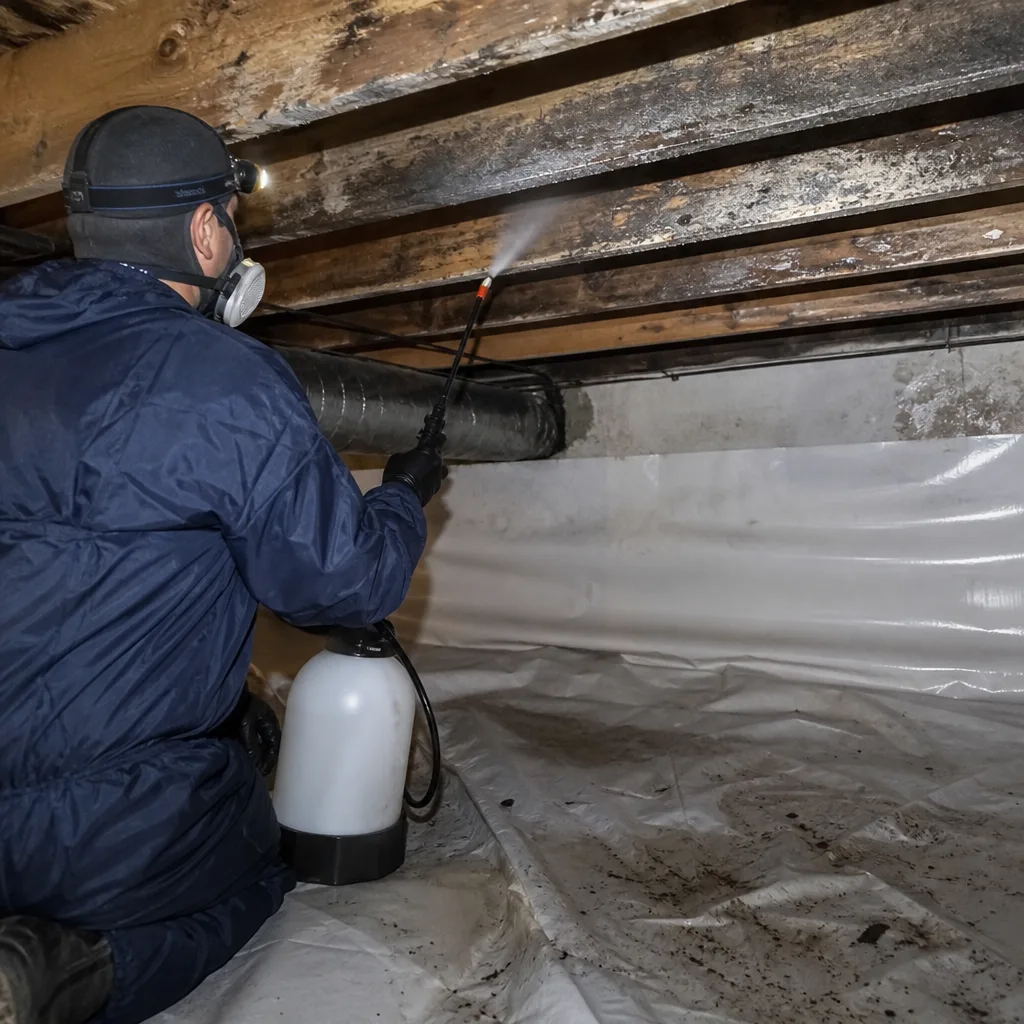
The documentation gap is the single largest preventable cause of claim denial in our experience. Adjusters evaluate whether damage was “sudden and accidental” or the result of “long-term neglect,” and the homeowner’s maintenance record is often the only evidence that distinguishes the two. We built our documentation protocols around this reality, and we apply the same standard to preventive maintenance that we apply to active restoration jobs.
The minimum viable record for each seasonal inspection includes:
- Dated photographs of each inspection point, with the camera’s date stamp enabled or a newspaper date visible in frame. Cloud storage with automatic backup prevents loss if the phone or camera is damaged.
- Written notes of measurements taken: moisture content percentages, crack widths, humidity readings, sump pump cycle times. A simple spreadsheet or notebook is sufficient; the key is consistency.
- Receipts or invoices for any professional service, maintenance supply, or equipment purchase. These establish that action was taken, not merely observed.
- Correspondence record of any contractor consultations, even if no work was performed. A dated email summarizing a contractor’s verbal assessment has evidentiary value.
We provide a free inspection documentation template to Everett homeowners who request it, formatted to match the documentation standards that insurers and our own water damage restoration in Everett teams use. The template includes fields for moisture readings, photo reference numbers, and follow-up actions, with a section for professional verification if we are engaged to confirm homeowner findings.
The Haven Standard, Clause 1 applies to preventive assessments as well as active jobs: we deliver a written price before any professional inspection work begins, with no scope additions once our technician is on site. This predictability allows homeowners to budget maintenance without the escalation anxiety that characterizes too many contractor relationships.
Special Protocol for Everett’s Older Housing Stock
Approximately 35% of Everett’s housing units were built before 1960, concentrated in the Bayside, Riverside, and portions of the Delta neighborhoods. These homes present specific seasonal risks that post-1980 construction does not, and a generic maintenance calendar will miss them.
Cast-iron drain stacks. Pre-1950 homes frequently have original cast-iron DWV (drain-waste-vent) systems. The material is durable but subject to internal corrosion that thins the pipe wall from the inside, producing leaks that appear at joints or horizontal sections. In winter, thermal bridging at the rim joist penetration creates a freeze point; the pipe exterior is cold from exterior air, while interior wastewater maintains temperature, creating a stress concentration. We recommend annual video inspection of accessible cast-iron stacks, with particular attention to the horizontal “house trap” sections common in Everett’s older plumbing configurations.
Knob-and-tube wiring in insulated attics. Original wiring in pre-1940 homes was designed to operate in open air for cooling. When homeowners add insulation over these circuits, the reduced heat dissipation creates fire risk that peaks in winter when heating loads are highest. The insulation itself is not the hazard; the hazard is the aged conductor insulation operating above its rated temperature. We coordinate with licensed electricians for thermal imaging assessment when we encounter this condition during moisture inspections.
Foundation type variability. Everett’s older neighborhoods include stone foundations, unreinforced concrete, and post-and-pier with no perimeter wall. Each type responds differently to seasonal moisture: stone foundations weep continuously but rarely fail catastrophically; post-and-pier structures allow substructure ventilation but are vulnerable to localized rot at the mud sill. Our assessments specify foundation type in the written scope, with moisture targets calibrated to the construction.
Lead and asbestos considerations. Pre-1978 homes may contain lead-based paint and asbestos-containing materials in original flooring, insulation, or siding. Disturbance during water damage repair or mold remediation requires EPA RRP certification and proper abatement sequencing. We maintain this certification and coordinate abatement contractors when needed, with all documentation included in the claim file.
Common Mistakes to Avoid
- Waiting until October to schedule crawl space work. By then, every contractor in Snohomish County is booked two weeks out, and the first storms have already begun. The correct window is August-September, when availability and pricing are stable.
- Using a household dehumidifier in a crawl space. Residential units are not rated for the temperature range or air volume of a typical Everett crawl space. They fail quickly and provide false confidence while moisture continues accumulating.
- Ignoring minor foundation seepage in spring. A crack that weeps 1/2 gallon per hour in March can deliver 300+ gallons by May, saturating interior finishes and creating conditions for Stachybotrys growth on cellulose materials.
- Documenting only problems, not baseline conditions. Insurers may interpret photos of a crack as evidence the homeowner knew of a pre-existing condition. Baseline photos of the same location without the crack establish the timeline.
- Closing crawl space vents permanently without conditioning the space. This traps moisture from soil evaporation and creates a greenhouse effect. Vents should be closed in heating season only if the space has active dehumidification or is sealed as part of a conditioned assembly.
- Assuming homeowner’s insurance covers all water damage. Gradual seepage, groundwater intrusion through foundation walls, and sewer backup without specific rider coverage are routinely excluded. Documentation of sudden events and proper maintenance strengthens coverage arguments.
- Using bleach on mold without addressing moisture source. Bleach evaporates faster than it penetrates porous materials, leaving viable hyphae in the substrate. It also damages finishes and produces chlorinated byproducts. Proper remediation requires moisture source elimination, containment, and removal of affected materials per IICRC S520.
When to Call a Professional
Some seasonal maintenance is within competent homeowner capability; some conditions require professional assessment to prevent escalation or to satisfy insurance documentation requirements. Call for professional evaluation when: water intrusion exceeds your capacity to extract and dry within 24 hours; mold growth covers more than 10 square feet or is present in HVAC systems; foundation movement produces new cracks wider than 1/4 inch or stair-step patterns in masonry; or any fire, smoke, or biohazard event occurs. DryMark Restoration Everett offers free estimates in Everett - call (360) 502-8815. Our live dispatch answers 24 hours a day, 7 days a week with no voicemail trees, and every assessment includes a written price before work begins under Haven Standard, Clause 1.
Frequently Asked Questions
Professional seasonal moisture assessments in Everett typically range from $150-$350 for a crawl space and foundation evaluation, and $200-$450 for a whole-house moisture audit with thermal imaging. Vapor barrier replacement runs $1.20-$2.50 per square foot of crawl space area, depending on mil thickness and seam sealing method. Gutter repair and regrading average $400-$900 for a single-family home. These are preventive costs; the average water damage restoration claim in Snohomish County exceeds $8,000 when structural drying and finish replacement are required. For detailed pricing context, review our Damage Restoration Cost Breakdown: The Everett Homeowner’s Reference for 2026. Call (360) 502-8815 for an exact quote - estimates are free.
Insurance coverage depends on whether the damage was sudden and accidental versus the result of long-term neglect. A pipe that bursts due to a rare cold snap is typically covered; a foundation that leaks after years of ignored cracks may not be. Documented seasonal maintenance strengthens your position by demonstrating due diligence. Our photo records and written scopes are formatted specifically to support this documentation standard.
Our live dispatch answers every call, 24 hours a day, 7 days a week, with no voicemail trees. Emergency water damage crews are typically on site in Everett within 60-90 minutes for active intrusions. Response time for assessment-only calls is scheduled, not dispatched, and varies by season. The 24/7 live answer is for emergencies; routine inspections are scheduled during business hours with a confirmed appointment and written price under Haven Standard, Clause 1.
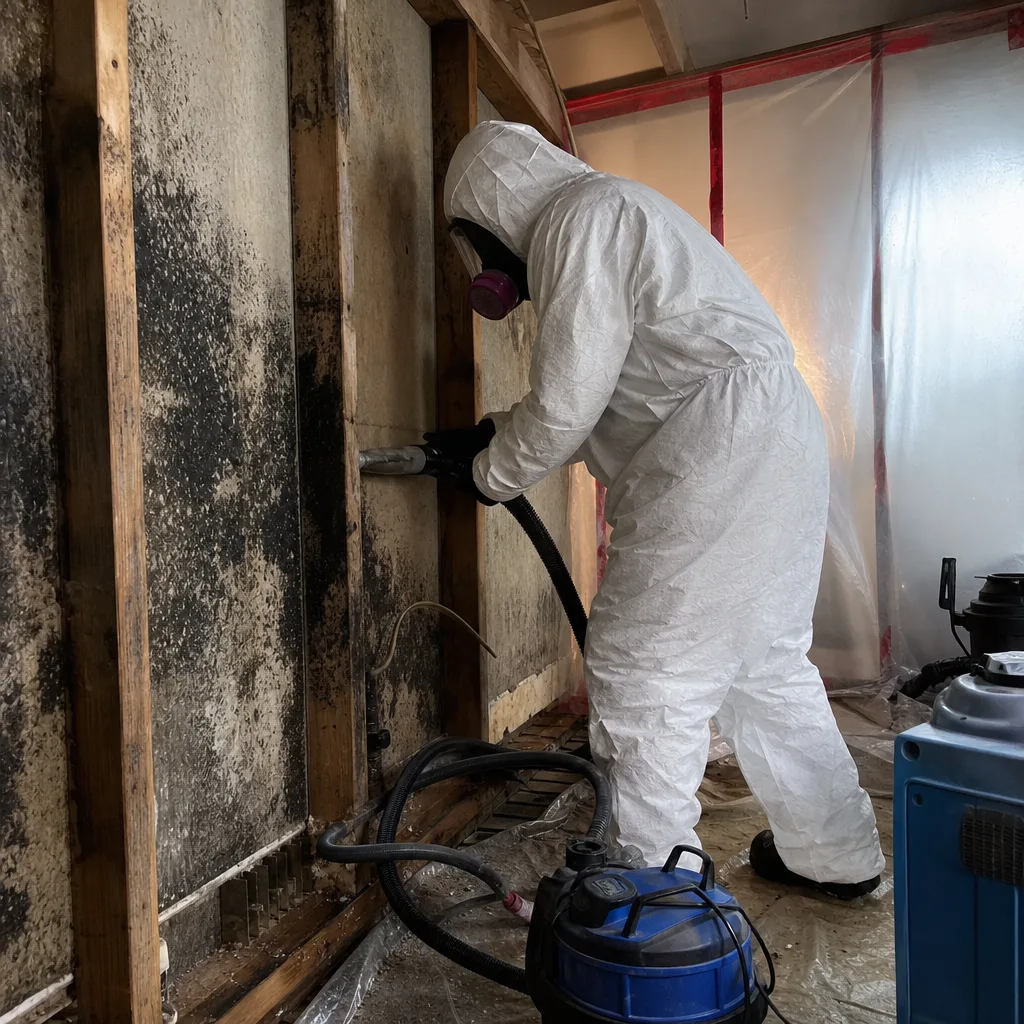
Surface mold on non-porous materials (tile, metal, sealed wood) can sometimes be addressed with proper cleaning if the moisture source is eliminated. Growth on porous materials (drywall, insulation, carpet, unfinished wood) requires professional remediation because hyphae penetrate below the visible surface. We offer free second opinions on any competitor’s written mold estimate, and our assessments include moisture mapping to determine whether the growth is surface-active or structural.
We produce the documentation. Every DryMark Restoration Everett job includes a photo record on every visit, daily drying logs with psychrometric data, and a written scope before work begins. These documents are delivered in the format that adjusters expect, reducing claim friction and payment delays. We also coordinate directly with adjusters when authorized, attending site visits and providing supplemental documentation as needed.
Everett receives comparable annual rainfall to Seattle but with greater concentration in October-February and more pronounced freeze-thaw cycling due to its inland position and elevation variation. The Cascade snowmelt effect is more direct for Snohomish County, producing spring hydrostatic pressure patterns that Seattle’s glacial till soils moderate. Everett’s older housing stock, particularly near the waterfront and original downtown, also presents more knob-and-tube wiring, cast-iron plumbing, and foundation variability than Seattle’s more uniformly post-war suburbs.
The Bottom Line
Seasonal damage restoration care in Everett is not a generic checklist; it is a four-phase response to a specific climate pattern. The August-September window for crawl space and exterior prep is non-negotiable, winter moisture containment requires attic and pipe attention that most homeowners neglect, spring snowmelt from the Cascades creates foundation pressure that peaks in March-April, and early summer offers the drying conditions that make reconstruction efficient. Document each inspection with dated photos and written notes. When damage exceeds your capacity or insurance documentation is required, professional assessment with a written price before work begins is the standard that protects both your home and your claim. Explore more guides & resources on our blog.
Written by Alicia Brennan, Owner at DryMark Restoration Everett, serving Everett since 2011.