
Free visual inspection and a written scope of work before any mitigation begins - photos, moisture readings, and drying logs go in your claim file
The scope we write is the scope we bill. Anything new gets shown to you, in writing, before we touch it.
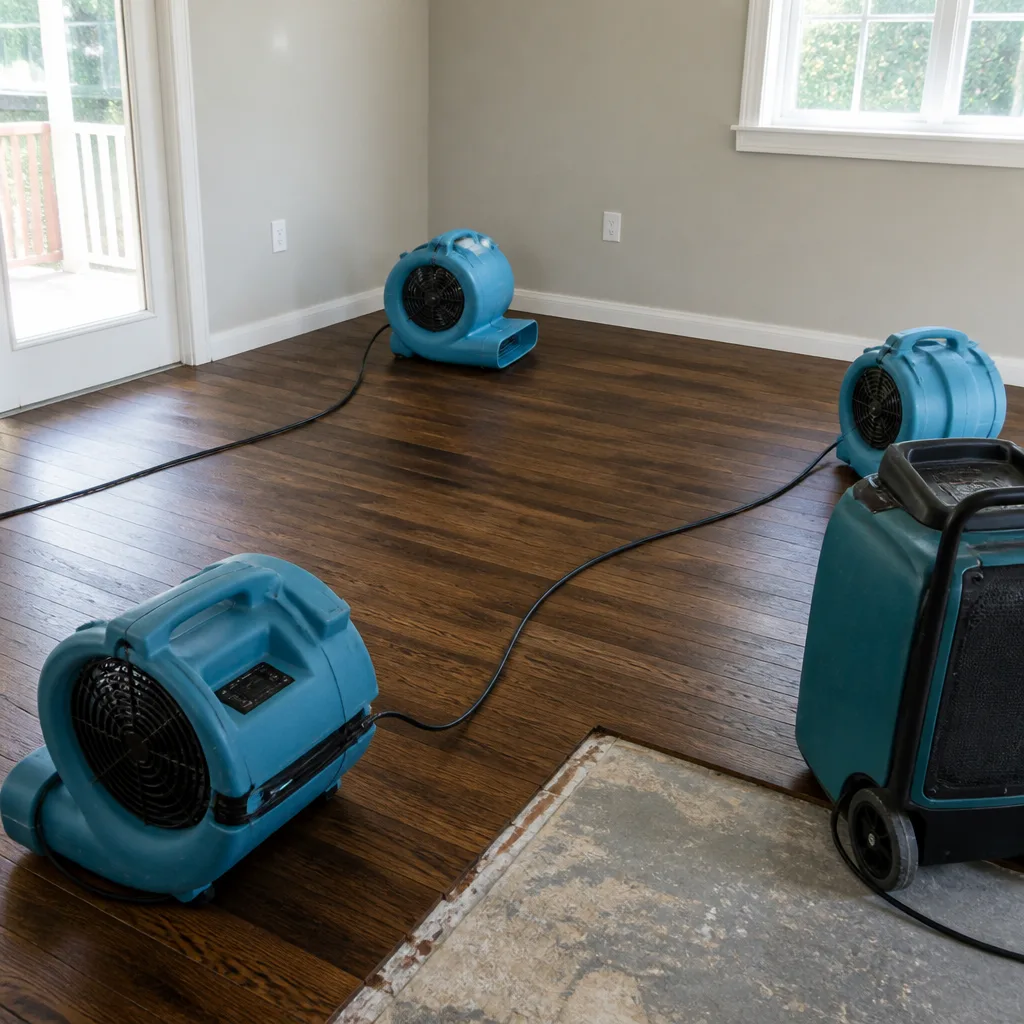
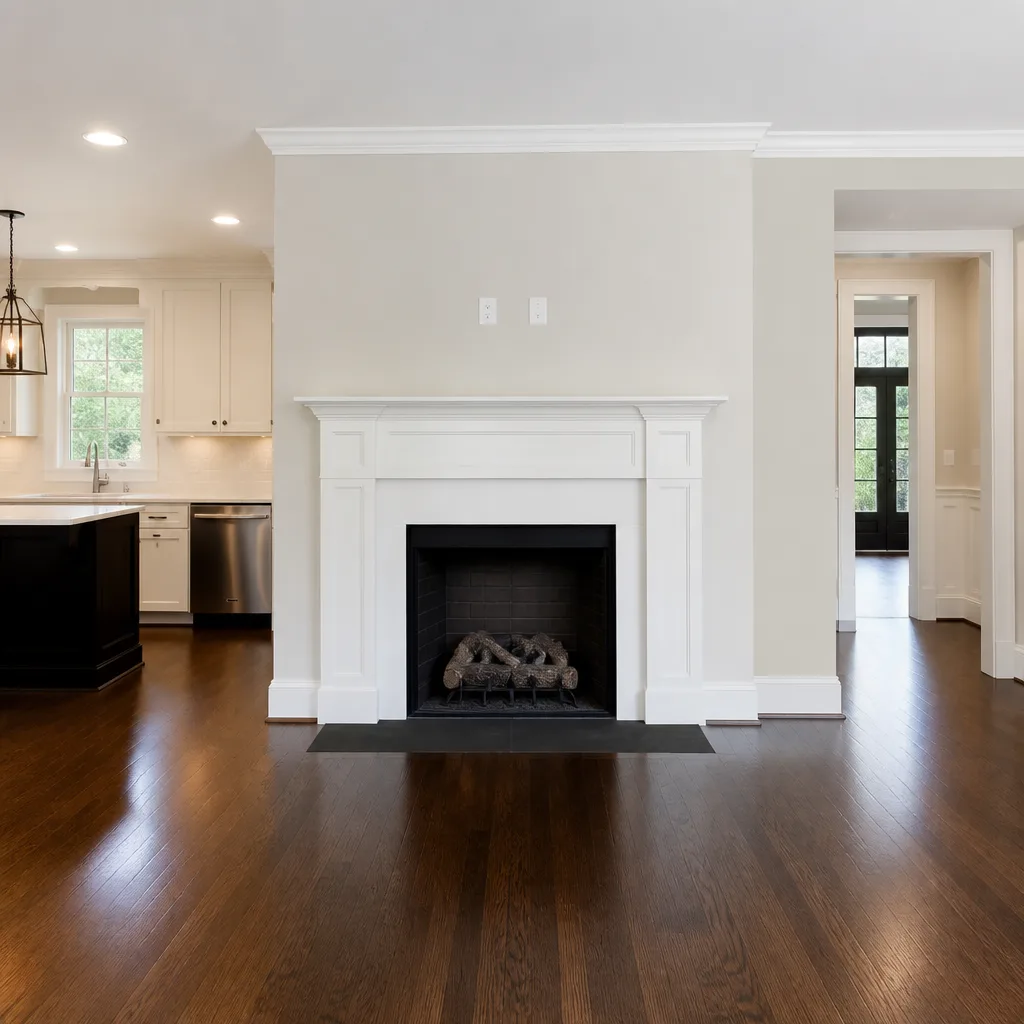
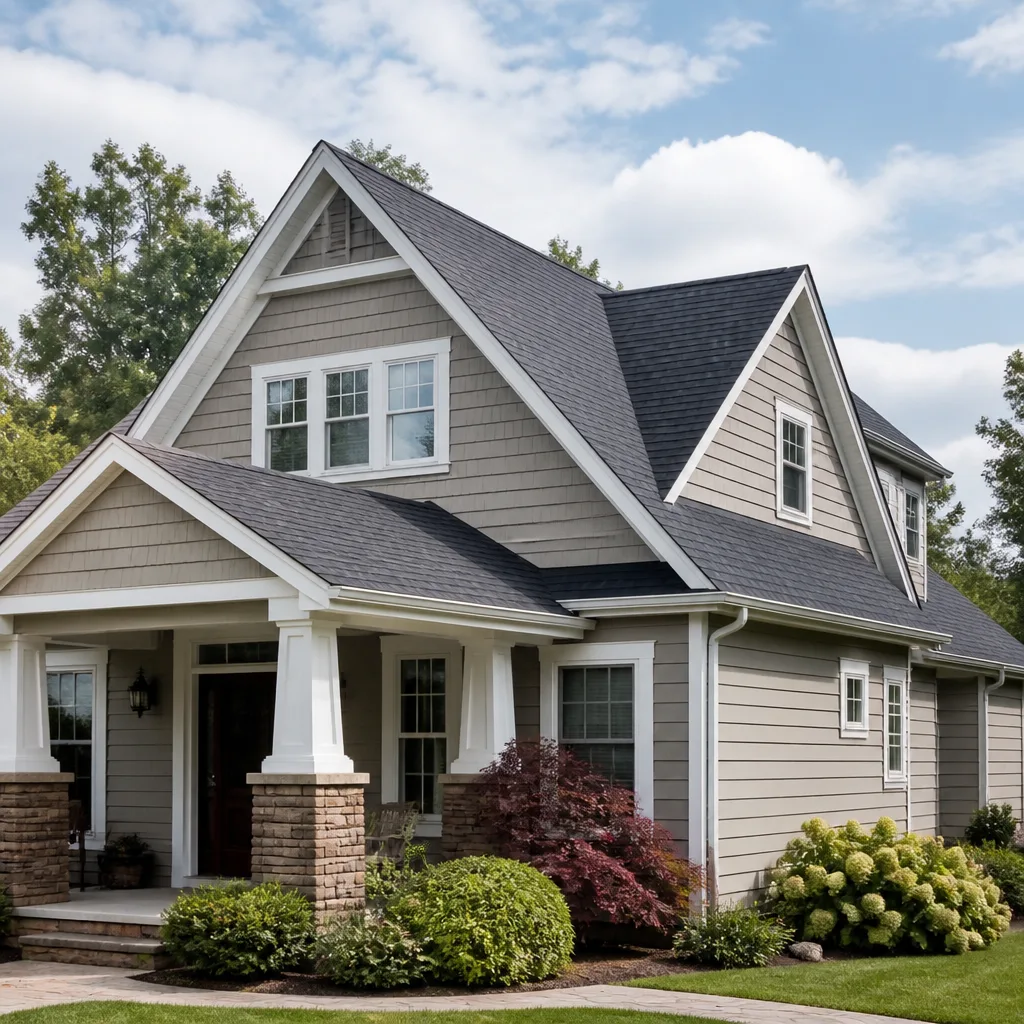
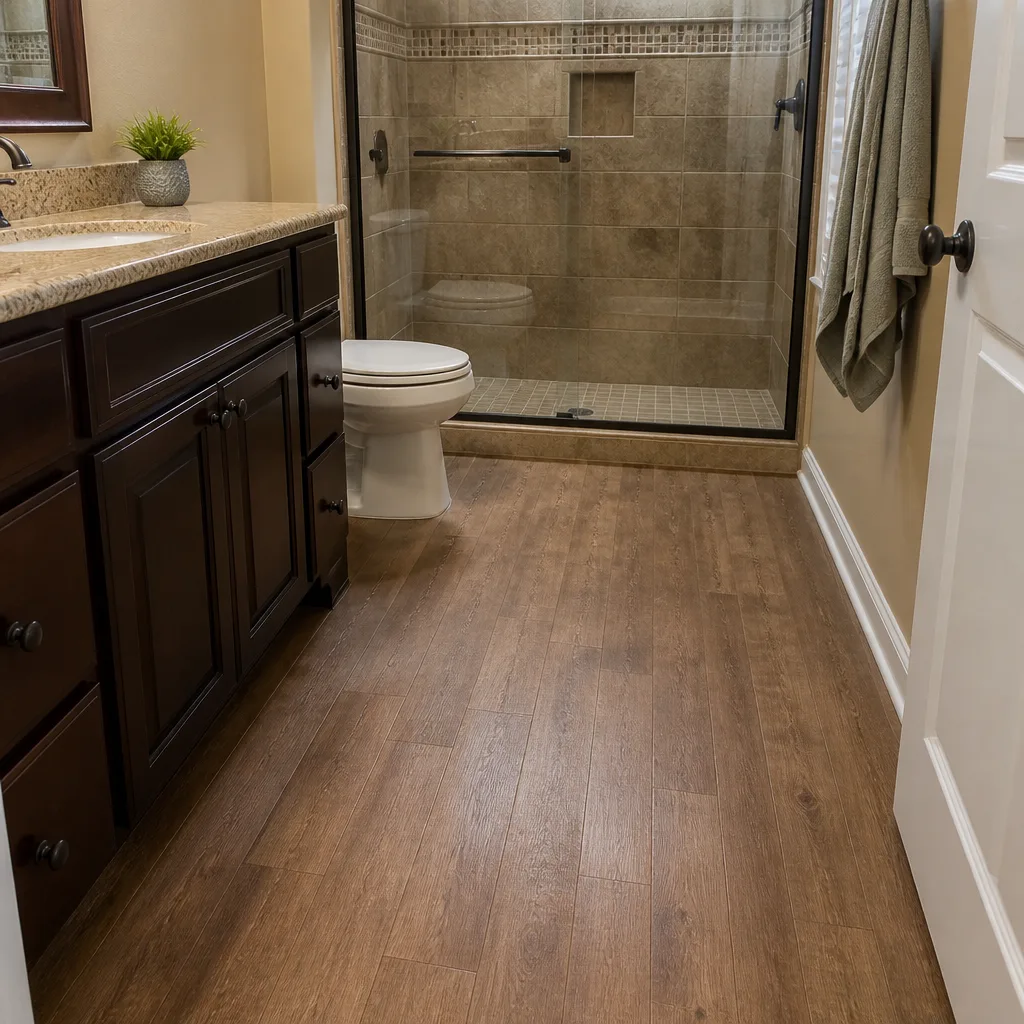
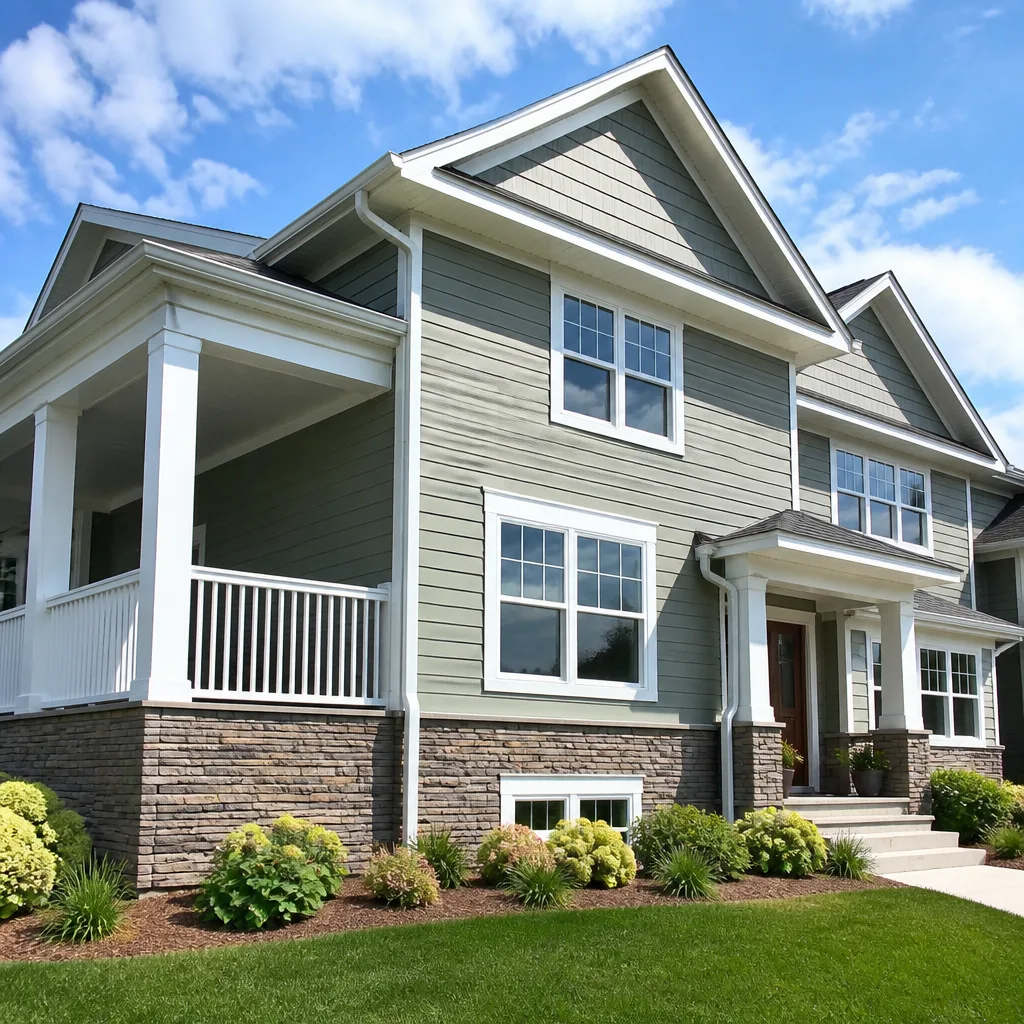
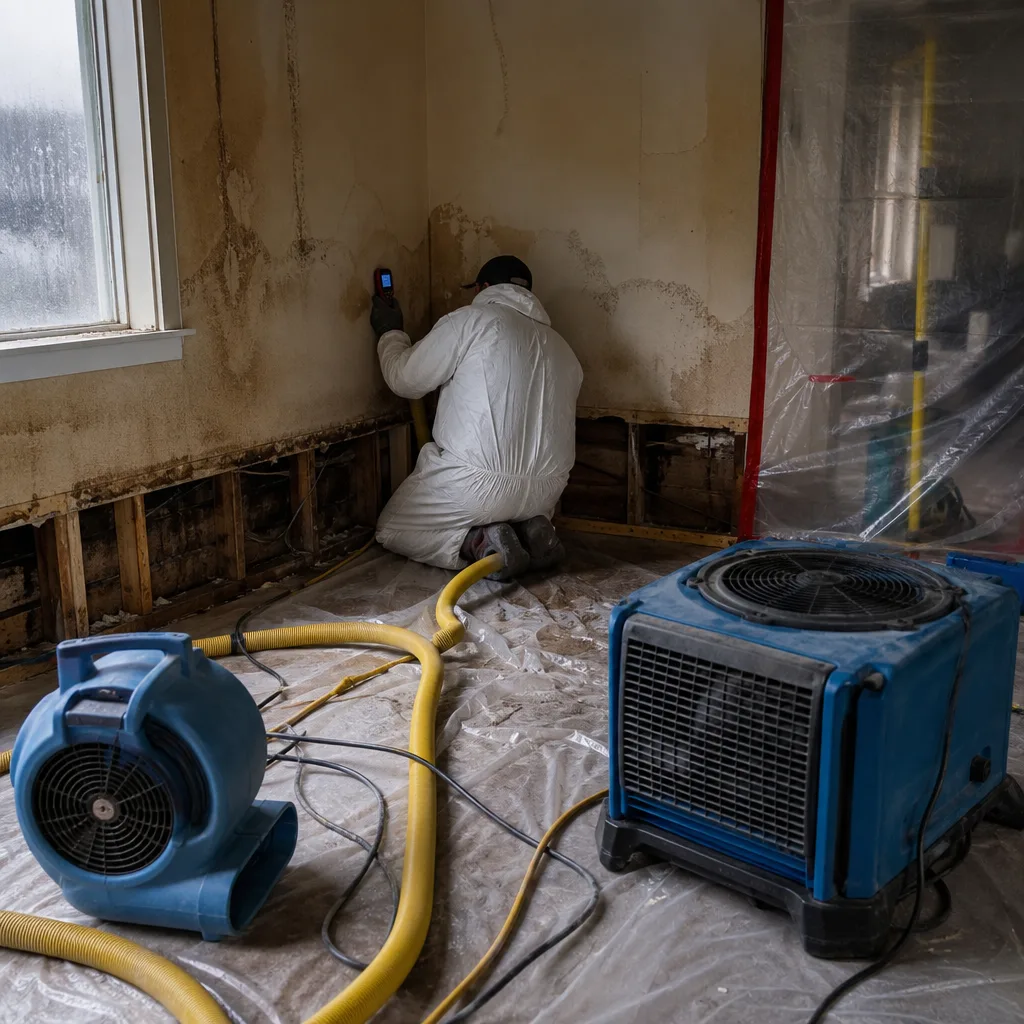 Before
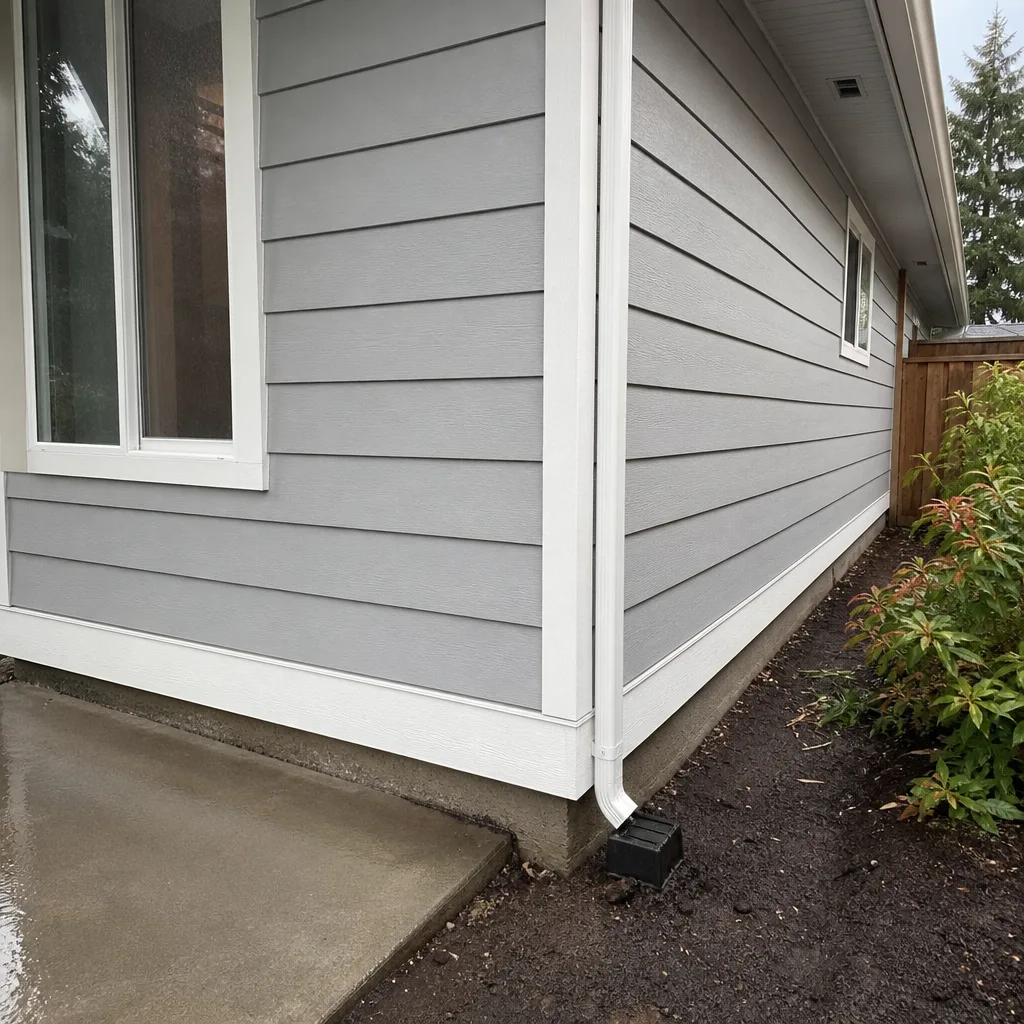 After
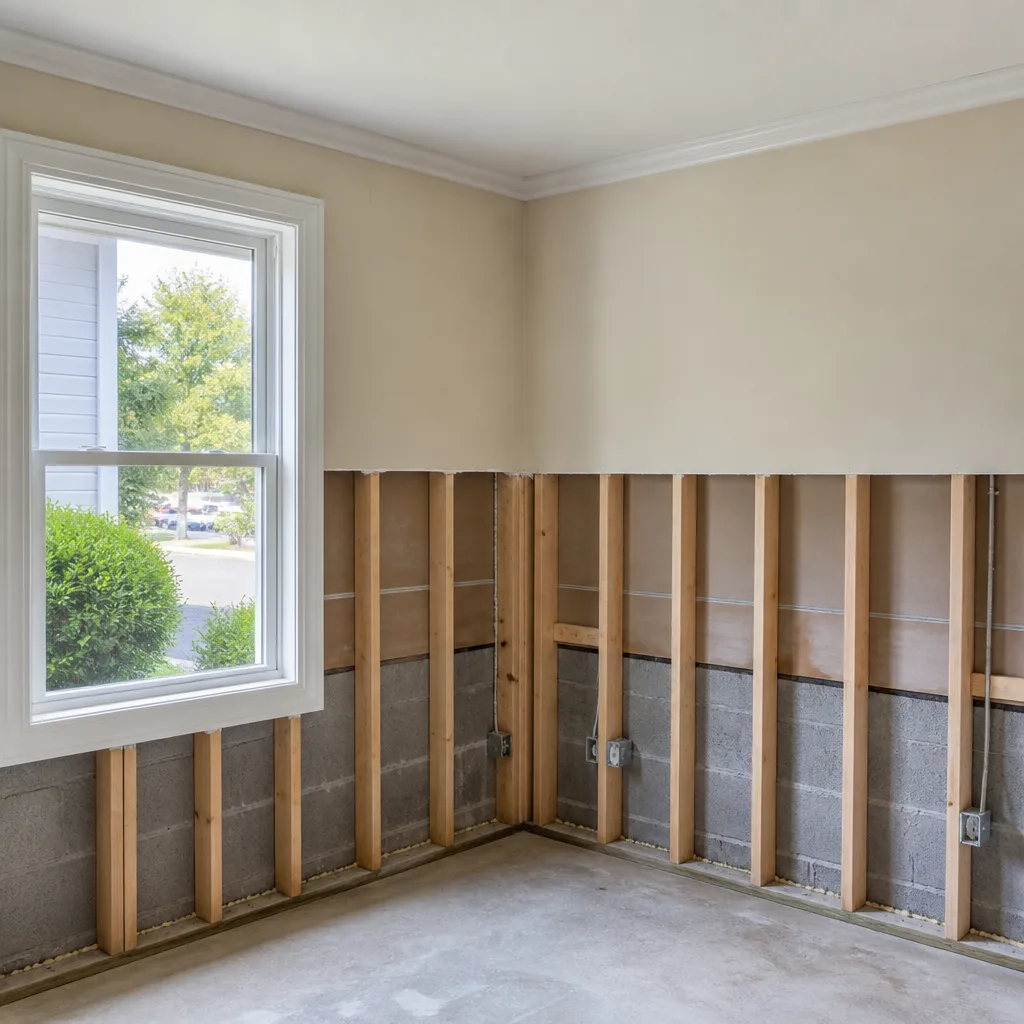
After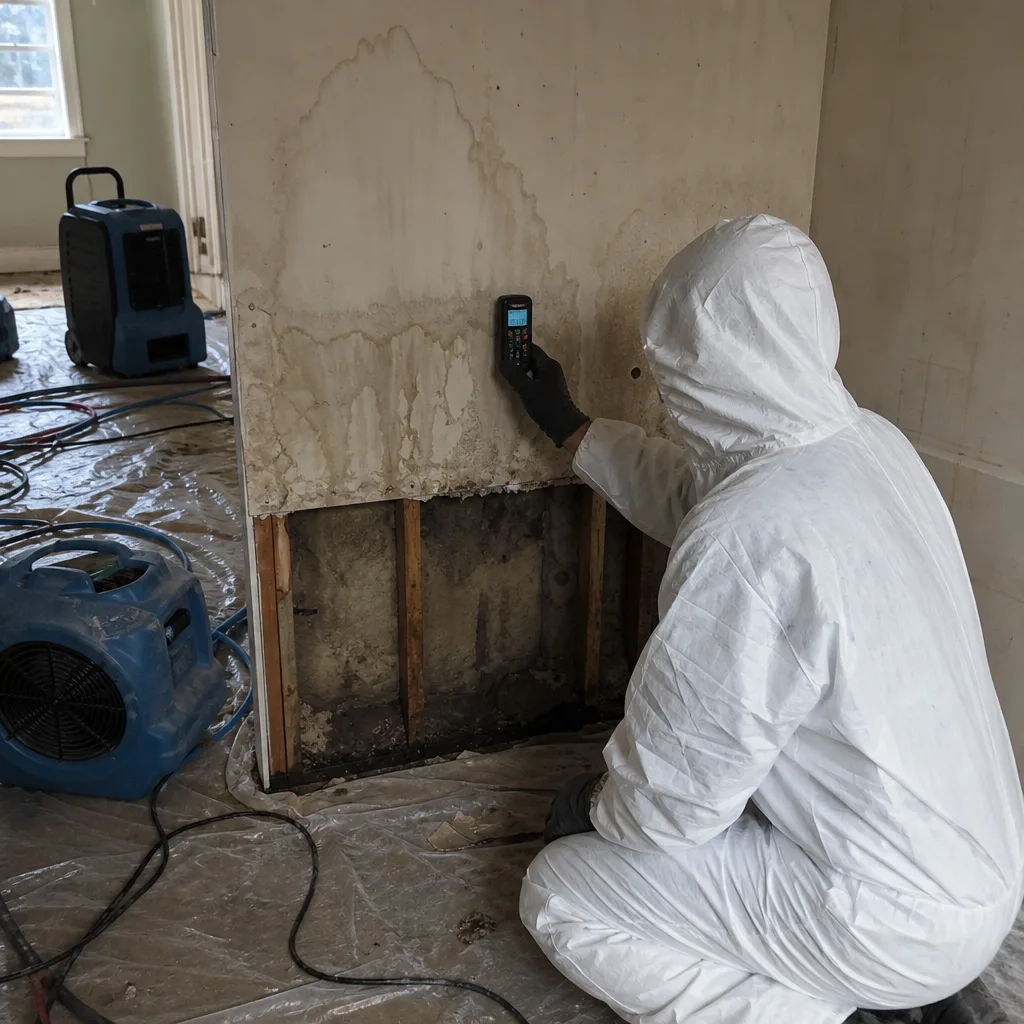 Before
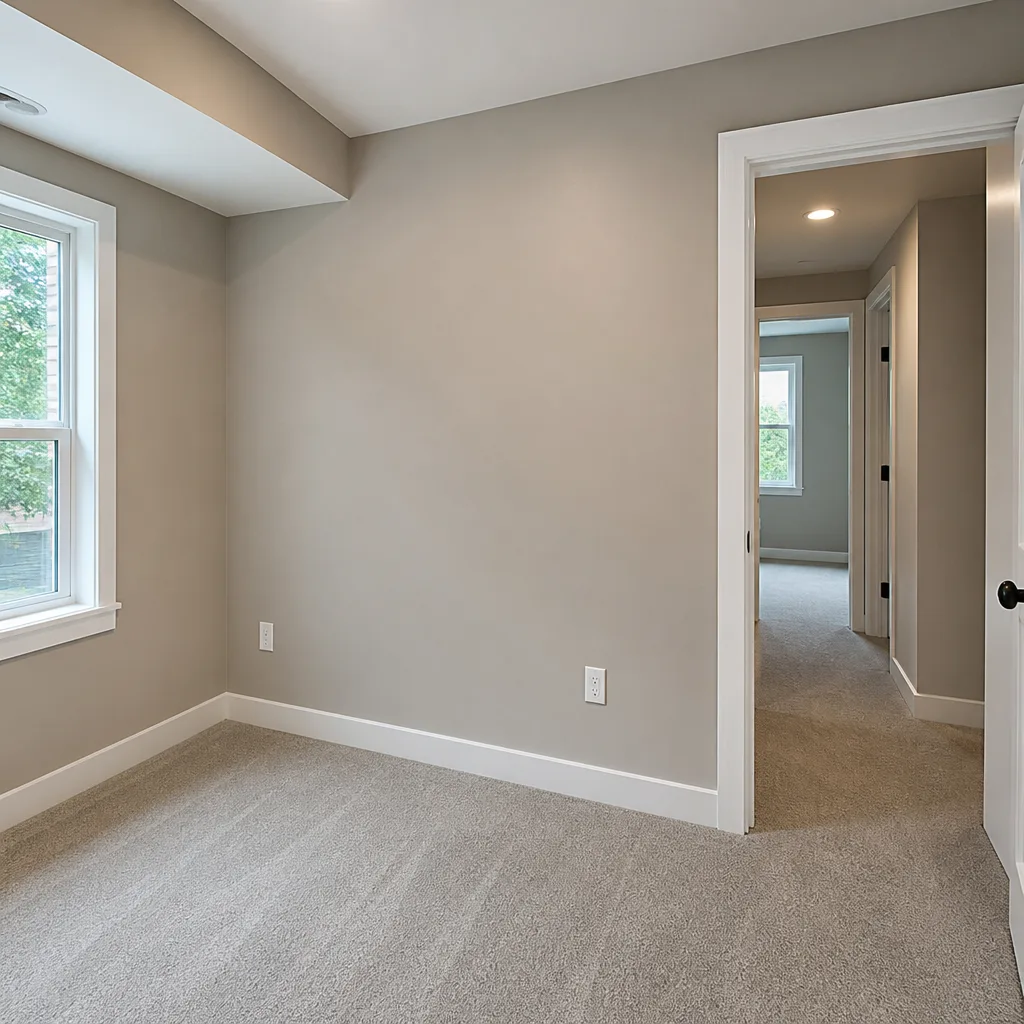 After
After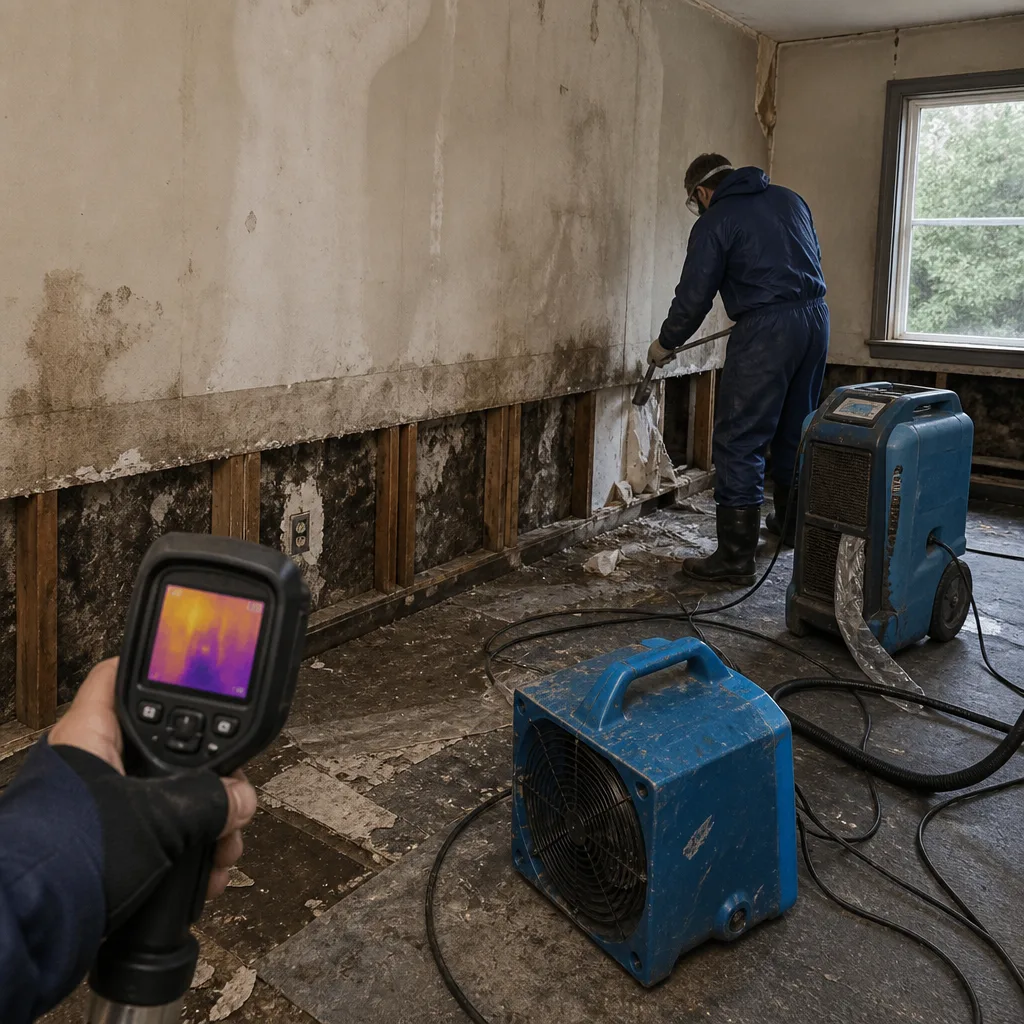 Before
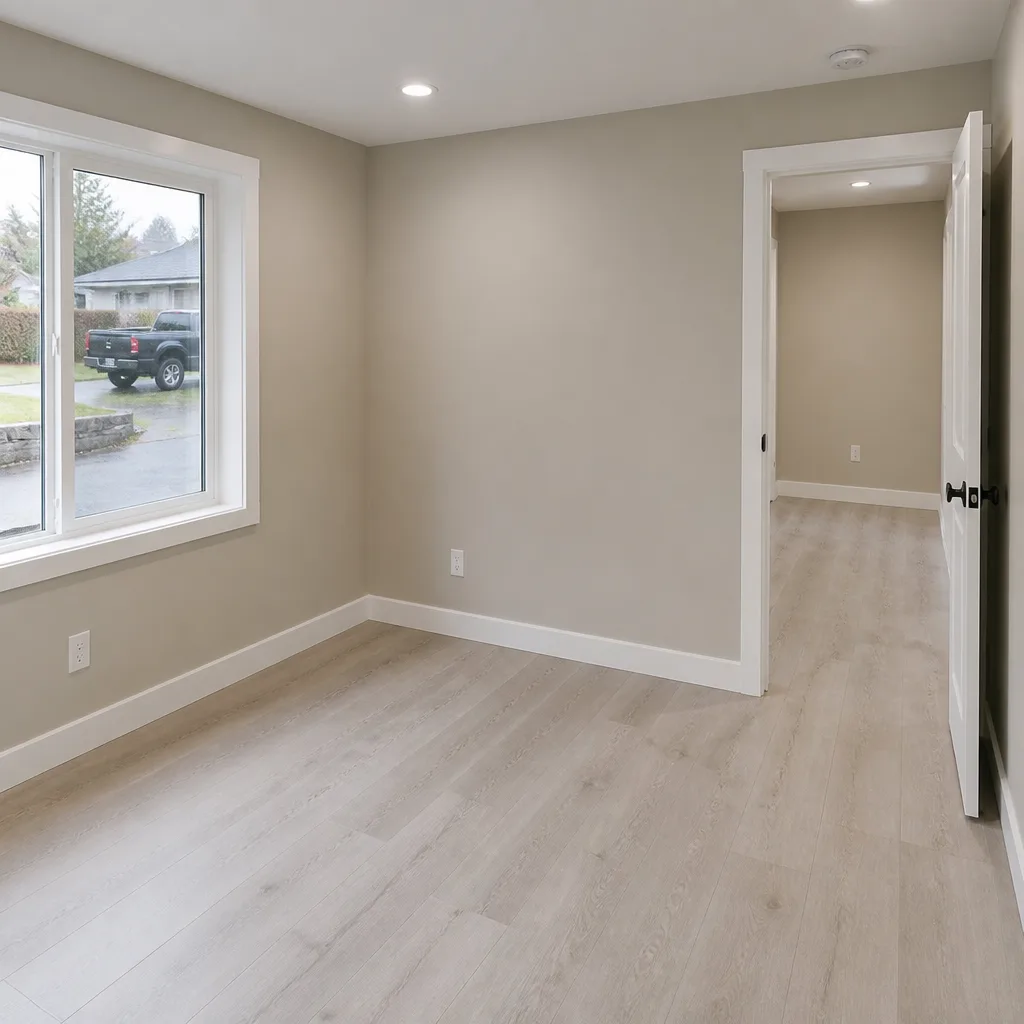 After
After24/7 Emergency Fire & Smoke Damage Restoration in Mill Creek
Fire and smoke damage restoration in Mill Creek typically runs $2,800-$8,500 for a single-family home and $4,200-$12,000 for townhome units with shared-wall smoke migration. Most emergency board-ups happen within 45 minutes of your call, and our crews carry full smoke and soot remediation inventory on every truck. Call (360) 502-8815 now - a live person answers, 24 hours a day, every day of the year, and we’ll dispatch to your Mill Creek property without voicemail delays or next-day callbacks.
The first hours after a fire determine what can be saved and what gets demolished. Smoke is acidic. Within minutes, it etches glass and corrodes metal. Within hours, it soaks into drywall, insulation, and HVAC ducts. In Mill Creek’s 1975-2000 housing stock, shared attic chases and party-wall construction let smoke travel farther and faster than owners expect. Our Fire & Smoke Damage Restoration team documents everything from arrival, because the insurer will ask for proof that secondary damage was prevented, not just primary damage repaired.
Understanding Fire & Smoke Damage Restoration Severity in Mill Creek Properties
Fire damage breaks into three categories that drive our response: light smoke residue (affected surfaces only, no structural heat damage), moderate fire and smoke (partial room or contents combustion with smoke migration into adjacent spaces), and major structural fire (compromised framing, roof, or load-bearing elements with extensive water from suppression). Each level demands different equipment, containment strategy, and documentation depth.
Smoke residue types matter as much as flame damage. Dry smoke from fast-burning paper and wood leaves powdery, easier-to-clean soot. Wet smoke from plastics and synthetic materials smears and bonds to surfaces - the dominant residue in modern Mill Creek kitchens with composite cabinetry and vinyl flooring. Protein fires from cooking oil leave nearly invisible, extremely pungent residue that standard cleaning misses entirely. We test residue type on site before selecting cleaning chemistry, because the wrong approach sets the odor permanently.
Mill Creek’s building age compounds these problems. Polybutylene supply lines in pre-1995 homes often fail during fire suppression, adding Category 2 gray water to smoke damage. Original crawl-space vapor barriers trap firefighting water against subfloors. First-generation roofing assemblies, now at end of service life, may not survive tarping without additional structural support. Our crews carry thermal imaging and moisture meters on every fire call in Mill Creek - not as extras, but as standard tools for buildings where hidden water damage is the rule, not the exception.
Why Mill Creek Property Owners Choose DryMark Restoration Everett
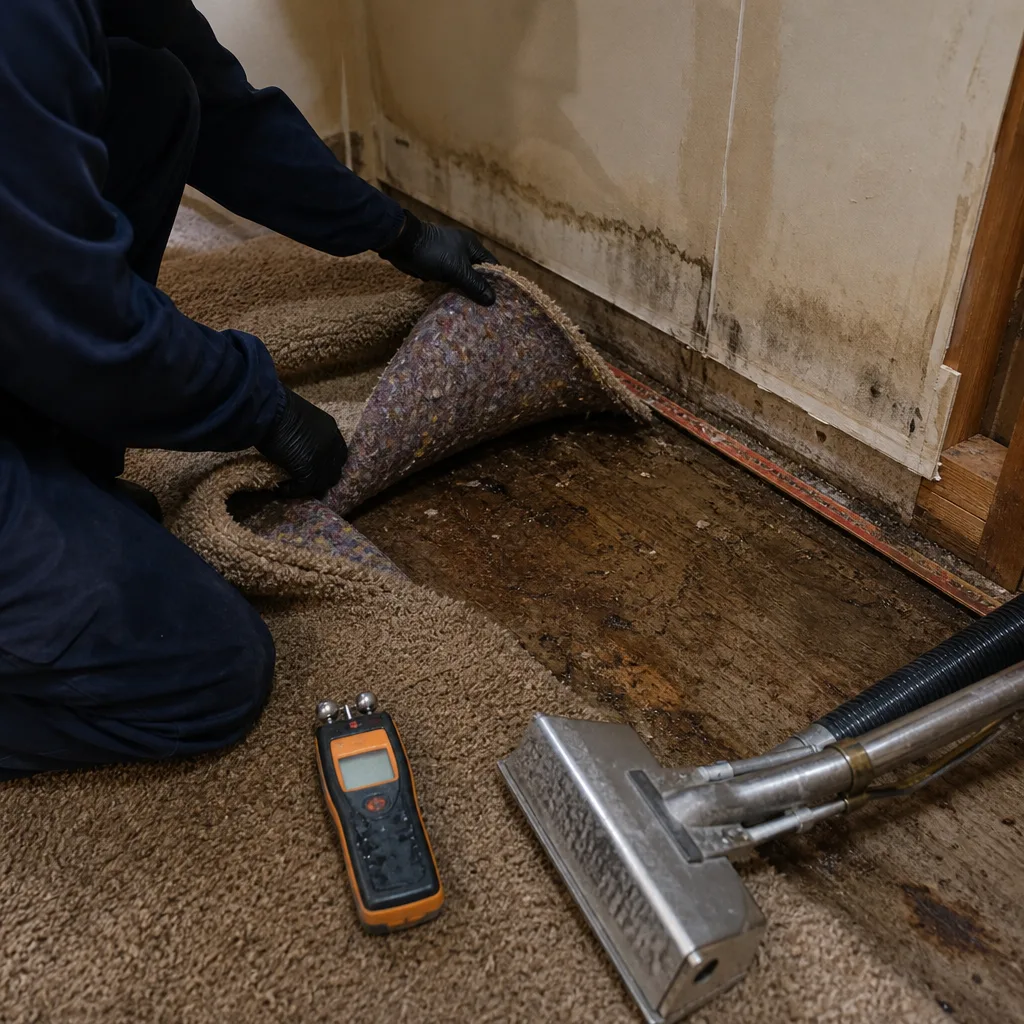
- 45-minute response commitment to Mill Creek properties - our Seattle office dispatches crews who know the Bothell-Everett Highway corridor and rear-alley access patterns.
- 24/7 live answer - a real person, never an automated system or voicemail tree, picks up every call to (360) 502-8815.
- IICRC-certified crews - FSRT (Fire and Smoke Restoration Technician), WRT (Water Damage Restoration Technician), and AMRT (Applied Microbial Remediation Technician) certified on every fire-loss team.
- Free visual inspection - we arrive, assess, and document before any work begins or any price is discussed.
- Direct insurance billing - we coordinate with your adjuster, submit line-item scopes, and handle documentation so you’re not translating trade terminology to a claims desk.
- One team from board-up to reconstruction - no handoffs between mitigation and rebuild contractors, no gaps in documentation, no disputed scope transitions.
BeforeAfterOur Fire & Smoke Damage Restoration Process
1. Inspection & Assessment
We arrive with thermal imaging cameras, moisture meters, and combustion residue test kits. Every affected room gets photo-documented, every material gets classified as salvageable, cleanable, or non-salvageable. In Mill Creek townhomes, we immediately inspect shared attic chases and party-wall penetrations for smoke migration the owner may not have detected.
2. Emergency Board-Up & Tarping
Broken windows, compromised doors, and roof holes get secured same-day. For Mill Creek’s tight alley-loaded townhomes with rolling-code garage door openers, we coordinate with HOA management for temporary access codes and stage boarding materials to preserve security systems rather than bypass them.
3. Water Extraction & Structural Drying
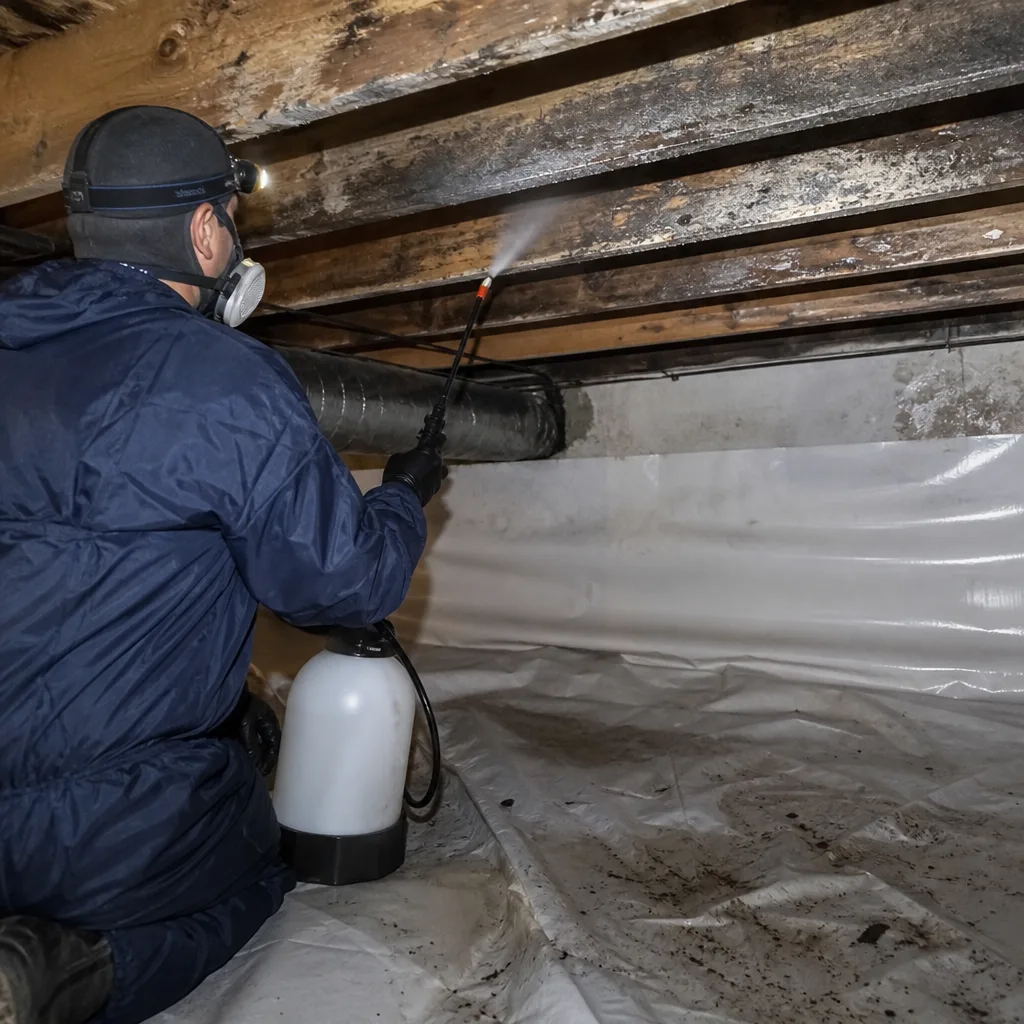
Firefighting water gets extracted, then we deploy Phoenix and XPOWER air movers with LGR dehumidifiers to hit target equilibrium moisture content. Moisture mapping tracks hidden water in crawl spaces and wall cavities - critical in Mill Creek’s clay-heavy soils where drainage is slow and vapor barriers trap water against subfloors.
4. Smoke & Soot Removal
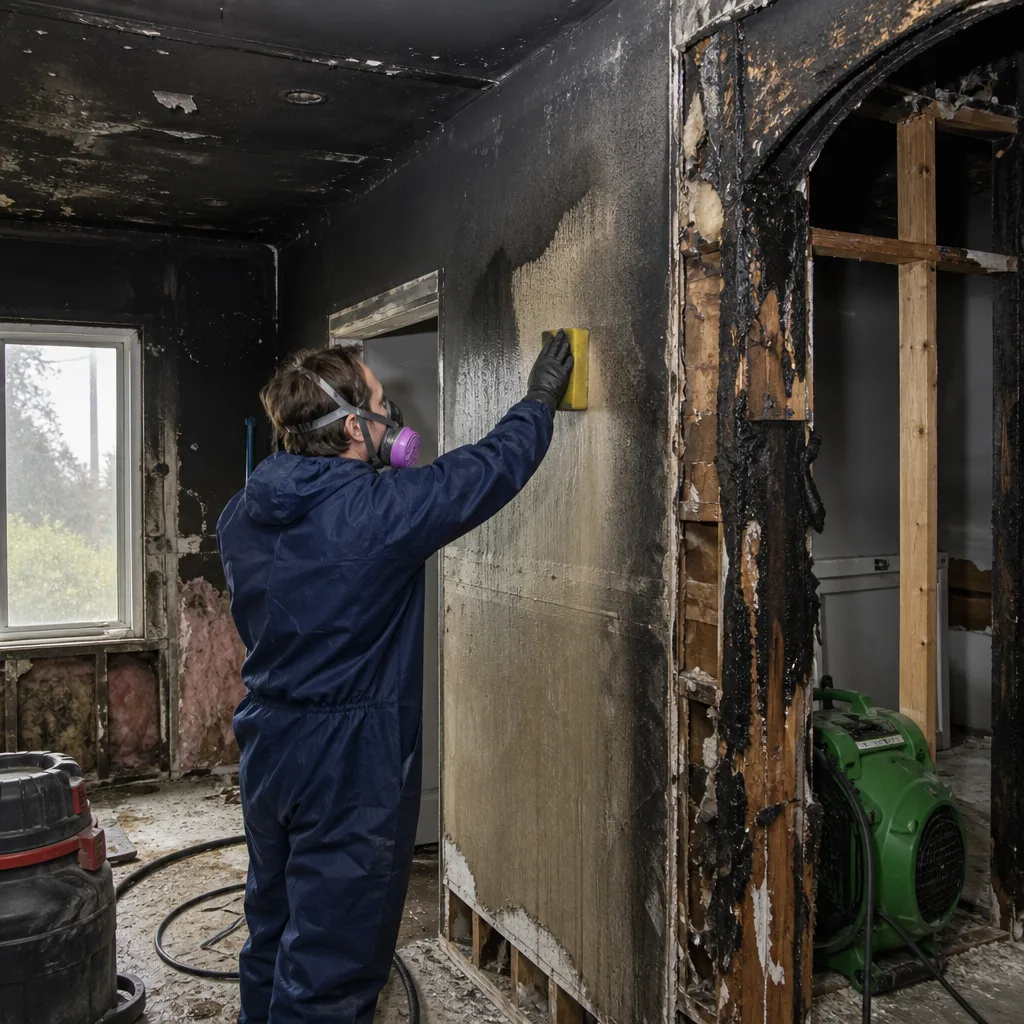
HEPA vacuums, dry sponges, and ultrasonic cleaning remove particulate residue from surfaces, contents, and HVAC components. We match cleaning chemistry to residue type - alkaline cleaners for wet smoke, solvent-based for protein fires - and document every treated surface with pre- and post-cleaning photos.
5. Odor Removal & Deodorization
Thermal fogging, ozone treatment, and hydroxyl generators neutralize odor at the molecular level. In Mill Creek’s attached townhomes, we run negative air machines with HEPA scrubbers during deodorization to prevent re-migration into adjacent units through shared construction voids.
6. Repairs & Restoration
Damaged drywall, insulation, flooring, and structural elements get replaced per a written scope with line-item pricing. Every repair gets photo-documented, and the final walkthrough produces a completion packet with drying logs, cleaning records, and our signed 365-Day Done Right Promise under The Haven Standard.
Need Emergency Fire & Smoke Damage Restoration in Mill Creek Now?
Crews minutes away, answering live 24 hours a day. The sooner we start, the less it costs.
Working With Your Insurance Company
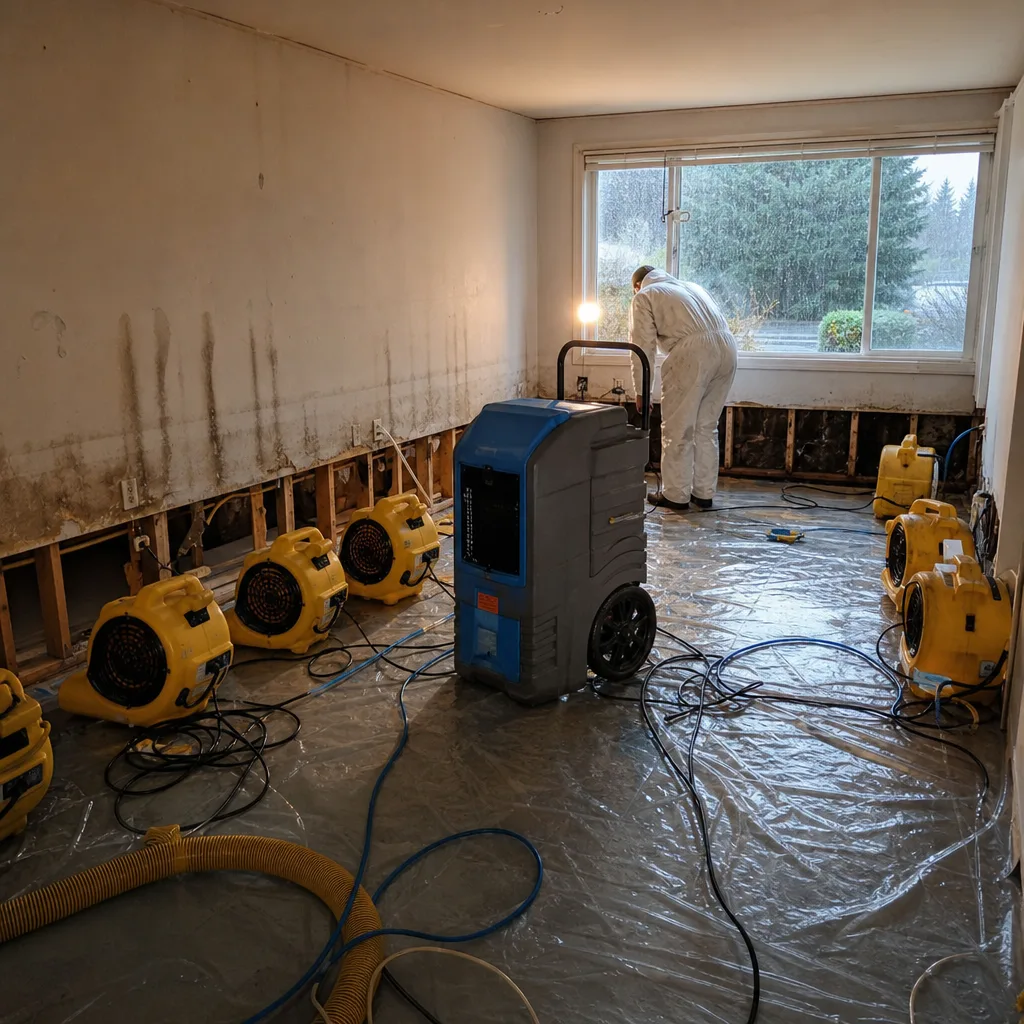
Insurance claims on fire losses fail for one reason more than any other: documentation gaps between what happened and what the adjuster can verify. We close that gap from the first hour. Our crew chief photographs every room on arrival, notes every material classification, and begins a moisture log that continues until drying targets are met. The estimate we submit uses industry-standard line-item pricing, and we communicate directly with your adjuster rather than routing everything through you.
The Haven Standard, Clause 1, requires a written price before any work starts. That written scope becomes the baseline for your claim. No scope-creep additions once the crew is inside. No surprise charges when the adjuster reviews the file. We’ve restored over 12,000 homes since 2011, every one with this documentation protocol, because Alicia Brennan founded Back to Dry Restoration after seeing how sloppy documentation cost homeowners their claims.
What We Provide Your Insurer
- Thorough documentation of the loss
- Photos of all damage, room by room
- Moisture readings and drying logs
- A detailed, line-item scope of work
- Direct coordination with your carrier
Built for Mill Creek’s Loss Calendar
Mill Creek’s fire and smoke damage profile doesn’t follow a simple seasonal curve. Winter heating-system fires spike from November through February, when original furnaces in 1975-1995 builds run continuously and aging heat exchangers crack. Kitchen grease fires peak during holiday cooking periods. But the dominant pattern here is the attached-townhome cluster fire: one unit’s cooking fire, one unit’s space heater malfunction, and smoke travels through construction voids before the fire department clears the scene.
Spring and fall bring their own complications. March through May, the wet season overlaps with warming temperatures, so firefighting water in crawl spaces meets rising ambient humidity - the perfect conditions for microbial growth on smoke-damaged organic materials. October’s first cold snap drives homeowners to restart heating systems that haven’t run since April, and the dust accumulation on heat exchangers ignites in pilot-light assemblies. We keep full FSRT and WRT crews on rotation through these transition months because the calls don’t stop; they just change shape.
Fire & Smoke Damage Restoration Across Mill Creek’s Neighborhoods
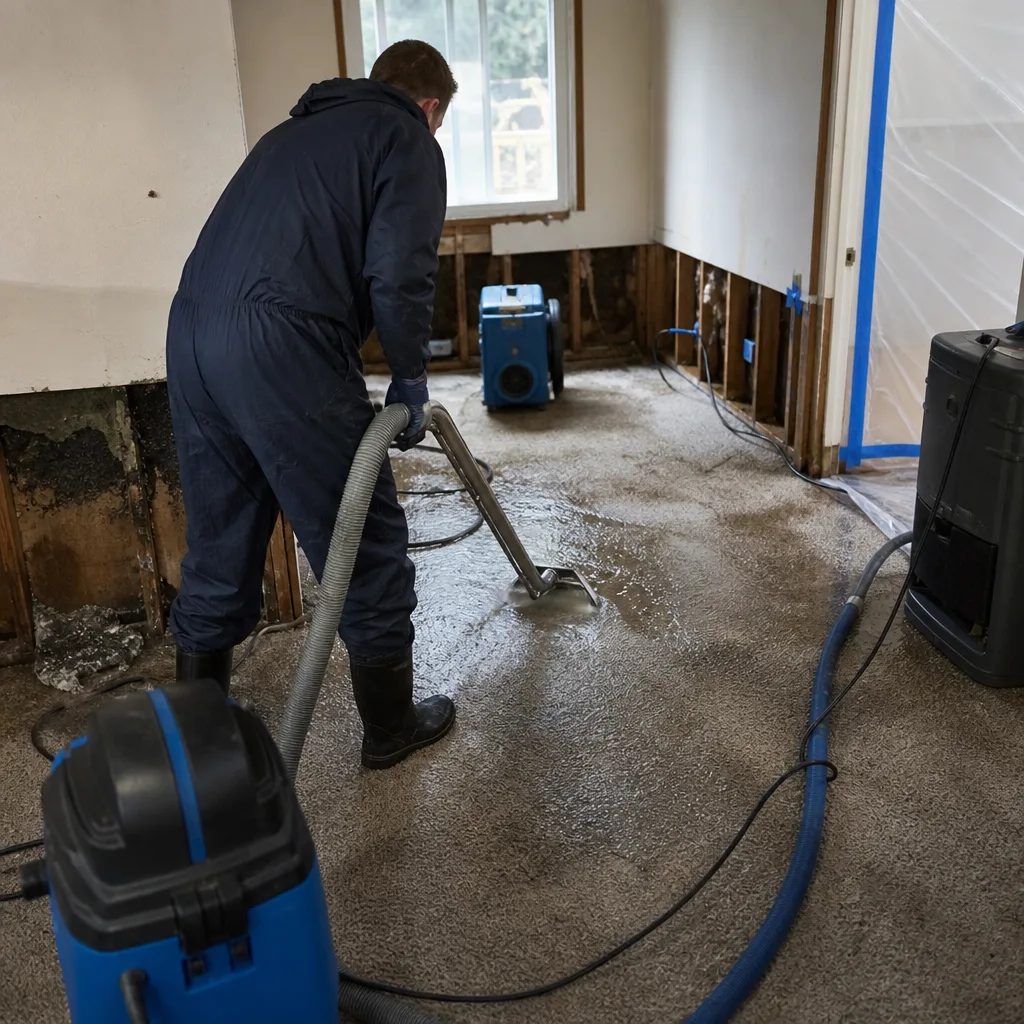
Mill Creek’s master-planned development created distinct response environments, and our crews know each one.
Mill Creek Country Club area: Larger detached homes on the 1980s-1990s lots north of 153rd Street SE. These have wider setbacks and attached garages with direct street access, so equipment staging is straightforward. The risk here is roof-age fires - original cedar shake and early composite roofing at end of service life - and the golf course adjacency means ember exposure during dry summer periods.
Town Center and transit-oriented clusters: Dense townhome development along the Bothell-Everett Highway corridor, built 1985-1995. Rear-alley loading is universal. We’ve learned which HOAs require advance notice for truck access, which alleys fit our van but not our box truck, and where to stage B-Air and XPOWER equipment on driveways while keeping HOA access routes clear. The shared-wall smoke migration risk is highest here.
Mill Creek East / 35th Avenue SE corridor: Later 1990s builds with slightly improved fire separations but the same crawl-space foundation type. Firefighting water in these crawl spaces takes longer to discover because the access hatches are often in closets or behind stored items - we pull thermal imaging on every call to this area.
Greenway and wetland-buffer neighborhoods: Homes backing the Mill Creek corridor itself. These properties see the combined risk: fire damage plus chronic groundwater intrusion that keeps crawl-space humidity elevated year-round. Smoke odor remediation here requires longer drying cycles because the ambient moisture load is already high.
Specialized Fire & Smoke Damage Restoration Services We Offer in Mill Creek
Fire Damage Cleanup
We remove debris, classify contents, and establish salvage zones on every Mill Creek property. In attached townhomes, this includes coordinating with neighboring units for safe access to shared construction areas. Our crew was called to a three-unit townhome row off Bothell-Everett Highway after a kitchen fire in the middle unit sent smoke through the shared attic chase and into both neighbors, leaving protein soot on every cool surface. We set containment at each door before opening any windows, ran moisture mapping and air movers with HEPA scrubbers to stop cross-contamination, and did antimicrobial treatment through all three units. Because the rear alley only fit one truck and a van, we staged equipment on the driveway and worked the pack-out in shifts to keep the HOA’s access route clear.
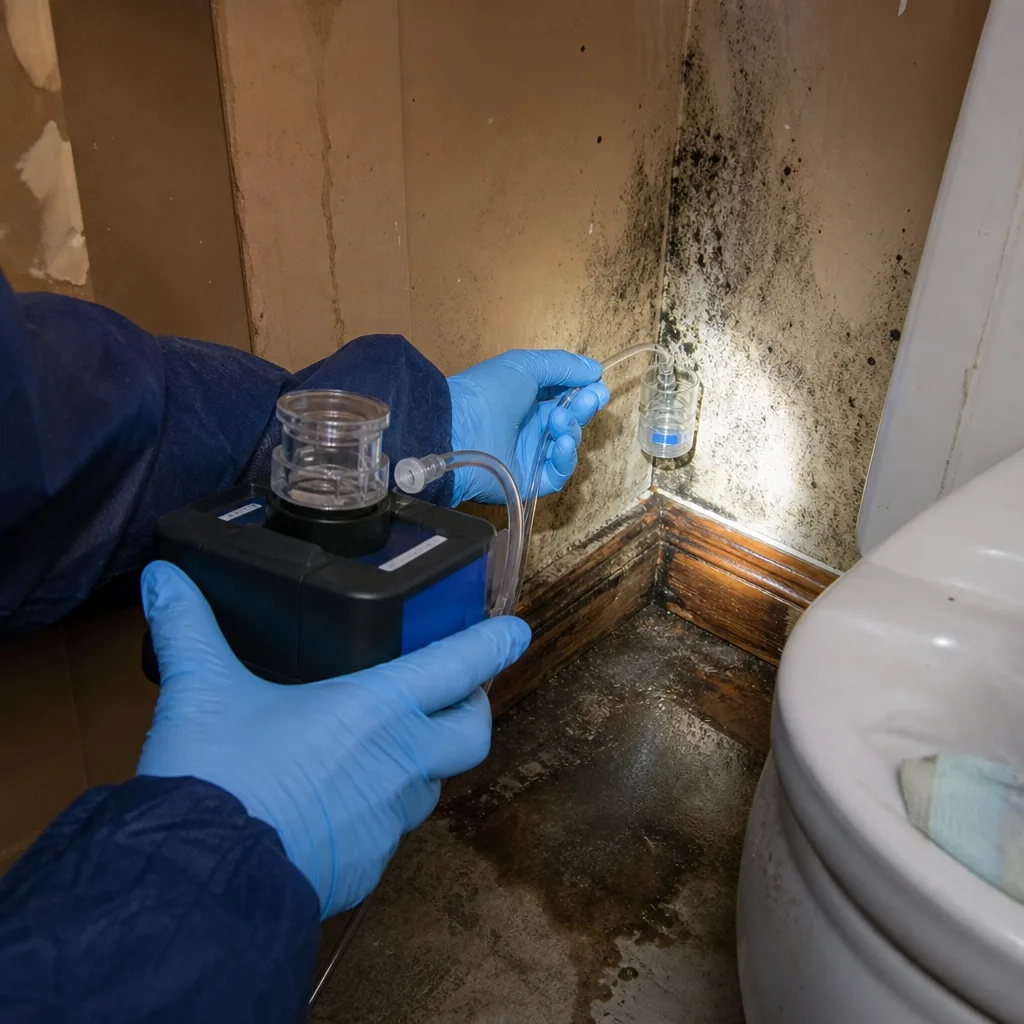
Smoke & Soot Removal
Different residues demand different chemistry. We test on site, then deploy HEPA vacuuming, dry-sponge cleaning, ultrasonic immersion for contents, and soda blasting for heavy char on structural members. Mill Creek’s 1975-1995 townhomes with textured “popcorn” ceilings present a particular challenge: the texture traps soot, and improper cleaning releases asbestos in pre-1990 applications. We test before we touch.
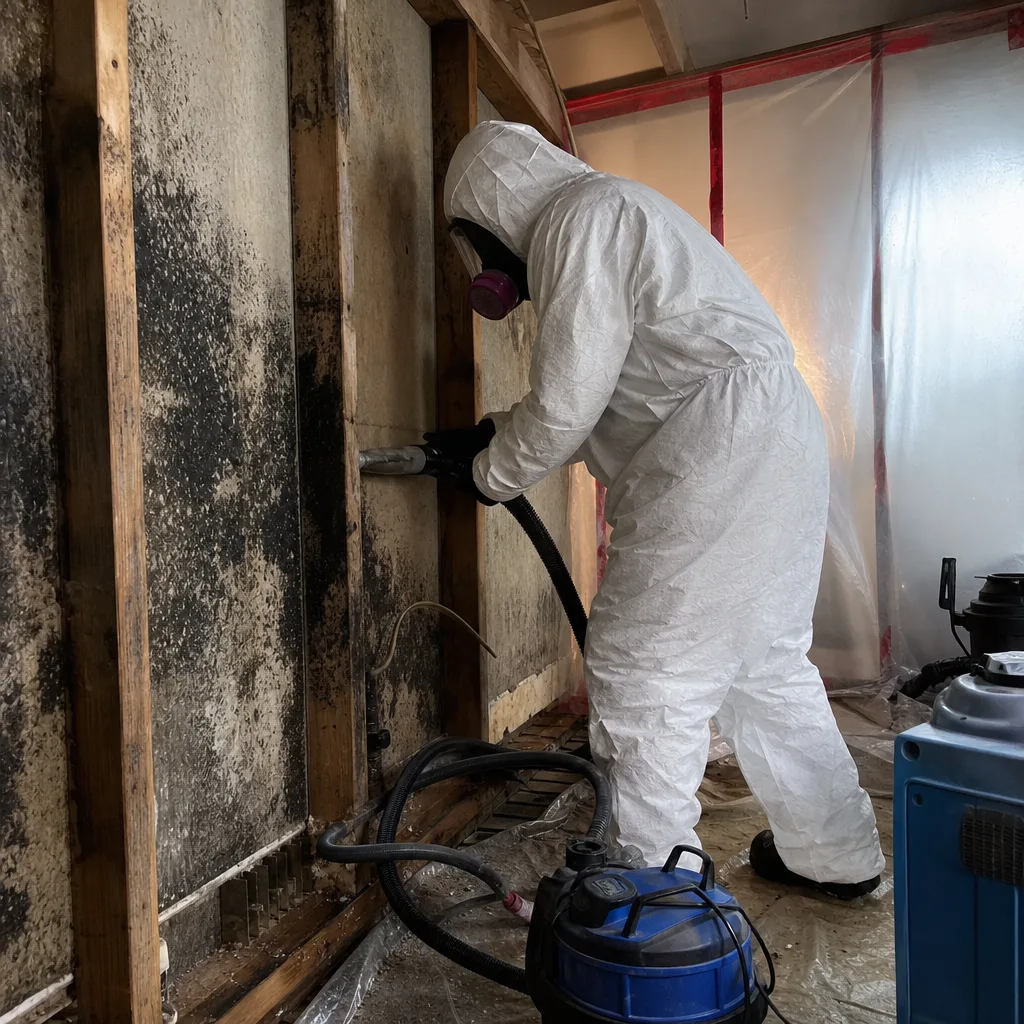
Odor Removal & Deodorization
Smoke odor that returns after cleanup usually means the source wasn’t found. We trace odor to its origin - HVAC ductwork, insulation voids, crawl-space framing - rather than masking with topical treatments. In Mill Creek’s attached housing, we seal party-wall penetrations and run negative air during deodorization to prevent re-migration into adjacent units that triggers repeat calls.
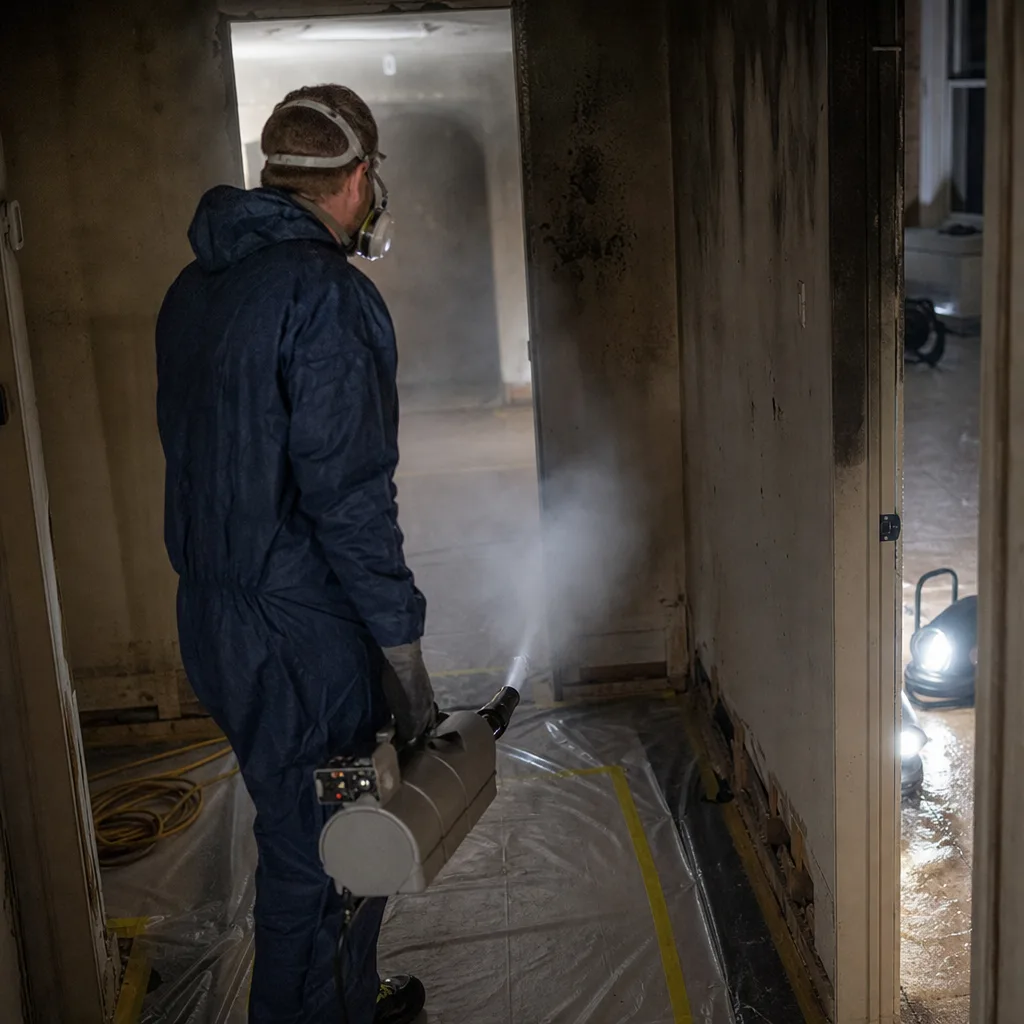
Contents Cleaning & Pack-Out
Salvageable contents get inventoried, photographed, and transported to our cleaning facility. Non-salvageable items get documented for insurance replacement value. For Mill Creek’s alley-loaded units with limited staging, we pack out in shifts to maintain access and security.
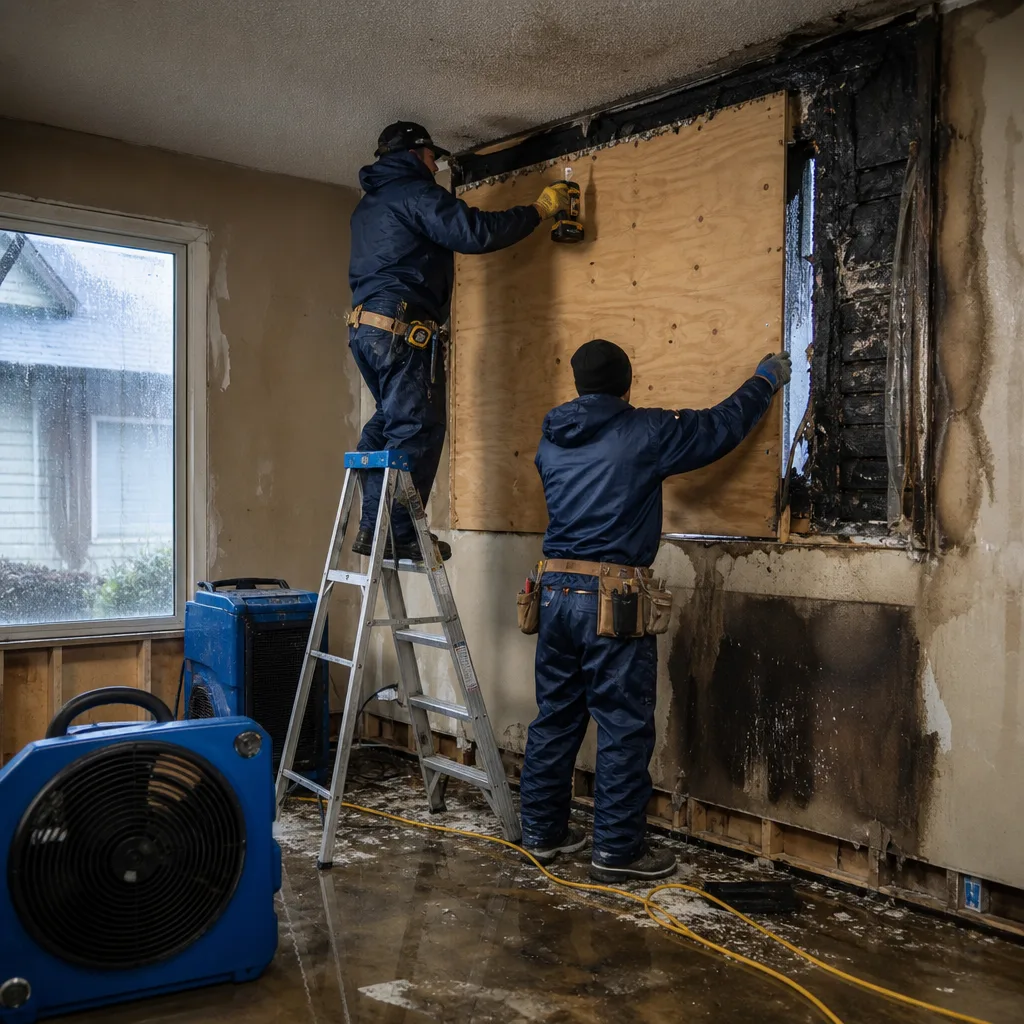
Emergency Board-Up & Tarping
Broken windows, compromised garage doors, and roof damage get secured same-day. We work with rolling-code opener systems rather than bypassing them, coordinate temporary access with Mill Creek HOAs, and install security-compatible boarding that preserves your home’s alarm and access control functions.
What happens when you call
- 1
A real person answersNo phone trees - you reach a local pro.
- 2
You get an upfront price rangeHonest numbers before anyone is dispatched.
- 3
A background-checked tech heads outLicensed & insured, dispatched right away.
- 4
You approve before work beginsNothing starts until you say go.
Fire & Smoke Damage Restoration Costs in Mill Creek, WA
| Service | Typical Range in Mill Creek |
|---|---|
| Emergency board-up & tarping | $350 - $950 |
| Light smoke cleanup (single room, surface residue only) | $1,800 - $3,200 |
| Moderate smoke & soot remediation (multiple rooms, HVAC involvement) | $3,500 - $7,500 |
| Major fire restoration with structural repair | $8,000 - $25,000+ |
| Townhome shared-wall smoke migration (multiple units) | $4,200 - $12,000 per affected unit |
| Crawl-space drying & antimicrobial after fire suppression | $1,200 - $3,800 |
| Contents pack-out, cleaning & storage | $800 - $2,500 |
What moves the price: square footage affected, residue type (protein fires cost more to deodorize than dry smoke), whether HVAC ducts require cleaning, and whether crawl-space water from suppression adds a drying phase. Insurance typically covers direct fire and smoke damage plus necessary water damage from suppression; our documentation package supports that coverage determination. Haven Standard, Clause 1: your written price arrives before any work starts. Call (360) 502-8815 for your free inspection and firm scope.
We Also Serve Cities Near Mill Creek
Our Fire & Smoke Damage Restoration in Mill Creek crews dispatch throughout the Snohomish County corridor, including Lynnwood to the southwest, Mukilteo to the west along the Puget Sound shoreline, Snohomish to the northeast along the river valley, and Bothell to the south. Each city has distinct building stock and access patterns, and our response protocols adapt to each - but Mill Creek’s attached-townhome density and alley-load constraints remain the most technically demanding fire-restoration environment in our service area.
Serving Mill Creek, WA - Our Local Coverage Area
We’re based in the Mill Creek area and know this community well. Use the map below to see our service coverage - if you’re nearby, we can almost certainly help.
Mill Creek Fire & Smoke Damage Restoration Questions, Answered
Smoke from my Mill Creek townhome fire got into the neighboring unit - whose insurance covers that?
The originating unit’s liability coverage typically extends to smoke damage in adjacent units, but the neighbor’s insurer may pay first and subrogate later. We document smoke migration paths through shared construction - attic chases, soffit assemblies, party-wall penetrations - so both adjusters have evidence of causation. Our photo record and moisture mapping support whichever carrier ends up handling the claim. Call (360) 502-8815 and we’ll assess both units with documentation that works for either insurance path.
Our Mill Creek HOA restricts where trucks can park - how do you handle the alley-loaded units?
We coordinate staging before arrival, using van-based equipment for alleys that won’t fit box trucks and scheduling pack-outs in shifts to preserve HOA access routes. We’ve worked with Mill Creek townhome associations long enough to know which properties require advance notice, which have designated contractor parking, and where driveway staging is the only viable option. Your written scope includes our access plan so there are no surprises on day one.
Can firefighting water under my crawl space cause mold on top of the smoke damage?
Yes, and it happens faster than most owners expect. Firefighting water pools under vapor barriers in Mill Creek’s 1975-2000 crawl-space stock, where clay-heavy glacial till drains poorly and the water table stays elevated October through April. We run moisture mapping and thermal imaging on every fire call to detect hidden water, then deploy dehumidification and air movement to dry subfloors and framing before the 24-to-48-hour microbial growth window closes. The drying log becomes part of your documentation package.
Do you board up and tarp Mill Creek townhomes with rolling-code openers and tight clearances?
We do, and we preserve your security systems rather than bypassing them. For rolling-code garage door openers, we coordinate temporary access codes with your HOA or property management. For tight clearances, we use compact staging and modular boarding materials that secure the opening without blocking alley access. Your written scope details our access and security protocol before any work begins.
How fast can you get to a fire loss in Mill Creek, and what do you do in the first hours?
Our 45-minute response commitment applies to Mill Creek properties dispatched from our Seattle office. In the first hours, we board up and tarp to secure the structure, run thermal imaging and moisture mapping to find hidden water and smoke migration, establish containment to protect unaffected areas, and begin photo documentation that continues through every visit. The first hours are when secondary damage - smoke etching, water wicking, odor setting - gets prevented or allowed. Call (360) 502-8815 for immediate dispatch.
Will my insurance cover the full restoration, or will I pay out of pocket?
Most homeowner policies cover direct fire and smoke damage plus necessary water damage from suppression, with deductibles typically $1,000-$2,500. Coverage disputes usually arise over scope, not cause: whether a surface can be cleaned or must be replaced, whether odor remediation was necessary, whether crawl-space drying was related to the fire loss. Our line-item documentation, photo record, and direct adjuster coordination exist to prevent those disputes. We offer a Free Second Opinion on any competitor’s written estimate if your adjuster questions scope.
How long does smoke and odor remediation take in a typical Mill Creek home?
Light smoke cleanup: 2-4 days. Moderate smoke with HVAC involvement: 5-10 days. Major fire with structural repair: 3-8 weeks, depending on permit and material lead times. Mill Creek’s attached townhomes add complexity: shared-wall units require coordinated access, and alley staging can extend pack-out timelines. Your written scope includes a day-by-day timeline before work starts, not after.
Can we stay in the home during fire damage restoration?
Usually not during active remediation. Smoke residue is respiratory irritant, ozone and thermal fogging require evacuation, and structural drying raises ambient particulate levels. For Mill Creek townhomes with shared-wall construction, adjacent units may also need temporary relocation during deodorization. We coordinate with your insurer on additional living expense documentation, and our photo record supports that claim line item. Call (360) 502-8815 to discuss temporary housing coordination with your adjuster.
Written by Alicia Brennan, Owner at Back to Dry Restoration, serving Mill Creek since 2011.
Fire & Smoke Damage Restoration in Nearby Areas