
Free visual inspection and a written scope of work before any mitigation begins - photos, moisture readings, and drying logs go in your claim file
The scope we write is the scope we bill. Anything new gets shown to you, in writing, before we touch it.
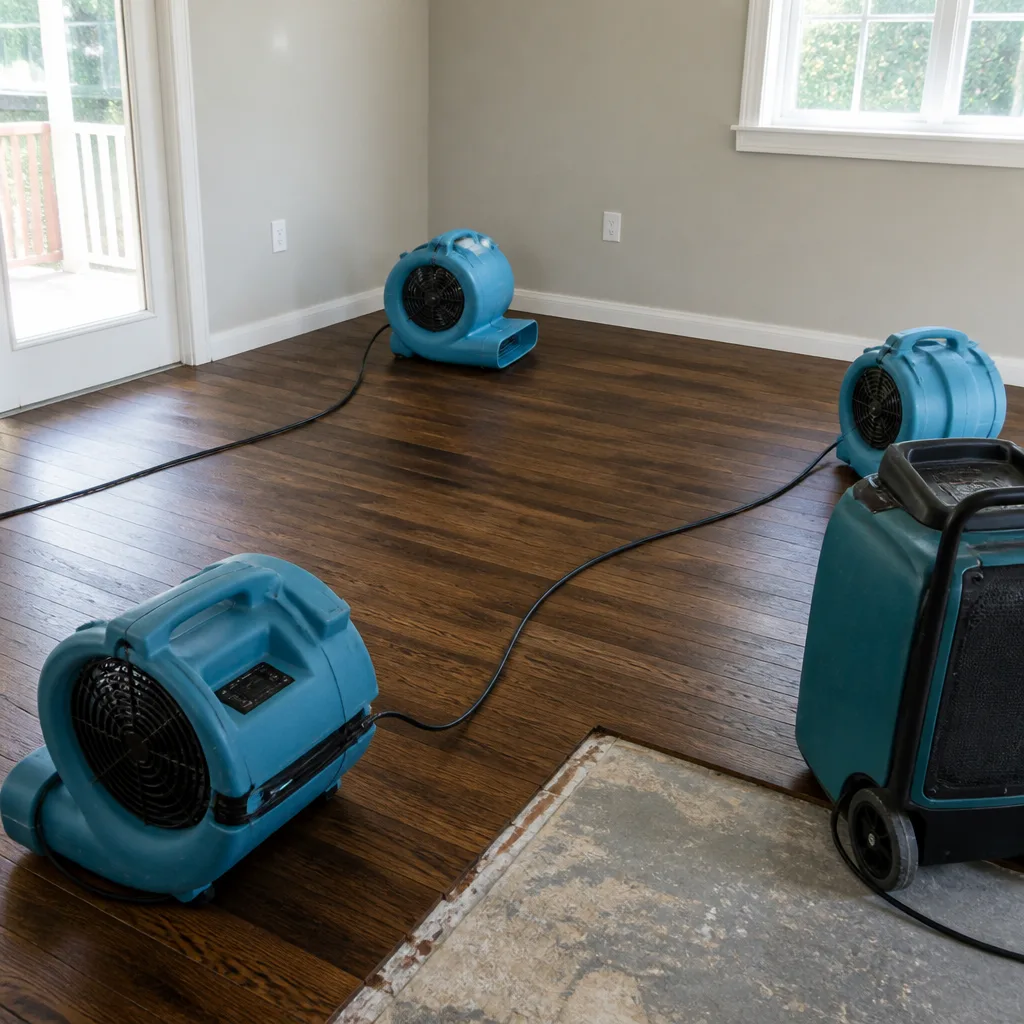
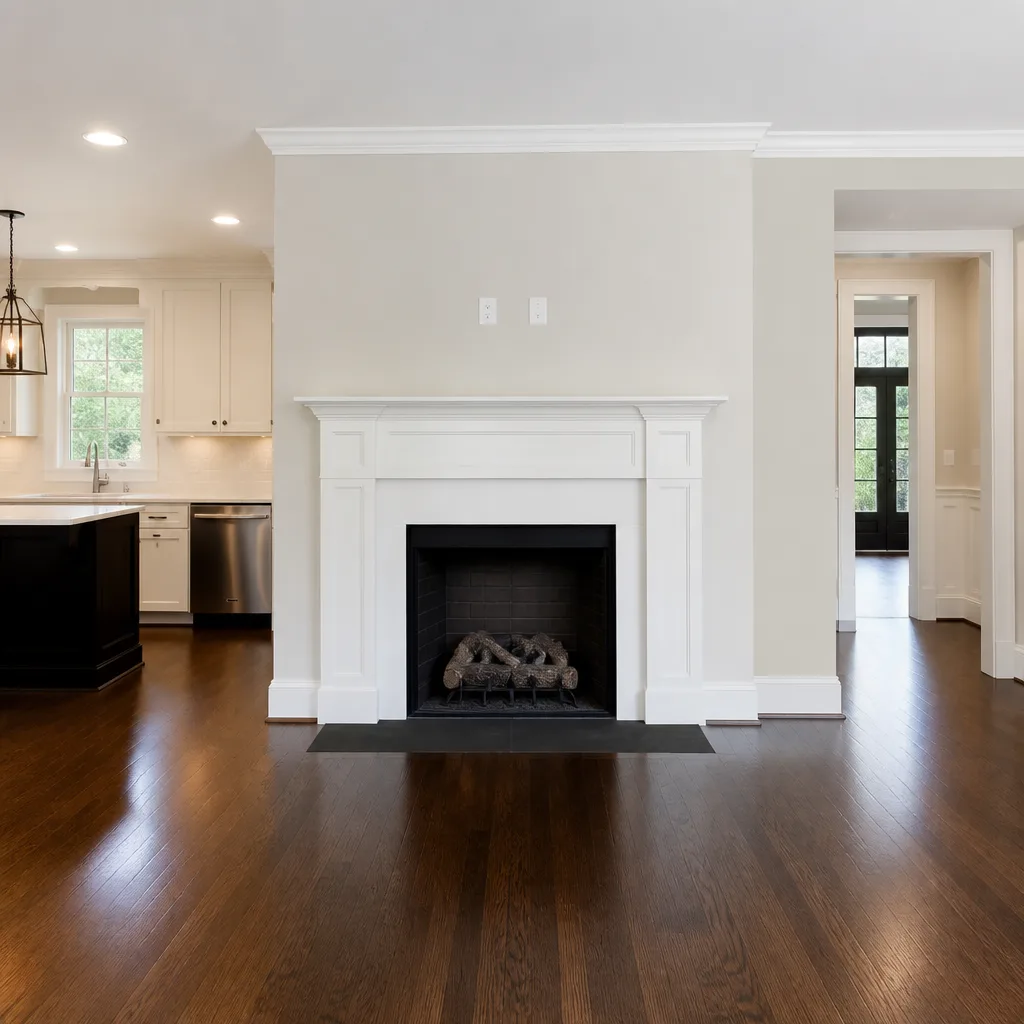
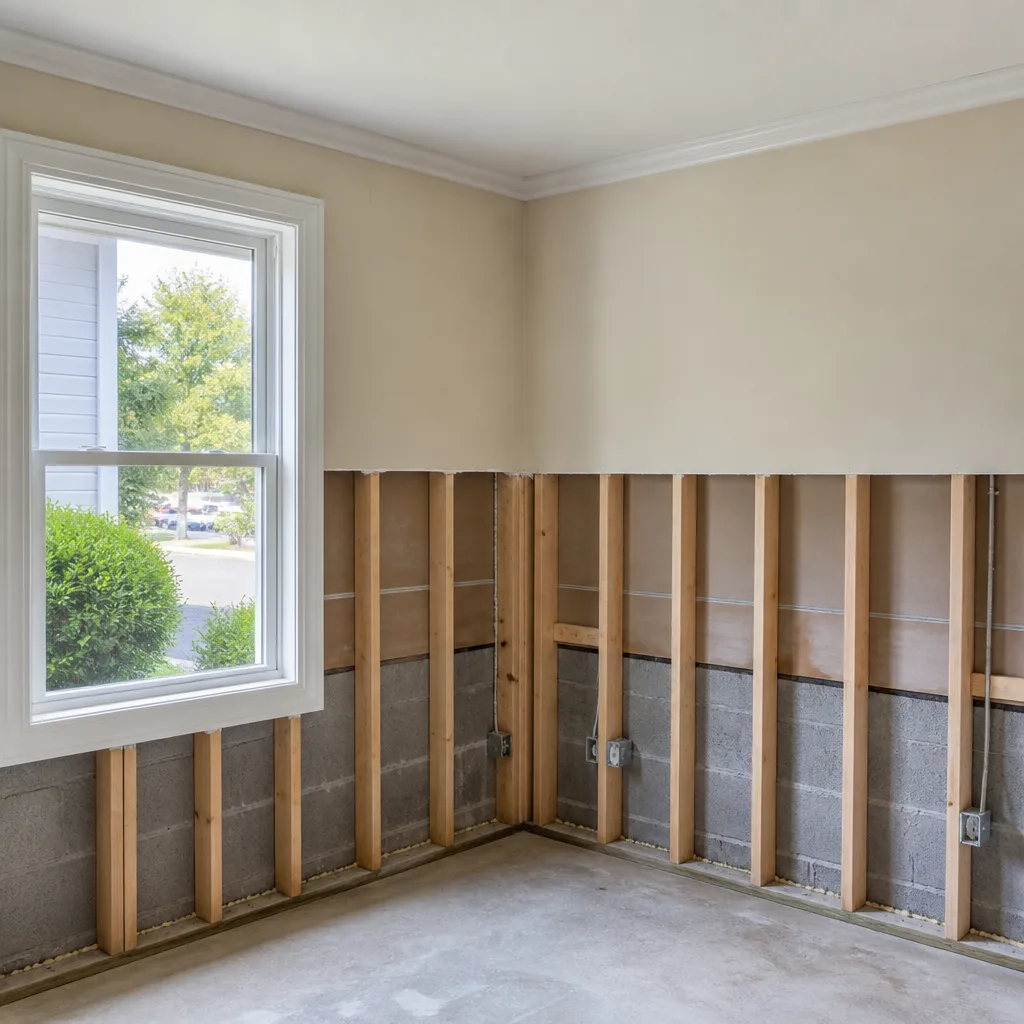
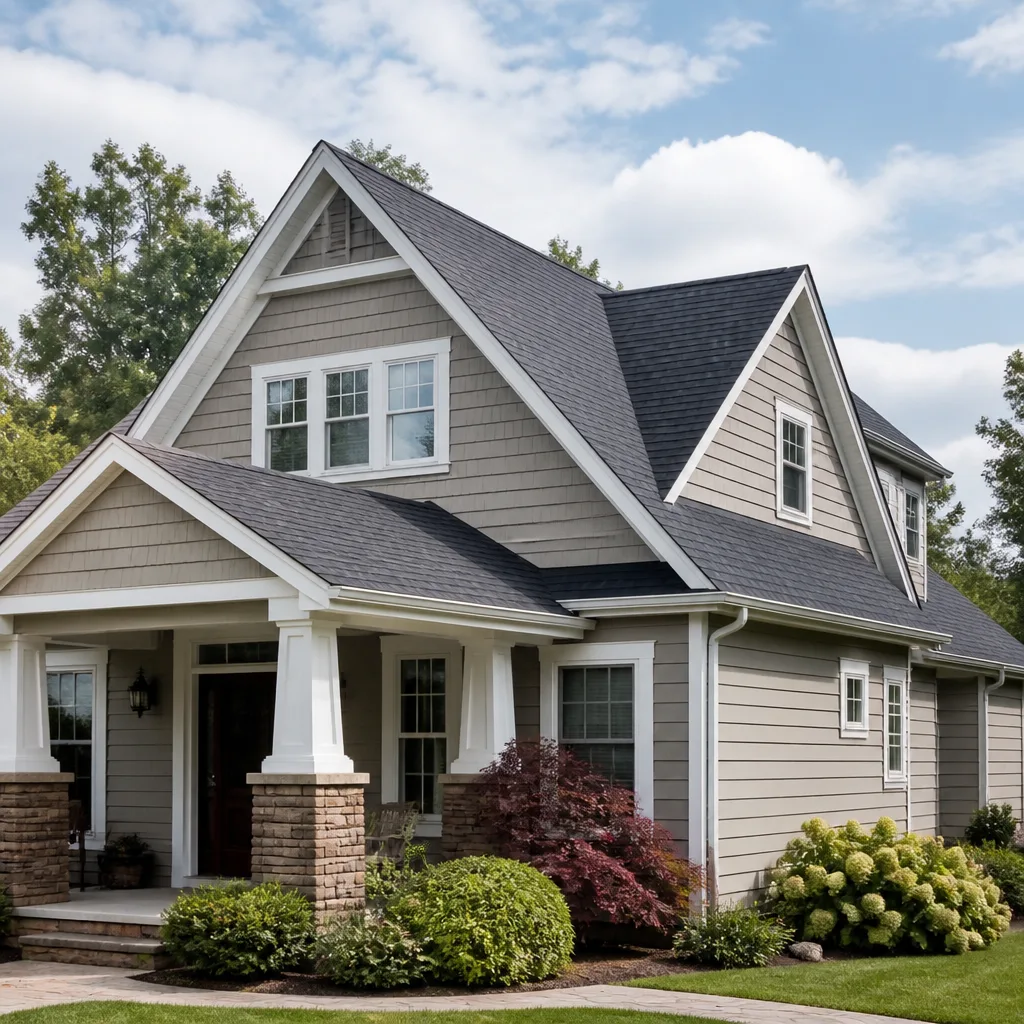
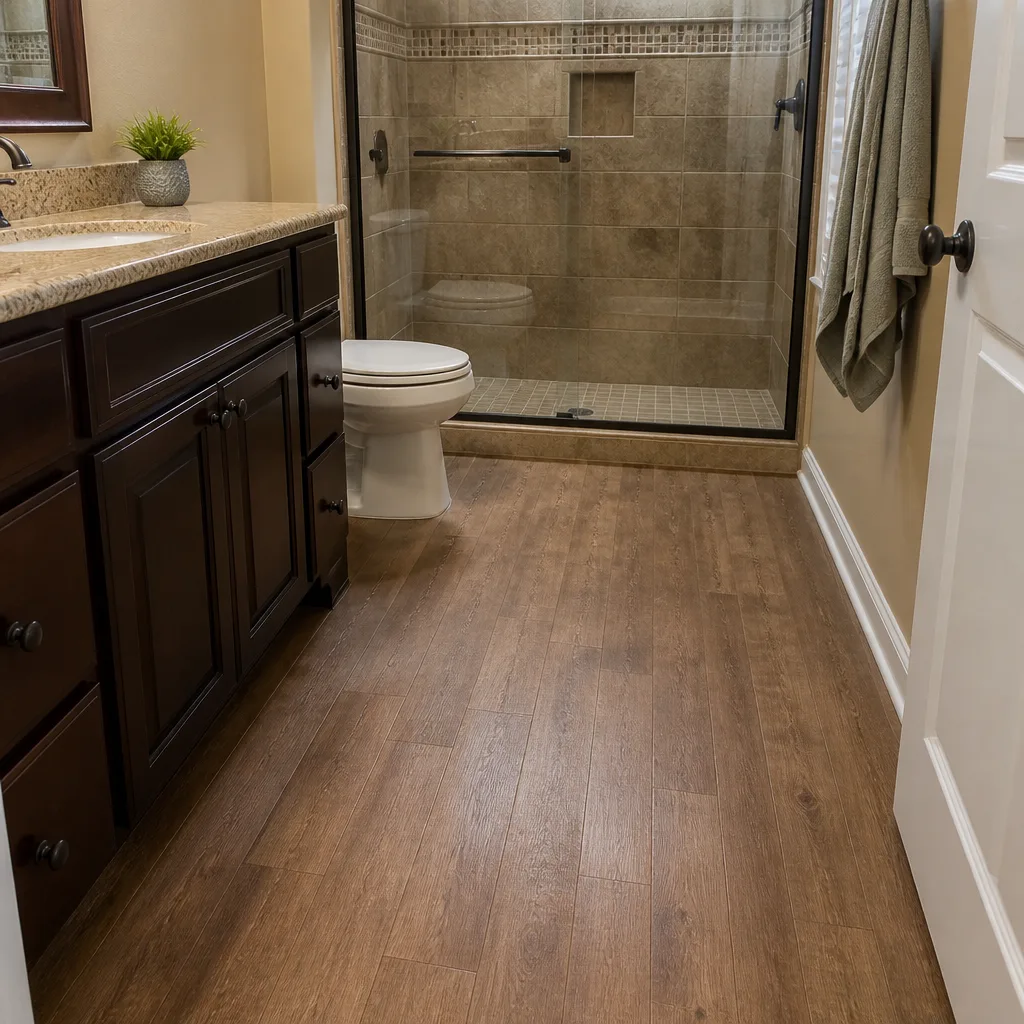
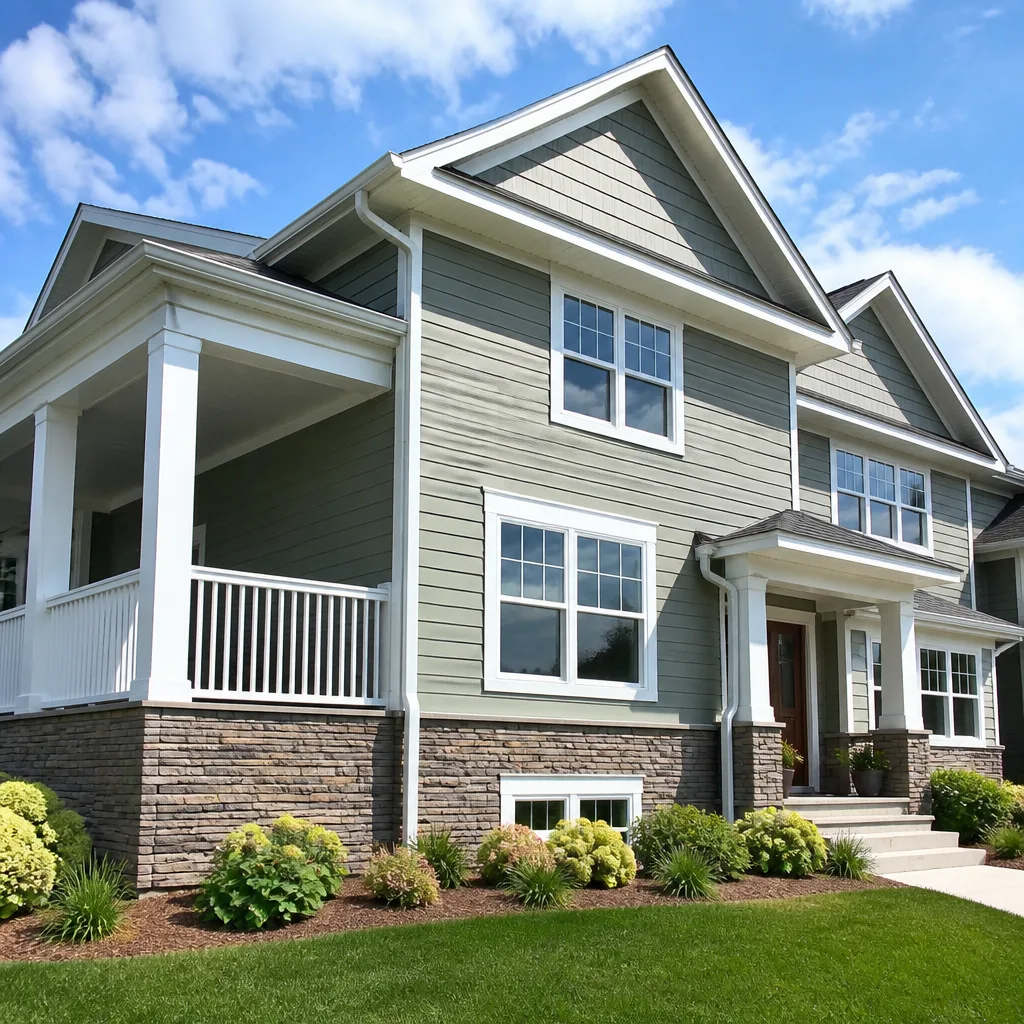
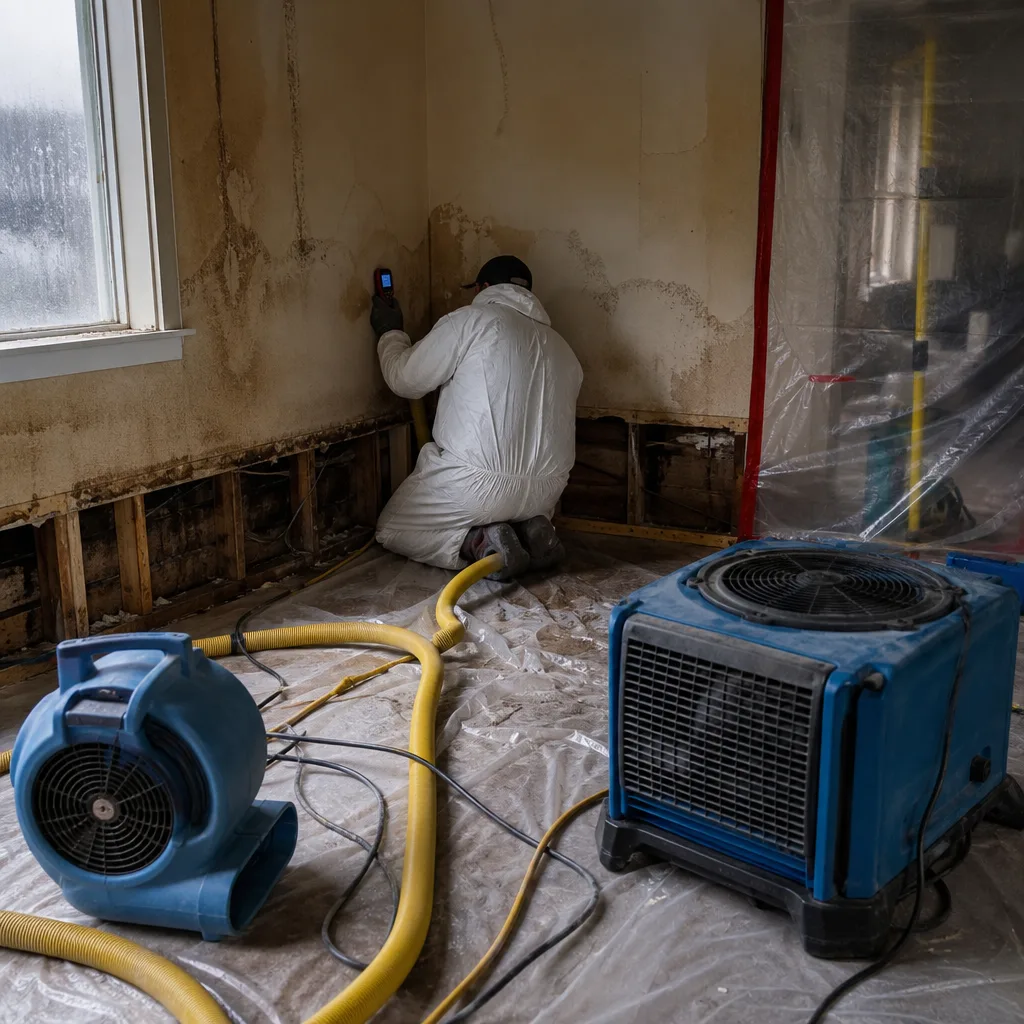 Before
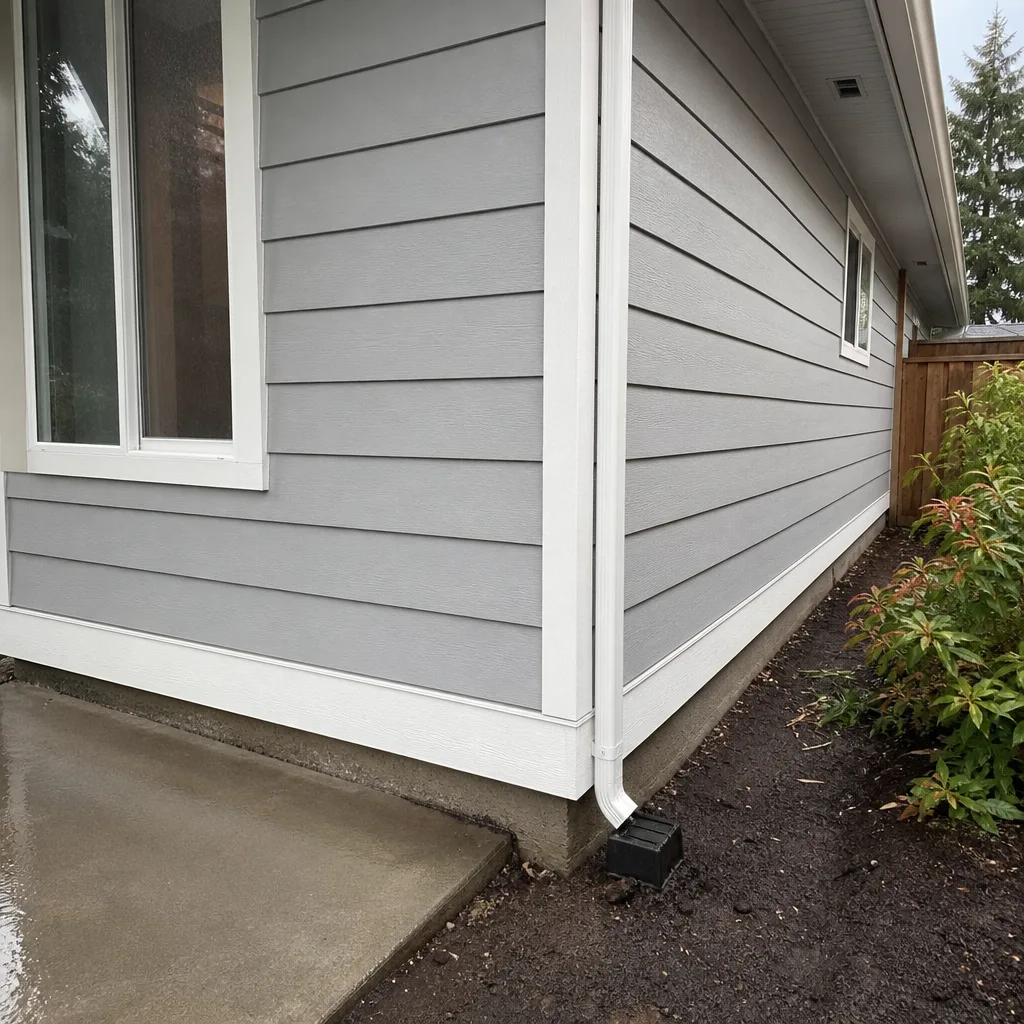 After
After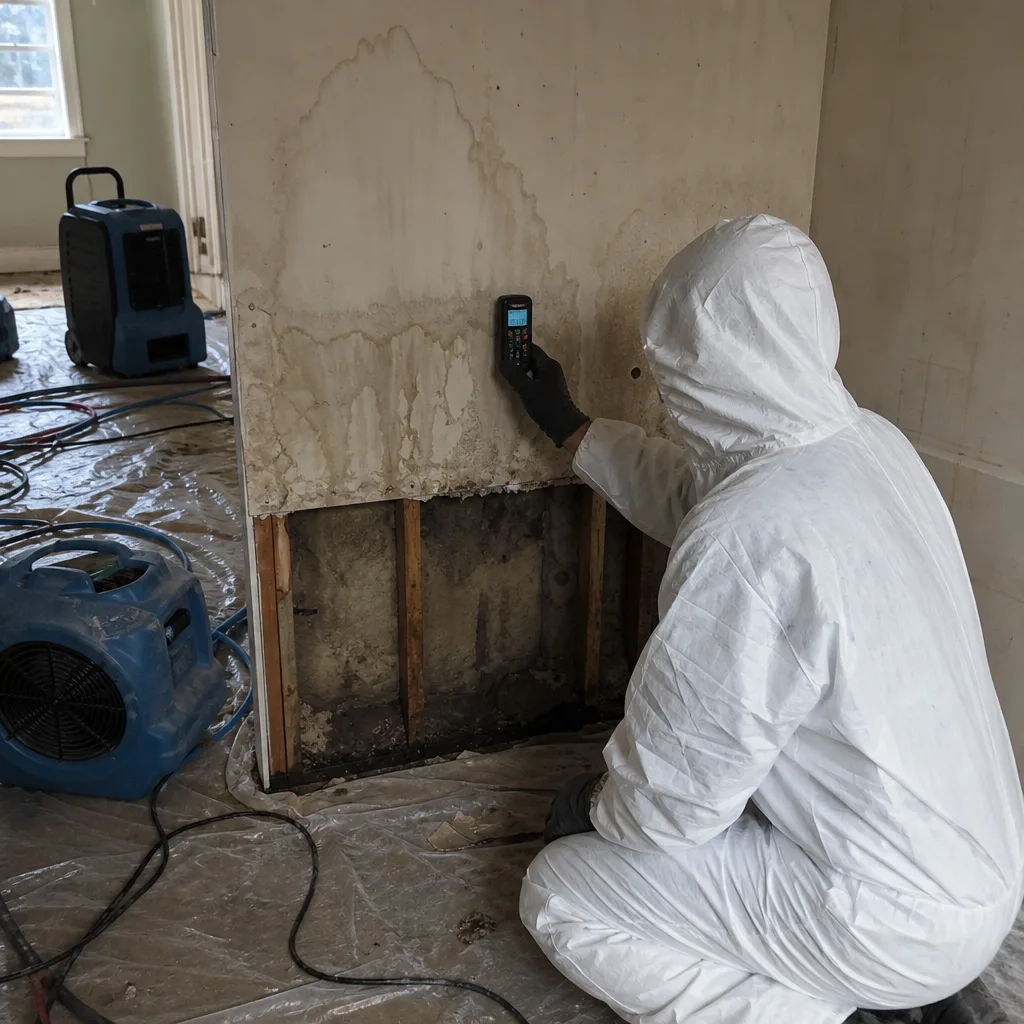 Before
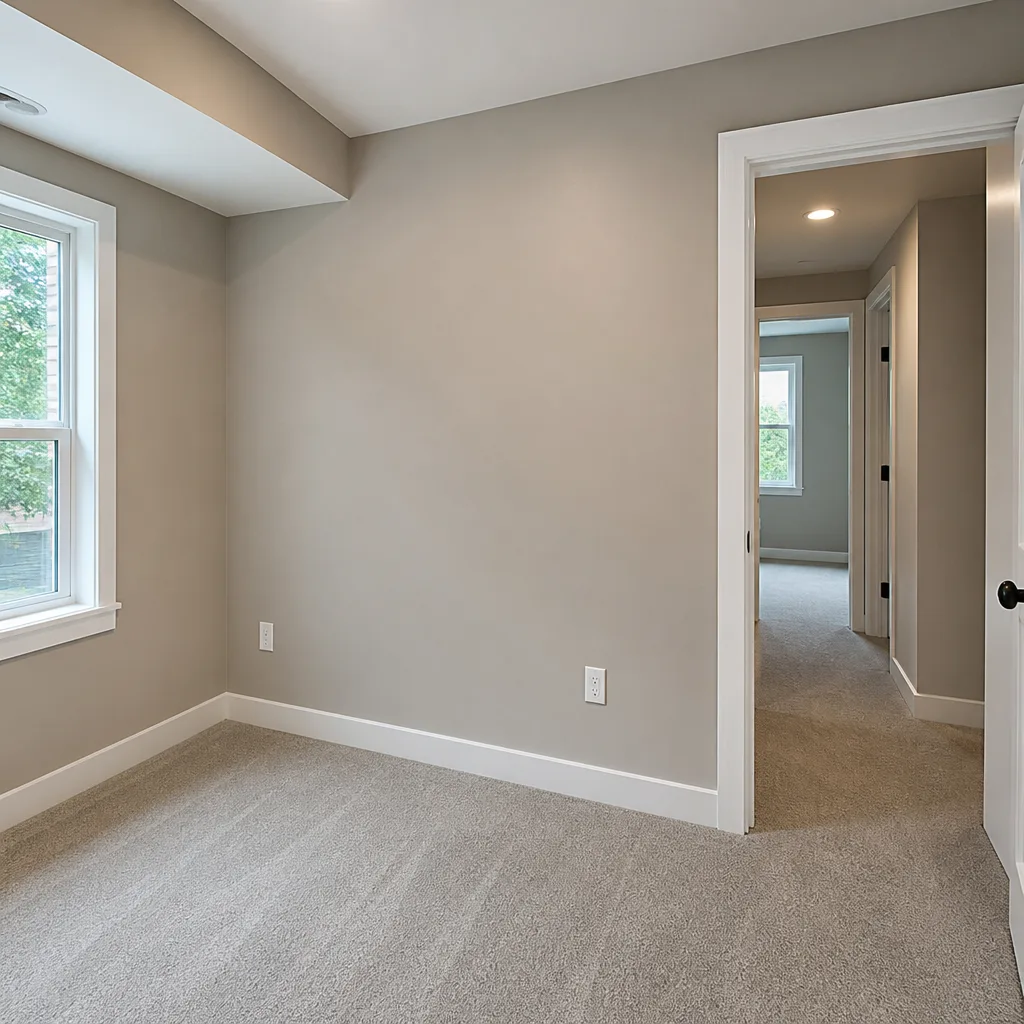 After
After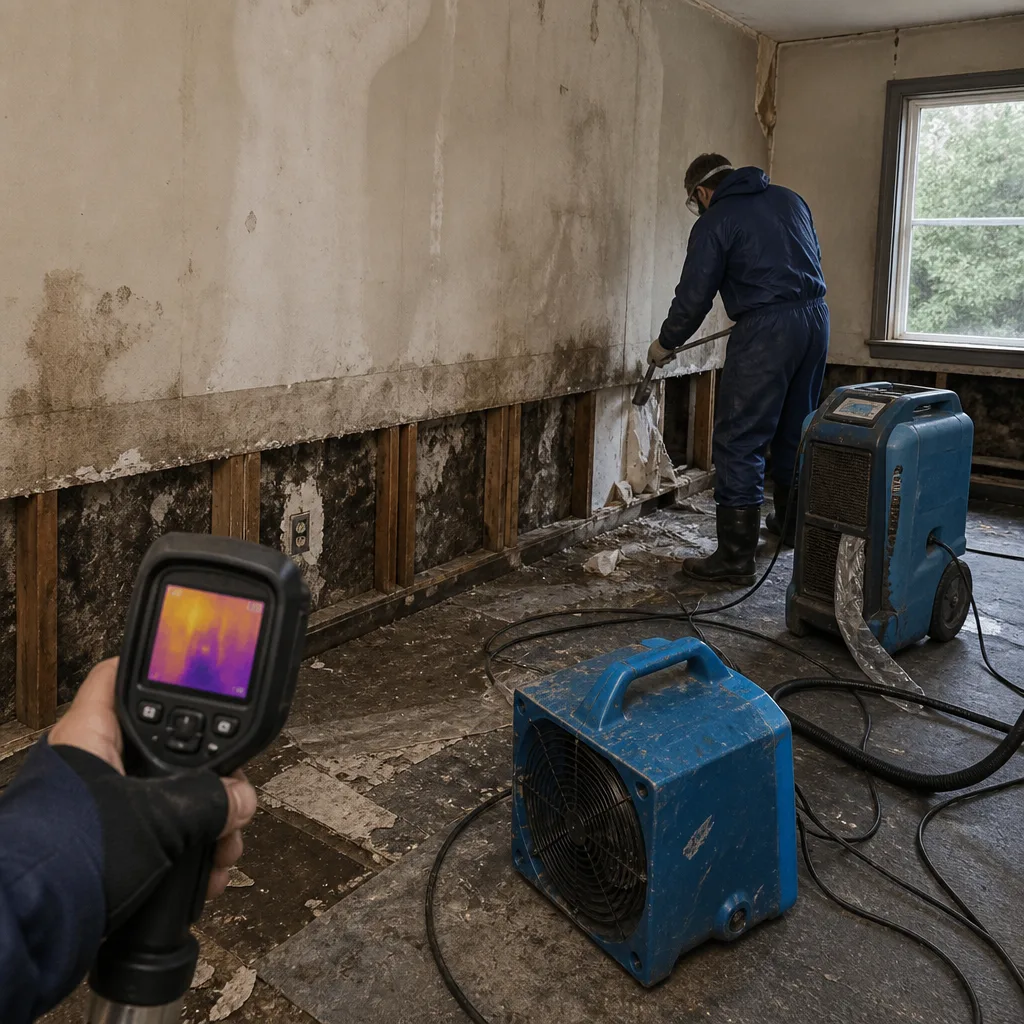 Before
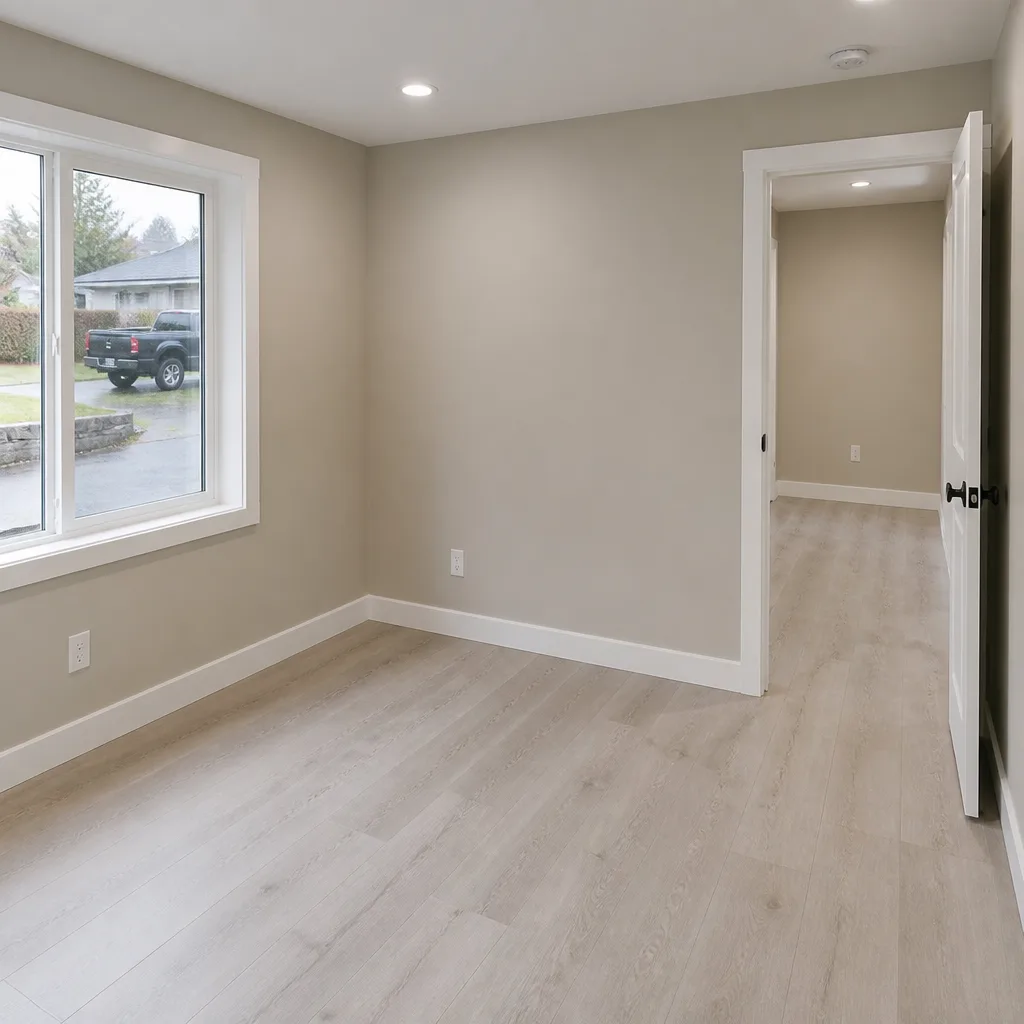 After
After24/7 Emergency Fire & Smoke Damage Restoration in Mukilteo
Fire and smoke damage restoration in Mukilteo typically runs $4,200-$18,500 depending on the extent of char, soot migration, and water used for suppression, with emergency board-up and tarping usually completed within 45 minutes of dispatch. Our crews answer live at (360) 502-8815 around the clock, every day of the year. The first hour after a fire determines whether smoke residues set permanently into Harbor Pointe’s pre-2005 wood-frame assemblies and whether the water left by suppression triggers secondary mold colonization in Mukilteo’s chronically humid crawl spaces.
We dispatch from our Seattle office with crews already staged for Mukilteo’s bluff-edge terrain and the access constraints of its hillside neighborhoods. A free visual inspection begins the moment we arrive, and we deliver a written scope and price before any work starts, per Haven Standard, Clause 1.
Understanding Fire & Smoke Damage Restoration Severity in Mukilteo Properties
Fire damage in Mukilteo breaks into three severity bands that shape the scope, timeline, and cost of restoration. Light smoke intrusion, typically from a contained kitchen or electrical fire, leaves dry soot on surfaces with minimal char penetration. Moderate damage involves active char on structural members, smoke migration through HVAC runs, and suppression water saturating wall cavities. Heavy damage means compromised framing, roof or exterior envelope failure, and the complex interplay of fire, water, and in Mukilteo’s case, ground-sourced moisture from slope hydrology.
Soot residue types matter here. Dry soot, from fast-burning synthetic materials, powders off with careful HEPA vacuuming. Wet soot, from slow-burning plastics and rubber, smears and requires solvent-based cleaning. Protein residue, nearly invisible but pungent, comes from kitchen fires and needs enzymatic treatment. Mukilteo’s older bluff-adjacent homes with original wood siding and minimal moisture management often show all three residue types layered with water staining from suppression, complicating the cleaning protocol.
Smoke migration follows pressure differentials and temperature gradients, pushing into wall cavities, up through Harbour Pointe’s pre-2005 vapor-barrier assemblies, and down into crawl spaces where Mukilteo’s marine humidity keeps ambient moisture levels elevated year-round. Tertiary smoke damage, the odor that reactivates months later when humidity rises, is a particular risk in these coastal wood-frame homes.
Why Mukilteo Property Owners Choose DryMark Restoration Everett
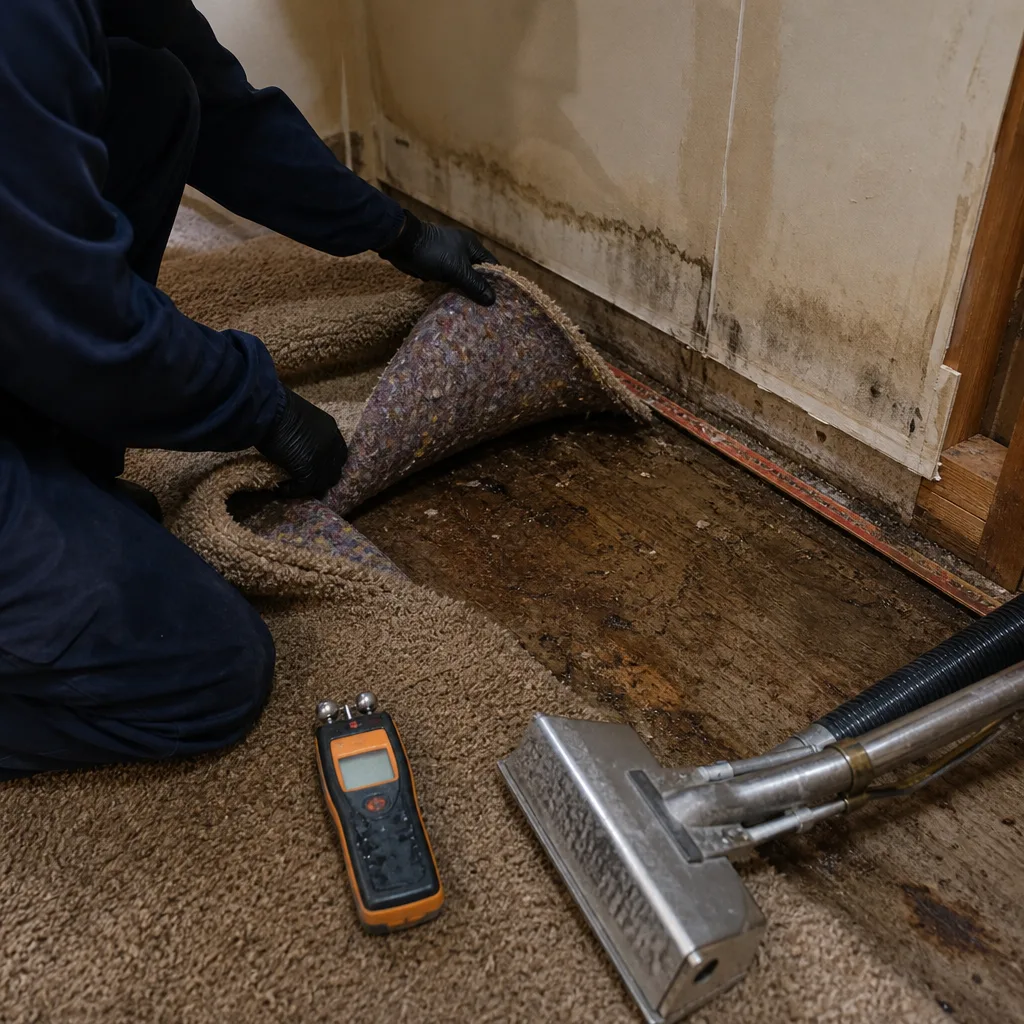
- 45-minute response commitment to Mukilteo’s Harbour Pointe, Old Town, and bluff-edge neighborhoods, with crews carrying emergency board-up materials and tarp inventory sized for the area’s mix of 1980s-2005 wood-frame homes and mid-century waterfront properties.
- 24/7 live answer - a real person, never an automated system - because fire losses don’t wait for business hours, and neither do the mold colonization timelines that start within 24 to 48 hours in Mukilteo’s humid coastal environment.
- IICRC-certified crews holding FSRT (Fire and Smoke Restoration Technician) and WRT (Water Damage Restoration Technician) certifications, trained to recognize when Mukilteo’s slope hydrology, not just suppression water, is feeding moisture into the assembly.
- Free visual inspection with documented photo record starting on arrival, so your adjuster sees what we saw, when we saw it, before any equipment runs or materials move.
- Direct insurance billing with daily drying logs, moisture readings, and line-item scopes formatted to Xactimate standards, turning restoration invoices into payable claims without the documentation fights that delay recovery.
- One team from board-up to reconstruction - no handoffs between mitigation and rebuild contractors, no gaps in the photo record, no disputes about what was damaged when.
BeforeAfterOur Fire & Smoke Damage Restoration Process
1. Inspection & Assessment
We document the full loss perimeter with thermal imaging to locate hidden char, moisture meters to map suppression water and any ground-sourced moisture, and photo records of every affected assembly. In Mukilteo’s bluff-edge homes, we specifically distinguish fire-related water from slope-hydrology intrusion that predates or parallels the loss.
2. Emergency Board-Up & Tarping
Securing the envelope comes first: plywood over compromised openings, roof tarps where fire or suppression breached the exterior, and temporary fencing where structural integrity is in question. This happens same-day, every time, to stop weather intrusion and protect against liability.
3. Water Extraction & Drying Setup
Suppression water and any ground-sourced moisture get extracted with truck-mounted systems, then we deploy LGR dehumidifiers and air movers sized beyond standard residential capacity for Mukilteo’s marine-humidity environment. Daily psychrometric data, vapor pressure differential readings, and moisture-content logs track progress to IICRC S500 standards.
4. Smoke & Soot Removal
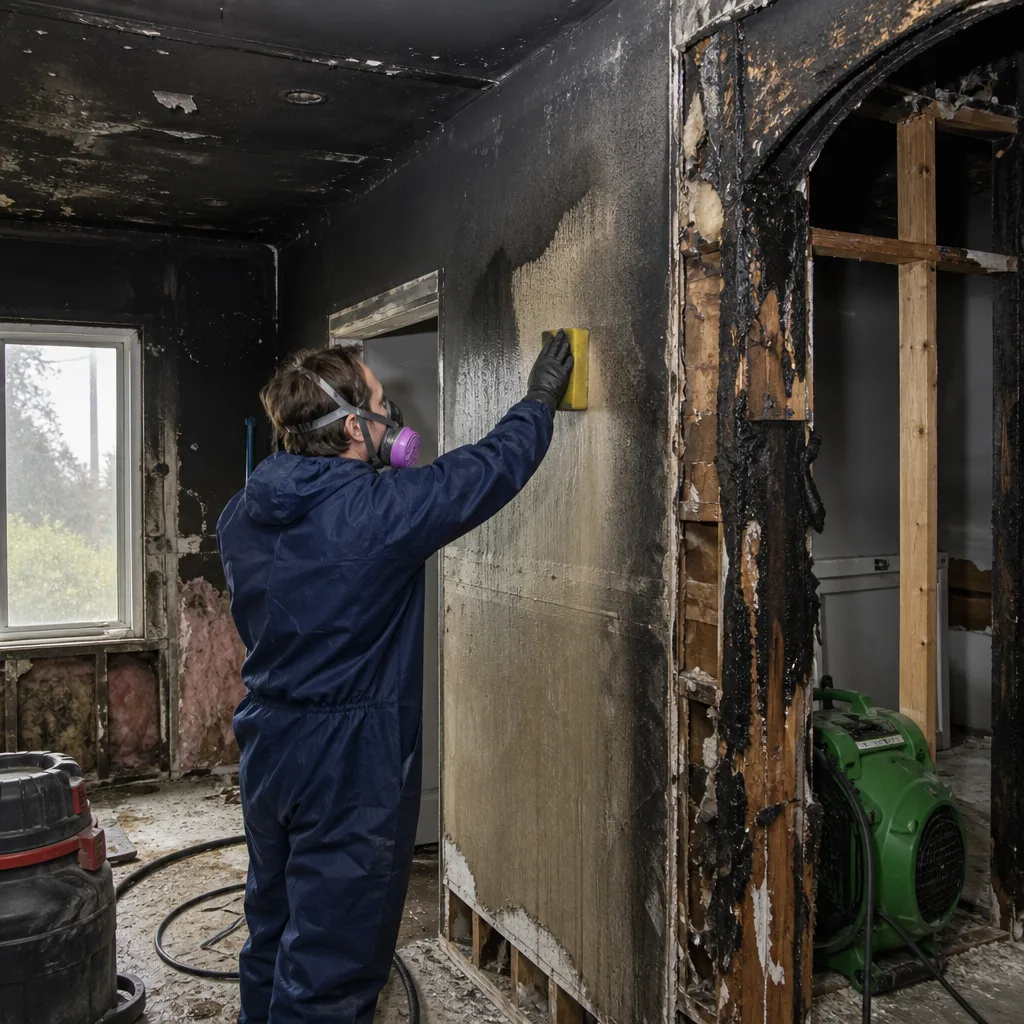
HEPA air scrubbers establish negative air pressure before dry soot gets vacuumed, wet soot gets solvent-cleaned, and protein residues get enzymatic treatment. We clean from top to bottom, following smoke migration patterns through Harbour Pointe’s pre-2005 framing assemblies where vapor barriers often fail to contain odor.
5. Odor Removal & Contents Treatment
Contents get packed out to our facility for ultrasonic cleaning, ozone or hydroxyl treatment, and thermal fogging where appropriate. On-site structural deodorization uses thermal fogging, vapor-phase counteractants, and sealants on charred substrates. In Mukilteo, we oversized dehumidification capacity because marine humidity reactivates odor molecules other climates would suppress.
6. Repairs & Restoration
Charred framing gets sistered or replaced, compromised insulation removed and reinstalled to current R-value, drywall replaced, and finishes matched. The written scope governs every line item, with photo documentation of before, during, and after conditions.
Need Emergency Fire & Smoke Damage Restoration in Mukilteo Now?
Crews minutes away, answering live 24 hours a day. The sooner we start, the less it costs.
Working With Your Insurance Company
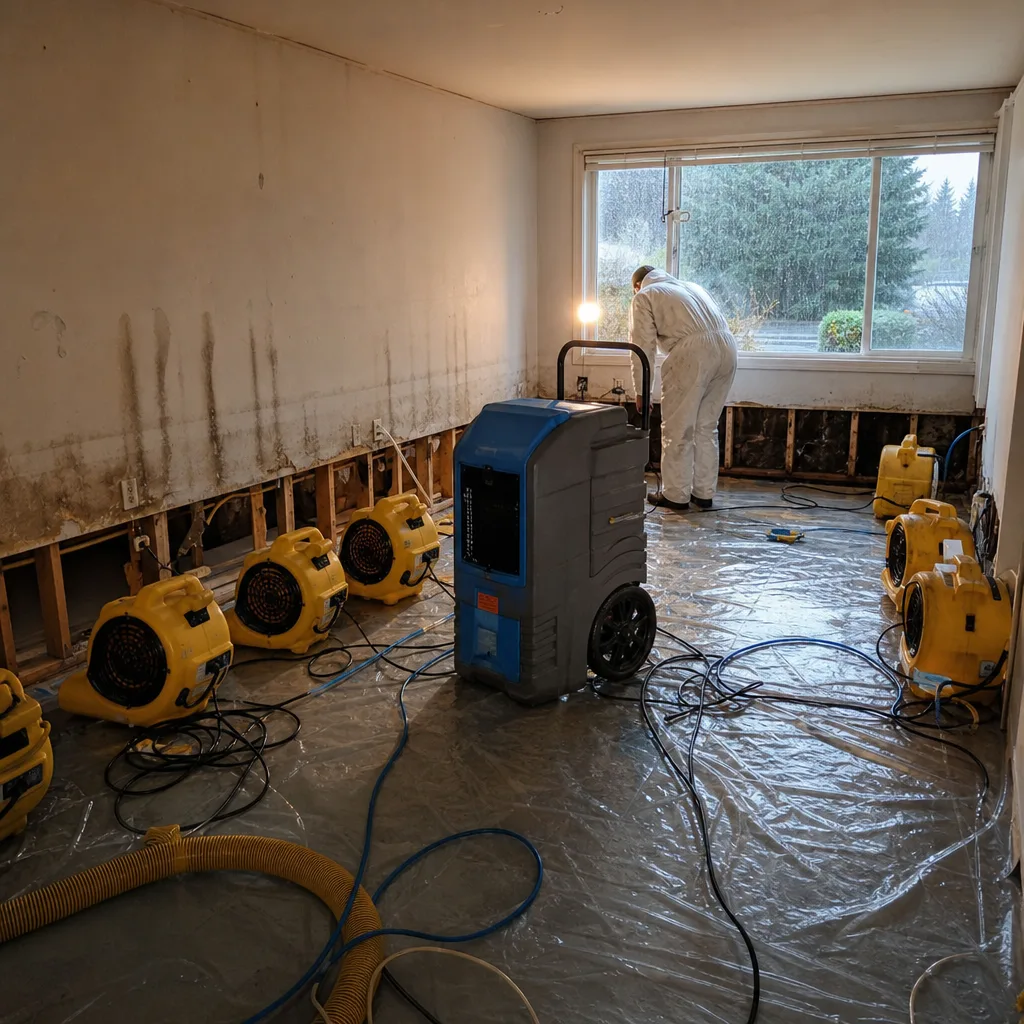
Fire claims live or die on documentation. Adjusters see disputed scopes, missing moisture readings, and photo gaps that turn legitimate invoices into denied lines. We built our process to prevent that.
From the first hour, we generate the records your carrier needs: time-stamped photos, material classifications by trade name, moisture-content percentages on every affected assembly, and daily drying logs that show psychrometric conditions and equipment run times. Our estimates follow Xactimate structure, and we coordinate directly with your adjuster, attending site visits when requested, to resolve questions before they become disputes.
Direct insurance billing means you’re not floating restoration costs while waiting for claim resolution. And our Free Second Opinion on any competitor’s written estimate gives you leverage if another vendor’s scope looks thin or their pricing seems off.
What We Provide Your Insurer
- Thorough documentation of the loss
- Photos of all damage, room by room
- Moisture readings and drying logs
- A detailed, line-item scope of work
- Direct coordination with your carrier
Built for Mukilteo’s Loss Calendar
Fire losses in Mukilteo follow patterns tied to the city’s housing stock and coastal climate. Winter heating season, November through March, brings the highest frequency of fireplace and space-heater fires, particularly in the older bluff-adjacent homes with original chimneys and aging electrical systems. The same season dumps the heaviest rainfall, so suppression water meets saturated soils and the slope-hydrology conditions that complicate drying.
Spring and summer see more cooking fires and outdoor grill incidents, with the added risk that open windows and HVAC operation accelerate smoke migration through Harbour Pointe’s wood-frame assemblies. July and August dry spells actually raise fire risk in exterior structures, decks, and outbuildings.
Year-round, Mukilteo’s marine humidity means any fire loss with suppression water faces compressed drying timelines. Where inland Everett or Lynnwood might see 72-hour drying windows, Mukilteo’s persistent onshore moisture often demands 48-hour targets and aggressive dehumidification with equipment from Phoenix or XPOWER to stay ahead of mold colonization.
Fire & Smoke Damage Restoration Across Mukilteo’s Neighborhoods
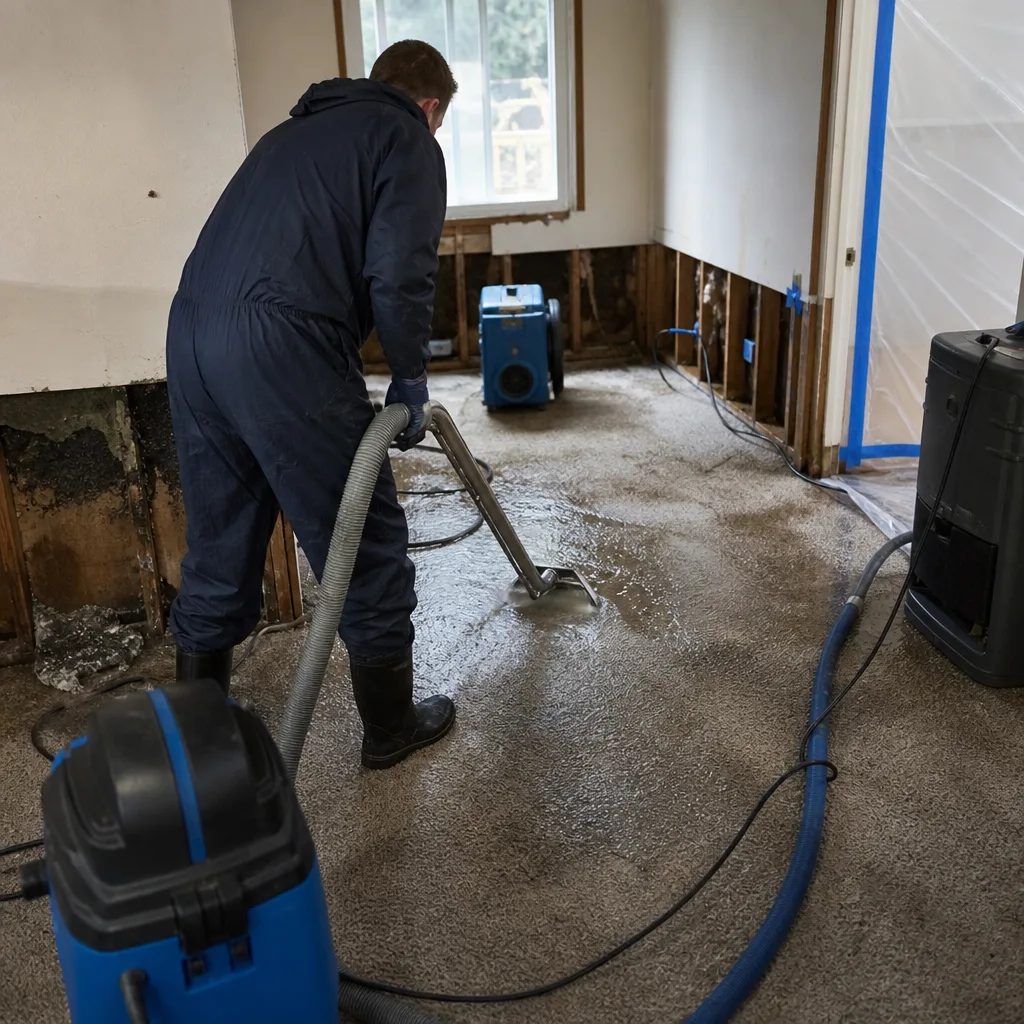
Harbour Pointe, Mukilteo’s largest planned community, built largely between 1986 and 2005, presents the most common fire-loss profile we see: wood-frame construction with vapor barriers and crawl-space ventilation that predate current moisture-load standards. Smoke migrates fast through these assemblies, and post-fire drying requires equipment capacity the original builders never anticipated. Our crews know the street patterns, the HOA access requirements, and the typical floor plans.
Old Town Mukilteo, near the ferry terminal and waterfront, mixes commercial and residential with buildings dating to the mid-20th century and earlier. Original wood siding, minimal moisture management, and proximity to salt-laden air mean fire losses here often involve accelerated corrosion of electrical systems and structural hardware alongside the primary damage.
Bluff-edge streets above the Mukilteo Speedway corridor, from roughly 76th Street SW to the cliff line, carry the slope-hydrology risk that defines our most complex scopes. Wall cracking, foundation displacement, and crawl-space moisture that owners attribute to fire suppression often trace to seasonal soil creep and hydrostatic recharge. We separate these conditions in our assessment so the scope addresses what’s actually broken.
The Paine Field corridor and newer infill near 128th Street SW bring more contemporary construction, but even these homes sit on the same marine-influenced soils. Our response routes account for Mukilteo’s traffic patterns, the Speedway chokepoints during ferry loading, and the hillside access constraints that affect equipment staging.
Specialized Fire & Smoke Damage Restoration Services We Offer in Mukilteo
Fire Damage Cleanup
From contained kitchen fires to full-structure losses, we remove charred materials, clean salvageable substrates, and prepare the assembly for reconstruction. In Mukilteo’s Harbour Pointe homes, we pay particular attention to smoke penetration through pre-2005 vapor barriers that no longer seal effectively against marine humidity.
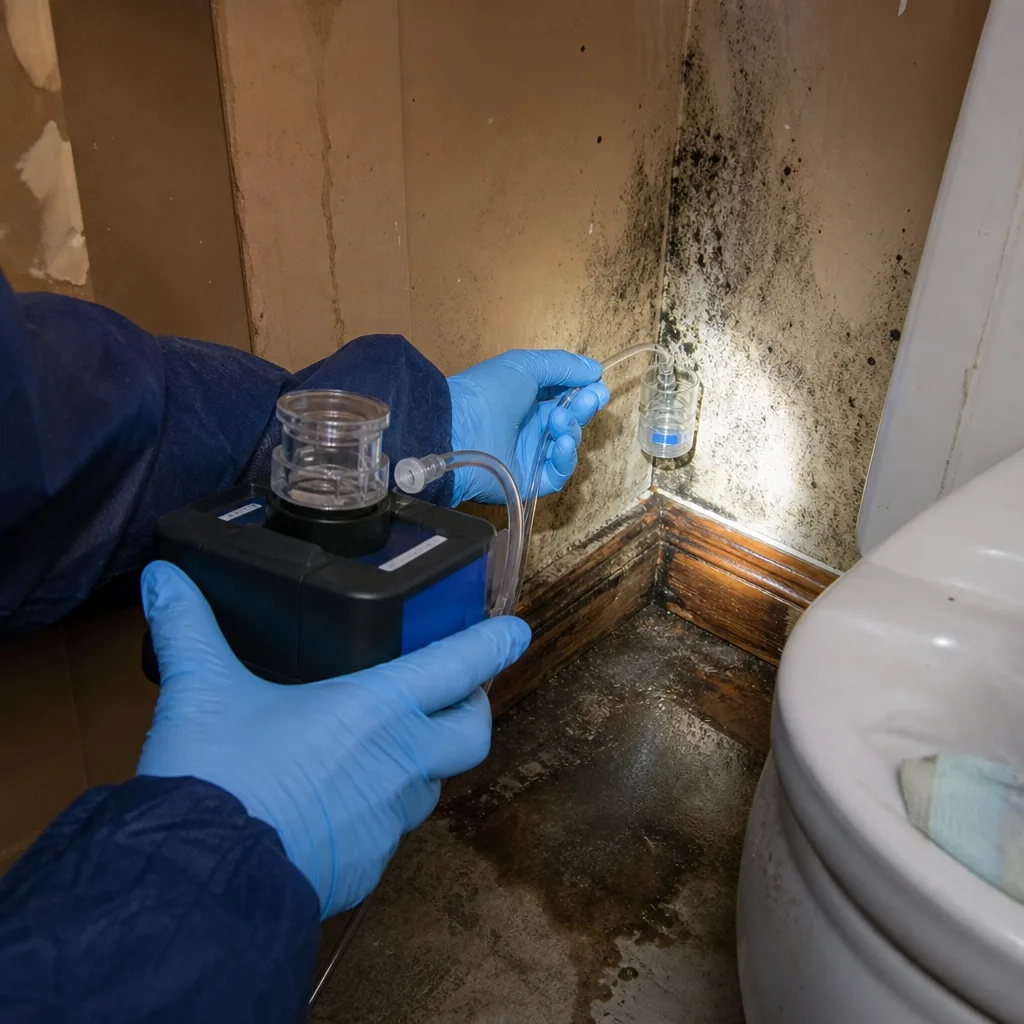
Smoke & Soot Removal
Dry, wet, and protein soot each demand specific cleaning chemistry and mechanical action. We use HEPA vacuums, solvent-based cleaners, and enzymatic treatments matched to the residue type, with negative-air containment to prevent cross-contamination during the process.
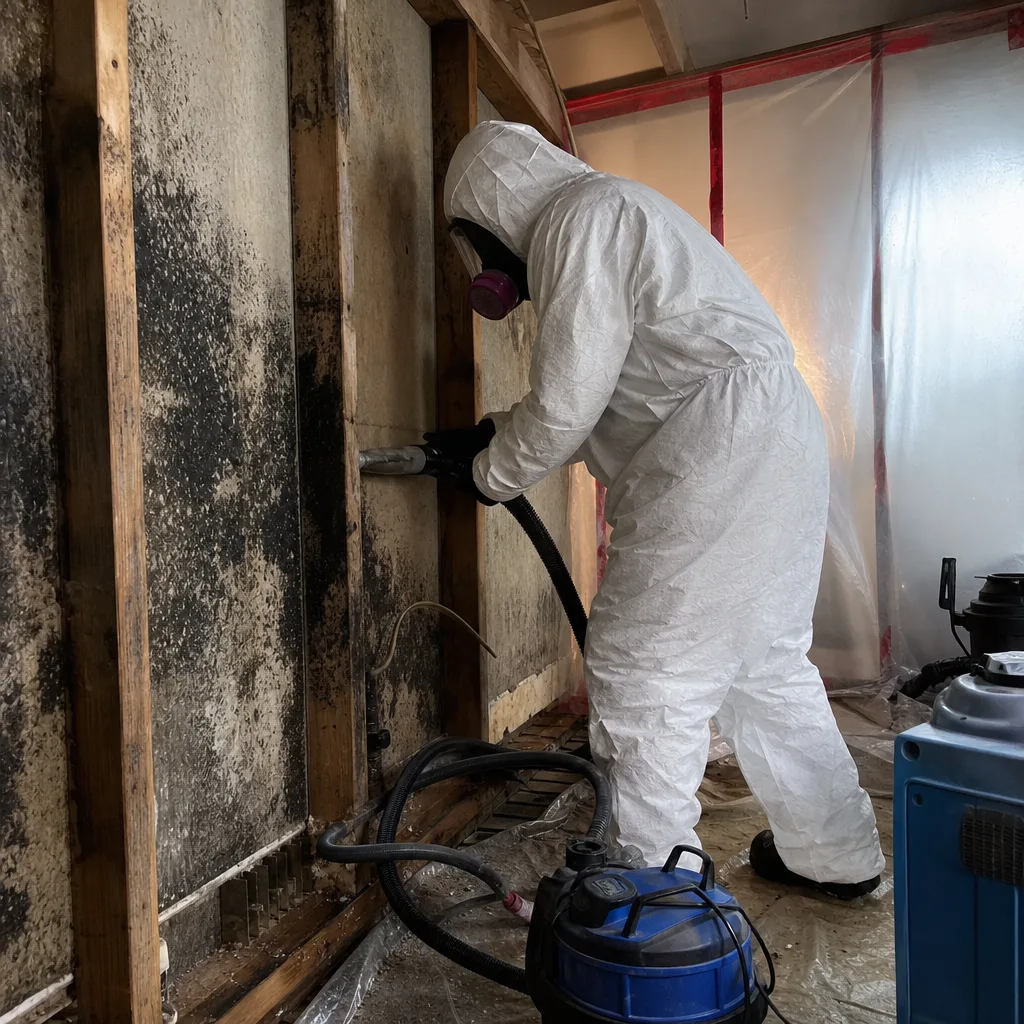
Odor Removal & Deodorization
Thermal fogging, hydroxyl generators, ozone treatment, and vapor-phase counteractants address odor at the molecular level. In Mukilteo’s humid coastal environment, we oversized dehumidification runs alongside deodorization to prevent moisture from reactivating odor molecules months after the initial treatment.
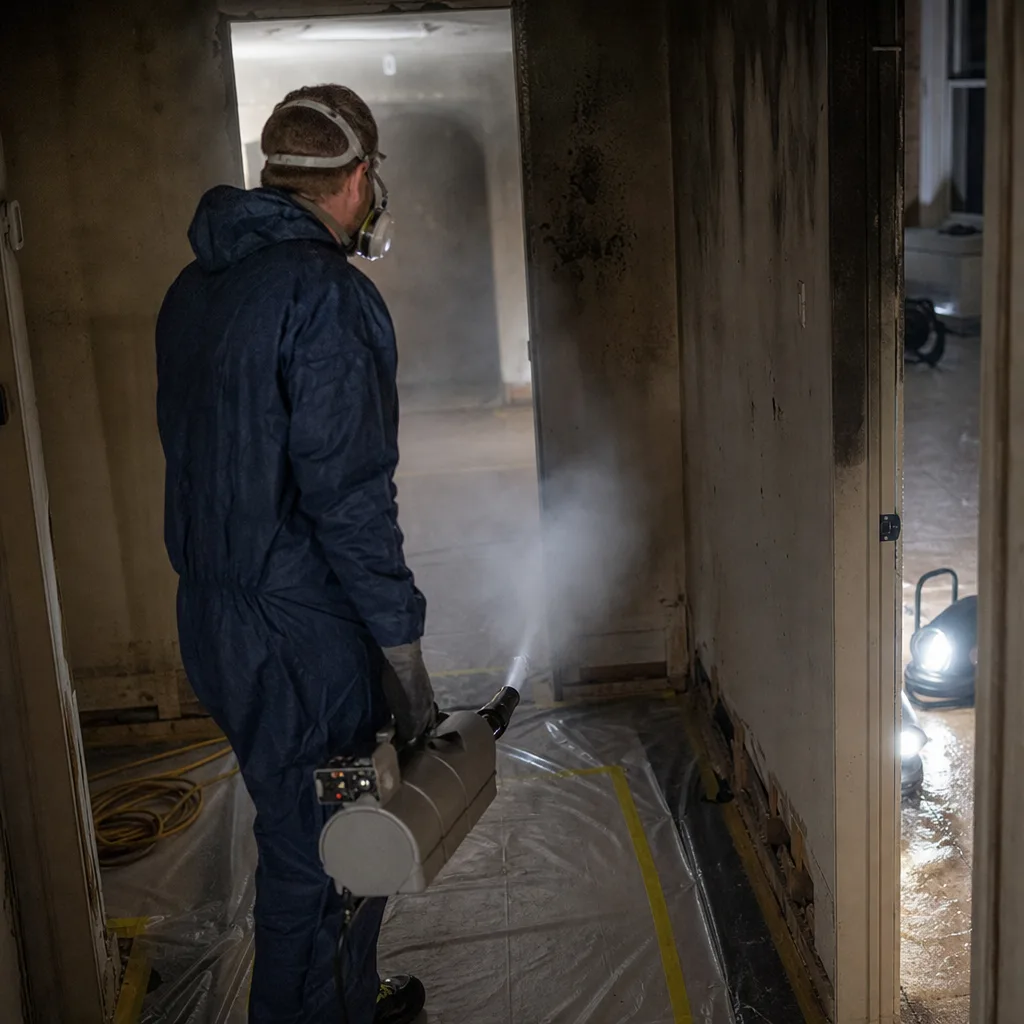
Contents Cleaning & Pack-Out
Smoke-damaged belongings get inventoried, photographed, and transported to our facility for ultrasonic cleaning, specialized deodorization, and secure storage until structural restoration completes. We provide the detailed contents list your adjuster needs, with condition documentation for every item.
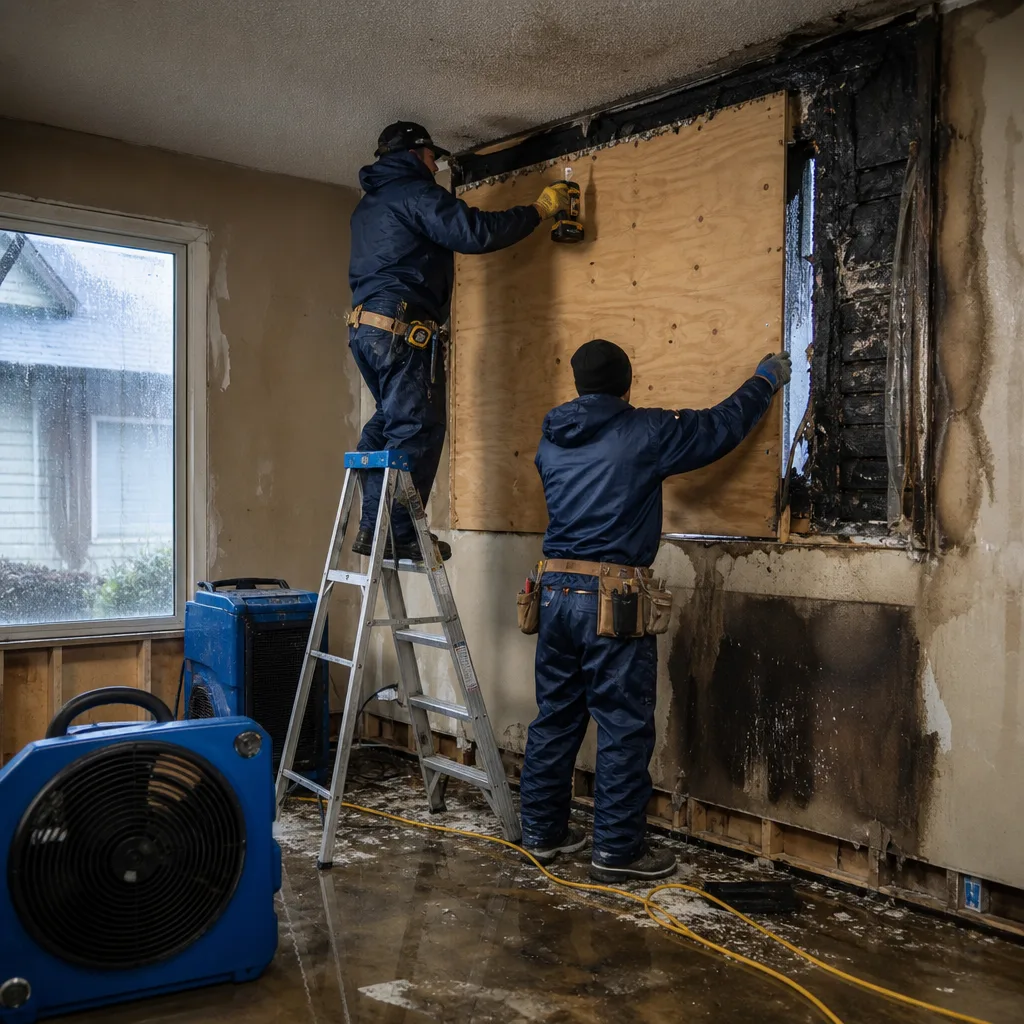
Emergency Board-Up & Tarping
Same-day securing of compromised openings, roof breaches, and structural hazards. Our crews carry plywood, tarps, and temporary fencing inventory sized for Mukilteo’s mix of single-family homes and multi-unit buildings, with the hardware to secure against the wind exposure that comes with Puget Sound shoreline position.
Structural Fire Repair
Sistered or replaced framing, new insulation to current code, drywall installation, and finish matching to restore the pre-loss condition. The written scope governs every assembly, with photo documentation at each phase.
What happens when you call
- 1
A real person answersNo phone trees - you reach a local pro.
- 2
You get an upfront price rangeHonest numbers before anyone is dispatched.
- 3
A background-checked tech heads outLicensed & insured, dispatched right away.
- 4
You approve before work beginsNothing starts until you say go.
Fire & Smoke Damage Restoration Costs in Mukilteo, WA
Light smoke damage with minimal char and no structural compromise typically runs $4,200-$7,800 in Mukilteo’s market. Moderate damage involving charred framing, smoke migration through multiple rooms, and suppression water extraction ranges $8,500-$14,000. Heavy damage with structural compromise, extensive contents pack-out, and complex slope-hydrology moisture issues can reach $15,000-$28,000 or more.
What moves the price: the square footage affected, the number of stories (smoke rises, and multi-level migration adds labor), the residue types present, whether contents require pack-out versus on-site cleaning, and the presence of ground-sourced moisture from Mukilteo’s hillside hydrology that extends drying timelines and equipment runs.
Insurance typically covers fire and smoke damage restoration when the loss is sudden and accidental, including suppression water and reasonable measures to prevent further damage. Out-of-pocket costs usually apply to deductibles and any upgrades beyond like-kind replacement. We deliver a written price before work starts, per Haven Standard, Clause 1, and we review any competitor’s estimate free as a second opinion.
We Also Serve Cities Near Mukilteo
Our crews respond throughout Snohomish County and the north King County corridor, including Mukilteo and neighboring Mill Creek, Everett, Lynnwood, and Snohomish. Dispatch and scheduling are coordinated from our Seattle office, with local crews serving each community’s specific building stock and terrain conditions.
Serving Mukilteo, WA - Our Local Coverage Area
We’re based in the Mukilteo area and know this community well. Use the map below to see our service coverage - if you’re nearby, we can almost certainly help.
Mukilteo Fire & Smoke Damage Restoration Questions, Answered
Why does a fire loss in Mukilteo take longer to dry than one in Everett or Lynnwood?
Mukilteo’s immediate Puget Sound shoreline position creates persistent onshore marine fog and salt-laden air that keeps ambient humidity measurably higher than just a few miles inland, compressing the drying window after suppression water is introduced.
Our crews deploy LGR dehumidifiers and air movers sized beyond standard residential capacity, with daily psychrometric monitoring to verify vapor pressure differentials are moving in the right direction. The same marine humidity that makes Mukilteo pleasant to live in makes post-fire drying a technical challenge that inland Snohomish County properties don’t face. Call (360) 502-8815 for a free inspection and written scope.
Can smoke odor come back after deodorization in a Harbour Pointe home?
Yes, if the original scope missed hidden smoke penetration or if marine humidity reactivates odor molecules trapped in porous substrates.
Harbour Pointe’s pre-2005 vapor barriers and crawl-space ventilation designs often allow smoke to migrate into wall cavities and framing voids that surface cleaning doesn’t reach. We use thermal imaging to locate hidden penetration, apply vapor-phase counteractants and sealants to charred substrates, and run aggressive dehumidification alongside deodorization to prevent moisture-driven reactivation. Our 365-Day Done Right Promise covers odor recurrence if our scope was incomplete. Call (360) 502-8815 for assessment.
We see cracking near the foundation after a kitchen fire in a bluff-edge Mukilteo home - is that fire damage?
Probably not, or not entirely; bluff-edge homes in Mukilteo regularly show wall cracking and foundation displacement from seasonal soil creep and slope movement, not heat or suppression water.
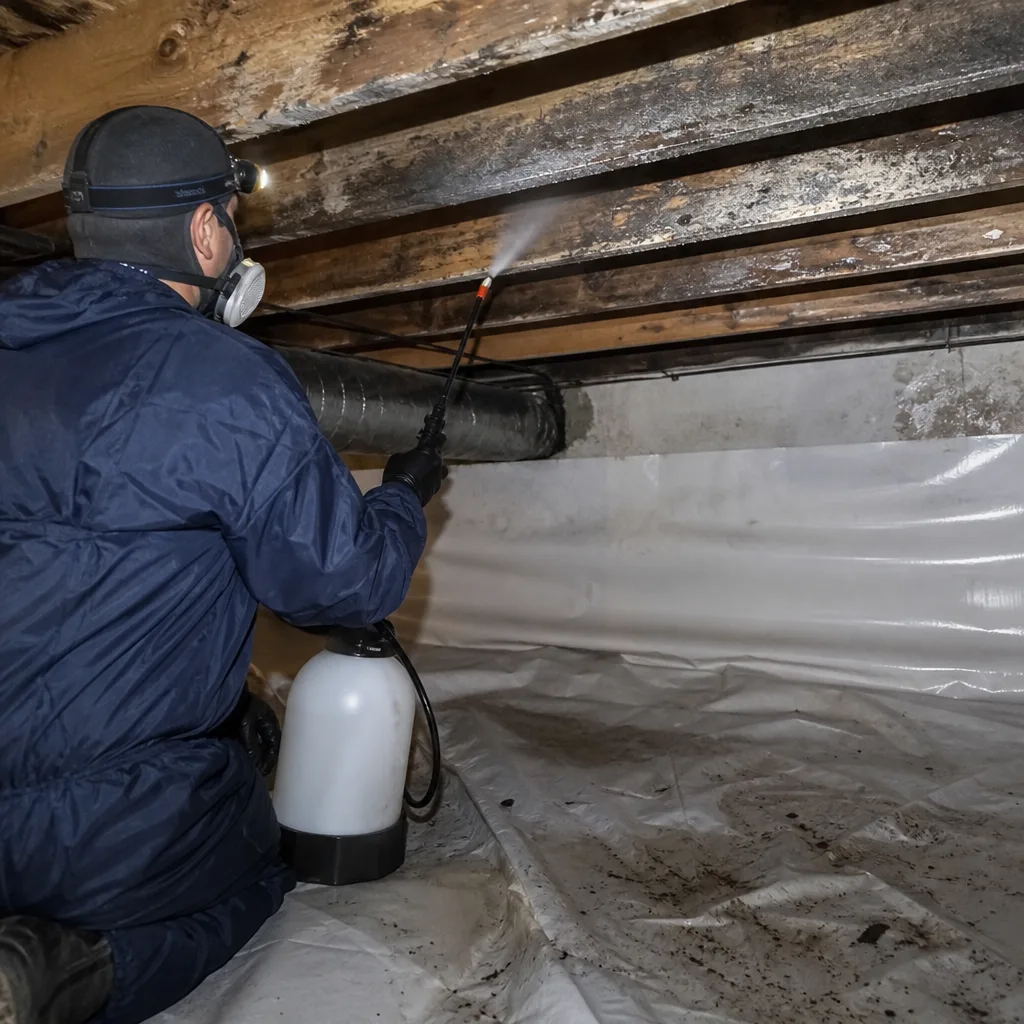
We ran a fire and smoke loss in Harbour Pointe on a 1990s wood-frame home where charred framing near the crawl-space hatch let us see the vapor barrier was already failing from marine humidity; our crew did emergency board-up, containment with HEPA air scrubbers, antimicrobial treatment on the joists, and pack-out of the contents before moisture mapping showed ground-sourced readings we traced to slope recharge rather than the fire hose. The owner originally asked us to just fog the smoke smell, but our scope of work included drying logs for the affected assemblies because the soot was hiding Category 2 moisture. No drying or deodorization protocol fixes moisture recharged by ongoing ground movement. Call (360) 502-8815 for inspection.
Do you board up and tarp a Mukilteo home the same day as a fire?
Yes, emergency board-up and tarping are completed within 45 minutes of dispatch, every time, as the first phase of our Fire & Smoke Damage Restoration response.
Securing the envelope stops weather intrusion, prevents liability from exposed hazards, and protects salvageable contents from secondary damage. Our crews carry plywood, tarps, and temporary fencing inventory sized for Mukilteo’s housing stock, including the access constraints of hillside neighborhoods and the wind exposure that comes with Puget Sound shoreline position. The written scope and price for full restoration follow, per Haven Standard, Clause 1. Call (360) 502-8815 for immediate dispatch.
How do you decide what gets packed out versus cleaned on-site after a Mukilteo fire?
Contents get packed out when smoke residue has penetrated deeply, when on-site cleaning would risk cross-contamination to unaffected areas, or when structural conditions make the home unsafe for restoration work.
We inventory and photograph every item before transport, then clean at our facility using ultrasonic systems, ozone or hydroxyl treatment, and thermal fogging as appropriate. On-site cleaning works for lightly affected hard surfaces in homes with intact containment. The decision is documented in the written scope with the owner’s approval, and the detailed contents list supports your insurance claim. Call (360) 502-8815 to discuss your specific situation.
Will insurance cover the full cost of fire and smoke restoration in Mukilteo?
Most homeowner policies cover sudden and accidental fire damage, including smoke, soot, suppression water, and reasonable emergency measures to prevent further loss.
Your deductible applies first, and coverage limits govern the total payable amount. Where disputes arise, it’s usually over whether scope items are like-kind replacement versus upgrades, or whether secondary damage (like mold from delayed drying) resulted from the original loss or from post-loss conditions. Our documentation, photo records, and direct adjuster coordination are designed to prevent these disputes by establishing causation and scope clearly from day one. We also provide a Free Second Opinion on any competitor’s written estimate. Call (360) 502-8815 to review your policy and loss.
How long does the full fire restoration process take in Mukilteo?
Light smoke damage with no structural compromise typically completes in 3-5 days. Moderate damage with charred framing, smoke migration, and suppression water runs 1-2 weeks. Heavy damage with structural repair needs can extend to 4-8 weeks or more.
Mukilteo’s marine humidity can extend drying timelines by 20-30% compared to inland markets, and slope-hydrology moisture issues in bluff-edge homes add complexity that flat-terrain properties don’t face. The reconstruction phase, governed by permit timelines and material availability, runs on a separate schedule from mitigation. We provide a written timeline with the scope, updated as conditions change. Call (360) 502-8815 for a specific assessment.
Can we stay in our Mukilteo home during fire damage restoration?
Sometimes, for very light smoke damage limited to one room with no HVAC contamination and intact utilities, but most fire losses require at least temporary relocation during active mitigation.
Air quality from soot and cleaning solvents, noise from equipment, and the disruption of packed-out contents make occupancy impractical during active work. We coordinate with your adjuster on additional living expense coverage when your policy includes it, and we prioritize completing the mitigation phase to minimize displacement time. The written scope includes a clear occupancy recommendation based on conditions found. Call (360) 502-8815 to discuss your situation.
Written by Alicia Brennan, Owner at DryMark Restoration Everett, serving Mukilteo since 2011.
Fire & Smoke Damage Restoration in Nearby Areas